
Rani Sipri Mosque Ahmedabad: History, Architecture & Timings

Rohan Malhotra
December 12, 2025
Discover Rani Sipri Mosque in Ahmedabad, a 16th-century architectural masterpiece known as Masjid-e-Nagina. Explore its exquisite jali work, Indo-Islamic architecture, historical significance, and practical visitor information.
Introduction: The Queen's Architectural Masterpiece
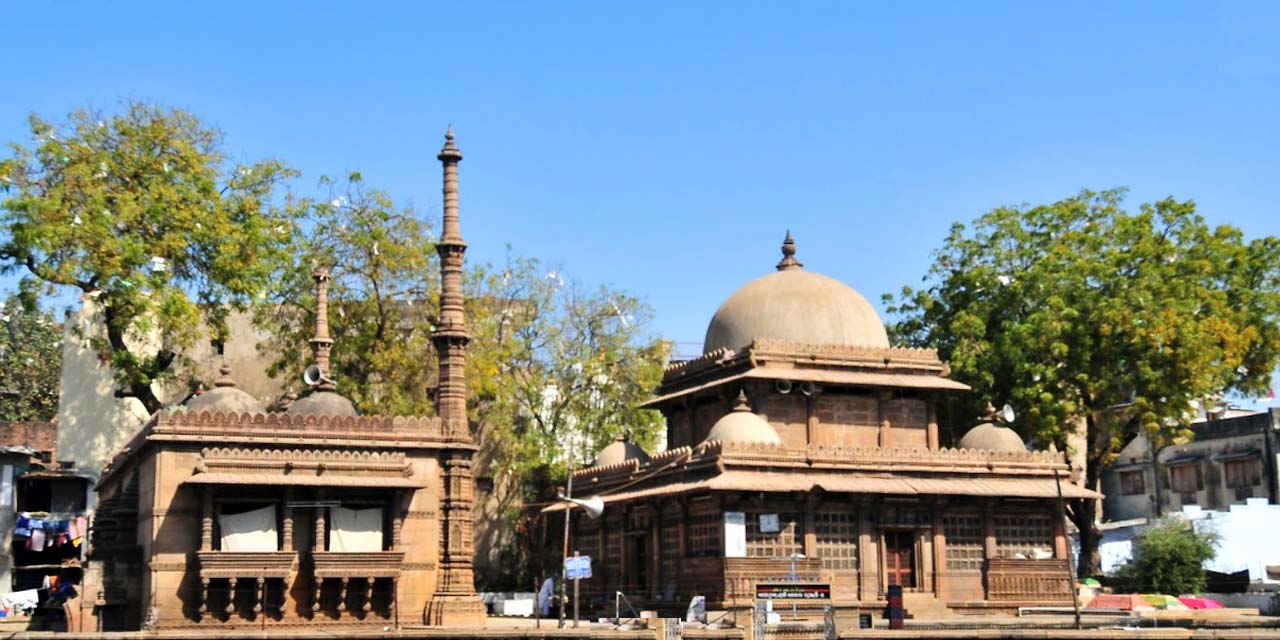
Nestled in the heart of Ahmedabad's old city, Rani Sipri Mosque stands as a testament to the exquisite Indo-Islamic architecture of the Gujarat Sultanate era. This elegant 16th-century mosque, often referred to as Masjid-e-Nagina (Jewel of a Mosque), is one of Ahmedabad's most precious heritage sites. Built by Queen Sipri, the wife of Sultan Mahmud Begada, this compact yet stunning structure showcases the remarkable craftsmanship and artistic sensibility of its time.The mosque's significance extends beyond its religious function. It represents a poignant story of devotion and architectural innovation that has captivated historians and visitors for over five centuries. Despite its relatively modest size compared to Ahmedabad's grander mosques, Rani Sipri Mosque possesses an ethereal beauty that continues to enchant all who visit. Its delicate minarets, intricate jali work, and perfect proportions make it a photographer's delight and a must-visit destination for anyone exploring the rich cultural tapestry of Ahmedabad.
History & Significance
Construction and Royal Patronage
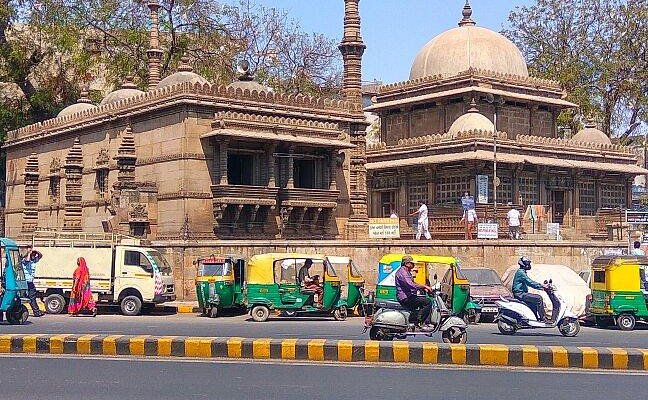
Rani Sipri Mosque was built in 1514 AD during the reign of Sultan Mahmud Begada, one of the most prominent rulers of the Gujarat Sultanate. The mosque was commissioned by Rani Sipri, the Sultan's Hindu queen, making it a unique example of interfaith architectural patronage during that era. Historical accounts suggest that Rani Sipri built this mosque as a memorial after her husband executed their son for a minor offence, though some historians dispute this claim.The mosque's construction reflects the sophisticated architectural traditions that flourished under the Gujarat Sultanate (1407-1573). This period witnessed remarkable cultural synthesis, where Hindu and Islamic architectural styles blended to create distinctive regional variants. Rani Sipri Mosque embodies this syncretic tradition, incorporating elements from both traditions while maintaining its Islamic character as a place of worship.
Architectural Innovation
What makes Rani Sipri Mosque particularly significant is its innovative design approach. Unlike the grand congregational mosques of Ahmedabad, such as the Jama Masjid, this mosque was designed for more intimate worship. Its compact size and refined proportions demonstrate how architectural excellence could be achieved even on a smaller scale. The mosque's design has influenced subsequent Islamic architecture in Gujarat and serves as an important reference point for scholars studying regional variations in Indo-Islamic architecture.Heritage Status
Today, Rani Sipri Mosque is protected as a monument of national importance under the Archaeological Survey of India (ASI). This status ensures the preservation of its architectural heritage for future generations. The mosque continues to be an active place of worship while also serving as an important tourist attraction that draws history enthusiasts, architecture students, and cultural travelers from around the world.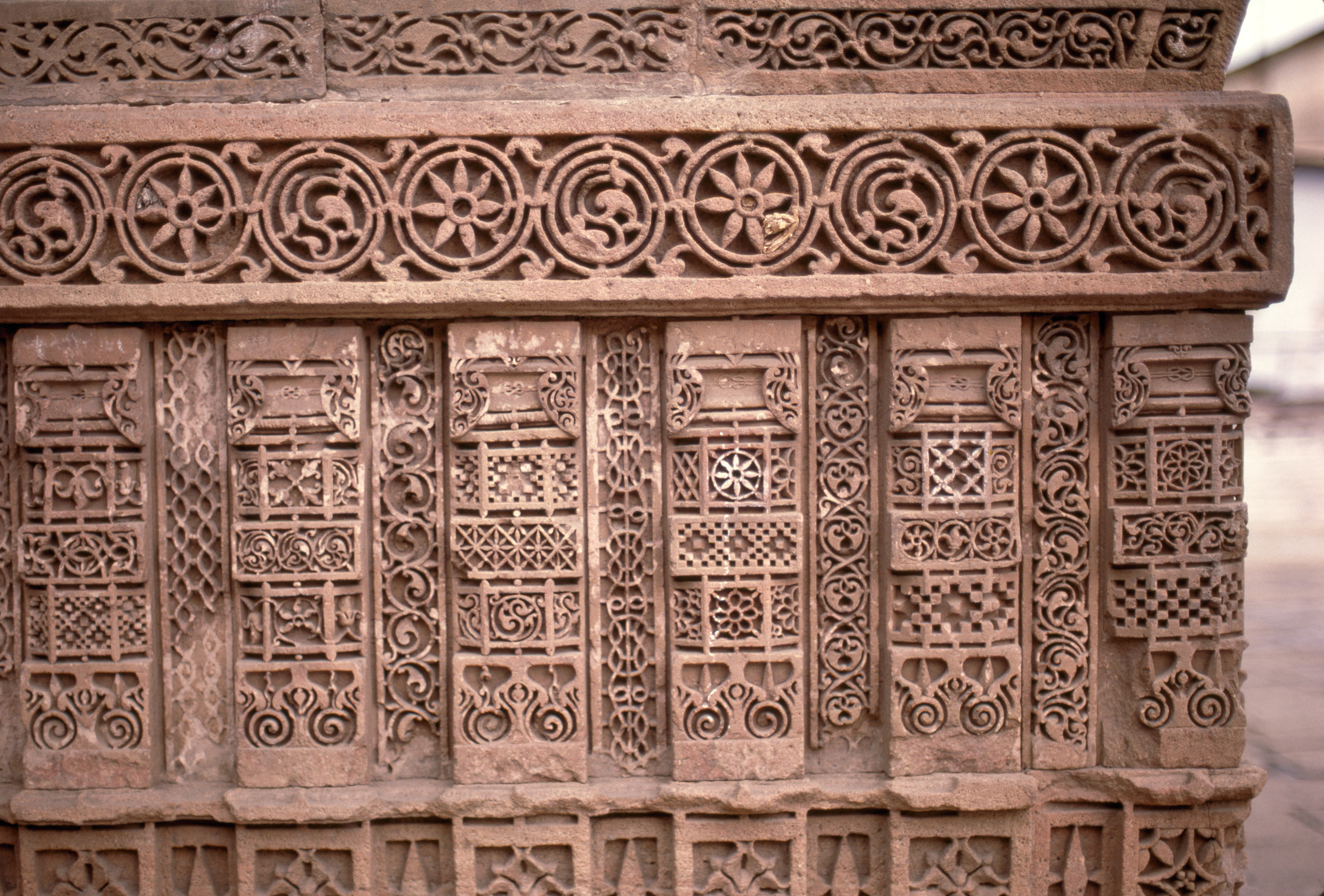
Architecture & Design
Overall Architectural Style
Rani Sipri Mosque exemplifies the Indo-Islamic architectural style that developed in Gujarat during the 15th and 16th centuries. This style is characterized by the harmonious blending of Islamic architectural principles with indigenous Indian craftsmanship and decorative traditions. The mosque's design reflects the mature phase of this architectural tradition, where builders had perfected the art of creating structures that were both functional and aesthetically refined.The mosque's plan follows a typical Indian mosque layout with a prayer hall oriented towards Mecca. However, its execution is particularly refined, with careful attention paid to proportions, light, and decorative elements. The entire structure is built using the local yellow sandstone that characterizes many of Ahmedabad's historic monuments, giving the mosque a warm golden hue that changes beautifully with the shifting daylight.
Exterior Features
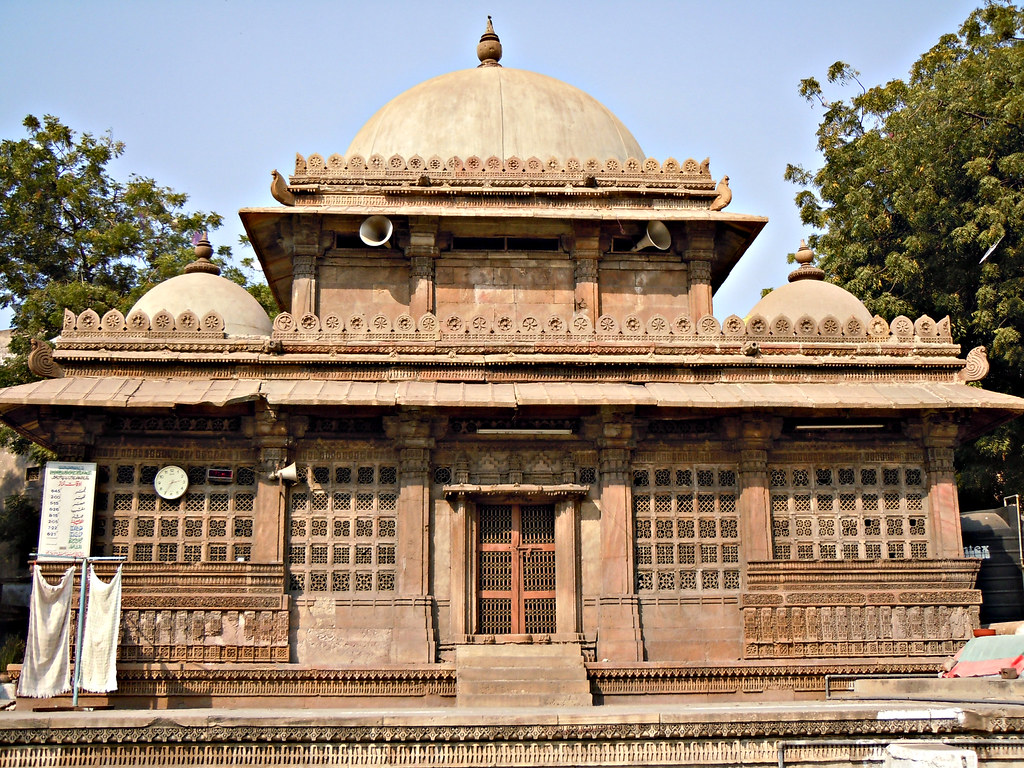
The most striking exterior feature of Rani Sipri Mosque is its pair of graceful minarets that flank the main structure. These slender towers are particularly noteworthy for their elegant proportions and decorative treatment. Unlike the massive minarets of some other mosques, these are delicate and refined, more like decorative pinnacles than traditional minarets. Each minaret is divided into multiple balconies supported by intricate brackets and adorned with delicate carvings.The mosque's facade features beautifully carved arched entrances that lead into the prayer hall. These arches display the characteristic Islamic pointed arch form but are enriched with carved elements that show Hindu artistic influence. The exterior walls are decorated with exquisite jali (stone lattice) screens that not only serve an aesthetic purpose but also provide ventilation and filter the harsh Gujarat sunlight, creating a cool and serene interior environment.
| Architectural Element | Description |
|---|---|
| Minarets | Two slender towers with multiple balconies and decorative brackets |
| Arches | Pointed arches with carved elements showing Hindu influence |
| Jali Work | Intricate stone screens for ventilation and light filtration |
| Material | Local yellow sandstone with marble elements |
| Dimensions | Compact size - approximately 34 x 22 feet |
Decorative Elements
The decorative program of Rani Sipri Mosque is exceptionally refined and represents some of the finest stone carving work from the Gujarat Sultanate period. The exterior surfaces feature intricate geometric patterns, floral motifs, and arabesque designs that demonstrate the remarkable skill of the stone carvers. These decorative elements are executed with such precision that they appear almost like lace carved in stone.Particularly noteworthy are the carved panels that adorn the mosque's exterior. These panels feature complex geometric patterns that create mesmerizing optical illusions. The interplay of light and shadow across these carved surfaces changes throughout the day, giving the mosque a dynamic quality that makes each visit unique. The level of detail in these carvings is extraordinary, with some patterns so fine that they seem almost impossible to have been created by hand.
Interior Features
Prayer Hall Design
The interior of Rani Sipri Mosque, though compact, is a masterpiece of spatial design. The prayer hall is entered through the arched doorways on the facade, which frame the interior space beautifully. Inside, the hall is divided into two sections, with the main prayer area featuring a beautifully arranged central space that focuses attention on the mihrab (prayer niche) on the western wall.The ceiling of the prayer hall is particularly noteworthy. Though relatively simple in its structural conception, it features elegant vaulting that creates a sense of height and spaciousness despite the modest dimensions of the hall. The natural light entering through the jali screens creates a soft, diffuse illumination that enhances the spiritual atmosphere of the space.
The Famous Jali Work
The true highlight of Rani Sipri Mosque's interior is its extraordinary jali work. These stone screens, which fill the spaces between the columns of the prayer hall, are among the finest examples of this craft in all of India. The patterns created by these screens are incredibly complex, featuring geometric designs that seem almost impossible to execute in stone.What makes these jalis particularly remarkable is their dual function. Practically, they provide ventilation and privacy while filtering the harsh Gujarat sunlight, creating a cool and serene interior environment. Aesthetically, they transform the interior space into a magical play of light and shadow, with the patterns changing constantly as the sun moves across the sky. The craftsmanship is so refined that the stone appears almost delicate, despite its structural strength.
Mihrab and Minbar
The mihrab, or prayer niche, which indicates the direction of Mecca, is beautifully carved and serves as the focal point of the prayer hall. Its design features intricate geometric patterns and calligraphic elements that enhance its spiritual significance. The mihrab is set within a larger arched recess that is also decorated with carved elements, creating a layered composition that draws the eye toward this sacred space.Adjacent to the mihrab is the minbar, or pulpit, from which the imam delivers sermons during Friday prayers. Like the mihrab, the minbar is beautifully decorated, though its design is relatively simple compared to the elaborate jali work elsewhere in the mosque. The restrained decoration of these religious focal points creates an appropriate contrast with the more elaborately carved screens, maintaining a balance between simplicity and ornamentation.
Atmospheric Quality
Perhaps the most striking aspect of Rani Sipri Mosque's interior is its atmospheric quality. Despite being located in the bustling old city, the interior of the mosque is remarkably peaceful and serene. The combination of the filtered natural light, the cool stone surfaces, and the intricate geometric patterns creates a space that feels both intimate and transcendent. It is easy to understand why this mosque has been a place of worship and contemplation for five centuries, and why visitors often describe experiencing a sense of calm and connection within its walls.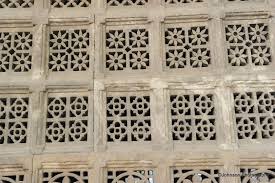
Timings & Visiting Information
Opening Hours
Rani Sipri Mosque is open to visitors throughout the week, though it's important to remember that this is an active place of worship. The mosque typically opens early in the morning, around 6:00 AM, and remains open until evening, generally closing around 8:00 PM. However, these timings can vary slightly depending on the season and prayer times, so it's always a good idea to check locally before planning your visit.For tourists and photography enthusiasts, the best time to visit is between prayer times when the mosque is less crowded. Friday afternoons can be particularly busy due to Jumma (congregational) prayers, so if you're looking for a quieter experience, it's best to avoid visiting during this time. Early morning visits are especially rewarding, as the soft morning light creates beautiful effects on the carved stone surfaces.
Duration of Visit
Most visitors find that 30-45 minutes is sufficient to explore and appreciate Rani Sipri Mosque thoroughly. The mosque's compact size means that you can see all its significant features without rushing, though those with a particular interest in architecture or photography might want to allow more time. The intricate details of the jali work and carved elements reward close examination, so photography enthusiasts should plan to spend additional time capturing these remarkable features.Entry Fee
One of the most appealing aspects of visiting Rani Sipri Mosque is that there is no entry fee. This makes it an accessible attraction for budget travelers and allows multiple visits if you wish to experience the mosque at different times of day. The lack of an entry fee also means you can pop in for a brief visit during a longer tour of Ahmedabad's old city without committing to a lengthy stop.Photography Guidelines
Photography is generally permitted at Rani Sipri Mosque, making it a favorite destination for photographers interested in Islamic architecture and traditional craftsmanship. However, visitors should be respectful and avoid photographing worshippers during prayer times. The best photography conditions are typically in the early morning or late afternoon when the light is soft and creates dramatic shadows across the carved surfaces.If you're planning to photograph the jali work specifically, consider bringing a lens with good low-light capabilities, as the interior can be relatively dim. The interplay of light and shadow through the stone screens creates photographic opportunities that change throughout the day, so multiple visits at different times can yield very different results.
Visitor Facilities
While Rani Sipri Mosque is a historic monument rather than a modern tourist attraction, it does provide basic facilities for visitors. There is a designated area for shoe removal near the entrance, as shoes are not permitted inside the prayer hall. The mosque also has facilities for wudu (ritual ablution) for those who wish to perform prayers.Visitors should note that there are no dedicated parking facilities at the mosque itself, and parking in the narrow streets of the old city can be challenging. It's often best to use a taxi or auto-rickshaw for your visit rather than attempting to drive and park. There are also no restaurants or cafes immediately adjacent to the mosque, so plan accordingly if you're visiting around meal times.
Best Time to Visit
Seasonal Considerations
The best time to visit Rani Sipri Mosque, and Ahmedabad in general, is during the winter months from October to March. During this period, the weather is pleasant and comfortable, making it ideal for exploring the old city on foot. The summer months from April to June can be extremely hot in Ahmedabad, with temperatures often exceeding 40°C (104°F), which can make walking tours uncomfortable.The monsoon season from July to September brings welcome relief from the heat but also humidity and occasional heavy rain. While the mosque can be beautiful during and immediately after rainfall, with the wet stone surfaces taking on a richer color, you'll need to be prepared for wet conditions. If you do visit during the monsoon, be sure to carry appropriate rain gear.
Time of Day
For the most enjoyable visiting experience, aim for early morning or late afternoon. Early morning visits (around 8-9 AM) offer several advantages: the light is soft and warm, creating beautiful effects on the carved stone; the temperature is cooler; and the mosque is less crowded. The morning light is particularly flattering for photography, illuminating the jali work from angles that highlight the intricate patterns.Late afternoon visits, particularly in the hour or so before sunset, can be equally rewarding. The golden hour light gives the yellow sandstone a warm glow, and the long shadows create dramatic contrasts across the carved surfaces. This is also a great time to observe local life in the surrounding streets, as the old city comes alive in the late afternoon.
Day of Week
Weekdays generally offer a quieter experience than weekends, particularly for tourists who want to explore and photograph without crowds. Friday afternoons should be avoided for tourism purposes, as the mosque becomes busy with worshippers attending Jumma prayers. That said, experiencing the mosque during a prayer time can be a meaningful cultural experience if you're respectful and observe from a distance.Special Times
>Ramadan and Eid can be particularly interesting times to visit if you're interested in experiencing the mosque's religious and cultural significance. During these periods, the mosque takes on a special atmosphere, and you may witness additional religious activities. However, visitors should be particularly respectful during these sacred times, and photography should be avoided or severely limited.How to Reach
Location Overview
Rani Sipri Mosque is located in the old city of Ahmedabad, near Astodia Darwaja, one of the historic gates of the walled city. This central location makes it easily accessible from other major tourist attractions in Ahmedabad. The mosque's address and its proximity to well-known landmarks make it relatively easy to find, even for first-time visitors to the city.From Railway Station
If you're arriving by train, the Ahmedabad Railway Station (also known as Kalupur Railway Station) is approximately 3 kilometers from Rani Sipri Mosque. From the station, you can take an auto-rickshaw or taxi, which should take about 10-15 minutes depending on traffic. The fare should be reasonable, but it's always a good idea to negotiate or ask for the meter to be used before starting your journey.For those traveling via the newly developed Sabarmati Railway Station, which is further from the old city, the distance to the mosque is greater. From Sabarmati station, allow approximately 30-40 minutes by auto-rickshaw or taxi. The route from Sabarmati station takes you through some interesting parts of the city, giving you a glimpse of modern Ahmedabad on your way to the historic old city.
From SG Highway
From SG Highway (Sarkhej-Gandhinagar Highway), one of Ahmedabad's main arterial roads, the distance to Rani Sipri Mosque is approximately 4 kilometers. However, this distance can take 20-30 minutes to cover during peak traffic hours due to congestion in the old city. If you're staying at a hotel on SG Highway, which many visitors do as it's a popular hotel district, taking a taxi or using ride-sharing services is the most convenient option.From Manek Chowk
Manek Chowk, the famous food market and central square in the old city, is only about 1.5 kilometers from Rani Sipri Mosque. This makes it very convenient to combine a visit to the mosque with exploring the vibrant street food scene at Manek Chowk. Walking from Manek Chowk to the mosque takes about 15-20 minutes and allows you to experience the narrow lanes and vibrant street life of the old city.Nearby Landmarks
The mosque is located near several other important historic monuments, which can help with navigation. Bhadra Fort, one of Ahmedabad's most significant historic sites, is in the vicinity. The famous Teen Darwaza (Triple Gateway) is also nearby. These landmarks can be useful reference points when asking for directions or using navigation apps.Public Transport
AMTS (Ahmedabad Municipal Transport Service) buses operate routes that serve the old city area, including stops near Rani Sipri Mosque. However, for visitors unfamiliar with the city's bus system, this might not be the most convenient option. The BRTS (Bus Rapid Transit System) also has routes that connect to the old city, though you may need to walk some distance from the BRTS station to reach the mosque.Parking Considerations
If you're driving or hiring a car with a driver, be aware that parking in the narrow streets of the old city can be challenging. There are no dedicated parking facilities at the mosque, so you'll likely need to park in one of the paid parking lots in the area and walk to the mosque. This is one reason why many visitors prefer using auto-rickshaws or taxis for visiting the old city attractions.| Starting Point | Distance | Time | Best Mode |
|---|---|---|---|
| Ahmedabad Railway Station | 3 km | 10-15 min | Auto-rickshaw/Taxi |
| SG Highway | 4 km | 20-30 min | Taxi/Ride-sharing |
| Manek Chowk | 1.5 km | 15-20 min | Walking |
| Sabarmati Railway Station | 8 km | 30-40 min | Taxi |
| Sardar Vallabhbhai Patel International Airport | 12 km | 35-45 min | Taxi/Ride-sharing |
Nearby Attractions
Heritage Sites in Walking Distance
One of the great advantages of visiting Rani Sipri Mosque is its proximity to several other important heritage sites. Just a short walk away is Bhadra Fort, one of Ahmedabad's most significant historic monuments. Built in 1411 by the city's founder, Sultan Ahmed Shah, the fort offers a fascinating glimpse into the city's royal history. The fort's imposing gates and royal chambers provide an interesting contrast to the delicate architecture of Rani Sipri Mosque.Also nearby is the famous Teen Darwaza, a triple-arched gateway that served as the eastern entrance to the royal square. Built in 1415, this imposing structure is an excellent example of Sultanate-era architecture and offers great opportunities for photography. The area around Teen Darwaza is also bustling with market activity, giving visitors a taste of contemporary Ahmedabad alongside its historical monuments.
Religious Sites
For those interested in exploring more of Ahmedabad's Islamic architecture, the Jama Masjid is a must-visit. Located just a few minutes away from Rani Sipri Mosque, the Jama Masjid is one of India's most beautiful mosques, known for its magnificent courtyard and intricate yellow sandstone work. While larger and grander than Rani Sipri Mosque, it shares the same architectural language and period, making the two mosques excellent companion pieces.Another nearby gem is the Sidi Saiyyed Mosque, famous for its beautifully carved jali screens depicting the tree of life. This small but exquisite mosque is often cited as one of the finest examples of Islamic architecture in Gujarat. Comparing the jali work at Sidi Saiyyed Mosque with that of Rani Sipri Mosque makes for an interesting architectural study.
Cultural Attractions
The area around Rani Sipri Mosque is rich in cultural attractions. Manek Chowk, mentioned earlier, is not just a food market but also a vibrant cultural space where you can experience the pulse of the city. The market transforms throughout the day, from a bustling jewelry market in the morning to a street food paradise at night. Spending time here after visiting the mosque provides an excellent contrast between the spiritual serenity of the mosque and the energetic street life of Ahmedabad.For those interested in museums, the Vechaar Utensils Museum is not far away and offers a fascinating collection of traditional Indian utensils. While quite different in theme from the mosque, it's another example of Ahmedabad's rich cultural heritage and makes for an interesting addition to a day of sightseeing in the old city.
Planning a Heritage Walk
Given the concentration of heritage sites in the old city, visitors might consider planning a heritage walk that starts at Rani Sipri Mosque and includes nearby attractions. The Ahmedabad Municipal Corporation actually organizes heritage walks that cover many of these sites, and these can be an excellent way to learn about the history and architecture of the area from knowledgeable guides.A typical walking tour might start early at Rani Sipri Mosque to catch the morning light, then proceed to Jama Masjid, followed by Bhadra Fort and Teen Darwaza. This itinerary can be completed in 3-4 hours at a leisurely pace and provides a comprehensive overview of Ahmedabad's Islamic architectural heritage. Be sure to wear comfortable walking shoes and carry water, especially if you're visiting during warmer months.
Combined Itineraries
For visitors spending more time in Ahmedabad, Rani Sipri Mosque can be combined with attractions beyond the old city. The Sabarmati Ashram, associated with Mahatma Gandhi, is a short auto-rickshaw ride away and provides insight into a different period of Indian history. Similarly, the Sarkhej Roza complex on the outskirts of the city offers another outstanding example of Gujarat Sultanate architecture and makes for an excellent half-day trip when combined with old city sightseeing.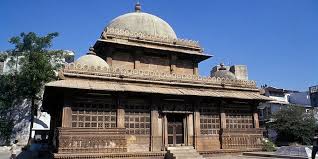
Location
Frequently Asked Questions
Q1.What are the visiting hours for Rani Sipri Mosque?
Q2.Where is Rani Sipri Mosque located in Ahmedabad?
Q3.Is there an entry fee to visit Rani Sipri Mosque?
Q4.Who built Rani Sipri Mosque and when?
Q5.Why is Rani Sipri Mosque called Masjid-e-Nagina?
Q6.What makes Rani Sipri Mosque architecturally significant?
Q7.How long does it take to visit Rani Sipri Mosque?
Q8.Is photography allowed inside Rani Sipri Mosque?
Recommended For You
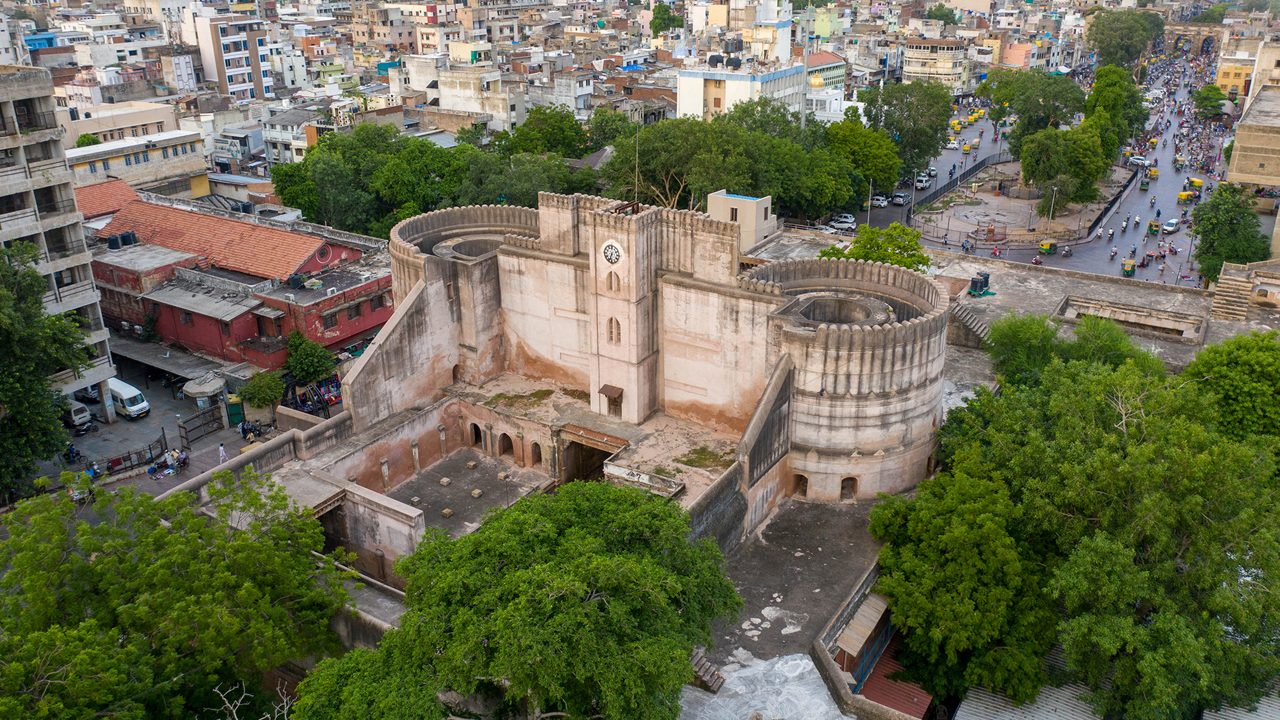
Bhadra Fort Ahmedabad: History, Access Guide and Tips
Explore Bhadra Fort Ahmedabad with historical context, architecture insights, old-city route planning, and practical visitor tips.
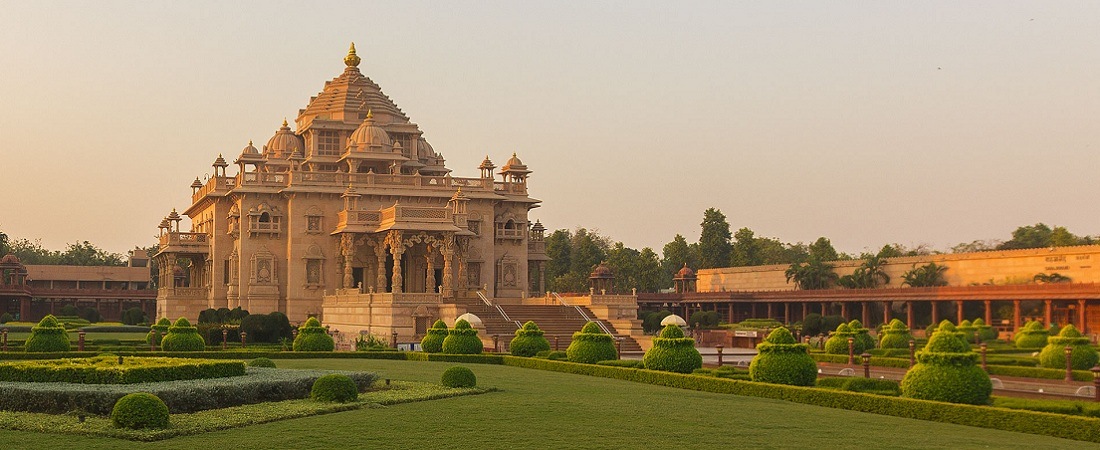
20 Best Places to Visit in Ahmedabad: Heritage & Fun
Explore top places to visit in Ahmedabad with heritage landmarks, food streets, shopping hubs, and practical 1-day/2-day itinerary planning.
Hathisingh Jain Temple Ahmedabad: Architecture, Timings & Visitor Rules
Explore Hathisingh Jain Temple Ahmedabad, a stunning white marble masterpiece. Discover timings, history, architecture & visiting tips.
Never Miss an Adventure
Get the latest trekking guides, travel tips, and exclusive offers delivered straight to your inbox.
