
Rashtrapati Bhavan Delhi: Online Booking, Timings & Visitor Rules

Rahul Garg
November 30, 2025
Complete guide to Rashtrapati Bhavan Delhi visit with online booking steps, tour timings, Mughal Gardens dates, nearby route ideas, and practical tips.
Introduction: India's Presidential Residence
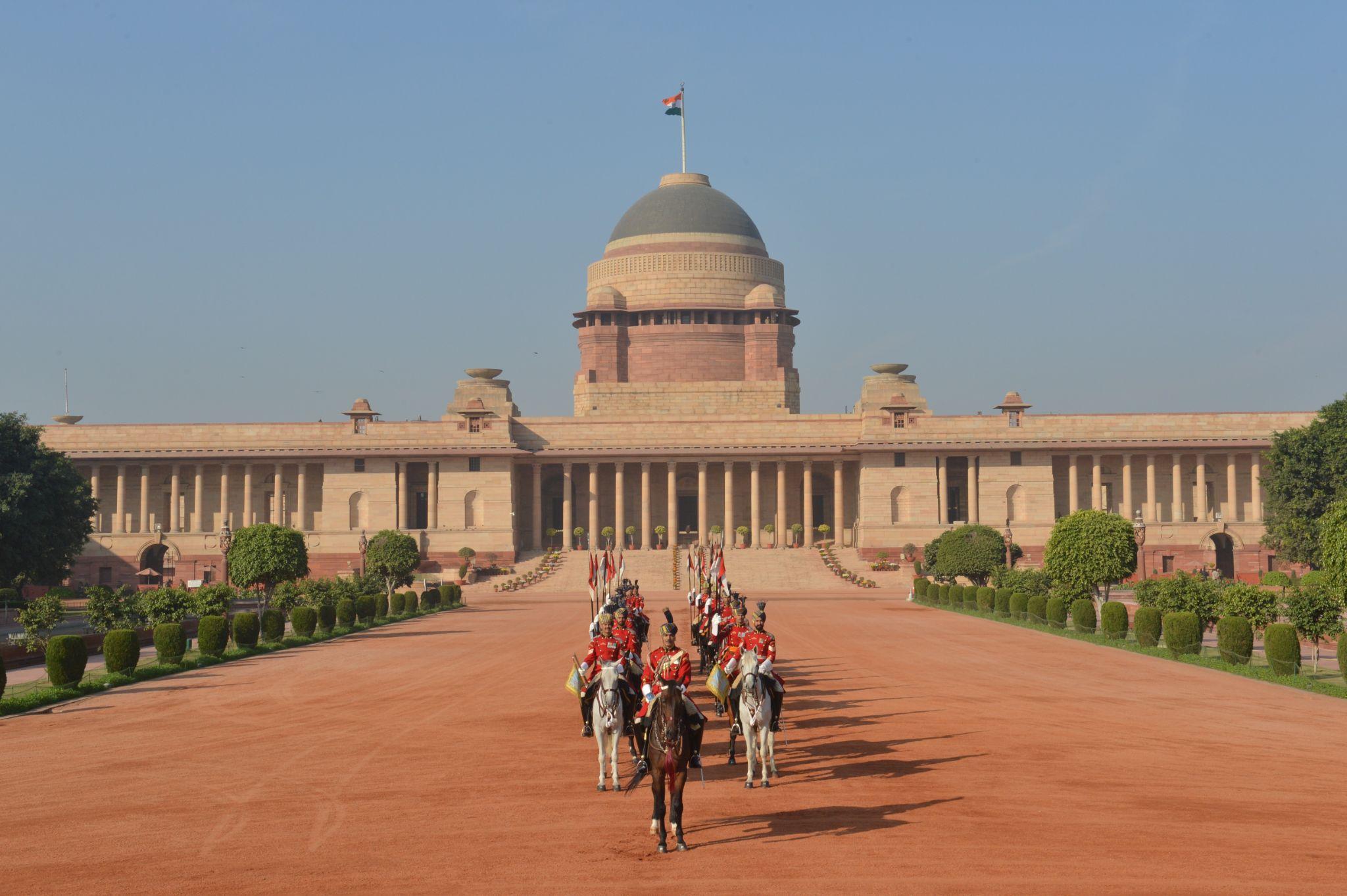
Rashtrapati Bhavan, the official residence of the President of India, stands as one of the world's largest presidential palaces and a masterpiece of architectural fusion. This magnificent 340-room building, formerly known as the Viceroy's House, represents the pinnacle of Edwin Lutyens' architectural vision and symbolizes India's democratic spirit.
What makes Rashtrapati Bhavan truly remarkable is how it seamlessly blends Indian and British architectural traditions. The building combines classical European elements with indigenous Indian design features, creating a structure that is both grand and culturally rooted. For visitors, the complex offers multiple experiences—from touring the presidential halls to walking through the famous Mughal Gardens and exploring the museums within the estate.
This comprehensive guide covers everything you need to know about planning your Rashtrapati Bhavan visit, including the booking process, tour options, timing strategies, nearby route combinations, and practical tips for first-time visitors.
History and Architecture
From Viceroy's House to Rashtrapati Bhavan
The story of Rashtrapati Bhavan begins with the decision to move India's capital from Calcutta to Delhi in 1911. British architects Edwin Lutyens and Herbert Baker were tasked with designing the new imperial capital, with Lutyens taking primary responsibility for the Viceroy's House. Construction began in 1912 and continued until 1929, with the building officially inaugurated in 1931.
The building served as the residence of the British Viceroy until India's independence in 1947. On January 26, 1950, when India became a republic, the Viceroy's House was renamed Rashtrapati Bhavan (President's House in Hindi). The first Indian President, Dr. Rajendra Prasad, moved in, and since then, it has been the official residence of 14 Presidents of India.
| Year | Historical Event |
|---|---|
| 1912 | Construction begins under Edwin Lutyens |
| 1929 | Construction completed |
| 1931 | Official inauguration as Viceroy's House |
| 1947 | India gains independence |
| 1950 | Becomes Rashtrapati Bhavan |
Architectural Fusion
Rashtrapati Bhavan's architecture represents a conscious effort to blend Western and Indian traditions. Lutyens initially wanted pure European classical design but was persuaded to incorporate Indian elements. The result is a building that features British classical proportions alongside Indian Buddhist temple motifs, Mughal chhatris (pavilions), and Hindu temple elements.
The building's most distinctive feature is its massive copper dome, which rises above the central structure. This dome combines classical European form with Indian Buddhist stupa elements. The 340 rooms include state rooms, guest suites, offices, and living quarters, all arranged around courtyards that provide natural light and ventilation.
Booking and Entry Workflow
Planning a Rashtrapati Bhavan visit requires understanding the tour options, booking procedures, and entry requirements. Unlike many Delhi monuments, Rashtrapati Bhavan requires advance booking and has specific visiting protocols.
Tour Options
Changing of the Guard Ceremony: This free ceremony takes place every Saturday and Sunday at the Rashtrapati Bhavan forecourt. The ceremony lasts approximately 30 minutes and features the President's Body Guard changing duties with military precision. No prior booking is required, but visitors must carry valid ID proof and arrive by 8:30 AM. Gates open at 8:00 AM, and latecomers are not admitted.
Guided Tours of Rashtrapati Bhavan: These comprehensive tours take visitors through the state rooms, halls, and main areas of the presidential residence. Tours are conducted on Fridays, Saturdays, and Sundays (except on gazetted holidays). Six time slots are available: 9:00 AM, 10:30 AM, 12:00 PM, 1:30 PM, 3:00 PM, and 4:30 PM. Each tour lasts approximately 90 minutes and covers the major areas including the Durbar Hall, Ashoka Hall, and other state rooms.
Mughal Gardens Visit: The famous Mughal Gardens are open to the public during Udyanotsav (Garden Festival) from February to March every year. The gardens span 15 acres and feature terraced lawns, fountains, and over 150 varieties of roses. No advance booking is required—visitors can queue up at Gate 35. The gardens are typically open from 10:00 AM to 4:00 PM during this period.
Online Booking Process
For guided tours, online booking is mandatory and can be done through the official Rashtrapati Bhavan website (rashtrapatisbhavan.gov.in). Here's the step-by-step process:
- Step 1: Visit the official website and create an account using email and mobile number
- Step 2: Select your preferred date and time slot from available options
- Step 3: Fill in visitor details for all members of your group (name, ID type, ID number)
- Step 4: Upload ID proof for each visitor (Aadhar card, passport, voter ID, driving license)
- Step 5: Pay the booking fee of ₹50 per person online
- Step 6: Download and print the entry permit that is generated
Bookings open 30 days in advance and slots fill up quickly, especially during weekends and holiday seasons. It's recommended to book at least 2-3 weeks ahead for weekend visits.
Entry Requirements
| Requirement | Details |
|---|---|
| Valid ID Proof | Original Aadhar, passport, voter ID, or driving license mandatory |
| Entry Permit | Printed copy of online booking permit required |
| Security Check | All visitors pass through metal detectors and bag screening |
| Prohibited Items | Cameras, bags, cigarettes, lighters, food items not allowed |
| Dress Code | Smart casual—no shorts, sleeveless shirts, or slippers |
| Gate Entry | Enter through Gate 35 on Mother Teresa Crescent Road |
Best Timing and Visit Duration
Choosing the right time for your Rashtrapati Bhavan visit significantly impacts the experience. Several factors including weather, crowd levels, and lighting conditions should guide your planning.
Seasonal Considerations
Winter (October to March): This is undoubtedly the best season to visit Rashtrapati Bhavan. Delhi's weather is pleasant with temperatures between 15°C to 25°C, making the outdoor areas comfortable to explore. The winter light is ideal for photography, especially during morning hours. This is also when the Mughal Gardens are open (February-March), allowing you to combine the building tour with garden visits. Plan your morning tours for the 9:00 AM slot when the light is soft and crowds are thinner.
Summer (April to June): Summer in Delhi can be extreme, with temperatures regularly exceeding 40°C. The 9:00 AM tour slot is the only viable option during these months. Even then, carry water and wear sun protection. The Mughal Gardens are closed during summer, so this period offers less comprehensive access. If you must visit in summer, avoid afternoon slots at all costs.
Monsoon (July to September): The monsoon brings relief from the heat but also humidity and rain. The outdoor portions of the tour may be affected during heavy rain. However, the building's interior is always accessible. Morning tours are best to avoid afternoon downpours. Check weather forecasts before your visit and carry an umbrella.
Time Slot Strategy
9:00 AM Slot: The earliest slot offers the best experience with fewer crowds, cooler temperatures, and excellent morning light for photography. This is the most recommended slot, especially during summer months. The building's marble surfaces look particularly beautiful in the soft morning sun.
10:30 AM and 12:00 PM Slots: Mid-morning slots see increased visitor numbers but are still manageable. These slots work well if you're combining Rashtrapati Bhavan with nearby attractions in the afternoon. The light is still good for photography until around 11:30 AM.
Afternoon Slots (1:30 PM, 3:00 PM, 4:30 PM): These slots are less ideal due to harsh afternoon light, especially in summer. The 4:30 PM slot offers the advantage of golden hour light as you exit the tour. Winter afternoons are pleasant enough for these slots.
Visit Duration
Plan approximately 2-2.5 hours for your complete Rashtrapati Bhavan experience. This includes:
- Security Check: 15-20 minutes (arrive early)
- Guided Tour: 90 minutes
- Museum Visit: 20-30 minutes (optional but recommended)
- Photography and Exploration: 15-20 minutes
If visiting during the Mughal Gardens open period (February-March), add 45-60 minutes for garden exploration. The gardens are extensive and worth taking time to enjoy properly.
Central Delhi One-Day Route Options
Rashtrapati Bhavan's central location makes it perfect for combining with other major Delhi attractions. Strategic planning allows you to experience multiple landmarks efficiently in a single day.
Heritage Circuit Route
| Time | Attraction | Duration |
|---|---|---|
| 8:00-9:00 AM | Arrive at Rashtrapati Bhavan for security check | 1 hour |
| 9:00-10:30 AM | Rashtrapati Bhavan guided tour | 1.5 hours |
| 11:00 AM-12:30 PM | Visit India Gate and Kartavya Path | 1.5 hours |
| 12:30-2:00 PM | Lunch break near Connaught Place | 1.5 hours |
| 2:30-4:30 PM | Explore Connaught Place Delhi | 2 hours |
| 5:00-6:30 PM | National Museum or Jama Masjid (choose one) | 1.5 hours |
This route covers Delhi's most significant heritage landmarks in a logical geographical sequence. Start early at Rashtrapati Bhavan, then proceed to nearby India Gate. Connaught Place is perfect for lunch and afternoon exploration. The evening slot allows for one more major attraction depending on your interest.
Lutyens' Delhi Walking Route
For those who prefer exploring on foot, this route covers the imperial heart of New Delhi:
- Morning: Rashtrapati Bhavan tour (book 9:00 AM slot)
- Mid-Morning: Walk down Kartavya Path to India Gate (20-minute walk)
- Late Morning: Explore National War Memorial near India Gate
- Afternoon: Auto-rickshaw to Connaught Place for lunch and shopping
- Evening: Return to India Gate for sunset and evening illumination
This walking-focused route minimizes transport time and allows you to experience the grandeur of Lutyens' Delhi at a human scale. The walk from Rashtrapati Bhavan to India Gate along Kartavya Path is particularly impressive, with the Presidential residence at one end and the war memorial at the other.
Family-Friendly Route
For families with children, consider this modified itinerary:
- Morning: Rashtrapati Bhavan tour (children under 12 may find it long—consider the shorter Changing of Guard ceremony instead)
- Mid-Day: Picnic at India Gate lawns (children enjoy the space)
- Afternoon: National Science Centre near Connaught Place
- Evening: Dinner at family-friendly restaurant in Connaught Place
Budget and Local Transport Tips
Planning your central Delhi day requires understanding costs and transportation options. A well-planned visit need not be expensive.
Cost Breakdown
| Expense | Budget Option | Mid-Range Option |
|---|---|---|
| Rashtrapati Bhavan Tour | ₹50 per person | ₹50 per person (fixed price) |
| Local Transport (Day) | ₹150-200 (metro + auto) | ₹400-600 (app-based cabs) |
| Lunch | ₹150-250 (local eateries) | ₹500-800 (restaurants) |
| Snacks and Water | ₹100-150 | ₹200-300 |
| Total (per person) | ₹450-650 | ₹1,200-1,750 |
Transportation Strategies
Delhi Metro: The most economical and reliable option. The nearest metro station to Rashtrapati Bhavan is Central Secretariat (Yellow and Violet lines), approximately 1.5 kilometers away. From there, take an auto-rickshaw to Gate 35. For a day covering multiple attractions, purchase a day pass or use Delhi Transit Card for seamless travel.
Auto-Rickshaws: Auto-rickshaws are convenient for short distances like Central Secretariat metro to Rashtrapati Bhavan. Use fare meters or negotiate before starting. The app-based feature in some aggregators shows estimated fares. Autos are ideal for 1-3 kilometer distances.
App-Based Cabs (Uber, Ola): Most convenient for families or those preferring comfort. Cabs can be booked for point-to-point travel. During peak hours, surge pricing can make this option expensive. Pre-book your return from Rashtrapati Bhavan as the area can have limited cab availability.
Money-Saving Tips
- Free Attractions: India Gate, Kartavya Path walk, and Connaught Place exploration are completely free
- Metro Day Pass: Purchase if making 4+ metro trips in a day
- Combine Attractions: Visit areas geographically close to minimize transport costs
- Lunch Strategy: Eat at local eateries in Connaught Place's inner circle instead of high-end restaurants
- Water: Carry refillable water bottle—free water refill stations available at metro stations
Family and First-Time Visitor Checklist
Visiting Rashtrapati Bhavan requires preparation, especially for families and first-time visitors. This checklist ensures a smooth experience.
Essential Items to Carry
- Valid ID Proof: Original Aadhar card, passport, voter ID, or driving license for all visitors
- Printed Entry Permit: Hard copy of your online booking confirmation
- Water Bottle: Empty water bottle—you can refill after security check
- Cash: Small denominations for auto-rickshaws and small purchases
- Comfortable Footwear: Walking shoes as the tour involves considerable walking
- Seasonal Items: Sunscreen and hat (summer), light jacket (winter), umbrella (monsoon)
What NOT to Bring
- Cameras: Photography is not allowed inside the building
- Bags: Large bags are not permitted—carrying a small pouch is acceptable
- Electronics: Smartphones should be switched off during the tour
- Food Items: No food allowed inside the complex
- Cigarettes and Lighters: Strictly prohibited
Visitor Guidelines
Dress Code: Smart casual attire is expected. Men should wear full trousers and shirts. Women should wear modest clothing—salwar kameez, sarees, or trousers with tops. Avoid shorts, sleeveless shirts, and sportswear. Footwear should be formal or casual—no slippers or flip-flops.
Behavior: Maintain decorum throughout the tour. The building is a working government institution and the President's official residence. Speak in moderate tones, follow security personnel instructions, and stay with your guide. Running, touching exhibits, or disrespectful behavior is not tolerated.
With Children
Children are welcome but the 90-minute tour can be challenging for those under 12. Consider these alternatives:
- Changing of Guard Ceremony: Shorter (30 minutes) and more engaging for children with military precision and band music
- Mughal Gardens Visit: Children enjoy the open spaces, fountains, and flowers (February-March only)
- Split Visit: One parent takes the tour while the other accompanies children to India Gate lawns, then swap
Common Mistakes to Avoid
First-time visitors often make these avoidable mistakes. Learn from them to ensure a smooth Rashtrapati Bhavan experience.
Not Booking in Advance: Arriving without online booking is the most common mistake. Slots are limited and walk-ins are not permitted. Always book through the official website at least 2-3 weeks in advance for weekend visits. Booking confirmation with entry permit is mandatory for entry.
Wrong ID Proof: Many visitors bring photocopies or wrong ID types. Original valid ID proof is mandatory—Aadhar, passport, voter ID, or driving license. Ensure the ID you bring matches what you uploaded during online booking. Carrying a backup ID is recommended.
Late Arrival: Gates close strictly at tour start time. Latecomers are denied entry regardless of circumstances. Plan for Delhi traffic and arrive at least 30 minutes before your scheduled slot. The security check process takes 15-20 minutes—factor this into your arrival time.
Inappropriate Dress: Visitors are sometimes turned away for improper attire. Avoid shorts, sleeveless shirts, sportswear, and slippers. Dress in smart casual—full pants, covered shoulders, and proper footwear. When in doubt, dress more formally.
Carrying Prohibited Items: Don't bring cameras, bags, or electronics. You'll have to deposit them at the gate, creating inconvenience. Carry only essentials—ID proof, entry permit, and a small pouch for phone and keys. Leave everything else at your hotel or home.
Ignoring Weather: Underestimating Delhi's weather can ruin your visit. Summer morning visits are essential—afternoon tours are unbearably hot. Winter evenings are chilly—carry a light jacket. Monsoon visits require umbrellas and rain protection. Always check the forecast and plan accordingly.
Missing Nearby Attractions: Many visitors make a special trip just for Rashtrapati Bhavan, missing efficiency gains from combining with nearby landmarks. India Gate is just minutes away. Connaught Place, Jantar Mantar, and other central Delhi attractions can be combined in one heritage day. Plan geographically smart routes to maximize your time.
Nearby Attractions and Museums
The area around Rashtrapati Bhavan contains several significant attractions worth exploring as part of your central Delhi heritage day.
Within Walking Distance
India Gate (2 km): Delhi's iconic war memorial is a 20-minute walk down Kartavya Path. This 42-meter arch commemorates Indian soldiers who died in World War I. The surrounding lawns are perfect for evening relaxation. The monument is spectacularly illuminated after sunset.
National War Memorial (1.5 km): Located near India Gate, this modern memorial honors India's military heroes. The memorial consists of concentric circles with an obelisk at the center. Entry is free, and the memorial is open from 9 AM to 8 PM in summer and 9 AM to 7 PM in winter.
Short Auto-Ride Away
Connaught Place (3 km): Delhi's circular commercial complex is perfect for lunch, shopping, and entertainment. The Georgian architecture houses branded stores, historic restaurants, and vibrant cafes. A visit here combines well with Rashtrapati Bhavan's morning tour.
National Museum (3 km): India's premier museum houses thousands of years of art and artifacts. The museum's extensive collection requires several hours, so plan accordingly. It's an excellent option for culture enthusiasts after completing the Rashtrapati Bhavan tour.
Jantar Mantar (4 km): This 18th-century astronomical observatory features massive architectural instruments for measuring time and celestial movements. It's a fascinating stop for those interested in science and history.
Museums Within Rashtrapati Bhavan
Stables Museum: Located within the Rashtrapati Bhavan estate, this museum displays vintage coaches, cars, and ceremonial vehicles used by Presidents and Viceroys. The museum is typically open to tour visitors and provides insight into the ceremonial aspects of the presidency.
Gift Museum: Another museum within the complex showcases gifts received by Indian Presidents from foreign dignitaries and heads of state. The collection artfully presents India's diplomatic relationships through objects of art and culture.
Conclusion: Planning Your Presidential Residence Visit
Rashtrapati Bhavan represents the pinnacle of Lutyens' Delhi and stands as a symbol of India's democratic heritage. The building's architectural fusion, historical significance, and continuing role as the President's residence make it a unique attraction among Delhi's monuments.
Unlike many heritage sites that feel like museums, Rashtrapati Bhavan is a working institution. Your tour provides not just architectural appreciation but also insight into India's ceremonial democracy. The grand state rooms, where heads of state are received, offer a glimpse into the protocol and tradition that characterize India's presidency.
The key to a successful visit is planning. Book your tour well in advance, arrive early, and dress appropriately. Combine your Rashtrapati Bhavan visit with nearby attractions like India Gate and Connaught Place for a comprehensive central Delhi heritage experience. The Mughal Gardens (if visiting in February-March) add another dimension to your visit with their terraced beauty and floral diversity.
Whether you're a history enthusiast interested in colonial architecture, a student of political science curious about India's presidential traditions, or simply a traveler wanting to experience Delhi's grandest building, Rashtrapati Bhavan delivers an experience that is both educational and memorable. The 90-minute tour provides context for understanding modern India's institutional continuity while showcasing architectural excellence.
Plan your visit during the pleasant winter months for the most comfortable experience. Take time to appreciate both the grand public spaces and the intricate details that make Rashtrapati Bhavan unique. Combine with other Delhi attractions for a full heritage day. And remember—you're not just visiting a building, you're experiencing the seat of India's highest constitutional office.
Location
Frequently Asked Questions
Q1.How can visitors book Rashtrapati Bhavan tour?
Q2.What is the best time to visit Rashtrapati Bhavan?
Q3.How much time is needed for a Rashtrapati Bhavan visit?
Q4.Can Rashtrapati Bhavan be combined with other Delhi landmarks in one day?
Q5.Is Rashtrapati Bhavan suitable for family travel?
Q6.What budget is needed for a central Delhi day plan?
Q7.What should first-time visitors carry?
Q8.What planning mistakes should visitors avoid?
Recommended For You
Jama Masjid Delhi: Timings, Entry Rules & Nearby Old Delhi Walk
Complete Jama Masjid Delhi guide with timings, entry details, architecture highlights, minaret climb tips, dress code, and nearby Old Delhi route planning.
Qutub Minar Delhi: Complete Guide to UNESCO World Heritage Site
Explore Qutub Minar Delhi - tallest brick minaret & UNESCO site. Discover 800 years of Islamic architecture, the mysterious Iron Pillar & Delhi heritage.
Teen Murti Bhavan Delhi: Museum Timings, Entry & Exhibits
Visit Teen Murti Bhavan Delhi, Nehru Memorial Museum. Guide to timing, ticket price, history, how to reach & Nehru's residence tour.
Never Miss an Adventure
Get the latest trekking guides, travel tips, and exclusive offers delivered straight to your inbox.
