
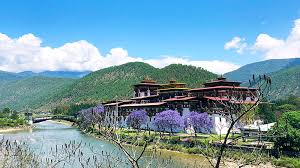
Rinpoche Dzong Bhutan: Fortress History, Architecture & Visit Information
Rohit Verma
February 15, 2026
Complete guide to Rinpung Dzong in Paro, Bhutan. Discover history, architecture, spiritual significance, timings, entry fee, and travel tips for this sacred fortress.
Rinpung Dzong: Bhutan's Sacred Fortress
Rinpung Dzong, meaning "Fortress on a Heap of Jewels," stands as one of Bhutan's most magnificent and spiritually significant dzongs. Located in Paro, this 17th-century fortress-monastery dominates the valley with its whitewashed walls, golden roofs, and intricate woodwork. For visitors to Bhutan, Rinpung Dzong offers an authentic glimpse into the country's unique fusion of administrative power and Buddhist spirituality.
Unlike many historical sites that exist solely as museums, Rinpung Dzong remains a living institution. It houses both the district monastic body with about 200 monks and the government administration of Paro district. This dual purpose - religious and secular - has been the defining feature of Bhutanese dzongs since the 17th century when Zhabdrung Ngawang Namgyal unified Bhutan and constructed these fortresses to defend against Tibetan invasions while spreading Drukpa Kagyu Buddhism.
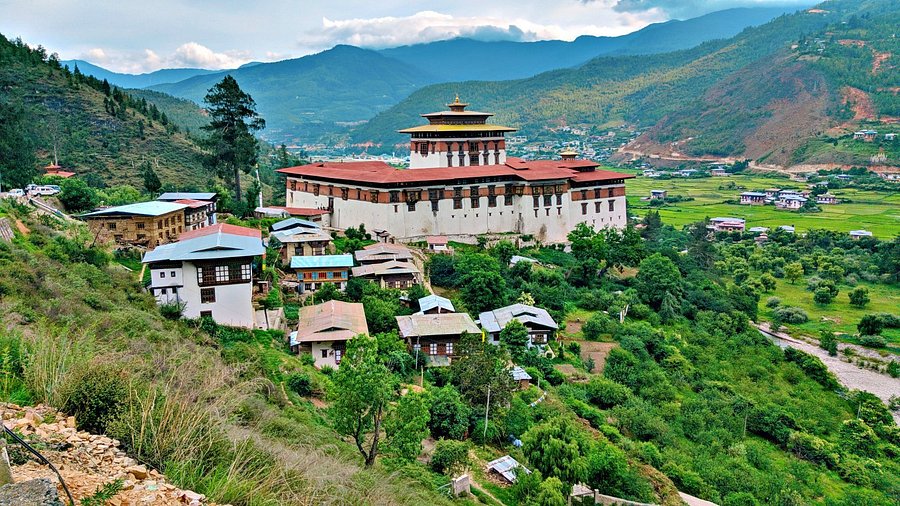
The dzong's location is strategically significant, built on a hillside overlooking the Paro Chu river at the confluence of two rivers. This positioning not only provided defensive advantages but also created perfect harmony with Bhutan's mountainous landscape, demonstrating the profound understanding of Feng Shui principles in Bhutanese architecture.
Architecture & Design Features
Rinpung Dzong exemplifies traditional Bhutanese architecture at its finest. The massive structure contains fourteen shrines and chapels, each housing sacred statues, thangkas (religious paintings), and important Buddhist texts. The central tower (utse) rises five stories above the courtyard, with each level dedicated to different deities and purposes.
The exterior walls rise dramatically from the hillside, painted white in the Bhutanese tradition with intricate woodwork framing the windows. The wooden windows feature elaborate carvings of auspicious symbols, flowers, and mythical creatures. The roof, renovated in traditional style with wooden shingles, creates a striking silhouette against Paro's blue skies.
The Utse (Central Tower)
The five-story central tower houses the most sacred chapels and serves as the spiritual heart of the dzong. Each floor has distinct purposes: the ground floor contains administrative offices, while upper levels house temples dedicated to various Buddhist deities including Guru Rinpoche, who brought Buddhism to Bhutan in the 8th century.
Courtyard and Monastic Quarters
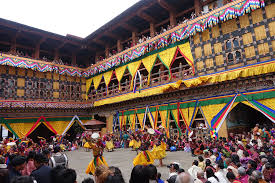
The expansive courtyard serves as gathering space for festivals, ceremonies, and daily activities. Surrounding the courtyard are the living quarters for monks, administrative offices, and storage spaces for religious artifacts. During the annual Paro Tshechu festival, this courtyard transforms into a vibrant stage for masked dances and religious performances.
Spiritual Significance
Beyond its architectural beauty, Rinpung Dzong holds deep spiritual importance for Bhutanese people. The dzong houses some of Bhutan's most sacred relics, including the thangka of Guru Rinpoche that's displayed to the public only once a year during the Paro Tshechu.
Approximately 200 monks reside within the dzong, maintaining daily prayer rituals, studying Buddhist philosophy, and preserving ancient traditions. The sound of their chanting echoes through the courtyards each morning and evening, creating an atmosphere of peace and devotion that visitors can experience.
Religious Practices
The dzong follows the Drukpa Kagyu school of Tibetan Buddhism, which emphasizes meditation, philosophical study, and the integration of spiritual practice into daily life. Visitors might witness monks performing evening prayers (pujas) or preparing for ceremonies. The chapels contain statues of Buddha, Guru Rinpoche, and various protective deities, each with specific significance in Bhutanese Buddhism.
Paro Tshechu Festival
The most important event at Rinpung Dzong is the annual Paro Tshechu, held in spring (usually March or April). This five-day festival commemorates Guru Rinpoche's contribution to Buddhism in Bhutan. Monks perform cham dances - intricate masked dances that tell stories of Buddhist history and teachings. The festival culminates with the unfurling of the giant thangka of Guru Rinpoche at dawn, considered one of Bhutan's most sacred blessings.
Best Time to Visit
Rinpung Dzong can be visited year-round, but different seasons offer distinct experiences:
Spring (March-May): Best time to visit, with pleasant weather and the famous Paro Tshechu festival. The valley is lush and flowers are blooming, creating perfect conditions for photography and exploration.
Autumn (September-November): Excellent weather with clear skies and comfortable temperatures. Fewer crowds than spring, making it ideal for quiet exploration. The dzong looks particularly beautiful against clear blue autumn skies.
Summer (June-August): Monsoon season brings lush greenery but also rain and humidity. The dzong's golden roofs provide striking contrast against dark monsoon clouds. Less crowded but be prepared for wet conditions.
Winter (December-February): Cold but dry with crisp mountain air. Snow may dust the surrounding peaks, creating beautiful photographic opportunities. Fewer tourists mean more intimate experiences. Early morning visits can be especially serene.
For the most rewarding experience, visit during morning prayers (around 6-7 AM) or evening prayers (5-6 PM) when monks are chanting and the atmosphere is most spiritual. Avoid visiting during official government hours on weekdays if you want to explore the chapels, as some areas may be restricted.
How to Reach & Visit Information
Location & Access
Rinpung Dzong is located approximately 3 kilometers from Paro town center, easily accessible by taxi (15-minute ride) or on foot (30-40 minute pleasant walk). The dzong sits prominently on the hillside, visible from much of Paro Valley. The approach road offers excellent photo opportunities with the dzong framed against mountains.
From Paro Town: Take a taxi for approximately Nu 150-200 one way. Alternatively, walk via the traditional bridge over the Paro Chu river - a scenic 30-40 minute walk that passes through local neighborhoods.
From Thimphu: Paro is about 1 hour drive from Thimphu. Taxis can be hired for Nu 800-1,000 for the round trip. Many tour operators include Rinpung Dzong in their Paro sightseeing packages.
Entry & Photography Rules
Entry Fee: Nu 500 for international tourists, Nu 100 for regional travelers (SAARC countries). The ticket typically includes entry to both Rinpung Dzong and the National Museum housed in the adjacent watchtower (Ta Dzong).
Photography: Photography is permitted in the courtyards and exterior areas. However, photography inside the chapels and temples is strictly prohibited - this rule is strictly enforced out of respect for sacred religious artifacts. Always ask permission before photographing monks or religious ceremonies.
Dress Code: Modest dress is required. Shoulders and knees must be covered. Remove hats and shoes before entering chapels. The dzong can enforce dress code strictly - carrying a light scarf or wrap is recommended.
Opening Hours
Summer (April-September): 9:00 AM to 5:00 PM
Winter (October-March): 9:00 AM to 4:00 PM
Closed: Open all days, but some areas may be restricted during government administrative hours (9 AM to 5 PM on weekdays)
Note: During the Paro Tshechu festival, the dzong remains open extended hours but gets extremely crowded with both locals and tourists.
Nearby Attractions
Several important attractions are located within walking distance or a short drive from Rinpung Dzong:
National Museum (Ta Dzong): Located immediately above Rinpung Dzong, this former watchtower now houses Bhutan's National Museum with excellent exhibits on Bhutanese art, culture, and history. The same entry ticket typically covers both monuments.
Taktsang Palaphug (Tiger's Nest): Bhutan's most iconic site, this cliffside monastery is 10 kilometers north of Paro. The hike takes 4-5 hours round trip and offers spectacular views. Most visitors combine Rinpung Dzong with Tiger's Nest on the same day.
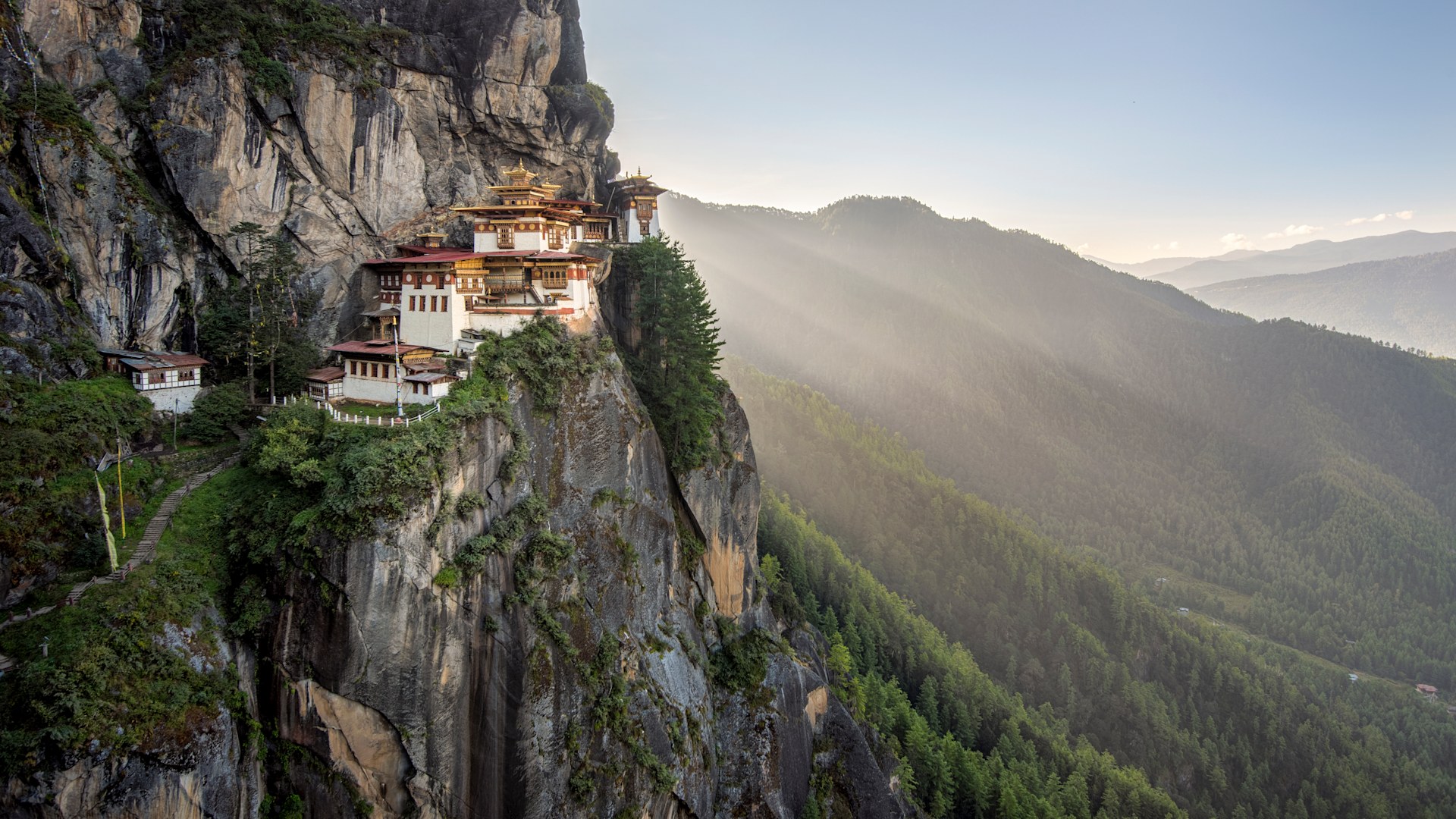
Paro Town: The main street offers traditional architecture, local handicraft shops, and restaurants serving Bhutanese cuisine. It's an excellent place to buy souvenirs or try ema datshi (chili cheese), Bhutan's national dish.
Drukgyel Dzong Ruins: About 14 kilometers north of Paro, these historic ruins mark a fortress that once defended against Tibetan invasions. The site offers valley views and historical insights into Bhutan's military past.
Kyichu Lhakhang: One of Bhutan's oldest and most sacred temples, dating to the 7th century. The temple contains sacred statues and is believed to have been visited by Guru Rinpoche. It's just a short drive from Rinpung Dzong.
Tips for Visitors
Visit Early or Late: The dzong is most atmospheric during morning prayers (around 6 AM) or evening prayers (5-6 PM). These times offer the best opportunities to witness monastic life and avoid crowds.
Hire a Guide: While not mandatory, a licensed guide can greatly enhance your experience by explaining the history, architecture, and religious significance. Guides cost approximately Nu 500-800 for a half-day tour and can be arranged through your hotel or tour operator.
Respect Religious Customs: Rinpung Dzong is an active religious site, not just a tourist attraction. Speak quietly, walk clockwise around chortens (stupas), and do not point your feet at Buddha statues or religious objects. Photography inside chapels is prohibited.
Allow Sufficient Time: Plan at least 1-2 hours for exploring the dzong properly. During the Paro Tshechu, allocate a full day as the festival is elaborate and worth experiencing at leisure.
Combine with Other Sites: Rinpung Dzong is best combined with the National Museum (adjacent) and Paro town on the same day. More ambitious visitors can also include Tiger's Nest, though this requires good fitness and a full day.
Best Photography Spots: The approach road offers classic shots of the dzong framed against mountains. The courtyard provides excellent angles of the utse (central tower). Sunrise and golden hour provide the most dramatic lighting. From Ta Dzong (National Museum) above, you get panoramic views over the entire dzong complex.
Rinpung Dzong represents the essence of Bhutanese culture - the seamless integration of spiritual and administrative life, the extraordinary craftsmanship in wood and stone, and the deep Buddhist traditions that guide the kingdom. Whether you're drawn by the architectural beauty, religious significance, or cultural authenticity, a visit to this magnificent fortress provides essential understanding of what makes Bhutan unique. For those planning to explore more of Bhutan's cultural treasures, our guide to Thimphu Bhutan covers the capital's important dzongs, our Paro travel guide details the valley surrounding this very fortress, while the Best Time to Visit Bhutan guide will help you plan your trip during the most rewarding seasons.
Location
Frequently Asked Questions
Q1.Where is Rinpoche Dzong located?
Q2.What is Rinpoche Dzong famous for?
Q3.What are the timings of Rinpoche Dzong?
Q4.Is there an entry fee for Rinpoche Dzong?
Q5.What is the best time to visit Thimphu Dzong?
Q6.Can tourists visit Rinpoche Dzong?
Q7.Is photography allowed inside Rinpoche Dzong?
Q8.How do I reach Rinpoche Dzong from Thimphu city?
Recommended For You
Rinpoche Dzong Bhutan: Fortress History, Architecture & Visit Information
Explore Rinpung Dzong Bhutan with location details, architectural highlights, spiritual significance, and the best time to visit Paro Valley.
Punakha Bhutan: Dzong, Suspension Bridge & Valley Highlights
Plan Punakha Bhutan with Dzong, suspension bridge, temple stops, best season tips, and practical route planning for a smooth valley trip.
Things to Do in Paro Bhutan: Culture, Monasteries & Trekking Routes
Plan things to do in Paro Bhutan with Tiger’s Nest trek, Paro Dzong, Chele La Pass, temples, and practical 2-3 day itinerary guidance.
Never Miss an Adventure
Get the latest trekking guides, travel tips, and exclusive offers delivered straight to your inbox.
