
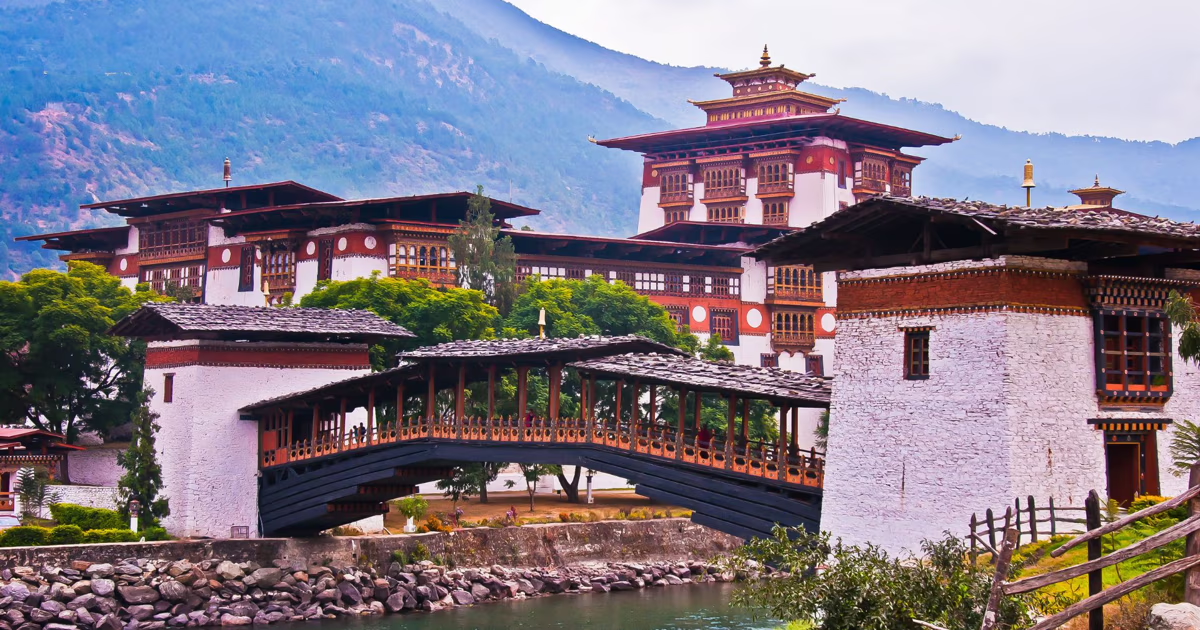
Punakha Dzong Bhutan: Entry Fee, Timings & River View Highlights

Rohan Malhotra
December 16, 2025
Explore Punakha Dzong - Bhutan's most beautiful fortress. History, architecture, timings, entry fee & how to reach. Complete Punakha Dzong guide.
Palace of Great Happiness
Standing majestically at the confluence of two rivers, Punakha Dzong is not just a fortress—it's the Palace of Great Happiness, the second oldest and arguably most beautiful dzong in all of Bhutan. Known in Dzongkha as Pungtang Dewa chhenbi Phodrang, this architectural masterpiece has served as both the administrative and monastic center of Punakha for centuries.
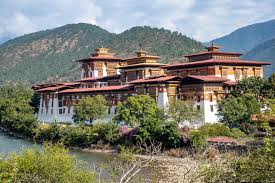
What makes Punakha Dzong truly special is its location—strategically situated where the Pho Chhu (Father River) and Mo Chhu (Mother River) meet, creating a natural moat that has protected it for generations. Whether you're a history buff, architecture enthusiast, spiritual seeker, or simply a traveler in search of Bhutan's most iconic sights, Punakha Dzong offers an experience that transcends mere tourism.
This guide covers everything you need to know about visiting this remarkable Bhutanese treasure—from its rich history and architectural significance to practical visitor information that will help you make the most of your visit.
History of Punakha Dzong
Punakha Dzong's history is as fascinating as its architecture is beautiful. Built in 1637 by Zhabdrung Ngawang Namgyal, the unifier of Bhutan, this dzong has witnessed some of the most significant events in Bhutanese history.
The Builder: Zhabdrung Ngawang Namgyal
Zhabdrung Ngawang Namgyal was a Tibetan Buddhist lama and military leader who arrived in Bhutan in 1616. He unified Bhutan under one rule and established the dual system of governance that continues in Bhutan today—the Druk Desi (secular administration) and Je Khenpo (religious authority).
Zhabdrung chose Punakha for this dzong because of its strategic location at the river confluence and its warmer climate compared to Thimphu, making it a suitable winter capital.
Significance in Bhutanese History
- Ancient Capital: Punakha served as the capital of Bhutan until 1955, when the seat of government moved to Thimphu
- Unified Bhutan: The dzong symbolizes the unification of Bhutan under one rule
- Seat of Government: Remained the administrative center until the mid-20th century
- Sacred Site: Houses the sacred Rangjung Kharsapani relic of Zhabdrung
Historical Events
Punakha Dzong has been the stage for numerous historical events:
| Year | Event | Significance |
|---|---|---|
| 1637 | Construction completed | Became second oldest dzong in Bhutan |
| 1780, 1789, 1802, 1831 | Major Fires | Extensively damaged but rebuilt each time |
| 1897 | Earthquake | Caused significant structural damage |
| 1994 | Glacial Flood | Lake overflow damaged structure |
| 2011 | Royal Wedding | King Jigme Khesar married Jetsun Pema |
Damages and Restorations
Despite these disasters, Punakha Dzong has been faithfully restored each time. The Bhutanese people's dedication to preserving their cultural heritage is evident in how this dzong has been rebuilt after every calamity, maintaining its original grandeur while strengthening its structure.
Sacred Relics
The dzong houses the Rangjung Kharsapani, a sacred relic associated with Zhabdrung Ngawang Namgyal. This relic is deeply significant in Bhutanese Buddhism and makes Punakha Dzong an important pilgrimage site.
Architecture & Design
Punakha Dzong's architecture is a stunning example of traditional Bhutanese design, combining functionality with extraordinary beauty. The dzong's location alone—at the confluence of two rivers—makes it one of the most photogenic structures in the country.
Location: River Confluence
The dzong is strategically located where the Pho Chhu (Father River) and Mo Chhu (Mother River) meet. This natural confluence creates a protective moat and has made the location significant in Bhutanese history.
- Natural Protection: Rivers provide natural defense
- Water Access: Essential for daily operations and rituals
- Aesthetic Beauty: Creates stunning views from the dzong
Design Elements
The dzong's design follows traditional Bhutanese architectural principles:
- Six Stories: Rising to impressive height with multiple levels
- Three Courtyards: Unique feature—Punakha is the only dzong with three courtyards (Dochey)
- Central Tower (Utse): The central tower dominates the skyline
- Wooden Bridges: Suspended bridges connect different sections
Construction Techniques
| Element | Details |
|---|---|
| Walls | Massive stone construction |
| Beams | Heavy wooden beams without nails |
| Roof | Traditional sloped roof with finials |
| Artwork | Paintings and wood carvings throughout |
| Gold Elements | Gold-plated finials on roof |
Architectural Style
Punakha Dzong exemplifies traditional Bhutanese architecture:
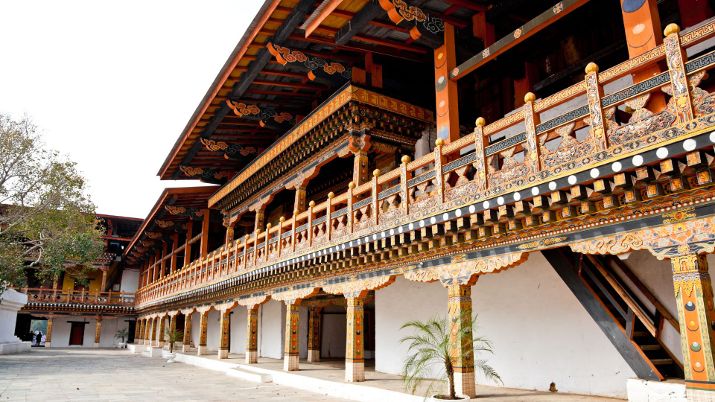
- Intricate Wood Carvings: Every wooden element features detailed carvings
- Colorful Paintings: Murals and painted surfaces throughout the structure
- No Nails: Traditional construction using wooden joinery instead of nails
- Gold-plated Finials: Rooftop decorations in gold leaf
- Unique Feature: The three courtyards make it architecturally distinct
What to See Inside
A visit to Punakha Dzong takes you through its three courtyards, each with its own character and significance. The dzong serves both as an administrative center and a Buddhist monastery, offering visitors insight into both secular and religious aspects of Bhutanese life.
First Courtyard
The first courtyard is where you'll typically enter the dzong. This area houses:
- Administrative Offices: Government offices for Punakha district
- Large White Stupa: An impressive chorten (Buddhist reliquary) stands here
- Legendary Mango Tree: A mango tree associated with local legends and stories
- Open Space: Spacious area used for gatherings and ceremonies
Second Courtyard
The second courtyard is the monastic heart of the dzong:
- Monastic Quarters: Living quarters for monks
- Assembly Hall (Kuenrey): Where monks gather for prayers and ceremonies
- Murals: Beautiful paintings depicting scenes from Buddha's life
- Religious Art: Thangkas (Buddhist paintings) and statues
Third Courtyard
The third courtyard is the most sacred part of the dzong:
- Sacred Temple (Machey): Houses the most sacred relics
- Zhabdrung's Remains: Preserved in this restricted area
- Restricted Access: Limited access to preserve sanctity
- Golden Statues: Elaborate Buddhist statues in gold
Viewpoints
Don't miss the stunning views from the dzong:
- River Confluence: View where Pho Chhu and Mo Chhu meet
- Surrounding Mountains: Panoramic views of Punakha Valley
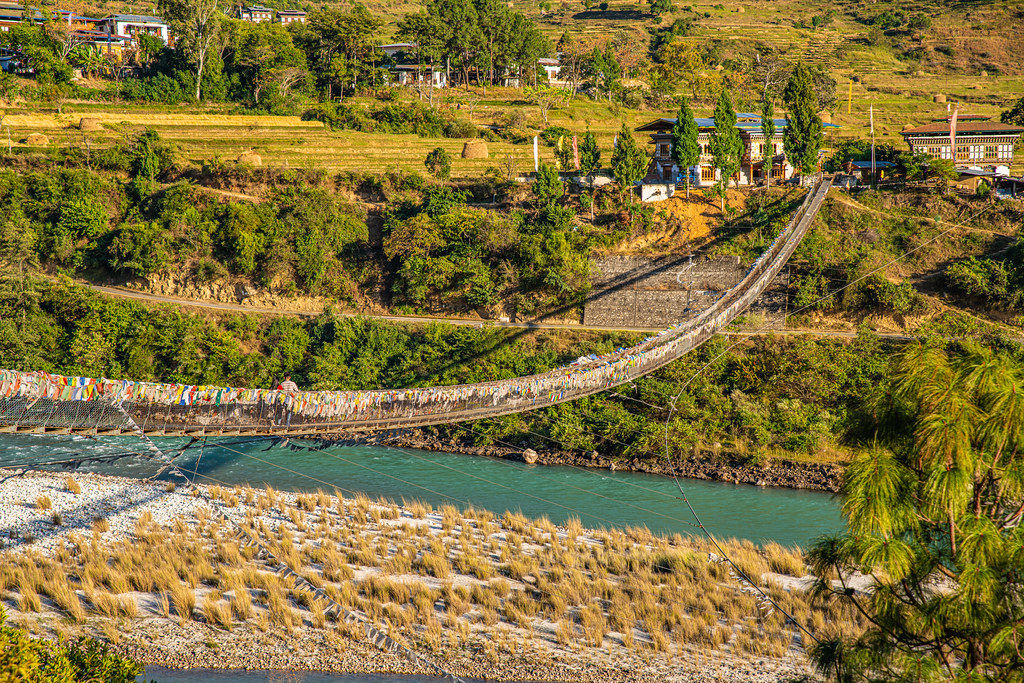
- Suspension Bridge: Views from the traditional cantilever bridge
Royal Wedding Connection
One of Punakha Dzong's most famous modern associations is the royal wedding of King Jigme Khesar Namgyel Wangchuck and Jetsun Pema, which took place here in 2011.
Wedding Details
| Detail | Information |
|---|---|
| Date | October 13, 2011 |
| Couple | King Jigme Khesar & Queen Jetsun Pema |
| Location | Main courtyard of Punakha Dzong |
| Ceremony | Three-day celebration |
| Significance | Most important royal wedding in decades |
Significance
This was the most important royal wedding Bhutan had seen in decades, and the choice of Punakha Dzong as the venue underscored its importance in Bhutanese culture. The dzong's sacred architecture and historical significance made it the perfect setting for this momentous occasion.
Tourists visiting Punakha Dzong often express fascination with the fact that they're walking where the royal wedding took place, making the experience even more meaningful.
Punakha Dzong Festival (Domche)
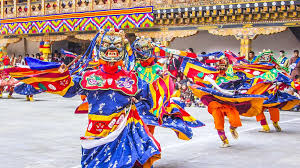
The Domche festival at Punakha Dzong is one of Bhutan's most important religious and cultural events. Held annually, this five-day festival commemorates the victory over Tibetan forces and is a spectacular display of Bhutanese religious culture.
Festival Details
| Detail | Information |
|---|---|
| Timing | Typically February/March |
| Duration | 5 days |
| Significance | Commemorates victory over Tibetan forces |
| Best For | Cultural experience, photography |
Festival Highlights
- Masked Dances (Cham): Monks perform sacred masked dances depicting Buddhist deities
- Religious Ceremonies: Rituals and prayers conducted throughout the festival
- Thongdrel: Giant appliqué (large embroidered banner) unfurled for blessing
- Procession with Relics: Sacred relics are carried in procession
- Community Participation: Locals gather in large numbers for the celebration
Why Visit During Festival
The Domche festival offers visitors the most authentic cultural experience at Punakha Dzong:
- Cultural Immersion: Witness Bhutanese religious traditions
- Photography: Exceptional opportunities for cultural photography
- Atmosphere: The dzong comes alive with color, music, and ceremony
- Learning: Gain deeper understanding of Bhutanese Buddhism
Best Time to Visit Punakha Dzong
Timing your visit to Punakha Dzong can significantly enhance your experience:
Seasonal Recommendations
| Season | Best Time | Highlights |
|---|---|---|
| Spring (March-May) | Best overall | Jacaranda blooms in purple, pleasant weather |
| Autumn (Sep-Nov) | Excellent | Clear weather, festival season, fall colors |
| Winter (Dec-Feb) | Good | Cold but clear, festival timing |
| Monsoon (Jun-Aug) | Avoid | Heavy rain, potential disruption |
Best Times
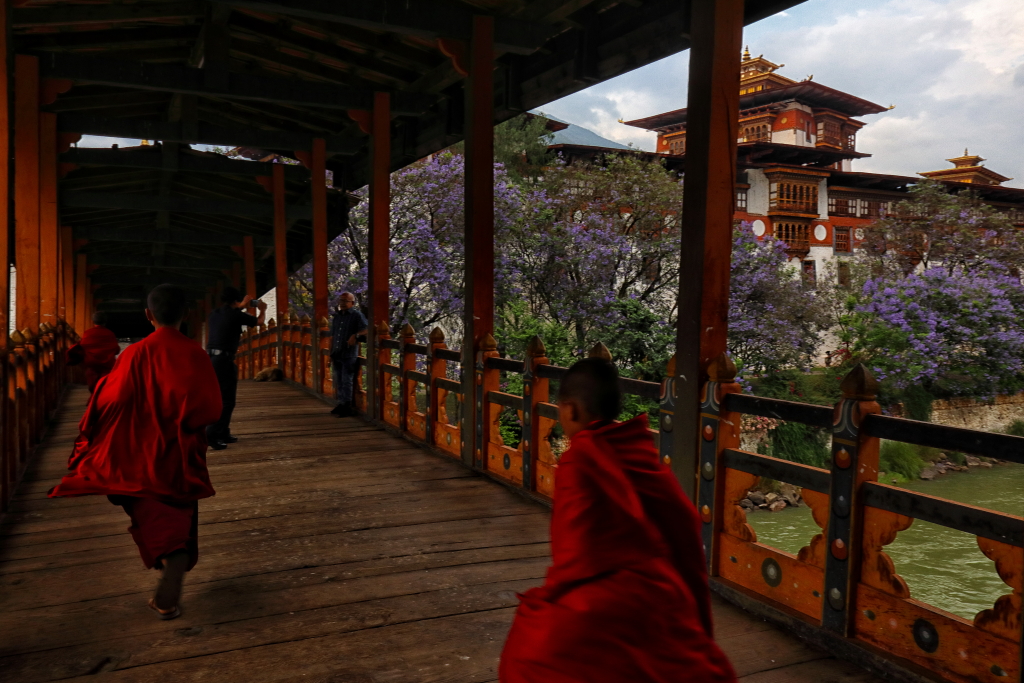
- March-April: Absolutely best time—jacaranda trees bloom in vibrant purple, creating spectacular photography opportunities
- February: Excellent for experiencing the Domche festival
- September-November: Clear weather and autumn foliage make for great visits
Time of Day
- 9-11 AM: Best for photography with morning light
- 3-5 PM: Good for afternoon visits with good lighting
- During Ceremonies: Arrive early to witness prayer sessions and rituals
How to Reach Punakha Dzong
Getting to Punakha Dzong is part of the Bhutan travel experience:
From Thimphu
- Distance: 72 km
- Duration: 2.5 hours by road
- Route: Via scenic Dochula Pass
- Transport: Taxi, bus, or private car
From Paro
- Distance: 125 km
- Duration: Approximately 4 hours
- Route: Via Wangdue and Thimphu
Transport Options
- Taxi: Most convenient, can arrange through hotels or tour operators
- Bus: Public buses available but less frequent
- Private Car: Can rent with driver for flexibility
- Tour: Many tour companies include Punakha Dzong in itineraries
Final Approach
- Parking: Designated parking area available
- Last Mile: Walk across traditional suspension bridge
- Accessibility: Approximately 300m walk from parking
Conclusion
Punakha Dzong is more than just a tourist attraction—it's a living symbol of Bhutan's unique culture, rich history, and profound spirituality. From its strategic location at the confluence of two rivers to its extraordinary architecture that has survived and been rebuilt through centuries, this dzong embodies the Bhutanese spirit of resilience and reverence for tradition.
Whether you're visiting to see the stunning jacaranda blooms in spring, witness the sacred Domche festival, or simply to experience one of the world's most beautiful fort-monasteries, Punakha Dzong offers an experience that stays with you long after you've left.
Combine your visit with other Bhutanese attractions like exploring Bhutan's diverse landscapes, backpacking through the Land of the Thunder Dragon, or visiting Bhutan's other remarkable destinations to create a complete Himalayan adventure.
Remember to respect the sacred nature of this site, dress appropriately, and take time to appreciate not just the architecture but the living culture that continues within these ancient walls. Punakha Dzong is waiting to share its stories with you.
Location
Frequently Asked Questions
Q1.What is Punakha Dzong famous for?
Q2.How much time needed at Punakha Dzong?
Q3.Is Punakha Dzong worth visiting?
Q4.What are Punakha Dzong timings?
Q5.What is the entry fee for Punakha Dzong?
Q6.What is the dress code for Punakha Dzong?
Q7.Who built Punakha Dzong?
Q8.When is the best time for photography at Punakha Dzong?
Recommended For You
Archery in Bhutan: National Sport & Cultural Experience
Discover archery in Bhutan, the Kingdom's national sport. Learn about traditional techniques, witness colorful competitions, and try authentic Bhutanese archery experiences.
Bhutan Festivals: Tsechu Dates, Monasteries & Cultural Experiences
Experience Bhutan's vibrant festivals: Tsechu, Paro, Thimphu & Punakha celebrations. Complete guide to dates, masked dances, Cham performances & cultural experiences.
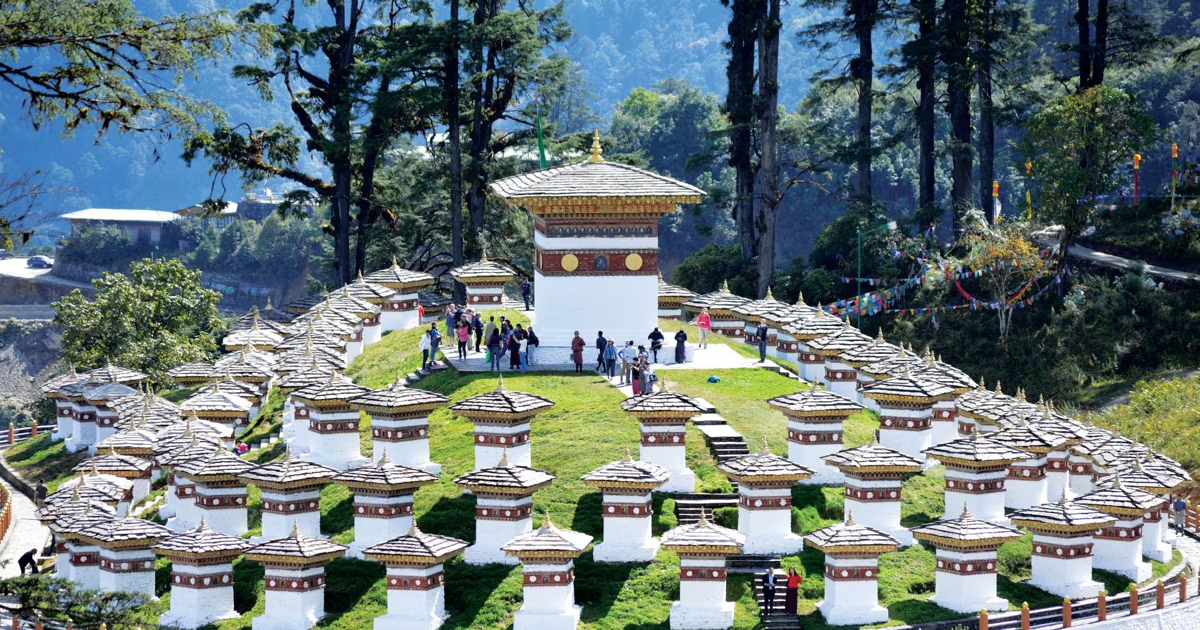
Dochula Pass Bhutan: 108 Chortens & Mountain Views
Dochula Pass in Bhutan: Complete guide to 108 chortens, Himalayan views, best time to visit, how to reach from Thimphu, trekking trails, and practical travel tips for this sacred mountain pass.
Never Miss an Adventure
Get the latest trekking guides, travel tips, and exclusive offers delivered straight to your inbox.
