
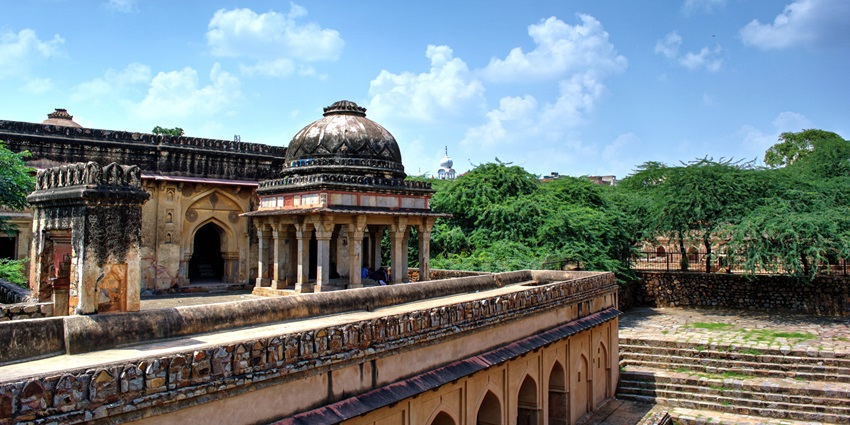
Sanskriti Museum Delhi: Art Collection, Timings & Visitor Details

Rahul Garg
December 5, 2025
Visit Sanskriti Museum in Delhi. Explore Indian art, terracotta, textiles & crafts. Timings, tickets, how to reach & exhibits guide.
Sanskriti Museum Delhi: Complete Cultural Visit Guide
Sanskriti Museum in Delhi is a unique cultural space for travelers who want to explore Indian everyday heritage through objects, crafts, and design traditions. Unlike large national museums centered mainly on dynastic chronology, Sanskriti’s experience feels intimate and thematic. It is especially valuable for visitors interested in material culture, decorative arts, and the continuity of craft practice in modern India.
If your Delhi itinerary includes major monuments, this museum offers a quieter intellectual contrast. Pair it with lotus temple or qutub minar in separate slots to balance heavy monument walking with focused cultural interpretation.
What Makes Sanskriti Museum Different
Sanskriti’s value lies in curatorial focus. Collections often center on everyday objects and craft categories that reveal social history through material use: utensils, textiles, decorative forms, and symbolic motifs. This offers a bottom-up lens on culture compared to king-centered heritage narratives.
The campus atmosphere is calmer and encourages reflective movement. Visitors can take time to observe object details and interpret design logic without large crowd pressure typical of major tourist monuments.
Key Themes to Observe
- Material culture: how daily-use objects carry regional identity.
- Craft continuity: links between historic forms and present practices.
- Aesthetic logic: functional beauty in design traditions.
- Cultural memory: objects as social documentation tools.
- Museum narrative: how curation shapes interpretation.
For travelers interested in broader Delhi culture routes, chandni chowk delhi can complement this visit through live craft and market context.
Best Time to Visit
October to March is generally best for combining museum visits with other Delhi exploration. As much of the museum experience is indoors, weather pressure is lower, but comfortable months still improve city-to-city movement. Weekday mornings are ideal for quieter galleries and better reading pace.
If your aim is serious study or note-taking, avoid packing multiple high-attention sites on the same half-day.
How to Reach Sanskriti Museum
The museum is reachable by cab-based routes and metro-connected transfers depending on your stay location. Keep realistic traffic buffers, especially during office-hour windows. Since this is often a mid-intensity visit, many travelers schedule it between larger sites to avoid fatigue.
You can combine it with india gate and gurudwara bangla sahib delhi in a full-day cultural circuit if travel sequence is planned carefully.
Suggested Half-Day Cultural Plan
| Time Block | Suggested Activity |
|---|---|
| 10:00-10:20 AM | Arrival and orientation |
| 10:20-11:20 AM | Core galleries and collection reading |
| 11:20 AM-12:00 PM | Thematic note-taking and second-pass observation |
| 12:00 PM onward | Transit to next Delhi cultural stop |
This pace helps you absorb content rather than rushing through displays.
How to Get More Learning Value
Use a question-based approach while visiting. Ask: what was this object used for, which region does it reflect, and what design choices show local resource use? This method turns the museum into a practical cultural learning session.
Students and researchers can benefit from quick sketch notes or category mapping by object type. Even basic notes improve post-visit recall significantly.
Photography and Conduct
- Confirm photography permissions before shooting exhibits.
- Avoid flash where display sensitivity is high.
- Do not touch objects unless clearly permitted.
- Maintain low voice levels in gallery spaces.
- Respect staff guidance on restricted areas.
Careful behavior ensures the museum remains a high-quality educational space for all visitors.
Common Mistakes to Avoid
- Treating the museum as a short filler between major monuments.
- Skipping labels and interpretive text.
- Visiting during peak fatigue hours after long outdoor tours.
- Ignoring thematic comparison with city sites like waste to wonder park delhi.
- Relying only on photos instead of understanding object context.
Why Sanskriti Museum Deserves a Place in Your Delhi Plan
Sanskriti Museum offers cultural nuance that standard tourist checklists often miss. It helps travelers understand Indian heritage through lived material traditions rather than only imperial or monumental narratives. This makes it one of Delhi’s most rewarding low-crowd cultural experiences.
Visit with time and curiosity, and you’ll leave with sharper insight into craft, design, and everyday culture in India.
Before exiting, pick one object that best represents “useful beauty.” This small reflection makes the visit more memorable and personally meaningful.
Why Sanskriti Works for Serious Culture Travelers
Sanskriti Museum is especially useful for visitors who want to study cultural continuity through objects rather than only through monuments. Small artifacts often reveal regional identity, social behavior, and design adaptation more clearly than large political buildings. This makes Sanskriti a strong site for students of design, anthropology, and craft heritage.
A practical strategy is to focus on one category at a time: tools, domestic objects, decorative forms, or ritual-linked items. Compare how function and aesthetics interact. You will notice that many pieces balance utility and symbolism with remarkable efficiency.
How to Build a Better Delhi Culture Day
A well-paced day can start with Sanskriti for reflective study and continue to one outdoor landmark later. This prevents burnout from crowded monument circuits and allows deeper attention. Keep your museum slot distraction-free: avoid back-to-back calls, rushed transport, and heavy meal windows immediately before the visit.
If traveling with children or non-specialist friends, convert the visit into a discovery game: each person identifies one object that feels “modern despite being traditional” and explains why. This approach keeps the experience engaging and memorable.
Final Takeaway
Sanskriti Museum proves that heritage is not only about kings, wars, and monumental stone. It is also about everyday creativity, craftsmanship, and lived design intelligence. This perspective adds important balance to any Delhi itinerary.
Before departure, choose one object category and connect it mentally to something you still use today. That comparison makes the museum visit personally relevant and easier to remember.
Location
Frequently Asked Questions
Q1.Where is Sanskriti Museum located in Delhi?
Q2.Who established Sanskriti Museum?
Q3.What can I see at Sanskriti Museum?
Q4.What are the museum timings?
Q5.Is there an entry fee for Sanskriti Museum?
Q6.Is photography allowed inside the museum?
Q7.How much time should I spend at the museum?
Q8.Are there guided tours available?
Recommended For You
Chandni Chowk Delhi: Street Food Trail, Markets & Metro Access
Explore Chandni Chowk Delhi - Complete street food guide, shopping tips, timings & metro access. Famous for Paranthe Wali Gali, spice market & shopping.
India Gate Delhi: Best Time, Nearby Spots & Night Visit Details
Visit India Gate Delhi with this complete guide covering history, architecture, timings, evening experience, nearby attractions, and practical travel tips.
Gurudwara Bangla Sahib Delhi: Timings, Langar & Seva Information
Visit Gurudwara Bangla Sahib Delhi - sacred Sikh shrine dedicated to Guru Har Krishan. Discover lang timings, history, architecture, dress code & spiritual experience.
Never Miss an Adventure
Get the latest trekking guides, travel tips, and exclusive offers delivered straight to your inbox.
