

Shani Shingnapur Temple: Darshan Timings, Rituals & Travel Details

Rohan Malhotra
February 11, 2026
Visit Shani Shingnapur Temple in Maharashtra. Discover the doorless village, history, timings, aarti & travel tips.
Shani Shingnapur Temple: Complete Darshan and Pilgrimage Planning Guide
Shani Shingnapur in Maharashtra is one of India’s most distinctive pilgrimage destinations, known for Lord Shani devotion and the long-standing cultural identity of the village. Pilgrims come here with strong faith, but many first-time visitors underestimate how important timing, crowd flow, and local etiquette are for a smooth darshan experience. This guide focuses on practical pilgrimage planning so your visit remains devotional, organized, and respectful.
If you are planning a broader Maharashtra spiritual route, combine this with no-door village Shani Shingnapur, nearby spiritual circuits via places to visit Shirdi, route support from Shirdi from Mumbai, and regional context through Shaniwar Wada Pune if your itinerary includes Pune.
Why Shani Shingnapur Is Special
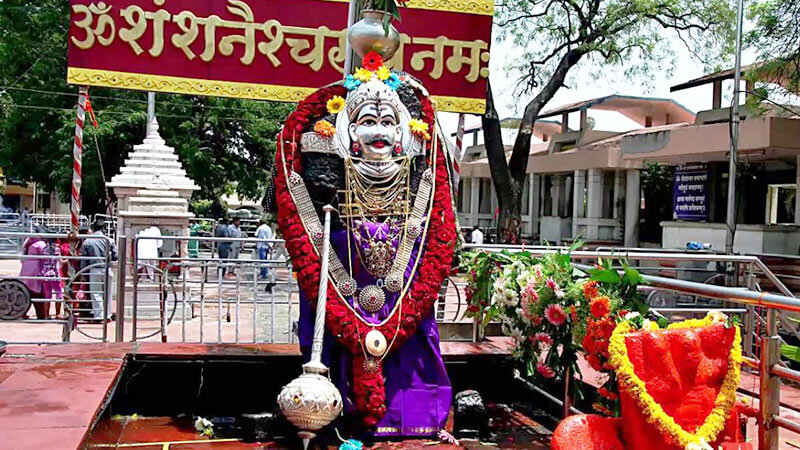
This destination is deeply associated with Lord Shani worship and a unique social tradition that made the village famous. For pilgrims, Shani Shingnapur is not only about darshan; it is also about surrender, discipline, and karmic reflection. Devotees visit for spiritual remedies, blessings, and inner stability during difficult phases of life. That emotional intention is why the pilgrimage often feels deeply personal.
Best Time to Visit and Crowd Strategy
| Time Window | Crowd Pattern | Best For |
|---|---|---|
| Early Morning | Moderate | Calm darshan and shorter wait |
| Midday | High | General visits and group pilgrimages |
| Evening | High on weekends | Devotional ambience and local flow |
For first-time visitors, early morning is usually the most comfortable. Weekends and major Shani-related dates can see significant crowd build-up.
How to Reach Shani Shingnapur
Most travelers arrive by road from major Maharashtra cities or combine this visit with a Shirdi itinerary. If you are self-driving, start early to avoid traffic concentration near peak darshan slots. Pilgrims using shared transport should keep return options pre-confirmed. Route planning is especially important for families traveling with children or elders.
Darshan Etiquette and Conduct
Dress modestly and follow local temple norms carefully. Keep valuables minimal, maintain queue discipline, and avoid pushing in dense segments. Respect volunteer instructions and local ritual flow. Many spiritual centers feel crowded because visitors arrive without movement planning; simple discipline improves everyone’s experience.
- Carry only essential belongings.
- Keep hydration and light snacks ready for wait time.
- Maintain quiet behavior near prayer sections.
- Avoid intrusive photography in devotional zones.
Offerings and Spiritual Preparation
Devotees often come with offerings based on personal faith practices. Keep offering decisions simple and avoid impulsive spending pressure in crowded lanes. If you are a first-time pilgrim, focus on intention, prayer, and respectful behavior rather than ritual complexity. The spiritual depth of the visit is not measured by spending amount but by sincerity and discipline.
Family and Senior-Friendly Pilgrimage Tips
Families should define one regroup point before entering crowd-heavy areas. Seniors should avoid standing long in peak heat and prefer early windows for smoother movement. Carry medicines, water, and basic weather protection. If your group is large, split by pace while keeping one communication lead. Pilgrimage comfort planning helps preserve devotional focus.
Combining Shani Shingnapur with Shirdi
A common itinerary is Shirdi + Shani Shingnapur in one route. This combination works well if you avoid overloading with multiple same-day transfers. Keep one temple primary and one secondary each day. If you rush both in tight windows, darshan quality drops and fatigue rises quickly. Better planning gives both spiritual value and physical comfort.
For route planning, use Shirdi travel structure and Mumbai to Shirdi guidance before finalizing day sequence.
Budget and Practical Planning
The pilgrimage can be budget-friendly if you split expenses clearly: transport, meals, stay, and offerings. Keep contingency funds for delays or route changes. Pilgrims who plan small buffers usually avoid stress in crowded periods. If you are traveling during high-footfall days, pre-book stay and start earlier than your estimated departure window.
Safety and Crowd Management
High-footfall pilgrimage centers require basic situational awareness. Keep children close, avoid isolated movement, and stay in active public lanes after darshan. Do not depend on last-minute transport arrangements late in the evening. A controlled exit plan is as important as entry planning.
Sample One-Day Pilgrimage Plan
Morning: Arrive early, complete darshan, and keep post-prayer reflection time. Afternoon: Light meal and rest. Evening: Optional local spiritual stop or return transfer.
This format keeps the visit devotional and manageable without unnecessary rush.
Detailed Pilgrimage Day Planning
If you are visiting Shani Shingnapur with family, it helps to design the day in modules. Module one is arrival and parking stabilization. Module two is darshan and devotional offering. Module three is rest, hydration, and regroup. Module four is optional nearby stop or direct return. This modular approach keeps group coordination clear and reduces stress around crowd phases.
For pilgrims traveling from Mumbai or Pune, an early departure is strongly recommended. Morning road conditions are usually easier and darshan flow tends to be calmer compared to late afternoon windows. If your group includes senior members, avoid compressed same-day multi-city plans. A night halt near the temple or in a nearby city can significantly improve comfort.
What First-Time Visitors Should Know
First-time pilgrims often arrive with many assumptions from social media clips, but real on-ground experience can differ. The temple zone can become crowded quickly, and devotional lanes require patience. Do not assume you can complete darshan in fixed short minutes. Keep margin in your schedule. Also, avoid over-reliance on unverified local tips. Follow official or trusted local guidance for timing and queue movement.
If you are unfamiliar with Shani worship traditions, keep your visit simple: respectful entry, focused prayer, gratitude, and disciplined exit. You do not need complicated ritual layers for a meaningful pilgrimage. Faith with humility is enough.
Women and Family Safety Notes
Women pilgrims and families generally find the area manageable in active hours, but planning remains essential. Keep one communication rule in the group, share live location where possible, and avoid splitting without a clear regroup time. Children should be briefed before entering dense devotional lines. For elders, keep one portable stool or identify nearby seated rest points if waiting times are long.
Crowd stress usually rises when groups do not pre-assign roles. Assign one timing lead, one logistics lead, and one elder-care lead in larger family trips. Small role clarity improves everyone’s experience.
Suggested Itineraries
Half-day plan: Early arrival, darshan, short local break, and return. One-day plan: Morning darshan plus one nearby spiritual/cultural stop. Two-day plan: Night halt + unhurried darshan + regional extension toward Shirdi route.
Choose based on group stamina. Fast plans are not always better plans for pilgrimage travel.
Responsible Devotional Travel
Keep the temple area clean, avoid plastic litter, and use designated disposal points if available. Do not crowd ritual sections for photos. Sacred sites remain spiritually uplifting only when visitors respect collective space. Responsible behavior also reduces friction for local residents and fellow pilgrims.
Final Preparation Checklist
- Confirm route and departure time one day before travel.
- Keep ID, medicine, and water easily accessible.
- Wear weather-appropriate modest clothing.
- Carry cash + digital payment backup.
- Keep one contingency hour in return schedule.
Arrive early, pray calmly, and exit without rush.
Final Takeaway
Shani Shingnapur Temple is best experienced with faith, patience, and practical structure. Arrive early, follow local norms, and keep your route simple. When planned well, the pilgrimage becomes deeply meaningful and spiritually grounding.
Location
Frequently Asked Questions
Q1.Where is Shani Shingnapur located?
Q2.Why do houses in Shani Shingnapur have no doors?
Q3.What is the legend of Shani Shingnapur?
Q4.What are the temple timings?
Q5.What are the aarti timings?
Q6.Is photography allowed in the temple?
Q7.How far is Shani Shingnapur from Pune?
Q8.What is the best time to visit Shani Shingnapur?
Recommended For You

Dagadusheth Halwai Ganpati Temple Pune: Darshan Timings & Festival Details
Plan your visit to Dagadusheth Halwai Ganpati Temple Pune with history, darshan guidance, festival insights, route tips, and nearby attractions.

Places to Visit in Pune: Forts, Museums, Cafes & Weekend Spots
Explore top places to visit in Pune including Shaniwar Wada, Aga Khan Palace, temples, museums, gardens, and nearby hill getaways.

Pune: Complete Travel Plan Places And Weather
Complete Pune travel guide featuring Shaniwar Wada, Aga Khan Palace, cultural attractions, day trips & practical tips.
Never Miss an Adventure
Get the latest trekking guides, travel tips, and exclusive offers delivered straight to your inbox.
