

Shillong: Complete Travel Plan Places And Weather

Priya Mehta
February 25, 2026
Use this Shillong travel guide to plan practical city-plus-loop itineraries with weather strategy, local food, and market-driven cultural exploration.
Why Shillong Is One of India’s Most Balanced Hill Cities
Shillong blends urban convenience and mountain atmosphere better than many hill destinations. You get cafes, local markets, music culture, viewpoints, and easy regional access in one compact base. That makes it ideal for first-time Meghalaya travelers who want flexibility without losing natural beauty. The city works as both a destination and a hub for short excursions.
Travel quality depends on pacing. If you overpack Shillong and nearby points in one day, the experience quickly becomes traffic-heavy. A better approach is city-plus-loop planning. For broader route clarity, combine this with Meghalaya travel planning, seasonal guidance from best time for Shillong, and adventure add-ons like Dawki camping. If you are extending your itinerary, compare with repeat Shillong route strategy for multi-day balance.

How to Structure a Shillong Itinerary
Day 1: Local city orientation with market, cafe, and evening viewpoints.
Day 2: Nearby nature loop with one or two stops and return to city base.
Day 3: Culture-plus-food day with slow walking and local interaction.
This pattern prevents long transfer fatigue and gives enough time to absorb city character.
Best Time to Visit Shillong
Shillong is year-round visitable, but each season changes the trip style. Cooler months are generally comfortable for city walks and nearby loops. Monsoon gives lush landscapes but can affect movement speed and visibility. Shoulder windows usually offer strong balance between weather and crowd levels.
Choose dates based on your purpose: clear views, cozy weather, or dramatic rain-driven scenery.
City Experiences Worth Prioritizing
Market zones: Good for local products, food exploration, and people observation.
Cafe culture: Shillong has one of the more distinctive hill-city cafe scenes in India.
Music and community spaces: The city’s identity is strongly tied to performance and youth culture.
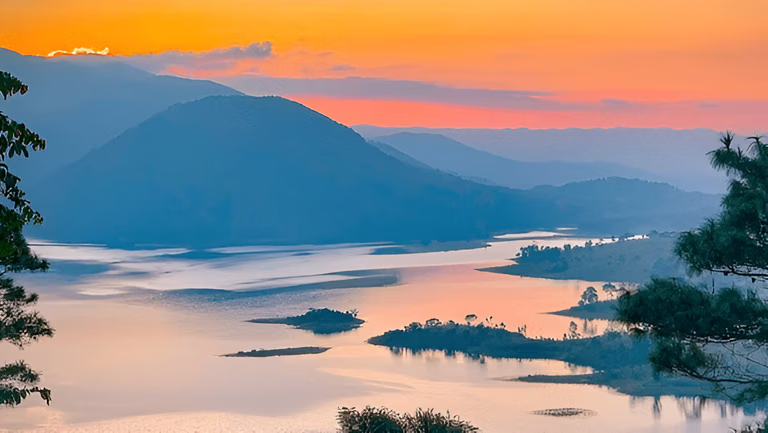
Viewpoint sessions: Best kept for early morning or late evening windows.
Pick fewer stops and spend more time in each. Shillong rewards depth over speed.
Transport and Day-Loop Planning
Within city limits, use short cab hops and walkable clusters where possible. For out-of-city loops, start early and keep realistic return windows. Don’t stack too many distant points in one day. Rain and road conditions can change pace quickly.
A clean rule: one major loop per day, one city recovery block in evening.

Food and Local Rhythm
Shillong trips feel incomplete without local food exploration. Keep one planned breakfast, one specialty lunch or dinner, and one snack-oriented market block. This structured approach avoids random stop fatigue and keeps your day on schedule.
For travelers who enjoy culture-focused movement, combine food with local conversations and short market walks. That gives stronger place memory than only attraction hopping.
Common Mistakes to Avoid
Common mistakes include trying to cover Shillong and multiple far loops in one day, ignoring rain-based timing flexibility, and skipping local city experience for only viewpoint chasing. Shillong is best approached as a living hill city, not a transit checkpoint.
Plan in blocks, not in long checklists.
Detailed 4-Day Shillong Strategy
A 4-day Shillong trip gives enough flexibility to combine city culture, nature loops, and weather-adjusted planning without stress. Day one should focus on easy orientation: market walk, short cafe break, and evening viewpoint. Day two can be your primary excursion day. Day three is ideal for slower neighborhood exploration, local food, and music-culture context. Day four works as a flexible closure day with one short outing and relaxed departure planning.
This structure avoids the common Meghalaya mistake of overloading long road loops in consecutive days. Shillong rewards consistency and rhythm, not aggressive distance coverage.
Weather-Smart Movement in Meghalaya Terrain
Shillong routes can change quickly with rain, fog, and road conditions. Keep daily plans modular: one essential block and one optional block. If weather shifts, skip the optional block without feeling the day has failed. This mindset greatly improves travel experience in regions where natural variability is normal.
Carry rain-ready footwear, quick-dry layers, and one extra power backup for navigation and booking coordination. Weather preparation is part of route quality, not a backup detail.
Shillong for Repeat Travelers
If this is your second visit, move beyond headline points. Explore local food mornings, neighborhood walks, small cultural spaces, and music-linked evening scenes. Repeat travelers often enjoy Shillong more when they reduce attraction chasing and increase time in lived local environments.
Another strong repeat strategy is to base longer in Shillong and do fewer but deeper loop days. This reduces transfer fatigue and creates richer regional understanding.
Family and Senior-Friendly Planning
Shillong can be family-friendly with clear daily boundaries. Keep one major movement block per day, avoid late-night long transfers, and preserve indoor rest time in the afternoon. For seniors, pick centrally located accommodations and avoid steep walking-heavy plans in wet weather periods.
Simple planning discipline makes the city comfortable for multi-age groups while preserving the atmosphere that makes Shillong special.
Why Shillong Works as a Cultural Base
Beyond landscape, Shillong has a distinctive social and artistic personality. Cafes, youth spaces, local performance culture, and market interactions create strong identity. If you plan at least one culture-focused day, your trip will feel significantly deeper than a standard hill-station itinerary.
Shillong is best understood as a living city in the hills, not just a scenic transit stop.
Food, Community, and Evening Culture in Shillong
Shillong evenings can be one of the strongest parts of the trip if planned intentionally. Instead of rushing between distant points, choose one local food zone and one short cultural walk. The city’s social energy, youth spaces, and music identity become more visible in these windows. This layer often defines the memory of Shillong more than daytime sightseeing.
For repeat visitors, evening-based local immersion is often more rewarding than adding one more distant viewpoint. Keep these sessions unhurried and walk-friendly.
Practical Departure-Day Planning
Departure days are often wasted due to poor timing. Keep a half-day modular plan: one short breakfast stop, one easy market revisit, and buffer for transfer. This prevents last-minute stress and lets you close the trip calmly. Shillong trips feel most complete when the final day is structured, not improvised under pressure.
For longer stays, Shillong can also be used as a creative base for writers, photographers, and remote workers who prefer cool-weather city rhythm with nearby nature access. Keep weekday mornings for focused work and late afternoons for short exploratory loops. This hybrid format is practical, low-stress, and increasingly popular among slow travelers in northeast India.
Shillong also performs well for travelers combining leisure with purposeful exploration. You can plan mornings for local neighborhoods, midday for food and rest, and evenings for music-linked social spaces. This pattern keeps the itinerary engaging without overloading long-distance movement. If you maintain one open slot each day, you can adapt easily to weather and local events. That adaptability is one of the biggest advantages of using Shillong as your Meghalaya base.
Small planning tweaks make Shillong trips smoother and more memorable.
Conclusion
Shillong offers one of the most practical and rewarding hill-city experiences in northeast India when planned with route discipline and local immersion. Keep your itinerary focused, respect weather variability, and balance city culture with nearby nature loops. With this approach, Shillong becomes not just a stop in Meghalaya, but a destination worth returning to.
Location
Frequently Asked Questions
Q1.How many days are ideal for Shillong?
Q2.When should I visit Shillong?
Q3.Can Shillong be a base for Meghalaya travel?
Q4.Is Shillong suitable for family trips?
Q5.What is the biggest planning mistake?
Recommended For You
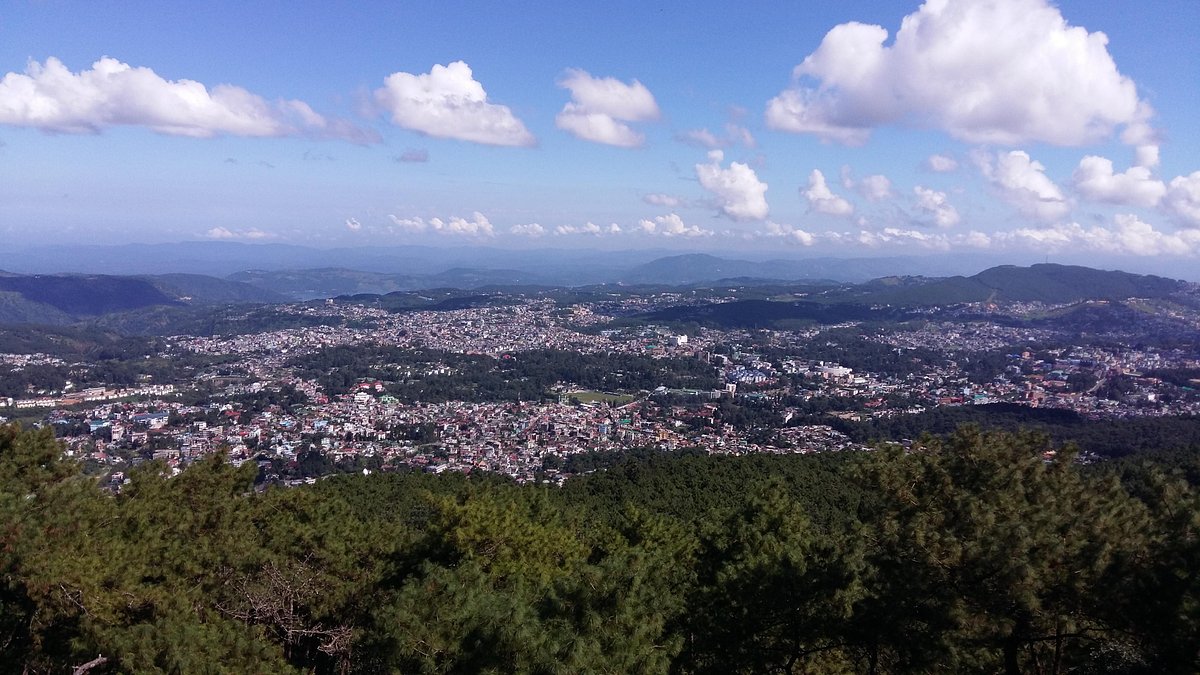
Shillong Peak: Highest Point Meghalaya
Visit Shillong Peak, Meghalaya's highest point. Enjoy panoramic views, weather, timings, entry fee & travel tips.
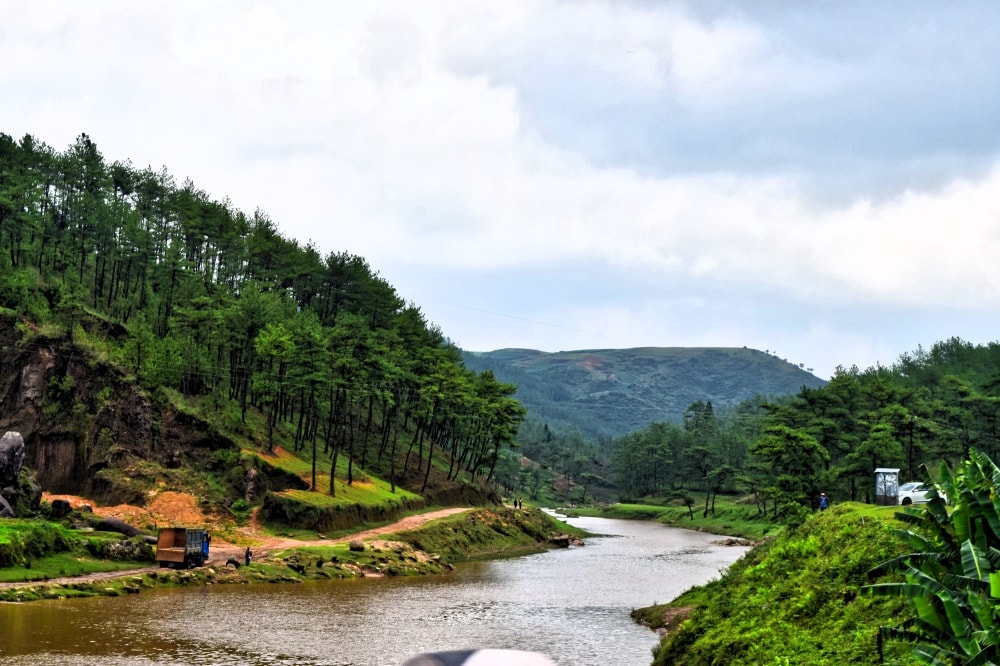
Best Time to Visit Meghalaya: Rainfall, Season & Waterfall Views
Understand Meghalaya weather by season with practical month-wise planning tips for waterfalls, root bridges, caving, and safer route timing.
Best Places to Visit in Meghalaya: Waterfalls, Caves & Villages
Explore top places to visit in Meghalaya including Shillong, Cherrapunji, Dawki, Living Root Bridges, and practical route planning tips for travelers.
Never Miss an Adventure
Get the latest trekking guides, travel tips, and exclusive offers delivered straight to your inbox.
