
Shopping in Kanchipuram Guide: Silk Sarees, Authentic Stores, and Smart Buying Tips

Priya Mehta
February 25, 2026
Plan shopping in Kanchipuram with practical guidance on silk authenticity, budget strategy, store comparison, and smart purchase planning.
Why Kanchipuram Shopping Is Special
Kanchipuram is one of India’s most respected textile destinations, especially for handwoven silk sarees. Shopping here is not just retail activity; it is a craft-led cultural experience tied to weaving heritage, temple traditions, and family gifting rituals. Buyers who understand basics of weave quality and authenticity usually make better decisions and avoid overpaying.
If this is your first visit, plan shopping as a focused half-day or full-day block, not a rushed add-on between temples. For broader city context, combine with Kanchipuram temples, local route support from places to visit in Kanchipuram, and culture comparisons from regional shopping experiences. For trip structuring, use India itinerary planning where needed.
What to Buy in Kanchipuram
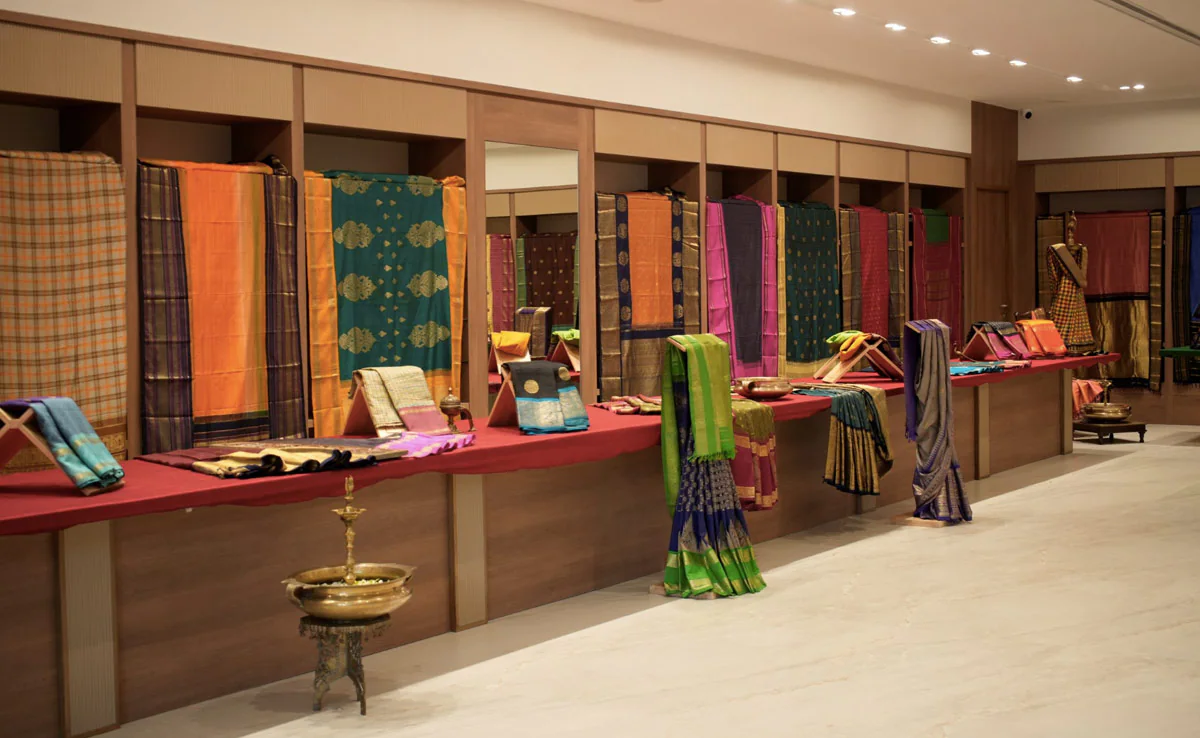
Kanchipuram silk sarees: the signature purchase, known for zari work and durability.
Traditional textile variants: suited for gifting and ceremonial wear.
Temple-linked craft accessories: often available in selected heritage market zones.
Custom weaving options: possible in some stores for premium buyers.
Prioritize quality verification over quantity shopping, especially for silk purchases.
How to Identify Genuine Kanchipuram Silk
Check weave consistency, zari quality, border-body join craftsmanship, and labeling clarity. Ask for weave and material details clearly before purchase. Reputed stores usually explain origin and process transparently.
If buying high-value sarees, compare 2-3 trusted outlets and take time before finalizing. Quick decisions often lead to regret.
Best Time for Shopping in Kanchipuram
Morning to early afternoon generally works best for focused selection with lower in-store rush. Festival and wedding seasons may offer larger variety but also higher demand. If possible, avoid peak crowd windows when you need detailed product evaluation.
Shoppers planning bulk or ceremonial purchases should keep extra time for comparisons and billing formalities.
Budget Planning and Price Strategy
Set budget ranges before entering large showrooms. Split purchases into priority and optional categories. This avoids emotional overspend in high-visual textile environments. Ask for invoice transparency and product details clearly, especially for premium buys.
Do not rely only on first-store recommendations. Cross-checking helps both quality and price confidence.
Shopping Route Tips for First-Time Visitors
Start with one trusted store, then do one comparison stop before finalizing major purchases. Keep meals and rest planned, because textile selection can be time-intensive. If traveling with family, assign clear shopping roles to avoid confusion and fatigue.
A focused route performs better than random store-hopping.

Common Mistakes to Avoid
Common errors include rushing high-value purchases, skipping authenticity checks, and shopping without predefined budget bands. Another issue is combining heavy temple sightseeing and long shopping on the same day. Keep these as separate high-focus blocks where possible.
Kanchipuram shopping is best when done with patience and product awareness.
How to Shop Smart for Wedding and Family Purchases
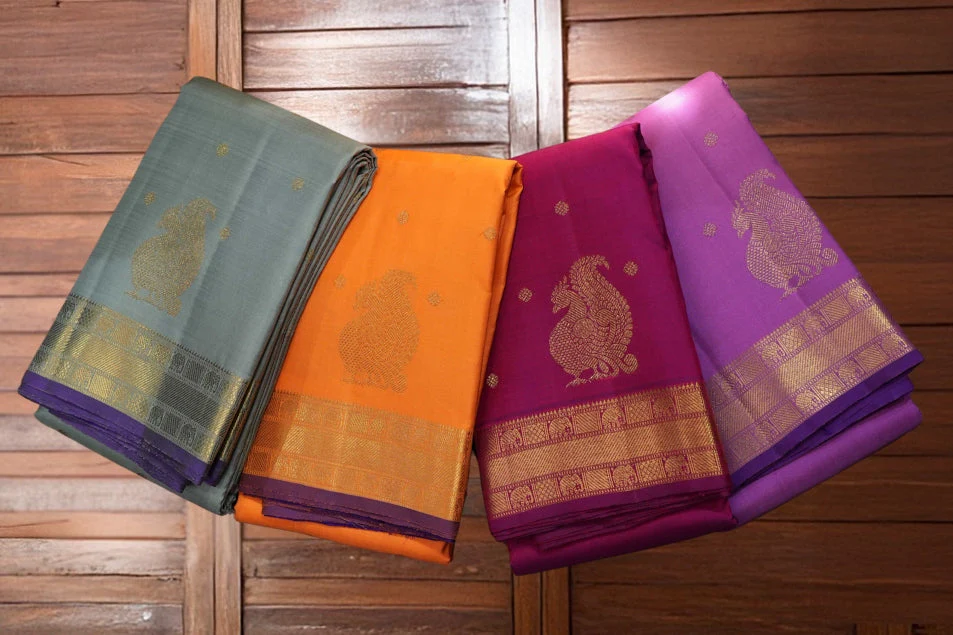
Kanchipuram shopping often includes wedding, gifting, and ceremonial purchases where budget and quality stakes are high. Start by defining categories: must-buy, optional, and exploratory. This prevents emotional overspend in high-choice showrooms. For premium sarees, compare weave, zari, and finish across at least two trusted outlets before confirming.
If shopping with family, assign one person for note-taking and one for budget tracking. This simple method keeps decisions grounded and avoids confusion during bulk buying.
Understanding Price Bands and Value
Price variation in Kanchipuram can come from weaving complexity, zari quality, brand markup, and showroom positioning. Higher price is not automatically higher value. Ask what specifically drives cost: motif density, handwork level, thread quality, or material mix. Informed questions often reveal the true value proposition.
For first-time buyers, one high-quality purchase with full confidence is better than multiple uncertain purchases.
When to Visit Stores for Better Attention
Morning windows often provide better staff attention and easier product explanation compared to peak crowd periods. If you need detailed guidance, avoid festival rush times or late-evening compressed sessions. Serious buyers should reserve enough time and avoid combining heavy temple visits on the same shopping day.
Time quality influences purchase quality in Kanchipuram more than most travelers expect.
Care, Storage, and Long-Term Use
After buying silk sarees, ask for storage and maintenance advice. Proper folding, moisture control, and careful dry-cleaning practices preserve fabric life and zari finish. High-quality silk is a long-term investment and deserves proper care protocol from day one.
Buyers who learn post-purchase care usually retain textile quality for years and avoid preventable damage.
Why Kanchipuram Shopping Is a Cultural Experience
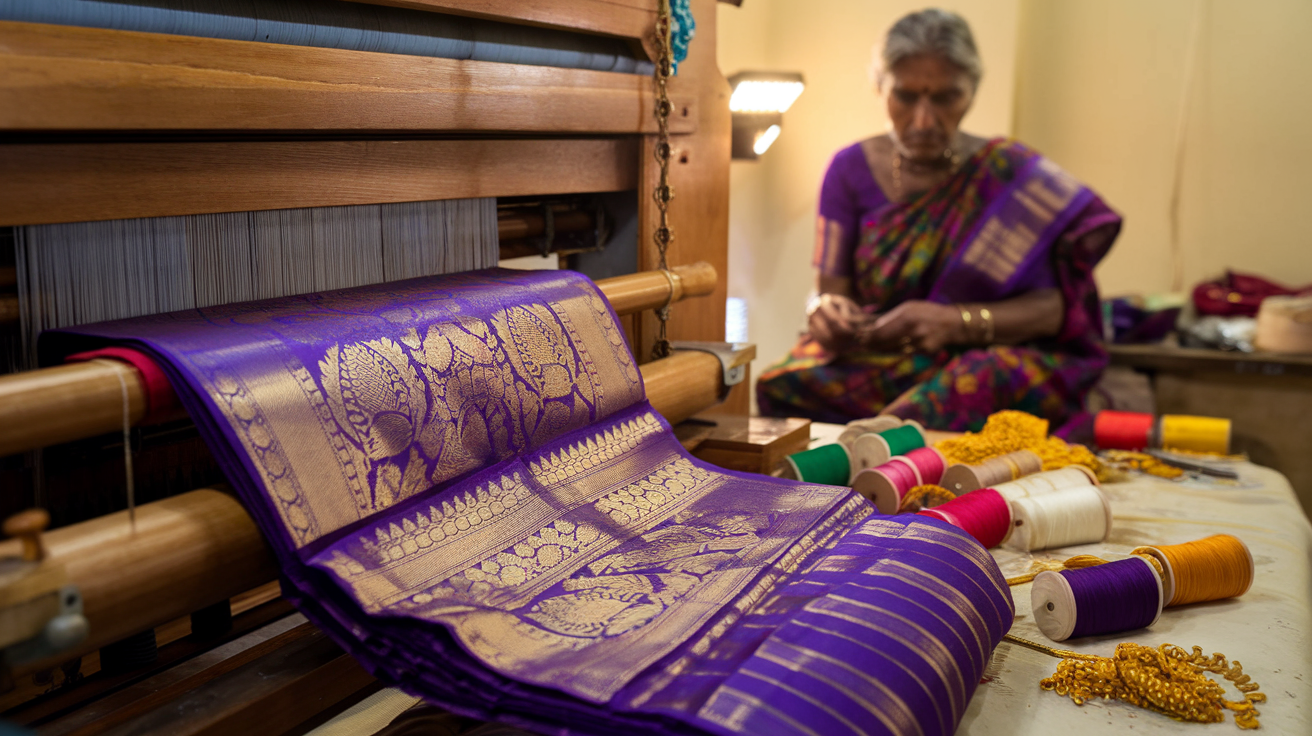
The strongest takeaway from Kanchipuram is not only product ownership but craft appreciation. Watching weaving logic, understanding pattern stories, and recognizing regional textile heritage makes shopping meaningful. If possible, include one craft-context stop before final buying decisions.
This turns retail into cultural travel and gives your purchases lasting significance beyond transaction value.
Store Interaction Etiquette and Better Negotiation
In Kanchipuram, respectful store interaction often leads to better product transparency. Ask specific questions about weave, zari type, and maintenance without rushing staff. Clear, polite communication usually gets more useful responses than aggressive bargaining. If negotiation is expected, do it calmly after product clarity, not before quality understanding.
Buyers who prioritize product literacy over discount-chasing generally make better long-term purchases.
Planning Multi-Purchase Days Efficiently
When buying for multiple family members, organize by priority: wedding, gifting, personal, and optional purchases. Complete high-priority items first. This protects decision quality and avoids end-of-day fatigue errors. A disciplined buying sequence makes large shopping days manageable and more satisfying.
If you are gifting Kanchipuram textiles across generations, keep recipient preferences and usability in mind. Practical color palettes, versatile borders, and comfortable drape options often provide better long-term value than purely trend-driven picks. Thoughtful selection improves satisfaction and reduces the chance of expensive garments remaining unused.
Great shopping outcomes come from matching craft quality with real-life use.
When shopping with elders or younger family members, break the day into timed sessions with planned rest and meal intervals. Textile selection requires attention, and decision quality drops with fatigue. Keep high-value decisions in the first half of the day when energy is highest. If needed, revisit shortlisted options in the second half before final purchase. This two-pass method reduces impulse buying and improves confidence in your final selections.
Strong shopping outcomes are built through patience, clarity, and structured comparison.
Before final billing, review each shortlisted saree in natural light if possible. Color tone and zari reflection can look different under strong showroom lighting. A final quick verification helps prevent post-purchase mismatch and gives better confidence in major textile decisions.
If you are purchasing for ceremonies, keep event timeline in mind and leave room for blouse tailoring or finishing adjustments after travel. Advance planning prevents last-minute stress and ensures your textiles are ready for actual use. Practical post-purchase preparation is part of smart shopping.
Buyers visiting from outstation cities should also plan safe packing for transport. Proper folding and protective wrapping reduce crease and damage risk during return travel.
Keeping invoices and product details safely archived also helps for future care, gifting records, and authenticity verification when needed.
This final verification habit also protects value when making high-importance family purchases.
Informed buyers usually enjoy better long-term value.
Conclusion
Shopping in Kanchipuram can be one of India’s most rewarding craft-buying experiences when planned with clarity. Focus on authenticity, budget discipline, and route structure. With informed choices and enough time, you can take home textiles that carry both quality and cultural value.
Location
Frequently Asked Questions
Q1.What is Kanchipuram famous for in shopping?
Q2.How do I verify authentic Kanchipuram silk?
Q3.How much time should I keep for shopping?
Q4.Is Kanchipuram shopping budget-friendly?
Q5.What is the biggest shopping mistake?
Recommended For You
Famous Foods of Rajasthan: 20 Must-Try Rajasthani Dishes
Discover the famous foods of Rajasthan - from iconic Dal Baati Churma and Laal Maas to Gatte ki Sabzi and Ghevar. Explore 20 must-try Rajasthani dishes with our complete cuisine guide.
Shopping in Kolkata: New Market, Gariahat, Malls & Cultural Picks
Shopping in Kolkata guide - New Market, College Street books, sarees, Bengali sweets. Complete guide to markets, malls, prices and shopping tips.

Shopping Paris: Ultimate Guide to Luxury, Markets & Budget Tips
Complete guide to shopping in Paris featuring luxury districts, department stores, boutiques, flea markets, budget tips, and VAT refund information.
Never Miss an Adventure
Get the latest trekking guides, travel tips, and exclusive offers delivered straight to your inbox.
