
Shrinathji Temple Nathdwara: Darshan Timings, Seva Schedule & Visit Plan

Rahul Garg
December 26, 2025
Visit Shrinathji Temple in Nathdwara, Rajasthan. Complete guide with darshan timings, aarti schedule, how to reach, history & accommodation.
Introduction: Gateway to the Lord
Nathdwara, literally meaning "Gateway to the Lord," stands as one of Rajasthan's most sacred pilgrimage destinations. Located approximately 48 kilometers from Udaipur, this small town houses the famous Shrinathji Temple, dedicated to Lord Krishna in his child form. As the principal shrine of the Pushtimarg tradition, the temple attracts millions of devotees annually, making it one of India's most visited Krishna temples.
The temple's significance extends beyond religious importance, offering visitors a glimpse into rich Rajasthani culture and devotional practices. The town itself revolves around the temple, with narrow lanes filled with shops selling religious artifacts, traditional Rajasthani crafts, and prasad offerings. Whether you're a devout pilgrim or a cultural traveler, Shrinathji Temple provides a profound spiritual experience combined with architectural beauty and traditional hospitality.
Temple History & Significance
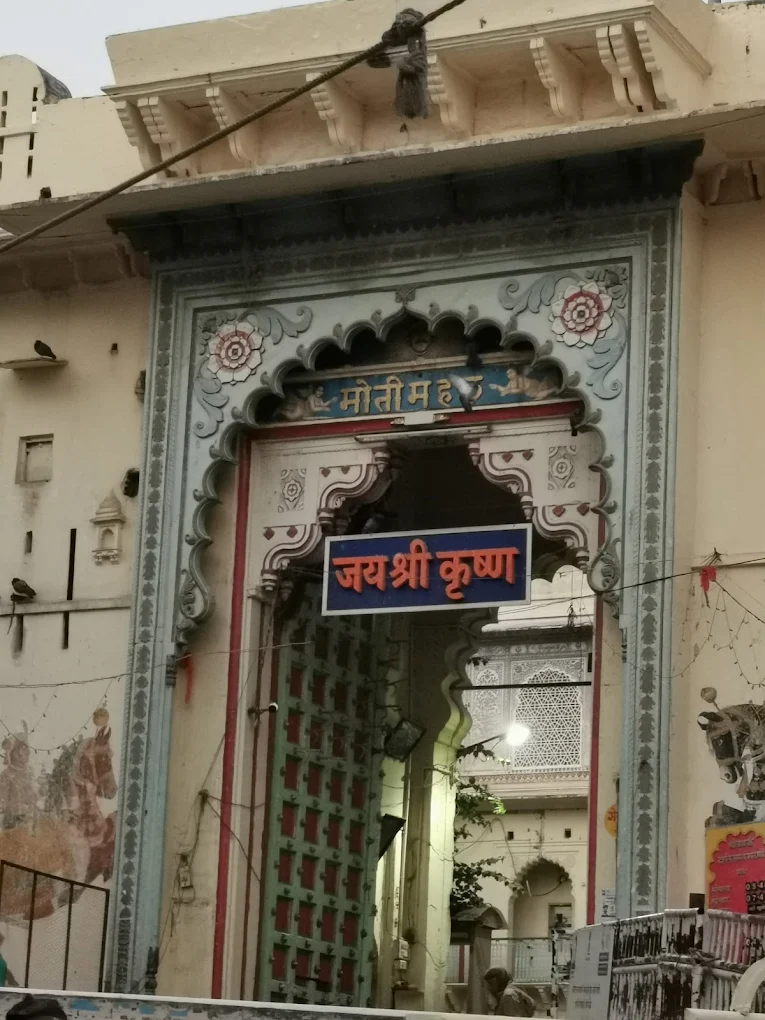
The history of Shrinathji Temple dates back to the late 17th century when the sacred idol was brought to this location. According to legend, the idol was originally worshipped at Mount Govardhan near Mathura. During the reign of Mughal Emperor Aurangzeb, when temples were being destroyed across northern India, the idol was moved for protection. After a divine revelation, it was decided to bring the idol to the safety of Mewar in Rajasthan.
The journey of the idol to its current location is filled with miraculous stories. When the bullock cart carrying the idol reached the present site in Nathdwara, the wheels allegedly got stuck in the mud and refused to move further. Taking this as a divine sign, the accompanying devotees decided to establish the temple at this very spot. The temple was formally consecrated in 1672, and Nathdwara developed around it as a town dedicated to serving the Lord.
The temple holds immense importance in the Pushtimarg tradition, a devotional path established by Vallabhacharya. This tradition emphasizes loving devotion (bhakti) to Krishna in his various forms, particularly as Shrinathji. The temple became the principal seat of Pushtimarg worship, with the spiritual leadership of the tradition descending through generations within the temple's priestly lineage.
Rajput rulers of Mewar played a crucial role in the temple's establishment and protection. The temple received royal patronage, which helped it flourish and become an important center of Vaishnavite worship. The architectural style reflects traditional Rajasthani temple design, with intricate carvings and paintings depicting scenes from Krishna's life, particularly his childhood pastimes in Vrindavan.
Shrinathji Idol Legend
The Shrinathji idol represents Lord Krishna in his seven-year-old form, known as Bal Swaroop. The deity shows Krishna with his left arm raised, believed to be protecting the residents of Vrindavan and his devotees from the wrath of Indra. This manifestation is associated with the Giriraj episode from the Bhagavata Purana, where Krishna lifted the Govardhan Hill to shelter the villagers from devastating rains sent by Indra.
What makes this idol particularly unique is its natural appearance. The idol is not sculpted by human hands but is believed to be a self-manifested (swayambhu) form that emerged from the Govardhan Hill. The black stone idol shows Krishna with his left hand raised above his head, while his right hand rests on his waist. The deity wears elaborate jewelry and traditional Rajasthani attire, which are changed multiple times throughout the day according to the daily rituals.
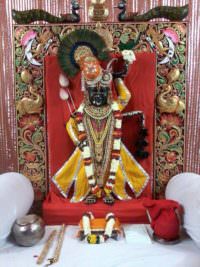
The idol's face is said to change expression according to the time of day and the ritual being performed. During morning prayers, the deity appears fresh and radiant. In the afternoon, the expression seems calm and contemplative. By evening, the deity appears more restful, reflecting the daily routine of a royal child in traditional Hindu worship.
The raised left hand holds deep spiritual significance in Vaishnava theology. It symbolizes Krishna's eternal protection of his devotees, his lifting of the Govardhan Hill, and his role as the supreme guardian. Devotees believe that simply gazing at this raised hand can remove obstacles and provide divine protection in their lives.
Darshan Timings & Aarti Schedule
Shrinathji Temple follows a strict daily schedule with eight specific darshan times, each known as a different "jhanki" or glimpse of the Lord. These darshans correspond to different times in Lord Krishna's daily routine, from waking up in the morning to going to sleep at night. The temple opens early morning and remains active until late evening, with each darshan offering a unique visual experience.
| Aarti/Darshan | Winter Timing | Summer Timing | Description |
|---|---|---|---|
| Mangla Aarti | 5:30 AM | 5:15 AM | Waking up ceremony |
| Shringar Aarti | 7:15 AM | 7:00 AM | Decoration and dressing |
| Gwal Aarti | 9:00 AM | 8:45 AM | Breakfast offering |
| Raj Bhog Aarti | 11:15 AM | 11:00 AM | Main lunch offering |
| Utthapan Aarti | 3:45 PM | 4:00 PM | Afternoon awakening |
| Sandhya Aarti | 5:45 PM | 6:00 PM | Evening prayers |
| Shayan Aarti | 7:30 PM | 7:45 PM | Bedtime ceremony |
Mangla Aarti at 5:30 AM (winter) or 5:15 AM (summer) marks the beginning of the temple's day. During this early morning ceremony, the deity is awakened from sleep, and devotees witness the Lord fresh from rest. This darshan is particularly special as the deity appears most peaceful and radiant in the soft morning light.
Raj Bhog Aarti at 11:15 AM is considered the main darshan of the day. During this ceremony, the Lord is offered the principal meal of the day, traditionally consisting of elaborate preparations. Many devotees time their visit specifically for this darshan as it's believed to be especially auspicious for fulfilling wishes and prayers.
Sandhya Aarti in the evening offers one of the most visually spectacular experiences. During this time, the temple is illuminated with numerous lamps, and the deity wears special evening attire. The atmosphere becomes particularly devotional with the chanting of prayers and singing of bhajans filling the temple complex.
Crowd levels vary throughout the day, with early morning and late afternoon darshans being less crowded. The temple draws maximum crowds during Raj Bhog Aarti and on special occasions and festivals. For a peaceful darshan experience, consider visiting during Mangla Aarti or on weekdays rather than weekends.
Temple Rituals & Offerings
The daily rituals at Shrinathji Temple follow the traditional Pushtimarg worship style, which treats the deity as a living child. Each of the eight darshans involves specific rituals, offerings, and changes in the deity's appearance. The temple's priests, who come from hereditary families trained in the Vallabhacharya tradition, perform these elaborate ceremonies with great devotion and precision.
One of the most important rituals is the Chhappan Bhog, an offering of 56 different food items traditionally prepared for Lord Krishna. These preparations include various sweets, savory dishes, and beverages, each made according to traditional recipes passed down through generations. The quantity and variety of offerings reflect the belief that Krishna, as a child, enjoys multiple options and different tastes throughout the day.
The temple's priests play a crucial role in maintaining these traditions. They undergo years of training in the specific rituals, mantras, and procedures required for proper worship. The position of head priest, known as the Tilkayat, is hereditary and held by the descendants of the original priests who brought the idol to Nathdwara. This lineage ensures continuity in worship traditions and maintains the temple's spiritual authenticity.
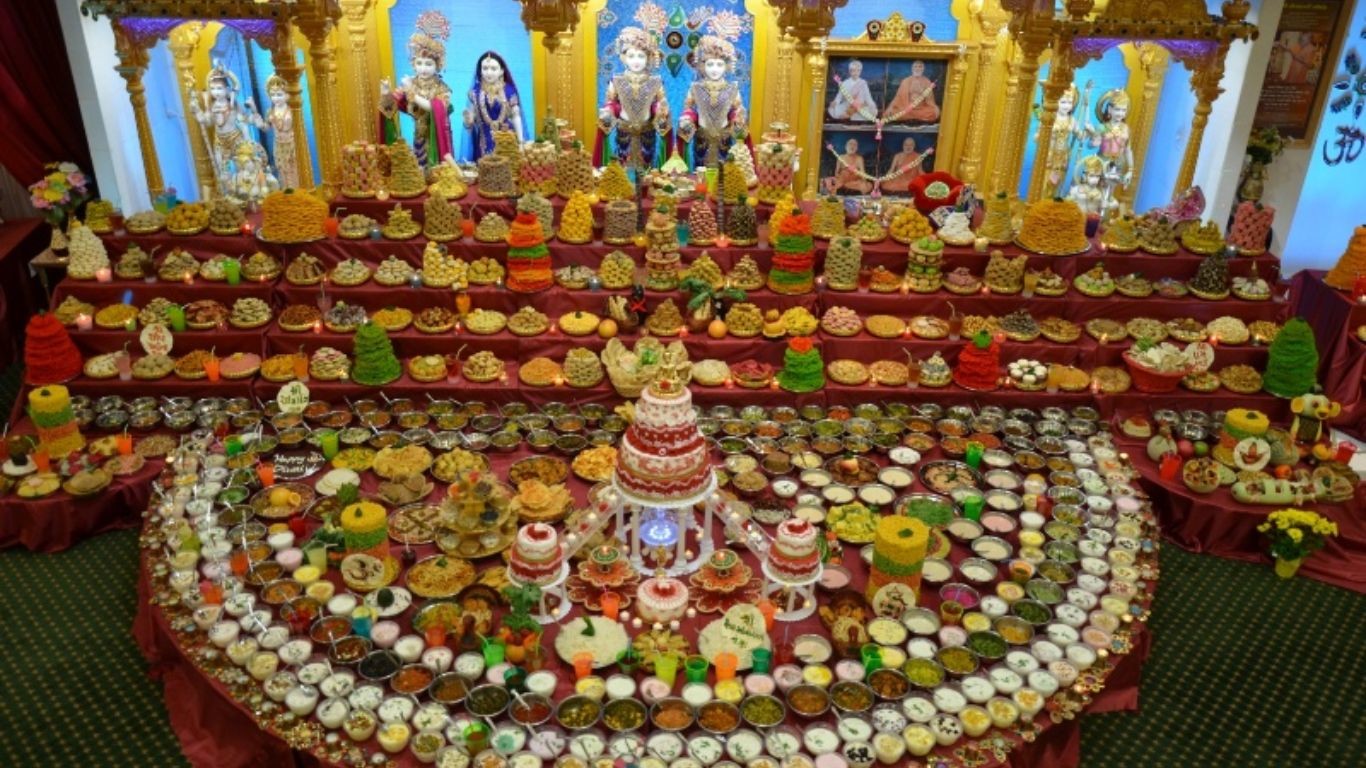
Festivals are celebrated with particular grandeur at Shrinathji Temple. Janmashtami, marking Krishna's birthday, sees elaborate decorations and special midnight celebrations. Annakut, celebrated after Diwali, involves creating a mountain of food offerings in front of the deity. Other festivals like Holi, Diwali, and various Ekadashis have their own special traditions and attract thousands of devotees.
Devotional music forms an integral part of the temple experience. Throughout the day, kirtans and bhajans dedicated to Shrinathji are sung by trained musicians and devotees. The temple maintains a tradition of devotional songs specifically composed for different times of day and different rituals. This continuous devotional music creates an atmosphere charged with spiritual energy that visitors can feel throughout the complex.
For devotees wishing to participate in special rituals, the temple offers various priest services and puja arrangements. These include abhishekam (ritual bathing), special aratis, and the offering of prasad on specific occasions. The temple administration provides information about these services and their booking procedures at the temple office.
How to Reach Nathdwara
Nathdwara's location in southern Rajasthan makes it accessible from various parts of India. The town is well-connected by road, while air and rail connections require travel through nearby larger cities. Understanding these transportation options helps in planning your pilgrimage effectively.
From Udaipur: Nathdwara is located 48 kilometers from Udaipur, approximately 1.5 hours by road. This is the most common route for visitors, especially those flying into Udaipur or combining their Nathdwara visit with Udaipur sightseeing. Regular taxis, private cars, and state transport buses connect the two cities throughout the day. The road journey is scenic, passing through the Aravalli hills and rural Rajasthan countryside.
By Air: The nearest airport is Maharana Pratap Airport in Udaipur (Dabok Airport), located approximately 65 kilometers from Nathdwara. The airport has regular flights connecting to major Indian cities including Delhi, Mumbai, Jaipur, and Ahmedabad. From the airport, hire a pre-paid taxi or book a private cab to reach Nathdwara. The journey takes about 1.5-2 hours by road.
By Train: The nearest major railway station is Udaipur City Railway Station, about 50 kilometers away. However, Mavli Junction, located 28 kilometers from Nathdwara, is a smaller but closer option. Some trains from Gujarat and southern Rajasthan stop at Mavli. From either railway station, taxis, buses, and shared transport options are available to reach Nathdwara. For those coming from distant locations, traveling to Udaipur and then proceeding to Nathdwara by road is the most convenient option.
By Road: Nathdwara is well-connected by road to various cities in Rajasthan and Gujarat. National Highway 8 passes through the region, providing good connectivity. State-run buses from Jaipur, Ahmedabad, and other major cities serve Nathdwara regularly. Private bus operators also provide comfortable Volvo and luxury coach services. For those driving themselves, the roads are generally in good condition, and the journey through the Aravalli hills offers pleasant views.
From Gujarat: Many devotees from Gujarat visit Nathdwara by road. The journey from Ahmedabad takes approximately 6-7 hours (320 kilometers). Regular bus services operate between Ahmedabad and Nathdwara. The route passes through various towns and offers a glimpse of rural Rajasthan and Gujarat.
Accommodation & Facilities
Nathdwara offers a range of accommodation options catering to different budgets and preferences. From simple dharamshalas to comfortable hotels, visitors can find suitable staying options based on their requirements. Staying overnight in Nathdwara allows for early morning darshan and a more relaxed temple experience.
Temple Dharamshala: The temple trust operates several dharamshalas providing basic accommodation at minimal or no cost. These facilities are particularly useful for pilgrims on a tight budget or those planning extended stays for rituals and ceremonies. Rooms are typically simple but clean and include basic amenities. Advance booking is recommended, especially during festival seasons and peak pilgrimage periods.
Yatri Niwas: Located close to the temple complex, Yatri Niwas offers mid-range accommodation with better facilities than basic dharamshalas. Rooms are more spacious and comfortable, often including attached bathrooms, fans or air conditioning, and sometimes television. These facilities are maintained by the temple trust and offer good value for money.
Private Hotels: Several private hotels operate in Nathdwara, ranging from budget to mid-range categories. Properties like Hotel Shrinath Inn, Hotel Shree Nath, and various others provide comfortable rooms, hot water, room service, and restaurant facilities. Some hotels offer views of the temple complex or the surrounding hills. Rates vary from ₹1,000-3,000 per night depending on the season and room category.
Food Facilities: As Nathdwara is a temple town, all food establishments serve pure vegetarian cuisine. Traditional Rajasthani thalis, Gujarati thalis, and North Indian dishes are commonly available. Many hotels have in-house restaurants, and numerous standalone eateries operate around the temple complex. Prasad is also available from the temple and various authorized vendors.
Parking: For those driving to Nathdwara, parking facilities are available near the temple complex. However, during peak hours and festivals, finding parking can be challenging. Many hotels offer parking facilities for their guests. Consider using local transport within the town as the narrow lanes around the temple can be difficult to navigate.
VIP Darshan: The temple offers special arrangements for faster darshan through paid tickets. These VIP passes allow devotees to bypass the regular queues and have darshan from closer vantage points. Tickets can be purchased from the temple office or authorized counters. Prices and procedures vary, so check current information when planning your visit.
Nearby Attractions
While Nathdwara's primary attraction is the Shrinathji Temple, the surrounding region offers several interesting places to visit, especially for travelers looking to combine their pilgrimage with sightseeing. Many of these attractions are within reasonable driving distance and can be included in a multi-day itinerary.
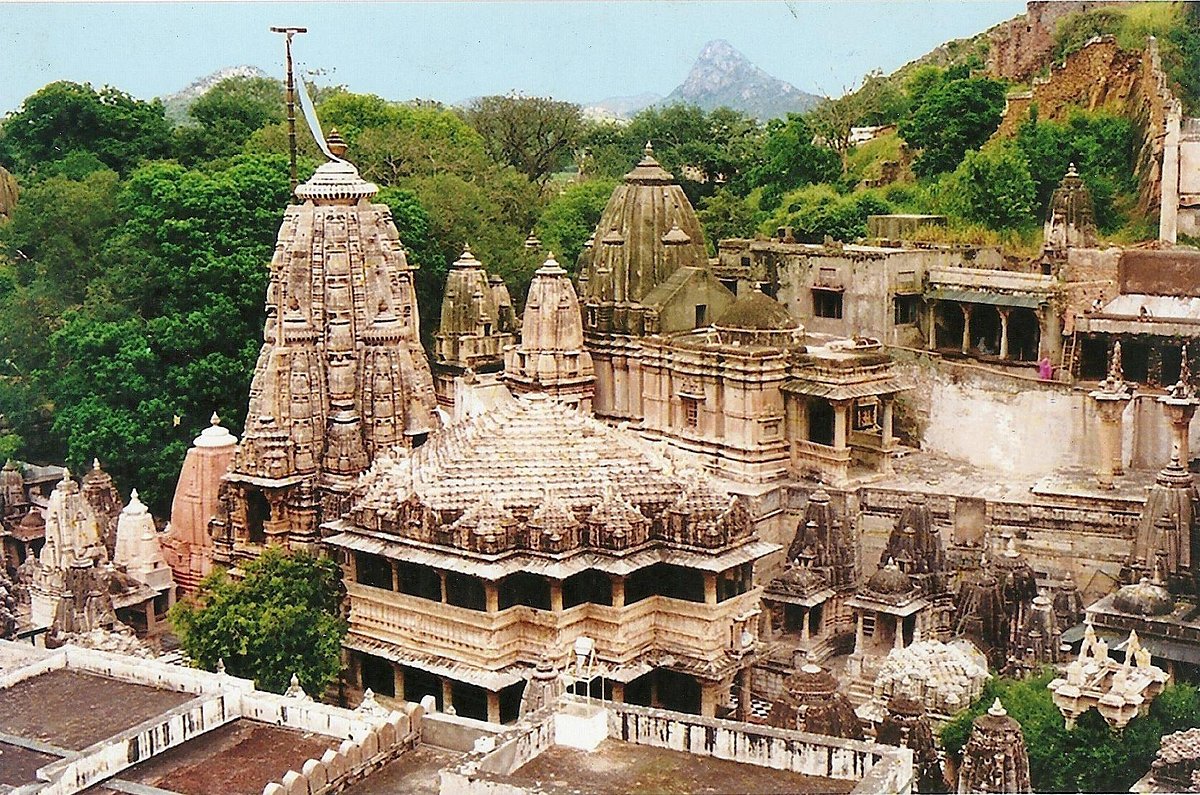
Eklingji Temple: Located approximately 22 kilometers from Nathdwara, Eklingji is an ancient temple complex dedicated to Lord Shiva. The main temple dates back to the 8th century and features beautiful architecture with intricate carvings. The complex houses 108 temples, each with its own significance. Eklingji was the patron deity of the Mewar rulers and remains an important pilgrimage site. The temple's peaceful atmosphere and architectural beauty make it worth visiting.
Haldighati: This historic site, located about 40 kilometers from Nathdwara, is famous for the battle fought between Maharana Pratap and the Mughal forces in 1576. The narrow mountain pass gets its name from the yellow-colored soil (haldi meaning turmeric). A memorial museum and memorial dedicated to Maharana Pratap's horse, Chetak, attract history enthusiasts. The site offers beautiful views of the surrounding Aravalli hills.
Rajsamand Lake: One of India's largest artificial lakes, Rajsamand is located approximately 25 kilometers from Nathdwara. Built by Maharana Raj Singh in the 17th century, the lake is surrounded by beautiful marble pavilions known as "nauchowki" with intricate carvings. The lake offers scenic views, especially during sunset, and is a peaceful spot for nature lovers and photographers.
Kankroli: Located near Rajsamand Lake, this town houses several temples and is home to the famous Dwarkadhish Temple. The temple, dedicated to Lord Krishna, attracts devotees and features beautiful architecture. Kankroli is also known for its marble industry and offers opportunities to see local artisans at work.
Udaipur: For those wanting to extend their trip, Udaipur, the City of Lakes, is just 48 kilometers away. Famous for its lakes, palaces, and rich cultural heritage, Udaipur offers numerous attractions including the City Palace, Lake Pichola, Jagdish Temple, and various havelis. Combining Nathdwara with Udaipur makes for a comprehensive Rajasthan experience covering both spiritual and cultural tourism.
These nearby attractions provide variety to your trip and allow you to explore different aspects of Rajasthan's heritage. Depending on your time and interests, you can plan visits to one or more of these places along with your Nathdwara pilgrimage.
Location
Frequently Asked Questions
Q1.What is the darshan timing at Nathdwara?
Q2.When is Mangla Aarti at Shrinathji Temple?
Q3.What is the best time for Shrinathji darshan?
Q4.What is the history of Shrinathji Temple?
Q5.What should I wear to Nathdwara Temple?
Q6.Is photography allowed inside the temple?
Q7.How far is Nathdwara from Udaipur?
Q8.Where can I stay near Nathdwara Temple?
Recommended For You
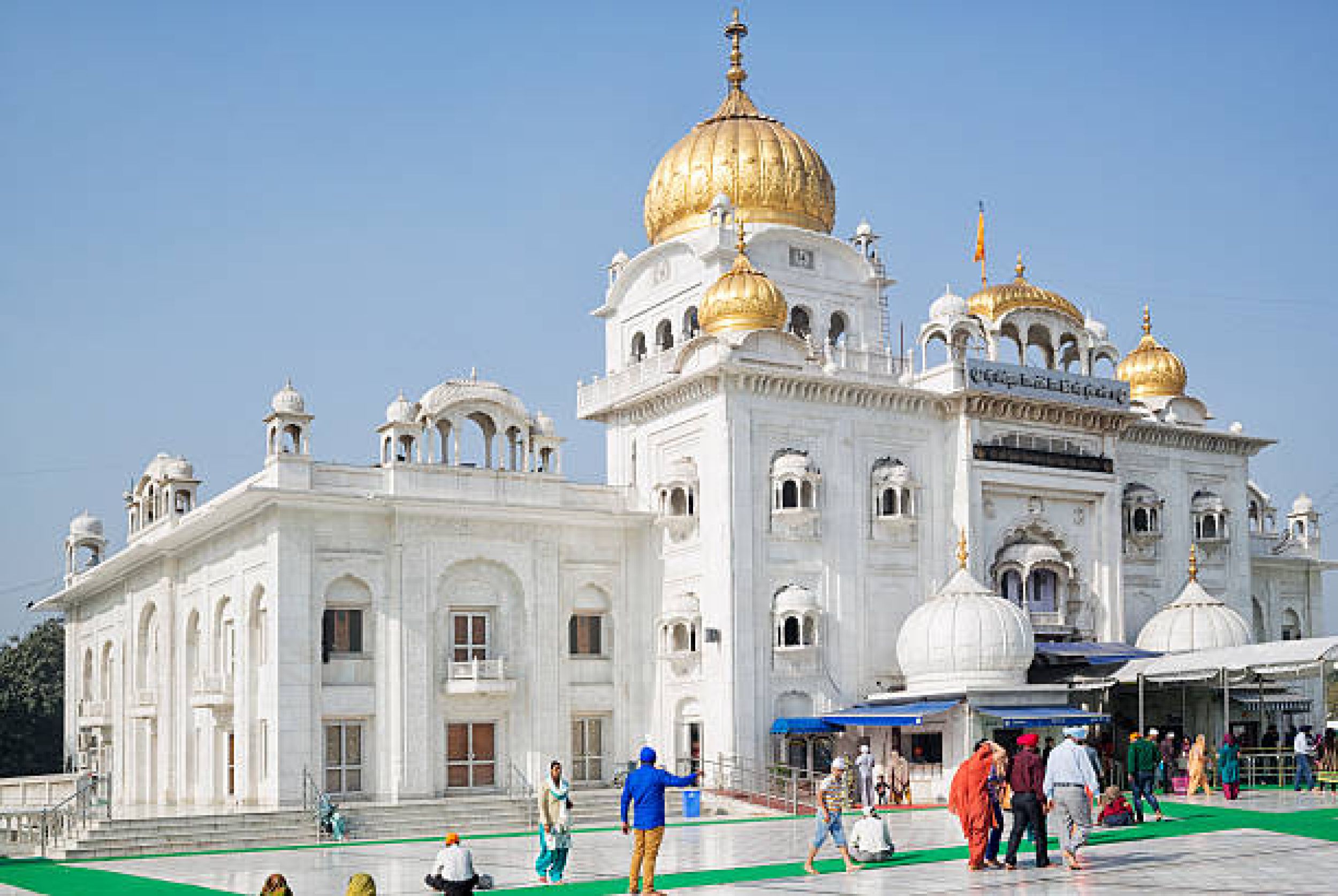
Gurudwara Bangla Sahib Delhi: Timings, Langar & Seva Information
Visit Gurudwara Bangla Sahib Delhi - sacred Sikh shrine dedicated to Guru Har Krishan. Discover lang timings, history, architecture, dress code & spiritual experience.
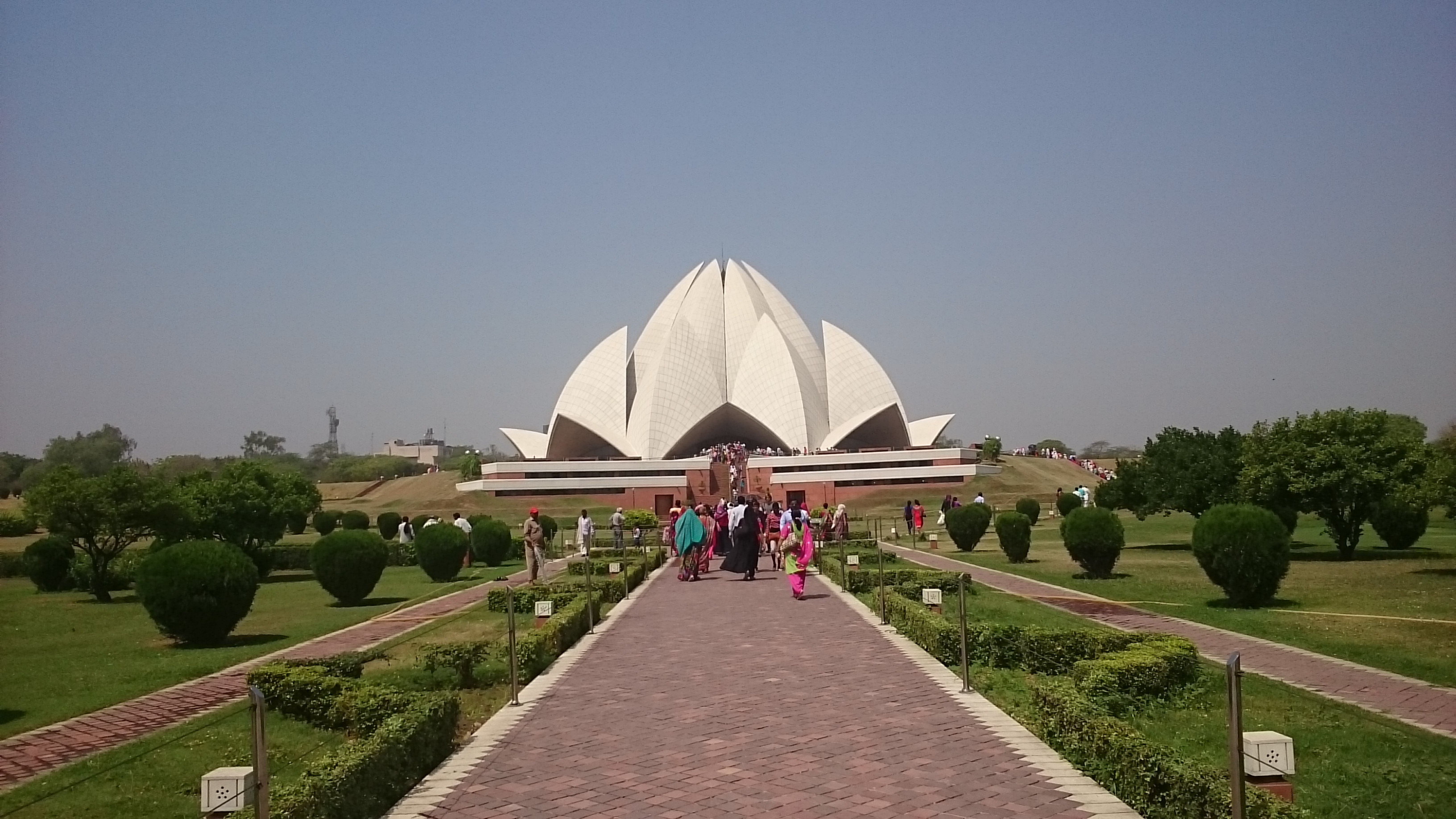
Lotus Temple Delhi: Timings, Entry Rules & Best Visiting Hours
Lotus Temple Delhi complete visitor guide: FREE entry, timings (9 AM-5:30 PM winter, 9 AM-7 PM summer), nearest metro (Kalkaji Mandir), photography rules, dress code, meditation tips & best time to visit. Plan your peaceful retreat.
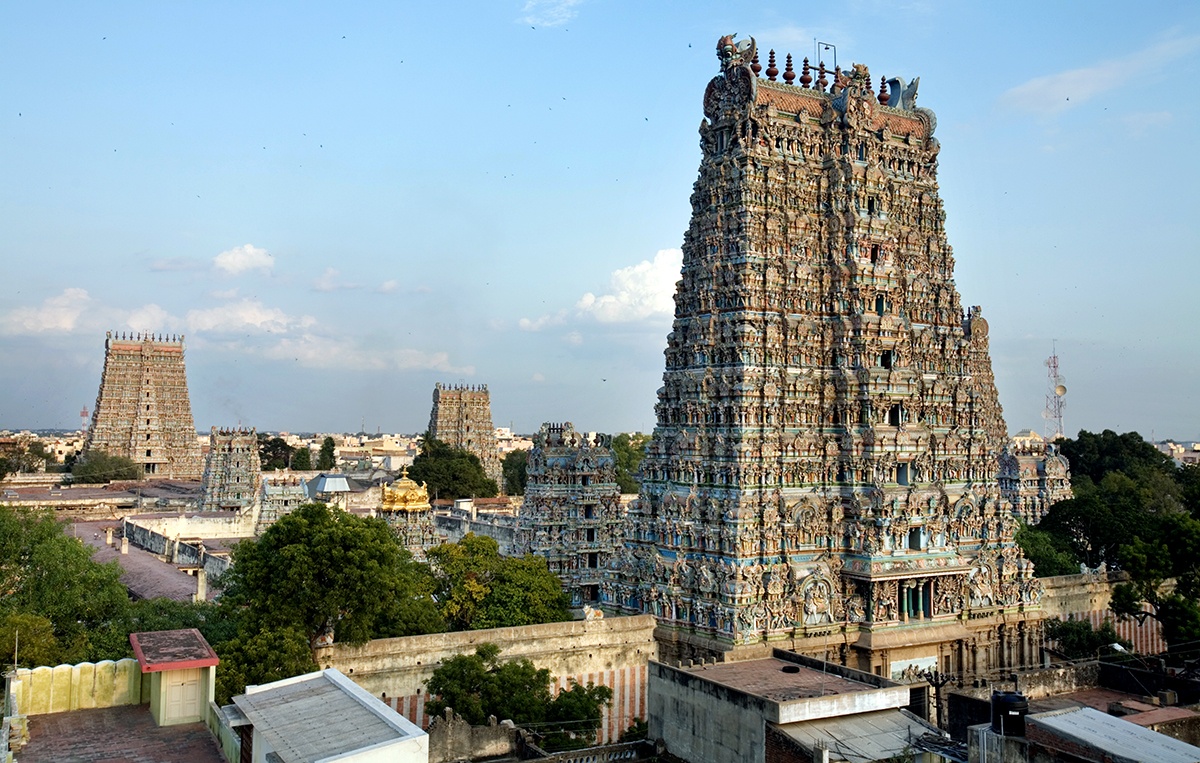
Meenakshi Temple Madurai: Complete Guide to the Temple City
Explore the magnificent Meenakshi Temple in Madurai - a 7th-century architectural marvel with 12 towering gopurams, musical pillars, and sacred tanks. Discover history, timings, Chittirai festival, travel tips, and nearby attractions in this comprehensive guide.
Never Miss an Adventure
Get the latest trekking guides, travel tips, and exclusive offers delivered straight to your inbox.
