
Shanti Stupa Leh: Timings, History & Sunrise-Sunset Views

Ananya Sharma
January 28, 2026
Explore Shanti Stupa Ladakh with history, timings, sunset views, route guidance from Leh, and practical tips for a smooth and meaningful visit.
Shanti Stupa Ladakh: History, Timings and Complete Visitor Guide
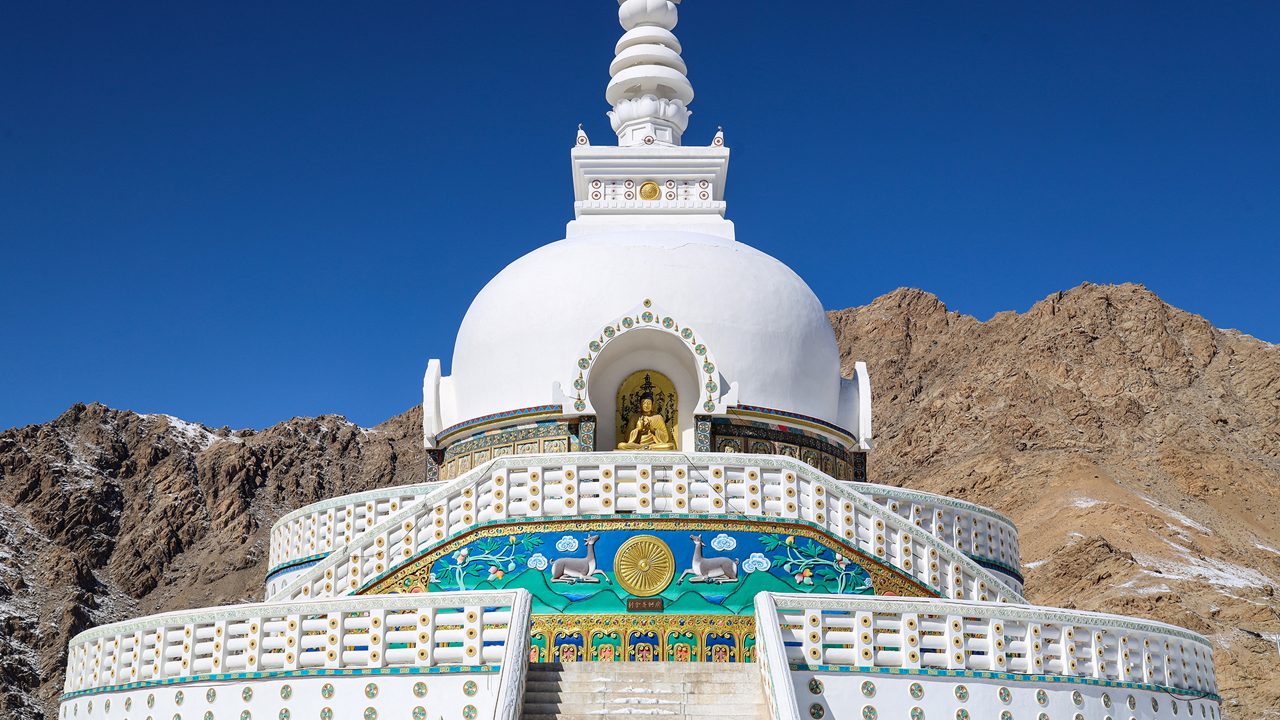
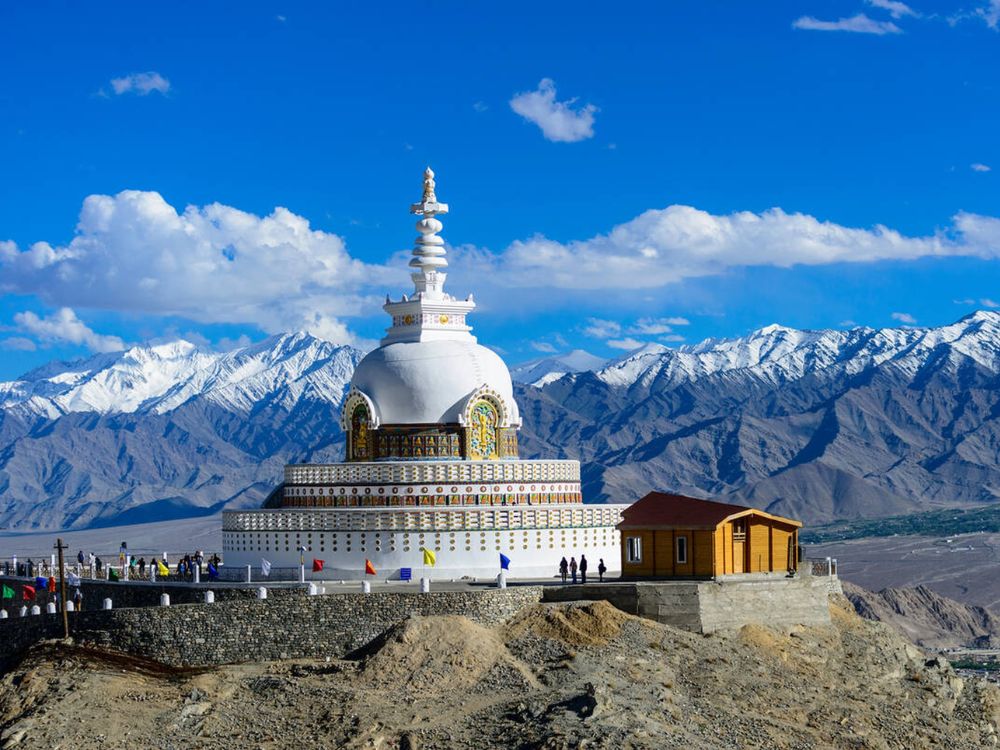
Shanti Stupa in Leh is one of Ladakh's most recognizable landmarks and one of the first places many travelers visit for a panoramic introduction to the region. Perched above Leh town, the white-domed peace pagoda combines spiritual symbolism with striking views of the valley, surrounding ranges, and urban settlement below. It is both a meditation site and a visual anchor in the Leh skyline.
Unlike older monasteries with deeply layered medieval history, Shanti Stupa represents a modern era of Buddhist peace architecture and international collaboration. Its atmosphere changes through the day: serene mornings, bright daytime views, and dramatic sunset tones. This guide covers history, architecture, best timing, sunrise/sunset experience, route options from Leh, visitor etiquette, and practical planning for families and photographers.
History and Construction of Shanti Stupa Leh
Shanti Stupa was developed as part of the broader Peace Pagoda movement associated with global Buddhist outreach and peace symbolism. In Ladakh, the project gained support through Indo-Japanese collaboration and local Buddhist participation. Public references commonly connect the initiative with Japanese monk Gyomyo Nakamura and the vision of creating a peace monument in Leh.
The structure was completed in the late 20th century and inaugurated with high spiritual significance, often linked in references to the 14th Dalai Lama's presence during the formal opening period. This gives the stupa both local devotional value and international recognition as a symbol of harmony.
| Historical Element | Commonly Referenced Detail | Why It Matters |
|---|---|---|
| Project era | Late 20th century development | Marks Shanti Stupa as a modern Ladakh monument |
| Inspiration | Peace Pagoda mission | Frames site as global peace symbol |
| Cultural role | Buddhist devotion + tourism landmark | Blends spiritual and visitor functions |
Architecture and Design Features
The architecture of Shanti Stupa is simple in volume but powerful in visual impact. The bright white exterior contrasts with Ladakh's brown-grey mountain palette, making the structure visible from multiple points in Leh. The monument follows the peace-pagoda style with circular geometry, elevated platforms, and symbolic iconography.
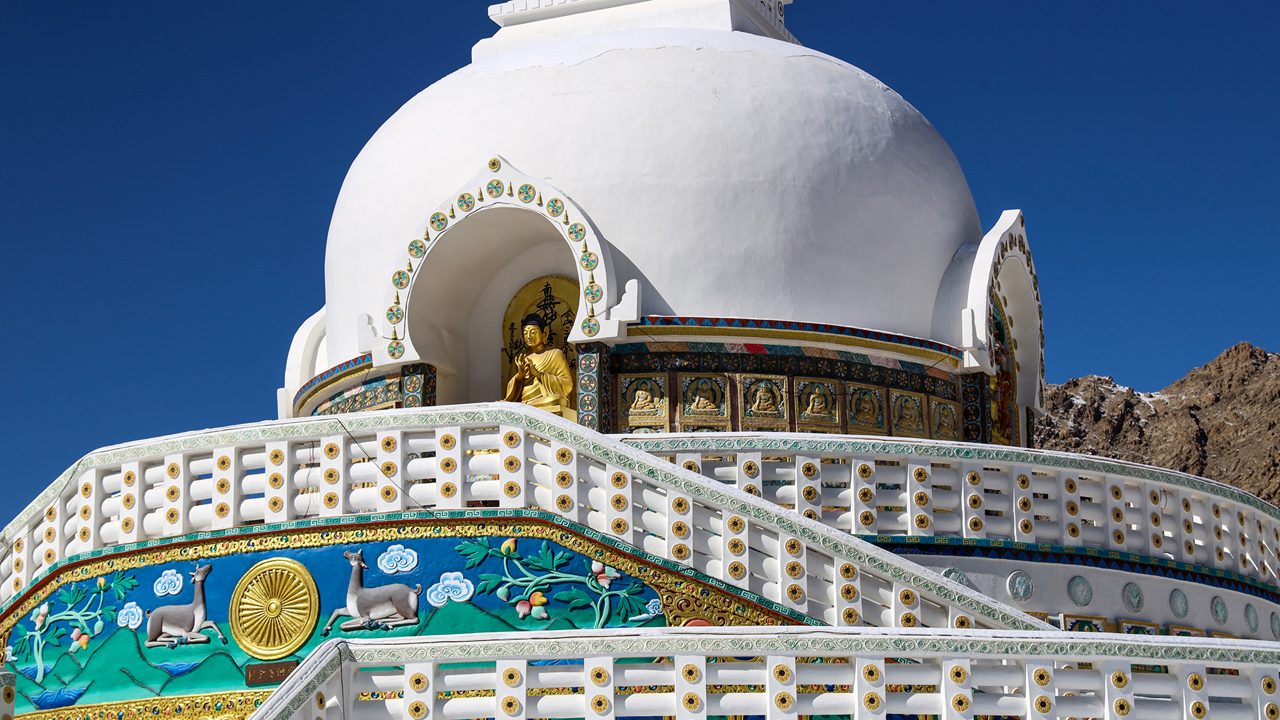
Visitors often focus on the dome alone, but the site is better understood through its layered components: stair approach, open circumambulatory zone, sculpted relief panels, and upper-level viewpoint. The composition is intentionally designed for reflective movement and visual orientation toward the landscape.
- White dome form symbolizing peace and purity
- Buddha imagery and narrative reliefs in designated sections
- Upper and lower viewing levels with distinct angles
- Prayer and contemplation-friendly open space
Why Shanti Stupa Is a Must-Visit in Leh
Shanti Stupa is one of the few sites in Leh where spiritual architecture and panoramic city perspective come together in a short, accessible visit. It is ideal for travelers on limited time because you can experience cultural context, mountain views, and a strong sense of Ladakh's topography in one stop.
It also works as a good early-trip destination. A calm visit here helps travelers orient themselves to Leh's elevation, terrain, and settlement pattern before starting longer road circuits toward Nubra, Pangong, or monastery routes.
Best Time to Visit Shanti Stupa Ladakh
The main travel season for Leh is usually May to September, and Shanti Stupa is most comfortably visited in that period. Daytime access remains possible in other seasons, but winter cold and wind exposure can reduce comfort, especially around sunrise and evening.
| Season | Typical Visit Experience | Planning Suggestion |
|---|---|---|
| May-June | Pleasant weather, clear views | Great for first-time Ladakh travelers |
| July-August | Peak tourist flow in Leh | Visit early to avoid crowd clusters |
| September | Good light, relatively calmer travel window | Strong photography month |
| Winter | Cold and windy at exposed heights | Only for prepared cold-weather travelers |
For wider seasonal planning, pair this with best time to visit Ladakh.
Sunrise and Sunset Experience
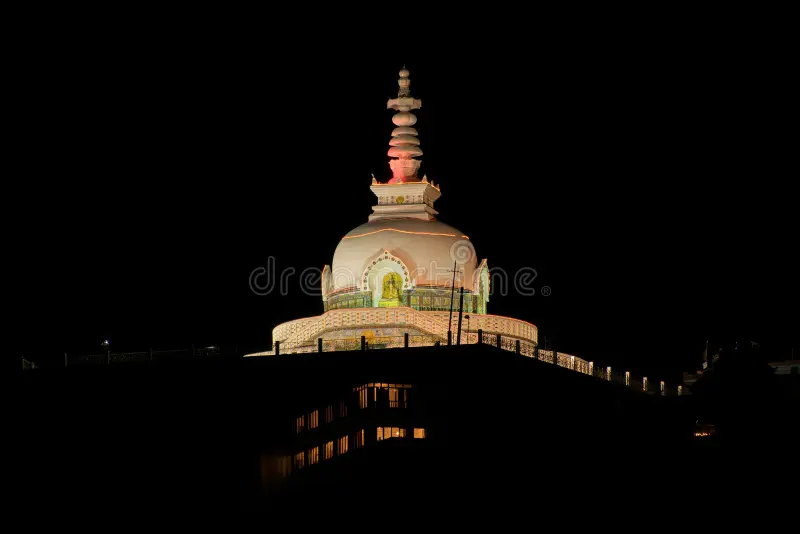
Sunrise and sunset are the two most sought-after windows at Shanti Stupa. Morning visits offer cleaner air, fewer people, and a meditative atmosphere. Evening visits provide dramatic light transitions as the white stupa catches warm tones while Leh town starts glowing below.
Sunset is generally busier, so arrive earlier if you want stable photo positions. Wind can intensify after sundown, so carry a light warm layer even in summer months. Night views of Leh lights from this area can be visually rewarding when weather is clear.
How to Reach Shanti Stupa from Leh Town
Shanti Stupa is located a short distance from the central Leh market area. Travelers can approach by vehicle up to a nearby point and then use steps for final ascent, or choose full walk/trek approaches depending on fitness and acclimatization comfort.
| Approach Option | Best For | Practical Tip |
|---|---|---|
| Cab / taxi to near-base | Families and short itineraries | Convenient for sunrise/sunset timing |
| Walk from Leh side | Fit travelers acclimatized in Leh | Carry water and pace slowly |
| Mixed approach (ride + short climb) | Most first-time visitors | Balances effort and time |
You can combine this with Leh Palace Ladakh and Leh Bazaar Ladakh in a half-day city circuit.

Timings, Entry and Current Verification
Most visitor references describe Shanti Stupa as open in broad day-to-evening windows with no major high-cost entry barrier. However, timing details and access behavior can differ slightly by season, local regulation updates, and maintenance activity. For tight itineraries, verify same-day access timing with local drivers/hotel desk before departure.
The key is flexibility: treat sunset visits as high-demand slots, and keep 20-30 minutes buffer for traffic and parking approach.
Photography Tips at Shanti Stupa
- Arrive before golden hour for best light positions.
- Use wide-angle for stupa + mountain layering.
- Capture upper-platform city panorama for scale.
- Avoid blocking prayer areas during photos.
- Carry minimal gear for easier step access.
For night shots, tripod stability and wind handling are important. Respect local restrictions in prayer-sensitive sections.
Family, Senior and Acclimatization Planning
Shanti Stupa can be visited by mixed-age groups, but elevation and stair segments require measured pacing. If this is your first day in Leh, avoid rapid climbing and keep rest stops. Seniors may prefer vehicle-assisted approach with shorter step sections.
| Traveler Type | Suggested Strategy | Benefit |
|---|---|---|
| First-day Leh visitors | Short stay, slow movement | Reduces altitude stress |
| Families with kids | Sunset with early arrival | Safer and less rushed experience |
| Senior travelers | Vehicle approach + brief climb | Comfortable visit rhythm |
Altitude precautions are still important. For preparation, read acute mountain sickness in Ladakh.
Nearby Attractions to Combine with Shanti Stupa
| Attraction | Why Combine | Ideal Timing |
|---|---|---|
| Hall of Fame in Leh Ladakh | Adds military-history context | Morning or midday |
| Shey Palace Leh Ladakh | Spiritual-heritage route continuity | Half-day extension |
| Thiksey Monastery Ladakh | Major monastery architecture follow-up | Same-day monastery circuit |
Common Mistakes to Avoid
The most common mistake is visiting too soon after arriving in Leh without altitude adjustment. Another issue is reaching exactly at sunset time and expecting easy parking and open photo positions. Arrive earlier. Also avoid treating the site as only a quick selfie point; the monument has devotional significance, so respectful conduct is essential.
During windy evenings, many travelers come underprepared for temperature drop. Carry at least one warm layer and stay hydrated.
Final Take
Shanti Stupa Ladakh is one of the best short-format experiences in Leh: spiritual calm, panoramic mountain-city views, and easy route integration with other landmarks. With proper timing, respectful behavior, and simple acclimatization awareness, this visit can become a defining memory of your Ladakh trip.
Spiritual Significance and Meditation Experience
Shanti Stupa is not only a viewpoint structure. It is intended as a peace monument where ritual movement and contemplation are central to the visitor experience. Many travelers report that early mornings feel especially meditative because ambient noise is low and the space is less crowded. If you are interested in mindful travel, spend a few minutes in silence instead of rushing from one photo point to another.
The symbolism of the white stupa, prayer elements, and elevated location reinforces a sense of distance from city pace. This contrast is a major reason why Shanti Stupa remains meaningful even for repeat visitors.
Weather, Wind and Visibility Factors
Leh weather can change quickly by hour, and this affects the Shanti Stupa experience directly. Clear mornings provide long-range mountain visibility, while haze or cloud can reduce depth in valley views. Evening winds are common at elevated points and can feel much colder than town-level temperatures.
| Condition | Impact on Visit | Recommended Adjustment |
|---|---|---|
| High wind | Reduced comfort during long stays | Carry windproof outer layer |
| Low visibility | Muted panoramic experience | Prefer alternate day or morning retry |
| Strong sun | High UV exposure at altitude | Use cap, sunglasses, sunscreen |
These adjustments are simple but significantly improve comfort and photography outcomes.
Sample 2-Hour Shanti Stupa Plan
| Time Slot | Plan | Outcome |
|---|---|---|
| Arrival + 20 min | Slow ascent and orientation walk | Body adjusts before full exploration |
| Next 45 min | Stupa details, prayer zone, key photos | Balanced spiritual + visual experience |
| Final 45 min | Panorama pause and descent | Unrushed exit with strong viewing window |
This format works well for first-time visitors who want a meaningful stop without overexertion.
Responsible Travel Etiquette at Shanti Stupa
As with all active spiritual spaces, respectful behavior is essential. Speak softly, avoid disruptive posing during prayer activity, and follow any signage related to restricted areas. Do not leave litter in viewpoint sections and avoid climbing structures for photos. These practices help preserve both sanctity and visitor safety.
When group travel is involved, brief everyone on etiquette before entry. This reduces on-site friction and improves overall experience quality.
Location
Frequently Asked Questions
Q1.Where is Shanti Stupa located in Leh?
Q2.Who built Shanti Stupa and when?
Q3.What is the significance of Shanti Stupa?
Q4.What are the timings of Shanti Stupa?
Q5.Is there an entry fee for Shanti Stupa?
Q6.Can we visit Shanti Stupa at night?
Q7.How long does it take to reach and explore Shanti Stupa?
Q8.What are the best photography spots at Shanti Stupa?
Recommended For You
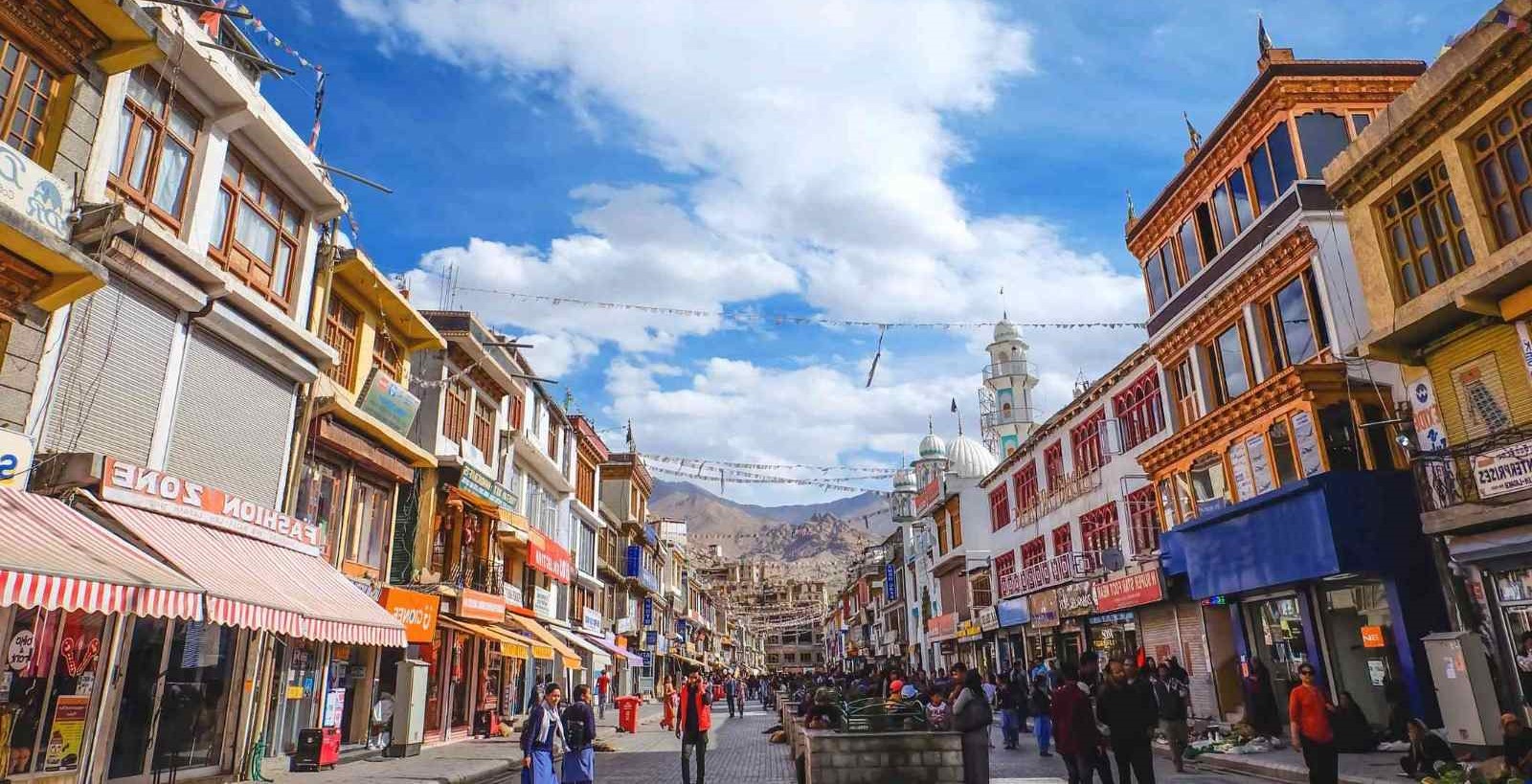
Leh Bazaar Ladakh: Shopping, Cafes & Local Tibetan Market Finds
Explore Leh Bazaar, the heart of Ladakh. Shopping for Pashmina, souvenirs, Tibetan jewelry & local food. Timings, best buys & tips.
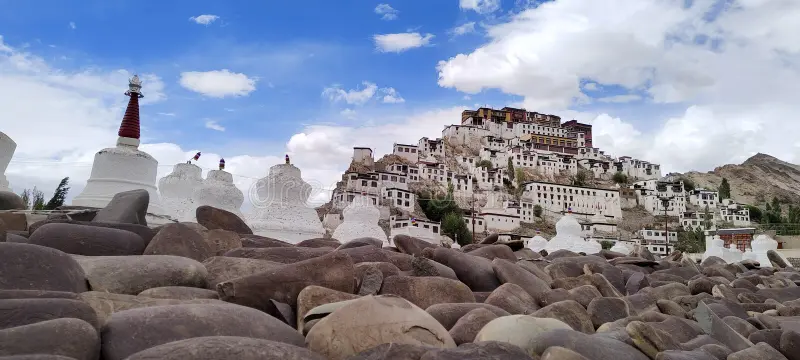
Thiksey Monastery Ladakh: Guide, Timings and Festival
Plan your Thiksey Monastery Ladakh trip with timings, entry details, Leh distance, festival context, and practical etiquette tips for a better visit.
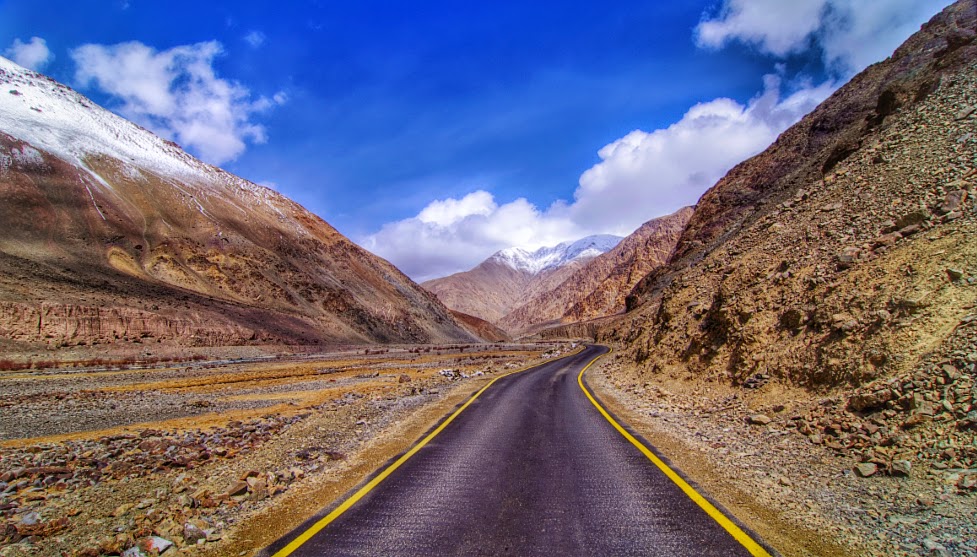
Best Time to Visit Ladakh: Season, Road Openings & Temperature
Find the best time to visit Ladakh with season-wise weather, road opening windows, monthly travel insights, and practical tips for road trips, trekking, and Chadar plans.
Never Miss an Adventure
Get the latest trekking guides, travel tips, and exclusive offers delivered straight to your inbox.
