
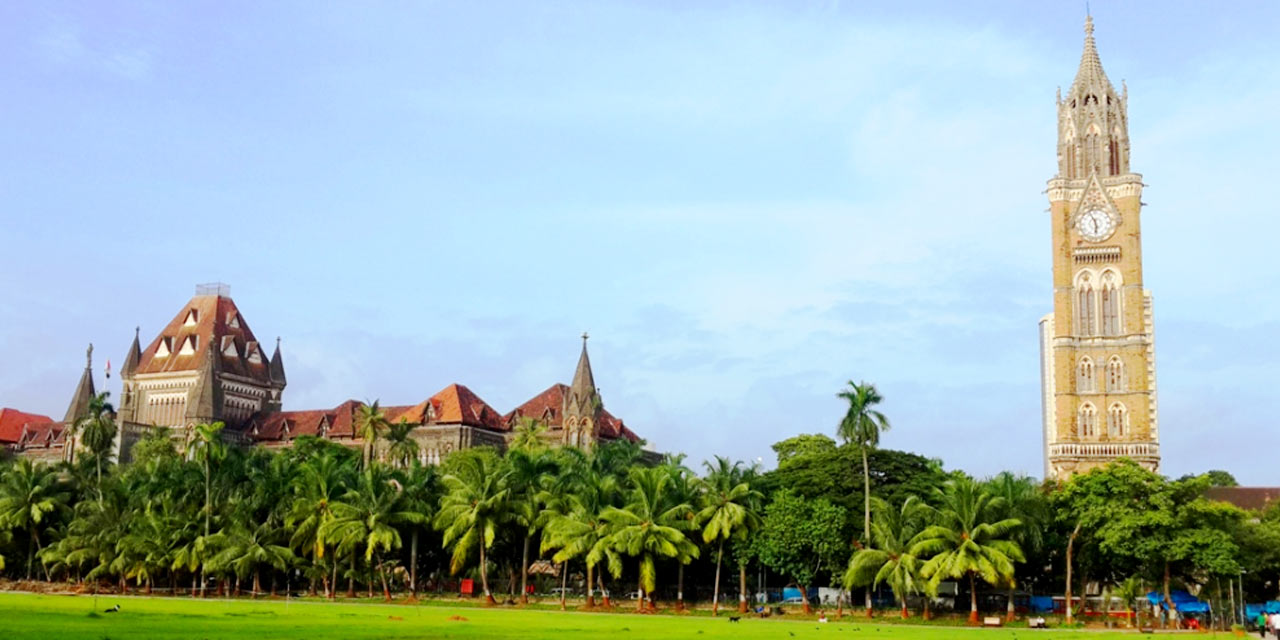
Rajabai Clock Tower Mumbai: Timings & History

Ananya Sharma
February 18, 2026
Rajabai Clock Tower Mumbai guide with history, architecture, access tips, nearest stations, and nearby heritage attractions in Fort South Mumbai.
Introduction
Rajabai Clock Tower is one of Mumbai’s most distinctive heritage landmarks and a defining part of the Fort precinct skyline. Located within the University of Mumbai complex near Oval Maidan, it is often described as the city’s Big Ben-like icon because of its Gothic revival design language and clock-tower prominence.
For visitors, the tower is less about climbing and more about historical appreciation, architecture photography, and contextual heritage walks. This guide covers its history, design details, access expectations, nearest stations, and nearby places you can combine in one South Mumbai route. You can pair this with CST heritage walk and Banganga Tank for a stronger old-city itinerary.
Quick Facts
| Fact | Detail |
|---|---|
| Location | Fort, South Mumbai (University precinct) |
| Height | Approximately 280 feet (historic references) |
| Style | Venetian-Gothic influence |
| Best viewed from | Oval Maidan and surrounding Fort roads |
| Entry experience | Primarily exterior appreciation; interior access is restricted |
History and Naming
The tower is tied to the 19th-century period of major civic and academic architecture in Bombay. It is associated with donor support from Premchand Roychand and named after Rajabai. Over time, it became not only a timekeeping structure but also a symbolic marker of educational and urban identity in the Fort area. Its relevance today comes from heritage continuity: it stands amid other major colonial-era structures and helps explain how Mumbai’s public architecture evolved across institutions, commerce, and civic planning.Architecture and Design Details
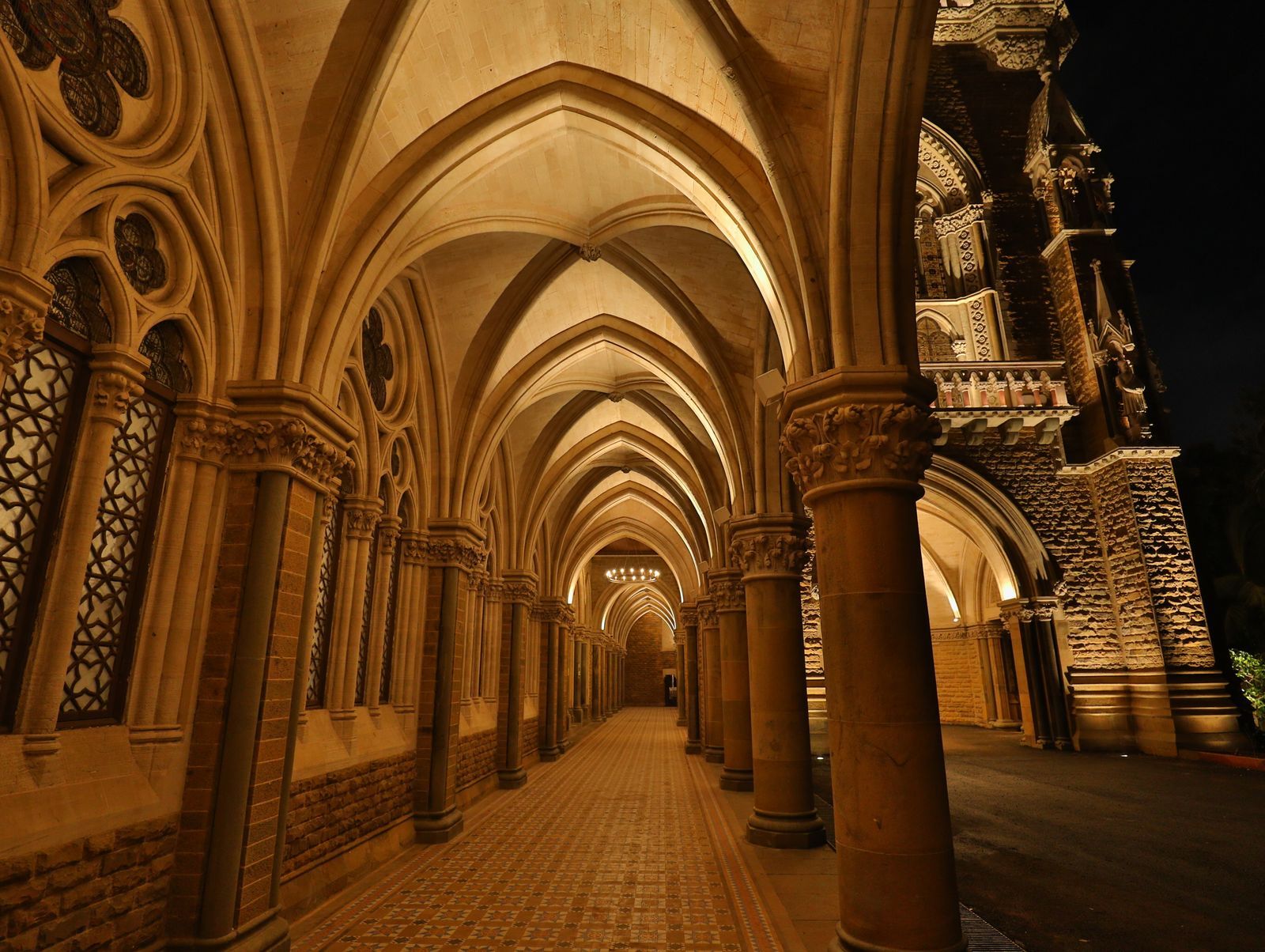
Structural Character
The tower’s vertical form and decorative elements reflect Victorian-era taste adapted to local material and climate context.Clock Faces and Visibility
The clock-face design and elevated height made it a practical and visual city reference point.Gothic Elements
Arched windows, stone detailing, and vertical emphasis contribute to the signature profile that photographers seek.Can You Enter the Tower?
This is one of the most common visitor questions.- General travelers should assume exterior viewing is the standard experience.
- Interior or restricted access, when allowed, is policy-driven and not guaranteed for casual visitors.
- Always follow current University/security instructions.
Timings, Entry, and Practical Visit Info
| Item | Practical Guidance |
|---|---|
| Exterior viewing | Possible through public area movement in Fort precinct |
| Entry fee | No standard separate fee for exterior appreciation |
| Best time to visit | Morning or golden-hour for cleaner photos |
| Time required | 20-45 minutes as part of heritage circuit |
How to Reach Rajabai Clock Tower
Nearest Rail Access
Churchgate and CSMT remain the most practical rail anchors depending on your city-side route.By Taxi/Cab
Easy access from major South Mumbai points, but traffic can slow movement in business hours.Walking Circuit
The best approach for visitors is a Fort heritage walk including Oval Maidan and nearby civic structures.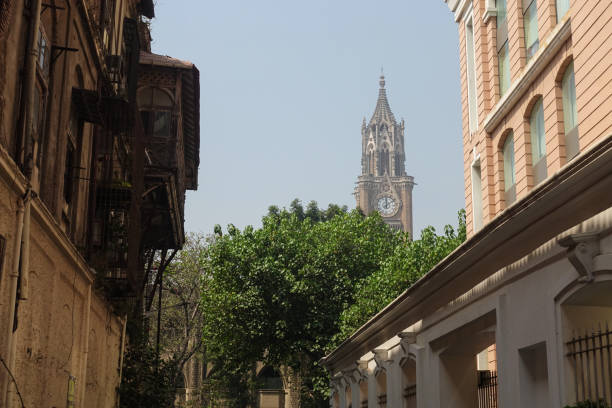
Nearby Attractions to Combine
| Place | Why Combine |
|---|---|
| Oval Maidan | Best open angle for tower photos |
| CST | UNESCO heritage continuity in same broad precinct |
| Flora Fountain area | Historic district walk value |
| Marine Drive extension | Sunset follow-up after heritage route |
Photography Tips
- Use wide-angle lens from Oval Maidan edge
- Try early morning for fewer obstructions
- Capture vertical framing with foreground heritage context
- Avoid blocking academic/security movement zones
Suggested 2-Hour Fort Heritage Route
Stop 1: Rajabai Clock Tower exterior study Stop 2: Oval Maidan perspective frames Stop 3: Fort lanes and civic architecture walk Stop 4: Optional extension to CST precinct This route helps visitors understand the tower as part of an ecosystem, not an isolated photo point.Deeper Historical Context
Rajabai Clock Tower belongs to a period when Bombay developed major institutional architecture to reflect administrative and educational identity. The tower's continued prominence comes from both design quality and location within a dense heritage network.Architectural Reading Guide for Visitors
Use this quick method while observing the structure:- Start from base proportions and stone texture
- Track vertical line movement toward tower top
- Observe arches and window rhythm
- Compare with nearby Fort-era buildings
Best View Angles
| Viewpoint | Best Use | Time |
|---|---|---|
| Oval Maidan edge | Full tower framing | Morning/late afternoon |
| Fort street approach | Urban context composition | Daylight |
| Heritage walk path | Narrative cityscape photos | Golden hour |
Practical Visitor Planning
If you are doing multiple heritage stops in South Mumbai, keep Rajabai early in the route. Traffic, heat, and crowd density increase later in the day, especially on working days.Nearby Route Pairing Suggestions
- Rajabai -> Oval Maidan -> Fort lanes
- Rajabai -> CST -> Crawford market extension
- Rajabai -> Marine Drive evening transition
Photography and Etiquette
Because this is an academic/institutional precinct, maintain low obstruction while shooting. Avoid blocking gates and active walkways.Why This Landmark Still Matters
Rajabai Clock Tower remains relevant because it anchors Mumbai's heritage identity in a rapidly modernizing urban skyline. It is one of the clearest visual links between historical Bombay and contemporary Mumbai.Conservation and Heritage Value
Rajabai Clock Tower is part of a wider South Mumbai conservation narrative where heritage structures coexist with high-density modern use. Preservation of such landmarks depends on responsible visitor behavior, institutional maintenance, and controlled urban development around precinct edges. For heritage travelers, this tower is best appreciated not as a standalone monument but as a node in a broader architectural corridor that includes educational, judicial, and transport-era landmarks.Extended Architectural Notes for Enthusiasts
The tower's design language reflects a hybrid adaptation of European Gothic idioms in an Indian coastal city context. Material use, façade rhythm, and vertical articulation are critical to its silhouette identity. Key observation points:- Base composition: notice proportion relative to adjacent built form
- Mid-section rhythm: repetitive openings and visual pacing
- Upper section: clock interface and skyline impact
- Context alignment: relationship with open maidan foreground
Suggested Heritage Walk Add-Ons
| Route Add-On | Why It Works |
|---|---|
| Oval Maidan circuit | Best tower framing and breathing space |
| University-Fort edge walk | Strong historical continuity |
| CST extension | UNESCO-scale heritage comparison |
| Flora Fountain loop | Civic-era urban context |
Visitor Flow Strategy for Photographers
Professional and hobby photographers should split their session into two windows: early contextual documentation and later golden-hour detail capture. This avoids overreliance on one lighting condition and produces a more complete visual set.- Session 1: Structure + context + street narrative
- Session 2: Texture details + skyline framing + silhouette
Practical Urban Tips
Carry light gear, avoid blocking institutional entries, and keep transit buffers in Fort business-hour traffic. For first-time visitors, walking from a nearby rail anchor with mapped stops is often better than constant short cab hops.Why This Landmark Belongs on Every South Mumbai List
Rajabai Clock Tower offers a rare combination of visual identity, historical context, and walkability within Mumbai's heritage core. Even without tower-entry access, the external experience remains one of the city’s most rewarding architectural encounters.Quick Visitor Reminder
Carry water and walkable footwear if you are combining multiple Fort landmarks on foot. This area rewards slow, observant exploration.When to Spend More Time Here
If you enjoy architecture documentation or heritage photography, allocate extra time around Oval Maidan viewpoints and nearby Fort lanes to capture context-rich frames.Access Reminder
Check precinct rules on arrival and prioritize respectful movement near institutional gates.Conclusion
Rajabai Clock Tower remains one of Mumbai’s most elegant heritage anchors. Even without interior access, it offers strong historical and architectural value when visited with proper Fort-context walking. If you approach it as a heritage story rather than a checklist selfie stop, the experience is significantly richer and gives deeper insight into old Bombay's institutional urban form. Extend the walk toward Marine Drive or explore more places to visit in Mumbai for a fuller city day.Location
Frequently Asked Questions
Q1.Where is Rajabai Clock Tower located?
Q2.What are Rajabai Clock Tower timings?
Q3.Is there an entry fee?
Q4.Can visitors go inside Rajabai Clock Tower?
Q5.How tall is Rajabai Clock Tower?
Q6.Nearest station to Rajabai Clock Tower?
Q7.Best time to visit for photography?
Q8.What can I combine nearby?
Recommended For You
Colaba Causeway Mumbai: Shopping Guide with Tips & Timings
Discover Mumbai's iconic Colaba Causeway shopping destination. Learn what to buy, bargaining strategies, best times to visit, nearby cafes, and practical tips for budget shopping in South Mumbai.
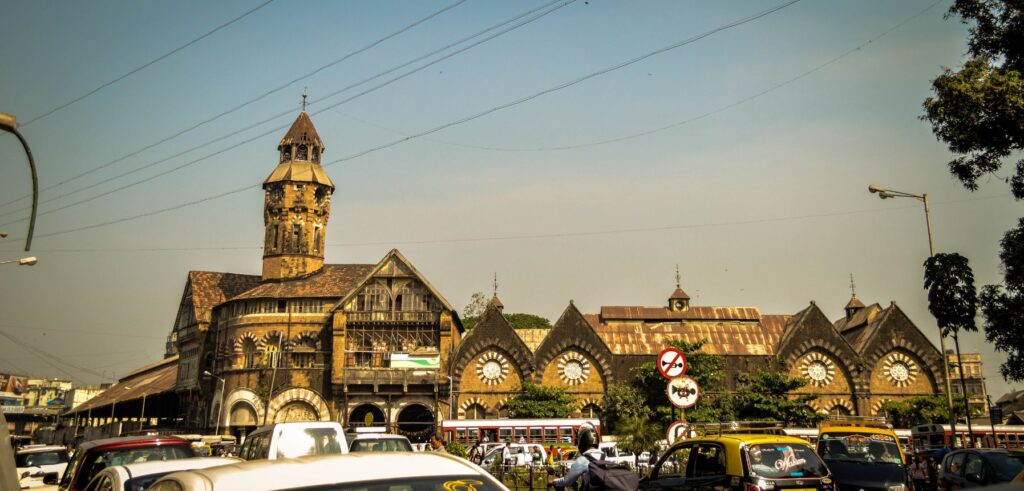
Crawford Market Mumbai: Heritage Shopping, Timings & Product Sections
Plan your Crawford Market Mumbai visit with what-to-buy lists, wholesale vs retail tips, timing strategy, transport guidance, and South Mumbai add-on routes.
St Thomas Cathedral Mumbai: Timings, Mass & History
A complete visitor guide to St Thomas Cathedral Mumbai covering history, architecture, mass timings, services, and nearby heritage attractions.
Never Miss an Adventure
Get the latest trekking guides, travel tips, and exclusive offers delivered straight to your inbox.
