
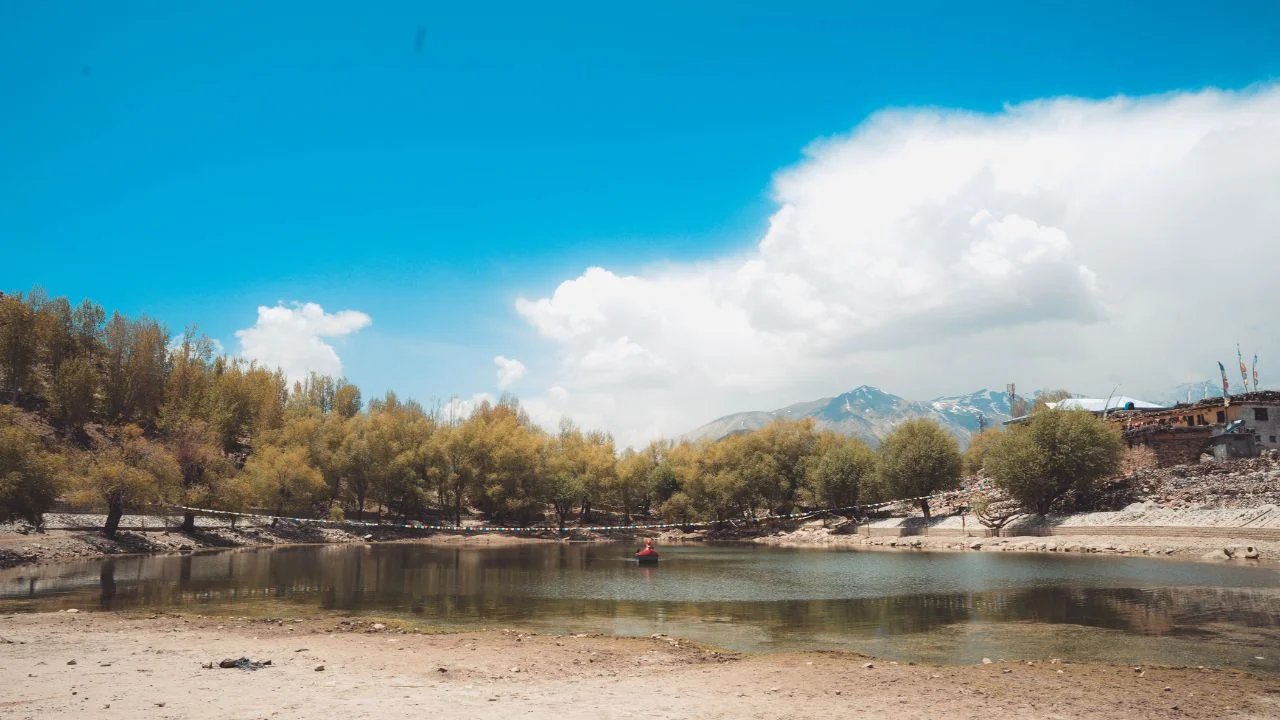
Nako Village Stay: Homestays, Budget Options & Best Areas

Ananya Sharma
February 12, 2026
Find best stays in Nako Village Spiti! Guide to homestays, hotels, guesthouses, prices & booking for your Spiti trip.
Nako Village Stay Guide: Where to Stay, What to Expect, and How to Book Smartly
Nako Village is one of the most important halt points on the Spiti route for travelers who want both acclimatization support and a quieter mountain experience. Many people treat Nako as a quick transit stop, but a well-chosen stay here can improve your entire Spiti journey. The right accommodation in Nako gives you better rest, better altitude adjustment, and a smoother next-day drive toward Tabo or Kaza.
If you are searching for Nako Village stay options, this guide covers the exact questions travelers usually have: homestay vs guesthouse, typical price range, meal quality, hot-water reality, booking methods, seasonal differences, and who should stay where. For seasonal context first, combine this with Spiti in October to align your accommodation choice with weather conditions.
Why Staying in Nako Is a Smart Spiti Strategy
Nako is not just scenic. It is strategically useful. It breaks long mountain drives into manageable segments and helps your body adjust gradually before deeper high-altitude movement. This is especially helpful for first-time Spiti travelers, families, and self-drive groups.
Beyond logistics, Nako offers a calm village environment that many larger hubs cannot provide. You get slower evenings, fewer distractions, and meaningful interaction with local hosts. If your trip style values rest and local culture over nightlife, Nako is an excellent overnight choice.
Types of Accommodation in Nako Village
1. Homestays (Most Popular)
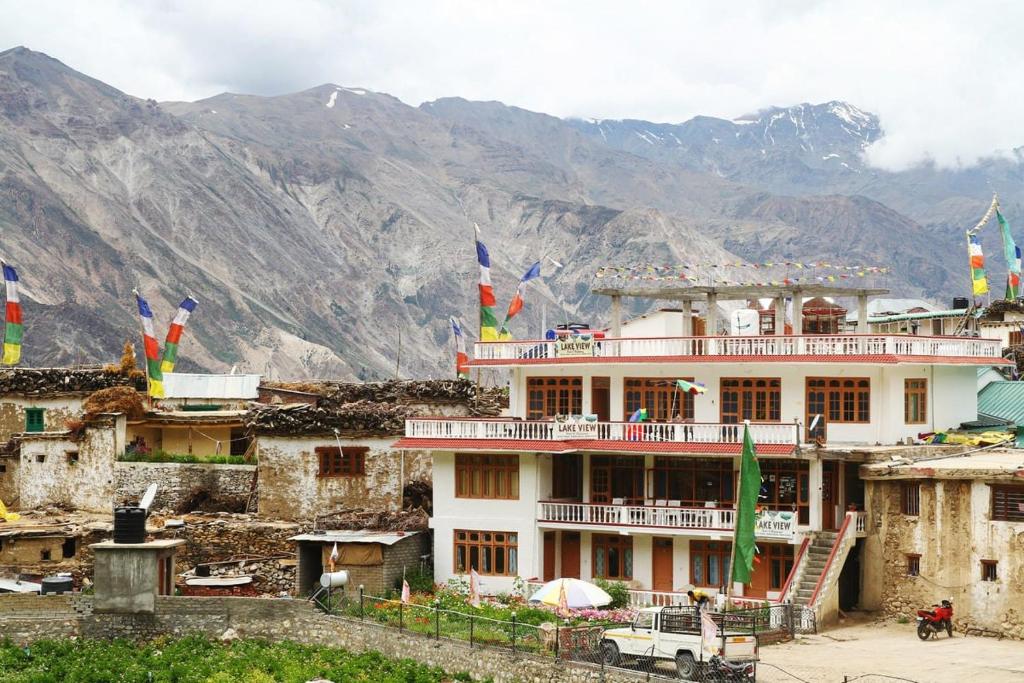
Homestays are the most common and often the most rewarding option in Nako. They provide local food, simple rooms, and direct host interaction. Many travelers choose homestays for cultural authenticity and warm hospitality rather than luxury comfort.
2. Guesthouses
Guesthouses typically offer basic private-room setups with practical facilities. They suit travelers who want independent room arrangements and straightforward check-in/check-out structure.
3. Small Hotels and Lodges
Limited in number, these options can provide relatively higher comfort and suitable choices for travelers who prefer attached washrooms and structured services.
What Facilities You Should Realistically Expect
Nako is a high-altitude village destination, so facilities are functional and weather-dependent rather than urban-standard. You should expect clean but simple rooms, practical bedding, and locally prepared meals. In colder windows, hot water may be bucket-based and timed.
Power availability can vary by property and season. Internet and mobile connectivity are inconsistent, so do not depend on continuous high-speed access. This is normal for the region and should be planned for in advance.
Priority checklist before booking:
1. Hot water timing and method
2. Heating or extra blankets
3. Meal availability and timing
4. Parking access (if self-driving)
5. Payment mode (cash/digital reliability)
Nako Stay Pricing Guide
Prices in Nako vary by season, room type, and included meals. Peak travel windows generally see higher rates and lower negotiation flexibility. Shoulder season may provide better value but fewer fully operational options.
| Accommodation Type | Typical Range (Per Night) |
|---|---|
| Budget homestay | Lower-range practical pricing |
| Mid guesthouse | Moderate pricing with private comfort |
| Small premium lodge | Higher range with additional conveniences |
Rather than chasing cheapest rates, prioritize reliability and warmth. A poor stay in high-altitude conditions can affect the next two travel days.
Best Areas to Stay in and Around Nako
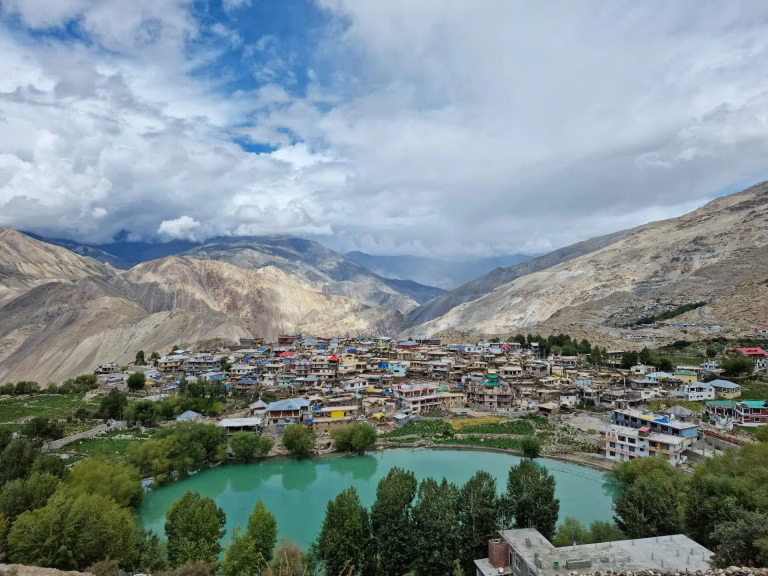
Most travelers prefer central village proximity for meal access and short local walks. If your goal is quiet views and sunrise atmosphere, choose stays slightly away from busiest movement points but still reachable by vehicle.
For first-time visitors, central-access properties are safer choices. They reduce confusion on arrival and make basic services easier to access after sunset.
How to Choose Between Homestay and Guesthouse
Choose a homestay if you value local food, host interaction, and cultural immersion. Choose a guesthouse/hotel if you prefer privacy, predictable room services, and less social interaction.
Families with children may prefer stable meal timing and attached bathroom setups. Solo backpackers often choose homestays for better value and local insight. Couples can choose either depending on comfort preference.
Booking Tips That Work in Nako
1. Book early in peak season.
2. Reconfirm 24-48 hours before arrival.
3. Ask for exact location pin and approach details.
4. Confirm meal inclusions clearly.
5. Keep backup cash for network failure scenarios.
Do not rely only on listing photos. Ask recent-condition questions, especially for October and shoulder season travel when service capacity can vary.
When to Stay One Night vs Two Nights in Nako
One night is enough for most transit travelers moving deeper into Spiti.
Two nights are better if you want slow pace, additional acclimatization support, and local village exploration without a packed schedule.
Two-night plans are especially useful for travelers who feel fatigue from continuous driving or are visiting high-altitude regions for the first time.
How Nako Stay Fits into a Spiti Itinerary
Nako usually works as a transition halt between lower-altitude approach and deeper Spiti segments. A simple and effective pattern is: approach halt, Nako stay, then Tabo/Kaza progression.
This structure lowers road fatigue and improves morning efficiency. Instead of forcing long all-day drives, you spread energy better and enjoy destinations more. For next-step accommodation planning, continue with stays in Tabo Village.
Food and Dining in Nako Stays
Food in Nako stays is usually home-style and simple, which is ideal for altitude travel days. Heavy experimentation is not always smart at high altitude, especially on active route days. Warm meals, hydration, and early dinner timing can improve sleep and next-day performance.
If you have dietary restrictions, inform hosts before arrival. Village kitchens can accommodate many requests when notified early.
Common Mistakes Travelers Make While Booking Nako Stays
1. Choosing only by lowest price.
2. Not confirming hot-water reality in cold season.
3. Ignoring parking and approach-road details.
4. Reaching very late without prior host updates.
5. Overestimating internet reliability for remote work.
Avoiding these mistakes can transform your Nako halt from “just okay” to genuinely restorative.
Who Should Prioritize Better Nako Accommodation?
First-time Spiti travelers, families with seniors, travelers with sleep sensitivity to cold, and anyone doing self-drive circuits should prioritize higher-reliability stays. The return is worth it: better rest, better mood, and better road judgment next day.
Budget travelers can still find value options, but should validate essentials before booking instead of deciding by price only.
Final Recommendation
Nako village stay selection should be treated as a strategic decision, not a random overnight booking. Choose a place that supports altitude comfort, meal reliability, and route readiness. This one stop can stabilize your entire Spiti plan.
For best results, confirm facilities clearly, keep one backup option, and align your stay with seasonal weather reality. If you are building the full route, combine this guide with Spiti in October, Tabo stays guide, and Delhi to Spiti Valley for complete trip continuity.
Nako Stay Packing and Room-Comfort Checklist
Because Nako is a high-altitude halt, small comfort details can decide whether you sleep well and recover for the next day’s drive. Always carry one warm sleep layer, personal medication kit, hydration support, and a compact torch or headlamp. Even if your property provides blankets, your own warm base layers add reliability during colder nights. Keep a reusable water bottle and sip throughout the evening; dry mountain air can increase dehydration even when you do not feel thirsty.
Room-selection tip: ask for rooms with less external wind exposure if possible, especially in shoulder season. If you are sensitive to cold floors, keep thermal socks and lightweight indoor footwear. These simple choices can improve rest quality significantly.
Nako for Remote Workers and Slow Travelers
Some travelers now combine mountain routes with light remote work. In Nako, that can work only if your expectations are realistic. Internet stability is not guaranteed, power reliability can vary, and weather shifts can impact routine. If you must work, keep tasks offline-friendly and avoid strict live-meeting schedules. It is better to use Nako as a low-distraction planning and writing stop rather than a full remote office setup.
For slow travelers, Nako is excellent. One extra day here allows local walks, calmer acclimatization, and mental reset before deeper Spiti segments. This style of travel often feels more fulfilling than constantly changing locations every day.
Sample Nako-Centric Two-Night Plan
Day 1: Arrive by afternoon, check in, short acclimatization walk, early dinner.
Day 2: Light village exploration, lake-side time, rest-focused evening.
Day 3: Early departure toward Tabo/Kaza after proper breakfast.
This pattern works well for travelers who prioritize comfort, photography, and stable altitude transition. It also reduces the risk of exhaustion that often follows long back-to-back mountain drives.
Final Booking Rule for Nako
Before confirming any Nako stay, verify three things one final time: warmth setup, meal timing, and exact approach route. If these are clear, your stay is likely to be smooth. If these are vague, keep a backup option ready. In mountain travel, clarity beats assumptions every time.
Location
Frequently Asked Questions
Q1.Where to stay in Nako Village?
Q2.What are the best homestays in Nako?
Q3.How much does accommodation cost in Nako?
Q4.What amenities are available in Nako homestays?
Q5.Is hot water available in Nako stays?
Q6.Are there hotels in Nako Village?
Q7.How to book accommodation in Nako?
Q8.Is pre-booking necessary for Nako?
Recommended For You
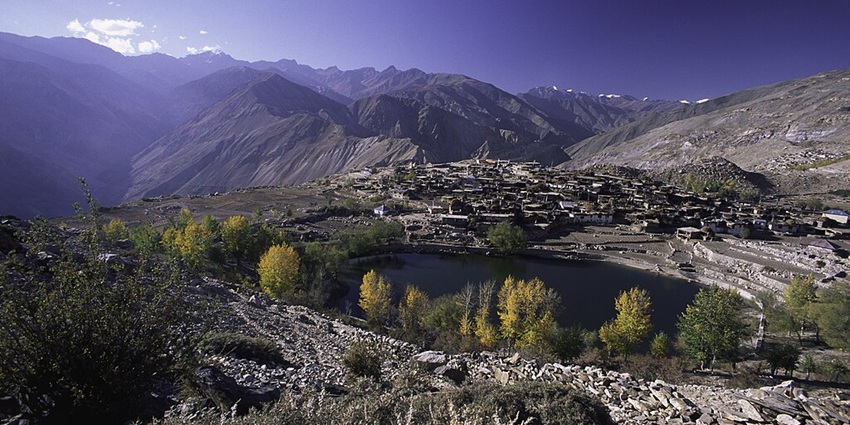
Nako Lake Spiti Valley: Route, Best Time & Village Experience
Visit Nako Lake in Spiti Valley. High-altitude sacred lake, Nako monastery, homestays, timings & complete travel guide.
Spiti Valley in Summer: Complete Travel Guide, Itinerary & Tips 2026
Discover Spiti Valley in summer with complete travel guide featuring 7-10 day itineraries, trekking routes, monasteries, Chandratal Lake, and essential tips for 2026.
Best Time to Visit Spiti Valley: Road Status, Season & Itinerary Fit
Discover the best time to visit Spiti Valley with season-wise weather, road status windows, and month-by-month planning tips for road trips, treks, and Chandratal.
Never Miss an Adventure
Get the latest trekking guides, travel tips, and exclusive offers delivered straight to your inbox.
