
Nako Lake Spiti Valley: Route, Best Time & Village Experience

Neha Kapoor
January 6, 2026
Visit Nako Lake in Spiti Valley. High-altitude sacred lake, Nako monastery, homestays, timings & complete travel guide.
Nako Lake: High-Altitude Sacred Lake of Spiti
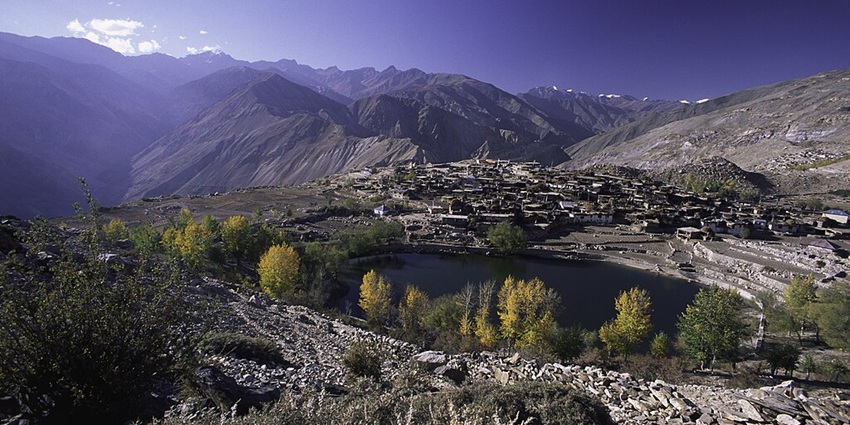
High in the remote Spiti Valley of Himachal Pradesh, Nako Lake sits as a pristine water body at 12,014 feet above sea level. This sacred lake, believed to be the footprints of Buddhist Padmasambhava, serves as a spiritual and natural landmark for travelers venturing into the Himalayas. Surrounded by snow-capped mountains and the quaint Nako village, the lake offers a serene escape from the chaos of city life.
What makes Nako Lake truly special is its untouched beauty and spiritual significance. The crystal-clear waters reflect the surrounding peaks, creating a mesmerizing sight that photographers and nature lovers cherish. Unlike many tourist destinations that have lost their charm to commercialization, Nako retains its authentic Himalayan character, offering visitors a genuine experience of Spiti's natural and cultural heritage.
The lake freezes completely during winter, transforming into a stunning frozen expanse that resembles a landscape from another world. During summer months, it becomes a perfect spot for meditation, photography, and peaceful walks along its shores. For those seeking both natural beauty and spiritual tranquility, Nako Lake delivers an experience that remains etched in memory long after departure.
About Nako Lake
Altitude and Formation
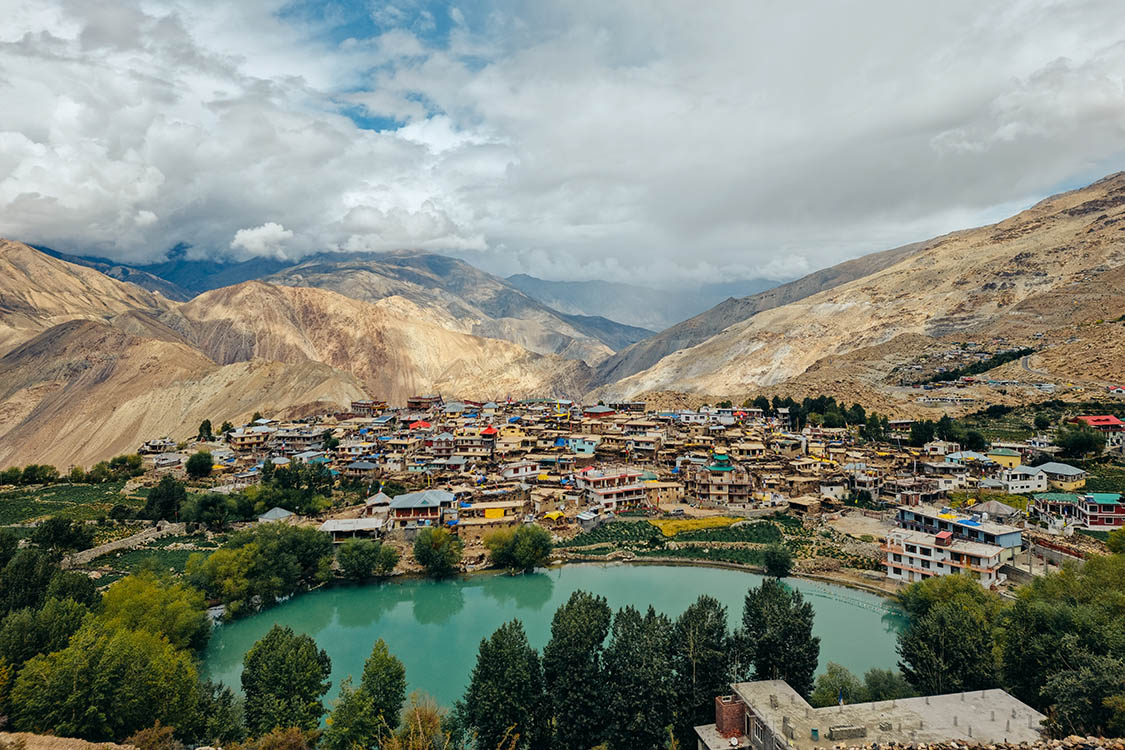
Nako Lake is situated at an altitude of 12,014 feet (3,662 meters) in the Kinnaur-Spiti border region of Himachal Pradesh. The lake is natural in formation, fed by glacial meltwater from the surrounding mountains. Its depth varies with seasons but remains shallow enough in most areas to walk along the edges during warmer months when unfrozen.
The lake spans approximately 2-3 kilometers in circumference, making it perfect for leisurely walks. What strikes most visitors is the absolute clarity of the water - you can see the bottom clearly, and on calm days, the reflections create mirror-like images of the towering peaks that surround this hidden gem.
Spiritual Significance
According to local legend, Nako Lake is sacred and believed to contain the footprints of Guru Padmasambhava, the revered Buddhist master who introduced Buddhism to Tibet. This spiritual association makes the lake a place of reverence for locals and pilgrims. Visitors are advised to maintain respectful behavior around the lake.
The spiritual energy around Nako Lake is palpable. Many travelers report feeling a sense of peace and clarity when sitting by its shores. Monks from the nearby Nako monastery often come to the lake for meditation and prayer, adding to its sacred atmosphere. This combination of natural beauty and spiritual significance makes Nako Lake a unique destination in Spiti Valley.
Nako Village and Monastery
The Village Setting
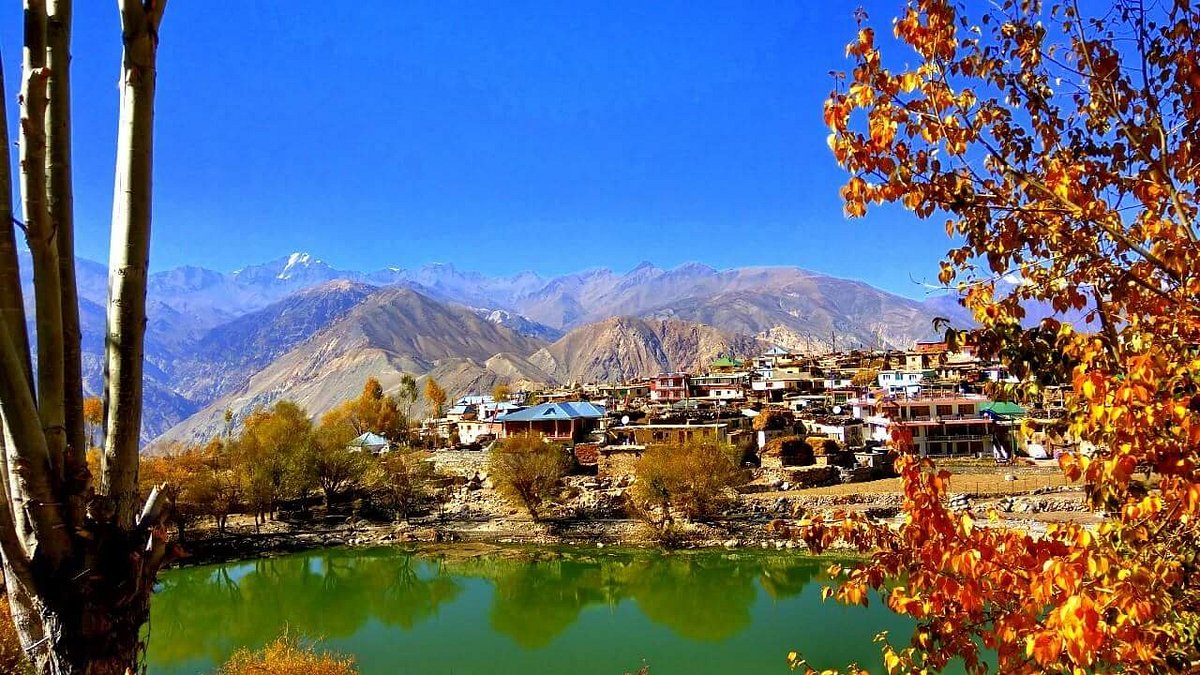
Nako village, home to approximately 1,000 residents, clings to the mountainside above the lake. Traditional Spitian houses built with stone and mud create a picturesque setting against the dramatic landscape. The village has maintained its traditional architecture and way of life, offering visitors a glimpse into authentic Himalayan village culture.
Walking through Nako's narrow lanes, you'll encounter friendly locals, many of whom are Buddhist practitioners. Chortens (stupas) dot the village, and prayer flags flutter in the mountain breeze, creating a spiritual ambiance that complements the lake's serenity. The village is small enough to explore on foot and large enough to offer basic amenities for travelers.
Nako Monastery
The ancient Nako Monastery, dating back several centuries, overlooks the village and lake. Though smaller than famous monasteries like Key or Dhankar, it holds deep significance for local Buddhists. The monastery contains beautiful wall paintings, ancient thangkas, and statues of Buddhist deities.
Visitors are welcome to explore the monastery during non-prayer times. The views from the monastery courtyard over the lake and surrounding valley are spectacular. Monks here are generally welcoming and happy to share information about Buddhist practices and the monastery's history. A visit to Nako monastery provides context to understanding the spiritual fabric that binds this high-altitude community together.
Best Time to Visit Nako Lake
Summer (June-September) - Best Season
Summer offers the most pleasant conditions for visiting Nako Lake. Temperatures during the day range from 15-25°C, making it comfortable for exploration. The lake is completely thawed, revealing its stunning blue waters. Roads are accessible from both Shimla and Manali routes, though Kunzum Pass (Manali route) only opens in June.
This is the peak season when travelers flock to Spiti Valley. Days are long and sunny, perfect for photography around the lake. Accommodation options are fully operational, and village life is in full swing. If you want the complete Nako experience with unfrozen lake, comfortable weather, and full facilities, summer is your best window.
Autumn (October-November) - Photography Season
Autumn transforms Nako into a photographer's paradise. The valley turns golden as vegetation changes color, and skies are clearest of the year. Temperatures begin dropping but remain manageable (5-15°C during day). Crowds thin out significantly after September.
The lake remains unfrozen in October, offering excellent reflections of the golden mountains. This is an ideal time for landscape photographers seeking dramatic shots. Accommodation options may start reducing as winter approaches, but homestays typically remain open. Pack warm layers as nights get cold.
Winter (December-May) - Frozen Wonderland
Winter is challenging but magical for those seeking solitude. Nako Lake freezes completely, becoming a spectacular frozen landscape. The village receives heavy snow, transforming it into a winter wonderland. However, access becomes extremely difficult, and many homestays close.
Only experienced winter travelers should attempt visiting Nako during these months. Temperatures regularly drop below -20°C. The Shimla route may remain accessible in parts, but heavy snow can block roads for days. Most basic amenities are limited. Those who brave the winter are rewarded with absolute silence, surreal frozen landscapes, and an intimate connection with the harsh beauty of Spiti.
| Season | Temperature | Lake Condition | Accessibility |
|---|---|---|---|
| Summer (Jun-Sep) | 15-25°C | Fully thawed, blue waters | Full access from all routes |
| Autumn (Oct-Nov) | 5-15°C | Unfrozen, clear reflections | Full access, reducing facilities |
| Winter (Dec-May) | -20 to 5°C | Frozen solid | Limited access, difficult |
How to Reach Nako Lake
From Kaza (Spiti Route)
Nako is located approximately 68 kilometers from Kaza, taking 3-4 hours by road. The journey passes through spectacular Spiti landscapes including dramatic gorges, vast desert valleys, and remote villages. Shared taxis are available from Kaza to Nako but may require advance booking as service is not daily.
The road from Kaza to Nako is generally in good condition but narrow and winding in sections. Allow extra time for photography stops as the scenery is breathtaking. The route passes through Maling Nallah, a dramatic canyon where the road has been carved into the mountainside. This journey is one of the most scenic drives in all of Spiti Valley.
From Shimla (Kinnaur Route)
The Shimla to Nako route via Kinnaur is approximately 350 kilometers and takes 2-3 days with stops. This route follows the Sutlej River valley before climbing into the Kinnaur-Spiti border region. The advantage of this route is that it remains accessible year-round (weather permitting), unlike the Manali route which closes in winter.
Key stops along this route include Sarahan, Kalpa, and Recong Peo. The road passes through beautiful Kinnauri villages with their distinctive architecture and apple orchards. This route is more gradual and scenic than the Manali approach, making it preferable for those uncomfortable with high mountain passes. Hiring a private vehicle is recommended for flexibility.
From Manali (Kunzum Pass Route)
The Manali to Nako route via Rohtang Pass and Kunzum Pass is approximately 230 kilometers, taking 10-12 hours. This is the most dramatic but challenging route, crossing two high mountain passes. Rohtang Pass (13,050 feet) and Kunzum Pass (15,060 feet) offer stunning views but can be treacherous.
This route is only open from June to October when snow clears from the passes. The drive is challenging but rewarding, passing through Chandratal Lake, Losar village, and other Spiti highlights. Only experienced drivers should attempt this route. The landscape transforms dramatically as you cross into Spiti Valley from the lush Kullu side.
Public Transport
HRTC buses connect Shimla to Kaza via Nako, but services are infrequent and may not run daily. Buses from Kaza to Nako are extremely rare - most travelers rely on shared taxis or private vehicles. The most practical option is to arrange transportation from Kaza or Recong Peo in Kinnaur.
Things to Do at Nako Lake
Lake Walk and Meditation
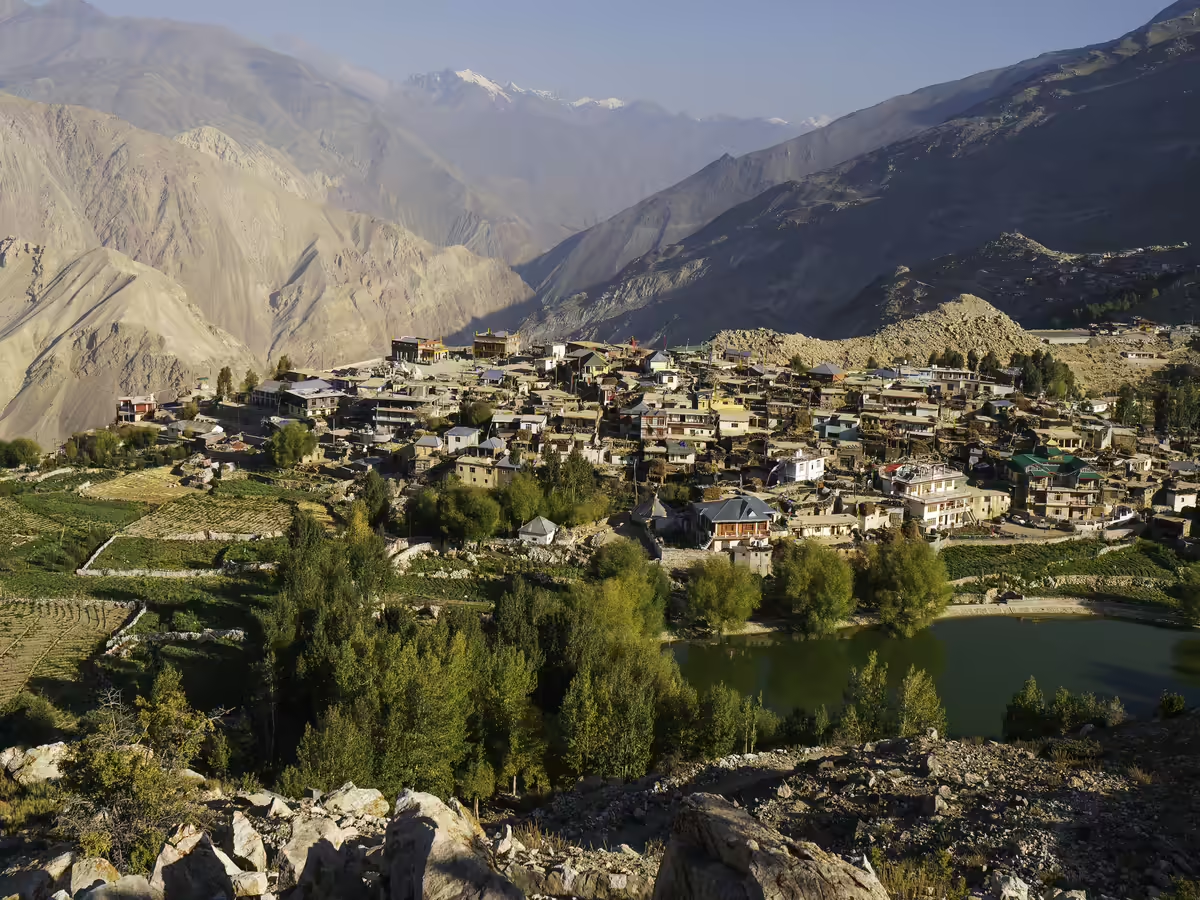
The most popular activity at Nako is simply walking around the lake and soaking in its serenity. A complete circuit takes about 1-2 hours depending on your pace and photo stops. The trail is easy and mostly flat, making it accessible to all fitness levels.
Find a peaceful spot by the lake for meditation. The combination of pristine natural beauty and spiritual energy creates ideal conditions for introspection. Early morning and late afternoon offer the best light and fewest crowds. Many travelers report profound experiences simply sitting by the lake and watching the reflection change with light.
Photography
Nako Lake is a photographer's dream. The reflection shots at sunrise and sunset are spectacular, with the lake acting as a perfect mirror for the surrounding peaks. Bring a tripod for the best shots, especially in low light conditions.
Don't just photograph the lake - capture the village life, monastery, prayer flags, and local faces (with permission). The changing light throughout the day offers endless photographic opportunities. During summer, wildflowers bloom around the lake, adding color to your compositions. Winter photographers will find the frozen lake equally dramatic, with ice patterns and snow-covered landscapes.
Visit Nako Monastery
The monastery offers insights into Buddhist culture and practice. Take time to observe the wall paintings and thangkas carefully. If you visit during prayer times, maintain respectful silence. The monks may invite you for tea, which is a wonderful opportunity to learn about their way of life.
The monastery grounds offer panoramic views of the lake and valley. Spend some time here absorbing the spiritual atmosphere. Consider making a small donation to support the monastery's maintenance - it's a meaningful way to give back to the community that preserves this sacred site.
Village Exploration
Wandering through Nako village reveals traditional Spitian architecture and daily life. Most houses are built with stone and mud, designed to withstand harsh winters while maintaining warmth inside. The village layout follows the contours of the mountainside, creating interesting photographic compositions.
Visit the local school if you're interested in education in remote Himalayan regions. The children are curious about visitors and happy to interact. Consider bringing small gifts like stationery if you plan to visit - it's always appreciated. Village elders often have fascinating stories about Nako's history and legends - take time to listen if you have the opportunity.
Accommodation and Homestays
Homestays in Nako
Homestays are the primary accommodation option in Nako and offer the most authentic experience. Several families open their homes to travelers, providing basic rooms and home-cooked meals. Prices typically range from INR 800-1,500 per night including breakfast and dinner.
Staying with a local family allows you to experience Spitian hospitality firsthand. Food is simple but nourishing - expect local dishes like thukpa, momos, and butter tea. The homes are heated with bukharis (traditional wood stoves) during colder months. Homestays may have shared bathrooms and limited running water, but the warmth of the hosts more than compensates for basic facilities.
Hotel Options
Nako has a few small hotels and guesthouses offering private rooms with attached bathrooms. Options are limited compared to larger towns like Kaza, so book ahead during peak season. Facilities are basic but comfortable - don't expect luxury.
Most hotels have electricity but power cuts are common. Many have generators that operate for limited hours. Hot water may be available on demand. The advantage of hotels over homestays is greater privacy and sometimes better views from your room window.
What to Expect
Regardless of where you stay in Nako, facilities will be basic compared to what you're used to in cities. Internet connectivity is poor to non-existent. Mobile reception is limited and may only work in certain spots. This is part of the Nako experience - disconnecting from the digital world and reconnecting with nature and yourself.
Carry essentials like toiletries, medications, and warm clothing. Nights get cold even in summer. Most homestays provide bedding, but bringing a sleeping bag liner is a good idea if you're sensitive to cold. Power outages mean phones may not charge reliably - carry power banks.
Important Travel Tips
Altitude Considerations
Nako Lake sits at 12,014 feet, which is high enough to cause altitude sickness in some travelers, especially those coming from low altitudes. Symptoms include headache, nausea, dizziness, and shortness of breath. If you experience these symptoms, descend to lower altitude immediately.
Acclimatize properly by spending a night at a lower altitude (like Kalpa or Kaza) before proceeding to Nako. Stay hydrated and avoid alcohol for the first day or two. The thin air means you'll tire more easily - take it slow and give your body time to adjust.
Responsible Travel
Nako is a sacred and ecologically fragile area. Please respect local customs and environmental considerations. Don't litter - carry your trash back with you. Avoid using soaps directly in the lake - wash at a distance from the water.
Ask permission before photographing people, especially during religious activities. Dress modestly when visiting the monastery and village. Support the local economy by purchasing handicrafts directly from artisans. The community welcomes visitors who show respect for their culture and environment.
Conclusion
Nako Lake represents everything that makes Spiti Valley special - breathtaking natural beauty, deep spiritual significance, and authentic Himalayan culture. Unlike more developed destinations, Nako remains unspoiled and genuine. The lake's serenity, the village's warmth, and the monastery's spiritual atmosphere combine to create an experience that's increasingly rare in today's world.
Whether you visit in summer when the lake reflects blue skies, in autumn when golden light bathes the valley, or in winter when everything freezes into magical stillness, Nako Lake will touch something deep within you. It's not just a destination to check off your list - it's a place to experience, absorb, and carry with you long after you've returned to the world below.
Extend your Spiti journey by visiting Dhankar Monastery, exploring more homestays in Spiti Valley, or checking the best time to visit Spiti Valley for planning your trip.
Location
Frequently Asked Questions
Q1.Where is Nako Lake located?
Q2.What is the altitude of Nako Lake?
Q3.How far is Nako from Kaza?
Q4.What is the best time to visit Nako Lake?
Q5.Does Nako Lake freeze in winter?
Q6.Are there accommodations in Nako?
Q7.What can we do at Nako Lake?
Q8.Is altitude sickness a concern at Nako Lake?
Q9.How many days should we stay at Nako?
Q10.How to reach Nako Lake from Shimla?
Recommended For You
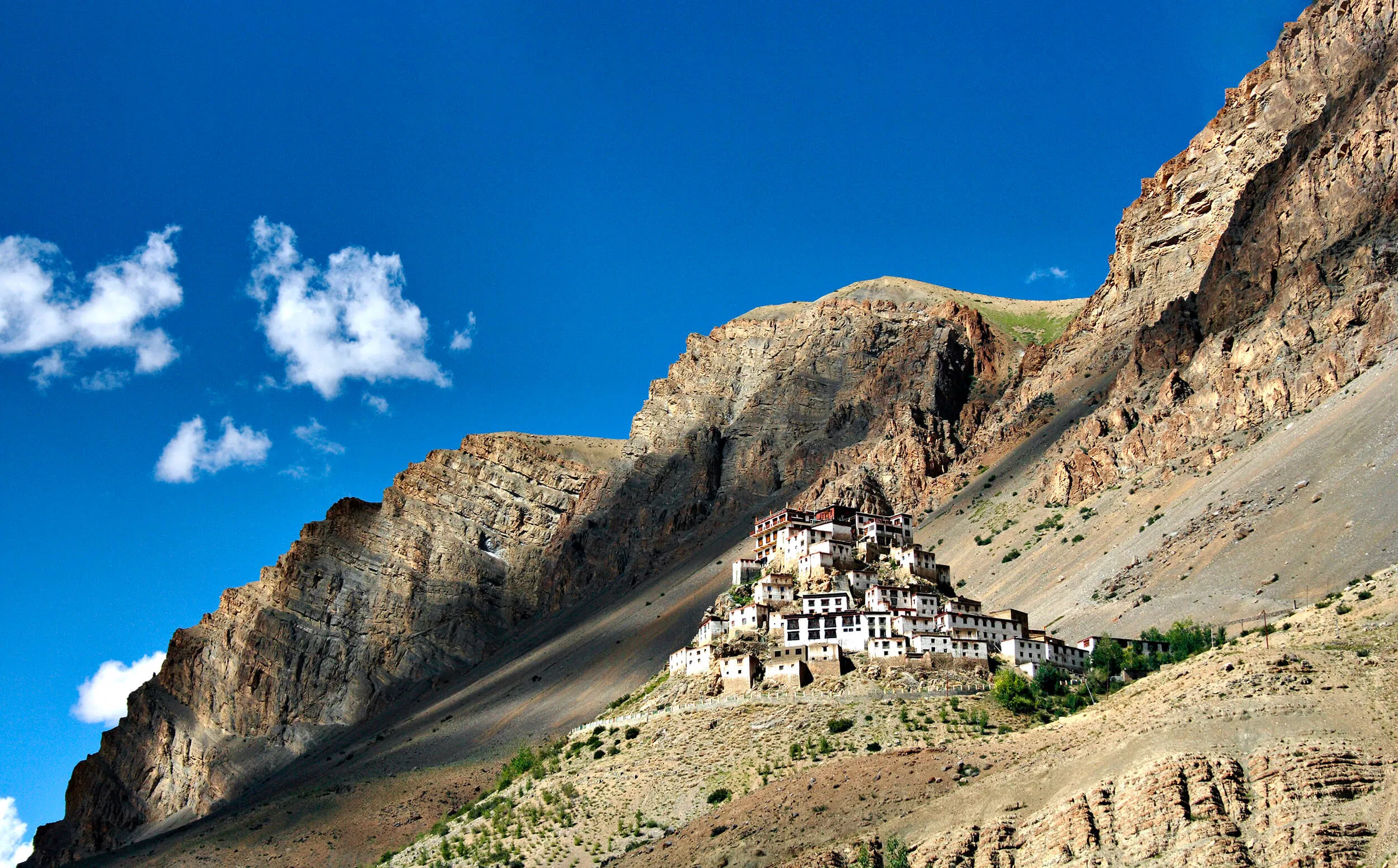
Spiti Valley in Summer: Complete Travel Guide, Itinerary & Tips 2026
Discover Spiti Valley in summer with complete travel guide featuring 7-10 day itineraries, trekking routes, monasteries, Chandratal Lake, and essential tips for 2026.
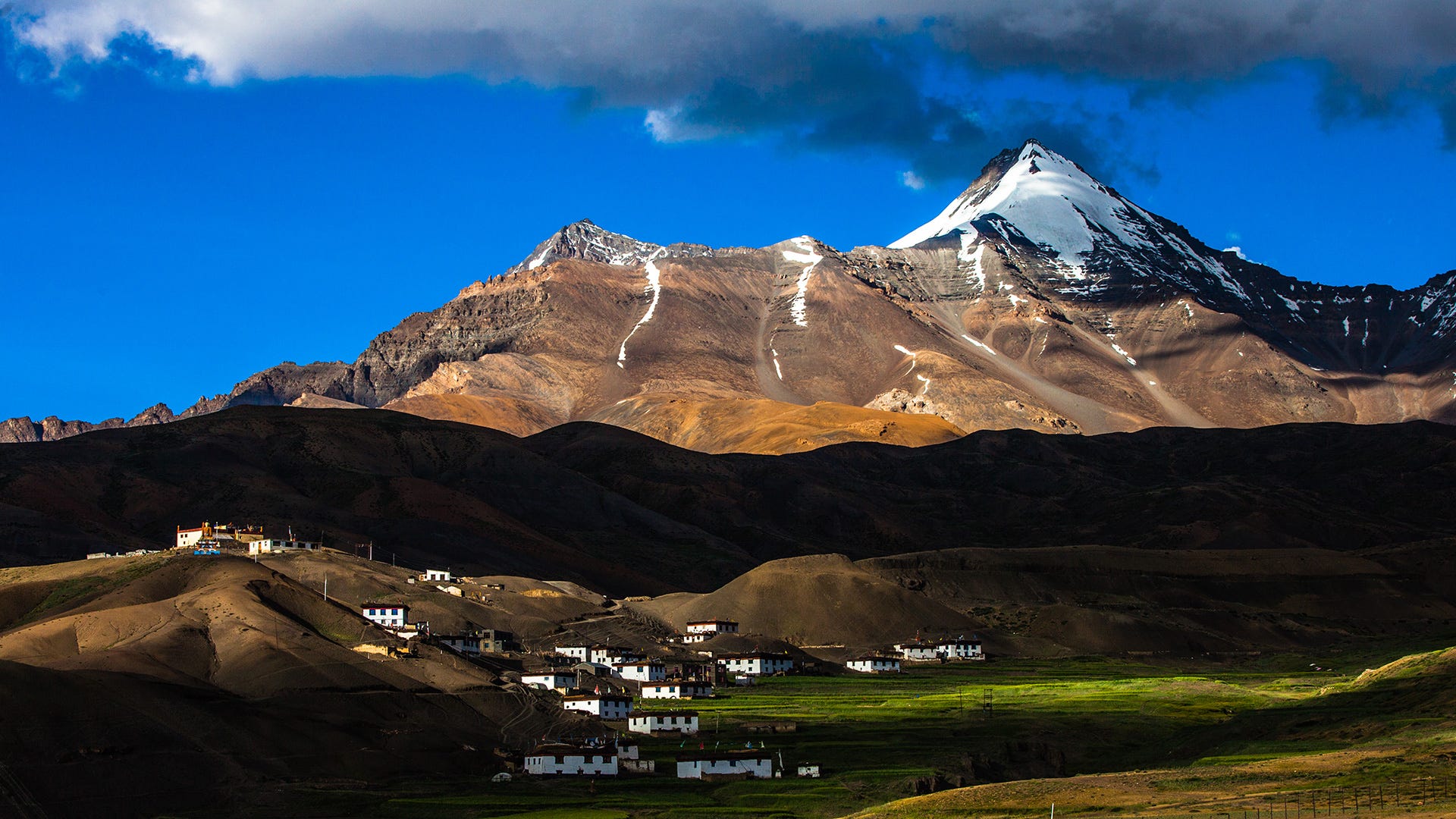
Spiti Valley 8 Days: Complete Itinerary And Route Plan
Plan perfect 8 days Spiti Valley trip from Delhi/Manali. Discover complete itinerary, best time to visit, budget & essential travel tips.
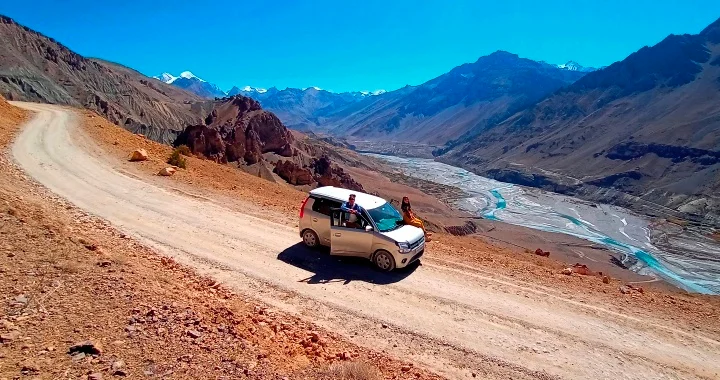
How To Reach Spiti Valley: Routes And Travel Options
Planning a trip to Spiti Valley? Learn how to reach Spiti from Manali & Shimla by road, flight & train. Get routes, timings, permits & essential travel tips.
Never Miss an Adventure
Get the latest trekking guides, travel tips, and exclusive offers delivered straight to your inbox.
