
Nako Village Spiti Valley: Route Plan, Stay Options & Top Sights

Neha Kapoor
February 12, 2026
Discover Nako Village in Spiti Valley: sacred lake, ancient monastery, meditation caves, village life, and complete travel guide.
Nako Village Spiti Valley: Hidden Himalayan Gem
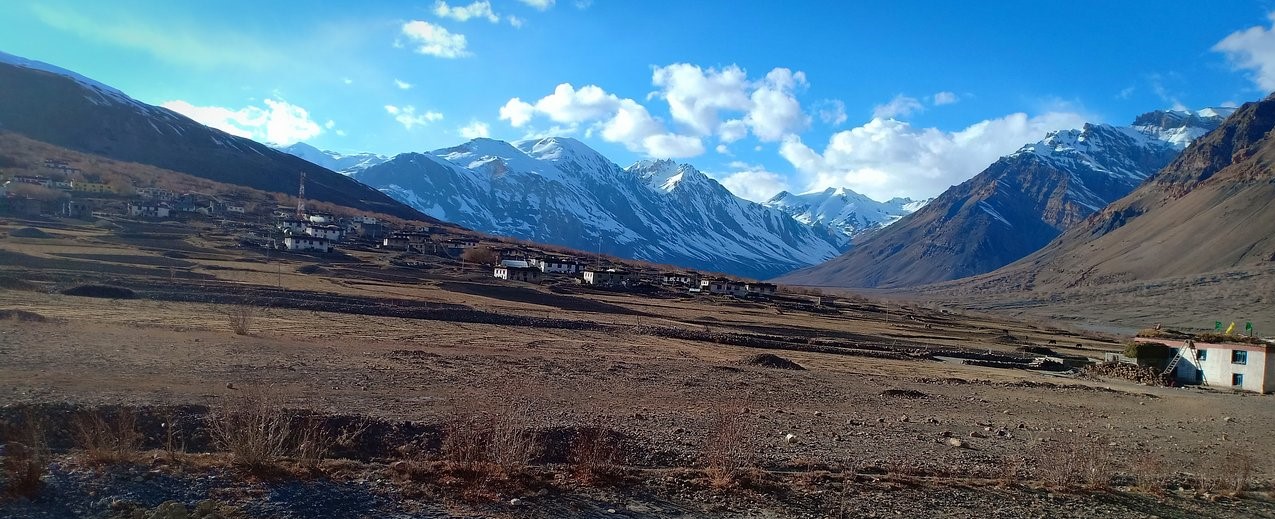
Nako Village sits at the boundary between Kinnaur and Spiti Valley, one of the most serene and spiritually charged locations in the entire Himalayan region. Perched at 3,662 meters (12,014 feet), this small village offers travelers an escape into a world where time moves slowly, Buddhist traditions remain vibrant, and mountain views stretch endlessly. The village is famous for its sacred lake, ancient monastery, and meditation caves that have drawn spiritual seekers for centuries. Unlike more commercialized destinations, Nako maintains an authentic Himalayan village atmosphere that rewards visitors seeking peace rather than luxury.
The journey to Nako is itself part of the experience, taking you through some of India's most dramatic mountain landscapes. Most travelers approach via Shimla through Kinnaur or from Manali via Kaza, depending on road conditions. The village remains accessible only from May to October when mountain passes are open, making timing crucial. For comprehensive Spiti exploration, combine your visit with Spiti Valley road trip planning. Those seeking specific Nako insights might also explore Nako Village and Nako Lake for detailed understanding of this magical location.
Nako Lake: Sacred Alpine Waters
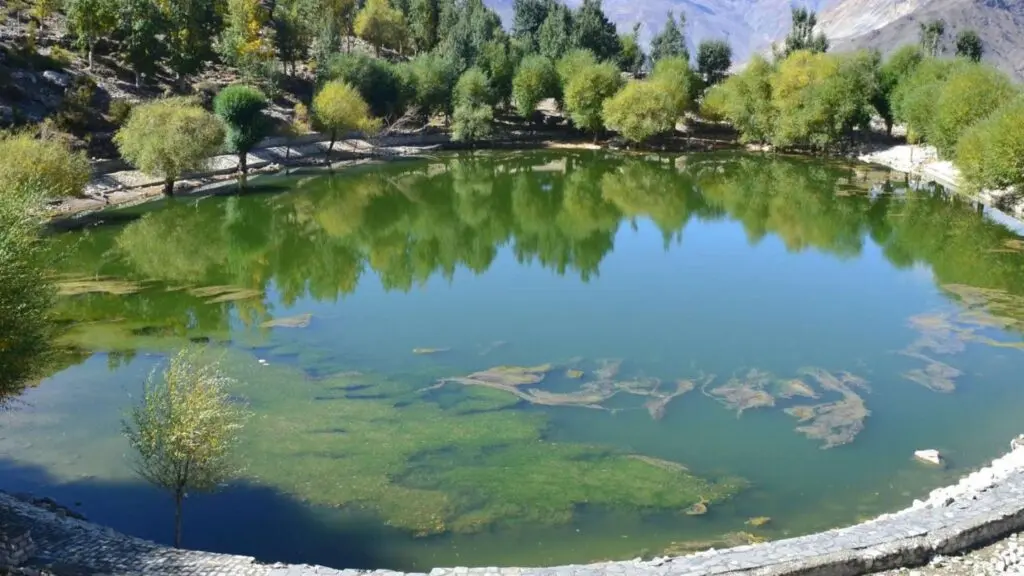
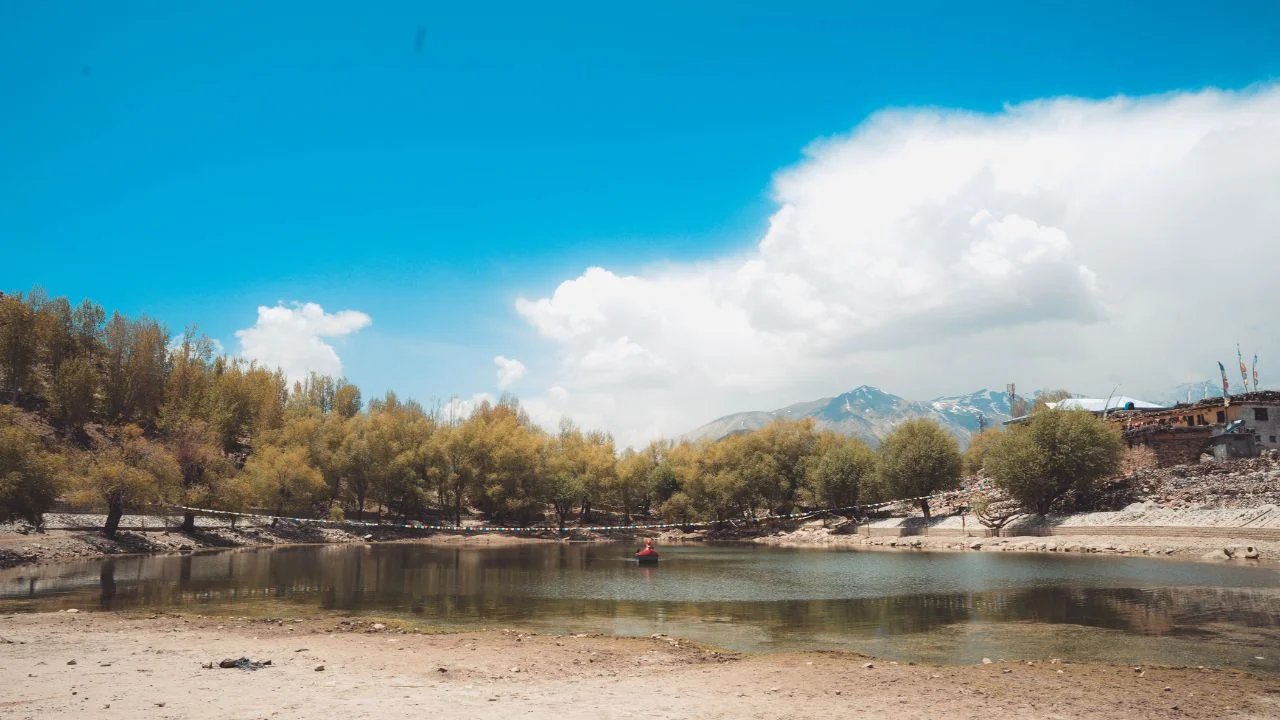
Nako Lake is the spiritual and geographic heart of the village, a beautiful alpine lake that holds deep significance in Buddhist tradition. Local legends associate the lake with Guru Padmasambhava, the legendary figure who brought Buddhism to Tibet, and it's considered sacred by villagers. The lake's crystal-clear waters create perfect reflections of surrounding snow-capped peaks, making it one of Himachal Pradesh's most photographed locations. Early mornings offer the best conditions when the water is still and mist clears from the surface, creating mirror-like reflections that seem almost otherworldly.
Walking around the lake takes 30-45 minutes at a leisurely pace, allowing time for photography, meditation, or simply soaking in the silence. The lake freezes completely in winter from November through April, creating a striking white landscape but also limiting accessibility. Visitors in summer months can still see patches of ice floating in sections, a reminder of the village's harsh winter conditions. While the lake is inviting, local religious sentiments discourage swimming or washing in its waters. Photography enthusiasts should bring wide-angle lenses to capture the lake surrounded by mountains, and plan to visit multiple times of day for different light conditions.
Nako Monastery: Ancient Buddhist Heritage
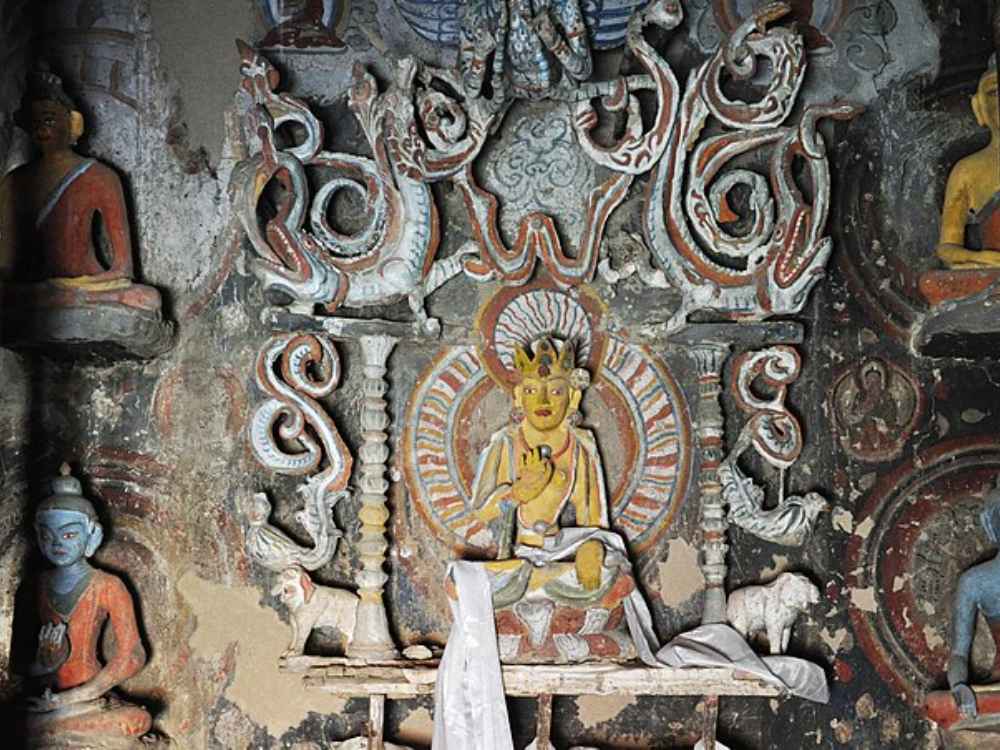
Nako Monastery, known locally as Lochen Lhakhang, stands as the village's spiritual center and one of the most important Buddhist sites in the region. Though its exact construction date is unclear, the monastery represents ancient Tibetan Buddhist architecture with its traditional white walls, colorful prayer flags, and intricate wall paintings. Inside, visitors find beautiful thangkas (religious paintings), statues of Buddhist deities, and murals depicting scenes from Buddhist scriptures. The atmosphere inside is profoundly peaceful, making it an ideal place for meditation and quiet reflection.
The monastery welcomes visitors from 6:00 AM to 6:00 PM daily, with no entry fee though donations are appreciated for maintenance. Plan 30-45 minutes to explore the monastery properly, observing prayer rituals if you're lucky to visit during ceremony times. The resident monks, when available, are happy to explain the significance of various statues and paintings if you approach respectfully. The monastery's location on slightly elevated ground provides panoramic views of the village and lake below, making it perfect for both spiritual and scenic experiences. For photography, request permission before photographing inside the main prayer hall as monks may be engaged in rituals or meditation.
Nako Caves: Meditation in Rock
Perched on a hill above the village, the Nako Caves offer a fascinating glimpse into the spiritual practices that have shaped this region for centuries. These 6-7 natural rock caves were historically used by Buddhist monks for meditation and retreat, seeking solitude and proximity to the divine. The short 15-20 minute climb from the village leads to the caves, where you can still see meditation platforms carved into the rock and offerings left by devotees. The climb itself rewards with progressively better views of the village and lake, making the journey worthwhile even before reaching the caves.
Spend about an hour exploring the caves, taking time to understand their purpose and significance. The largest cave can accommodate several people and contains a small shrine with prayer wheels. Some visitors find the energy inside the caves particularly conducive to meditation, continuing a tradition spanning hundreds of years. Carry a torch or flashlight as the caves are naturally dark inside. The area around the caves provides excellent photography opportunities with the village spread below and mountains stretching to the horizon. Visit early in the day for clearer light and to avoid afternoon cloud build-up that can obscure views.
Local Village Experience: Authentic Spitian Life
Walking through Nako Village offers immersion into traditional Spitian culture that few other destinations can match. The village houses are constructed from mud brick and stone, following architectural techniques passed down through generations. Narrow pathways wind between homes, past fields of barley and peas that sustain the village through harsh winters. The local people, primarily Buddhist, welcome visitors with genuine warmth, often inviting travelers into their homes for tea and conversation. This authentic village experience is what makes Nako special—it's not a tourist destination but a living, working Himalayan community.
Dedicate 2-3 hours simply walking through the village, observing daily life, and interacting with locals when opportunities arise respectfully. You might see women weaving traditional Spitian shawls, farmers tending to crops, or children playing in open spaces. The pace of life here is dramatically slower than cities, which many visitors find refreshing after the rush of modern life. Photography of village scenes is welcome, but always ask permission before photographing people, especially elders and women. The village experience provides context for understanding the spiritual significance of the lake and monastery—these aren't attractions but living elements of Spitian Buddhist culture.
| Attraction | Time Needed | Altitude | Best Time to Visit |
|---|---|---|---|
| Nako Lake | 1-2 hours | 3,662 meters | Early morning |
| Nako Monastery | 30-45 minutes | 3,680 meters | 6 AM - 6 PM |
| Nako Caves | 1 hour | 3,750 meters | Morning |
| Village Walk | 2-3 hours | 3,662 meters | Any time |
| Trekking Routes | 2-4 hours | Varies | Early morning |
Trekking Around Nako: Himalayan Trails
For travelers seeking adventure beyond the village, several trekking routes around Nako offer stunning Himalayan views without requiring major expedition planning. The village to Chango trek is moderately challenging, taking 2-3 hours and offering dramatic valley vistas. This route follows traditional shepherd paths and passes through high-altitude meadows that bloom with wildflowers in summer months. The village itself has multiple easy walking paths leading to viewpoints above the lake, perfect for those not seeking strenuous trekking but wanting elevated perspectives.
All treks around Nako are best started in early morning when weather is clearest and temperatures are comfortable. By afternoon, clouds often gather in the valley, obscuring mountain views that make these treks worthwhile. Guides are not necessary for short routes near the village as paths are reasonably well-marked, but hiring a local guide for longer treks like Chango adds cultural context and ensures safety. Moderate fitness is recommended for treks at this altitude due to thinner air. Always carry sufficient water and snacks, as there are no facilities along the routes beyond the villages themselves.
Photography Spots: Capturing Nako's Magic
Nako is a photographer's paradise, offering diverse subjects from landscape to cultural photography. The lake provides classic reflection shots, especially during the golden hour just after sunrise when light is soft and the water surface is calm. The monastery offers opportunities to capture Buddhist architecture, prayer flags fluttering in mountain winds, and monks in traditional robes going about daily rituals. Village scenes provide compelling cultural documentation—weathered wooden doors, women in traditional dress, children playing against mountain backdrops.
For the best sunrise shots, climb to the hills above the village where you can capture both the lake and monastery in one frame. Sunset photography from the lake's edge offers silhouettes of mountains and prayer flags against dramatic sky colors. A wide-angle lens is particularly useful in Nako for capturing expansive landscapes, while a telephoto lens helps isolate details like monastery artwork or distant peaks. Always respect privacy when photographing locals—ask permission, especially for portraits of women and elders. The best photography months are May through October when the valley is accessible and skies are generally clearer.
Accommodation in Nako: Homestays and Guesthouses
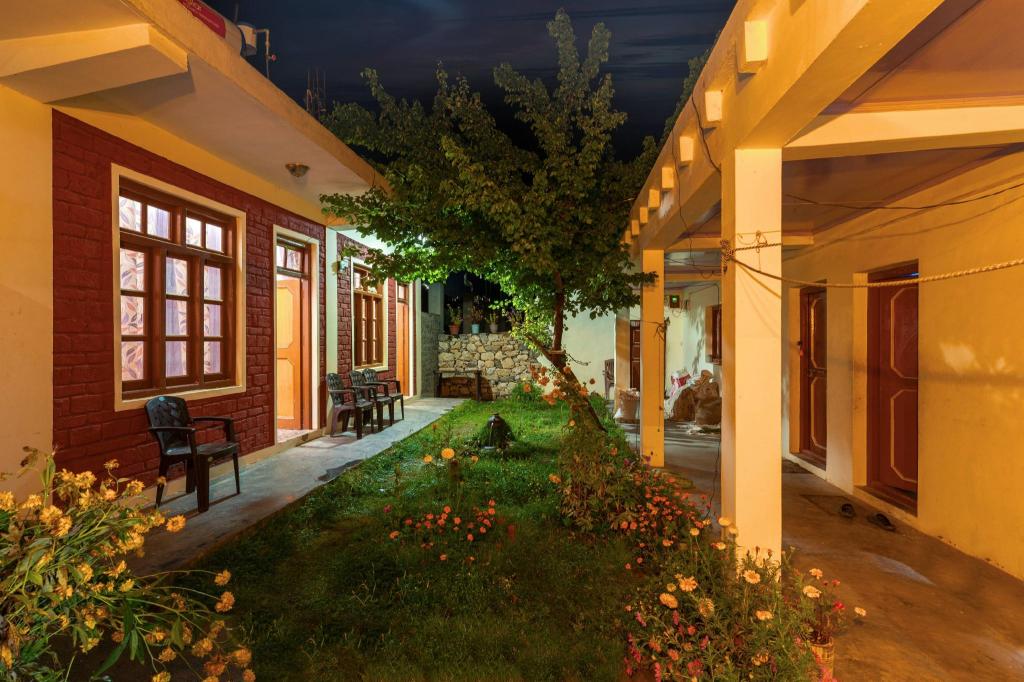
Accommodation in Nako Village is basic but authentic, consisting primarily of homestays and simple guesthouses run by local families. Don't expect luxury hotels or modern amenities—Nako is about cultural immersion, not comfort. Rooms typically cost between Rs. 800-1,500 per night and include simple but comfortable bedding. The real value comes from the experience: eating home-cooked Spitian meals, learning about local life from your hosts, and waking up to Himalayan views right outside your window.
Food at homestays is generally traditional Himachali cuisine—thukpa (noodle soup), momos (dumplings), and local bread. Vegetarian options are standard, though meat is sometimes available. Facilities are basic—shared Western-style or squat toilets, bucket showers heated manually, and limited electricity that often works only during evening hours. Internet is mostly unavailable or extremely slow, which many visitors actually appreciate as a digital detox. It's possible to book accommodation in advance through some platforms, but many travelers simply arrive and negotiate with hosts directly. Staying at a homestay is the best way to understand Nako beyond its tourist attractions.
How to Reach Nako Village
Reaching Nako requires planning and patience as roads are challenging and passes close for half the year. From Shimla, the most common route is through Kinnaur via Reckong Peo—a 2-day journey of approximately 250 kilometers that takes you through stunning mountain scenery. This route is generally more reliable and stays open longer than the Manali route. From Manali, you can approach Nako via Kaza, covering 110 kilometers in 5-6 hours when roads are clear. However, the Kunzum La pass on this route often closes due to snow until late June.
The journey from Reckong Peo to Nako covers 110 kilometers and takes 6-7 hours, with roads becoming increasingly challenging as you approach the village. Private taxis are the most common mode of transport, with some shared vehicles available from Reckong Peo. Public buses exist but run on unpredictable schedules and are uncomfortable for long mountain journeys. Regardless of route, road conditions can change rapidly—always check current status with local authorities or recent travelers. The drive itself, though tiring, offers spectacular views of the Sutlej River, mountain valleys, and remote villages that make the journey as memorable as the destination.
Essential Travel Tips
Visiting Nako requires preparation for high altitude and remote conditions. Acclimatization is essential—at 3,662 meters, altitude sickness can affect anyone regardless of fitness. Spend a night at lower altitude before ascending to Nako if possible. Carry Diamox if you're susceptible to AMS and stay hydrated, though alcohol and excessive activity should be avoided for first 24 hours. Pack warm clothing even in summer—nights are cold, and weather can change rapidly at this altitude. A good jacket, warm hat, and gloves are necessary equipment.
Carry enough cash for your entire stay—there are no ATMs or digital payment facilities in the village. Connectivity is extremely limited with only intermittent mobile reception and virtually no internet. Inform someone of your travel plans before heading into the Spiti Valley. Road conditions around Nako are challenging with steep drops and unpaved sections—hire experienced drivers who know the terrain. Nako is perfect for travelers seeking peace, spirituality, and authentic Himalayan experiences rather than luxury or constant entertainment. Plan 1-2 days here to fully absorb the village's serene energy without rushing.
Nako Village represents what many imagine when they dream of the Himalayas—remote, beautiful, spiritual, and untouched by mass tourism. Whether you come for the sacred lake, ancient monastery, meditation caves, or simply to disconnect in a high-altitude paradise, Nako rewards those willing to make the journey with an experience that stays with you long after you leave.
Location
Frequently Asked Questions
Q1.How many days needed for Nako Village?
Q2.What is the altitude of Nako Village?
Q3.Best time to visit Nako?
Q4.What are the main attractions in Nako?
Q5.Is Nako Lake worth visiting?
Q6.Can we stay in Nako Village?
Q7.How to reach Nako Village?
Q8.Is Nako safe for tourists?
Q9.Nako to Kaza distance?
Recommended For You
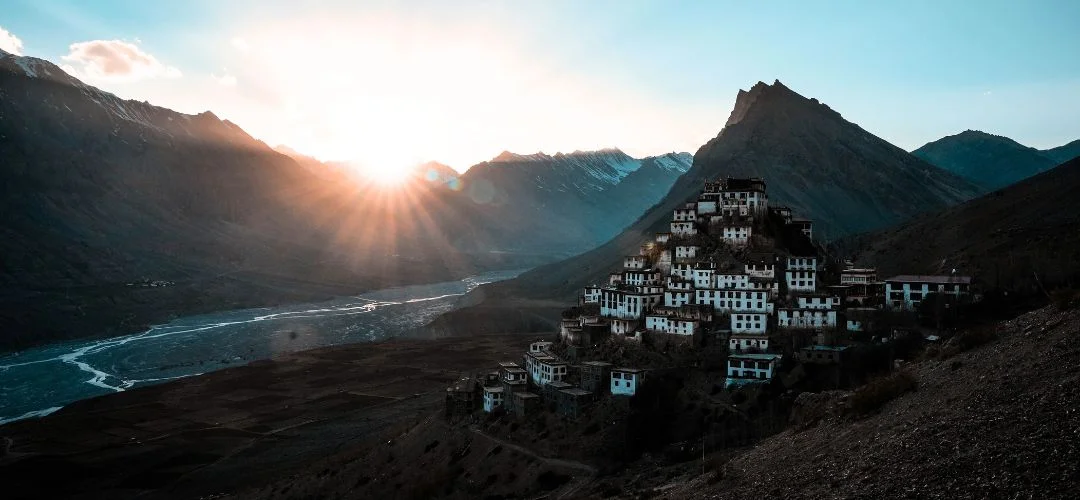
Key Monastery Spiti: Timings, History, Stay & Viewpoint Details
Explore Key Monastery in Spiti Valley! Discover 1000-year-old history, timings, best time to visit, how to reach from Kaza, stay options, and complete travel guide.
Losar Village Spiti: Complete Travel Guide and Route
Explore places to visit in Losar Village Spiti Valley with culture, route planning, seasonal advice, altitude safety, and nearby Kunzum-Chandratal connections.
Nako Village Stay: Homestays, Budget Options & Best Areas
Find best stays in Nako Village Spiti! Guide to homestays, hotels, guesthouses, prices & booking for your Spiti trip.
Never Miss an Adventure
Get the latest trekking guides, travel tips, and exclusive offers delivered straight to your inbox.
