
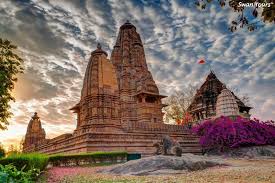
Places to Visit in Khajuraho: Temple Circuit, History Context, and Practical Itinerary

Priya Mehta
February 25, 2026
Plan the best places to visit in Khajuraho with a practical temple-cluster itinerary, context-rich exploration strategy, and route-wise travel guidance.
Why Khajuraho Is More Than a Temple Photo Stop
Khajuraho is often reduced to one-liner descriptions about temple carvings, but the destination deserves a deeper and better-structured visit. The site represents architecture, iconography, political history, and craft precision from the Chandela period. Travelers who rush through only a few facades miss the spatial design, narrative relief panels, and regional context that make Khajuraho globally significant. If you are building a heritage-focused India circuit, compare route depth with Khajuraho temple details and planning logic from Khajuraho travel guide.
Khajuraho works best as a layered experience: western group for major architecture, eastern and southern clusters for quieter exploration, and one local culture or museum session for context. For broader route planning, combine with national heritage frameworks from historical places in India and destination sequencing from India itinerary planning.
Main Places to Visit in Khajuraho
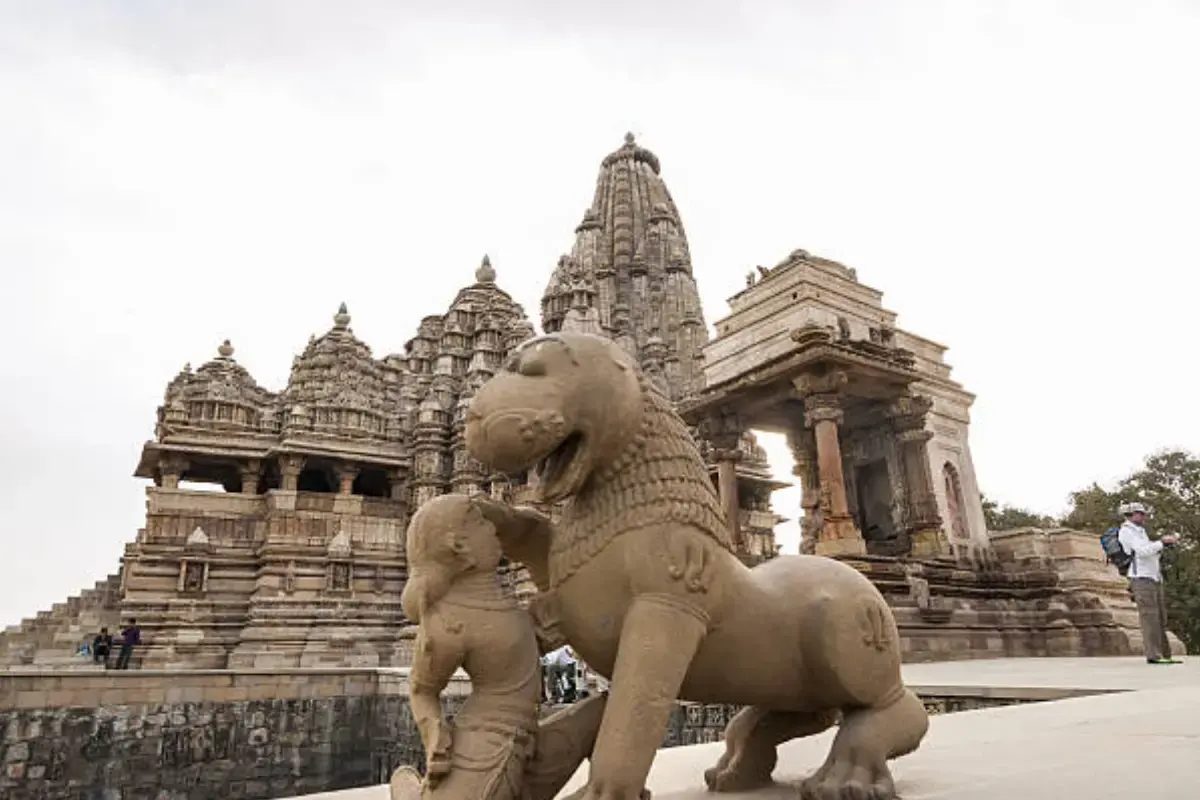
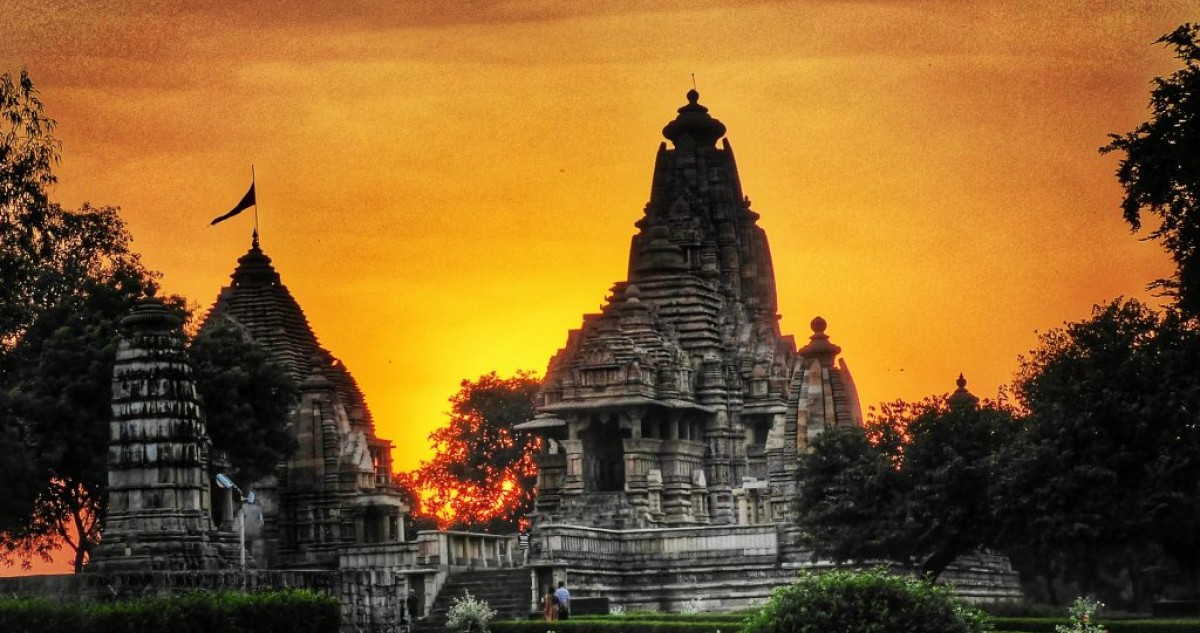
Western Group of Temples: the primary complex with the most visited monuments, including Kandariya Mahadeva and Lakshmana Temple. This is where first-time travelers should begin.
Eastern Group: includes Jain temples and quieter spaces with valuable architectural details often missed by rushed itineraries.
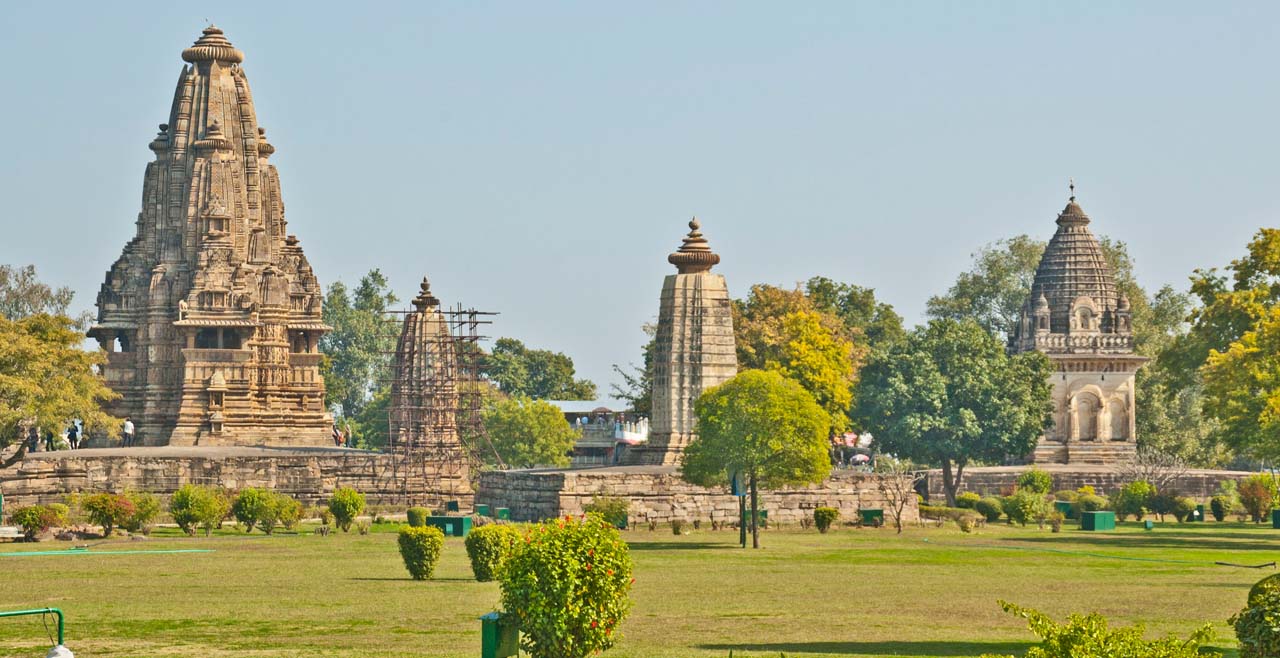
Southern Group: less crowded and suitable for slower exploration, especially for photography and design-focused study.
Archaeological Museum and local interpretation points: useful to understand sculpture fragments, chronology, and temple evolution.
Cultural performance blocks: evening windows can add narrative context to your visit when available.
How to Plan a Full Khajuraho Day
Start with western group in the morning when light and walking comfort are better. Midday can be used for museum or indoor breaks. Late afternoon is ideal for eastern and southern clusters where slower movement and lower crowds improve the experience. Keep evening for cultural programming or local market walk.
If you have two days, spread the clusters instead of compressing everything into one long circuit. This improves both comprehension and physical comfort, especially in warmer months.
What to Observe Beyond the Famous Carvings
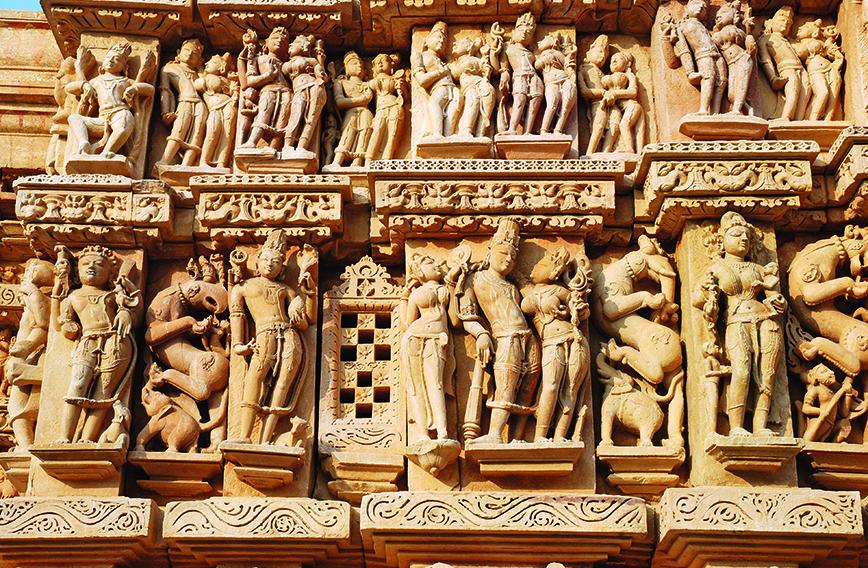
Most visitors focus only on widely discussed relief panels, but Khajuraho’s deeper value includes structural rhythm, platform geometry, vertical composition, and symbolic sequencing across temple surfaces. Observe how narrative bands change by height and side orientation. Study entrances, mandapa alignment, and wall projections. This architectural reading transforms the visit from sightseeing to understanding.
If possible, take one guided session for historical context and then revisit key temples independently. The second pass usually reveals details that are easy to miss in the first walkthrough.
Best Time to Visit Khajuraho
October to March is generally most comfortable for outdoor temple exploration. Summer visits are possible with early starts and hydration planning, but midday heat can reduce walking quality. During peak holiday windows, arrive early to avoid crowd density near major clusters.
For photographers, morning and late-afternoon light works best on sandstone textures and sculptural depth. Midday can flatten detail due to harsh overhead light.
Transport, Stay, and Budget Tips
Khajuraho can be approached by rail-road combinations and regional flights depending on your route. Local movement is manageable through short transfers. Choose accommodation based on proximity to temple groups to reduce unnecessary commuting.
Budget planning should include entry tickets, guided interpretation if required, local transport, and one cultural activity block. Khajuraho can be covered in budget and mid-range formats comfortably if you keep route choices efficient.
Sample Two-Day Khajuraho Itinerary
Day 1: Western group deep exploration, museum session, evening cultural performance.
Day 2: Eastern and southern groups, local market, optional photography revisit at golden hour.
This format gives both breadth and depth without rushing.
Common Mistakes to Avoid
Common mistakes include covering only one temple cluster, skipping context interpretation, and planning no heat buffer in warmer months. Another issue is treating Khajuraho as a quick stop between larger cities. It deserves at least one full day, ideally two.
Understanding Temple Group Differences
The western group is visually grand and usually crowded, which makes it ideal for first orientation but not always for slow observation. Eastern and southern groups provide better conditions for detail-oriented visitors who want to study carvings, proportions, and planning logic calmly. Splitting your visit across these groups gives a much fuller interpretation of Khajuraho than a single-site walk.
Each group rewards different observation styles. In the west, focus on overall composition and major structural forms. In the east and south, focus on sculptural narratives, iconographic diversity, and quieter wall sections that are easier to examine without crowd pressure.
How to Read Khajuraho Architecture
A practical way to read temple architecture is from base to top: platform, wall projections, sculptural bands, mandapa zones, and finally shikhara profile. This layered reading helps visitors move from visual admiration to architectural understanding. Spend at least 10-15 minutes at one chosen temple with this method and you will notice far more than in a quick pass-through.
If you enjoy historical study, keep brief notes or photo references by section. Comparing two temples after observation can reveal meaningful variations in style and detail that are not obvious at first glance.
Cultural Context and Responsible Heritage Travel
Khajuraho should be approached with respect for both sacred tradition and archaeological preservation. Do not touch carvings, avoid climbing restricted surfaces, and follow designated movement paths. Responsible visitor behavior protects fragile heritage assets for future generations.
Guides and local cultural interpreters can significantly improve your understanding when chosen carefully. A short high-quality session often provides more value than extended generic commentary. The goal is context clarity, not information overload.
Khajuraho for Different Itinerary Lengths
If you have one day, prioritize western group plus one secondary cluster and an evening cultural block. If you have two days, distribute clusters and revisit key temples at different light angles. For three days, add nearby heritage or regional extensions while keeping Khajuraho as your primary focus.
This flexible planning allows both casual and serious heritage travelers to get meaningful value from the destination without unnecessary rushing.
Photography Planning for Temple Exploration
Khajuraho photography is best approached as study, not speed capture. Use morning and late-afternoon windows for depth and texture on sandstone surfaces. Instead of shooting every wall quickly, select one temple and document it systematically from base to spire. This method creates stronger visual storytelling and helps retain architectural understanding.
Always follow site rules, avoid climbing restricted edges, and maintain respectful distance from active visitor pathways. Good heritage photography balances creativity with preservation ethics.
Best Visit Duration by Interest Level
Casual travelers can cover major highlights in one full day, while architecture and history enthusiasts benefit from at least two days. This extra time allows revisits, better light windows, and deeper understanding of temple design language.
Choosing the right duration is the easiest way to improve Khajuraho trip quality without increasing complexity.
Even a short extension in Khajuraho schedule can greatly improve interpretation, photography, and overall heritage appreciation.
Khajuraho becomes far more memorable when visited with intent. Focused observation, respectful movement, and enough time per cluster can transform a standard monument stop into a rich heritage-learning journey with lasting value.
Conclusion
The best places to visit in Khajuraho are not just famous monuments but a connected temple landscape that reflects exceptional architectural and cultural history. Plan your visit by cluster, preserve time for contextual learning, and pace your day around light and weather. With this approach, Khajuraho becomes one of the most meaningful heritage experiences in India rather than a rushed photo stop.
Location
Frequently Asked Questions
Q1.What are the key places to visit in Khajuraho?
Q2.Is one day enough for Khajuraho?
Q3.What is the best time to visit Khajuraho?
Q4.Should I hire a guide in Khajuraho?
Q5.Can Khajuraho be combined with other heritage destinations?
Recommended For You
Delhi: Complete Travel Plan Places And Weather
Complete Delhi travel guide featuring Red Fort, Qutub Minar, India Gate, Old Delhi markets, best time to visit & practical tips.
Hampi: Complete Travel Plan Temples And History
Complete Hampi travel guide featuring Vijayanagara ruins, Virupaksha Temple, Vittala Temple, Royal Enclosure, best time to visit & practical tips.
Historical Places in India: Top 50 Heritage Sites
Plan historical places in India with region-wise strategy, realistic daily circuits, and practical heritage travel tips.
Never Miss an Adventure
Get the latest trekking guides, travel tips, and exclusive offers delivered straight to your inbox.
