

Temples in Sivaganga: Tamil Nadu's Hidden Spiritual Heritage

Neha Kapoor
January 12, 2026
Explore sacred temples in Sivaganga district. Discover Kaliugar Amman, Koppudaiyanayaki & Chettinad temples with complete travel guide.
Introduction: The Spiritual Landscape of Sivaganga District
Sivaganga district in Tamil Nadu, though less famous than its temple-rich neighbors like Madurai and Thanjavur, holds a treasure trove of sacred sites that reflect the deep religious traditions of South India. Located in the heart of the Chettinad region, Sivaganga offers temples that combine architectural beauty with spiritual significance, many of which remain off the typical tourist circuit, giving visitors a more authentic and intimate temple experience. While the famous Meenakshi Temple in Madurai draws millions of visitors, Sivaganga's temples offer a quieter, equally enriching spiritual experience.
What makes Sivaganga's temple landscape unique is its connection to the Chettiar community - the wealthy merchant class who built magnificent temples, palaces, and mansions in this region. The temples here often feature distinctive Chettinad architectural elements, incorporating influences from various regions due to the community's trading connections. Additionally, several ancient Shaivite and Shakta temples in the district attract devotees seeking blessings for fulfillment of wishes and removal of obstacles.
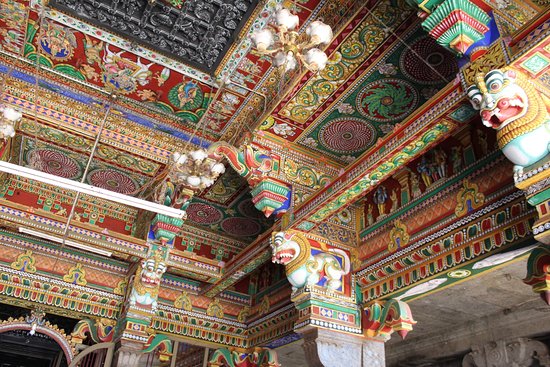
Kaliugar Amman Temple
The Kaliugar Amman Temple in Sivaganga town is one of the most important shrines in the district. Dedicated to Goddess Kaliugar Amman (a form of Goddess Kali), this temple is renowned for its power to grant wishes and protect devotees from evil forces.
The temple's history spans several centuries, though the present structure has undergone renovations and additions over time. The goddess worshipped here is considered the guardian deity of Sivaganga town. Devotees believe that prayers offered here with sincere devotion are always answered, particularly prayers concerning protection from enemies, removal of obstacles, and family welfare.
The temple follows traditional Shakta worship protocols. Daily pujas are performed according to tantric and Vedic traditions. Fridays are considered particularly auspicious for goddess worship, and the temple sees increased devotee footfall on these days. The temple celebrates major festivals including Navratri, Aadi Pooram, and Maha Shivaratri with great devotion and splendor.
Koppudaiyanayaki Amman Temple, Tiruppathur
Located in Tiruppathur, approximately 30 kilometers from Sivaganga town, the Koppudaiyanayaki Amman Temple is one of the most significant Shakta temples in the district. The temple is dedicated to Goddess Koppudaiyanayaki, another powerful form of the Divine Mother.
This temple is famous for granting wishes, particularly those related to marriage, progeny, and protection from diseases. Devotees often perform special pujas and offer mann (made of clay) representing their wishes. When their wishes are fulfilled, they return to offer thanks and break the mann, symbolizing the fulfillment of their prayers.
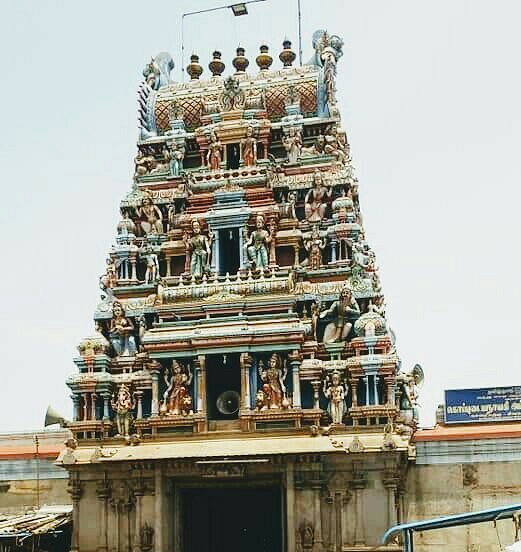
The temple's legend connects it to ancient Shaivite traditions. According to local belief, the goddess here is particularly powerful during the transition periods of time (sandhi kaal), and special pujas performed during these times are especially effective. The divine mother worshipped here is similar in spiritual essence to the goddess at the Chamunda Mata Temple, another powerful Shakta shrine in India.
Festival Celebrations
The temple's annual festival, held during the Tamil month of Aadi (July-August), attracts thousands of devotees from across Tamil Nadu. The festival features elaborate decorations, processions of the goddess, special pujas, annadhanam (free food distribution), and cultural programs. The atmosphere is electric with devotion and celebration.
Vettudaiyar Kovil (Vettudaiya Perumal Temple)
This ancient temple, dedicated to Lord Vishnu as Vettudaiya Perumal, is one of the historically significant temples in Sivaganga district. Located in a serene setting, the temple represents the Vaishnava tradition that has flourished in this region alongside Shaivism and Shaktism. Lord Vishnu is worshipped throughout India in various forms, from the magnificent Akshardham Temple to ancient temples in Tamil Nadu.
The temple features traditional Dravidian architecture with a rajagopuram (main tower) over the eastern entrance. The sanctum houses the deity of Lord Vishnu in standing posture. The temple complex includes shrines for other deities including Lakshmi, Andal, and the Alvars.
What makes this temple special is its peaceful atmosphere and the dedication of its priests who maintain traditional worship practices. The temple follows the Pancharatra Agama tradition of Vaishnava worship.
Kannudayanayaki Amman Temple
Dedicated to Goddess Kannudayanayaki, this temple is another important Shakta shrine in Sivaganga district. The goddess, whose name literally means "she who has eyes like fish," is a form of Parvati worshipped for protection and blessings.
Local devotees believe the goddess here has protective powers that extend over the entire region. The temple is particularly busy during Tuesdays and Fridays, days considered especially auspicious for goddess worship. Women devotees form a significant portion of the temple's visitors, praying for the welfare of their families, particularly children.
Karaikudi Temples
Karaikudi, the largest town in Sivaganga district and part of the Chettinad region, has several important temples that reflect the unique architectural and cultural heritage of the Chettiar community.
Sri Meenakshi Sundareswarar Temple
Though smaller than its famous namesake in Madurai, this temple dedicated to Meenakshi (Parvati) and Sundareswarar (Shiva) is architecturally significant. Built by the Chettiars, it features traditional Chettinad elements including intricately carved pillars, painted ceilings, and spacious courtyards. The temple remains an active center of worship.
Kamban Mani Mandapam
While not a traditional temple, this memorial to the Tamil poet Kamban (who wrote the Kamba Ramayanam) is an important cultural and spiritual site. The structure houses beautiful paintings depicting scenes from the Kamba Ramayanam.
Pillaiyarpatti Pillaiyar Temple
Located approximately 12 kilometers from Karaikudi, the Karpaga Vinayagar Temple in Pillaiyarpatti is one of the most important Ganesha temples in Tamil Nadu. The temple houses a rock-cut image of Ganesha, believed to have been carved during the Pandya period (6th-8th century CE).
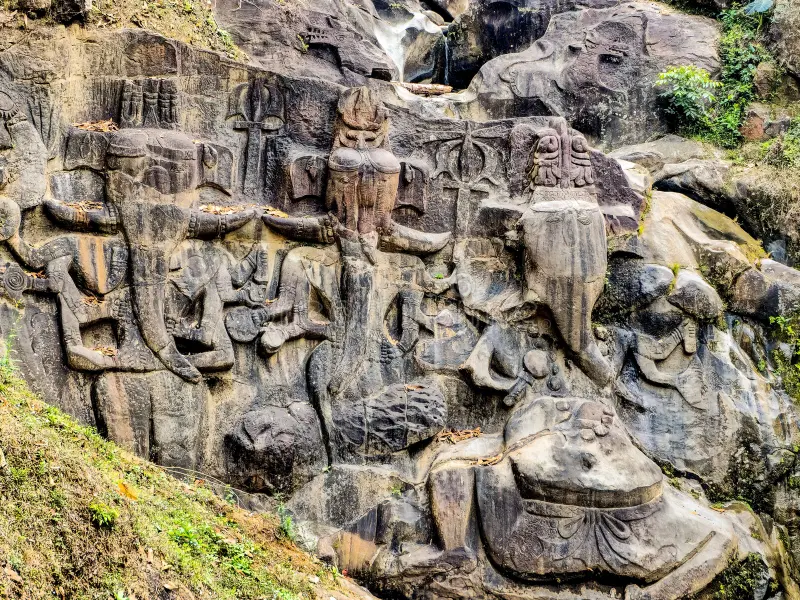
The uniqueness of this Ganesha image is that it has only two arms (unlike the typical four-armed representations) and is seated in a meditative posture. The image is carved directly from the rock of the cave, making it a natural cave temple. The deity is known as Karpaga Vinayagar because, like the wish-fulfilling Kalpaka tree of heaven, he grants devotees' wishes.
The temple complex includes other rock-cut shrines and images of various deities. The architecture is a beautiful blend of Pandya and later Chettinad styles. Vinayaga Chaturthi (Ganesha's birthday) is celebrated here with great enthusiasm. For a deeper look at this temple's history and darshan details, see our dedicated Pillaiyarpatti Ganesh Temple guide.
Kundrakudi Shanmuganathan Temple
Located about 10 kilometers from Karaikudi, this temple is dedicated to Lord Murugan (Shanmuganathan) and is built on a small hill (kundram). The hill-top location offers beautiful views of the surrounding countryside and creates a serene spiritual atmosphere.
The temple features a six-faced image of Lord Murugan, representing his form as Shanmuga (six-faced). To reach the main shrine, devotees climb approximately 200 steps, which is considered a sacred journey. Along the way, small shrines and mandapas provide rest stops. Lord Murugan, the presiding deity, is especially revered in South India and is the principal deity at many temples across Tamil Nadu.
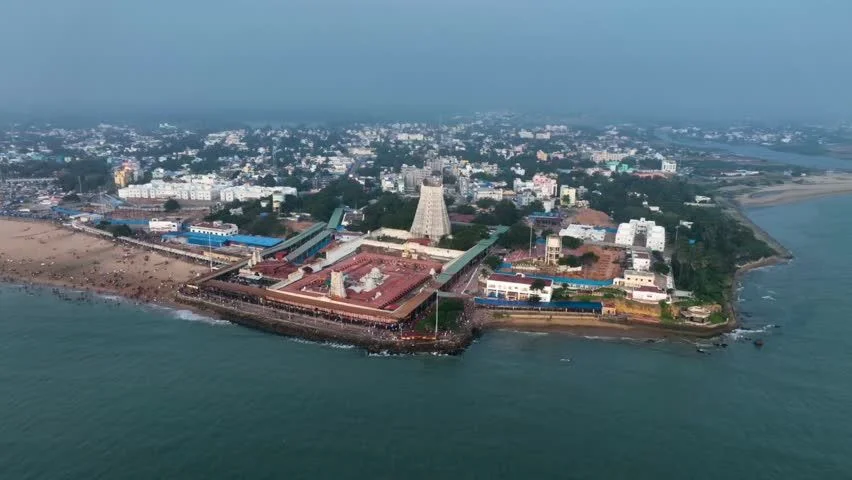
This temple is one of the important Murugan temples in Tamil Nadu and attracts devotees, particularly on Tuesdays and during Skanda Shasti (November-December). The view from the hilltop, especially during sunset, adds to the spiritual experience.
Chettinad Heritage Temples
The Chettinad region, of which Sivaganga is a part, is known for its unique temples built by the wealthy Nattukkottai Chettiars. These temples, while not as ancient as some in Tamil Nadu, represent a distinctive architectural style that blends traditional Dravidian elements with influences from Southeast Asia, reflecting the Chettiar trading connections.
Architectural Features
- Spacious Courtyards: Chettinad temples feature large open courtyards used for festivals and community gatherings
- Intricate Woodwork: Teak pillars with carved figures and mythological scenes
- Imported Tiles: Use of colorful tiles from Burma and Malaysia for flooring
- Painted Ceilings: Beautiful ceiling paintings depicting Hindu mythology
- Gopurams: Elaborate gateway towers with painted figures of gods and goddesses
Temple Festivals in Sivaganga District
Navratri
Navratri (nine nights dedicated to the Goddess) is celebrated with great devotion at all Shakta temples in Sivaganga district. The nine nights see special decorations, rituals, and cultural programs. Many temples set up kolu (display of dolls and figures) during this period.
Panguni Uthiram
This major Tamil festival (March-April) is celebrated at all major temples with special processions and rituals. At Shiva temples, divine weddings are celebrated. At Vishnu temples, festivals honor the deity's exploits.
Aadi Festival
The Tamil month of Aadi (July-August) is particularly important for goddess temples in the district. Special abhishekam, processions, and community feasts are organized during this period.
Thai Poosam
Important at Murugan temples, Thai Poosam (January-February) sees elaborate celebrations including kavadis (decorated arches carried by devotees) and palanquin processions of the deity.
Planning Your Visit to Sivaganga Temples
Best Time to Visit
October to March offers pleasant weather for temple visits. The region can get very hot in summer (April-June). For special experiences, plan visits during major festivals, though expect larger crowds.
How to Reach
By Air: Madurai Airport (40 km) is the closest. Trichy Airport (90 km) is another option.
By Rail: Karaikudi and Sivaganga have railway stations connected to Madurai and Trichy.
By Road: Sivaganga is well-connected by road. From Madurai (approximately 1.5 hours by bus or taxi).
Getting Around
- Auto-rickshaws: For local travel within towns
- Taxis: Can be hired for full-day temple tours
- Buses: Government and private buses connect major towns
Where to Stay
Heritage Chettinad Mansions: Several heritage properties offer authentic Chettinad experience
Mid-range Hotels: Available in Karaikudi and Sivaganga towns
Budget Options: Guest houses and lodges available
Suggested Itinerary
Day 1: Sivaganga Town & Tiruppathur
Morning: Kaliugar Amman Temple
Afternoon: Tiruppathur - Koppudaiyanayaki Amman Temple
Evening: Vettudaiyar Kovil
Day 2: Chettinad Temples
Morning: Pillaiyarpatti Pillaiyar Temple
Afternoon: Kundrakudi Murugan Temple
Evening: Explore Karaikudi temples
Day 3: Heritage & Culture
Morning: Chettinad Mansions
Afternoon: Other local temples
Evening: Departure
Conclusion: The Undiscovered Spiritual Heritage
The temples of Sivaganga offer a temple-hopping experience that is different from the more famous circuits of Tamil Nadu. Here, you won't find massive crowds of tourists or commercial complexes. Instead, you'll discover living temples where devotees from the region come for daily worship, where priests maintain rituals passed down through generations, and where the spiritual atmosphere is authentic and powerful.
From ancient rock-cut cave temples to colorful Chettinad-style temples, from powerful goddess shrines to serene hilltop Murugan temples, Sivaganga district provides a comprehensive temple experience that connects you with Tamil Nadu's deep religious traditions. The region's connection to the Chettiar community adds another layer of cultural interest, making temple visits both spiritually and culturally enriching.
Come to Sivaganga with an open mind and reverent heart. Explore these sacred spaces, participate in rituals, observe the devotion of local people, and discover for yourself the spiritual wealth of this often-overlooked region of Tamil Nadu.
Location
Frequently Asked Questions
Q1.What are the famous temples in Sivaganga district?
Q2.How far is Pillaiyarpatti from Karaikudi?
Q3.What is special about Pillaiyarpatti Ganesha Temple?
Q4.How many steps to climb Kundrakudi Murugan Temple?
Q5.What is unique about Chettinad temples?
Q6.How do I reach Sivaganga from Madurai?
Q7.What is the best time to visit Sivaganga temples?
Q8.Are there good accommodation options in Sivaganga district?
Recommended For You

Places to Visit Sivaganga: Top Attractions
Discover top places to visit in Sivaganga, including forts, palaces, and temples, with practical travel tips and planning details.

Pillaiyarpatti Ganesh Temple: Timings, History & Darshan Information
Complete Pillaiyarpatti Ganesh Temple guide with history, architecture, festivals, best time to visit, and how to reach. Explore the ancient Karpaga Vinayagar rock-cut temple in Tamil Nadu.

Places to Visit in Tamil Nadu: Region-Wise Attractions & Itinerary Ideas
Discover places to visit in Tamil Nadu with region-wise planning, season logic, and practical itinerary models for smoother travel.
Never Miss an Adventure
Get the latest trekking guides, travel tips, and exclusive offers delivered straight to your inbox.
