

Pillaiyarpatti Ganesh Temple: Timings, History & Darshan Information

Rahul Garg
February 12, 2026
Complete Pillaiyarpatti Ganesh Temple guide with history, architecture, festivals, best time to visit, and how to reach. Explore the ancient Karpaga Vinayagar rock-cut temple in Tamil Nadu.
The Rock-Cut Abode of Lord Ganesha
Nestled in the small town of Pillaiyarpatti in Tamil Nadu's Sivaganga district stands one of South India's most unique and ancient temples dedicated to Lord Ganesha. The Karpaga Vinayagar Temple, as it's officially known, is home to a magnificent rock-cut image of Ganesha that has been worshipped here for over 1,600 years.
What makes Pillaiyarpatti truly special is that the main deity is carved directly from the rock of a cave – not sculpted and installed, but revealed by carving away the surrounding stone. This ancient image of Lord Ganesha, known as Karpaga Vinayagar (one who grants boons like the wish-fulfilling Kalpaka tree), is one of the oldest representations of the elephant-headed God in existence.
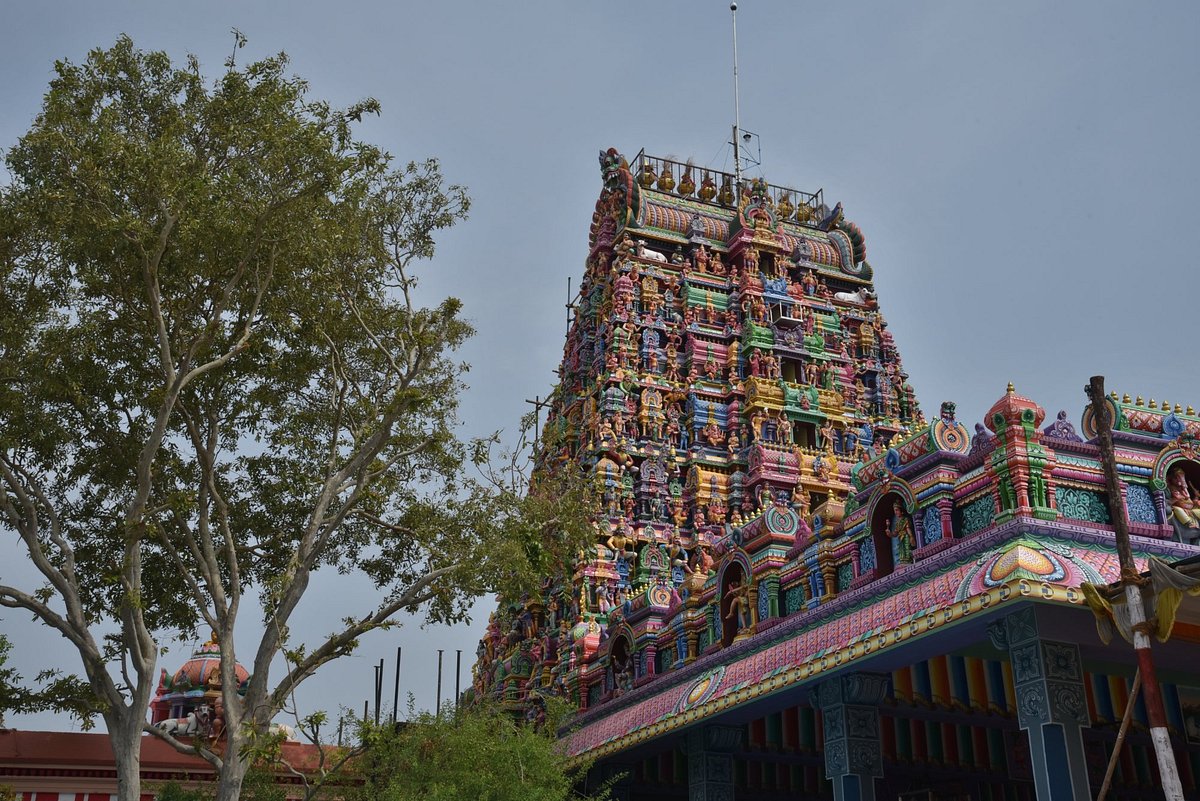
The temple's location in a cave carved into a hillock gives it a mystical atmosphere unlike most other Ganesha temples. The natural rock formations surrounding the sanctum create an energy that devotees have found powerful for centuries. The temple is also one of the few in India where Ganesha is depicted with two arms rather than the usual four, holding a Modaka (sweet) in one hand and showing the boon-giving gesture (varada mudra) with the other.
For devotees of Lord Ganesha, Pillaiyarpatti is a significant pilgrimage destination. The temple is believed to be especially powerful for removing obstacles (Ganesha's primary role as Vighnesvara, remover of obstacles) and granting wishes. Whether you're a spiritual seeker, a student of Indian temple architecture, or simply someone who appreciates ancient sacred spaces, Pillaiyarpatti offers a profound connection to Tamil Nadu's rich religious heritage.
Ancient Legacy and Temple History
The Pillaiyarpatti temple dates back to the early 7th century CE, making it over 1,400 years old. The temple was built during the reign of the Pandya dynasty, one of the ancient Tamil dynasties that ruled much of South India for over a millennium. The Pandyas were great patrons of Shaivism (worship of Shiva) and built many magnificent temples across Tamil Nadu.
According to temple records and inscriptions found here, the temple was originally established by a Pandya king who discovered the natural rock formation that resembled Ganesha. Rather than carving a separate idol, the king commissioned artists to carefully carve away the surrounding rock to reveal the deity within – a technique known as rock-cut architecture that was common in ancient India.
The earliest inscription at the temple dates to 661 CE, during the reign of Pandya king Jayantavarman. This inscription records donations to the temple and proves that the temple was an established place of worship by the 7th century. Subsequent inscriptions from the Chola and Pandya periods document the temple's expansion and the continued patronage it received from various rulers.
The Temple's Name and Significance
The name Pillaiyarpatti comes from two Tamil words: "Pillaiyar" (another name for Ganesha, meaning "noble child") and "patti" (small town). So Pillaiyarpatti literally means "the town of Pillaiyar" or "Ganesha's town" – a fitting name for a place where the elephant God has been the presiding deity for fourteen centuries.
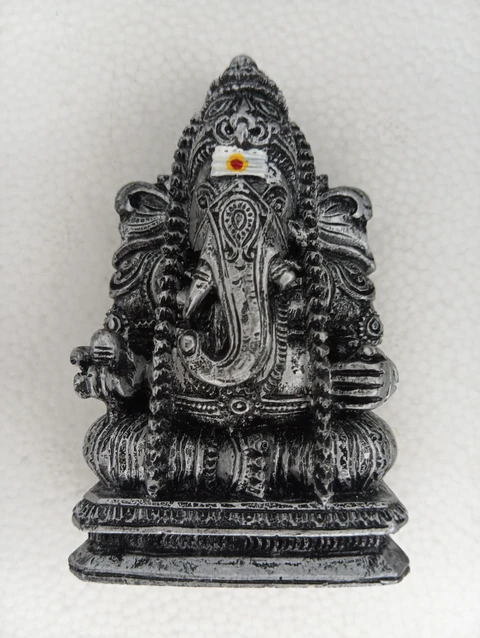
The deity is called Karpaga Vinayagar because, like the mythical Kalpaka tree (the wish-fulfilling tree of Hindu mythology), he grants the wishes of sincere devotees. Devotees believe that prayers offered here with a pure heart are especially effective, which is why the temple attracts thousands of pilgrims every year, particularly during festivals.
The temple has been renovated and expanded several times over the centuries, with additions made by various rulers including the Nayaks of Madurai. However, the sanctum sanctorum and the main idol remain essentially unchanged from their original form – a testament to the continuity of worship at this sacred site.
Temple Architecture and Layout
The Pillaiyarpatti temple is a fascinating example of rock-cut temple architecture combined with later structural additions. The complex includes the original cave temple, subsequent expansion areas, and various subsidiary shrines.
The Cave Temple (Main Sanctum)
The heart of the temple is the rock-cut cave that houses the main deity. Unlike most temples where the idol is made separately and installed, here the idol is part of the natural rock formation itself. This cave was created by carving into the side of a hillock, removing stone to create a shrine space.
The cave temple faces east, which is considered auspicious in Hindu temple architecture. Inside, the sanctum is relatively small, creating an intimate atmosphere where devotees can feel close to the deity. The natural rock walls of the cave have been left largely unadorned in some areas, emphasizing the natural origin of the shrine.
What's remarkable is that the cave also houses shrines to other deities, including Lord Shiva (as Karpaganathar) and Goddess Parvati (as Maruduppavathi), making it a temple that honors the entire divine family while being dedicated primarily to Ganesha.
The Main Idol: Karpaga Vinayagar
The Karpaga Vinayagar idol is approximately six feet tall and carved from the living rock of the cave. This image of Ganesha is unique in several ways:
- Two arms: Unlike most Ganesha images which show four arms, Karpaga Vinayagar has two arms – one holding a Modaka (sweet) and the other in the boon-giving gesture (varada mudra). This simpler form is believed to be an ancient representation, showing how Ganesha iconography evolved over time.
- Seated posture: The idol is seated in a relaxed, majestic posture (sukhasana) on a lotus pedestal, conveying a sense of divine ease and accessibility.
- Rock-cut nature: The fact that the image is carved directly from the cave wall makes it a svayambhu (self-manifested) deity in the eyes of devotees, giving it special sanctity.
The idol's face is especially beautiful, with large, expressive eyes that seem to look directly at devotees. The trunk curves to the left (a form known as Vamamodaka), which is considered particularly auspicious. The entire image conveys a sense of benevolence and power that has drawn devotees for centuries.
Temple Complex and Other Shrines
Surrounding the original cave temple are later structural additions that form the temple complex as it stands today:
- Rajagopuram: The main entrance tower is a five-tiered structure decorated with stucco images of various deities. This was added later but complements the ancient cave temple.
- Mandapams (Hall): Several pillared halls provide space for devotees to rest, circumambulate the shrine, and participate in rituals. These halls feature carved pillars with images of gods, goddesses, and mythical creatures.
- Shrine to Shiva: Lord Karpaganathar (Shiva) has his own shrine in the complex, reflecting the Shaivite tradition of the original builders.
- Shrine to the Goddess: Maruduppavathi (Parvati) is also worshipped here, completing the divine family.
- Nagara (sacred tank): The temple has a sacred water tank where devotees can bathe before worship, following traditional purification rituals.
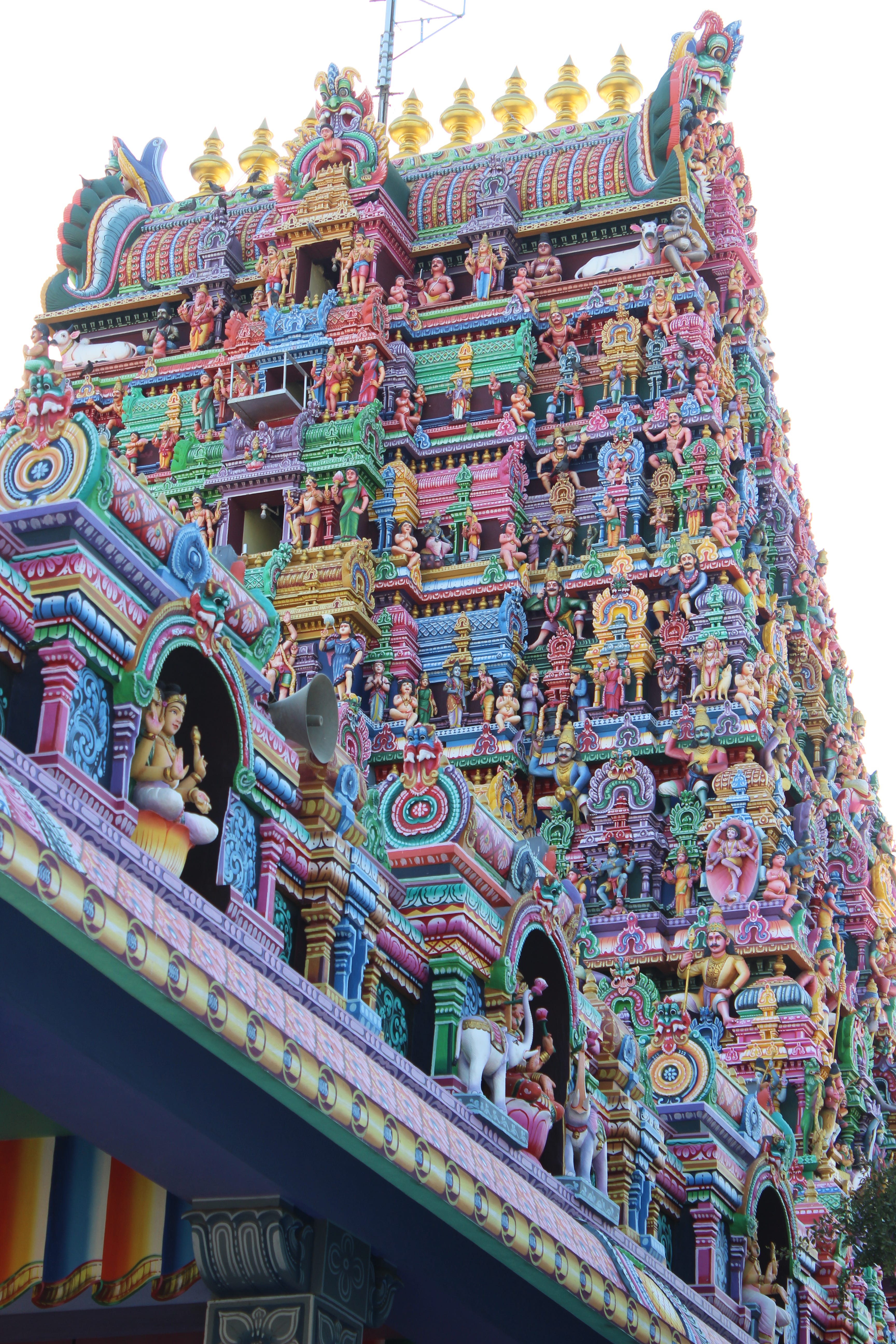
The temple complex is well-maintained, and the peaceful atmosphere makes it conducive to meditation and spiritual contemplation. The natural setting, with the hill behind and open spaces around, adds to the serene environment.
Worship, Rituals, and Festivals
The Pillaiyarpatti temple follows traditional Tamil Shaivite worship protocols, with rituals performed according to agamic scriptures (ancient temple manuals). The daily worship schedule and annual festivals draw thousands of devotees.
Daily Worship Schedule
The temple opens early in the morning, typically around 6:00 AM, and remains open until 8:00 PM, with a break in the afternoon. Each day includes several ritual services (pujas) at specific times:
- Kaalasandhi Puja: Morning worship at dawn, when the deity is awakened and offered prayers.
- Uchikala Puja: Midday worship, typically around 12:00 PM, when the deity is offered a sacred meal.
- Sayaratchai Puja: Evening worship, around 6:00 PM, with lamps and incense.
- Arthajama Puja: Final worship of the day, around 8:00 PM, when the deity is put to rest.
Devotees can participate in these pujas and offer special worship such as Archana (chanting of the 108 names of Ganesha), Abhishekam (sacred bath of the deity with various substances including milk, honey, and sandal paste), and Modaka offering (Ganesha's favorite sweet).
Major Festivals
The temple celebrates several festivals with great fervor, attracting devotees from across Tamil Nadu and beyond:
Vinayaka Chaturthi: This festival celebrating Ganesha's birthday, usually in August or September, is the most important festival at Pillaiyarpatti. The celebrations last for 10 days, during which the main deity is taken out in processions on different vahanas (sacred vehicles). The temple is beautifully decorated, and special pujas are performed throughout the festival.
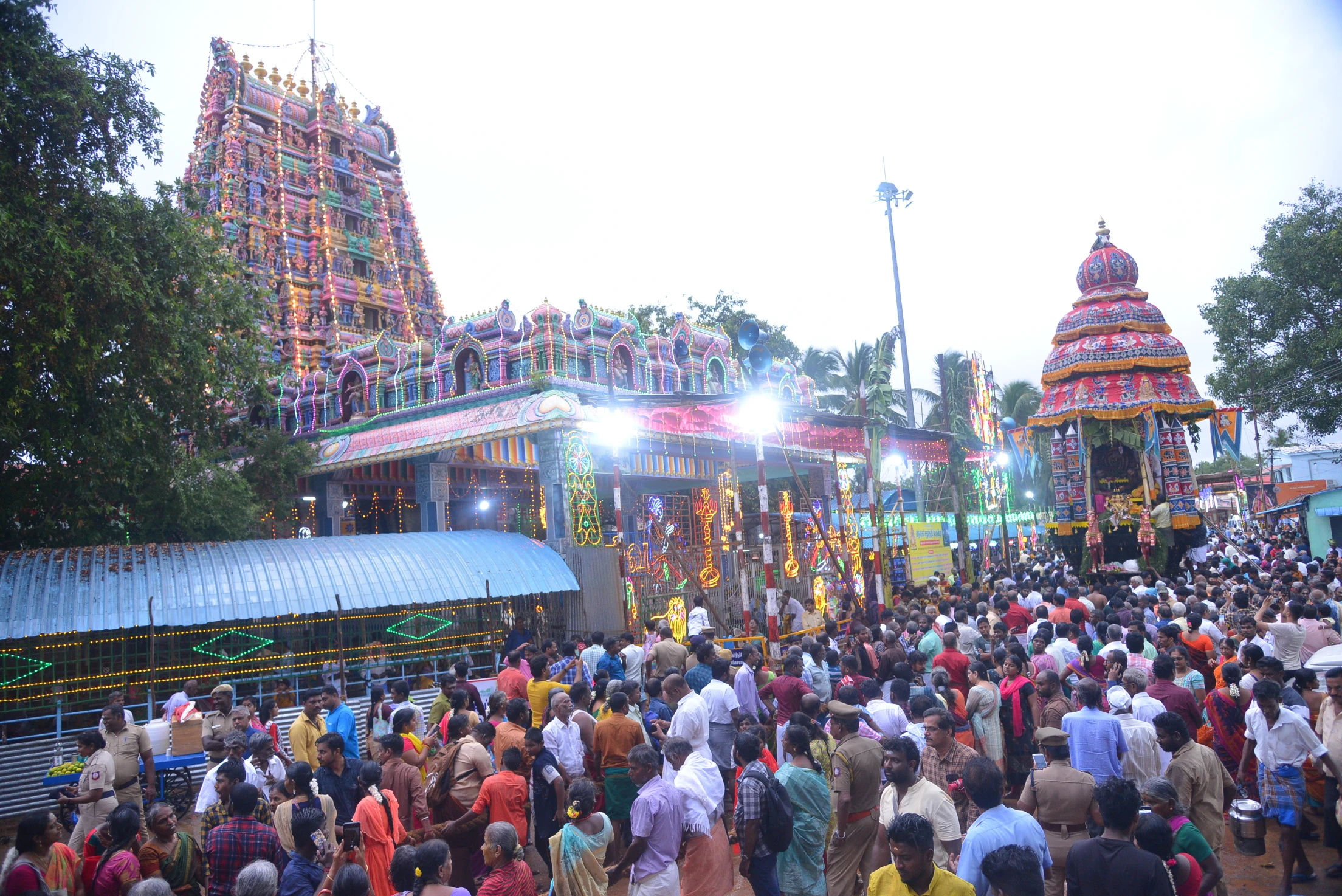
Brahmotsavam: Held annually, typically in the Tamil month of Panguni (March-April), this 10-day festival is the temple's most elaborate celebration. The festival includes processions of the deity on various vahanas including silver Simha (lion), silver Garuda (eagle), and the giant wooden temple chariot (rath).
Skanda Shasti: This six-day festival in the Tamil month of Aippasi (October-November) honors Lord Muruga (Ganesha's brother). Though primarily a Muruga festival, it's celebrated here with equal fervor, reflecting the inclusive nature of Tamil Shaivism.
Karthigai Deepam: During this festival of lights (November-December), the temple is illuminated with thousands of oil lamps, creating a spectacular sight. The lighting of the main lamp atop the temple is a special moment.
During festivals, the town of Pillaiyarpatti comes alive with devotional music, processions, and a festive atmosphere that contrasts with the usual peaceful ambiance. The elephant God is believed to be especially present and accessible during these sacred times.
Spiritual Significance and Beliefs
Devotees believe that Karpaga Vinayagar at Pillaiyarpatti is especially powerful for several reasons:
- Obstacle removal: As Ganesha's primary role is removing obstacles (Vighnesvara), prayers here are believed to be effective in clearing life's hurdles.
- Wish fulfillment: The name "Karpaga" refers to the wish-fulfilling tree, and devotees believe sincere prayers made here are granted.
- Marriage blessings: Many people pray here for removal of obstacles in marriage proposals and for happy married life.
- Education and career: Students and job-seekers often visit to seek Ganesha's blessings for success.
- Business prosperity: Business owners believe that worship here brings prosperity and removes business obstacles.
The temple is also considered significant from an astrological perspective. Many people visit to perform remedies for specific planetary afflictions (dosha nivarana), particularly those related to Ketu (the south lunar node), which is believed to be influenced by Ganesha worship.
Best Time to Visit Pillaiyarpatti
The temple is open year-round, but different times offer different experiences:
Festival Seasons (August-September and March-April)
The best time to experience the temple's full cultural and spiritual vibrancy is during Vinayaka Chaturthi (August-September) or Brahmotsavam (March-April). During these festivals, the temple is decorated beautifully, special rituals are performed, and the atmosphere is charged with devotion. However, these are also the busiest times, and the town can be crowded.
Winter (November to February)
November to February offers pleasant weather with temperatures ranging from 20°C to 30°C, making it comfortable for temple visits and exploring the region. The crowds are thinner than during festivals, allowing for a more peaceful darshan (viewing of the deity). This is an ideal time for those who prefer a quieter, more contemplative experience.
Summer (March to May)
Summer can be hot with temperatures reaching 38°C-40°C. However, the temple interior remains relatively cool due to the cave structure. Early morning visits (6-8 AM) are recommended during summer to avoid the midday heat. Carry water, wear a hat, and use sunscreen if visiting during the hottest part of the day.
Monsoon (October to December)
The northeast monsoon brings moderate rainfall to this region. The rain can make outdoor movement difficult, but the temple complex has covered areas. The surrounding countryside looks lush and beautiful during monsoon, creating a pleasant atmosphere. Carry an umbrella or raincoat if visiting during this season.
How to Reach Pillaiyarpatti
By Air
The nearest airport is Madurai Airport (IXM), approximately 50 kilometers away. Madurai has connecting flights to Chennai, Bangalore, Mumbai, and other major Indian cities. From Madurai airport, hire a taxi or take a bus to Pillaiyarpatti (approximately 1-1.5 hours by road).
Alternatively, Tiruchirappalli (Trichy) Airport is about 90 kilometers away and also has good connections to major cities.
By Train
The nearest railway station is Karaikudi Junction, about 12 kilometers from Pillaiyarpatti. Karaikudi is connected to major Tamil Nadu cities including Chennai, Madurai, Trichy, and Rameshwaram.
- From Chennai: Several trains run to Karaikudi, including the Pallavan Express. Journey time is approximately 8-9 hours.
- From Madurai: Local trains and express trains connect Madurai to Karaikudi in about 2-3 hours.
From Karaikudi station, hire an auto-rickshaw (₹100-150) or taxi (₹300-400) to reach the temple. Local buses are also available but may be less convenient.
By Road
Pillaiyarpatti is well-connected by road to major towns in Tamil Nadu:
- From Madurai: Approximately 50 kilometers via NH85. The drive takes about 1-1.5 hours through the Tamil Nadu countryside.
- From Trichy: About 90 kilometers, 2-2.5 hours by road.
- From Chennai: Approximately 420 kilometers via NH45 and NH85. The journey takes about 7-8 hours.
- From Rameshwaram: About 110 kilometers, 2-3 hours by road – makes for a good combined pilgrimage.
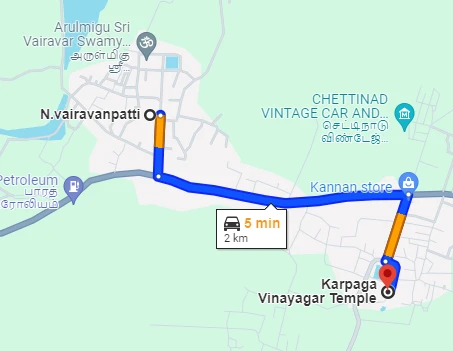
TNSTC buses connect Pillaiyarpatti to Madurai, Karaikudi, and other nearby towns. Private taxis and hired cars are available for those who prefer a more comfortable journey. The roads are generally in good condition, and the drive through rural Tamil Nadu is scenic, passing through farmland and small villages.
Nearby Attractions
If you're visiting Pillaiyarpatti, consider combining it with visits to other temples and attractions in the region:
- Karaikudi: The headquarters of the Chettinad region, known for its grand mansions, cuisine, and cultural heritage. About 12 km away.
- Madurai: Home to the famous Meenakshi Temple, one of India's greatest temple complexes. About 50 km away.
- Chettinad region: Explore the traditional Chettiar mansions and enjoy Chettinad cuisine in villages like Kanadukathan.
- Rameshwaram: The sacred temple town on Pamban Island, about 110 km away. One of the Char Dham pilgrimage sites.
- Tiruchirappalli (Trichy): Home to the Rock Fort Temple and other historical sites. About 90 km away.
Practical Tips for Visiting
Temple Etiquette
- Dress modestly: Wear conservative clothing covering shoulders and knees. Remove footwear before entering the temple.
- Photography: Photography may be restricted in certain areas. Check with temple authorities before taking photos inside the sanctum.
- Respect rituals: Maintain silence during pujas and rituals. Don't touch the deities or sacred objects.
- Offerings: You can purchase coconuts, bananas, or Modaka sweets as offerings from shops near the temple.
Accommodation
Pillaiyarpatti is a small town with limited accommodation options. Most visitors stay in Karaikudi (12 km away) or Madurai (50 km away), which have a better range of hotels:
- Karaikudi: Heritage hotels like The Bangala, mid-range hotels, and budget guesthouses.
- Madurai: Full range from luxury (Heritage Madurai) to budget hotels, located near the Meenakshi Temple.
Book in advance during festival seasons when accommodations fill up quickly.
Food
Traditional South Indian vegetarian food is available locally and in nearby towns. Try the local Chettinad cuisine if you're visiting Karaikudi – it's known for its aromatic spices and unique flavors. Temple prasadam (sacred food offering) is also distributed after puja and is considered especially blessed.
Best Time for Darshan
- Early morning (6:30-8:00 AM): Less crowded, peaceful atmosphere for darshan.
- Evening (6:00-7:30 PM): The temple is beautifully lit, creating a divine ambiance.
- Avoid: Festival days if you prefer fewer crowds, or specifically visit during festivals if you want to experience the celebrations.
Conclusion: Blessings of the Wish-Fulfilling Ganesha
The Pillaiyarpatti Ganesh Temple is more than just an ancient monument – it's a living spiritual center where devotion has flowed uninterrupted for over 1,400 years. The rock-cut image of Karpaga Vinayagar, revealed rather than created by human hands, carries a special sanctity that draws devotees seeking blessings, guidance, and the removal of obstacles from their lives.
What makes Pillaiyarpatti special is its combination of antiquity, unique architecture, and spiritual power. This is not a grand temple complex like those in nearby Madurai or Thanjavur, but a more intimate, accessible shrine where devotees feel personally connected to the deity. The cave setting, the ancient rock-cut idol, and the continuity of worship create an atmosphere that feels timeless – a place where the divine feels especially present.
For spiritual seekers, Pillaiyarpatti offers an opportunity to connect with one of Hinduism's most beloved deities in an ancient, powerful setting. For students of culture and history, it provides insights into Tamil Nadu's rich temple heritage and the evolution of religious practices over centuries. And for anyone seeking peace and blessings, the temple offers a serene space for prayer and contemplation.
The temple is easily combined with visits to Madurai's Meenakshi Temple, Rameshwaram, or the temples of neighboring Karnataka, making it part of a comprehensive South Indian temple circuit. Whether you're a devout Hindu seeking Ganesha's blessings or a traveler interested in India's spiritual heritage, Pillaiyarpatti offers an authentic, profound experience that connects you to over a millennium of continuous devotion.
So come to Pillaiyarpatti with an open heart and sincere prayers. Let the ancient rock walls echo your petitions. Let the two-armed Ganesha, who has granted wishes for fourteen centuries, hear your call. And may you leave with obstacles removed and blessings received – just as countless devotees have before you.
Location
Frequently Asked Questions
Q1.What is special about Pillaiyarpatti Ganesh Temple?
Q2.What is the history of Pillaiyarpatti temple?
Q3.Where is Pillaiyarpatti Ganesh Temple located?
Q4.What are the temple timings of Pillaiyarpatti?
Q5.How to reach Pillaiyarpatti from Madurai?
Q6.Which festival is famous in Pillaiyarpatti temple?
Q7.What is the significance of Karpaga Vinayagar?
Q8.Is Pillaiyarpatti worth visiting?
Recommended For You

15 Oldest Temples in India: Ancient Architecture & Sacred Legacy
Explore 15 of the oldest temples in India with evidence-led timelines, architecture evolution, and practical heritage context for deeper temple travel planning.

Temples in Kerala: God's Own Country's Sacred Heritage
Explore sacred temples in Kerala. Discover Sabarimala, Guruvayur, Padmanabhaswamy & more with complete travel guide.

Temples in Thanjavur: The Great Living Chola Heritage
Explore Thanjavur's magnificent Brihadeeswara Temple & UNESCO-listed Chola temples. Discover architecture, history, rituals and travel guide.
Never Miss an Adventure
Get the latest trekking guides, travel tips, and exclusive offers delivered straight to your inbox.
