

Places to Visit Sivaganga: Top Attractions
Rohit Verma
February 16, 2026
Discover top places to visit in Sivaganga, including forts, palaces, and temples, with practical travel tips and planning details.
Nestled in the heartland of Tamil Nadu, Sivaganga district stands as a testament to the rich cultural heritage and architectural brilliance of South India. Often overlooked in favor of its more famous neighbor Madurai, Sivaganga offers travelers an authentic glimpse into Tamil Nadu's glorious past without the overwhelming tourist crowds. The district derives its name from the magnificent Sivaganga Fort, a structure that has witnessed centuries of history unfold within its walls.
What makes Sivaganga truly special is its incredible concentration of historical sites within a compact area. You can explore ancient forts that have withstood the test of time, visit temples whose architecture dates back to the Pandya dynasty, and walk through villages where traditional life continues unchanged. The district's proximity to Madurai – just 40 kilometers away – makes it an perfect addition to any South India itinerary, yet far fewer travelers make the journey here. While in the region, Madurai's famous Meenakshi Temple is definitely worth visiting for its magnificent architecture and spiritual significance. For those exploring Tamil Nadu more broadly, check out our comprehensive guide to places to visit in Tamil Nadu for a complete overview of the state's cultural treasures.
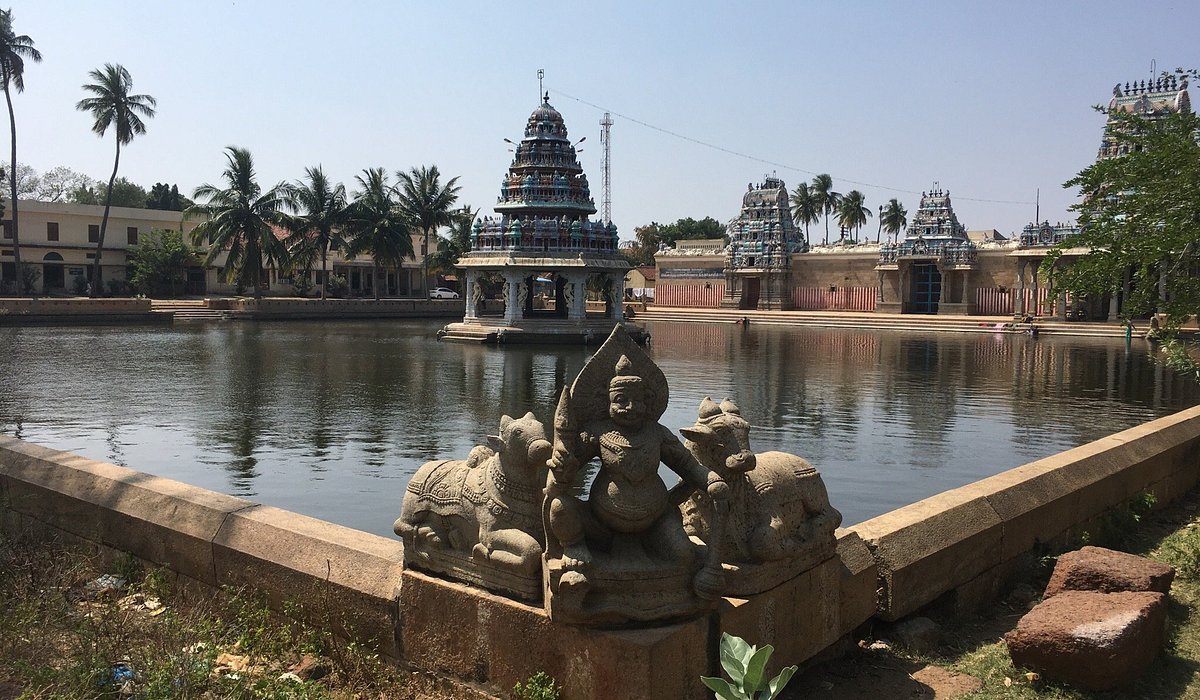
Sivaganga's landscape is characterized by fertile plains interspersed with rocky outcrops, creating a dramatic backdrop for its historical monuments. The region has been significant since ancient times, ruled successively by Pandyas, Nayaks, and later by the independent Sivaganga kingdom. Each dynasty left its mark, creating a rich tapestry of architectural styles that visitors can explore today.
The local culture of Sivaganga is deeply rooted in tradition. You'll encounter craftsmen practicing age-old arts, farmers using agricultural methods passed down through generations, and festivals celebrated with the same enthusiasm as they have been for centuries. The cuisine here reflects this authenticity – traditional Chettinad dishes prepared with spices ground fresh daily, served on banana leaves in the time-honored way.
Sivaganga Fort: The Crown Jewel
The majestic Sivaganga Fort stands as the district's most prominent attraction and for good reason. Built in the 18th century by Raja Sasivarna Periya Udaiya Thevar, this fort has witnessed some of the most significant events in Tamil Nadu's history. Its strategic location made it an important military outpost, while its impressive architecture made it a symbol of the Sivaganga kingdom's power and prestige.
The fort's architecture is a fascinating study in military engineering of its era. Constructed using granite blocks quarried from nearby hills, the walls stand tall and imposing even after centuries of weathering. The fort originally had four massive gates, each named after different directions and guarded by watchtowers. While time has taken its toll, the eastern gate still stands remarkably preserved, offering visitors a glimpse into the fort's former grandeur.
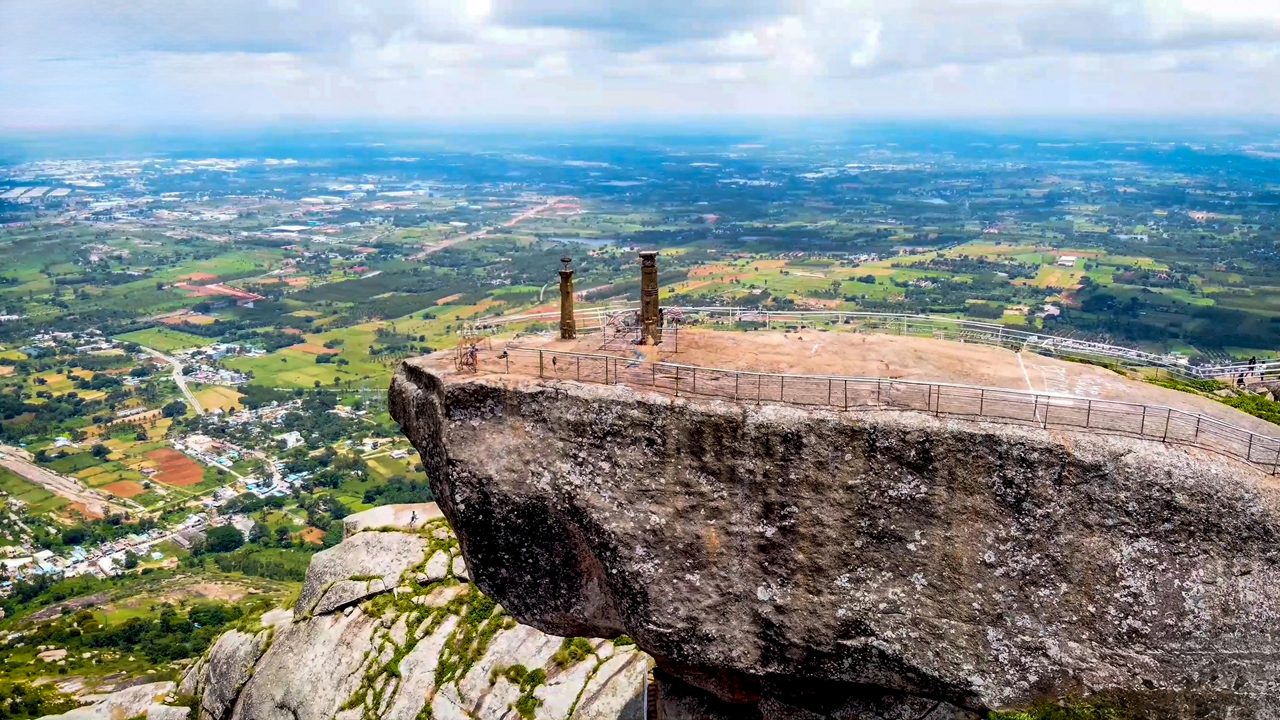
Inside the fort walls, visitors can explore several interesting structures. The royal palace, though largely in ruins, still hints at the opulence that once characterized life here. The walls feature beautiful carvings depicting scenes from Hindu mythology and courtly life. Don't miss the ancient temple dedicated to Lord Shiva that continues to be maintained by local priests despite the fort's changed status.
The fort's history is as captivating as its architecture. It was here that the famous Carnatic Wars played out, with the fort changing hands between different powers multiple times. The British East India Company eventually captured it in the early 19th century, marking the end of independent Sivaganga kingdom. Today, the fort stands as a protected monument under the Archaeological Survey of India, ensuring that future generations can continue to marvel at this testament to Tamil Nadu's rich history.
Photography enthusiasts will find plenty to capture at Sivaganga Fort. The golden hour light creates stunning effects on the granite walls, while the panoramic views from the fort's higher points offer sweeping vistas of the surrounding countryside. The fort is particularly beautiful during festivals, when it's decorated with lights and visited by thousands of devotees.
Rajagopalaswamy Temple: Spiritual Grandeur
The Rajagopalaswamy Temple in Sivaganga is one of the most important religious sites in the district and a magnificent example of Dravidian temple architecture. Dedicated to Lord Krishna in his form as Rajagopalaswamy, this temple draws devotees from across Tamil Nadu who come to seek blessings and marvel at its architectural beauty.
The temple's origins date back several centuries, though the current structure largely reflects the renovations undertaken during the Nayak period of the 16th and 17th centuries. The Nayak rulers, patrons of arts and architecture, transformed the temple into the masterpiece we see today. The towering gopuram (entrance tower) rises over 60 meters, adorned with intricate sculptures depicting various deities and mythological scenes.
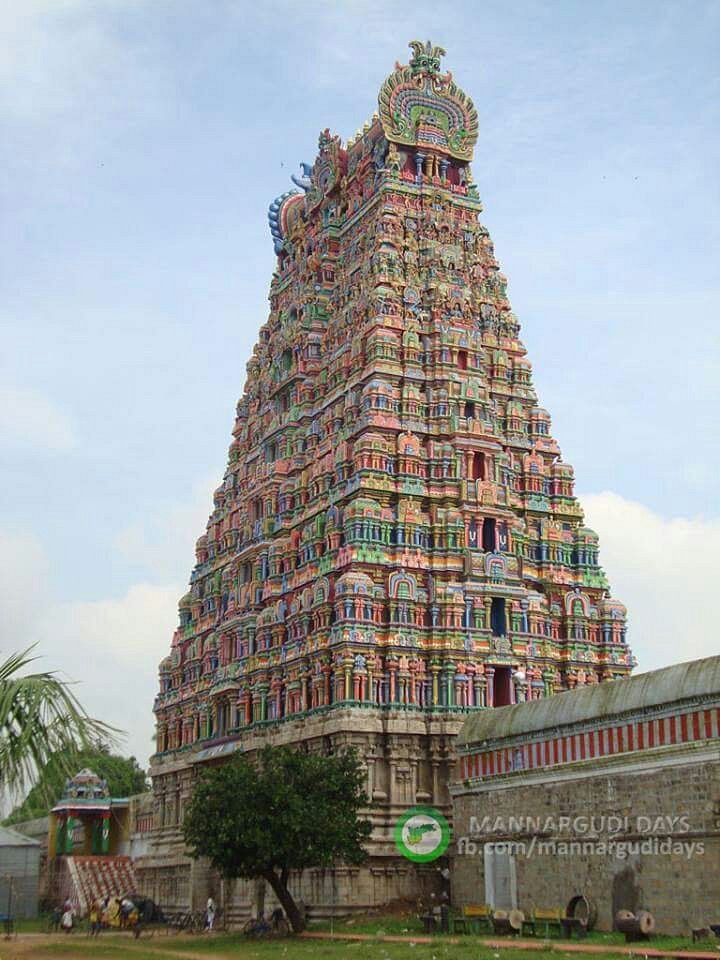
Inside the temple complex, visitors will find multiple mandapams (halls) each with unique architectural features. The main sanctum houses the principal deity of Lord Krishna, shown in his characteristic standing pose with a flute. The pillars throughout the complex feature some of the finest carvings you'll see in any Tamil Nadu temple – look closely for scenes from the Ramayana, Mahabharata, and Krishna's various leelas.
The temple comes alive during festivals, particularly during Krishna Jayanti and Brahmotsavam. These occasions see elaborate decorations, special poojas (rituals), and cultural performances including classical dance and music. The temple kitchen prepares traditional prasadam (sacred food) in enormous quantities, which is distributed to all devotees regardless of their social or economic status.
Visitors should note the dress code maintained here, as in most Tamil Nadu temples. Men are expected to wear dhotis or trousers, while women should wear sarees or salwar suits with covered shoulders and knees. Photography inside the sanctum is prohibited, though the outer areas offer plenty of opportunities to capture the temple's beauty without causing offense.
Kallal Temple: Devotional Heritage
The temple at Kallal, though smaller than Sivaganga's major temples, holds significant religious importance for local communities. This ancient shrine is dedicated to a form of Lord Shiva and has been a center of worship for several centuries. The temple's architecture, while more modest than some of its grander neighbors, exhibits the classic features that make Tamil Nadu temples so distinctive.
What makes Kallal Temple special is its serene atmosphere and the genuine devotion you'll encounter here. Unlike larger temples that can feel overwhelming with their crowds and commercial activity, Kallal maintains a peaceful, intimate feel that allows for deeper spiritual connection. The priests here are known for their hospitality and are happy to explain the temple's history and significance to interested visitors.
The temple's location adds to its charm. Set amidst green fields with gentle hills in the background, the approach to Kallal Temple is a beautiful walk in itself. During the morning hours, you'll see devotees making their way here, often carrying offerings of flowers, coconuts, and other traditional items. The temple tank (sacred pond) adjacent to the main structure is particularly peaceful, with lily flowers blooming during the right season.
Special poojas are conducted here on auspicious days in the Tamil calendar. If your visit coincides with one of these occasions, you'll witness the temple at its most vibrant, with special decorations, extended rituals, and a community atmosphere that's deeply moving. Even on ordinary days, however, the temple's regular poojas and the continuous chanting of mantras create an environment of profound tranquility.
Kalayar Kovil: Architectural Marvel
Kalayar Kovil, located a short drive from Sivaganga town, is perhaps the most architecturally significant temple in the entire district. This ancient Shiva temple dates back to the Pandya period and showcases some of the finest examples of early Dravidian temple architecture in existence. For architecture enthusiasts and history lovers, Kalayar Kovil alone makes a visit to Sivaganga worthwhile.
The temple's name is derived from the Tamil words 'kalai' (art) and 'ayyar' (master), reflecting the extraordinary craftsmanship displayed throughout its structure. Every square inch of the temple features some form of artistic expression – from the intricately carved pillars and the sculpted ceiling panels to the detailed reliefs on the outer walls and the magnificent vimana (tower above the sanctum).
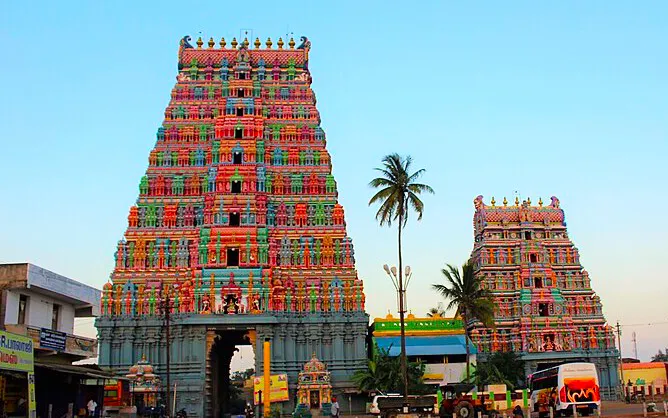
The main sanctum at Kalayar Kovil houses a powerful Shiva lingam that has been worshipped here for over a thousand years. What's particularly interesting is the temple's collection of sculptures depicting various forms of Shiva, each with its own iconographic significance. The temple also houses several subsidiary shrines dedicated to other deities, including Parvati, Ganesha, and Murugan, reflecting the inclusive nature of Hindu worship.
The historical significance of Kalayar Kovil extends beyond its religious importance. Inscriptions found here provide valuable information about the Pandya dynasty and the political and social conditions of the time. Archaeologists have studied these inscriptions extensively, and you can see some of the more significant ones displayed within the temple complex.
Visiting Kalayar Kovil requires some planning as it's not as easily accessible as some other temples in the district. The approach road can be challenging during the monsoon season. However, the journey is part of the experience, taking you through beautiful countryside and traditional villages. Consider hiring a local guide who can explain the temple's various architectural features and historical significance in detail.
Best Time to Visit Sivaganga
The timing of your visit to Sivaganga can significantly impact your experience. The district has distinct seasons, each offering different advantages for travelers. Understanding these patterns will help you plan the perfect trip.
October to February (Winter) is generally considered the best time to visit Sivaganga. The weather during these months is pleasant and comfortable, with temperatures ranging from 20-30°C during the day. This is the ideal time for exploring outdoor attractions like the Sivaganga Fort and walking through villages. The skies are generally clear, perfect for photography.
March to June (Summer) can be hot, with temperatures occasionally reaching 40°C. However, the temples remain open and their interiors provide respite from the heat. If you visit during summer, plan your outdoor activities for early morning or late afternoon, and spend the hottest hours exploring temples or enjoying the excellent air-conditioned facilities at better hotels.
July to September (Monsoon) sees moderate to heavy rainfall. The countryside turns lush green, creating beautiful scenery, but outdoor exploration can be challenging due to wet conditions. However, temple visits are particularly rewarding during this period – the rain-washed stone glows beautifully, and the temple tanks fill with water. This is also when you'll witness fewer tourists, making for a more intimate experience.
How to Reach Sivaganga
Sivaganga is well-connected by various modes of transportation, making it accessible from different parts of Tamil Nadu and neighboring states. Here's how you can reach this historical district.
By Air: The nearest airport is in Madurai, approximately 40 kilometers from Sivaganga. Madurai Airport has regular flights to major Indian cities including Chennai, Bangalore, and Mumbai. From the airport, you can hire a taxi to Sivaganga, which takes about an hour. The drive itself is pleasant, passing through the countryside that gives you your first glimpses of Tamil Nadu's rural beauty.
By Train: Sivaganga has its own railway station, though it's a smaller station with limited connectivity. Better options are Manamadurai Junction (15 km) or Madurai Junction (40 km), both of which are major railway stations with trains from across India. From either station, taxis and buses are readily available to complete the journey to Sivaganga.
By Road: Sivaganga is connected by excellent roads to major cities in Tamil Nadu. Regular state transport buses operate from Madurai, Trichy, and Chennai. The journey from Madurai takes about 45 minutes by bus, while Chennai is approximately 6-7 hours depending on traffic. Private taxis and self-driving are also good options, giving you flexibility to explore the district at your own pace.
Practical Travel Tips
Make the most of your visit to Sivaganga with these practical tips gathered from experienced travelers:
Start early when visiting temples. Most temples in Sivaganga, like those across Tamil Nadu, open early in the morning (around 6 AM) and this is when you'll experience them at their most peaceful. The morning light is also beautiful for photography, and you'll avoid the crowds that gather later in the day. Many temples close in the afternoon for a few hours, so checking the timings in advance will prevent disappointment.
Engage with the local community. Sivaganga's people are known for their hospitality and are generally happy to share their knowledge of the area with respectful visitors. Don't hesitate to ask locals about the best places to eat, hidden attractions, or insights into the district's culture. You might be invited to witness a family festival or get recommendations that you won't find in any guidebook.
Carry modest clothing, even if you're not specifically visiting temples. Sivaganga is a conservative district, and dressing modestly shows respect for local culture. For women, this means clothes that cover the shoulders and knees. For men, trousers or dhotis are appropriate. Having a scarf or shawl handy is also useful for temple visits and for protecting against the sun.
Plan your itinerary considering travel time between attractions. While Sivaganga district is compact, the attractions are spread out, and moving between them takes time. Don't try to cram too much into one day – instead, focus on quality over quantity. Spending half a day thoroughly exploring Sivaganga Fort is more rewarding than rushing through it to visit multiple sites superficially.
Finally, be patient and open to the slower pace of life here. Sivaganga is not a destination that reveals its treasures quickly. The best experiences often come from unplanned moments – watching a temple priest perform his rituals, sharing a meal with a local family, or simply sitting by the fort walls as the sun sets. Embrace the unhurried atmosphere, and you'll return with memories that are far more meaningful than any tourist checklist could provide. Before you go, browse the district's other temples in Sivaganga to round out your itinerary.
Location
Frequently Asked Questions
Q1.How many days are required to visit Sivaganga?
Q2.What is Sivaganga famous for?
Q3.Is Sivaganga worth visiting?
Q4.What are the top attractions in Sivaganga?
Q5.Is there an entry fee for Sivaganga Fort?
Q6.How far is Sivaganga from Madurai?
Q7.What is the best time to visit Sivaganga?
Q8.Are there good hotels in Sivaganga?
Recommended For You

Goa Gajah Temple Bali: History, Entry Fee & Visiting Hours
Discover Goa Gajah Temple Bali with history, key highlights, entry guidance, dress code tips, and nearby route planning.

Lotus Temple Delhi: Timings, Entry Rules & Best Visiting Hours
Lotus Temple Delhi complete visitor guide: FREE entry, timings (9 AM-5:30 PM winter, 9 AM-7 PM summer), nearest metro (Kalkaji Mandir), photography rules, dress code, meditation tips & best time to visit. Plan your peaceful retreat.

Uluwatu Temple Bali: Sunset Viewpoints, Kecak Show & Entry Tips
Visit Uluwatu Temple (Pura Luhur) perched on a 70m cliff in Bali. Complete guide to Kecak Fire Dance, sunset views, entrance fees, dress code, monkeys, and practical tips for this spectacular cliffside temple.
Never Miss an Adventure
Get the latest trekking guides, travel tips, and exclusive offers delivered straight to your inbox.
