
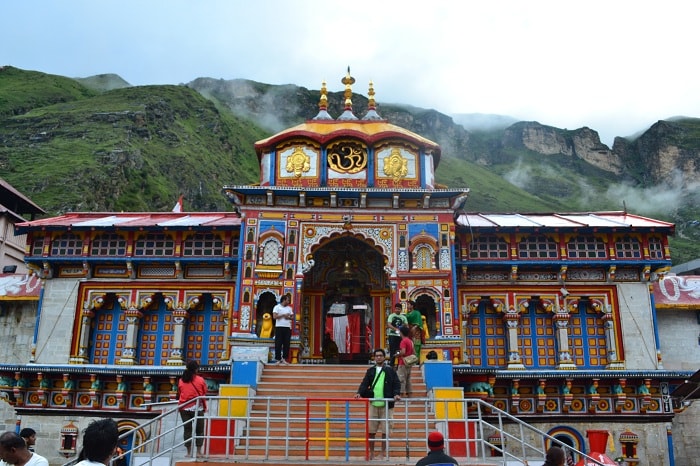
Temples in Uttarakhand: Sacred Routes, Seasons & High-Altitude Pilgrimage Tips

Rahul Garg
February 26, 2026
Plan Uttarakhand temple travel with practical guidance on mountain routes, weather windows, darshan timing, and high-altitude pilgrimage safety.
Why Uttarakhand Is India’s Most Powerful Mountain Pilgrimage Region
Temples in Uttarakhand combine sacred geography with demanding terrain, making pilgrimage here both spiritual and operationally complex. Unlike city-based temple circuits, many Himalayan shrines require weather-aware timing, altitude discipline, and route flexibility. This is why Uttarakhand temple travel must be planned with the same seriousness as mountain travel, even for short visits.
For practical route logic, align this guide with Char Dham Yatra, darshan specifics from Kedarnath Temple, seasonal access patterns in Badrinath Temple, and wider heritage context from Jageshwar Dham Temples. These references help structure both first-time and repeat pilgrim plans.
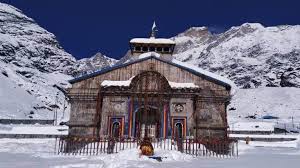
How Uttarakhand Temple Routes Differ from Plains Pilgrimage
In mountain pilgrimage, transport time is less predictable, and last-mile access can shift due to weather, road status, and local advisories. A route that seems short on maps may take much longer in practice. The key is to design buffers and avoid hard dependencies where one delay breaks the full itinerary.
Another important difference is energy pacing. Altitude, steep climbs, and cold conditions can affect even regular travelers. Pilgrimage success here is not only about devotion but also about physical discipline and realistic daily load.
Seasonal Planning: The Most Important Decision
Temple access in Uttarakhand follows seasonal windows. Peak months bring higher pilgrim volume and accommodation pressure, while shoulder periods may improve crowd conditions but still require weather vigilance. Monsoon introduces landslide and route-disruption risk in many corridors, so contingency planning becomes essential.
Always verify current route conditions from official local sources before departure. Avoid relying only on old itineraries or social media assumptions for high-altitude routes.
How to Build a Safe and Meaningful Temple Itinerary
Start with one anchor shrine and one support stop rather than attempting too many major temples in one stretch. Keep acclimatization and recovery windows, especially if you are arriving from sea-level cities. If your route includes trekking components, plan conservative timing and carry only necessary essentials.
A practical structure is: travel day, light-altitude day, main darshan day, and buffer day. This reduces stress and improves both safety and spiritual quality of the trip.
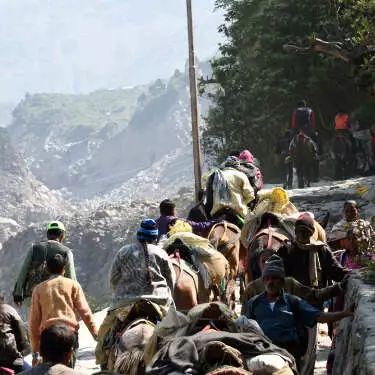
What to Carry for Uttarakhand Temple Travel
Carry layered clothing, rain protection, hydration support, basic medical kit, and identity documents ready at checkpoints. Keep footwear stable for uneven terrain. Even short temple trips can face sudden weather changes, so preparation should be practical and lightweight.
Avoid overpacking. A compact, weather-ready kit improves mobility and reduces fatigue during transfers and climbing sections.
Darshan Timing and Queue Reality in Mountain Shrines
Early starts are usually best for queue management and weather stability. Many pilgrims underestimate how quickly crowd density increases after morning windows. If special darshan options exist, evaluate based on your group profile, health conditions, and total day plan.
Do not force late returns in uncertain mountain weather. Reaching a temple is only one part of the journey; safe descent and transfer are equally important.
Cultural and Environmental Discipline
Respect local customs, avoid loud behavior, and maintain cleanliness in shrine zones and approach routes. Mountain temple ecosystems are fragile. Waste mismanagement and irresponsible crowd behavior affect both local communities and future pilgrims.
Travelers should choose operators and stays that follow local environmental rules. Responsible behavior protects the pilgrimage landscape itself.
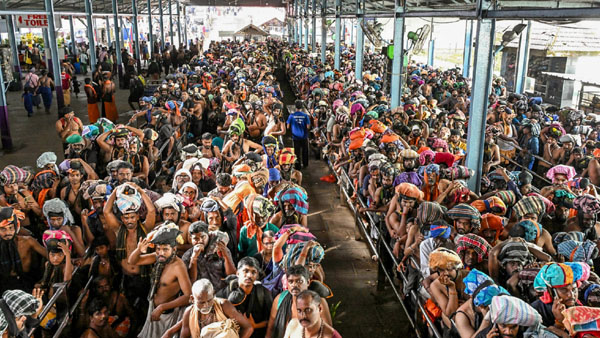
Common Mistakes to Avoid
The most common mistakes are overpacked schedules, no weather buffer, underestimating trek load, and ignoring early signs of fatigue or altitude stress. Another mistake is relying on one narrow transfer plan without alternatives. In Uttarakhand, backup planning is not optional.
Also avoid comparing your route speed with others. Each traveler’s acclimatization and mobility profile is different. Your safest pace is your correct pace.
Making the Pilgrimage Spiritually Deeper
Mountain temple travel becomes more meaningful when you combine darshan with reflective pacing. Keep time for silence, local stories, and gratitude practices instead of only route completion. A brief written reflection after each temple helps retain the spiritual impact of the journey.
In Uttarakhand, the landscape itself is part of the pilgrimage. If you travel with humility and preparation, the route can become as transformative as the temple visit.
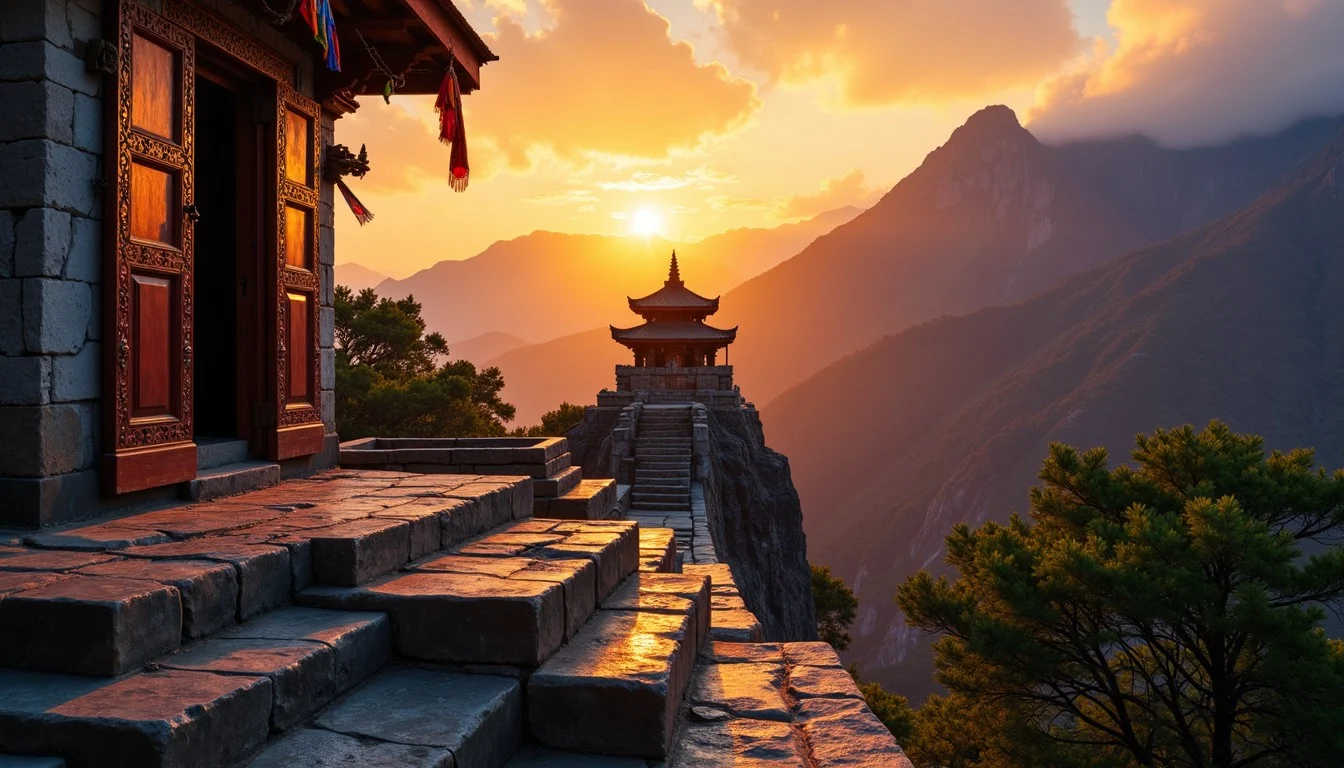
Altitude Awareness for Temple Pilgrims
Even when temple routes are motor-accessible for most segments, altitude exposure can still affect breathing rhythm, sleep quality, and physical energy. Pilgrims arriving from plains often underestimate this shift and plan tight schedules on day one. A safer model is to reduce exertion on arrival day, hydrate steadily, and keep high-effort movement for later after your body adjusts.
Watch for early fatigue signs and adjust pace immediately. Conservative pacing is not a delay; it is the most reliable way to complete darshan and return safely.
Transport Reliability and Buffer Planning
Mountain routes can face sudden interruptions due to weather, landslides, or traffic control measures. For this reason, every major shrine day should include timing buffer on both approach and return. Avoid fixed back-to-back bookings that leave no recovery margin. Flexible bookings and backup transport options significantly reduce stress.
If your route includes shared transport, keep clear communication on pickup points and departure times. In high-traffic windows, small coordination gaps can create large delays.
How to Keep the Journey Spiritually Focused
Pilgrimage quality often drops when logistics consume all attention. A useful method is to divide each day into three layers: operational tasks, temple focus window, and reflection block. During the temple focus window, avoid phone-heavy behavior and stay present in the ritual environment. During reflection, capture one clear learning from the day.
This method helps prevent the journey from becoming only a transport challenge and keeps spiritual intent central throughout the route.
Group Pilgrimage Coordination
Large groups should define simple roles before departure: one person for documents and permits, one for health and hydration checks, one for local coordination. Clear role distribution improves efficiency and reduces confusion during peak movement periods. Also keep daily decision points short and objective, especially when weather shifts require route adjustments.
In mountain pilgrimage, calm coordination is a safety tool. Teams that communicate clearly tend to complete routes with better morale and fewer avoidable risks.
Pre-Return Day Planning for Safer Completion
The final day of a mountain pilgrimage is often treated casually, but it needs equal attention. Keep departure timing conservative, verify road updates before checkout, and avoid unnecessary stop additions when weather is uncertain. A safe, timely return is part of successful pilgrimage completion, not a separate logistical task.
If your group is tired, reduce activity scope and prioritize smooth transit. Finishing strong with disciplined choices preserves both safety and spiritual satisfaction.
Keep emergency contacts, route alternatives, and essential medicines accessible until you fully exit mountain sections. This final discipline closes the pilgrimage responsibly.
Before final descent, recheck weather and road advisories one last time. This step protects return planning and avoids preventable delays near exit corridors.
Before leaving the region, review your itinerary notes and mark what timing assumptions were accurate and what changed in real conditions. This habit improves future mountain pilgrimage planning and helps your group make safer, clearer decisions on the next circuit.
Conclusion
Temples in Uttarakhand demand thoughtful planning, seasonal awareness, and physical discipline alongside devotion. Keep your itinerary realistic, prioritize safety buffers, and move with respect for mountain culture. With this approach, your journey becomes both spiritually strong and operationally safe.
Location
Frequently Asked Questions
Q1.Which months are best for Uttarakhand temple travel?
Q2.Is a buffer day necessary in mountain pilgrimage?
Q3.Can I combine multiple major shrines in one day?
Q4.What is the top safety priority?
Q5.Do I need special fitness for these routes?
Recommended For You
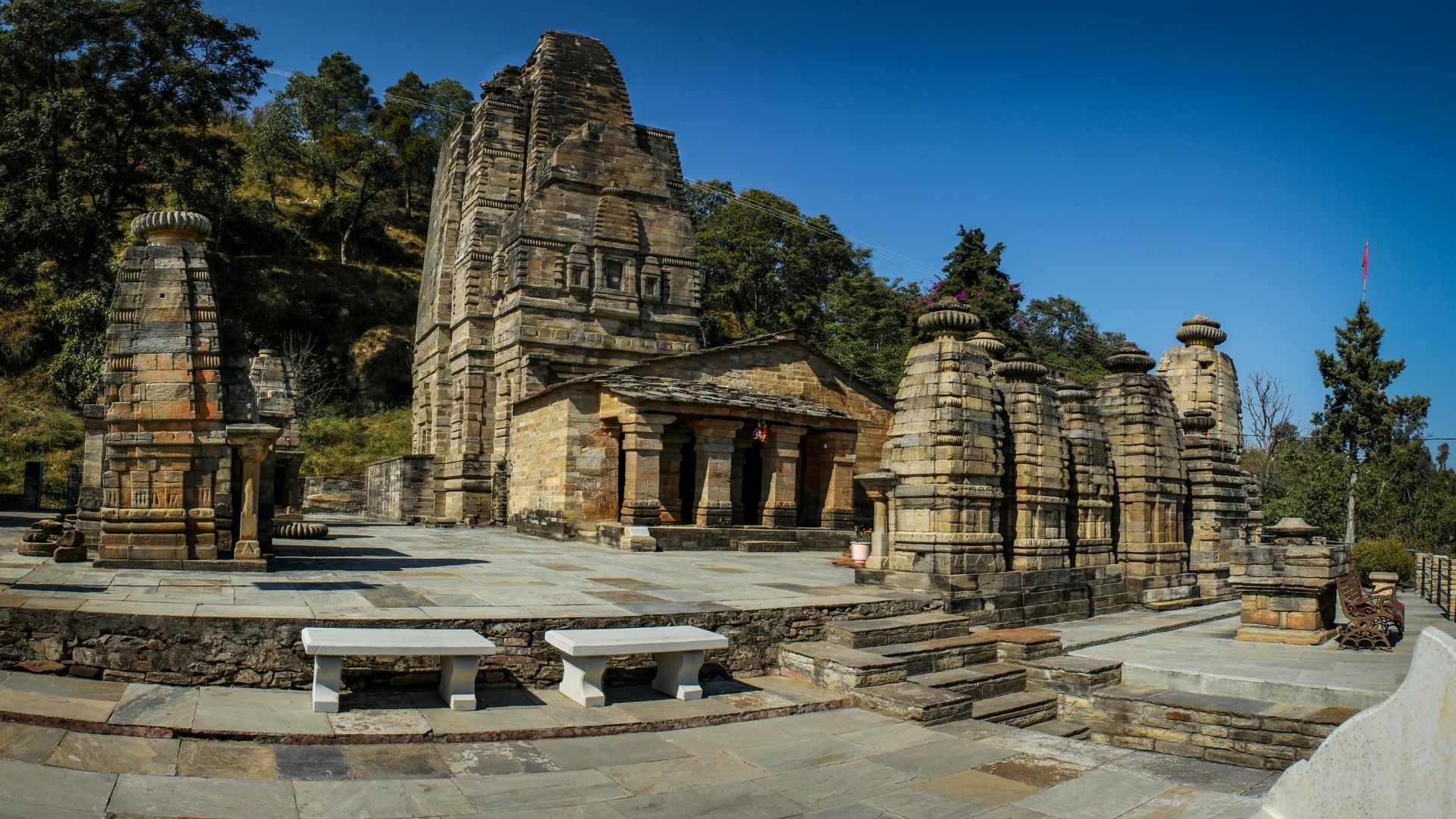
Katarmal Sun Temple: Route Map, Trek Details & Opening Hours
Plan your Katarmal Sun Temple visit with practical route tips, season guidance, transfer planning, and family-friendly Kumaon itinerary advice.
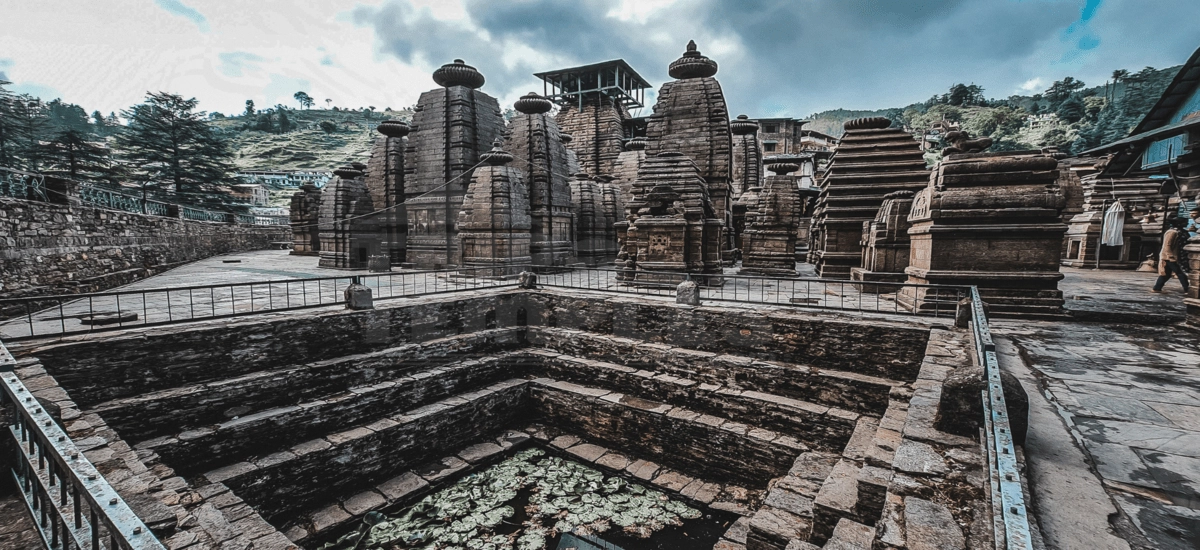
Jageshwar Dham Temples: Timings, Route Map & Pilgrimage Tips
Plan your Jageshwar Dham Temples visit with practical darshan timing, route options, stay tips, and Almora itinerary suggestions for a complete pilgrimage experience.
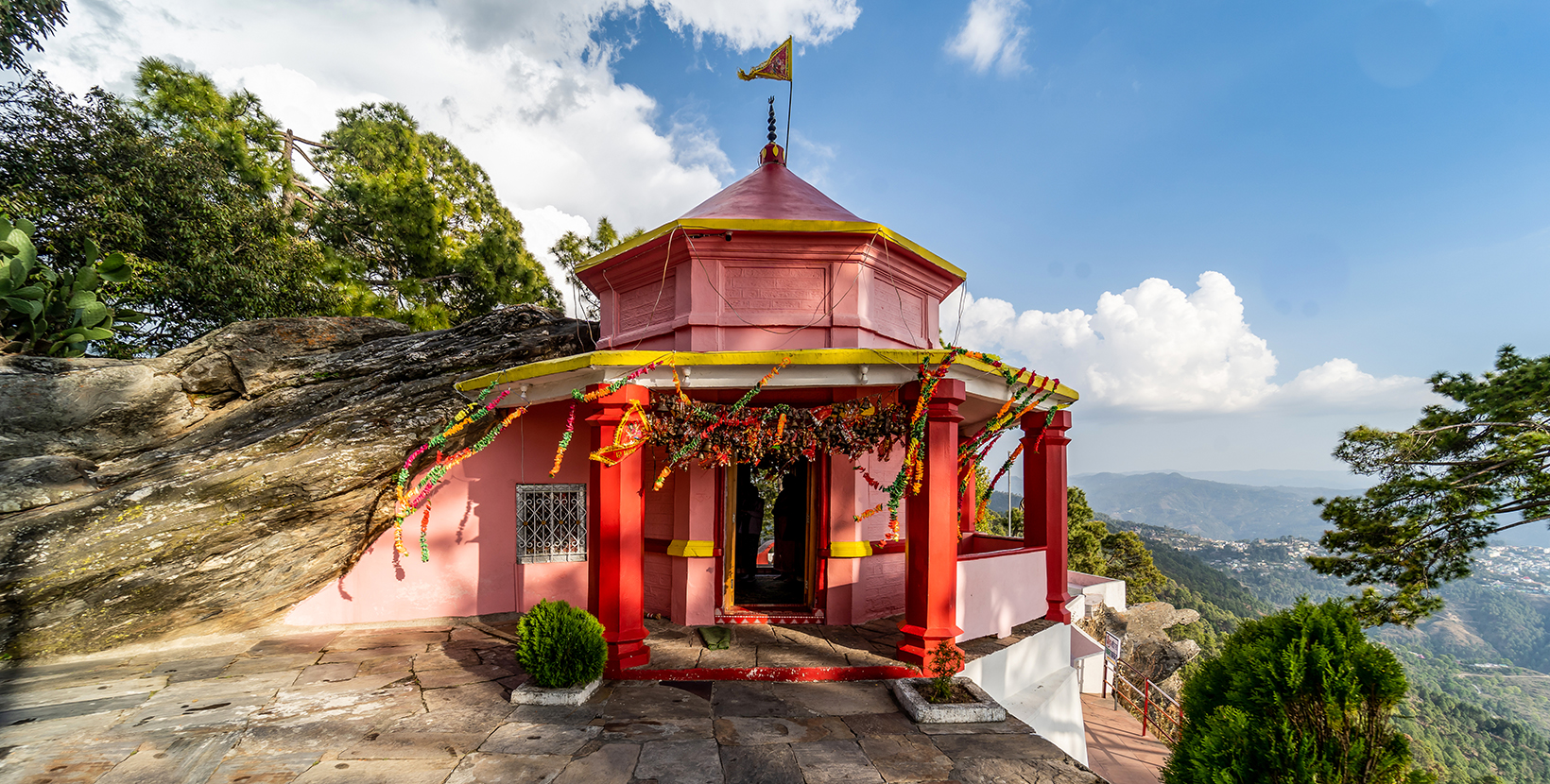
Kasar Devi Temple Almora: Timings, Route & Best Sunset View
Plan your Kasar Devi Temple Almora visit with practical timing advice, route options, nearby itinerary ideas, and first-time traveler tips.
Never Miss an Adventure
Get the latest trekking guides, travel tips, and exclusive offers delivered straight to your inbox.
