
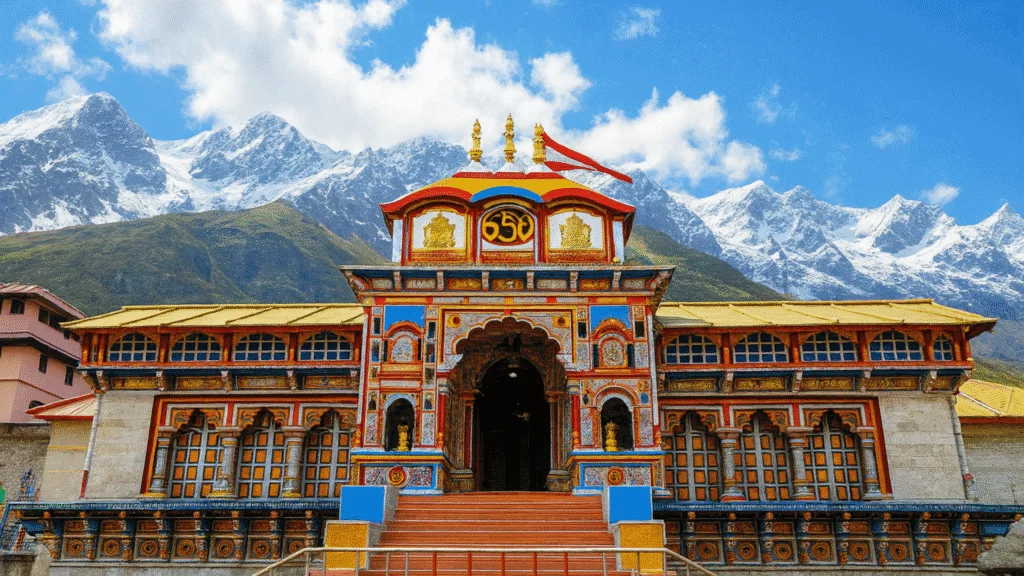
Badrinath Temple Guide: Darshan Planning, Route Strategy, Best Time, and Practical Tips

Rahul Garg
February 26, 2026
Plan Badrinath Temple better with seasonal timing, route pacing, darshan strategy, and health-focused pilgrimage logistics.
Introduction
Badrinath Temple is one of the most important pilgrimage sites in India and a core part of high-altitude spiritual travel in Uttarakhand. Many devotees plan with deep faith but insufficient route preparation, which can lead to fatigue, timing loss, and avoidable stress. A successful Badrinath trip requires both devotion and operations: weather-aware scheduling, realistic transit plans, stay placement, darshan timing, and health-conscious pacing at elevation. This guide focuses on practical execution so your yatra remains spiritually meaningful and physically manageable. If you are planning a broader circuit, start with Char Dham Yatra Uttarakhand context before finalizing your Badrinath segment.

Spiritual Significance of Badrinath
Badrinath is dedicated to Lord Vishnu and is revered as one of the holiest dham destinations for Hindu pilgrims. The temple’s location in the Himalayan setting adds a powerful sense of devotion and humility to the experience. For many devotees, the journey itself is as significant as the darshan, because it demands patience, discipline, and surrender. Pilgrims often include Badrinath as part of a larger spiritual sequence, while others complete it as a dedicated standalone yatra. In either case, respectful preparation is essential. A well-planned trip protects both health and spiritual focus.
Best Time to Visit Badrinath Temple
The temple is open seasonally, and the most active pilgrimage window is typically from late spring through autumn, depending on annual conditions and official opening/closing schedules. Because mountain weather can shift quickly, always verify current status before departure. Peak periods may bring larger crowds, slower movement, and tighter accommodation availability. Shoulder windows can offer relatively smoother darshan flow if weather remains stable. Whatever your travel month, keep at least one buffer day in the itinerary. In the Himalayas, conservative planning always outperforms rushed scheduling.
How to Reach Badrinath Practically
Most travelers approach Badrinath by road through mountain routes with staged halts. Long direct pushes are possible but usually reduce comfort and increase risk. A better method is to break the route into manageable segments, especially for families and senior pilgrims. Keep departure early, avoid late-night mountain arrivals, and maintain strict hydration and meal discipline during travel days. If your group also plans Kedarnath in the same yatra, understand route and exertion differences through Kedarnath Temple planning before locking your final order.

Accommodation and Halt Strategy
Stay selection should prioritize access, cleanliness, and predictable meal availability over luxury features. In pilgrimage routes, early check-in support and reliable hot water can matter more than aesthetics. Keep one overnight halt before final approach if your journey is long. This reduces exhaustion and improves darshan focus. During peak season, pre-book and reconfirm all stays. If your itinerary includes multiple dham points, do not assume flexible availability everywhere. Operational certainty is crucial in high-demand pilgrimage windows.
Darshan Planning and Temple Etiquette
Arrive with enough margin and avoid last-minute temple rush behavior. Keep clothing modest, movement disciplined, and instructions from temple management respected. Do not block flow for prolonged photos in sensitive zones. Maintain queue patience, especially during high-footfall hours. Pilgrimage quality comes from calm conduct, not speed. Families should define regroup points in advance to avoid confusion. Elderly travelers should be given slow, stable pacing and clear support at each step.
Health and Altitude Preparation
Badrinath sits in a high-altitude zone where weather and oxygen conditions differ from plains travel. Even short walks can feel demanding for some travelers. Carry essential medicines, stay hydrated, avoid overexertion, and keep warm layers ready regardless of daytime comfort. If you are combining multiple high-altitude points, do not overstack physically intense days. Listen to body signals and prioritize safety decisions over itinerary pressure. A spiritually successful journey always begins with responsible self-care.

Combining Badrinath with Wider Pilgrimage Circuit
Many devotees combine Badrinath with other routes under broader pilgrimage plans. If you are doing a multi-dham journey, keep transfer and recovery logic very clear. Study overall route design with Char Dham Yatra references and avoid copying aggressive itineraries that leave no buffer for weather or health changes. If Kedarnath is included, compare approach effort using how to reach Kedarnath guidance to avoid underestimating time and stamina requirements. Route realism protects the sacred intent of the journey.
Food and Daily Energy Management
Pilgrimage days can become long and physically demanding, especially with early starts and variable weather. Keep meals simple and regular. Avoid long fasting windows during heavy movement unless medically and physically suitable for you. Carry light snacks, hydration support, and warm beverages where possible. For seniors and children, fixed meal timing is especially important. Stable energy supports calm behavior, better queue tolerance, and safer movement in mountain settings.
Common Mistakes to Avoid
Frequent mistakes include overcompressed schedules, late mountain driving, no buffer day, poor clothing preparation, and inadequate acclimatization awareness. Another major issue is planning by social-media timelines that ignore real road and weather constraints. Some groups also skip stay reconfirmation and face avoidable check-in problems. Avoid these by keeping conservative daily targets and verifying logistics one day in advance. A disciplined plan gives a far better spiritual and practical experience.

Sample 4-Day Practical Framework
Day 1: mountain approach with planned halt. Day 2: final transfer, darshan, and controlled rest. Day 3: optional local spiritual session and return-stage movement. Day 4: buffer and onward travel. This framework is safer and more sustainable than aggressive rapid loops. If your route includes additional dham points, add more buffers rather than removing rest windows.
Elder-Friendly and Group-Friendly Planning
For groups with elderly pilgrims, prioritize shorter daily travel targets, stable sleep schedules, and early darshan windows where possible. Keep stair load and walking distance conservative, and avoid rapid altitude jumps without rest. Assign one person to coordinate medicines, documents, and timing updates. This reduces confusion and ensures every member feels supported through each stage of the yatra.
Emergency and Contingency Preparedness
Mountain pilgrimage travel should always include a contingency plan. Keep emergency contacts offline, identify nearest medical points on route, and carry basic power backup for communication. Weather or traffic disruptions are part of Himalayan travel reality, so mental preparedness matters as much as physical preparation. A resilient plan with backup options protects both safety and spiritual calm when conditions change unexpectedly.
Documentation and Permit Readiness
Keep identity proofs, booking confirmations, and emergency contacts organized in both printed and digital form. Network issues and route delays are common in mountain sectors, so offline-ready documents reduce stress at checkpoints and stays. Group leaders should maintain one consolidated file and one backup copy on phone.
Pilgrimage Mindset and Pace
The Badrinath journey is most meaningful when pilgrims maintain calm, patience, and gratitude through each stage of travel. Delays and weather shifts are part of Himalayan pilgrimage reality. Accepting that pace helps preserve spiritual focus and prevents frustration-driven mistakes in route decisions. A steady mindset keeps the yatra both safe and spiritually centered.
Conclusion
Badrinath Temple yatra is best experienced through devotion supported by practical planning. Respect seasonal realities, keep route pacing disciplined, and maintain health-focused travel behavior. With that approach, your visit becomes spiritually fulfilling, safer, and far more stable from departure to return. Careful preparation allows pilgrims to focus on devotion instead of avoidable route stress during high-altitude mountain travel days with better confidence and emotional steadiness throughout demanding pilgrimage transitions safely.
Location
Frequently Asked Questions
Q1.When is Badrinath Temple open for darshan?
Q2.Can Badrinath be combined with Kedarnath in one trip?
Q3.How should first-time pilgrims prepare for Badrinath?
Q4.How do I reach Badrinath Temple from Rishikesh?
Q5.Is there an age or health restriction for visiting Badrinath?
Q6.What is the significance of the Tapt Kund hot springs near the temple?
Recommended For You
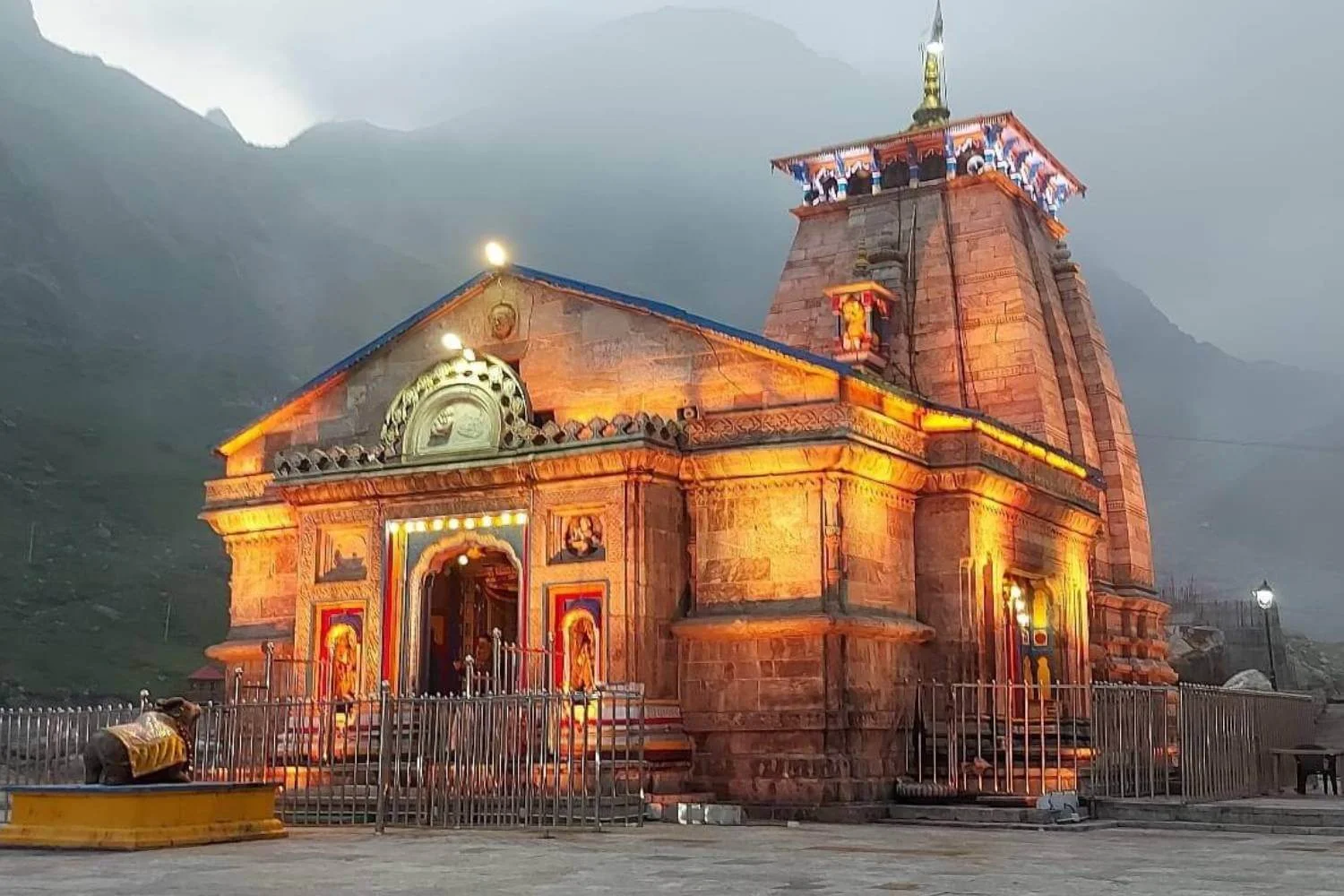
Kedarnath Dham History: Temple Origins, Legends & Reconstruction Timeline
Discover the fascinating history of Kedarnath Dham - from Pandavas legend to Adi Shankaracharya's revival, architectural marvel, and miraculous survival through natural disasters including the 2013 floods.
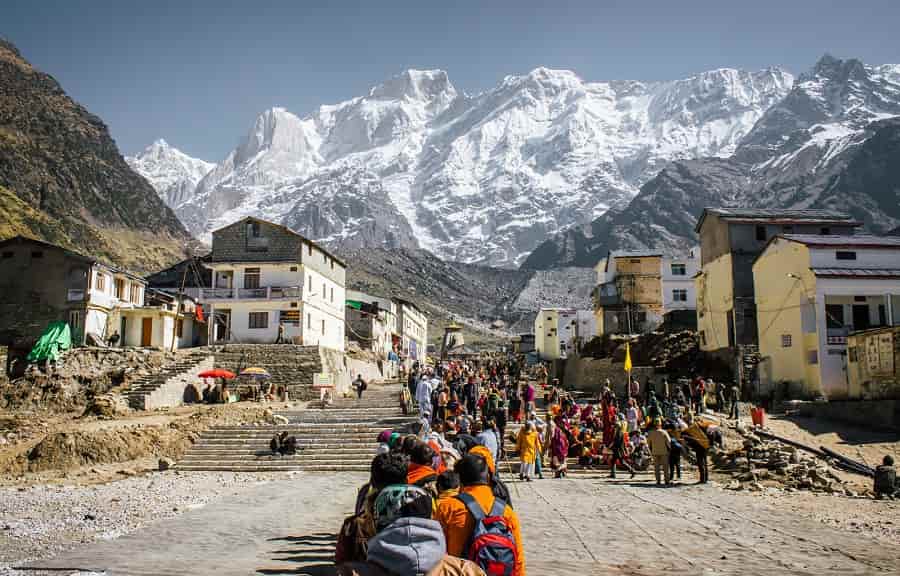
How to Reach Kedarnath: Registration, Route & Trek Information
Plan how to reach Kedarnath with route stages, trek preparation, seasonal timing, and practical safety guidance.
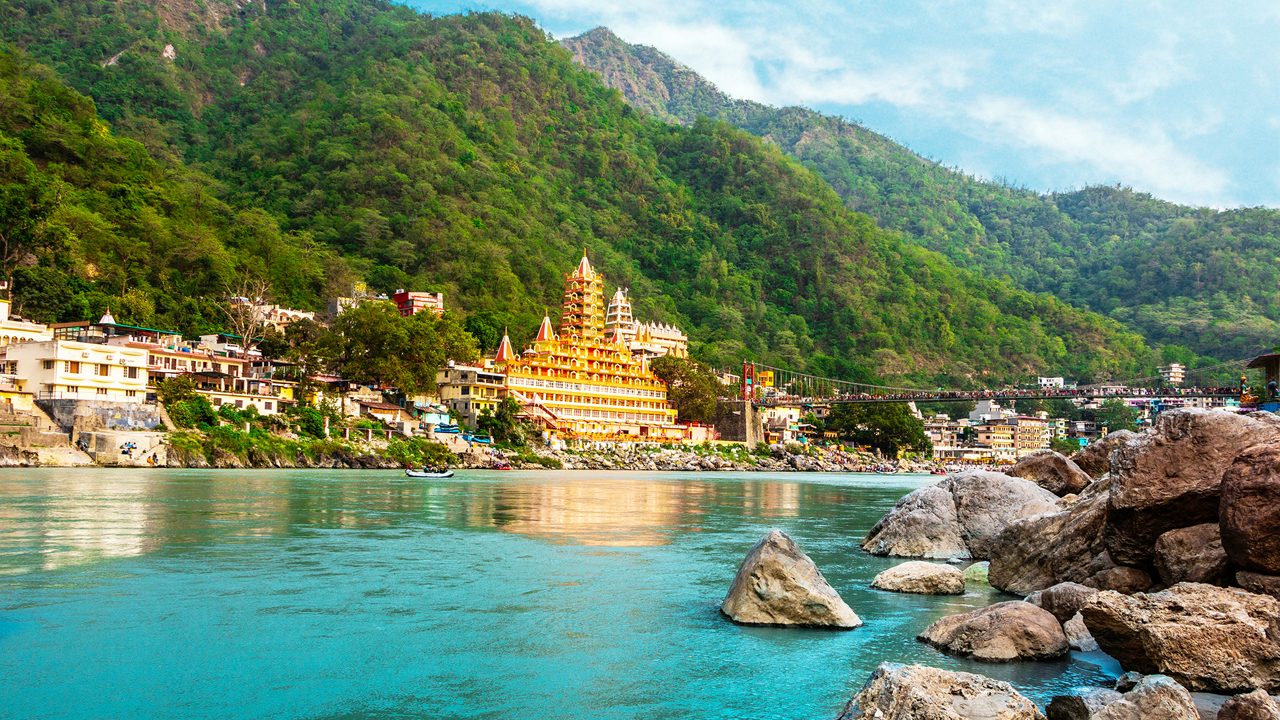
Rishikesh: Complete Travel Plan Places And Weather
Complete Rishikesh travel guide featuring the Yoga Capital of the World with white water rafting, bungee jumping, ashrams, temples, best time to visit & practical tips.
Never Miss an Adventure
Get the latest trekking guides, travel tips, and exclusive offers delivered straight to your inbox.
