
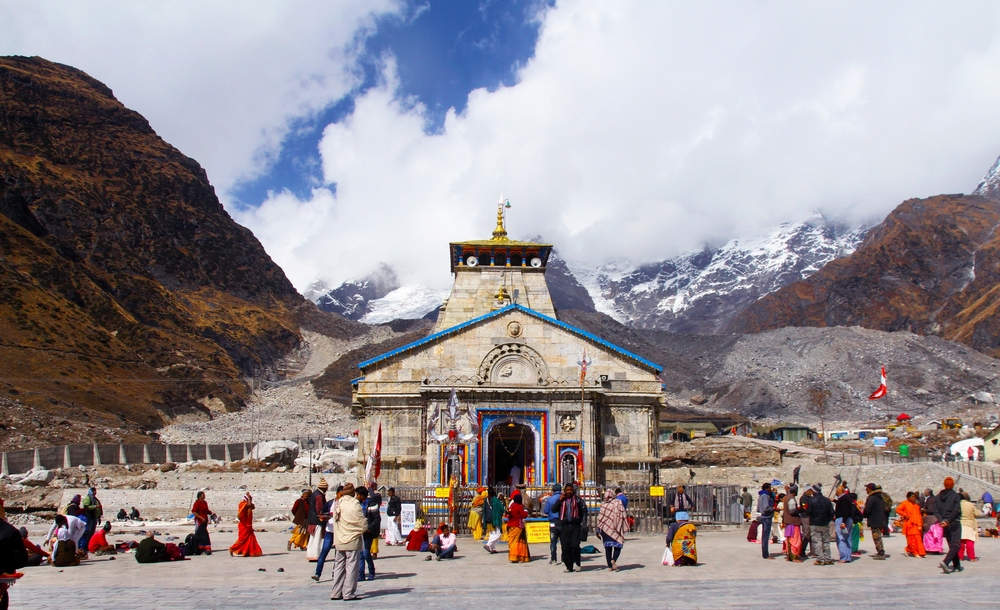
Kedarnath Temple Guide: Yatra Planning, Route Execution, Health Prep, and Darshan Strategy

Rahul Garg
February 26, 2026
Plan Kedarnath Temple yatra with route clarity, health discipline, and practical darshan timing for a safer pilgrimage.
Introduction
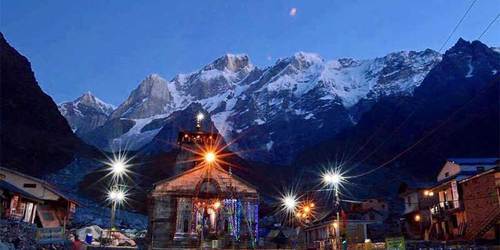
Kedarnath Temple is one of India's most significant high-altitude pilgrimage destinations, and a spiritually powerful journey for devotees across the country. But beyond devotion, Kedarnath requires serious logistics: route staging, weather-aware planning, health discipline, and practical decision-making in mountain conditions. Many yatras become unnecessarily stressful due to poor pacing or incomplete preparation. This guide is designed to help you execute a safe, meaningful Kedarnath trip with clear structure, whether you are traveling solo, with family, or as part of a group.
Spiritual Significance of Kedarnath
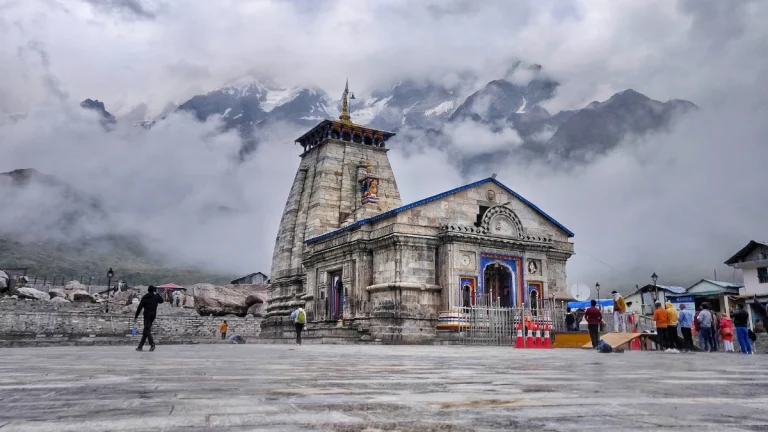
Kedarnath is one of the twelve Jyotirlingas and holds deep devotional importance in Shaivite tradition. For pilgrims, the yatra is both a spiritual and physical discipline. The journey itself becomes part of the prayer experience, requiring patience, endurance, and humility. A meaningful Kedarnath visit balances bhakti with practical readiness so you can focus on devotion rather than avoidable route stress.
Best Time and Seasonal Planning
Kedarnath operates seasonally, and weather windows must be respected. Mountain conditions can shift quickly, so always keep official updates in check before departure. Crowded periods offer strong devotional atmosphere but also require tighter booking discipline. Shoulder windows may provide smoother movement when weather permits. In all cases, keep buffer days to absorb uncertainty.
How to Reach Kedarnath Practically
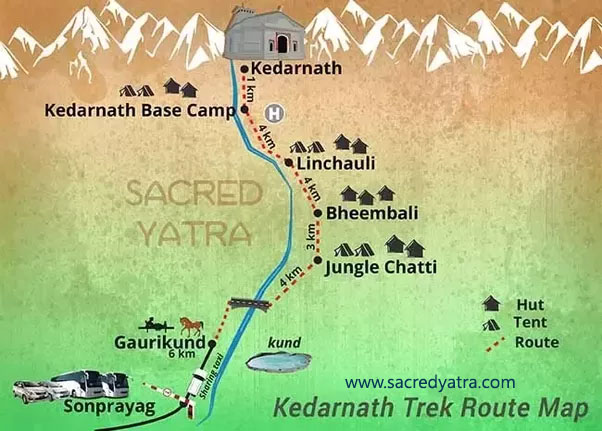
The route typically involves staged movement through Uttarakhand mountain corridors and onward ascent from base points. A rushed point-to-point plan usually fails in real conditions. Keep transport segments realistic and avoid late-night mountain arrivals. For route detail and approach choices, align with how to reach Kedarnath planning and build day-level buffers.
Trekking and Physical Readiness
Kedarnath requires physical readiness even for spiritually motivated travelers who are not regular trekkers. Begin conditioning early with walking, stair sessions, and breath control routines. Keep pace conservative and avoid ego-driven speed on ascent. Hydration and regular nutrition are essential to maintain stable energy in high terrain. Sustainable pacing protects both health and devotional focus.
Health, Altitude, and Safety Discipline
High-altitude exposure can affect even fit travelers. Watch for headache, nausea, unusual fatigue, and breath discomfort. Report symptoms early and avoid pushing through warning signs. Carry essential medicines, warm layers, and weather protection. If your itinerary includes additional high points, compare exertion with Badrinath Temple pacing and keep adequate recovery spacing between major yatra segments.
Accommodation and Stay Strategy
Stay planning should prioritize practicality over aesthetics: reliable meal access, early departure support, and predictable check-in behavior. Confirm bookings in advance and keep backups where possible in high season. For group travel, define room and timing allocation clearly to reduce confusion after long movement days.
Darshan Planning and Temple Etiquette
Arrive with enough margin and maintain respectful behavior in queue and temple zones. Keep clothing modest and instructions from temple authorities followed strictly. Do not create bottlenecks in sensitive worship spaces. A calm and disciplined darshan approach improves experience for everyone and reflects yatra values.
How to Combine Kedarnath with Broader Pilgrimage
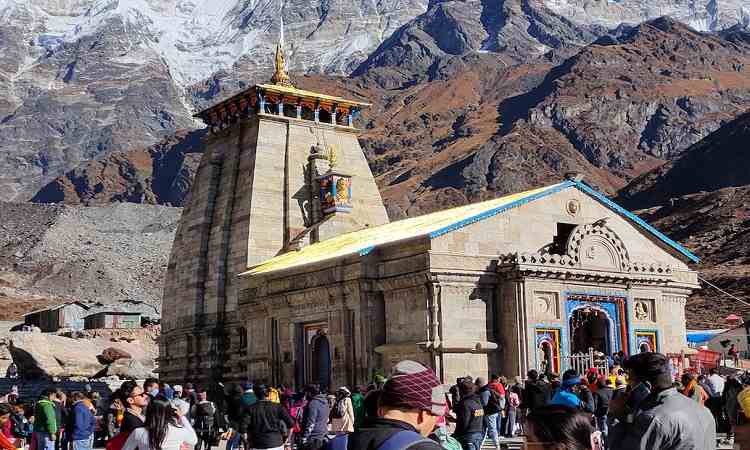
Many pilgrims integrate Kedarnath into a larger spiritual journey. If you are combining routes, use conservative sequencing and avoid tight transitions. Align your wider framework with Char Dham Yatra Uttarakhand and keep one recovery day after demanding segments. Practical sequencing preserves both safety and devotion quality.
Food, Energy, and Recovery
Keep meals simple and regular. Long fasting windows during high physical effort can reduce stability unless carefully managed and physically suitable. Carry quick energy support and hydration essentials. After each major movement block, prioritize rest, warmth, and sleep recovery. Next-day performance depends heavily on evening recovery quality.
Common Mistakes to Avoid
Frequent mistakes include overcompressed itineraries, poor acclimatization awareness, late starts, and no weather contingency. Another issue is copying aggressive social-media plans with no group-specific adaptation. Correct these by reducing daily load and preserving decision flexibility. Kedarnath rewards disciplined planning over speed.
Practical 4-Day Yatra Template
Day 1: mountain approach with staged halt. Day 2: controlled ascent and recovery. Day 3: darshan and stabilized descent planning. Day 4: buffer and onward route. This template is safer and more realistic than compressed plans, especially for mixed-age groups.
Pre-Yatra Medical and Documentation Readiness
Before departure, complete a practical readiness check: health baseline, prescribed medicines, emergency contacts, and necessary identity and booking documents. Keep both digital and printed copies where possible. If traveling with elders, prepare a clear medical information sheet that includes regular medication timing. These small preparations reduce uncertainty and help you make faster decisions if conditions change on route.
Pacing Rules for Mixed-Age Groups
Group yatra pacing should be set by the slowest stable member, not the fastest. Keep regroup points frequent and avoid pressure-based movement. Assign one person to track hydration and one person to track timings. Group discipline reduces stress and helps everyone complete the journey with dignity and safety. This is especially important when weather changes shorten usable movement windows.
Weather Buffer and Decision Hierarchy
Mountain weather can shift rapidly, so keep one explicit decision hierarchy: safety first, health second, timing third. If weather deteriorates, prioritize controlled pause or retreat over aggressive continuation. A delayed darshan is better than a risky push. Clear hierarchy prevents emotional decisions and supports safer group behavior in high-altitude pilgrimage zones.
Post-Darshan Recovery Planning
After darshan, do not immediately force heavy movement if your group is fatigued. Use short recovery windows, warm fluids, and stable meal intake before onward transitions. Many pilgrimage issues occur after the main objective because energy is low and planning becomes casual. A disciplined post-darshan routine keeps return movement safer and more comfortable.
Mindset for a Safer Yatra
Kedarnath planning is strongest when pilgrims treat the journey as a disciplined process rather than a speed challenge. Delays, route changes, and weather pauses are common in mountain pilgrimage. Accepting this reality early helps maintain emotional stability and better decision-making under pressure. A calm mindset protects both health and spiritual intent.
Role of Daily Micro-Checks
Before each movement block, run a micro-check: weather, hydration level, group energy, route timing, and emergency contacts. These checks take only a few minutes but prevent many avoidable errors. Group leaders should repeat this routine consistently to reduce confusion and improve safety in dynamic mountain conditions.
How to End the Yatra Well
Do not treat completion as the last temple step only. A well-finished yatra includes safe descent, proper recovery, and stable onward travel planning. Ending with control keeps the pilgrimage meaningful from start to return and avoids unnecessary post-darshan risks.
Final Yatra Reminder
Prepare early, move steadily, and prioritize safety over schedule pressure. Kedarnath rewards disciplined pilgrims who respect mountain conditions and keep group coordination clear from start to return.
Small Group Rule
Assign one person for timing and one for health checks in every group. Clear roles prevent confusion and improve safety during changing mountain conditions.
Final Pilgrim Note
Steady pacing and weather respect are the two strongest safety habits in Kedarnath yatra.
Closing Reminder
Plan responsibly, stay patient, and prioritize safety throughout the journey.
Last Note
Keep pace calm and decisions practical.
Conclusion
Kedarnath Temple yatra is spiritually profound when supported by practical preparation and responsible mountain conduct. Build your route with buffers, respect health signals, and keep darshan behavior disciplined. With this approach, the journey remains safer, calmer, and truly aligned with the sacred intent of Kedarnath pilgrimage.
Location
Frequently Asked Questions
Q1.How many days should I keep for Kedarnath yatra?
Q2.Is Kedarnath difficult for first-time pilgrims?
Q3.What is the most important Kedarnath safety rule?
Q4.How do I reach Kedarnath Temple?
Q5.When does Kedarnath Temple open and close for the year?
Recommended For You
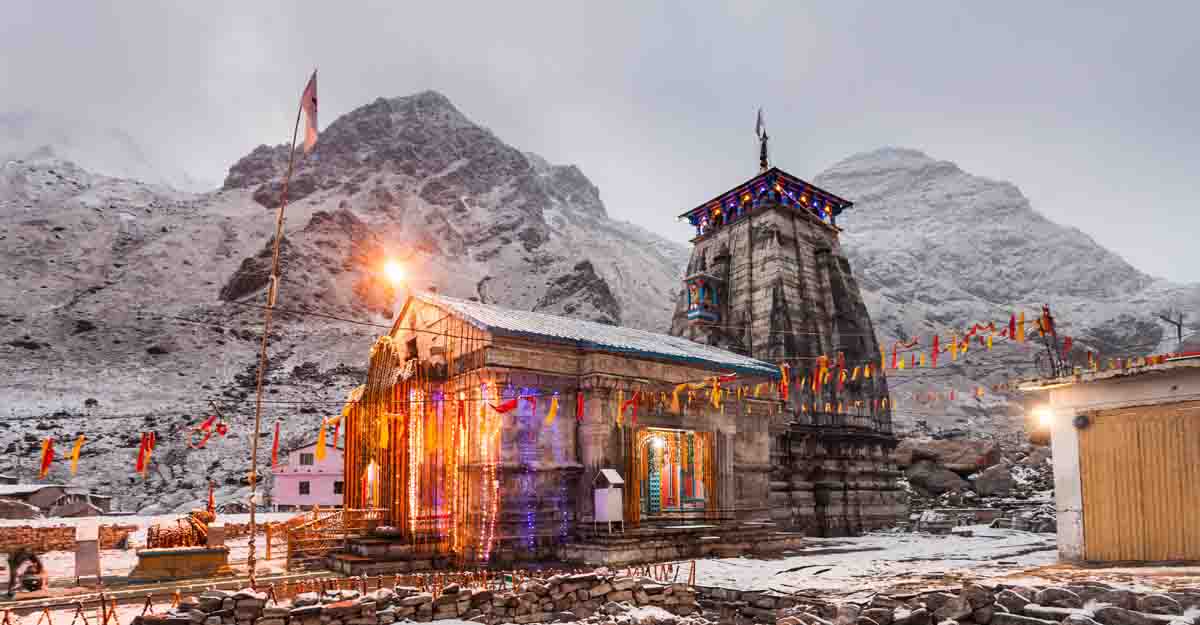
Char Dham Yatra Guide: Route, Itinerary, Season & Travel Tips
Plan Char Dham Yatra with practical route sequencing, day-wise templates, seasonal strategy, budget guidance, and safety-first pilgrimage preparation.
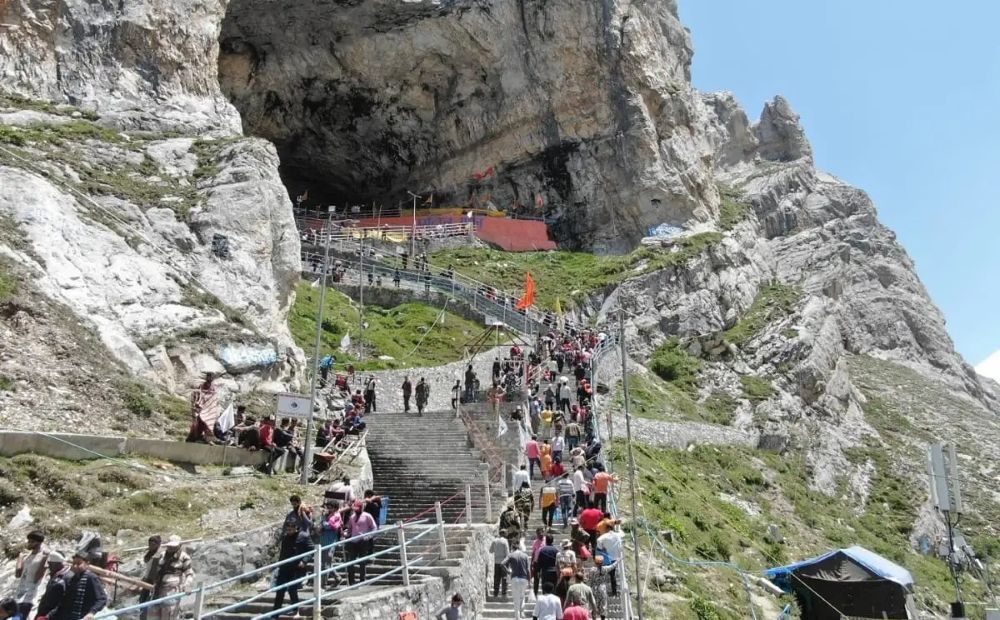
Amarnath Yatra: Registration, Route Options & Darshan Planning
Complete Amarnath Yatra 2025 guide covering registration, routes (Pahalgam & Baltal), preparation, helicopter services, and essential tips for this sacred Shiva pilgrimage in Kashmir.
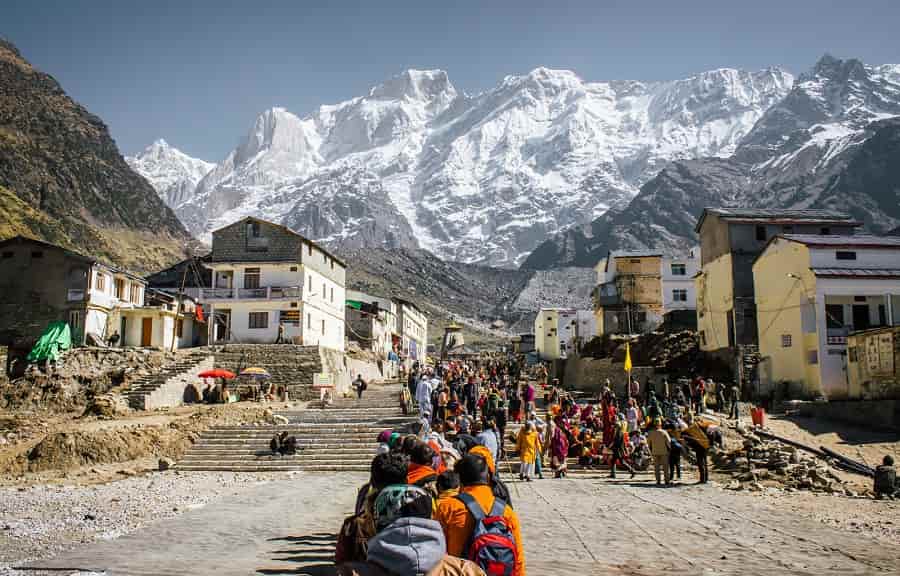
How to Reach Kedarnath: Registration, Route & Trek Information
Plan how to reach Kedarnath with route stages, trek preparation, seasonal timing, and practical safety guidance.
Never Miss an Adventure
Get the latest trekking guides, travel tips, and exclusive offers delivered straight to your inbox.
