
Photography Spots in Jibhi: Hidden Gem of Himachal

Priya Mehta
November 16, 2025
Photography spots in Jibhi Himachal: Complete guide to locations, seasons, tips for Jalori Pass, Serolsar Lake, village life & Himalayan landscapes.
Introduction: Photographer's Paradise in the Himalayas
Jibhi, a tranquil village tucked away in Himachal Pradesh's Banjar Valley, is one of India's most photogenic yet undiscovered destinations. While places like Manali and Kasol have become overrun with tourists, Jibhi has retained its pristine charm - a picture-perfect Himalayan village of traditional wooden houses, crystal-clear rivers, ancient temples, and stunning mountain scenery. For photographers seeking unspoiled Himalayan beauty without crowds, Jibhi is nothing short of a revelation. If you're planning a trip to the nearby Parvati Valley, our Kasol travel guide offers insights into another beautiful Himachal destination.
What makes Jibhi special for photographers is its incredible diversity within a small area. Within a few kilometers, you can capture snow-capped peaks, emerald rivers, dense pine forests, traditional architecture, waterfalls, starry night skies, and authentic village life. The light here has a magical quality - the region's microclimate creates dramatic cloud formations, perfect morning mist, and golden hour colors that seem more vibrant than elsewhere. Whether you're a professional photographer chasing that perfect shot, a social media enthusiast creating content, or simply someone who appreciates beautiful landscapes, Jibhi delivers frame after frame of stunning imagery.
Top Photography Spots
Jibhi Village
Best Time: Early morning (6-8 AM) and late afternoon (4-6 PM)
What to Photograph:
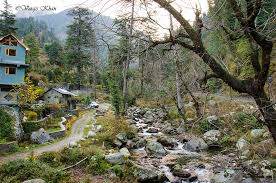
The village itself is one of Jibhi's most photogenic subjects. Traditional Kath-Kuni architecture (wood and stone construction) creates beautiful textures and patterns. The multi-story wooden houses with slate roofs, surrounded by pine forests and backed by snow-capped peaks, are quintessentially Himalayan.
Compositions:
- Village street scenes with traditional houses
- Architectural details of wooden houses
- Village life - locals going about daily activities
- Mountain backdrop from different viewpoints
- Misty morning shots when clouds hang low in the valley
Pro Tips: Wander through the village lanes early morning when there's soft light and minimal people. Ask permission before photographing locals up close.
Jalori Pass
Altitude: 3,120 meters (10,236 feet)
Distance from Jibhi: 12 km (45 minutes by road)
Best Time: Sunrise (6-7 AM) or before afternoon clouds (10 AM - 12 PM)
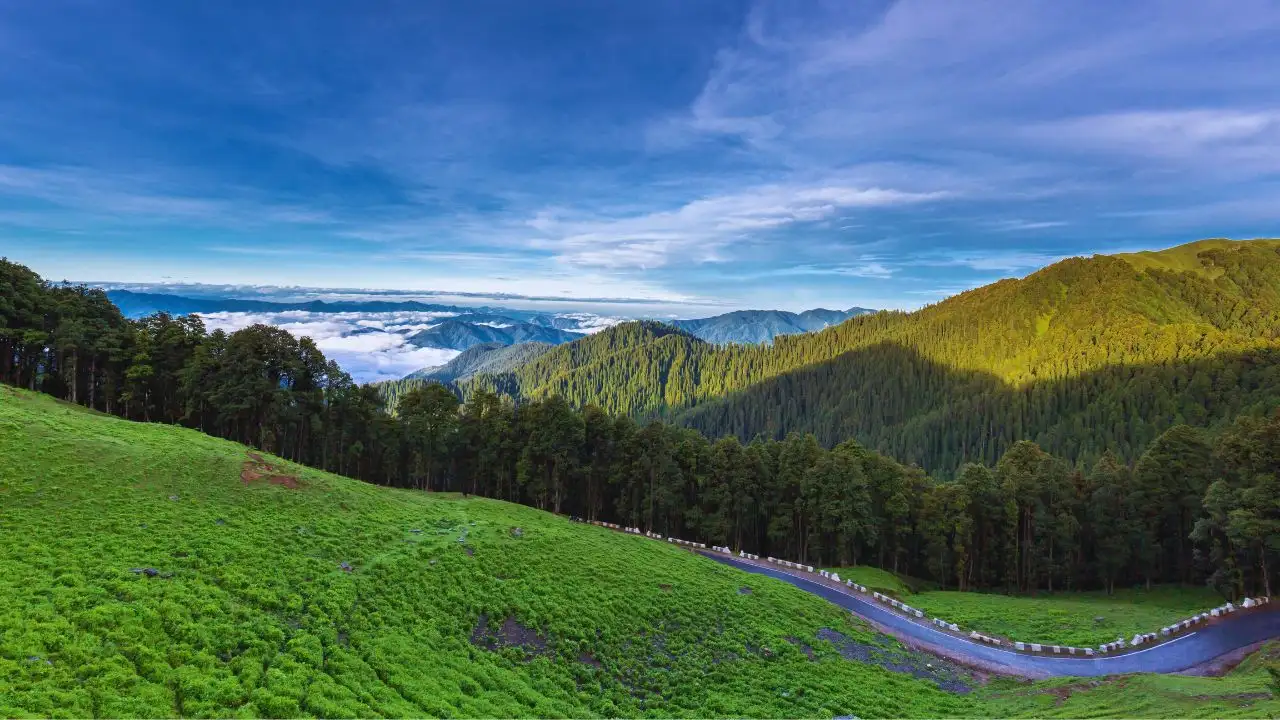
Jalori Pass offers some of the most spectacular Himalayan panoramic views you'll find anywhere. On a clear day, you can see ridge upon ridge of snow-capped peaks stretching into the distance. The pass offers 360-degree views that are particularly dramatic at sunrise when the first light hits the peaks.
What to Photograph:
- Panoramic mountain views
- Road winding up to the pass
- Serolsar Lake reflections (small lake near the pass)
- Mountain flora in summer (wildflowers)
- Snow landscapes in winter
Pro Tips: Check weather before going - clouds can obscure views by afternoon. Carry warm clothing even in summer - it's cold at the pass. Wide-angle lens essential for panoramas.
Serolsar Lake
Altitude: 3,100 meters (10,170 feet)
Trek Distance: 5 km from Jalori Pass (1.5-2 hours one way)
Best Time: Early morning for clearest reflections and fewer crowds
Serolsar Lake is a beautiful high-altitude lake whose crystal-clear waters perfectly reflect the surrounding peaks. The moderate trek through dense forests rewards photographers with a serene alpine setting that feels untouched by time.
What to Photograph:
- Perfect reflections of mountains in the calm lake
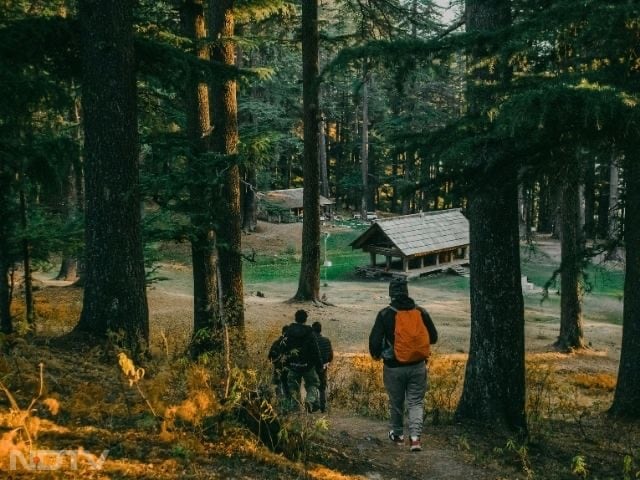
- The trek through forests - moody light through trees
- Mountain peaks from various angles
- Wildflowers (seasonal - June-July)
- Traditional temple near the lake
Pro Tips: Early morning offers the calmest water for best reflections. Use a polarizing filter to reduce glare. Carry a tripod for long exposure shots. The hike is moderate but takes time - allow 3-4 hours for photography.
Jibhi River
Best Time: Golden hour (sunrise/sunset) for warm light on the water
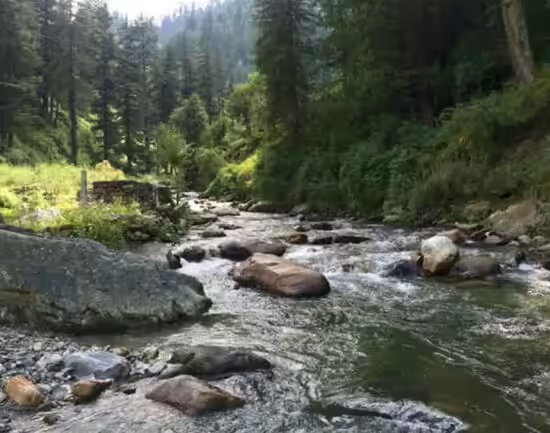
The river flowing through Jibhi creates endless photographic opportunities. From powerful cascades to gentle stretches, from rocky shores to forested banks, the river offers variety within a small area. For those interested in trekking adventures, our guide to the best treks in Kasol offers inspiration for exploring more of Himachal's hiking trails.
What to Photograph:
- Long exposure water shots (silky water effect)
- River cascades and small waterfalls
- Rocks and river details
- Bridge over the river with mountains behind
- Reflections in calm pools
- River through pine forests
Pro Tips: Use a neutral density (ND) filter for long exposures during daytime. A polarizing filter enhances colors and reduces reflections. Wear water-resistant shoes - you'll get wet for the best angles.
Chehni Kothi
Distance from Jibhi: Approximately 10 km
Best Time: Morning or late afternoon for side lighting on the tower
Chehni Kothi is a magnificent 15th-century fort/tower that rises dramatically from the landscape. This traditional structure, built using the Kath-Kuni technique (interlocking wood and stone without mortar), is the tallest of its kind in Himachal Pradesh and makes for a powerful photographic subject.
What to Photograph:
- The tower itself - architectural shots from various angles
- Tower with mountain backdrop
- Details of wood and stone construction
- Surrounding village and landscape
- Sunset/sunrise shots with the tower silhouetted
Pro Tips: Hike to elevated viewpoints for unique perspectives. The tower's height and scale are best captured when you include surrounding elements for comparison.
Shringa Rishi Temple
Location: Within Jibhi village
Best Time: Morning light illuminates the facade beautifully
This ancient temple dedicated to Shringa Rishi (the chief deity of the Banjar Valley) is both spiritually significant and architecturally beautiful. The traditional Himalayan temple architecture, detailed woodwork, and peaceful setting make it a rewarding subject.
What to Photograph:
- Temple exterior and architecture
- Intricate wood carvings and details
- Temple with mountain backdrop
- Religious ceremonies (if happening and permitted)
- Surrounding structures and village life
Pro Tips: Respect worshippers - don't photograph during prayers without permission. Remove shoes before entering. Ask before photographing religious ceremonies.
Gushaini
Distance from Jibhi: Approximately 8 km
Best Time: Morning for river views and golden light
A beautiful village near the Tirthan River, Gushaini offers more traditional architecture and river scenes. Less photographed than Jibhi, it offers authentic Himachal village scenes.
What to Photograph:
- Traditional village houses
- Tirthan River scenes
- River bridges
- Village life and daily activities
- Agricultural terraces
Waterfalls Near Jibhi
Best Time: Post-monsoon (September-October) for maximum water flow
Several small waterfalls surround Jibhi, offering beautiful subjects for long exposure photography and landscape shots.
What to Photograph:
- Long exposure waterfall shots (silky water effect)
- Waterfalls in autumn colors (October)
- Forest settings around waterfalls
- Macro shots of water details
- Wide shots showing waterfall in landscape context
Pro Tips: Use ND filters for long exposures. Carry a tripod. Be careful on slippery rocks. Waterfall flow varies by season - post-monsoon is best.
Seasonal Photography Opportunities
Spring (March-April)
Conditions: Pleasant weather, some snow at higher elevations, blooming rhododendrons
Photo Opportunities:
- Snow-capped peaks with green valleys
- Rhododendron blooms (red, pink, white flowers)
- Clear mountain views
- Agricultural activity - plowing and planting
- Morning mist in valleys
Summer (May-June)
Conditions: Warm days, pleasant evenings, lush greenery, wildflowers
Photo Opportunities:
- Lush green landscapes
- Wildflowers (especially around Jalori Pass)
- Crystal-clear river shots
- Dramatic cloud formations
- Traditional houses with mountain backdrop
- Outdoor village life
Autumn (October-November)
Conditions: Pleasant days, cold nights, clear skies, autumn colors
Photo Opportunities:
- Autumn colors - deodar trees turning golden/brown
- Clearest mountain views of the year
- Harvest scenes - villagers cutting crops
- Golden hour light especially dramatic
- Starry nights - excellent astrophotography
- Morning fog in valleys
Autumn is arguably the best season for photography in Jibhi.
Winter (December-February)
Conditions: Cold, some snow, cozy village scenes
Photo Opportunities:
- Snow-covered landscapes
- Traditional houses with smoke from wood fires
- Snow-capped peaks close to the village
- Winter village life
- Atmospheric moody shots
Winter requires preparation but rewards with magical winter wonderland scenes.
Night and Astrophotography
Jibhi's remote location and minimal light pollution make it excellent for night photography.
What You Can Capture
- Star Trails: Long exposures showing Earth's rotation
- Milky Way: Visible April-September, clearest April-May
- Night Landscapes: Villages, mountains, rivers under starlight
- Light Painting: Use flashlights to illuminate subjects
Best Spots
- Open areas away from village lights
- Fields with mountain backgrounds
- Rivers for star reflections
- Temples and traditional buildings under stars
Equipment Needed
- DSLR/mirrorless camera with manual controls
- Wide-angle lens (14-24mm ideal)
- Sturdy tripod (essential)
- Remote shutter release
- Headlamp (red light mode best)
- Warm clothing - it gets very cold at night
Photography Tips for Jibhi
Equipment
- Lenses: Wide-angle (16-35mm) for landscapes, telephoto (70-200mm) for compressed mountain views, macro for details
- Filters: Circular polarizer (essential), ND filters (for long exposures), graduated ND (for balancing sky and foreground)
- Tripod: Essential for sharp shots, especially in low light
- Batteries: Carry extras - cold drains battery life
- Cleaning Kit: Dust is common in mountain areas
Timing
- Golden Hour: First hour after sunrise, last hour before sunset - warm, soft, magical light
- Blue Hour: Just before sunrise and after sunset - cool blue tones, beautiful for villages and rivers
- Night: Milky Way visible April-September, star trails possible year-round on clear nights
- Midday: Harsh light - good for forest interiors, waterfalls, details
Composition
- Include foreground elements (rocks, flowers, houses) for depth
- Use leading lines (roads, rivers, fences) to draw viewer into image
- Frame mountains with trees or architecture
- Look for reflections in rivers and windows
- Don't always center your subject - try rule of thirds
Respect Local Culture
- Ask permission before photographing people up close
- Respect religious sites - don't photograph during prayers without permission
- Remove shoes before entering temples
- Don't photograph sacred rituals unless permitted
- Be patient and friendly - locals may invite you to photograph them
Recommended Itineraries
One Day Photography Tour
- 6:00 AM: Sunrise shoot in Jibhi village
- 8:00 AM: Breakfast
- 9:00 AM: Jibhi River shots
- 11:00 AM: Shringa Rishi Temple
- 1:00 PM: Lunch break
- 3:00 PM: Drive to Jalori Pass
- 4:00 PM: Sunset at Jalori Pass
- 7:00 PM: Dinner + night photography (if clear sky)
Two Day Photography Tour
Day 1: Jibhi village, Jibhi River, Shringa Rishi Temple, Chehni Kothi
Day 2: Early morning drive to Jalori Pass, Serolsar Lake trek and photography, return to Jibhi for sunset
Three Day Photography Tour
Day 1: Village and river photography
Day 2: Jalori Pass and Serolsar Lake
Day 3: Waterfalls, Gushaini village, relaxed exploration and re-shooting favorite spots in different light
How to Reach Jibhi
By Air
Nearest Airport: Bhuntar (Kullu-Manali Airport)
Distance: Approximately 50 km (2-3 hours drive)
Taxis available from airport. Flights from Delhi operate subject to weather.
By Road
From Delhi: Approximately 500 km (12-14 hours)
Route: Delhi -> Chandigarh -> Mandi -> Aut -> Jibhi
From Manali: Approximately 60 km (2-3 hours)
From Shimla: Approximately 180 km (6-7 hours)
Volvo buses available from Delhi to Aut/Kullu, then local bus/taxi to Jibhi.
Where to Stay
Jibhi has various accommodation options:
- Homestays: Authentic experience with local families (INR 800-2,000 per night)
- Guesthouses: Basic but comfortable (INR 1,000-2,500 per night)
- Camps: Riverside camps (INR 1,500-3,000 per night)
- Hotels: More upscale options (INR 2,500-5,000 per night)
Stay at least 2-3 nights to capture different locations in various lighting conditions.
Best Time for Photography
Overall Best: October-November (autumn)
- Clearest mountain views
- Beautiful autumn colors
- Pleasant weather for exploration
- Excellent night skies
Second Choice: April-June (spring/summer)
- Lush greenery
- Wildflowers
- Good weather
- Rivers at their most beautiful
Winter: December-February for snow scenes (requires preparation)
Avoid: Monsoon (July-September) - heavy rain disrupts photography and roads may be blocked.
Why Jibhi for Photography?
In a Himalayan region full of beautiful destinations, Jibhi stands out for its authenticity and photographic diversity. Unlike Manali or Kasol where you're constantly surrounded by tourists, Jibhi offers tranquil scenes of traditional Himalayan life largely unchanged by modern tourism. The landscapes here are pristine - you'll photograph emerald rivers, ancient forests, snow-capped peaks, and traditional villages that feel like they've existed unchanged for centuries.
What makes Jibhi special isn't just one spectacular spot - it's the incredible variety within a small area. In a single day, you can capture dramatic mountain panoramas, intimate river details, ancient architecture, village life, and star-filled night skies. The light here has a quality that photographers dream of - clear air, dramatic skies, golden hours that seem to last longer than elsewhere, and night skies so clear you can see the Milky Way with the naked eye.
For serious photographers, Jibhi offers the rare combination of stunning subjects and peaceful conditions - you can spend hours composing the perfect shot without crowds, noise, or distractions. For social media creators, Jibhi provides endless content-worthy scenes that are both beautiful and unique. And for hobbyists, Jibhi's forgiving light and diverse subjects make it the perfect place to improve your landscape photography skills.
Most importantly, Jibhi feels real. You're not photographing a staged destination or tourist attraction - you're capturing authentic Himalayan life and pristine nature. The old woman carrying firewood, the traditional wooden house with smoke rising from the chimney, the shepherd with his flock - these aren't props for tourists, they're daily life in Jibhi. That authenticity comes through in your photographs and makes them special.
The next time you're planning a photography trip to the Himalayas, consider Jibhi. It may not have the fame of Manali or the height of Spiti, but for photographers seeking authentic, diverse, and incredibly beautiful subjects in peaceful conditions, Jibhi delivers in ways few places can match. Your camera will thank you. For those interested in exploring more of the Tirthan Valley, our Tirthan Valley travel tips guide provides additional information about this beautiful region.
Location
Frequently Asked Questions
Q1.What are the best photography spots in Jibhi?
Q2.When is the best time to visit Jibhi for photography?
Q3.How do I reach Jalori Pass from Jibhi?
Q4.Can we do night photography in Jibhi?
Q5.What camera equipment should I bring to Jibhi?
Q6.How many days are enough for photography in Jibhi?
Q7.Is Serolsar Lake worth photographing?
Q8.What are the best subjects for photography in Jibhi?
Recommended For You
Best Treks in Kasol Himachal: Difficulty, Duration & Route Highlights
Discover the best treks in Kasol Himachal with route details, difficulty levels, season guidance, and practical planning tips from beginner trails to advanced expeditions.
Kasol: Complete Travel Plan Places And Weather
Complete Kasol travel guide featuring Parvati Valley, Kheerganga trek, Manikaran, Tosh village, cafes, trekking & practical tips.
Great Himalayan National Park: Trek Routes, Permits & Wildlife
Explore Great Himalayan National Park (GHNP): UNESCO World Heritage Site in Kullu. Complete guide to trekking routes, wildlife spotting, permits, best time to visit, and accommodation.
Never Miss an Adventure
Get the latest trekking guides, travel tips, and exclusive offers delivered straight to your inbox.
