
Triund Trekking Guide: Route, Difficulty, Cost, and Best Time

Rahul Garg
February 25, 2026
A practical Triund trekking guide covering route options, real difficulty, seasonal windows, budget, packing checklist, and safer day planning.
Why Triund Is So Popular
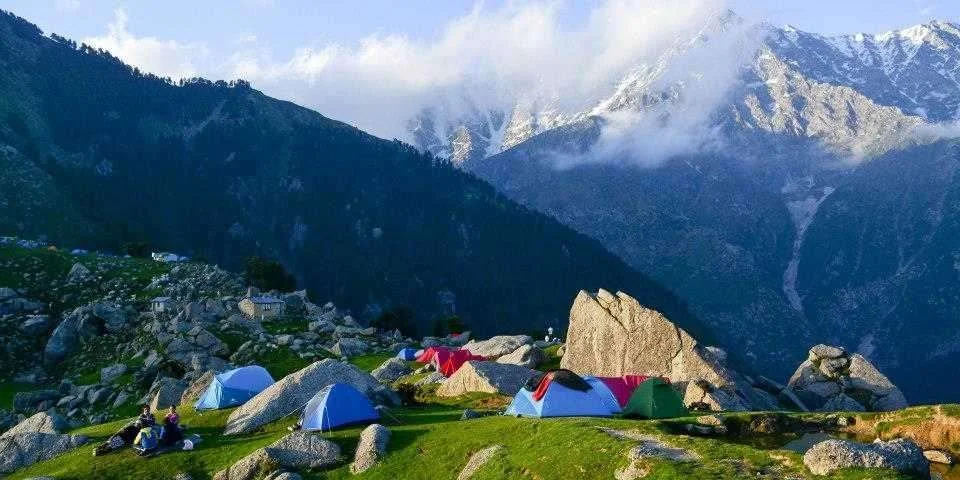
Triund is one of the most searched Himalayan treks because it gives high visual reward without requiring a long expedition schedule. Located above McLeodganj and Dharamkot, the trail opens into a broad meadow ridge with direct views of the Dhauladhar line on one side and Kangra Valley depth on the other. For first-time trekkers, it works as a confidence-building route. For experienced hikers, it remains a strong short escape with excellent sunrise and sunset windows. The mistake most people make is treating Triund like a casual walk. It is manageable, but still a mountain route where weather, hydration, and pacing matter. If your full trip includes town exploration, structure it with McLeodganj travel guide and Dharamshala places so trek day stays focused and not rushed.
Trail Overview and Starting Points
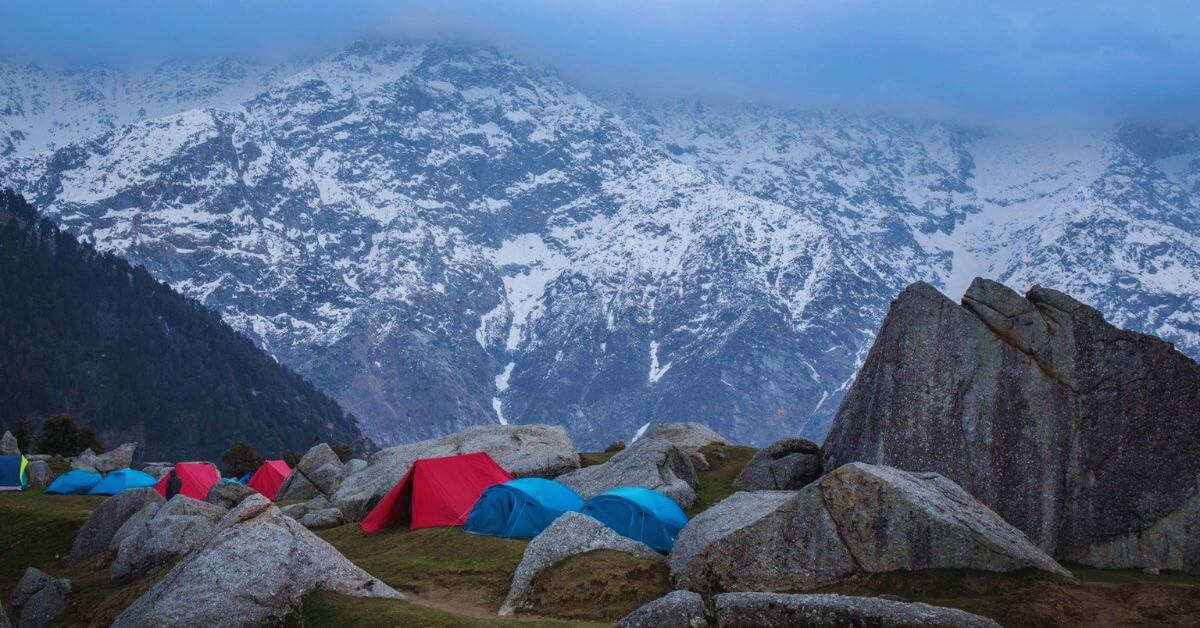
The most common start is Gallu Devi Temple side, usually reached from Dharamkot or Bhagsu. From there, the route climbs through mixed forest stretches, tea stalls, and steeper rocky sections near upper segments. Distance and timing vary by chosen approach and fitness level, but most trekkers complete ascent in 3.5 to 6 hours. Descent is faster but needs knee control and careful footing, especially if trail surface is loose or wet. There are shorter and longer path variants; the shorter line saves time but may feel steeper and more exposed in sections. Start early morning, maintain steady pace, and avoid long idle stops in cold wind zones. If your group has mixed fitness, keep one pace leader and one support tail so no one gets isolated. Triund rewards steady strategy more than speed.
Triund Trek Difficulty: Honest Assessment
Triund is best classified as easy-to-moderate for healthy beginners with basic walking stamina. It is not technical climbing, but the sustained incline can feel demanding for first-timers who are not used to uphill movement. The final sections can be tiring due to loose stones and reduced tree cover. What increases difficulty is not altitude alone, but poor pacing, late starts, low hydration, and carrying unnecessary weight. Keep your backpack light: water, layers, snacks, headlamp, rain protection, and first-aid essentials. Good shoes with grip are critical. Sports shoes without tread are a frequent reason for slips. If this is your first mountain trek, walk consistently for two to three weeks before travel. Even 30-40 minutes of daily incline or stair practice improves your Triund experience significantly.

Best Time for Triund Trek
March to June and September to November are generally best for first-time trekkers. In these windows, visibility and temperature balance are more favorable. Summer has more crowd but longer daylight; autumn usually offers cleaner skies and better mountain definition. Monsoon brings green scenery but also slippery trails, leeches in lower stretches, and frequent cloud cover. Winter trekking is possible in selected periods, but snow and ice conditions can rapidly change risk profile. Always check local update one day before trek, not just generic forecast. If heavy rain or thick fog is expected, postpone. A delayed trek is better than a compromised descent. For season-level planning across your Himachal itinerary, use best time to visit Himachal Pradesh and keep one weather buffer day.
Permits, Local Rules, and Guide Need
Regulations can shift based on season, weather advisories, and local administration updates. In many cases, day trekkers can move without heavy formalities, but camping permissions, waste rules, and route restrictions may change. Respect no-litter principles strictly. Carry back your plastic and food packaging. If you are trekking in off-season, with inexperienced members, or planning continuation beyond Triund, hiring a local guide is strongly recommended. A good local guide helps with pace, weather judgment, route clarity, and safer decision-making near uncertain sections. Avoid pushing after sunset unless absolutely required. If your descent extends into low light, use headlamp and move as a group. Mountain mistakes usually happen in the last hour when people rush to finish.
What to Pack for Triund Trek
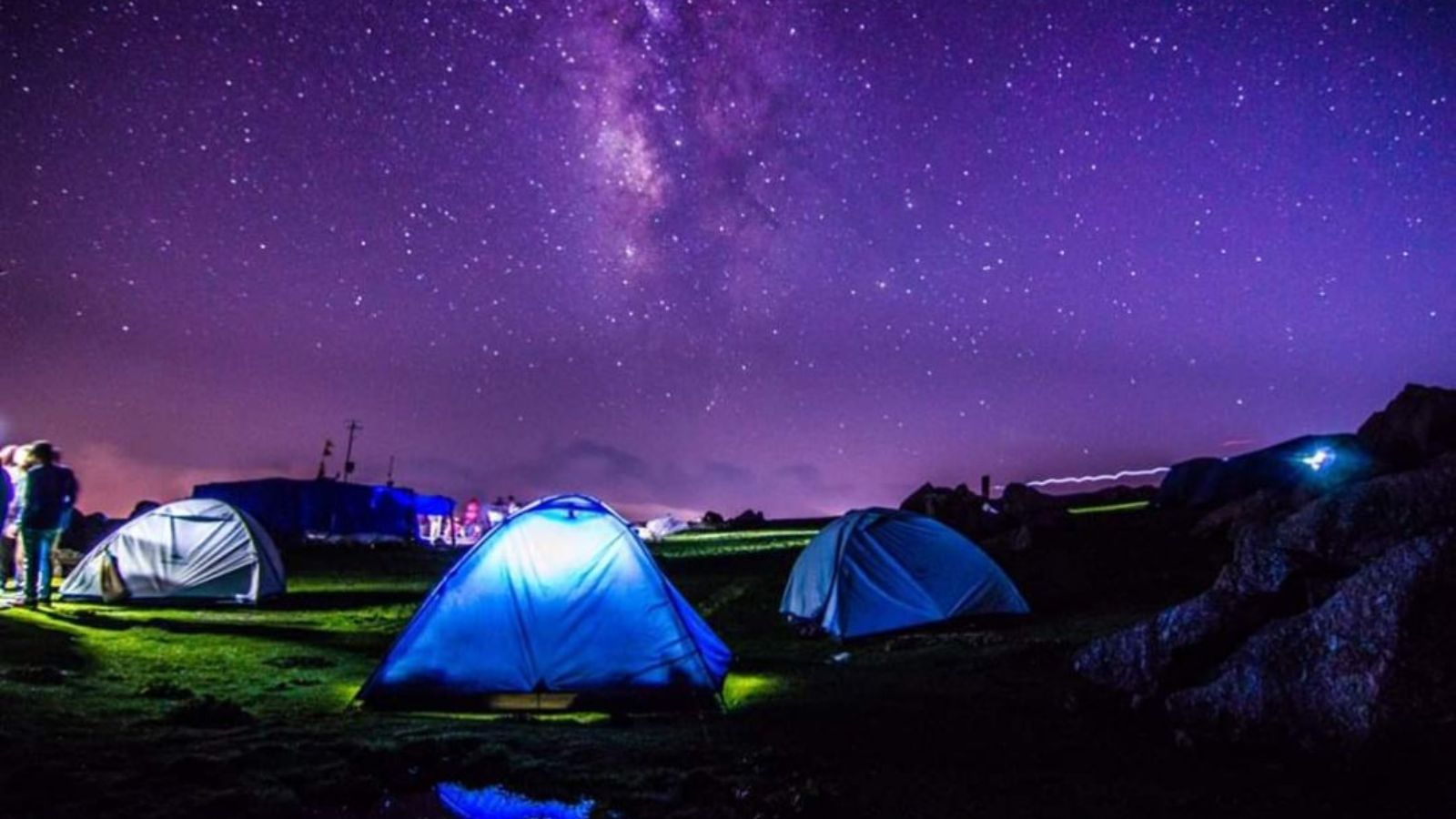
Essentials: 1.5 to 2 liters water, high-energy snacks, windproof jacket, fleece layer, rain cover, cap, sunscreen, sunglasses, basic meds, and a power bank. In shoulder winter, gloves and thermal layer are non-negotiable. Keep clothing modular; mountain temperature shifts quickly between sun and wind. Avoid carrying extra fashion layers and heavy camera kits unless you are used to load trekking. Packing discipline improves speed and reduces fatigue. If you plan an overnight stay, verify whether tents and meals are available that day from local operators because availability can vary by season and policy. Even for overnights, keep load minimal and prioritize warmth and dry storage over extra accessories.
Common Mistakes to Avoid
The biggest Triund mistake is late departure. When people start after breakfast rush, they often climb in harsh sun and descend in low visibility, which increases fatigue and slip risk. Another mistake is overconfidence with footwear. Mountain trails are different from city inclines; grip quality matters on dust, pebbles, and wet patches. Third, travelers underestimate hydration. Even moderate altitude routes demand consistent water intake. Fourth, groups split without a plan, which causes stress during descent. Keep one regroup point strategy and ensure everyone has emergency contacts and a charged phone. Lastly, avoid litter and loud behavior in meadow sections. Triund is not just a trending spot; it is a shared mountain ecosystem. Responsible movement preserves both safety and trail quality for everyone.
Food and Recovery Planning
Trek performance and recovery are heavily influenced by food timing. Keep breakfast simple and energy-focused before ascent. During climb, choose small snack intervals rather than one heavy stop. Post-descent, prioritize hydration, light protein, and enough sleep if you are continuing to another activity day. Travelers who skip recovery often underperform on the rest of the trip. If your itinerary includes back-to-back movement, keep the day after Triund flexible. A short market walk is fine, but avoid forcing another steep route immediately unless your group is experienced. Recovery-aware plans reduce injury risk and improve overall trip quality.
Cost Breakdown and Budget Planning
Triund cost depends on transport mode, guide/camping choices, and season demand. Budget travelers who use shared local transport and do a day trek can keep expenses low. Travelers choosing private taxi, guide support, and overnight setup should budget higher. Typical spend heads include local transfer, meals, optional guide fees, and gear rental if required. Keep some cash buffer because digital connectivity can fail in mountain pockets. Do not over-optimize budget by skipping essentials like shoes or weather layer. Those are safety items, not optional upgrades. If you are combining Triund with additional routes, compare cost and effort against alternatives from treks in Dharamshala and trekking in Himachal Pradesh.
Sample Triund Day Plan
05:30-06:30 AM: Start from base after quick breakfast. 08:30 AM: Mid-route hydration stop, keep breaks short. 10:30-11:30 AM: Reach upper sections, slow pace on rocky incline. Noon: Summit meadow and photo window. 01:00 PM: Early lunch and begin descent. 04:00-05:00 PM: Return toward base before low light. This pattern keeps safety margin and avoids late downhill stress. If your group moves slower, start earlier rather than compressing breaks. The most reliable mountain plans are conservative plans.
Final Takeaway
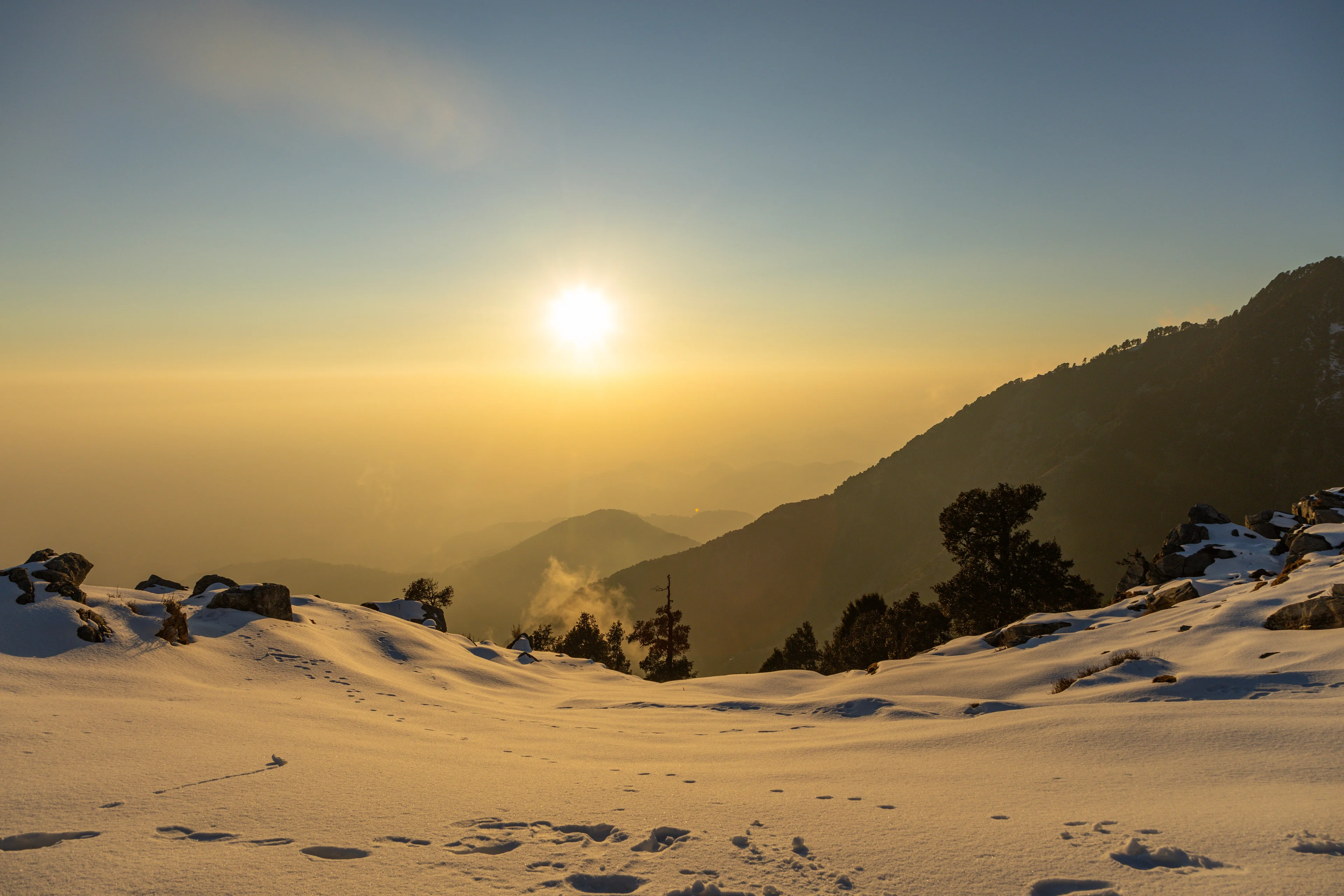
Triund remains one of India’s most practical beginner mountain treks when done with discipline. Prepare body, choose season smartly, start early, and respect weather. Keep gear functional, plan descent timing conservatively, and avoid the “it looks easy on social media” mindset. If you treat the route with respect, Triund delivers one of the best short-format Himalayan experiences: strong views, manageable logistics, and high satisfaction even in a tight itinerary.
Location
Frequently Asked Questions
Q1.Is Triund trek suitable for beginners?
Q2.How long does Triund trek take?
Q3.Can I do Triund trek in monsoon?
Q4.What is the altitude of Triund and where does the trek start?
Q5.Can I camp overnight at Triund?
Recommended For You
Best Time to Visit Himachal Pradesh: Season-Wise Guide by Region
Find the best time to visit Himachal Pradesh with season-wise guidance for families, snow trips, road journeys, and trekking routes.
Trekking in Himachal Pradesh: Best Routes, Safety Strategy, and Seasonal Planning
Practical guide to trekking in himachal pradesh with timing strategy, route planning, and responsible travel tips.
Treks in Manali: Best Routes, Camps & Difficulty Levels
Explore the best treks in Manali with difficulty-wise options, season planning, fitness prep, and practical trekking tips.
Never Miss an Adventure
Get the latest trekking guides, travel tips, and exclusive offers delivered straight to your inbox.
