
Wildlife of Ladakh: Rare Animals, Birds & Best Sighting Season
Rohit Verma
February 20, 2026
Discover Ladakh's incredible wildlife - from elusive snow leopards to Himalayan brown bears, golden eagles, and black-necked cranes. Complete guide to wildlife species, best sanctuaries, and when to visit.
Introduction: Himalayan Wildlife Paradise
Nestled in the high-altitude region of the Indian Himalayas, Ladakh stands as one of the most remarkable wildlife destinations on Earth. This cold desert, located at altitudes ranging from 3,000 to 6,000 meters above sea level, hosts an incredible array of wildlife species that have evolved unique adaptations to survive in this harsh yet beautiful landscape. The region's geographic isolation, extreme climate, and varied terrain have created a biodiversity hotspot that draws wildlife enthusiasts, photographers, and researchers from across the globe. Ladakh's significance in wildlife conservation cannot be overstated. It serves as the snow leopard capital of India, home to the highest density of these elusive cats anywhere in the world. Beyond its famous felines, the region supports diverse mammal species, rare birds, and unique flora that have adapted to the thin air and freezing temperatures. The protected areas of Ladakh, including Hemis National Park and Changthang Wildlife Sanctuary, provide crucial habitat for these species while offering incredible opportunities for wildlife tourism and research.Wildlife Overview: Adaptations to Extreme Altitudes
The wildlife of Ladakh represents one of nature's most fascinating examples of adaptation to extreme environments. The region's geographic isolation has created an ecosystem where only the hardiest species survive. Temperatures can drop to -30°C in winter, while the thin air contains 40% less oxygen than at sea level. Yet, despite these challenges, Ladakh teems with life specially evolved to thrive in these conditions. The altitude zones in Ladakh create distinct habitats. Lower valleys (3,000-4,000 meters) support vegetation where Himalayan brown bears find sustenance. The middle altitudes (4,000-5,000 meters) are home to blue sheep and urial. The highest reaches (above 5,000 meters) are the domain of snow leopards, Tibetan wolves, and the hardiest ungulates. This vertical distribution of species creates a complex ecological balance. Seasonal variations dramatically affect wildlife behavior. Winter brings deep snow, forcing animals to lower altitudes and making tracking easier for wildlife enthusiasts. Summer sees a brief burst of life when migratory birds arrive and mammals give birth to their young. Spring brings wildflowers to the valleys, attracting nectar-feeding species. These seasonal patterns dictate the best times for wildlife spotting and influence the success rate of safari expeditions.Snow Leopard: The Ghost of the Himalayas
The snow leopard, often called the "Ghost of the Himalayas," reigns as the most coveted sighting in Ladakh. These magnificent cats are perfectly adapted to their harsh environment, with thick fur, wide paws that act as snowshoes, and long tails that provide balance and warmth. Ladakh hosts approximately 200-300 snow leopards, representing one of the healthiest populations anywhere in their range. Snow leopards are solitary creatures, each requiring vast territories of up to 100 square kilometers. They are most active at dawn and dusk, using their incredible camouflage to blend seamlessly with rocky terrain. Their primary prey includes blue sheep (bharal), ibex, and smaller mammals. Unlike other big cats, snow leopards cannot roar, instead communicating through growls, hisses, and chuffing sounds. The best places to spot snow leopards in Ladakh include Hemis National Park, which boasts the highest density in the region. Rumbak Valley, Husing Valley, and Tarbong Valley within the park offer excellent tracking opportunities. The Zanskar region, particularly around the village of ZanskarSumda, also provides good sightings. Winter months (January-February) offer the highest success rates as snow leopards descend to lower elevations following their prey, and fresh snow makes tracking possible. For those planning a comprehensive trip to Ladakh, timing your visit is crucial for the best wildlife experience.Essential Tips for Snow Leopard Tracking
Successfully spotting a snow leopard requires expert trackers, patience, and the right equipment. Local guides who have spent years studying these cats can identify fresh tracks, scat, and kill sites. They know the terrain and understand snow leopard behavior patterns. Most successful sightings involve 5-7 days of tracking, though some fortunate visitors spot these elusive cats within hours.
Photography equipment should include telephoto lenses (300mm minimum) for maintaining safe distance while capturing detailed images. The cold conditions drain camera batteries quickly, so keep spares warm in inner pockets. Layered clothing, quality boots, and hand warmers are essential for the sub-zero conditions encountered during winter tracking expeditions.
Responsible viewing practices help protect these endangered cats. Maintain distance, use flash sparingly, and follow guide instructions. The snow leopard tourism in Ladakh follows strict guidelines designed to minimize disturbance while supporting conservation through community-based tourism initiatives.
Himalayan Mammals Beyond the Snow Leopard
Himalayan Brown and Black Bears
The Himalayan brown bear, one of the largest carnivores in the region, inhabits the lower valleys of Ladakh. These impressive bears can weigh up to 350 kilograms and are recognized by their thick reddish-brown fur. In summer, they forage in valleys rich in vegetation, feeding on roots, berries, and small mammals. As winter approaches, they den in higher elevations, emerging in spring when food becomes available again. The Himalayan black bear, with its distinctive chest mark, occupies similar habitat but is more rarely seen due to its elusive nature.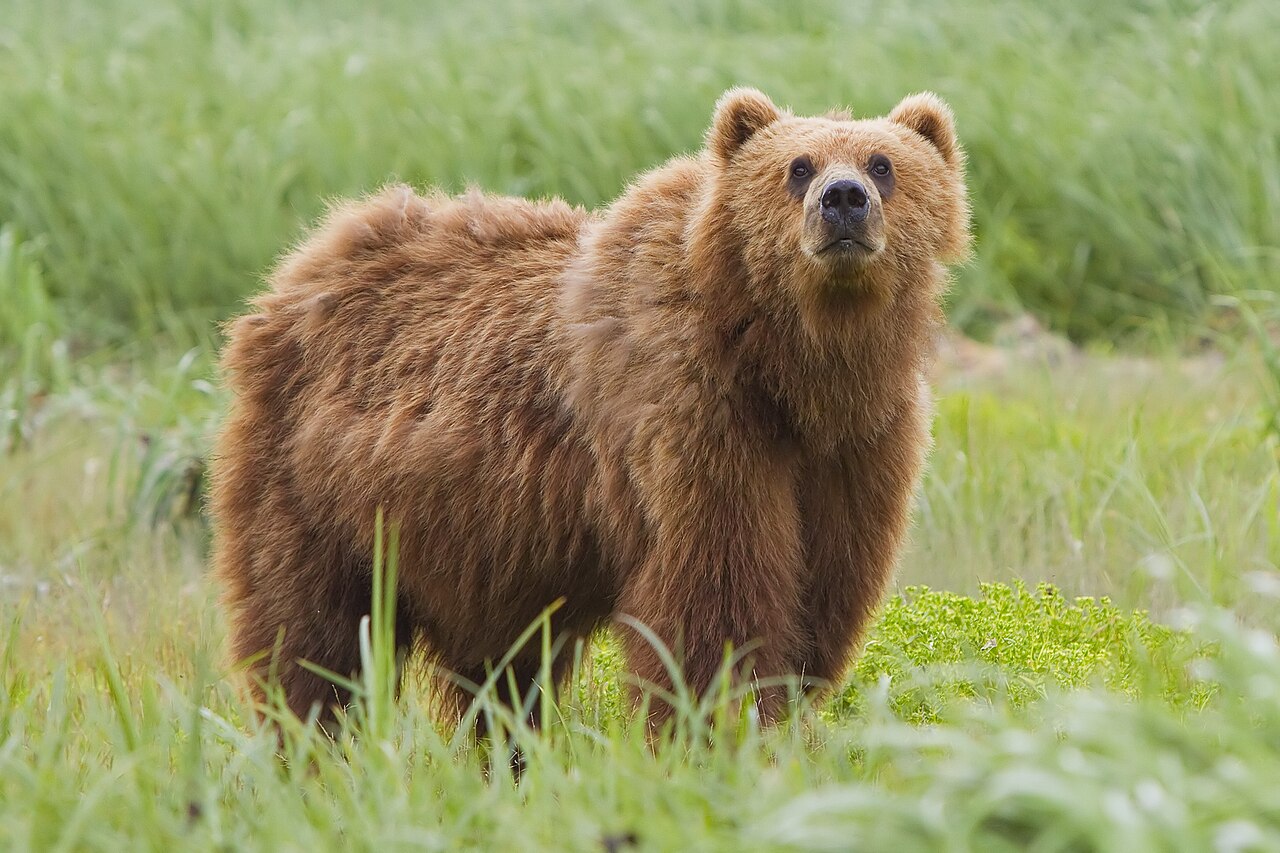
Wild Ungulates: The Foundation of the Food Web
The ungulates (hoofed mammals) of Ladakh form the prey base that supports predators like snow leopards and wolves. The Bharal, or blue sheep, is the most common, named for its bluish-grey coat that provides excellent camouflage against rocky slopes. These agile climbers are spotted throughout Hemis National Park and are the primary prey of snow leopards. The Urial, or Shapu, is a wild sheep with impressive curved horns found in the mountainous regions. The Ibex, with its majestic sweeping horns, navigates the steepest cliffs with ease. The Tibetan Argali, the largest wild sheep species, boasts massive horns that can reach 140 centimeters in length. The endangered Tibetan Antelope, or Chiru, is occasionally spotted in the eastern regions near the Tibetan border.Smaller Mammals of the High Altitudes
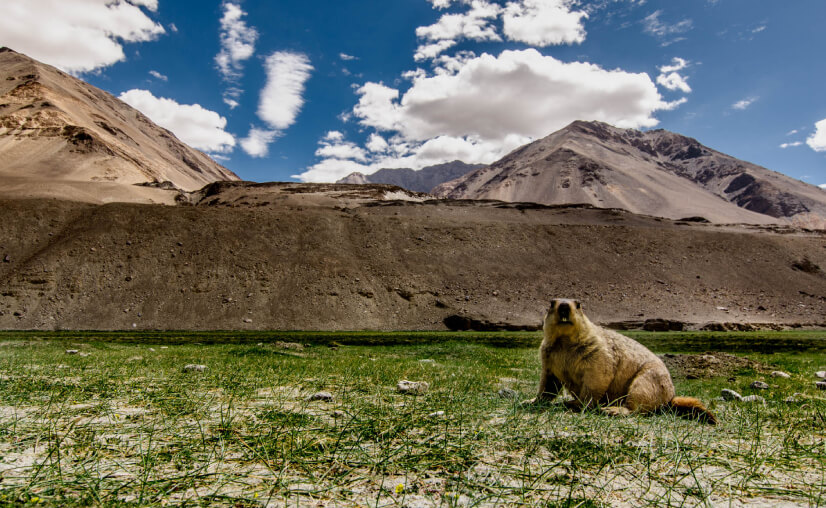
The Himalayan Marmot is one of the most commonly seen mammals in Ladakh. These large ground squirrels live in colonies in alpine meadows, often seen standing on their hind legs watching for predators while other colony members feed. Their loud whistles serve as alarm calls that echo across valleys. The endangered Tibetan Wolf, smaller than its European cousins, roams the high-altitude plains. Red Foxes are widespread and relatively easy to spot, particularly near human settlements where they scavenge. The rare Lynx, with its distinctive ear tufts, occasionally appears in remote areas. The elusive Pallas Cat, a small wild cat with a flattened face, is a rare treat for dedicated wildlife enthusiasts. The Himalayan Mouse Hare, or Pika, scurries among rocks, gathering vegetation for the long winter.Avian Wonders: Bird Species of Ladakh
Raptors: Kings of the Ladakhi Skies
Ladakh's skies are patrolled by magnificent raptors perfectly adapted to hunting in thin air. The Golden Eagle, with its impressive two-meter wingspan, reigns supreme among these aerial hunters. These powerful birds prey on marmots, young ungulates, and smaller birds. Their keen eyesight can spot movement from incredible distances, and their diving speed exceeds 300 kilometers per hour.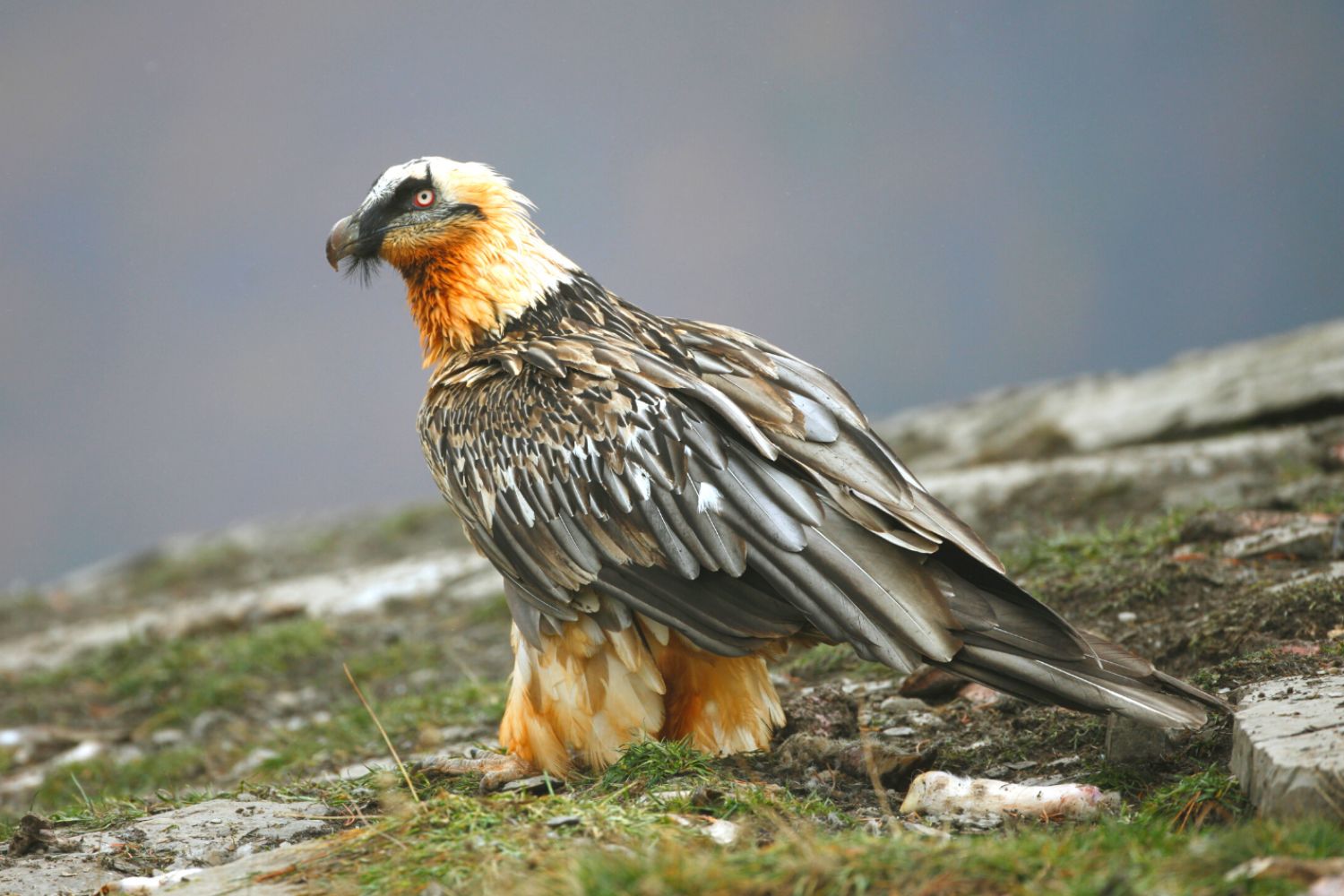 The Bearded Vulture, or Lammergeier, is a rare but spectacular sight. These massive birds, with wingspans reaching nearly three meters, are famous for their unique feeding strategy—they drop bones from great heights to crack them open and access the marrow inside. The Himalayan Griffon, a huge vulture species, cleans the landscape by scavenging carrion, playing a crucial role in the ecosystem.
Other Notable Bird Species
The Black-necked Crane, sacred in Tibetan Buddhism, breeds in the high-altitude wetlands of Ladakh. These elegant birds, with distinctive black necks and red crowns, are most easily spotted around Tso Moriri and Tso Kar lakes during summer months. The Bar-headed Goose holds the record for the highest-flying bird, migrating over the Himalayas at altitudes exceeding 8,000 meters. They summer in Ladakh's lakes and wetlands. The Tibetan Snowcock is a master of camouflage, blending perfectly with rocky slopes. Its repetitive call is a familiar sound in mountain valleys. The Chukar Partridge, with its striking black and white facial stripes, is common in scrubby areas. Fork-tailed Swifts perform acrobatic displays above valleys, catching insects on the wing. Brown-headed Gulls visit Ladakh's high-altitude lakes during summer breeding season.Hemis National Park: The Crown Jewel of Ladakh Wildlife
Established in 1981, Hemis National Park stands as the largest national park in India and the premier destination for wildlife viewing in Ladakh. Located in the eastern part of Ladakh, the park spans an impressive 4,400 square kilometers of varied terrain, ranging from 3,300 to 6,000 meters in elevation. This vast protected area encompasses the catchments of the Markha, Rumbak, and Sumdah rivers, creating diverse habitats that support remarkable biodiversity. The park's claim to fame is its snow leopard population—the highest density anywhere in the world. Estimates suggest 50-60 snow leopards reside within its boundaries, making it the best place on Earth to see these elusive cats. Beyond snow leopards, Hemis supports healthy populations of blue sheep, urial, ibex, Tibetan wolves, and Himalayan brown bears. The park's birdlife includes golden eagles, bearded vultures, and numerous other high-altitude species.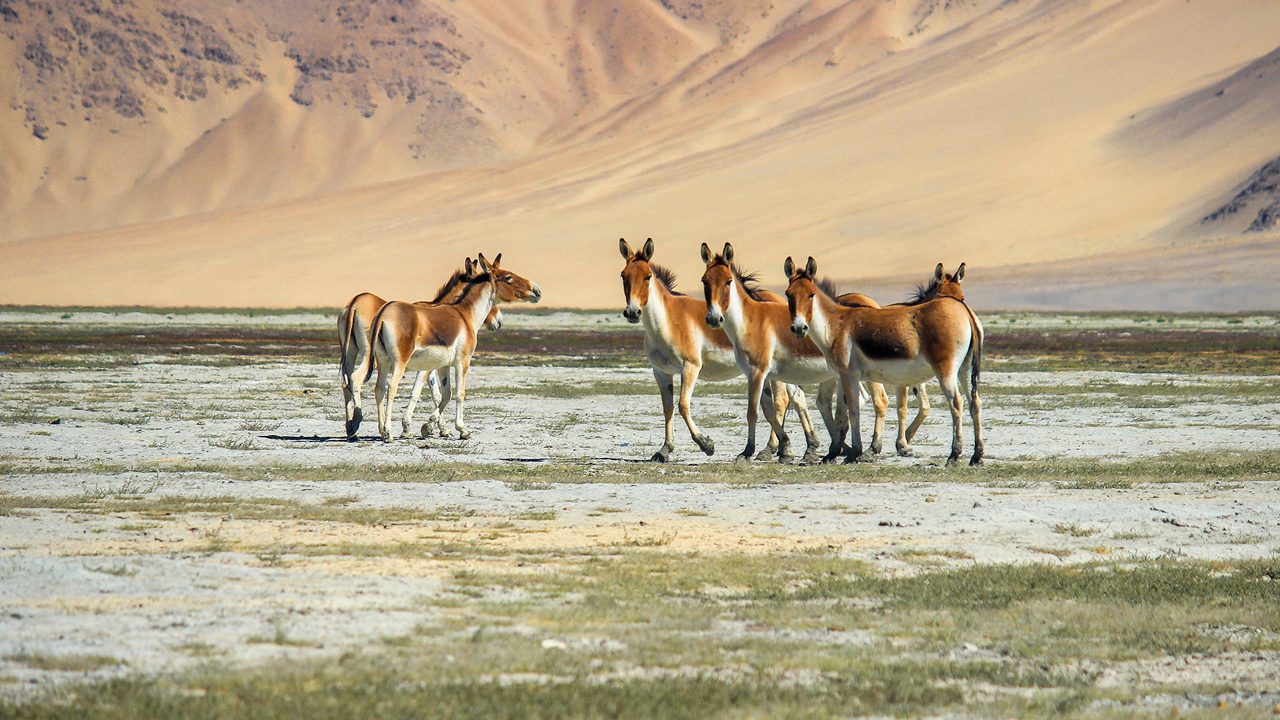 Trekking is the primary way to explore Hemis National Park. Popular trails include the Markha Valley trek and the Rumbak Valley trek, both offering excellent wildlife viewing opportunities. Village homestays provide authentic cultural experiences while supporting conservation through community-based tourism. Permits are required for entry and can be obtained in Leh. The best time for wildlife viewing is winter when snow leopards descend to lower elevations, though summer offers better accessibility and more diverse wildlife sightings.
Other Protected Areas in Ladakh
Changthang Wildlife Sanctuary
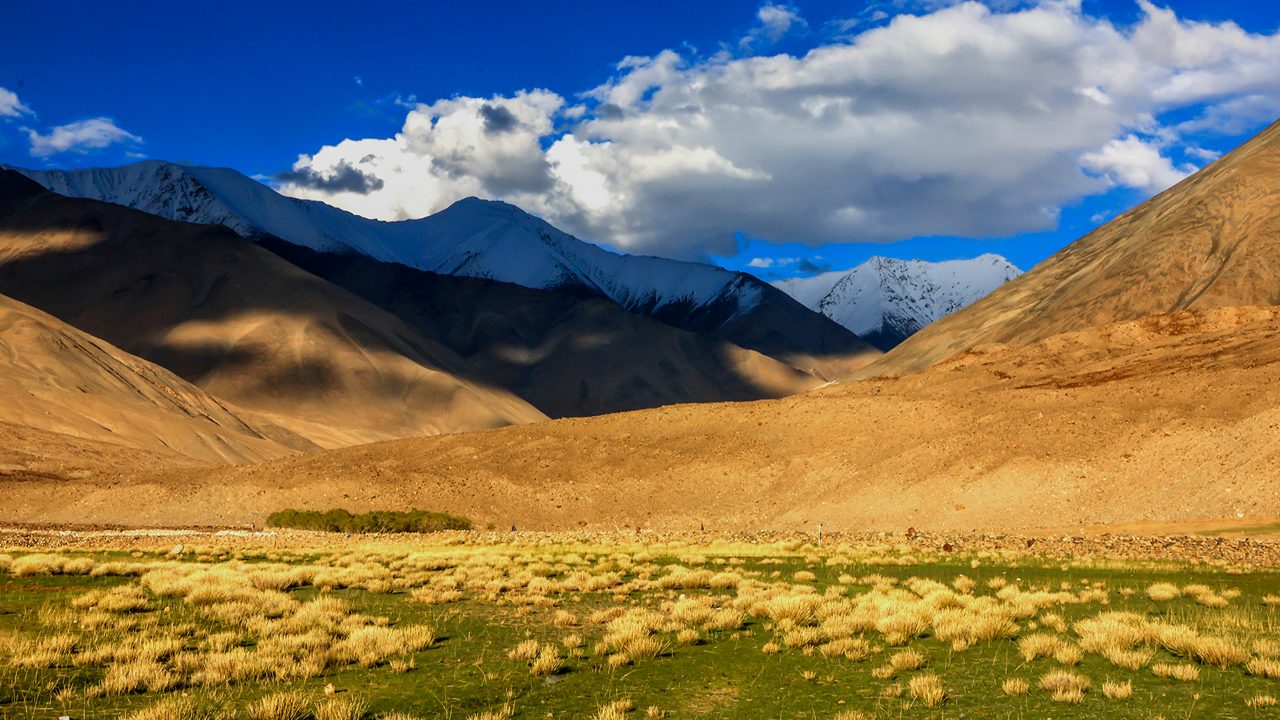
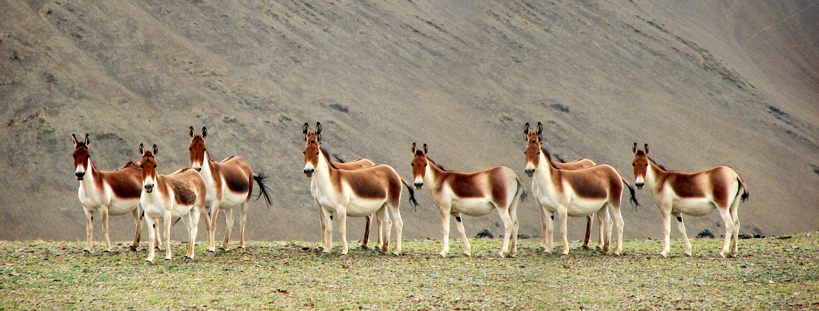
Located in the eastern part of Ladakh near the Tibetan border, Changthang Wildlife Sanctuary encompasses the unique Tibetan plateau ecosystem. This high-altitude desert, averaging 4,500 meters above sea level, supports wildlife found nowhere else in India. The Kiang, or Tibetan Wild Ass, is the sanctuary's most famous resident—a distinctive equine species adapted to the cold desert conditions. These hardy animals are frequently seen grazing on the sparse vegetation. The sanctuary is also a crucial breeding ground for the Black-necked Crane, which nests in the wetlands during summer months. Nomadic Changpa herders who have inhabited this region for generations share the landscape with these species. Their traditional lifestyle has coexisted with wildlife for centuries, though modern challenges threaten this delicate balance. The remote location requires special permits for visitors, adding to its sense of wildness and adventure.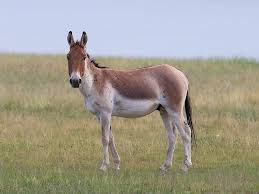
Karakoram Wildlife Sanctuary
Located in the extreme north of Ladakh, Karakoram Wildlife Sanctuary protects a high-altitude desert ecosystem that is among the most remote in India. This sanctuary is home to populations of Ibex and Urial, as well as rare bird species found only in this region. Its isolation and difficult access mean few visitors venture here, but those who do are rewarded with pristine wilderness and excellent wildlife viewing opportunities.Pangong Tso and Tso Moriri Wetlands
While not officially designated as sanctuaries, the high-altitude lakes of Pangong Tso and Tso Moriri are crucial wetland habitats. These lakes attract numerous bird species during summer breeding season. Black-necked Cranes, Bar-headed Geese, Brahminy ducks, and Brown-headed Gulls nest along their shores. The surrounding wetlands also support mammal species that come to drink. Tso Moriri, in particular, is designated as a Ramsar site, recognizing its international importance as a wetland ecosystem. Visitors can also explore Pangong Lake, one of the most beautiful high-altitude lakes in the region.Best Time for Wildlife Spotting in Ladakh
The timing of your wildlife safari in Ladakh significantly impacts your chances of successful sightings. Different seasons offer different opportunities, and choosing the right time depends on your target species and tolerance for challenging conditions.Snow Leopard Tracking: Winter Season
January and February offer the best opportunities for snow leopard sightings. During these deep winter months, snow leopards descend to lower elevations following their prey, and fresh snow makes tracking possible. The temperatures are brutally cold, often dropping to -20°C or lower, but the reward can be the experience of a lifetime. Late winter (March) can also be productive as snow leopards remain active before spring arrives. Early spring (April) offers a balance between accessibility and wildlife activity.
Other Wildlife: Summer and Autumn
Summer (June through September) provides the most comfortable conditions for wildlife viewing. Roads are accessible, temperatures are pleasant during the day, and many mammals are active. Migratory birds arrive for breeding season, adding to the diversity. Spring brings lambing and calving seasons, when young ungulates are born and predator activity increases. Autumn (October) offers stable weather and good visibility before winter sets in.
Deep winter (December-February) is best avoided for general wildlife viewing except for dedicated snow leopard expeditions. Most other wildlife is less active, and extreme cold makes extended time outdoors difficult. The higher regions become inaccessible due to heavy snowfall.
Wildlife Safari Experience: What to Expect
Wildlife safaris in Ladakh differ significantly from traditional African or Indian tiger safaris. The terrain is rugged and remote, requiring organized tours with expert guides. Self-guided wildlife viewing is neither safe nor effective given the challenging conditions and need for specialized knowledge. Experienced guides who know the land, understand animal behavior, and can read signs in the snow are essential. These trackers, often from local communities, have spent decades studying wildlife patterns and can identify the subtle indicators of animal presence. Their expertise dramatically increases your chances of successful sightings while ensuring safety in this demanding environment. Tracking techniques involve scanning for fresh tracks, following scat trails, and locating kill sites. Guides use telescopes to scan distant slopes for movement or silhouettes against snow. Patience is paramount—hours may be spent observing a single area where tracks were found, waiting for the animal to appear or move within viewing range. A typical snow leopard tracking expedition lasts 7-10 days to allow sufficient time for exploration and multiple attempts at sightings. Accommodation is typically in village homestays, providing warmth and cultural immersion while supporting local communities. Photography opportunities are exceptional, though the cold conditions require special precautions for equipment. Success rates for snow leopard sightings vary seasonally but average 40-60% for winter expeditions. Cost factors include permits, guide fees, accommodation, and transportation. While not inexpensive, these expeditions support conservation initiatives and provide local communities with economic alternatives to activities that might harm wildlife. The experience of tracking snow leopards in their natural habitat is widely considered one of the most rewarding wildlife experiences available anywhere.Conservation Efforts: Protecting Ladakh's Wildlife Heritage
Conserving Ladakh's unique wildlife presents complex challenges that require innovative solutions. The region's remote location and harsh environment create both obstacles and opportunities for protection efforts. Multiple organizations work together to ensure the survival of endangered species while supporting sustainable development for local communities. Snow leopard conservation programs have been particularly successful, combining scientific research, anti-poaching measures, and community engagement. The Snow Leopard Conservancy India Trust has worked for decades to protect these cats while helping herders reduce livestock losses through predator-proof corrals and compensation schemes. This community-based approach has transformed former hunters into conservation allies. Habitat protection remains a priority, with national parks and wildlife sanctuaries covering significant portions of Ladakh. These protected areas limit human disturbance while preserving crucial grazing and breeding grounds. However, climate change threatens to alter these fragile ecosystems, potentially reducing available habitat and disrupting the delicate balance between predator and prey species. Research initiatives track wildlife populations, monitor health, and study the impacts of climate change. Camera traps provide valuable data on snow leopard numbers and distribution. GPS collaring reveals movement patterns and habitat use. This scientific understanding informs conservation strategies and helps measure their effectiveness. Sustainable practices are being promoted to balance development with conservation. Responsible tourism guidelines minimize disturbance while generating funding for protection. Traditional herding practices that coexist with wildlife are being documented and preserved. Local involvement in conservation decision-making ensures that protection efforts align with community needs and values. Future challenges include managing increasing tourism, addressing climate change impacts, and preventing human-wildlife conflict as development expands into wildlife habitat. However, the success of conservation efforts to date provides hope that Ladakh's remarkable wildlife will continue to thrive for generations to come.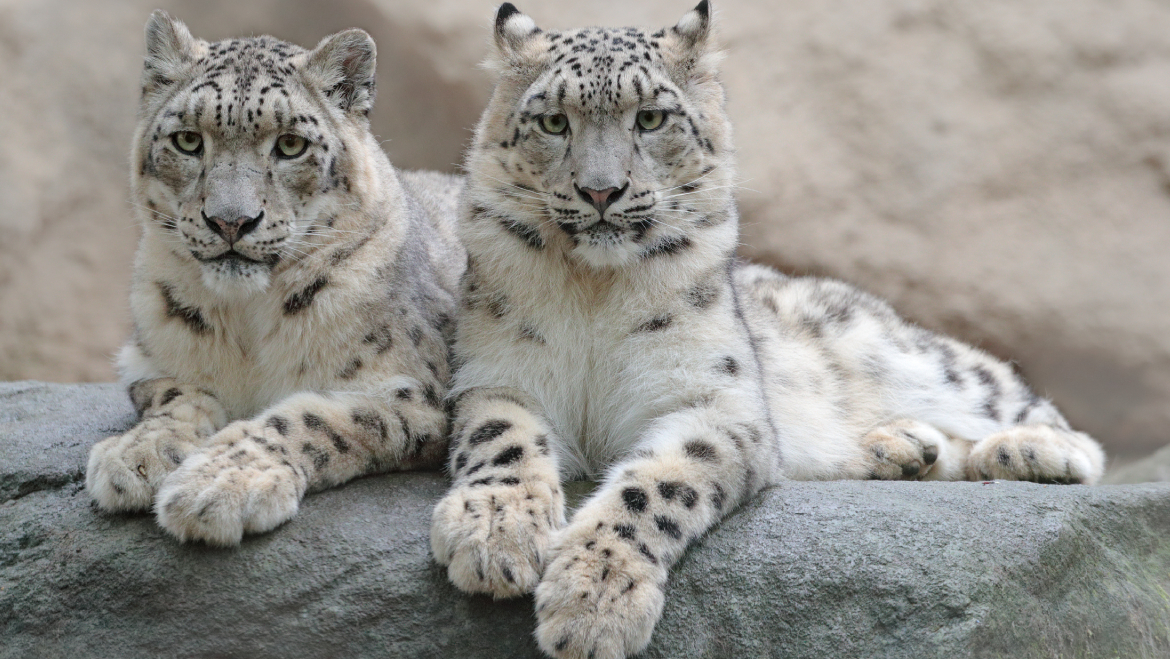
Planning Your Ladakh Wildlife Adventure
A successful wildlife expedition to Ladakh requires careful planning and preparation. The region's remote location and extreme conditions demand respect and thorough preparation. Start by determining your target species and preferred season, then work with reputable tour operators who specialize in high-altitude wildlife viewing. Physical preparation is important, particularly for winter snow leopard tracking. Cardiovascular fitness helps cope with thin air and cold conditions. Practice with your camera equipment before arriving, ensuring you can operate it quickly while wearing gloves. Pack layers, including high-quality base layers, insulation, and windproof outer layers. Quality boots, warm hat, and gloves are non-negotiable for winter expeditions. Permits are required for most protected areas and can be arranged through tour operators. The Inner Line Permit is needed for many parts of Ladakh, while Hemis National Park requires its own permit. Allow sufficient time in Leh for acclimatization before proceeding to higher elevations—this is not just advice, it's a medical necessity for safe high-altitude travel. Choose accommodations based on your itinerary. Leh offers comfortable hotels for base nights. Village homestays provide authentic experiences and support local communities. Camping may be necessary for more remote expeditions. Whatever your choice, book early, as quality options are limited, especially during peak wildlife viewing seasons. Finally, approach your wildlife adventure with patience and realistic expectations. Nature operates on its own schedule, and sightings are never guaranteed. However, the breathtaking landscapes, rich culture, and pristine wilderness make Ladakh an unforgettable destination regardless of what wildlife you encounter. The journey itself becomes the reward.Conclusion: A Wildlife Wonderland Worth Protecting
The wildlife of Ladakh represents one of Earth's most remarkable examples of life adapting to extreme environments. From the elusive snow leopard to the majestic golden eagle, from the hardy kiang to the sacred black-necked crane, these species have evolved strategies for survival that inspire awe and wonder. Their continued existence depends on thoughtful conservation, sustainable tourism, and our collective commitment to protecting these fragile high-altitude ecosystems. For wildlife enthusiasts, photographers, and adventurous travelers, Ladakh offers experiences found nowhere else. The opportunity to track snow leopards through pristine winter landscapes, to observe bears in alpine meadows, or to watch cranes perform their mating dances beside crystal-clear lakes represents the pinnacle of wildlife tourism. These encounters leave lasting impressions and create passionate advocates for conservation. As we look to the future, balancing development with protection, tourism with tranquility, and human needs with wildlife habitat will determine whether Ladakh's remarkable biodiversity continues to thrive. By choosing responsible tour operators, following guidelines, supporting conservation organizations, and sharing our experiences ethically, we can all contribute to ensuring that future generations can experience the wonder of wildlife in this Himalayan paradise. The mountains of Ladakh hold secrets and stories that span millennia. The creatures that call this harsh landscape home are testaments to nature's resilience and adaptability. Protecting them is not just about saving individual species—it's about preserving the integrity of one of Earth's most extraordinary ecosystems and honoring the delicate balance that allows life to flourish at the roof of the world.Location
Frequently Asked Questions
Q1.Which animals are found in Ladakh?
Q2.Where can I see snow leopards in Ladakh?
Q3.What is the best time for wildlife in Ladakh?
Q4.Can we see snow leopards in Ladakh?
Q5.Where are snow leopards found in Ladakh?
Q6.How to spot snow leopards in Hemis?
Q7.Is wildlife safari available in Ladakh?
Q8.What animals can be seen in Hemis National Park?
Recommended For You
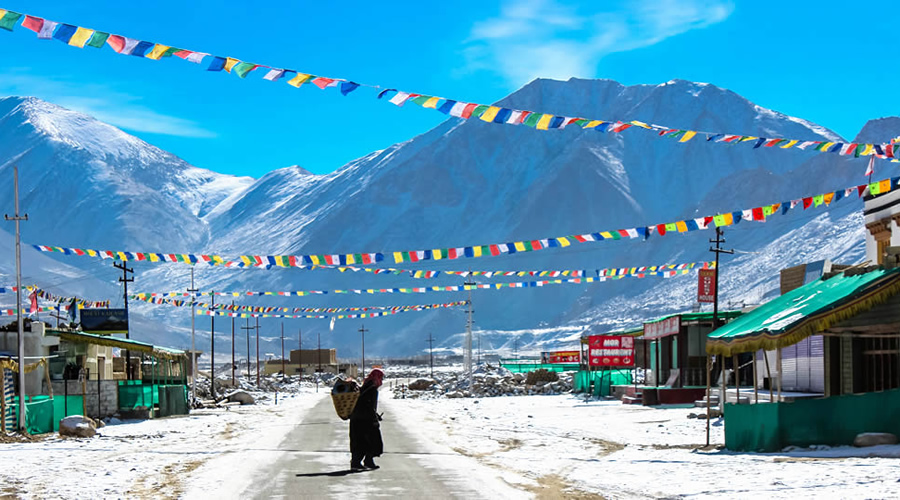
Ladakh in December: Weather, Road Status & Winter Experiences
Visit Ladakh in December. Weather, temperature, frozen lakes, snowfall, road conditions, accessible places & complete winter travel guide.
Changthang Wildlife Sanctuary Ladakh: Wildlife, Route & Stay Options
Plan Changthang Wildlife Sanctuary with wildlife highlights, Leh access routes, permit guidance, and altitude-safe travel tips for a responsible Ladakh trip.
Flora and Fauna of Ladakh: Key Species, Habitats & Best Season
Discover the flora and fauna of Ladakh with key mammals, birds, alpine plants, protected areas, best wildlife zones, and responsible travel tips.
Never Miss an Adventure
Get the latest trekking guides, travel tips, and exclusive offers delivered straight to your inbox.
