
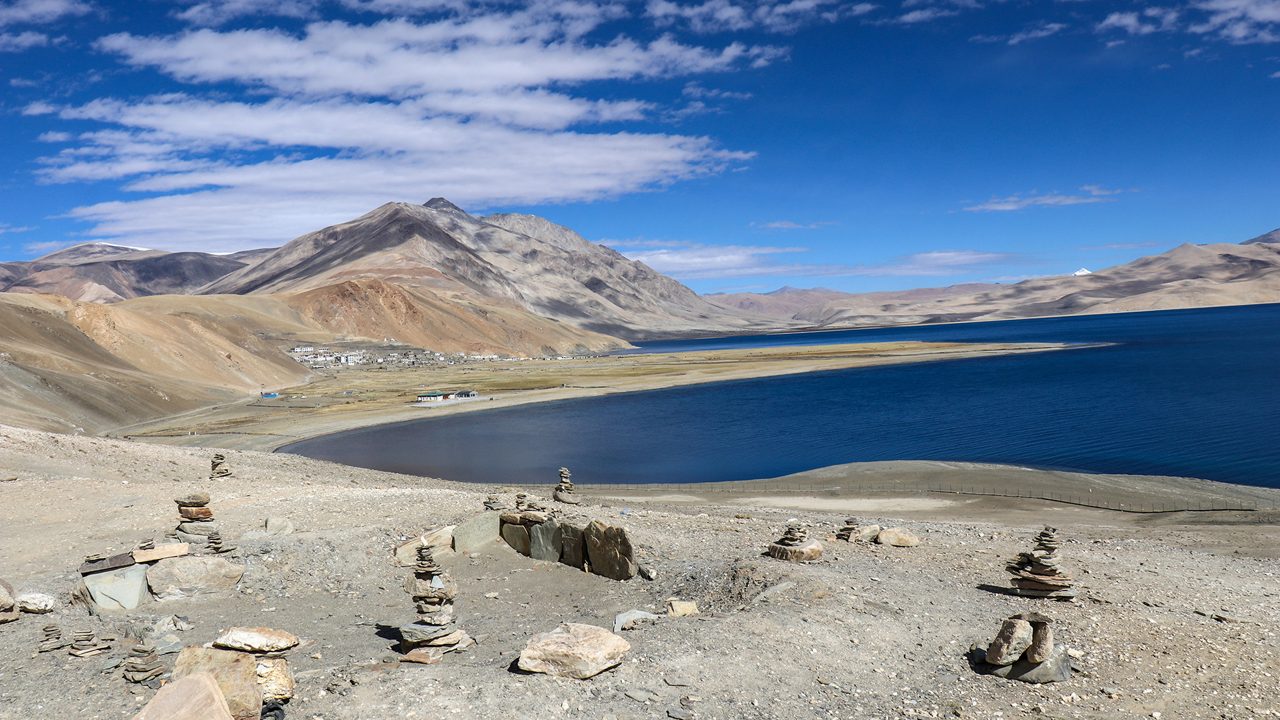
Tso Moriri Lake Ladakh: Altitude Planning, Route Advice, and Responsible High-Altitude Travel
Rahul Garg
February 26, 2026
Practical guide to tso moriri lake ladakh with timing strategy, route planning, and responsible travel tips.
Tso Moriri Lake Ladakh: What Actually Makes the Trip Successful
Tso Moriri is one of Ladakh’s most spectacular high-altitude lakes, but it rewards disciplined travelers more than impulsive ones. The route is long, altitude is serious, and local infrastructure is intentionally limited because this is an ecologically sensitive region. If you treat Tso Moriri as a quick scenic stop, the day often turns stressful. If you treat it as a planned high-altitude journey, the same destination becomes calm, memorable, and deeply rewarding.
The most important shift is this: your success here is not only “reaching the lake.” Success means reaching in stable condition, spending quality time without overexertion, and returning safely without rushed decisions. That requires preparation on acclimatization, permits, route timing, and realistic expectations.

Best Time to Visit and Why Season Choice Matters
Most travelers prefer late spring to early autumn for better road access and more predictable stay options near Korzok. Even in summer, temperature drops quickly in the evening, and wind can become intense near open water. Weather windows that look comfortable in Leh can feel very different near Tso Moriri. Plan this leg with clear seasonal logic, not assumptions from city forecasts.
If you are structuring a full Ladakh trip, align this lake leg with your overall weather strategy using best time to visit ladakh. A reliable schedule should include at least one flexibility buffer so you can reduce scope if conditions change.
Acclimatization: The Core Requirement
Most avoidable problems on the Tso Moriri route come from inadequate acclimatization. Travelers often feel “fine” in Leh and assume they are ready for any altitude leg. That is risky. Keep proper acclimatization days in your itinerary before heading toward the lake. Hydrate consistently, avoid heavy exertion, and monitor headache, nausea, and breathlessness honestly.
If symptoms worsen, do not continue because of booking pressure. Altitude does not reward stubbornness. Conservative choices are the only correct choices in high-elevation travel.
Route Planning from Leh: Practical Day Logic
Treat departure time as non-negotiable. Start early enough to avoid rushed movement in late-day weather and to keep return options open. A common mistake is adding too many side stops before reaching the lake zone. Keep one anchor objective for the day: stable arrival and controlled exploration.
If your broader trip includes longer riding/driving segments, compare fatigue load with your larger transport plan from leh ladakh bike trip guide. When multiple heavy days are stacked, decision quality drops quickly, and that is when avoidable errors happen.
Permits, Checkpoints, and Documents
Tso Moriri sits in a protected zone, so permit readiness is essential. Keep printed permit copies and identity documents easily accessible. Do not depend only on online copies, because network conditions are inconsistent in high-altitude sections. At checkpoints, document discipline saves time and reduces friction.
Before departure, verify permit details once more and keep your file organized by traveler. Small paperwork confusion can delay the whole group.
Korzok Stay Strategy: Comfort with Realistic Expectations
Korzok is the main stay base near Tso Moriri. Accommodation is usually basic to moderate, with limited luxury, variable utilities, and very cold nighttime conditions depending on season. Prioritize warm bedding, functional meals, and reliable hosts over aesthetic choices. At this altitude, recovery comfort matters more than room style.
If your priority is photography and calm observation, one night near the lake is usually better than a forced same-day return. That extra halt improves sunrise/sunset quality and reduces pressure.
Combining Tso Moriri with Other Ladakh Highlights
Many itineraries try to combine too many marquee destinations in too little time. If you are also covering northern valleys, balance the load carefully. Use nubra valley ladakh as a comparative planning reference so high-fatigue days do not sit back-to-back. The best Ladakh itineraries are not the longest; they are the most stable.
Keep one recovery window after major transit blocks. This single choice improves overall trip quality more than adding one extra rushed attraction.
On-Ground Behavior at the Lake
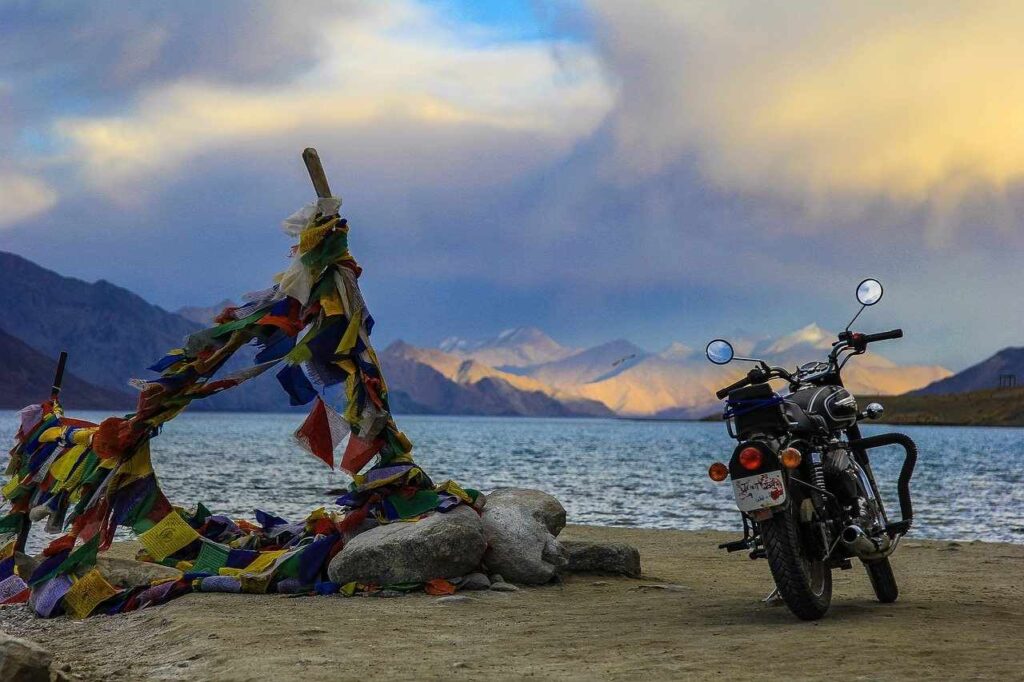
Tso Moriri is both scenic and ecologically sensitive. Keep movement low-impact, avoid unnecessary edge intrusion, and follow local guidance around protected stretches. Do not let photography urgency push you into risky or disruptive behavior. A calmer pace gives better visuals and safer outcomes.
Wind chill can rise suddenly, especially later in the day. Keep layer changes simple and proactive. Fatigue often appears late, so avoid overextending once energy declines.
Fuel, Safety, and Decision Triggers
Never assume convenient fuel availability beyond planned points. Start with confirmed fuel strategy and emergency margin. Set clear decision triggers before the day starts: latest safe return window, maximum delay threshold, and fallback route if weather shifts. Rule-based decisions reduce stress and prevent emotional mistakes under pressure.
Group travel should include role clarity: one person for timing, one for navigation, one for wellbeing checks. This avoids confusion during critical transitions.
Tso Moriri and Tso Kar: Should You Pair Them?
Pairing can work, but only when acclimatization, route condition, and day timing are all strong. On paper it looks efficient; on ground it can become rushed if any segment slips. Before combining, evaluate route flow using tso kar lake ladakh and decide whether quality will drop. One well-executed lake day is better than two compromised stops.
At altitude, disciplined reduction is a strength, not a loss.
Field Checklist Before You Leave
Confirm permits, IDs, fuel, warm layers, hydration, basic medical kit, and offline route notes. Keep your luggage light and functional. Use short controlled breaks instead of long idle stops. Eat moderate meals and avoid heavy food before difficult sections. At every major stop, quickly check group condition and adjust pace if needed.
During return, do not chase lost time aggressively. Safe completion is always the priority. Most high-altitude issues happen when travelers push late in the day after energy and attention have already dropped.
Common Mistakes and How to Recover Quickly
A frequent mistake is overconfidence after one smooth mountain day. Travelers then add unplanned extensions, skip recovery windows, and push return timing too late. The second common mistake is weak hydration discipline, which amplifies fatigue and headache at altitude. The third is poor group communication: one person wants to continue, another is already struggling, and decisions become delayed. These patterns are predictable, so you should plan recovery responses in advance.
If your schedule slips, immediately reduce optional stops and protect the safest completion path. If weather visibility drops, switch to conservative movement and avoid experimentation with unfamiliar detours. If someone shows worsening AMS signs, stop escalation behavior and prioritize descent logic. In high-altitude travel, fast correction is far more valuable than trying to “save” the original plan. Strong travelers are not rigid; they adapt early and finish safely.
A final discipline is evening review. Spend ten minutes after the day to log what worked, where time was lost, and what should be adjusted for the next segment. This small habit improves decision quality across the entire Ladakh itinerary and helps prevent repeated errors on subsequent high-altitude days.
Conclusion
Tso Moriri Lake is one of Ladakh’s finest experiences when planned with respect for altitude, logistics, and ecology. Acclimatize well, move with timing discipline, keep route decisions conservative, and prioritize safe completion over checklist speed. With that approach, the journey feels not just scenic, but genuinely meaningful and well executed.
Location
Frequently Asked Questions
Q1.What is the best time to visit?
Q2.How many days are enough?
Q3.What should I prioritize first?
Q4.How do I avoid common mistakes?
Q5.Is this suitable for first-time travelers?
Recommended For You
Leh to Tso Moriri Bike Trip: Route Map, Stops & Permit Info
Leh to Tso Moriri bike trip guide with route planning, permits, road conditions, Korzok stays, safety essentials, and best-season advice.
Ladakh Road Trip Permits: Complete Guide (Online Apply)
Ladakh road trip permits guide covering online application, documents, route-wise access, fee components, and practical checkpoint rules.
Wildlife of Ladakh: Rare Animals, Birds & Best Sighting Season
Discover Ladakh's incredible wildlife - from elusive snow leopards to Himalayan brown bears, golden eagles, and black-necked cranes. Complete guide to wildlife species, best sanctuaries, and when to visit.
Never Miss an Adventure
Get the latest trekking guides, travel tips, and exclusive offers delivered straight to your inbox.
