
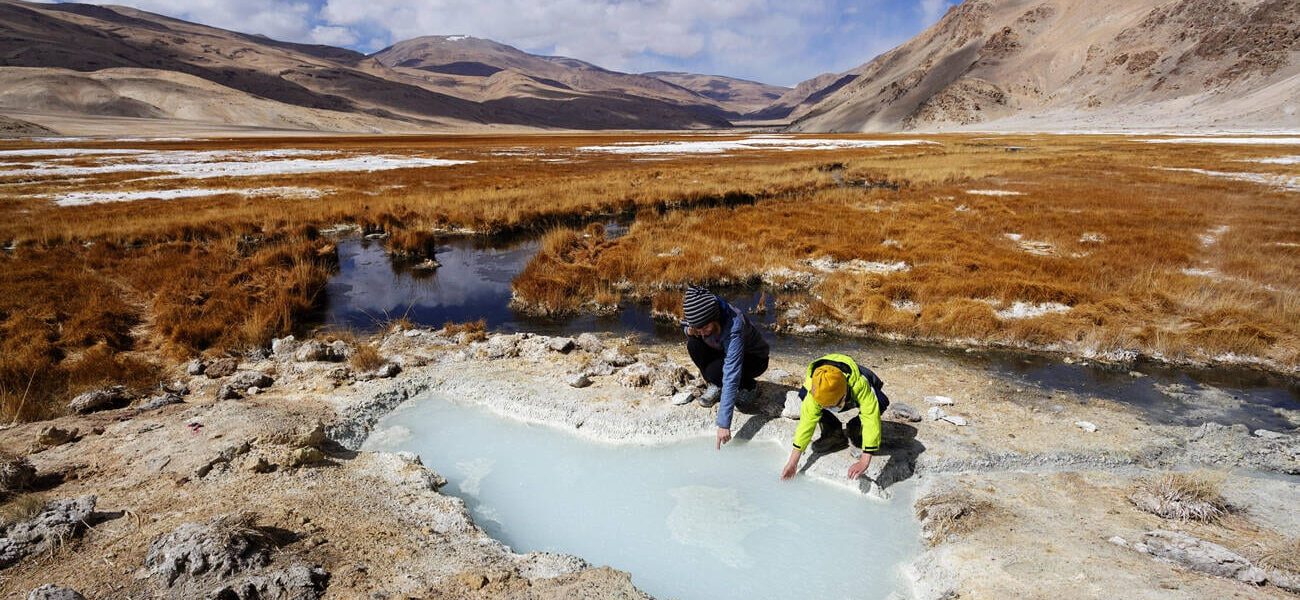
Zongo Hot Springs Ladakh: Route, Best Season & Safety Checklist
Rohit Verma
February 4, 2026
Plan a safe Zongo Hot Springs Ladakh trip with route ideas, season guidance, altitude precautions, and offbeat itinerary tips for this remote thermal springs experience.
Zongo Hot Springs Ladakh: A Realistic Planning Guide for Offbeat Travelers
Zongo Hot Springs is one of those Ladakh experiences that looks simple on social media but needs careful real-world planning. It is remote, high altitude, and route-dependent, so the visit works best when built into a disciplined itinerary instead of treated as a spontaneous day outing. If you are creating a full Ladakh circuit, first align your trip dates with best time to visit Ladakh, then balance mountain days with heritage stops like Alchi Monastery. For terrain context and elevation mindset, read Khardung La pass, and for approach planning from the plains, check Delhi to Leh road trip guide.
What Makes Zongo Different from Other Ladakh Stops
Most travelers to Ladakh prioritize iconic postcard locations, which can be crowded in peak windows. Zongo Hot Springs, by contrast, usually attracts slower travelers who enjoy quieter landscapes and small-format experiences. You are not coming here for shopping streets, nightlife, or a long list of cafes. You are coming for geothermal curiosity, mountain silence, and the feeling of finding a place that still has an off-route character. That difference is exactly why expectations matter. If you expect a developed tourist zone, you may feel underwhelmed. If you expect a raw, remote and restorative stop, the site feels special.
How to Build the Route Without Overloading the Day
The most common mistake is attempting Zongo as one more item in an already packed mountain day. In Ladakh, overloading always reduces safety and enjoyment. Build this as a primary objective day with one optional secondary stop nearby, not three to four scattered points. Start early, account for slower road conditions, and protect a daylight return margin. If you are on a multi-day itinerary, place Zongo after acclimatization days in Leh. Travelers who schedule it too early often face fatigue, mild altitude discomfort, and poor concentration on long mountain drives.
| Planning Element | Best Practice | Why It Matters |
|---|---|---|
| Trip sequencing | Visit after 2-3 acclimatization nights | Reduces altitude stress and improves stamina |
| Daily scope | One core objective + one optional stop | Prevents rushed returns in difficult terrain |
| Departure time | Early morning start | More daylight buffer for delays |
| Return planning | Fix hard turnaround time | Avoids unsafe late-evening mountain driving |
Seasonal Thinking: Access, Comfort, and Risk
Ladakh seasonality is not just about pleasant weather. It directly changes route reliability, support availability, and emergency response speed. Shoulder windows can be beautiful, but they also bring uncertainty in road quality and service coverage. Peak summer improves access but can increase movement on major corridors. Whenever you travel, keep one principle fixed: mountains reward conservative decisions. If weather visibility drops or conditions shift quickly, trim the plan immediately. At high altitude, forcing the original plan rarely gives better outcomes.
Health and Acclimatization Before Soaking
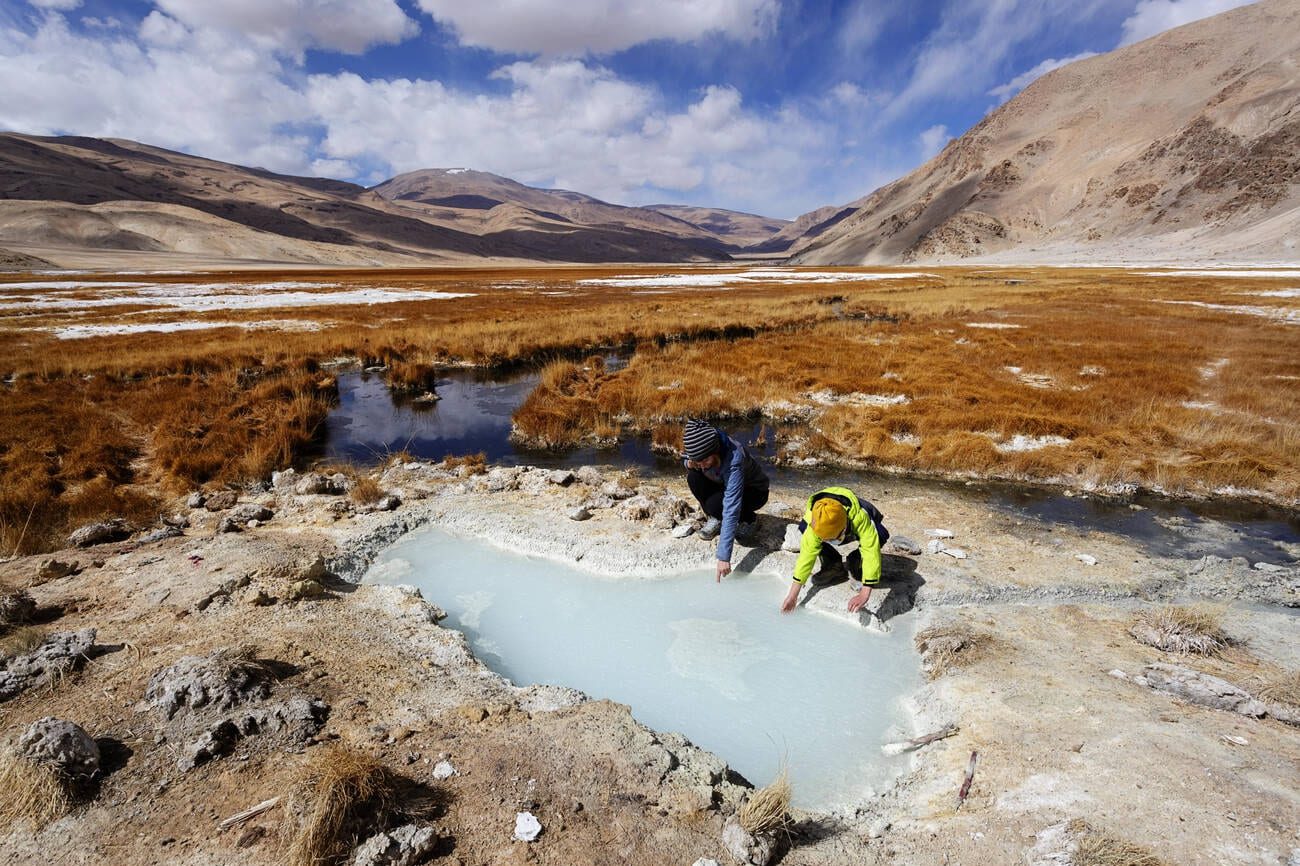
Hot spring visits at altitude feel relaxing, but your body is still under physiological load because of thinner air and long transit. Acclimatization is non-negotiable. Hydrate steadily, eat light before movement, and avoid alcohol around high-altitude transit days. During the visit, keep soaking sessions short and avoid sudden temperature shocks, especially if outside air is cold and windy. Move slowly when getting in and out, and do not treat the spring like a prolonged spa session. If headache, dizziness, nausea, or unusual breathlessness increases, reduce activity and prioritize descent or rest.
What to Pack for a Zongo Day
Packing for this route should focus on reliability, not volume. Carry layered clothing, extra socks, a quick-dry towel, slip-resistant footwear, drinking water, easy snacks, and a basic first-aid pouch. Keep power backup and offline maps ready because network conditions can vary. Bring garbage bags for your own waste and any wet clothes after the spring stop. Minimal but intelligent packing creates the best balance: enough to stay warm and safe, but not so much that movement becomes uncomfortable.
- Base and outer layers for fast temperature changes.
- Hydration bottle and oral rehydration support.
- Light meals/snacks to avoid long hunger gaps.
- Medicines prescribed for altitude-sensitive travel.
- Portable power bank and downloaded maps.
Budgeting Without Surprise Costs
Offbeat days in Ladakh often become expensive when travelers ignore hidden costs. Vehicle type, route distance, waiting time, and return-hour changes can all affect your total spend. Keep a flexible buffer in your plan for weather-driven rerouting or extra halt time. Book transport with clear terms: expected route, waiting duration, pickup/drop points, and emergency contact. A written understanding with your operator reduces end-of-day disputes and keeps the trip calmer.
Responsible Travel at Thermal Springs
Remote natural sites stay beautiful only when visitors leave no trace. Do not use soaps, shampoos, or chemical products in thermal water zones. Avoid loud music and keep photography respectful, especially if locals are around. Carry back every wrapper and bottle, even if a bin is not visible nearby. Thermal ecosystems are fragile; one careless travel season can damage a place that took decades to stay clean and naturally balanced. Responsible behavior is not a bonus here, it is the baseline.
Suggested Day Flow for Better Experience
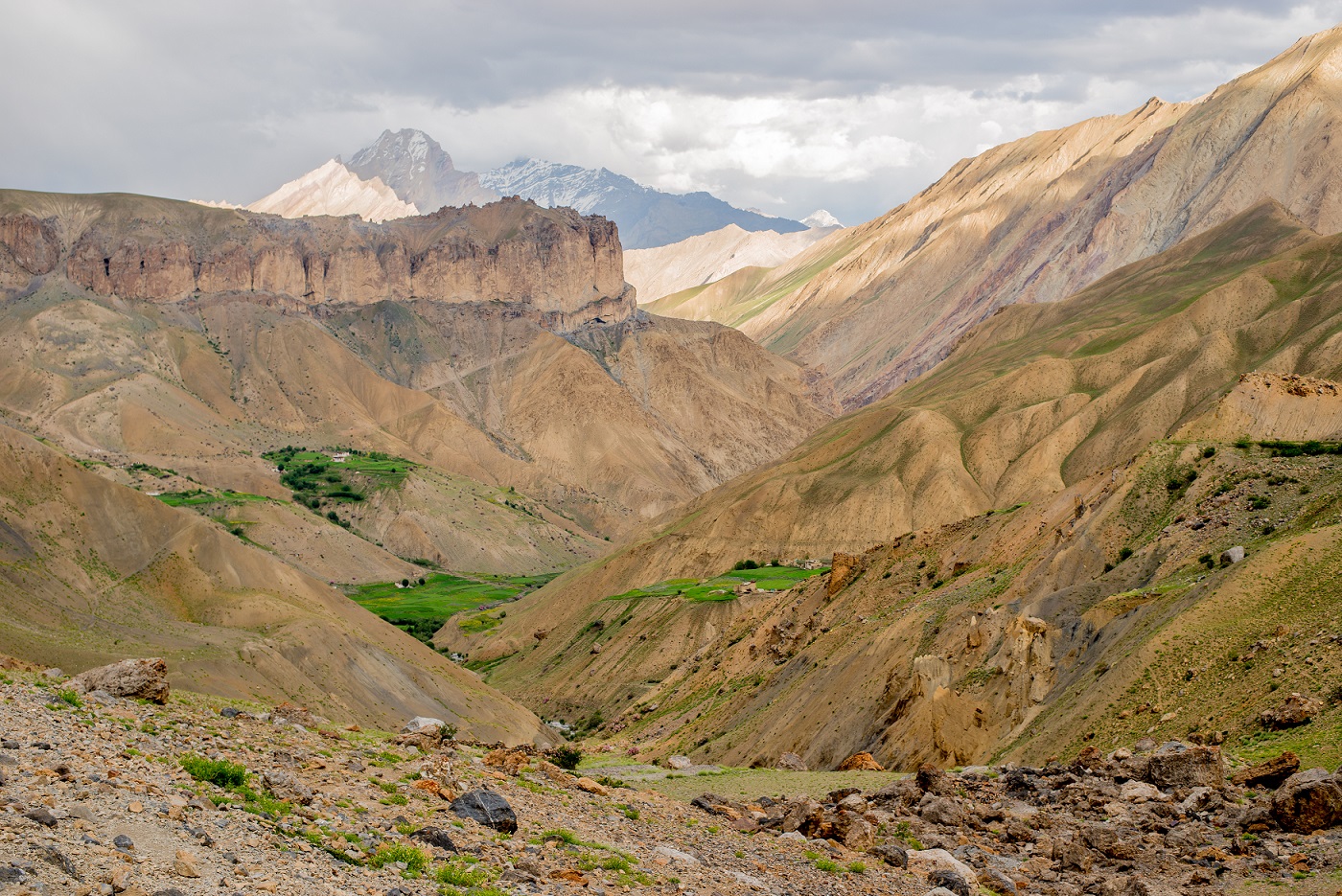
A strong Zongo day usually follows a predictable rhythm: early departure, steady transit pace, brief adaptation halt, focused spring visit, short scenic break, and disciplined return. Keep photography windows planned so they do not steal buffer time from your return leg. If you are with a group, assign one timing lead to avoid scattered decisions. When everyone knows the sequence, the day feels easier and safer. The goal is not to maximize stops; the goal is a smooth, memorable offbeat day with low stress.
Combining Zongo with a Wider Ladakh Itinerary
Zongo fits best in itineraries designed around contrast: one high-energy day, one soft recovery day, one cultural day. This pattern helps manage fatigue in Ladakh where every road day demands attention. You can place Zongo after Leh acclimatization and before long pass-heavy stretches. Pairing it with one monastery visit and one low-intensity local evening often creates a balanced rhythm. Travelers who alternate effort and recovery generally enjoy Ladakh more and report fewer altitude-related disruptions.
Emergency and Communication Planning
Because Zongo is an offbeat mountain stop, you should treat communication and fallback planning as part of the itinerary. Keep at least one contact in Leh informed of your route and expected return time. Download offline maps before departure and save key waypoints. If your group uses two vehicles, set radio or phone check intervals at planned points instead of random updates. This avoids panic when network becomes intermittent.
Also keep one weather-trigger rule: if visibility drops beyond comfort level, cut the day short. Mountains reward conservative retreat decisions. A flexible mindset improves both safety and experience quality.
Post-Visit Recovery for Multi-Day Trips
After a hot-springs day at altitude, schedule a lighter following day whenever possible. Use recovery blocks such as short city exploration, monastery visits, and hydration-focused rest. This pattern reduces cumulative fatigue and helps maintain performance for longer passes and drives later in the trip. Travelers who alternate effort and recovery usually enjoy Ladakh more and face fewer disruptions.
Final Word: Why Zongo Rewards Discipline
Zongo Hot Springs is not difficult because it is extreme; it is difficult because it punishes casual planning. Travelers who build realistic timings, altitude-aware pacing, and simple route logic usually come back with an excellent experience. Keep your plan light, your safety margin high, and your expectations aligned with a remote mountain destination. If you treat Zongo as a focused offbeat day instead of a checklist add-on, it can become one of the most memorable parts of your Ladakh journey.
Location
Frequently Asked Questions
Q1.What is the best season to visit hot springs in Ladakh?
Q2.How should travelers plan altitude safety for hot spring visits?
Q3.How much time is needed for a hot-springs-focused Ladakh route?
Q4.Can Zongo and other hot spring spots be combined in one itinerary?
Q5.What is a practical budget for this offbeat Ladakh experience?
Q6.Is this type of trip suitable for families and seniors?
Q7.What essentials should visitors carry for remote Ladakh routes?
Q8.What common planning mistakes should travelers avoid?
Recommended For You
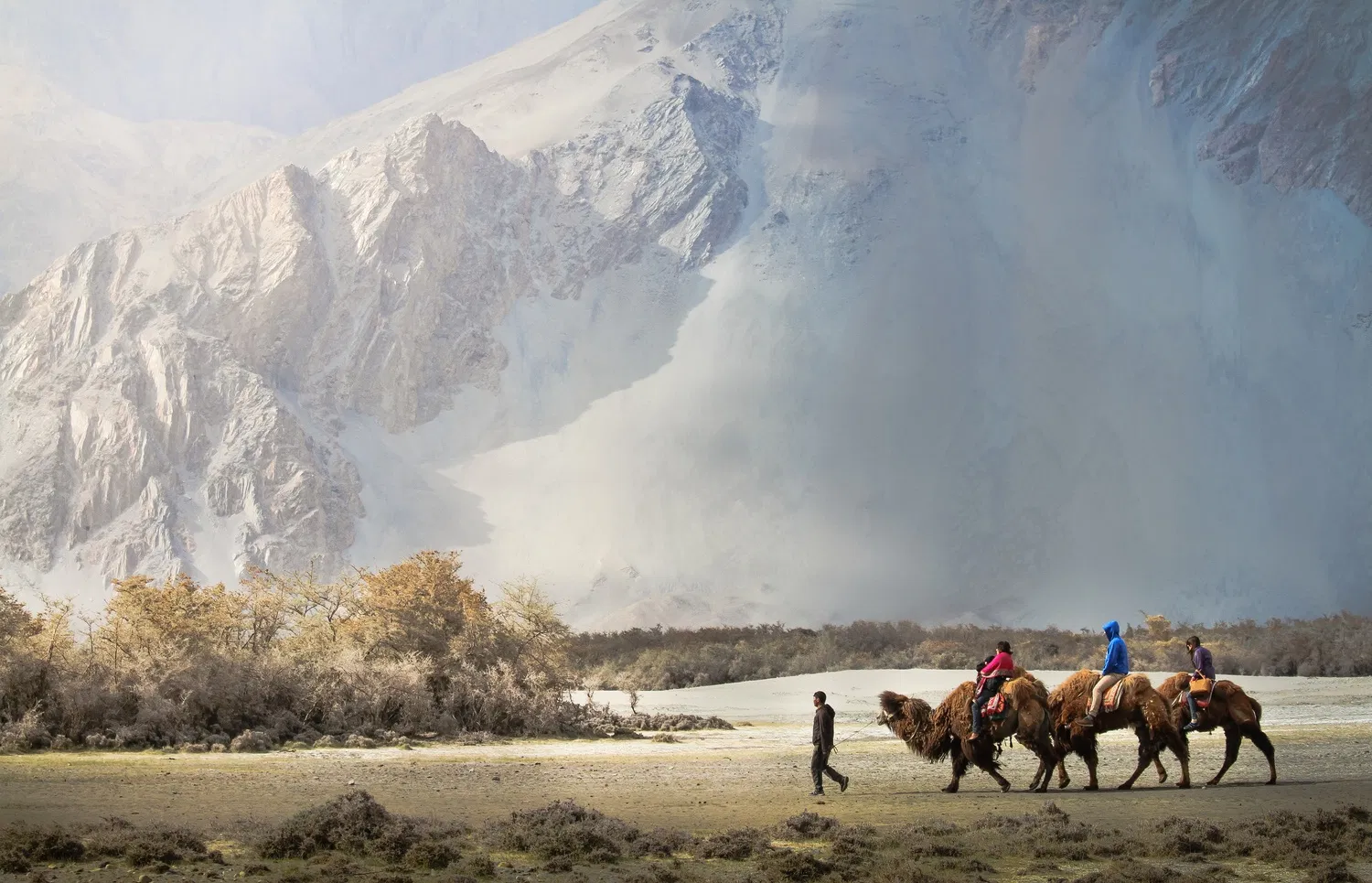
Leh Ladakh Family Trip: Itinerary, Acclimatization & Kid-Friendly Stops
Plan a safe family trip to Leh Ladakh with kids. Best time, itinerary, acclimatization tips & child-friendly activities included.
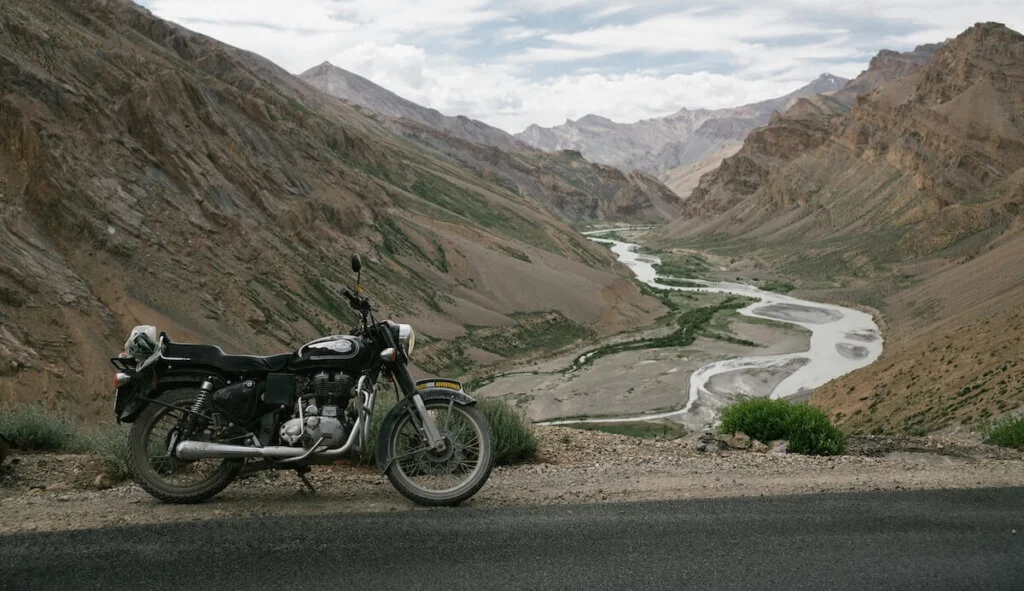
Leh Ladakh Bike Trip: Complete Route And Itinerary Plan
Plan Leh Ladakh bike trip with route choices, itinerary, cost, permits, acclimatization tips, and practical riding prep for a safer high-altitude ride.
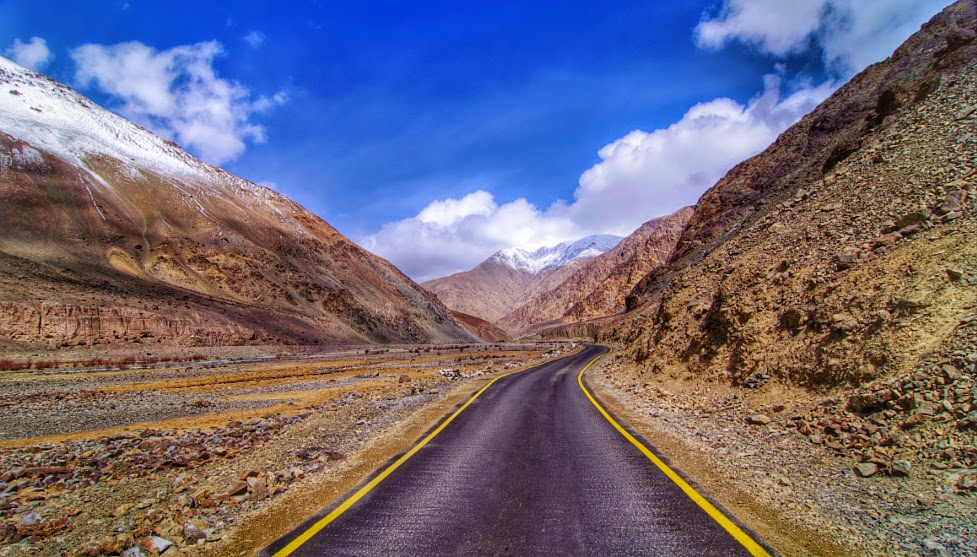
Acute Mountain Sickness in Ladakh: Prevention
Complete guide to Acute Mountain Sickness in Ladakh. Learn symptoms, prevention, medicines, acclimatization tips & safety measures for high-altitude travel.
Never Miss an Adventure
Get the latest trekking guides, travel tips, and exclusive offers delivered straight to your inbox.
