
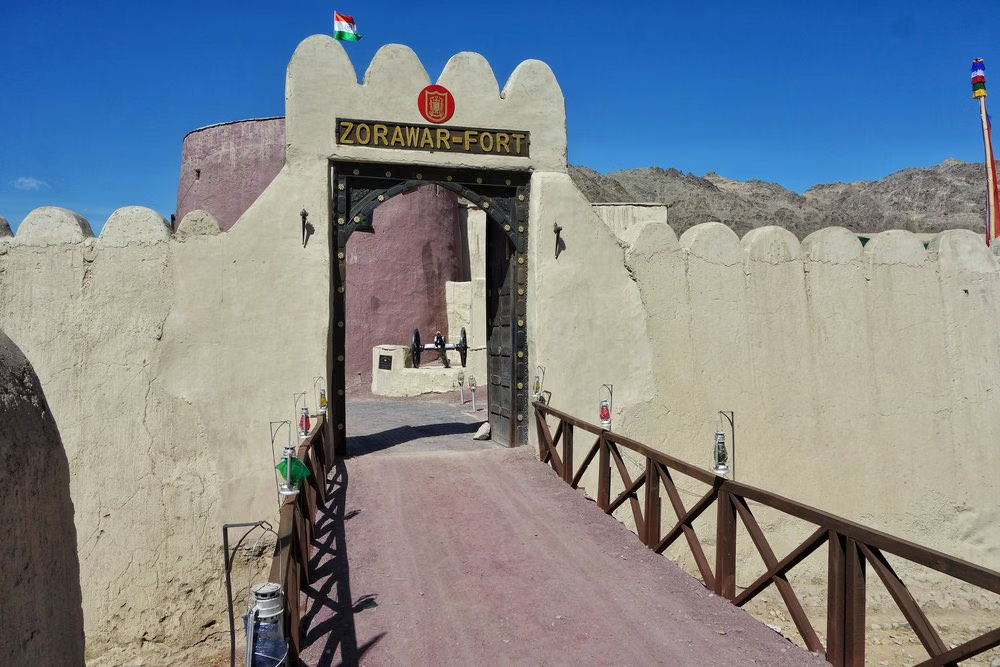
Zorawar Fort Leh: History, Timings, Entry & Nearby Attractions

Priya Mehta
November 26, 2025
Explore historic Zorawar Fort in Leh. Guide to Dogra heritage, museum timings, entry fee & how to visit this 19th-century fort in Ladakh.
Introduction
Perched on a hilltop overlooking Leh town, Zorawar Fort stands as a testament to the Dogra dynasty's military prowess and their expansion into the Himalayan region. Built in the 19th century, this historic fort offers visitors a fascinating glimpse into Ladakh's military history and the legacy of General Zorawar Singh, one of the most renowned commanders of the Dogra army. Unlike the more famous Leh Palace, which represents the region's royal heritage, Zorawar Fort tells the story of conquest, strategy, and the military campaigns that shaped the region's history.
The fort's strategic location provides panoramic views of Leh town, the Indus Valley, and the surrounding mountains, making it not just a historical site but also a photographer's delight. Today, the fort houses a museum that showcases an impressive collection of military artifacts, weapons, and documents from the Dogra era. For history enthusiasts and those interested in understanding the complex military history of the Himalayas, Zorawar Fort offers an immersive educational experience that complements the many monasteries and natural attractions that draw visitors to Ladakh.
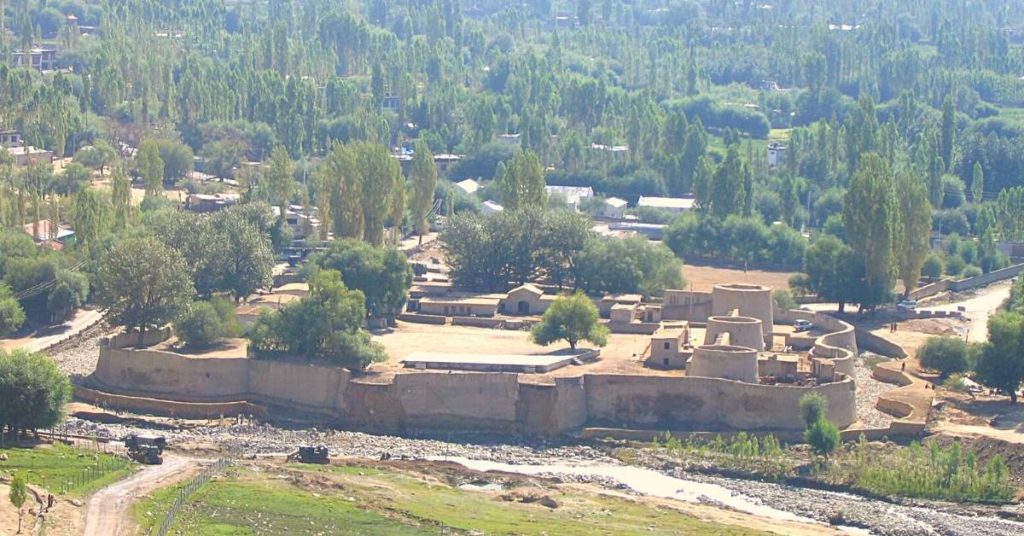
Despite its historical significance, Zorawar Fort receives fewer visitors than some of Leh's other attractions, which means you can explore its grounds and museum in relative peace. The fort's remote location and the short hike required to reach it add to the sense of discovery, making a visit here feel like uncovering a hidden gem of Ladakh's rich historical tapestry.
History of Zorawar Fort
Zorawar Fort was constructed in the 1830s under the command of General Zorawar Singh, a legendary figure in Dogra military history. The fort was built during a period of significant expansion by the Dogra rulers, who were based in Jammu and sought to extend their control over the Himalayan regions of Ladakh, Baltistan, and Zanskar. This expansion was part of the larger project of Maharaja Gulab Singh of Jammu, who had established the Dogra dynasty and envisioned a kingdom that stretched across the Himalayas.
The construction of the fort served both symbolic and practical purposes. Practically, it functioned as a military garrison for Dogra forces stationed in Ladakh, providing a secure base for operations and a storage facility for weapons and supplies. Symbolically, it represented Dogra authority over the region and served as a reminder of the new political order that had been established. The fort's location on a hill overlooking Leh was strategically chosen – it allowed for surveillance of the town and surrounding areas, while its elevated position made it defensible against attack.
The fort played a crucial role in the Dogra consolidation of power in Ladakh. From here, General Zorawar Singh planned and launched his famous campaigns into Baltistan and Tibet. These campaigns, which are remarkable for their logistical achievements given the challenging terrain and harsh climate, resulted in the expansion of Dogra territory deep into the Himalayas. The fort thus served as the launching point for some of the most ambitious military operations in Himalayan history.
After General Zorawar Singh's death in 1841 during his Tibet campaign, the fort continued to serve as a military installation. Over time, however, its strategic importance diminished as military technology evolved and political boundaries shifted. By the late 19th and early 20th centuries, the fort had largely fallen out of active military use.
Preservation and Museum
In recent decades, recognizing the fort's historical significance, the Archaeological Survey of India (ASI) undertook conservation efforts to preserve the structure. The fort was declared a protected monument, and work was done to stabilize the remaining walls and structures. As part of these preservation efforts, a museum was established within the fort to showcase the military history of the region and honor the legacy of General Zorawar Singh.
Today, the fort serves as a bridge to Ladakh's past, offering visitors the opportunity to learn about a period of history that is often overshadowed by the region's Buddhist heritage and natural beauty. The museum within the fort provides context and brings to life the stories of the soldiers and commanders who once walked these grounds.
Architecture & Layout
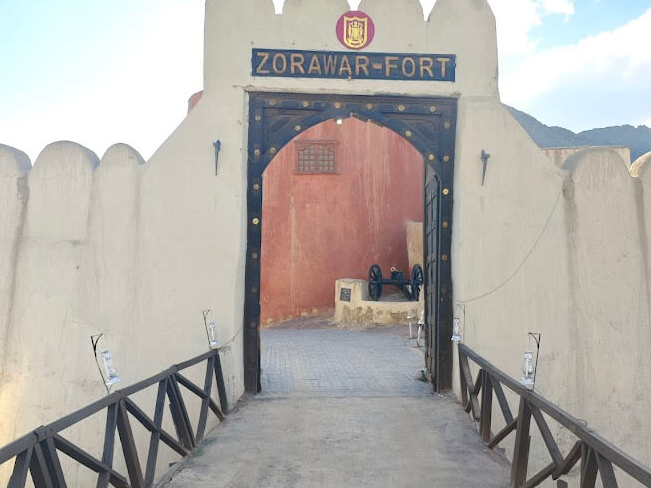
Zorawar Fort exemplifies traditional Dogra military architecture, which was influenced by both indigenous Himalayan building techniques and the military architectural traditions of the Indian subcontinent. The fort's design reflects both defensive considerations and the practical needs of a military garrison operating in one of the world's most challenging environments.
The fort is built primarily from stone, wood, and mud bricks – materials that were readily available locally and had proven effective in the harsh Himalayan climate. The thick stone walls provided insulation against the extreme cold of winter, while the mud bricks helped regulate temperature. The use of wood was limited but strategic, employed for beams, door frames, and other structural elements where flexibility was needed to withstand earthquakes, which are not uncommon in this seismically active region.
The structure is essentially rectangular, with bastions at key positions that allowed for defensive fire in multiple directions. The fort's elevated position on the hilltop was itself an important defensive feature – attacking the fort would have required an uphill assault against soldiers positioned above, a significant tactical disadvantage. The design also included watchtowers that provided panoramic views of the surrounding area, allowing for early warning of any approaching forces.
The internal layout centers around a courtyard, which would have been the heart of daily life in the fort when it was an active garrison. Rooms and chambers are arranged around this central space, originally serving as barracks, storage areas, and administrative offices. The layout was efficient, maximizing the available space on the hilltop while providing all the facilities a military unit would need.
Today, the fort is in a partially restored state. Some sections have been carefully stabilized and maintained, while others remain in ruins, giving visitors a sense of the fort's age and the passage of time. The contrast between the restored sections and the ruined areas adds to the atmospheric quality of the site, inviting the imagination to picture how the fort would have looked in its prime.
One of the most striking features of the fort is its location. The hilltop position provides unobstructed views in all directions – Leh town spreads out below, the Indus River winds through the valley, and the snow-capped peaks of the Ladakh and Zanskar ranges form a dramatic backdrop. These views would have been strategically important when the fort was an active military installation, and today they provide one of the best vantage points for photography and sightseeing in the Leh area.
Museum Collections
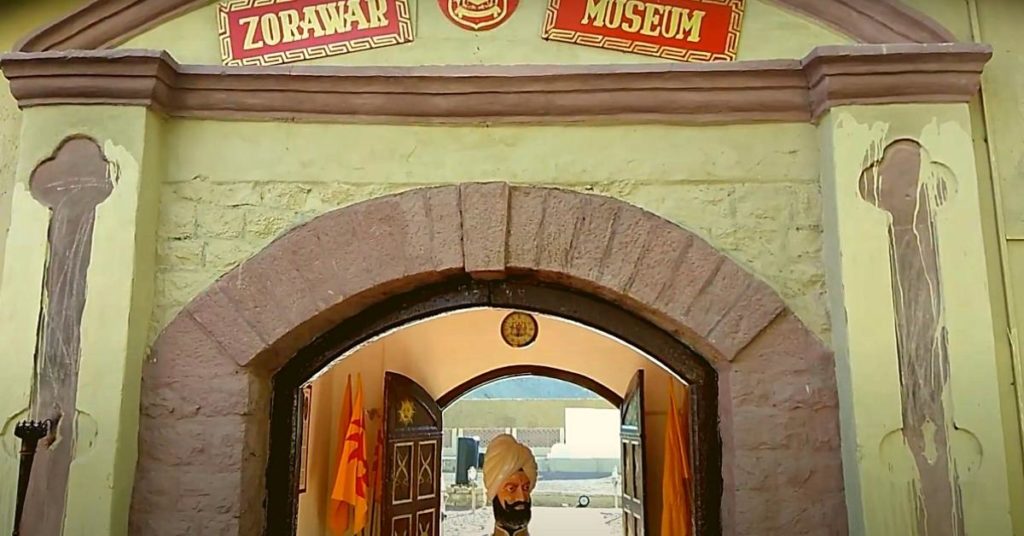
The museum housed within Zorawar Fort is the main attraction for most visitors and provides the most comprehensive insight into the fort's history and the military campaigns that originated from here. The collection is well-curated and presented, with informative displays that help visitors understand the historical context of the artifacts.
Weapons and Military Equipment
The museum's collection of weapons is extensive and represents different periods of the fort's history. You'll find swords, rifles, pistols, and other small arms that were used by the Dogra military. Some of these weapons are remarkably preserved, with intricate craftsmanship that speaks to the metallurgical skills of the period. Cannons and larger artillery pieces are also on display, giving visitors a sense of the firepower that the fort once commanded.
Military Uniforms and Regalia
Several uniforms from the Dogra army are on display, complete with insignia, medals, and other regalia. These uniforms help visitors visualize the soldiers who served here and understand the military hierarchy and organization of the time. The details in the uniforms – from the quality of the fabric to the design of the buttons – provide insight into the material culture of the 19th-century military in the Himalayas.
Historical Documents
One of the most valuable sections of the museum contains original documents from the period. These include treaties signed between the Dogras and regional rulers, maps showing the extent of Dogra territories, and personal letters from General Zorawar Singh and other commanders. These primary sources provide a direct connection to the past and offer insights into the diplomatic and strategic considerations that shaped the region's history.
Photographs and Paintings
The museum features historical photographs showing the fort and surrounding areas in the 19th and early 20th centuries. These images provide valuable context, allowing visitors to see how the landscape has changed – and in some cases, remained the same – over the decades. Portraits of Dogra rulers and military commanders, including General Zorawar Singh himself, help put faces to the names that feature prominently in the historical narrative.
Personal Artifacts
Perhaps the most evocative items in the museum are the personal belongings of General Zorawar Singh. These include everyday items that he used, as well as ceremonial objects that reflect his status. These personal artifacts humanize the historical figure and help visitors connect on a more personal level with the people whose stories are told here.
Exhibits on Campaigns
Detailed exhibits cover the major military campaigns launched from the fort, including the conquest of Ladakh, the invasion of Baltistan, and the ambitious Tibet expedition. Maps show the routes taken by the armies, while information panels explain the logistical challenges of moving troops and supplies through some of the most difficult terrain on Earth. These exhibits highlight the remarkable organizational and leadership skills of General Zorawar Singh and his commanders.
The museum is well-organized with clear signage in both English and Hindi, making it accessible to a wide range of visitors. Allow at least an hour to explore the museum thoroughly – longer if you're a history enthusiast or want to read all the detailed information panels.
General Zorawar Singh
Any visit to Zorawar Fort is incomplete without understanding the man for whom it was named. General Zorawar Singh was one of the most remarkable military figures in Indian history, yet his story is not as widely known as it deserves to be.
Born in 1786 in the Kangra region of what is now Himachal Pradesh, Zorawar Singh rose through the ranks of the Dogra army through a combination of military skill, strategic brilliance, and personal courage. His talents were recognized by Maharaja Gulab Singh of Jammu, who entrusted him with the command of forces in the Himalayan frontier.
Zorawar Singh's military achievements were extraordinary. He conquered Ladakh in 1834, adding this strategically important region to the Dogra kingdom. He then turned his attention westward, capturing Baltistan (now in Pakistan-administered Kashmir) in 1840-41. His most ambitious campaign was the invasion of Tibet in 1841, in which he led his forces across the high Himalayan passes and deep into the Tibetan plateau.
These campaigns were logistical marvels. Zorawar Singh had to move thousands of troops, along with their equipment and supplies, through some of the highest mountain passes in the world, in terrain where roads were non-existent and the climate was brutally harsh. The fact that he was able to do this successfully, and repeatedly, speaks to his exceptional organizational skills and his ability to motivate and lead men in the most challenging conditions.
His nickname, the "Napoleon of India," was well-earned. Like Napoleon, he was a master of strategy and tactics who achieved remarkable victories against larger forces. However, his campaigns also ended in tragedy, much like Napoleon's Russian campaign. In December 1841, during the Tibet campaign, Zorawar Singh's forces were defeated at the Battle of Toyo, and Zorawar Singh himself was killed in battle.
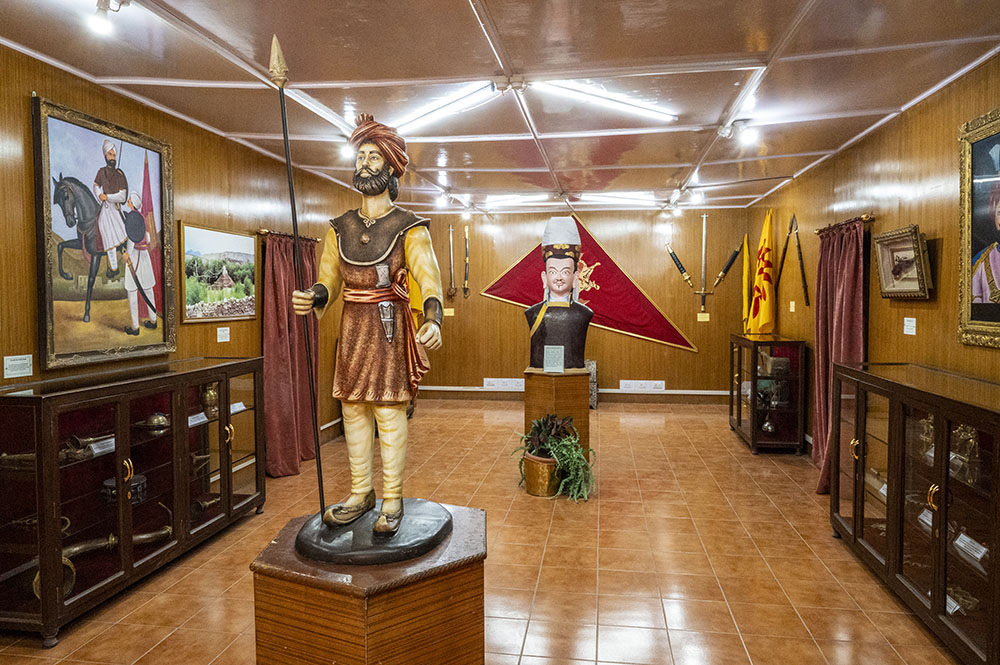
Despite the ultimate failure of the Tibet campaign, Zorawar Singh's legacy endured. The territories he conquered remained part of the Dogra kingdom and later became part of the princely state of Jammu and Kashmir. His military achievements expanded the Dogra kingdom to its greatest territorial extent and established Dogra control over vast areas of the western Himalayas that continues to shape the region's political geography to this day.
The fort that bears his name serves as a lasting memorial to this extraordinary military commander. Within the fort, visitors can learn about his life, his campaigns, and his lasting impact on the history of the Himalayan region.
Best Time to Visit
The best time to visit Zorawar Fort is during the summer months when Leh is accessible and the weather is pleasant. From May to September, the roads to Ladakh are open, the skies are generally clear, and daytime temperatures are comfortable for exploring outdoor sites like the fort.
June through August represents the peak tourist season in Ladakh. During these months, the weather is at its most reliable, with warm days and cool nights. The fort is open daily, and the clear skies provide excellent visibility for the panoramic views from the fort's hilltop location. However, this is also when the area receives the most visitors, so you may encounter other tourists at the fort and museum.
September is an excellent time to visit if you prefer fewer crowds. The weather is still pleasant, though temperatures begin to drop as autumn approaches. The skies remain clear, and the lighting can be spectacular for photography, with soft golden tones replacing the harsher summer sun.
May and early June can be beautiful, with the landscape lush and green from the spring thaw. However, weather can be more unpredictable during these transition months, and there's always a possibility of late-season snowfalls that might temporarily affect access.
Winter, from November to March, presents significant challenges. Leh receives heavy snowfall, temperatures regularly drop well below freezing, and many facilities, including the fort museum, may be closed or have reduced hours. The roads to Ladakh from the rest of India are typically closed due to snow, with the only access being by air. Unless you're specifically interested in experiencing winter in Ladakh, this is not the recommended time for visiting Zorawar Fort.
In terms of the time of day, morning (9-11 AM) and late afternoon (3-5 PM) are ideal for visiting. The morning light is excellent for photography, and the fort tends to be quieter. Late afternoon visits offer the added benefit of golden hour lighting, which can make the landscape views particularly beautiful. Midday visits, especially in summer, can be hot and bright, making the climb to the fort less comfortable.
Timings & Entry Fee
Planning your visit to Zorawar Fort requires awareness of the opening hours and entry fees to ensure a smooth experience.
Opening Hours
The fort is generally open from 10:00 AM to 5:00 PM, Tuesday through Sunday. The museum and fort are closed on Mondays and on national holidays. It's always advisable to check current opening hours before visiting, as these can change seasonally or for special events.
The last entry is typically at 4:30 PM, giving visitors about 30 minutes before the fort closes. Plan to arrive by at least 3:00 PM if you want to explore the museum thoroughly and enjoy the views without feeling rushed.
Entry Fees
There is a nominal entry fee to visit the fort and museum:
- Indian Citizens: ₹20 per person
- Foreign Tourists: ₹100 per person
- Still Camera: ₹50 fee for photography
- Video Camera: ₹100 fee for videography
These fees are subject to change, so it's worth confirming current rates before your visit. The fees help support the maintenance and preservation of this important historical site.
Tickets
Tickets can be purchased at the fort entrance. There's no online booking system currently in place for Zorawar Fort, so you'll need to pay in person when you arrive. Cash is the preferred payment method, so ensure you have Indian currency in small denominations.
Recommended Duration
Plan to spend approximately 1-2 hours at Zorawar Fort. This allows enough time to explore the museum exhibits thoroughly, walk around the fort grounds, enjoy the panoramic views, and take photographs. History enthusiasts may want to allow more time, especially if they're reading all the information panels in detail.
How to Reach
Zorawar Fort is easily accessible from Leh town, and reaching it is part of the experience, involving a short hike or drive through the hills overlooking the town.
Location
The fort is located in Skyangba Tspo, approximately 2 kilometers from Leh's main market. The fort is situated on Fort Road, which winds uphill from the town center to the hilltop where the fort is located.
Walking
The most traditional way to reach the fort is on foot. The walk from Leh's main market takes approximately 30 minutes and involves climbing uphill. The path is well-defined and offers glimpses of local life as you pass through residential areas of Leh. The walk is moderately strenuous due to the elevation (Leh is at 11,500 feet) and the uphill climb. Take your time, stay hydrated, and enjoy the increasingly beautiful views as you ascend.
By Taxi
Taxis are readily available in Leh and can take you most of the way to the fort. The drive from the town center takes about 10 minutes. Note that even if you take a taxi, there's still a short walk from the drop-off point to the fort entrance, as vehicles can't go all the way to the top.
Route
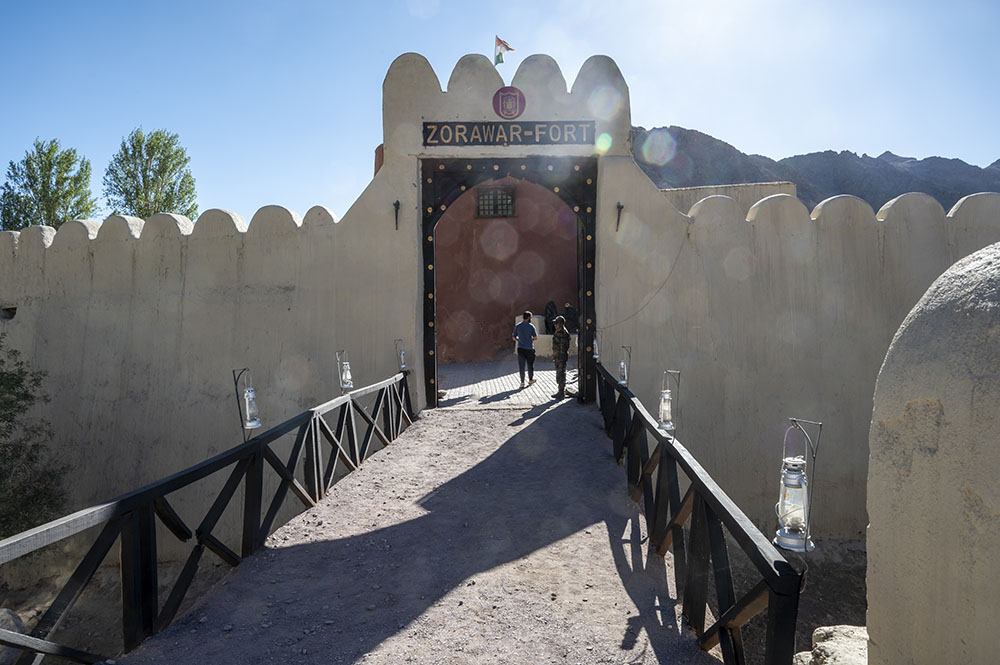
From Leh's main market, head towards Fort Road. There's signage along the route pointing towards Zorawar Fort. The road climbs steadily uphill, with the fort becoming visible above you as you ascend. The final approach is on foot, up a path that leads to the fort entrance.
Parking
There's limited parking available near the fort entrance for those who drive themselves. The parking area is unpaved but sufficient for the number of visitors the fort typically receives.
Accessibility
It's important to note that reaching the fort involves some physical effort. The uphill walk, while not technically difficult, can be challenging at Leh's high altitude, especially for those not yet acclimatized. Take it slowly and don't underestimate the effect of altitude on your energy levels.
Nearby Attractions
Zorawar Fort's location in Leh makes it easy to combine with other attractions in the area. Here are some nearby sites that you can visit on the same day:
Leh Palace: Just 2 kilometers away, Leh Palace is the former royal residence of the Ladakhi kings. This nine-story palace offers a fascinating contrast to Zorawar Fort, representing the region's royal heritage rather than its military history. The palace's architecture and the views from its rooftop make it a must-visit attraction.
Shanti Stupa: Located 3 kilometers from the fort, Shanti Stupa is a beautiful white-domed Buddhist stupa that was built to promote world peace. Perched on a hilltop, it offers stunning views of Leh and the surrounding mountains, especially at sunset. The stupa's peaceful atmosphere provides a spiritual counterpoint to the military history of Zorawar Fort.
Namgyal Tsemo Monastery: Situated above Leh Palace, this ancient monastery dates back to the 15th century and houses a three-story high gold statue of Maitreya Buddha. The monastery's location provides some of the best panoramic views of Leh.
Main Market Leh: The town's main market, Leh Bazaar, is within walking distance of the fort and offers shopping for souvenirs, local handicrafts, and Tibetan artifacts. It's also a great place to try local Ladakhi cuisine at one of the many restaurants.
Hall of Fame: About 4 kilometers from Zorawar Fort, the Hall of Fame is a museum constructed by the Indian Army. It showcases the heroism of Indian soldiers and provides insights into the Siachen Glacier and other aspects of military life in the region.
Chokhang Vihara: This Buddhist temple in the old town of Leh features beautiful frescoes and serves as an active place of worship for local Buddhists.
Jama Masjid: Leh's historic mosque, located in the main market area, represents the religious diversity of the town and is an interesting example of Islamic architecture in the Himalayan region.
Tips for Visitors
To make the most of your visit to Zorawar Fort, keep these tips in mind:
- Carry Water: The high altitude and dry climate of Leh can lead to dehydration. Bring a water bottle and drink regularly, especially during the uphill walk to the fort.
- Wear Comfortable Shoes: Whether you're walking from town or just exploring the fort grounds, comfortable footwear is essential. The path to the fort is uneven in places, and you'll be doing some climbing.
- Respect Cultural Sentiments: The fort is a place of historical and cultural significance. Be respectful, don't damage any structures or artifacts, and follow any rules or guidelines posted by the authorities.
- Allow Sufficient Time: Plan for at least 1-2 hours to fully explore the fort and museum. Rushing through will mean missing much of what makes this site special.
- Consider a Guide: While the museum has informative displays, hiring a local guide can provide deeper insights into the history and context of the fort and the campaigns launched from here.
- Combine with Leh Palace: Since Leh Palace is nearby, consider visiting both sites on the same day for a comprehensive understanding of Leh's historical heritage.
- Budget for Photography Fees: If you plan to take photos inside the museum, remember that there are additional fees for camera use. Bring small denominations of cash.
- Best Views: For the most photogenic views, time your visit for late afternoon when the golden light illuminates the surrounding mountains and valleys.
- No Food Facilities: There are no food stalls or restaurants inside the fort. Bring snacks if you think you'll get hungry, and plan to eat before or after your visit.
- Acclimatization: If you've just arrived in Leh, give yourself a day or two to acclimatize before attempting the uphill walk to the fort. The exertion combined with high altitude can cause altitude sickness symptoms.
Location
Frequently Asked Questions
Q1.What are the opening timings of Zorawar Fort?
Q2.Is there an entry fee for Zorawar Fort?
Q3.How much time to spend at the fort?
Q4.What can you see in the fort museum?
Q5.Is Zorawar Fort worth visiting?
Q6.Can we take photos inside the fort?
Q7.Is the fort open in winter?
Q8.Best time to visit Zorawar Fort?
Recommended For You
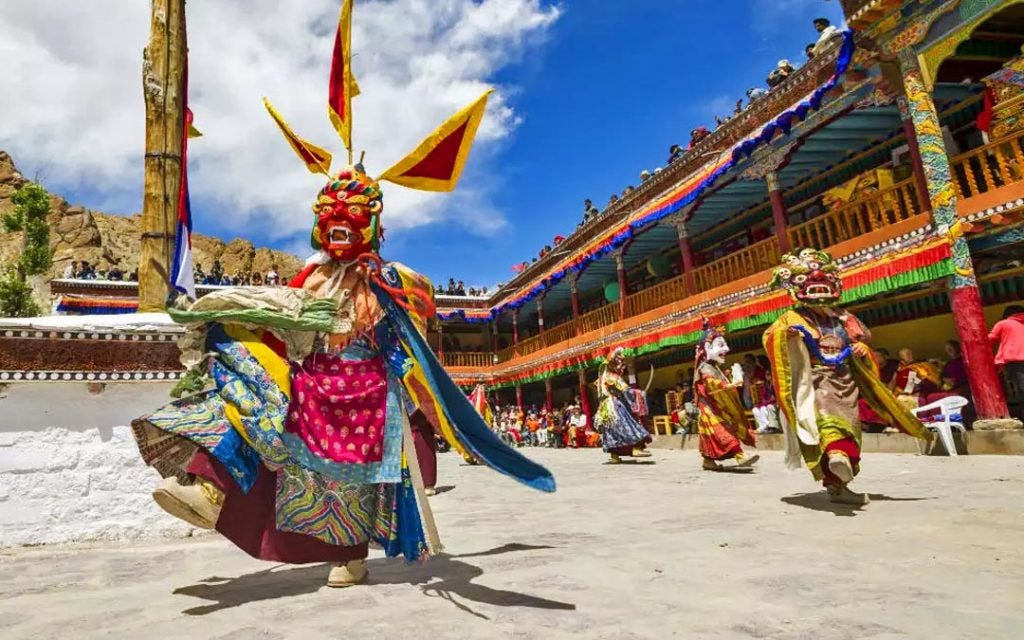
Culture of Ladakh: Traditions, Faith, and Living Heritage
Discover the culture of Ladakh through Buddhist traditions, festivals, monasteries, cuisine, crafts, social customs, and respectful travel practices.
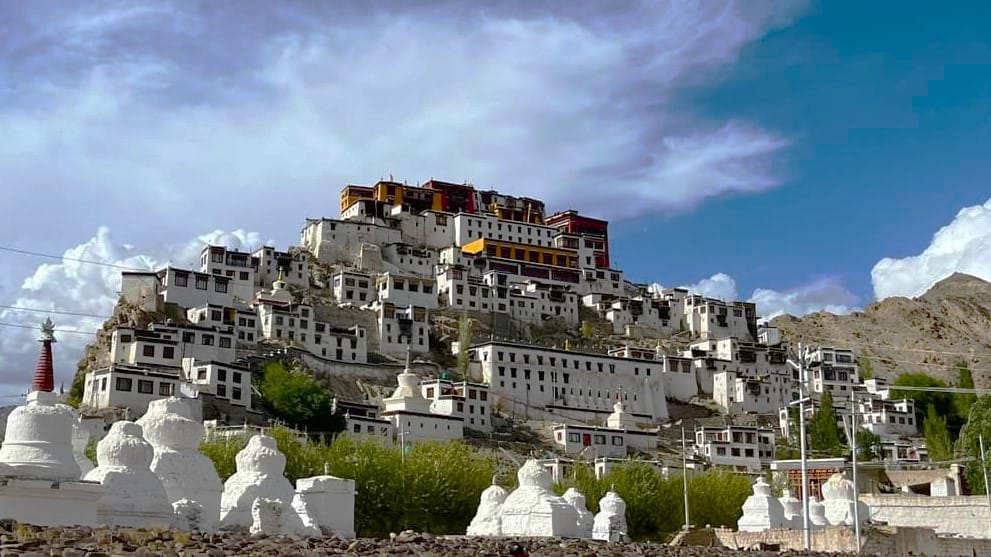
Monasteries in Ladakh: Routes, Etiquette and Top Gompas
Explore monasteries in Ladakh with practical route planning, key gompa highlights, and respectful visitor etiquette.
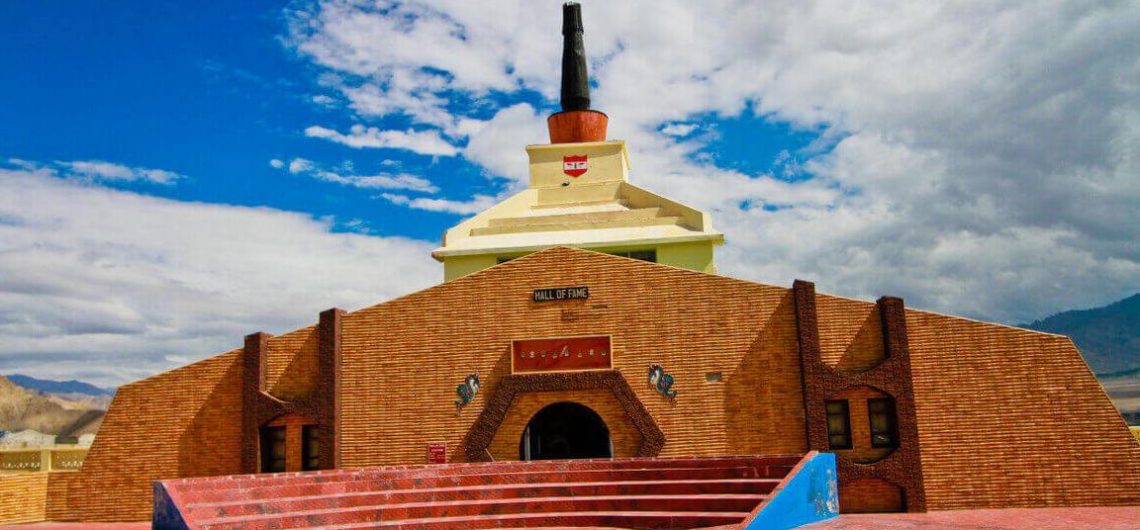
Hall of Fame Leh: Timings, Entry Fee & Museum Highlights
Plan Hall of Fame Leh Ladakh with timings, entry fee, gallery highlights, location tips, and practical advice for a respectful and smooth visit today.
Never Miss an Adventure
Get the latest trekking guides, travel tips, and exclusive offers delivered straight to your inbox.
