
Alai Darwaza Delhi: History, Architecture Details & Visit Tips

Ananya Sharma
February 20, 2026
Explore Alai Darwaza in Delhi’s Qutub Complex with historical context, architectural highlights, entry planning, and practical visitor strategies.
Introduction
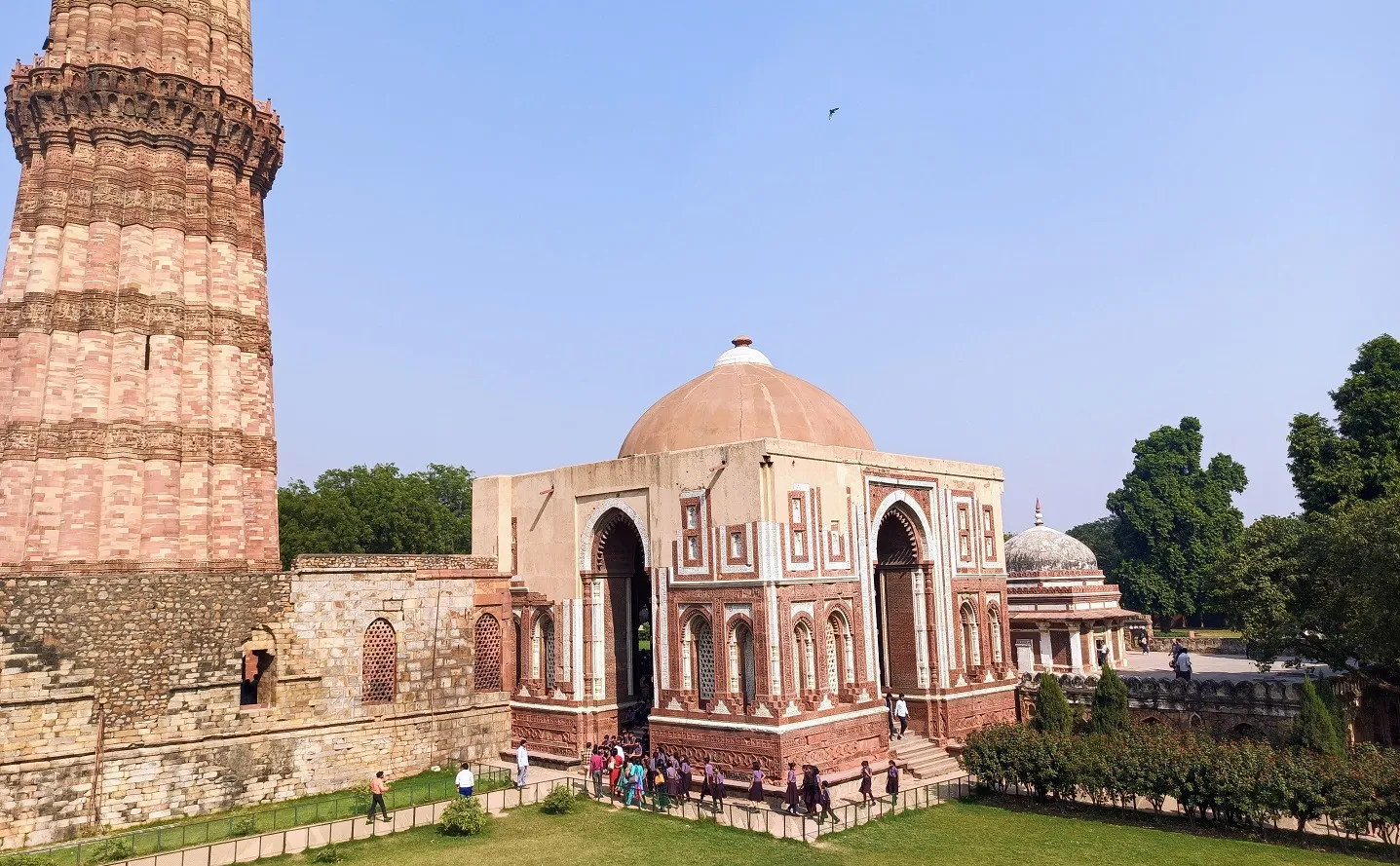
Alai Darwaza is one of the most important structures inside the Qutub Complex and a must-see for travelers interested in Indo-Islamic architecture Delhi is known for. While many visitors come mainly for Qutub Minar, this gateway often becomes the most discussed part of the visit once people notice its proportions, stonework precision, and geometric design language. It is compact in scale but very rich in architectural detail, which is why serious heritage walkers and photographers keep it high on their Delhi monument list.
If you are planning a heritage day, treat Alai Darwaza as more than a side stop. This guide explains alai darwaza history, who built it, where it sits in the qutub complex monuments circuit, and how to plan your visit with timing and ticket clarity. You can also combine this route with Qutub Minar and broader city planning from places to visit in Delhi.
Historical Background
Alai Darwaza was commissioned during the Delhi Sultanate period under Alauddin Khalji in the early 14th century. It was designed as a monumental gateway for the expanded religious and ceremonial complex around Qutub. In historical interpretation, this structure marks a major stage in the evolution of Indo-Islamic building practice in North India, especially in terms of planned arch treatment and decorative integration.
Visitors often search for one direct answer: who built Alai Darwaza. The accepted historical attribution points to Alauddin Khalji’s patronage. But what matters during the visit is understanding intent. This was not merely an entrance block; it signaled power, architectural ambition, and a shift toward more refined ornamental vocabulary in Delhi’s early Sultanate constructions.
Architectural Highlights
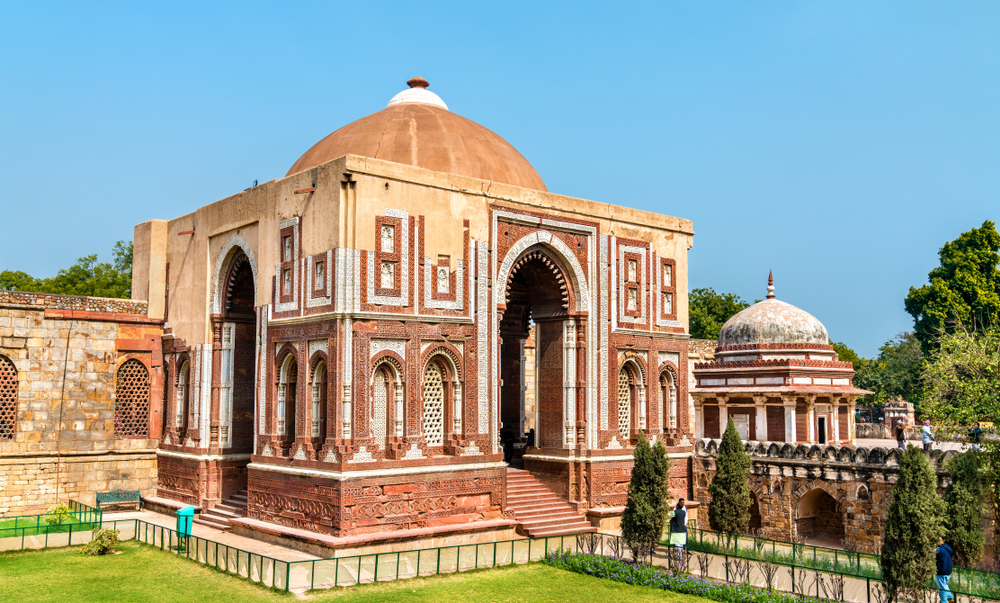
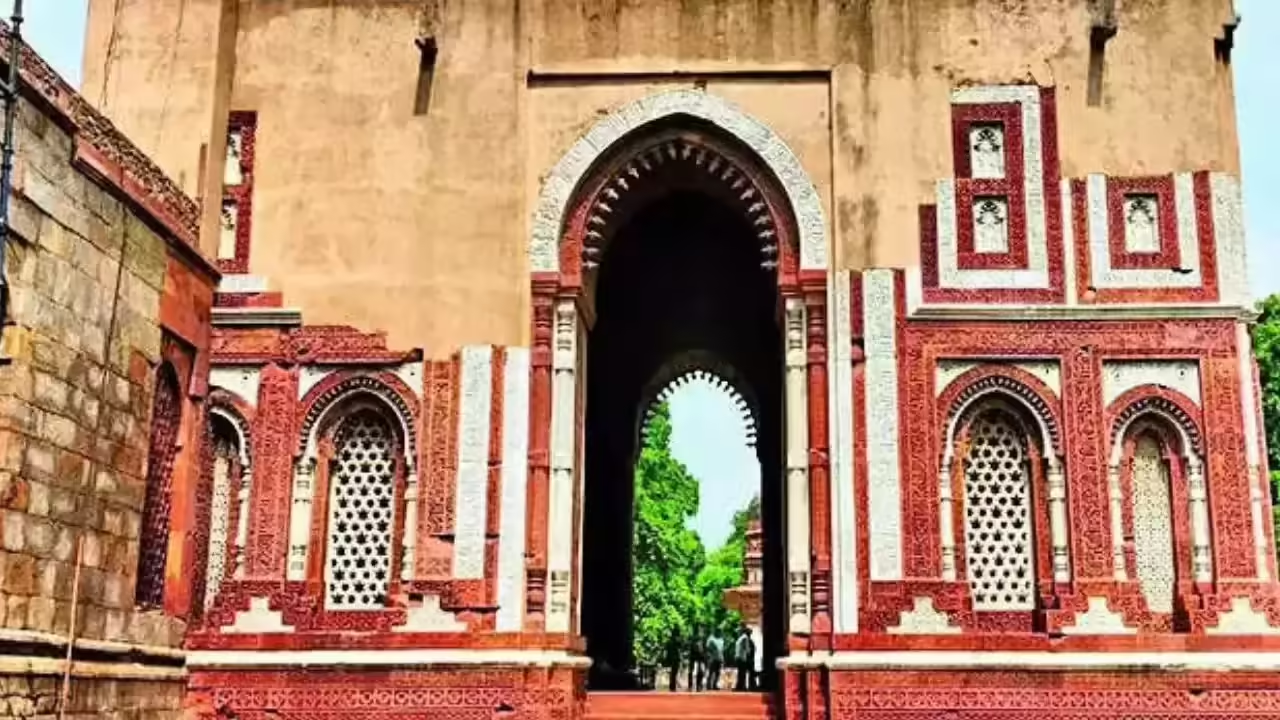
Alai Darwaza is widely praised for its proportion control and surface articulation. Red sandstone and white marble contrasts are used with strong visual discipline. The arches, calligraphic bands, lattice influence, and carved medallion-like motifs create a rhythm that looks simple from a distance but reveals high craftsmanship up close.
Architecture-focused travelers should slow down around the façade edges and arch frames. This is where transitions between plain mass and carved detail become clearer. Many top-ranking heritage pages emphasize the same point: the monument is best appreciated at close range, not in a hurried pass-through.
| Element | What to Notice | Why It Matters |
|---|---|---|
| Arches | Precise curvature and framing | Shows structural confidence and style evolution |
| Material Contrast | Red sandstone with marble accents | Creates strong visual hierarchy |
| Surface Ornament | Calligraphy and geometric carving | Defines the monument’s artistic identity |
Alai Darwaza within Qutub Complex
Yes, Alai Darwaza is inside Qutub Complex. For first-time visitors, this is an important planning point because there is no separate monument zone to navigate. You access it as part of the same heritage campus and can combine it naturally with other structures during one entry session.
A practical sequence is to begin with the major sightline landmark, then move toward Alai Darwaza while crowd density is still manageable. This helps you photograph both wide and detail frames. If you are also covering other Delhi heritage spots like historical places in Delhi or Siri Fort Delhi, keep Qutub in the first half of the day for cleaner movement.
Timings, Tickets and Entry Information
Visitors usually ask whether Alai Darwaza requires a separate ticket. In practice, access is covered under Qutub Complex entry, so you should check current Qutub ticket structure rather than searching for a standalone pass. As with all major monuments, timings and ticket formats can be updated by authorities, so verify on the day of visit before you travel.
To avoid long lines and harsh sunlight, early arrival works best. Weekdays typically offer smoother pacing than holiday afternoons. Keep at least 60 to 90 minutes for the full complex if you want quality time at Alai Darwaza plus nearby structures.
Best Time to Visit
October to March is generally the most comfortable season for monument walks in Delhi. Morning light also improves photography, especially for stone texture and shadow definition around arches. In warmer months, start as early as possible and carry water because open courtyard movement can feel intense by midday.
If your Delhi stay is short, combine this stop with nearby culture-heavy zones such as Chandni Chowk Delhi on a separate half-day to avoid rushing both experiences. Alai Darwaza deserves at least a deliberate 20 to 30 minutes of focused viewing.
Practical Visitor Tips
- Keep context in mind: treat Alai Darwaza as a key study piece, not a quick photo stop.
- Use close observation: examine calligraphy, pattern edges, and arch transitions.
- Carry essentials: water, cap, and comfortable shoes for the larger complex walk.
- Plan smartly: arrive early and avoid peak tourist hours when possible.
- Respect site rules: follow current ASI instructions on protected monument behavior.
Can You Combine Alai Darwaza with Other Delhi Monuments?
Yes, but only with realistic sequencing. Qutub Complex plus one additional monument cluster in a day is usually comfortable. More than that can turn into traffic-heavy rushing. A strong one-day heritage framework is Qutub in the morning and one second-zone experience in late afternoon, with travel buffers in between.
For culture travelers, Alai Darwaza is one of those monuments that raises the quality of your entire Delhi itinerary because it adds architectural depth, not just checklist value. If you approach it patiently, the structure explains an important chapter of Delhi’s medieval design history better than many larger sites.
Conservation and Restoration Notes
Alai Darwaza has survived over seven centuries largely because of its solid masonry construction and periodic conservation work carried out by the Archaeological Survey of India. Unlike some Sultanate-era structures that were heavily rebuilt or lost to later demolition, this gateway retains a substantial portion of its original stonework, which is part of why architectural historians treat it as a reliable reference point for early 14th-century Indo-Islamic design.
Recent conservation efforts have focused on stabilizing surface carving, managing water seepage around the base, and controlling visitor contact with fragile decorative bands. If you look closely at the lower sections of the arches, you can sometimes see subtle differences in stone tone where repair work has been done sensitively to match the original material. This is a useful detail for visitors who want to understand ongoing preservation rather than viewing the monument as a static, unchanging object.
Comparing Alai Darwaza with Other Delhi Gateways
Delhi has several notable gateway structures spanning different dynasties, and comparing them helps put Alai Darwaza's contribution in context. Later Mughal gateways, such as those at Purana Qila or the entrances to Humayun's Tomb, tend to favor larger scale and bolder red sandstone massing with less intricate surface carving. Alai Darwaza, by contrast, works at a more intimate scale but compensates with unusually dense ornamental detail, particularly in its arch spandrels and calligraphic borders.
This distinction matters if you are building a broader Delhi heritage itinerary. Visitors who see Alai Darwaza first often develop a sharper eye for spotting decorative nuance in later Mughal structures, since the gateway essentially set an early benchmark for combining structural confidence with ornamental refinement. For architecture enthusiasts moving between eras, treating your Delhi trip as a rough chronological sequence, starting with Sultanate-era work like this one before moving to Mughal sites, often makes the evolution of style easier to follow.
Photography Tips and Seasonal Light Conditions
Photographers consistently rate Alai Darwaza as one of the more rewarding subjects in the Qutub Complex because of how light interacts with its carved surfaces. Early morning sun creates strong shadow definition across the arch spandrels, which brings out carving depth that flattens out under the harsher, more direct light of midday. Winter mornings between November and February tend to produce the clearest air quality in Delhi, which noticeably improves photo contrast compared to the haze common in warmer months.
If you are visiting specifically for photography, plan to arrive within the first hour of opening. This avoids both crowd interference in your frames and the flatter light that develops as the sun climbs higher. A wide shot capturing the full gateway against the sky works well early on, while close-up detail shots of the calligraphic bands are best taken once you can approach the structure without backlighting issues.
Location
Frequently Asked Questions
Q1.What is Alai Darwaza famous for?
Q2.Who built Alai Darwaza?
Q3.Is Alai Darwaza inside Qutub Complex?
Q4.What are Qutub Complex timings?
Q5.Is there a separate ticket for Alai Darwaza?
Q6.How much time is needed to visit Alai Darwaza?
Q7.What is the best time to visit Qutub Complex?
Q8.Can Alai Darwaza be visited with nearby Delhi monuments in one day?
Recommended For You

Chandni Chowk Delhi: Street Food Trail, Markets & Metro Access
Explore Chandni Chowk Delhi - Complete street food guide, shopping tips, timings & metro access. Famous for Paranthe Wali Gali, spice market & shopping.
Best Places to Visit in Delhi: Monuments, Markets & Day Plans
Explore the best places to visit in Delhi including Red Fort, India Gate, Qutub Minar, Humayun's Tomb, Lotus Temple & Akshardham. Complete travel guide with timings, entry fees, and practical tips.
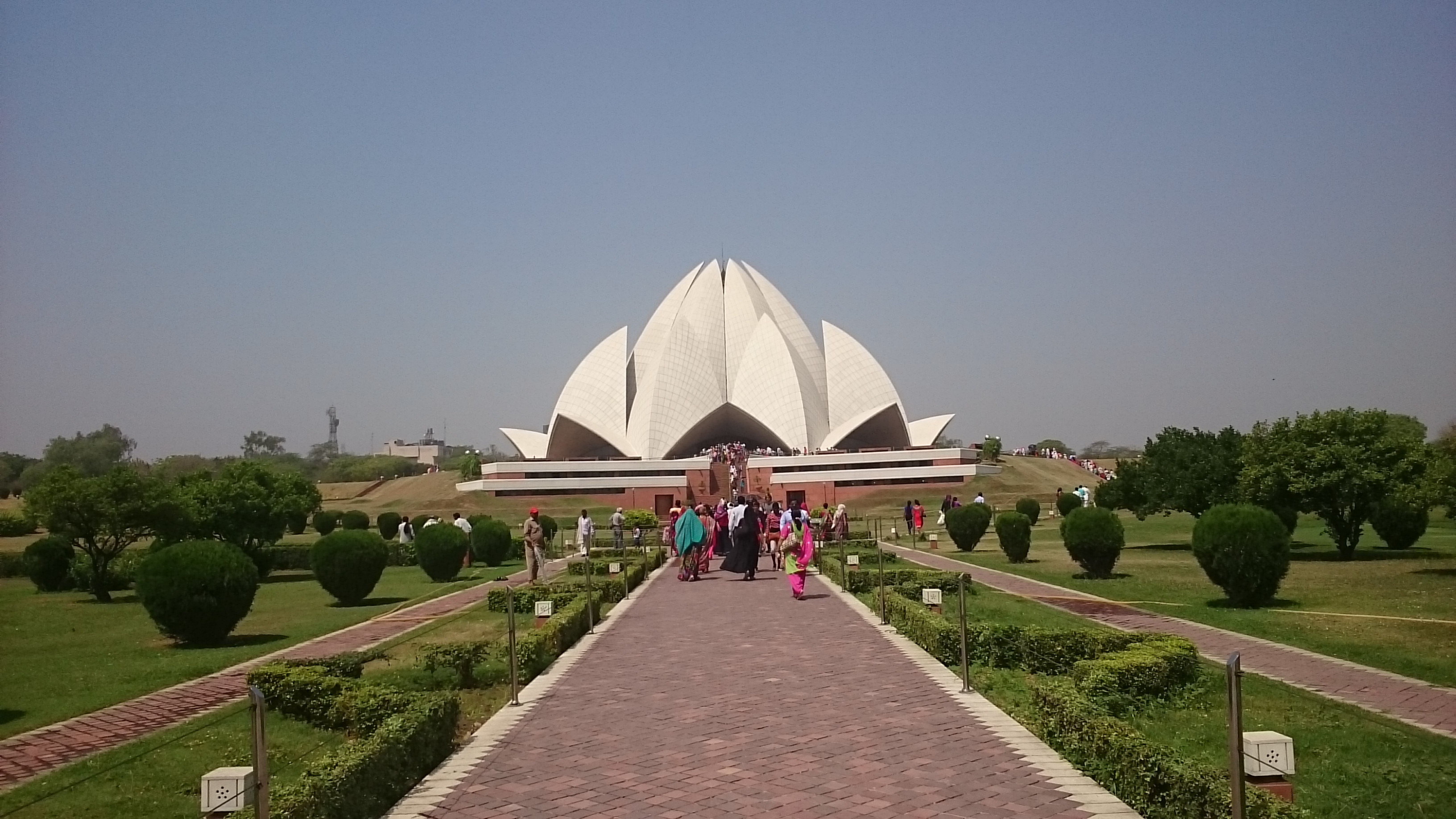
Lotus Temple Delhi: Timings, Entry Rules & Best Visiting Hours
Lotus Temple Delhi complete visitor guide: FREE entry, timings (9 AM-5:30 PM winter, 9 AM-7 PM summer), nearest metro (Kalkaji Mandir), photography rules, dress code, meditation tips & best time to visit. Plan your peaceful retreat.
Never Miss an Adventure
Get the latest trekking guides, travel tips, and exclusive offers delivered straight to your inbox.
