

Arjun Gufa Manali: The Legendary Cave of Mahabharata
Rohit Verma
February 21, 2026
Discover Arjun Gufa Manali, the sacred cave where Arjuna meditated from Mahabharata. Complete trekking guide with mythology, religious significance, best time to visit, and stunning Himalayan views.
The Legendary Cave of Arjuna in Manali
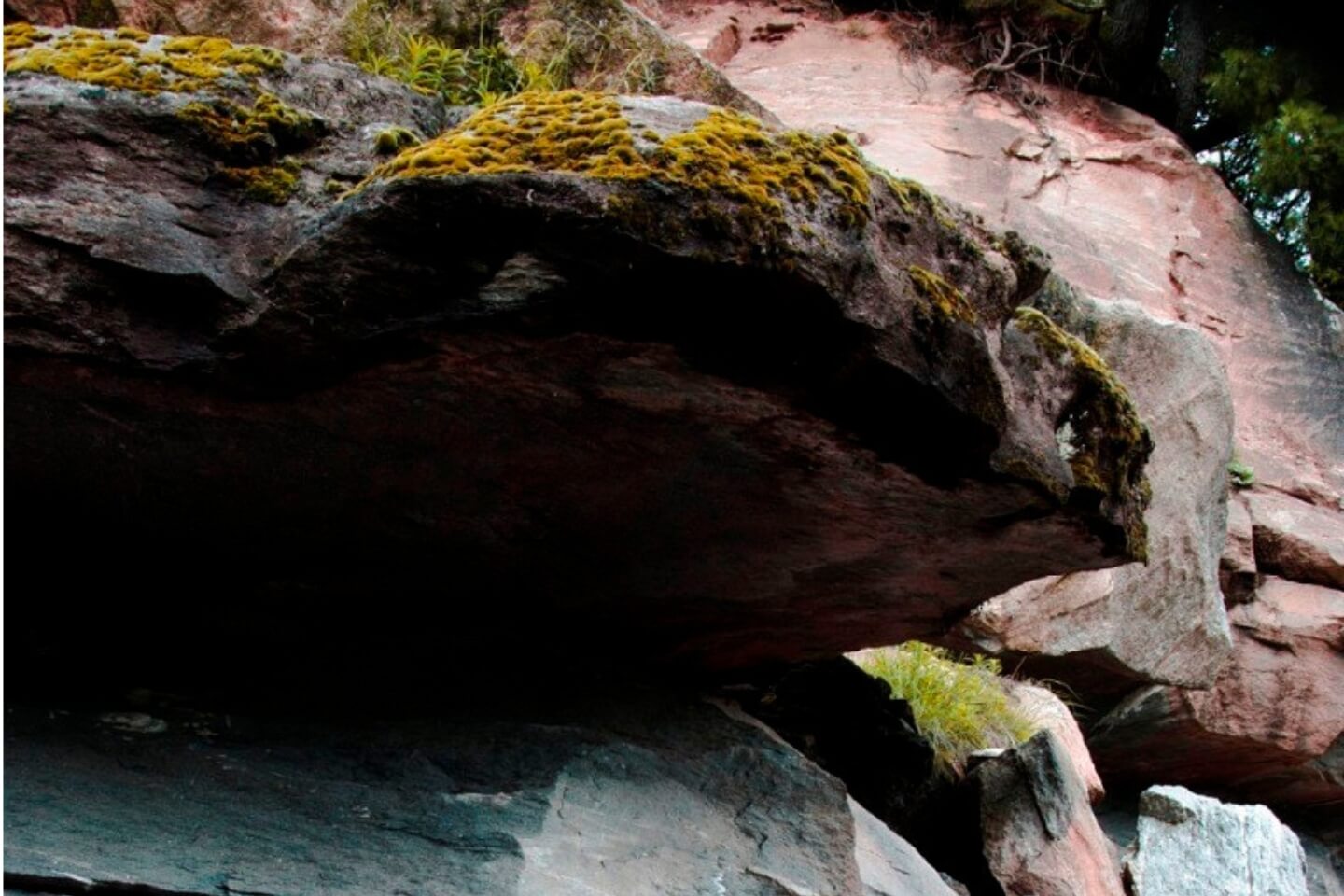
Nestled in the serene hills of Manali, Arjun Gufa stands as a testament to India's rich mythological heritage and spiritual legacy. This ancient cave, believed to be the meditation retreat of the legendary Pandava prince Arjuna from the Mahabharata, attracts both devotees and adventure seekers from across the country. The cave's mystical aura, combined with its stunning Himalayan setting, creates an experience that blends spirituality with natural beauty in a way that few other destinations can match.
Arjun Gufa is more than just a historical site; it's a place where mythology and geography converge to create a sacred space that has witnessed centuries of devotion. Located near the village of Prini, just a short drive from Manali town, this cave temple offers visitors a unique opportunity to connect with India's ancient epics while surrounded by the breathtaking beauty of the Himalayas. The journey to the cave itself is part of the experience, involving a scenic trek through pine forests and mountain trails that reveal spectacular views of the Kullu Valley.
The cave's significance goes beyond its mythological associations. For spiritual seekers, it represents a place of meditation, introspection, and divine connection. For history enthusiasts, it offers insights into ancient Indian traditions and the enduring legacy of the Mahabharata. For nature lovers, the trek to Arjun Gufa provides an intimate encounter with Himalayan flora and fauna, making it a multifaceted destination that appeals to diverse interests.
The Legend of Arjuna and the Mahabharata Connection
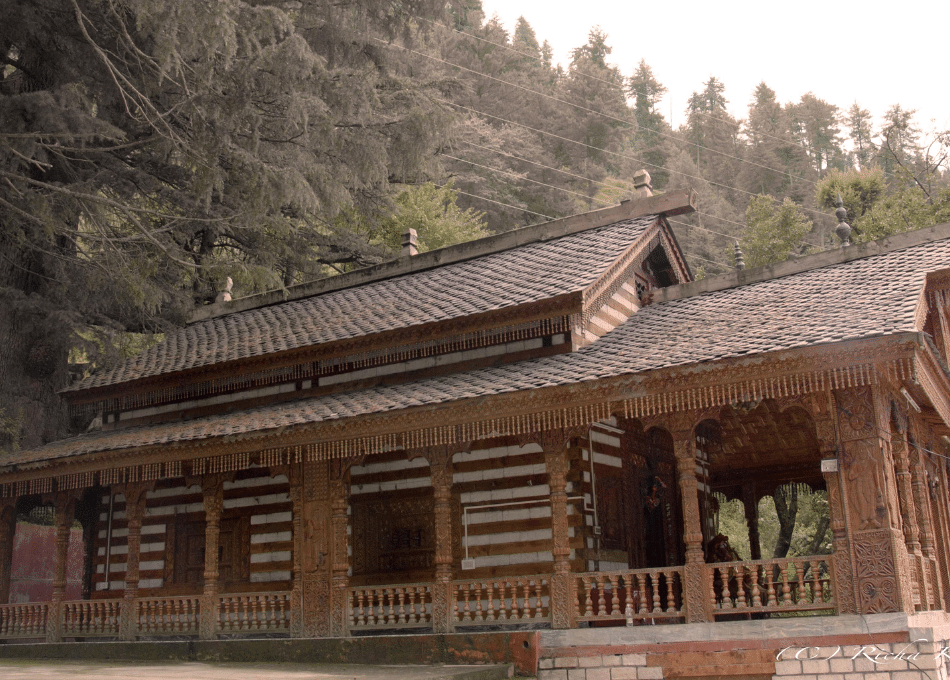
According to Hindu mythology and local folklore, Arjun Gufa derives its name and significance from its association with Arjuna, one of the five Pandava brothers and the protagonist of the ancient Indian epic, the Mahabharata. The legend tells us that during their exile, the Pandava brothers wandered across the Indian subcontinent, visiting various sacred sites and performing penance to prepare for the great battle of Kurukshetra.
It is believed that Arjuna, seeking to obtain divine weapons from Lord Shiva, chose this secluded cave in the Himalayas for intense meditation and penance. The Himalayas have always held special significance in Hindu mythology as the abode of gods and the ideal location for spiritual practices. According to the legend, Arjuna meditated here for an extended period, demonstrating unwavering devotion and determination in his quest to master the art of warfare and obtain celestial weapons that would prove crucial in the upcoming battle.
The most famous aspect of this legend is Arjuna's encounter with Lord Shiva. The story goes that impressed by Arjuna's devotion and penance, Lord Shiva decided to test him. The god appeared before Arjuna in the guise of a Kirata (mountain hunter), and a fierce battle ensued between the two. This divine confrontation, known as the Kirata Parva in the Mahabharata, culminated in Lord Shiva revealing his true form to Arjuna and blessing him with the Pashupatastra, one of the most powerful weapons in Hindu mythology.
This divine blessing, coupled with Arjuna's period of meditation and preparation in this Himalayan cave, is believed to have transformed him into an unparalleled warrior. Local traditions hold that the very spot where Arjuna meditated still vibrates with spiritual energy, making it a powerful place for meditation and prayer. Devotees believe that offering prayers here can grant strength, courage, and divine blessings, just as Arjuna received millennia ago.
The cave's association with the Mahabharata extends beyond Arjuna's meditation. Some local traditions also suggest that the other Pandava brothers visited this region during their exile, though Arjuna's connection remains the strongest and most celebrated. This rich mythological backdrop transforms the cave from a mere geological formation into a living testament to India's cultural and spiritual heritage, attracting visitors who seek to connect with this ancient legacy.
Location and How to Reach Arjun Gufa
Arjun Gufa is strategically located in the Kullu Valley, approximately 5 kilometers from Manali town and 2 kilometers from the village of Prini. The cave sits at an altitude of around 2,100 meters (6,890 feet) above sea level, perched on a hillside that offers panoramic views of the surrounding mountains and valleys. This elevated location not only adds to the cave's spiritual significance but also provides visitors with breathtaking vistas of the Himalayan landscape.
The journey to Arjun Gufa begins in Manali, the popular hill station that serves as the base for exploring this region. From Manali, visitors need to travel to Prini village, which is easily accessible by road. The most convenient way to reach Prini is by hiring a taxi or an auto-rickshaw from Manali town. The drive takes approximately 15-20 minutes and winds through scenic countryside, offering glimpses of traditional Himalayan villages, apple orchards, and terraced fields.
From Prini village, the actual adventure begins. Visitors must undertake a short but rewarding trek of about 1.5 kilometers to reach the cave. The trek path is well-defined and passes through beautiful pine forests, climbing gradually uphill. While the trek is not particularly strenuous, it does require moderate fitness levels, especially for those not accustomed to mountain walking. The path can be slippery during the monsoon season, so appropriate footwear is essential.
For those driving to Manali, the town is well-connected by road to major cities in North India. The nearest airport is Bhuntar Airport, approximately 50 kilometers from Manali, while the closest railway station is Joginder Nagar, about 160 kilometers away. However, most visitors prefer to travel by road, enjoying the scenic journey through the Himalayas. Regular bus services, both government and private, operate between Manali and cities like Delhi, Chandigarh, and Shimla.
The trek to Arjun Gufa typically takes 30-45 minutes one way, depending on your pace and how often you stop to admire the scenery. Along the way, you'll encounter diverse Himalayan vegetation, including deodar trees, pine forests, and various flowering plants that add color to the landscape. Bird watchers might spot several species of Himalayan birds, making the trek as much about nature as it is about reaching the destination.
Architecture and Features of the Cave
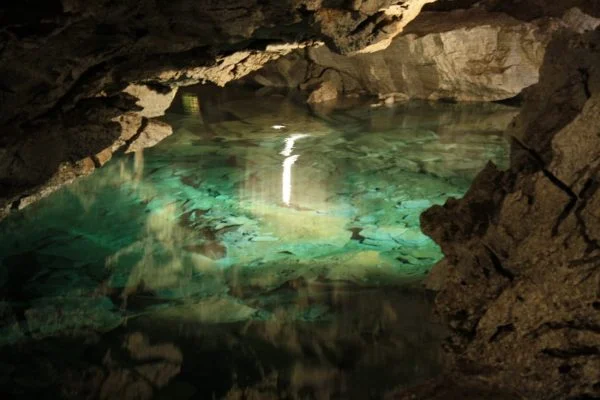
Arjun Gufa is a natural cave formation that has been shaped over centuries by geological processes and possibly enhanced by human intervention for religious purposes. The cave entrance is relatively small, requiring visitors to duck slightly to enter, which symbolically represents the humility and devotion required for spiritual pursuits. Once inside, the cave opens up into a larger chamber that can accommodate a small group of people at a time.
The cave's interior features natural rock formations that create an atmosphere of mystery and sanctity. The temperature inside remains cool throughout the year, providing a refreshing contrast to the warmth outside during summer months. This natural climate control made the cave an ideal retreat for meditation and penance, even in ancient times. The rock walls bear the marks of time, with natural patterns and textures that seem to tell their own story of centuries past.
Inside the cave, visitors will find a small shrine or sacred space where devotees offer prayers. This area typically houses images or representations of Lord Shiva and Arjuna, commemorating the divine encounter that is central to this site's mythology. The presence of these sacred symbols transforms the natural cave into a temple space, bridging the gap between nature and human religious expression. Devotees often light lamps and incense, creating a mystical atmosphere that enhances the spiritual experience.
The cave's acoustic properties are worth noting. The enclosed space creates natural echo effects, and chanting or prayer recitation inside the cave takes on a special quality that many find deeply moving. This acoustic characteristic might have been one of the reasons ancient ascetics chose such caves for meditation and religious practices. Even today, the simple act of chanting "Om" inside the cave becomes a powerful experience that resonates both physically and spiritually.
Near the cave entrance, there's usually a small platform or open area where visitors can rest, take photographs, and enjoy the surrounding views. This space offers panoramic vistas of the Kullu Valley, with the Beas River winding through the landscape below and snow-capped peaks visible in the distance. The contrast between the intimate, enclosed space of the cave and the expansive view from its entrance creates a powerful metaphor for the spiritual journey from the inner self to the cosmic whole.
Religious Significance and Rituals
Arjun Gufa holds a special place in Hindu religious tradition, particularly for devotees of Lord Shiva and followers of the Mahabharata. The cave represents the convergence of several important themes in Hindu spirituality: devotion (bhakti), penance (tapasya), divine grace (kripa), and the pursuit of knowledge (jnana). Each of these elements is embodied in the story of Arjuna's meditation and his encounter with Lord Shiva, making the cave a powerful symbol of the spiritual path.
For devotees, visiting Arjun Gufa is more than just sightseeing; it's a pilgrimage that offers spiritual merit. Many visitors come here specifically to offer prayers and seek blessings, believing that the cave's sacred atmosphere can amplify their prayers and intentions. The rituals performed here are relatively simple but deeply meaningful. Devotees typically circumambulate the cave (pradakshina), offer flowers, light incense, and recite prayers or mantras. The chanting of the Mahamrityunjaya Mantra, dedicated to Lord Shiva, is particularly common here.
The cave's association with Arjuna also makes it significant for those seeking strength, courage, and victory in their endeavors. Just as Arjuna gained divine weapons and blessings through his penance here, devotees believe that sincere prayer at this site can help overcome obstacles and achieve success in their personal battles and challenges. Students often visit to seek blessings for their exams, while professionals and business people come seeking success in their careers.
The religious significance of Arjun Gufa extends beyond individual devotion to encompass broader cultural and educational values. The site serves as a living connection to the Mahabharata, one of India's greatest epics, helping visitors, especially the younger generation, connect with this ancient literary and philosophical work. Many parents bring their children here not just for pilgrimage but to help them understand and appreciate their cultural heritage.
Local priests and caretakers often share the story of Arjuna and the Mahabharata with visitors, adding depth to the experience through oral storytelling. This tradition of passing down myths and legends through narration keeps the cave's significance alive and relevant. For many visitors, these stories transform a simple cave visit into a profound cultural experience that connects them to millennia of tradition.
The Trek Experience: Difficulty and Duration
The trek to Arjun Gufa is classified as easy to moderate, making it accessible to most visitors including families with children and elderly individuals with reasonable fitness levels. The total trek distance is approximately 1.5 kilometers each way, with a gradual ascent that takes you from Prini village (around 1,900 meters) to the cave (around 2,100 meters). This elevation gain of about 200 meters is manageable for most people and doesn't usually cause altitude-related issues.
The trek typically takes 30-45 minutes to complete one way, depending on your pace, fitness level, and how often you stop for rest or photography. Most visitors plan for 2-3 hours total, including time spent at the cave, photography breaks, and the return journey. The trek path is well-defined and doesn't require technical climbing skills or specialized equipment. However, the path can be narrow at certain points and includes some steep sections where you need to watch your footing.
The terrain varies along the route. The initial section from Prini village is relatively gentle, passing through cultivated fields and traditional village houses. As you progress, the path enters a pine forest, providing shade and making the walk pleasant even on sunny days. The forest section is particularly beautiful, with dappled sunlight filtering through the trees creating a magical atmosphere. The path here can be covered with pine needles, which can be slippery when wet.
As you approach the cave, the path becomes steeper and rockier. This final section requires careful walking, especially for those not used to mountain trekking. However, the stunning views that open up as you climb higher provide excellent motivation to keep going. On clear days, you can see the entire Kullu Valley spread out below you, with the Beas River glittering in the sunlight and snow-capped peaks forming a dramatic backdrop.
The return journey is generally easier as it's mostly downhill. However, descending on steep paths can be tough on knees, so take your time and use proper walking technique. Many visitors find the return journey more enjoyable as they can appreciate views they might have missed while climbing up. The entire trek experience, combined with the visit to the cave, offers a perfect half-day excursion that combines light adventure with spiritual exploration.
Best Time to Visit Arjun Gufa
Choosing the right time to visit Arjun Gufa is important for a safe and enjoyable experience. The Himalayan region experiences distinct seasons, each offering different conditions for trekking and sightseeing. Understanding these seasonal variations will help you plan your visit optimally and avoid challenging weather conditions.
Summer (March to June): This is considered the best time to visit Arjun Gufa. During these months, the weather is pleasant with daytime temperatures ranging from 15°C to 25°C. The sky is generally clear, offering excellent visibility of the surrounding mountains and valleys. The trek path is dry and safe, making for comfortable walking. The summer season also coincides with school holidays in India, making it a popular time for family visits. However, this is also the peak tourist season in Manali, so expect more visitors on the trail and possibly longer wait times at popular spots.
Monsoon (July to September): The monsoon season brings heavy rainfall to the region, making trekking challenging and potentially dangerous. The path becomes extremely slippery and muddy, increasing the risk of accidents. Landslides and rock falls are possible in hilly areas during heavy rains. Leeches become abundant in the forests. Visibility is often poor due to clouds and mist, defeating the purpose of visiting for scenic views. We strongly recommend avoiding the monsoon season for trekking to Arjun Gufa. If you must visit during this period, check weather forecasts carefully and consider postponing if heavy rain is predicted.
Autumn (October to November): The post-monsoon period is another excellent time to visit. The rains have washed away the dust, leaving the landscape lush and green. The air is crisp and clear, providing excellent visibility for mountain views. Temperatures are starting to cool but remain comfortable for trekking (10°C to 20°C). This period sees fewer tourists than summer, offering a more peaceful experience. The changing colors of autumn add beauty to the landscape, especially in the forests. This is an ideal time for photography, with clear skies and dramatic lighting conditions.
Winter (December to February): Winter brings cold temperatures (often dropping below freezing) and possible snowfall. While snow creates a beautiful landscape, it makes the trek challenging and potentially dangerous for inexperienced trekkers. The path may be covered in snow or ice, requiring special equipment and experience. However, for those prepared for winter conditions and seeking a unique experience, this can be a magical time to visit, with the cave and surrounding landscape transformed by snow. Ensure you have appropriate winter gear and check local conditions before attempting the trek in winter.
For most visitors, the ideal windows are March to June and October to November, when weather conditions are favorable for trekking and sightseeing. Regardless of when you visit, always check current weather conditions and forecasts before starting your trek, as mountain weather can change rapidly.
Views and Scenic Beauty
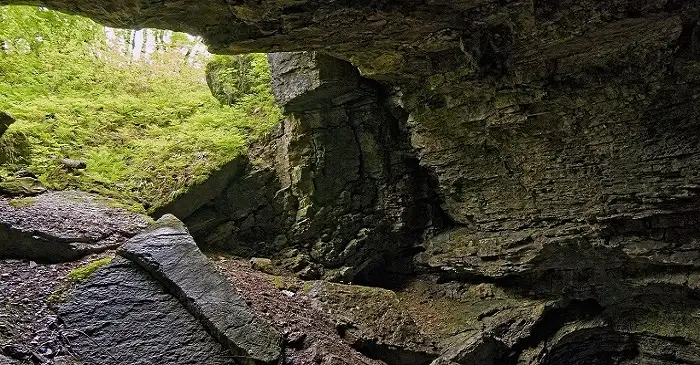
One of the most rewarding aspects of visiting Arjun Gufa is the spectacular natural beauty that surrounds it. The cave's strategic location on a hillside provides visitors with breathtaking panoramic views of the Kullu Valley and the surrounding Himalayan ranges. These views alone make the trek worthwhile, offering a visual feast that combines geological grandeur with natural serenity.
From the cave entrance and the surrounding area, you can see the entire Kullu Valley spread out below like a green carpet. The Beas River, a lifeline of the region, winds through the valley floor, its waters shimmering in the sunlight. The river creates a beautiful contrast against the green valley floor and the surrounding mountains, adding movement and life to the landscape. Traditional villages with their slate-roofed houses dot the valley, creating picturesque scenes that seem straight out of a painting.
The mountains surrounding Arjun Gufa offer dramatic views that change with the seasons. In summer, the slopes are covered in green vegetation, with deodar and pine forests creating dark green patches against the lighter green of grasslands. In autumn, the landscape transforms as trees change color, painting the hills in shades of gold, orange, and rust. Winter brings snow to the higher peaks, creating a stunning contrast between the white summits and the darker valley below.
On particularly clear days, you can see some of the famous peaks of the region, including parts of the Pir Panjal range and possibly even glimpses of more distant snow-capped Himalayan peaks. The changing light throughout the day creates different moods - the soft morning light reveals details and colors, midday sun brings out the contrasts, and evening light casts long shadows and creates a warm, golden atmosphere that's perfect for photography.
The area around the cave is also rich in Himalayan flora and fauna. The forests are home to various species of birds, and if you're lucky and quiet, you might spot Himalayan langurs or other small mammals. The vegetation includes numerous medicinal plants that have been used in traditional Ayurvedic medicine for centuries. Nature enthusiasts will find plenty to observe and appreciate, making the trek as much about ecological exploration as it is about reaching the cave.
Nearby Attractions and Places to Visit
While Arjun Gufa is certainly worth visiting on its own merits, its location near Manali means visitors can easily combine it with other attractions in the area, making for a comprehensive exploration of the Kullu-Manali region. These nearby sites offer diverse experiences that complement the spiritual and natural focus of Arjun Gufa.
Hadimba Temple: Located just 3 kilometers from Manali town, this ancient temple dedicated to Hadimba Devi, the wife of Bhima (another Pandava brother from the Mahabharata), is one of Manali's most important religious sites. The temple's distinctive architecture features intricately carved wooden doors and a pagoda-style roof. Built in 1553, it sits amidst a cedar forest and provides an interesting connection to the Mahabharata theme that visitors encounter at Arjun Gufa. The temple's peaceful surroundings and religious significance make it a natural companion to Arjun Gufa visits.
Manu Temple: Dedicated to Sage Manu, the legendary creator of human civilization according to Hindu mythology, this temple in old Manali is believed to be the only temple dedicated to Manu in India. The temple's location in the old part of Manali offers a glimpse into traditional Himalayan architecture and village life. The connection to ancient Hindu mythology makes it particularly relevant for those interested in the mythological aspects of Arjun Gufa.
Vashisht Hot Water Springs: Located about 3 kilometers from Manali, these natural hot springs are renowned for their therapeutic properties. The springs are associated with the sage Vashisht, another figure from Hindu mythology. After the trek to Arjun Gufa, soaking in the warm mineral-rich waters can be incredibly relaxing for tired muscles. The temple of Vashisht nearby adds to the spiritual experience, featuring ancient stone carvings and a serene atmosphere.
Solang Valley: Approximately 13 kilometers from Manali, Solang Valley offers a completely different experience with its adventure activities and stunning meadows. In summer, it's perfect for paragliding, zorbing, and trekking. In winter, it transforms into a skiing destination. The valley's natural beauty, with its grassy slopes surrounded by snow-capped peaks, provides a wonderful contrast to the forested trek to Arjun Gufa and adds adventure elements to your Manali experience.
Rohtang Pass: For those with more time, a trip to Rohtang Pass (51 kilometers from Manali) offers spectacular high-altitude scenery and the chance to play in snow even during summer months. The pass, which connects Kullu Valley with Lahaul and Spiti valleys, sits at an altitude of 3,978 meters and offers breathtaking views of glaciers and mountain peaks. The journey itself is an adventure, crossing some of the most dramatic landscapes in the Himalayas.
Old Manali: For a more relaxed experience, explore Old Manali with its traditional houses, cafes, and laid-back atmosphere. The Manu Maharishi Temple is located here, and the area offers a glimpse into the slower, traditional pace of Himalayan life. It's a great place to unwind after your trek and reflect on your spiritual journey to Arjun Gufa.
Tips for Visitors
To make the most of your visit to Arjun Gufa, keep these practical tips in mind. Proper preparation will ensure a safe, enjoyable, and meaningful experience at this sacred site.
Footwear: Wear comfortable trekking shoes or sports shoes with good grip. The path can be slippery, especially during or after rain. Avoid wearing sandals or flip-flops as they don't provide adequate support or protection on uneven terrain. If visiting in winter, ensure your shoes have good grip for snow and ice.
Clothing: Dress in layers, as temperatures can vary significantly between sunny areas and shaded forest sections. Even in summer, carry a light jacket or windbreaker as it can get cool at the cave's altitude. In winter, wear warm clothing including gloves, a hat, and a proper winter jacket. Wear modest clothing out of respect for the religious nature of the site.
Water and Snacks: Carry adequate water (at least 1 liter per person) for the trek. There are no facilities to buy water or food along the trek path. Bring some energy snacks like nuts, chocolate, or energy bars to keep your energy levels up during the trek. However, avoid carrying heavy meals.
Best Time to Trek: Start early in the morning, ideally before 9 AM, to avoid afternoon heat (in summer) and possible afternoon rain showers (in monsoon season). Morning light is also better for photography. Starting early also means fewer crowds, allowing for a more peaceful experience at the cave.
Respect Local Customs: Arjun Gufa is a religious site, so maintain respectful behavior. Speak softly, avoid loud conversations, and dress modestly. Ask for permission before photographing people or religious ceremonies. Don't touch religious artifacts or images without permission. Remove shoes before entering the cave if local customs require it.
Sun Protection: Even on cloudy days, UV radiation can be strong at higher altitudes. Wear sunscreen, sunglasses, and a hat or cap to protect yourself from sun exposure during the trek. The forest section provides shade, but open sections can expose you to direct sunlight.
First Aid: Carry a basic first aid kit with band-aids, antiseptic cream, and pain relievers. If you have any medical conditions, carry your medications. The trek, while not strenuous, can cause minor scrapes or blisters, so being prepared is wise.
Hire a Guide: While the path is well-defined and you can trek independently, hiring a local guide can enhance your experience. Guides can share stories about the cave's mythology, point out interesting flora and fauna, and ensure you don't miss any important aspects of the site. They typically charge reasonable fees and can be arranged through your hotel or in Prini village.
Weather Check: Always check the weather forecast before starting your trek. Mountain weather can change rapidly, and it's best to avoid trekking during rain, snow, or storms. Your hotel or local authorities can provide updates on current conditions.
Leave No Trace: Respect the natural environment by carrying back all your trash. Don't pluck flowers or plants, and avoid disturbing wildlife. Help preserve the beauty and sanctity of this special place for future visitors.
Spiritual Experience and Meditation
For many visitors, the highlight of visiting Arjun Gufa is the opportunity for meditation and spiritual reflection in this ancient sacred space. The cave's natural acoustic properties, combined with its mythological significance and serene Himalayan setting, create an ideal environment for spiritual practices and introspection.
The cave's enclosed space naturally creates a sense of withdrawal from the external world, allowing visitors to turn their attention inward. This quality of caves as spaces for meditation and penance has been recognized in spiritual traditions across the world, and Arjun Gufa is no exception. Many visitors report feeling a deep sense of peace and tranquility inside the cave, making it easier to disconnect from daily worries and focus on spiritual matters.
For those interested in meditation, the cave offers a unique opportunity to practice in a place charged with centuries of devotion and spiritual energy. Even a few minutes of silent meditation can be deeply restorative. Some visitors combine their visit with chanting mantras, particularly those dedicated to Lord Shiva like the "Om Namah Shivaya" or the Mahamrityunjaya Mantra. The cave's natural echo enhances the chanting experience, making it feel more powerful and resonant.
The connection to Arjuna's story adds another dimension to the spiritual experience. Arjuna's period of penance and meditation here represents the ideal of single-pointed devotion and determination in pursuit of a goal. Reflecting on his story can inspire visitors to pursue their own goals with similar dedication and courage. The cave thus becomes not just a place of worship but a space for personal reflection and intention-setting.
Many visitors also appreciate the contrast between the quiet, enclosed space of the cave and the expansive view from its entrance. This movement from inner to outer space mirrors the spiritual journey from individual consciousness to universal awareness, a concept central to many spiritual traditions. Taking time to simply sit and absorb this contrast can be a profound experience, regardless of your religious or spiritual background.
Whether you come with specific spiritual intentions or simply as a curious traveler, Arjun Gufa offers an opportunity to pause, reflect, and connect with something larger than yourself. In our busy, fast-paced world, such spaces are increasingly rare and valuable. Even if you don't consider yourself particularly spiritual, the natural beauty and historical significance of the site create an atmosphere that invites contemplation and wonder.
Accommodation Options Near Arjun Gufa
For visitors wishing to extend their stay in the Manali area and explore Arjun Gufa and surrounding attractions at a leisurely pace, there are numerous accommodation options to suit various budgets and preferences. Manali offers everything from luxury resorts to budget guesthouses, as well as unique stay options that enhance the Himalayan experience.
Luxury Hotels and Resorts: Manali has several high-end hotels and resorts that offer premium amenities and stunning views. These properties typically feature well-appointed rooms, multi-cuisine restaurants, spas, and often their own gardens or orchards. Many luxury hotels are located in areas like Log Huts area, Circuit House Road, or along the Beas River, offering easy access to both Manali town and trekking starting points. Prices range from INR 5,000 to INR 15,000 per night depending on the season and property.
Mid-Range Hotels: For those seeking comfort without the premium price tag, Manali has numerous mid-range hotels offering clean, comfortable rooms and basic amenities. These hotels typically cost between INR 2,000 and INR 4,000 per night and are located throughout Manali and surrounding areas. Many offer beautiful views, in-house restaurants, and helpful staff who can assist with planning local excursions including visits to Arjun Gufa.
Budget Guesthouses and Homestays: Budget travelers will find plenty of options including guesthouses and homestays that cost between INR 500 and INR 1,500 per night. These options, while basic, are often run by local families who provide warm hospitality and insider tips on exploring the area. Staying in a homestay also offers a more authentic experience of Himalayan life and culture. Many budget options are available in Old Manali, Prini village, and other areas near trekking starting points.
Unique Stays: For a memorable experience, consider staying in one of Manali's unique accommodations such as traditional wooden cottages, apple orchard stays, or campsites. Some properties offer cottages built in traditional Himalayan style using wood and stone, providing a cozy atmosphere that's perfect for the mountain setting. Camping options, available in summer, allow you to sleep under the stars and wake up to spectacular mountain views.
For proximity to Arjun Gufa specifically, consider staying in Prini village or along the Manali-Naggar road. These locations put you closer to the trek starting point and offer a quieter, more authentic Himalayan experience compared to staying in busy Manali town. However, they also mean you'll be further from restaurants and other facilities, so consider your priorities when choosing accommodation.
Regardless of where you stay, book in advance during peak season (May-June and October-November) as Manali gets very crowded during these periods. Off-season bookings often come with significant discounts, so if you're flexible with dates, you might find excellent deals on quality accommodations.
Why Arjun Gufa Should Be on Your Manali Itinerary
Arjun Gufa offers a unique combination of mythology, spirituality, nature, and adventure that makes it a worthy addition to any Manali itinerary. Unlike more commercialized tourist attractions, this cave temple provides an authentic experience that connects visitors to India's ancient cultural heritage while showcasing the natural beauty of the Himalayas.
For spiritual seekers, the cave represents a tangible connection to the Mahabharata and centuries of devotional tradition. The opportunity to meditate or offer prayers in a space where, according to legend, the great warrior Arjuna himself sought divine blessings creates a powerful spiritual experience. Whether you're a devout Hindu or simply someone interested in ancient wisdom traditions, Arjun Gufa offers insights into India's rich philosophical and religious heritage.
For adventure enthusiasts, the trek to the cave provides just the right balance of challenge and accessibility. It's long enough to feel like an achievement but not so strenuous that it requires special training or equipment. The path takes you through beautiful forests and offers ever-improving views, making the journey as rewarding as the destination. For families, it's an excellent introduction to trekking for children, combining physical activity with educational value.
For nature lovers, the area around Arjun Gufa showcases the biodiversity of the lower Himalayas. From dense pine forests to alpine meadows, from colorful birds to elusive mountain wildlife, the trek offers numerous opportunities to connect with nature. The panoramic views of the Kullu Valley from the cave provide some of the best vistas in the Manali region, perfect for photography or simply soaking in the grandeur of the mountains.
What makes Arjun Gufa particularly special is that it remains relatively uncommercialized compared to other attractions in Manali. While sites like Hadimba Temple and Rohtang Pass can get very crowded with tourists, Arjun Gufa still maintains a peaceful, authentic atmosphere. This means you can have a more genuine experience without the jarring presence of souvenir shops, loud music, or large tour groups. It's a place where you can still find silence and solitude, increasingly rare qualities in popular tourist destinations.
Moreover, Arjun Gufa represents the essence of what makes Manali special - the combination of natural beauty with cultural depth. It's not just another pretty viewpoint or temple; it's a place where myth and landscape converge to create something greater than the sum of its parts. Visiting the cave helps you understand why the Himalayas have always been considered sacred in Indian tradition and why this region has drawn seekers, sages, and adventurers for millennia.
Whether you're spending a weekend in Manali or a longer holiday exploring Himachal Pradesh, Arjun Gufa deserves a place on your itinerary. The trek can be easily completed in half a day, leaving you time to explore other attractions. Yet the experience of visiting this ancient cave will likely be one of your most memorable moments in Manali, offering insights and experiences that few other tourist sites can match.
As you stand at the cave entrance, looking out over the valley that Arjuna himself might have gazed upon during his period of penance, you become part of a continuum that stretches back thousands of years. In that moment, you're not just a tourist sightseeing; you're a pilgrim following in the footsteps of legends, connected to traditions and stories that have shaped Indian civilization. That, perhaps, is the greatest gift that Arjun Gufa offers its visitors - a sense of connection to something ancient and enduring, a reminder that we are part of a much larger story.
Location
Frequently Asked Questions
Q1.What is Arjun Gufa Manali and why is it famous?
Q2.How do I reach Arjun Gufa from Manali town?
Q3.Is the trek to Arjun Gufa difficult? What is the trek duration?
Q4.What is the best time to visit Arjun Gufa?
Q5.What is the religious significance of Arjun Gufa?
Q6.What should I carry when visiting Arjun Gufa?
Q7.Are there any entry fees or timings for Arjun Gufa?
Q8.Can I visit Arjun Gufa with children or elderly family members?
Recommended For You

Jibhi Adventure Activities: Trekking, Camping & Riverside Fun
Discover adventure activities in Jibhi, Himachal Pradesh. Trekking, camping, trout fishing, river crossing & more with complete guide on locations, best time to visit & practical travel tips.

Things to Do in Spiti Valley: Monasteries, Villages & Routes
Discover the top 15 things to do in Spiti Valley including Key Monastery, Chandratal Lake, Pin Valley, ancient villages, and high-altitude adventures. Complete guide with itineraries, costs, and travel tips.

Himachal vs Uttarakhand: Which Is Better For Your Trip?
Can't decide between Himachal vs Uttarakhand? Our comprehensive guide compares scenery, budget, best time, trip types, and top destinations with expert recommendations.
Never Miss an Adventure
Get the latest trekking guides, travel tips, and exclusive offers delivered straight to your inbox.
