
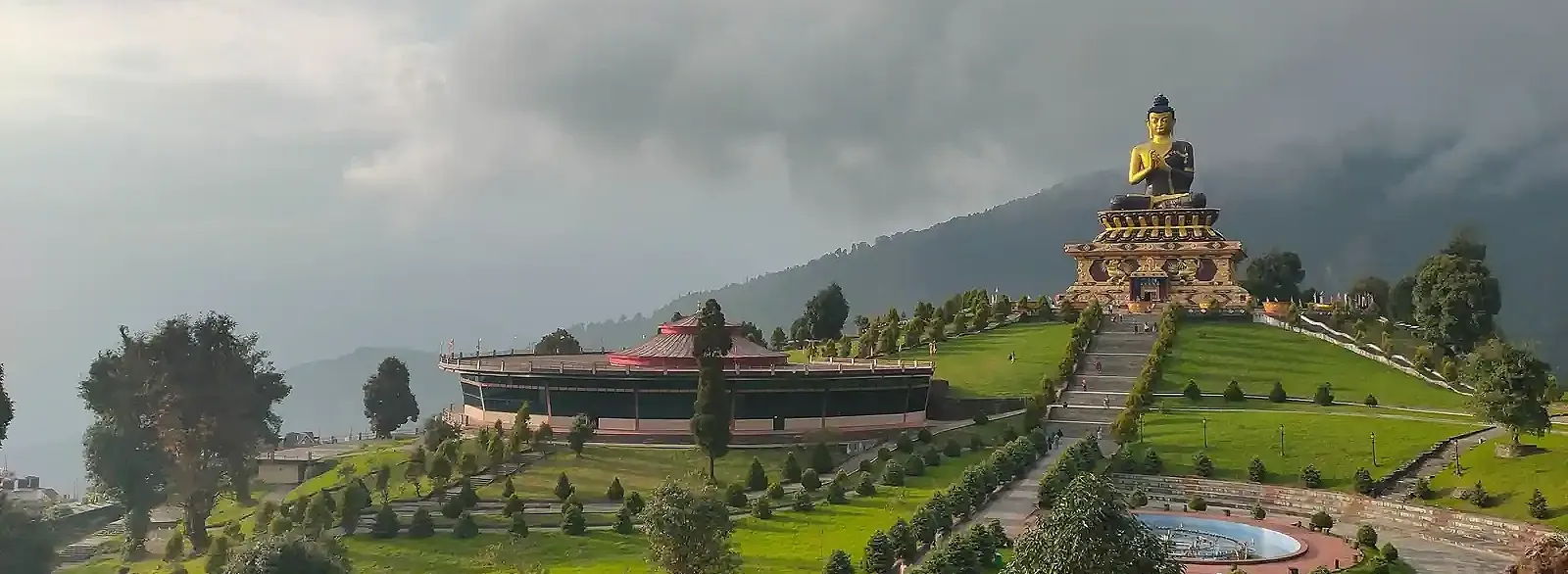
Baba Harbhajan Singh Temple: The Hero of Nathula Pass
Rohan Malhotra
February 19, 2026
Discover the extraordinary legend of Baba Harbhajan Singh Temple at Nathula Pass Sikkim. The Indian Army saint who never left his post, continuing to patrol borders even after death.
The Legend of Baba Harbhajan Singh
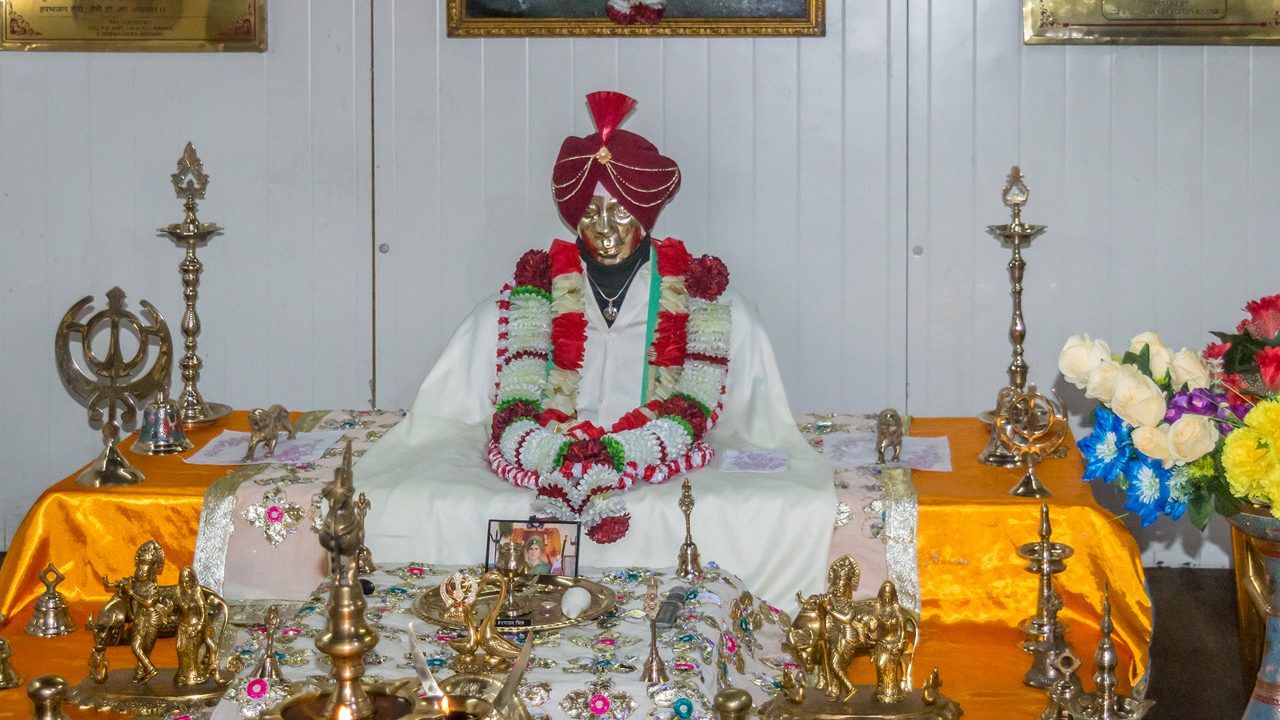
High in the eastern Himalayas, at an altitude of 14,200 feet, stands a unique shrine dedicated to one of India's most revered soldier saints - Baba Harbhajan Singh. This sacred temple, located between Nathula Pass and Jelep Pass in Sikkim, honors the memory of a brave Indian Army officer who, according to legend, continues to patrol the borders even after his death. The story of Baba Harbhajan Singh is one of extraordinary devotion, supernatural beliefs, and the enduring bond between a soldier and his duty.
Baba Harbhajan Singh was born on August 30, 1946, in the village of Browndal in Kapurthala district, Punjab. He joined the Indian Army as a sepoy in the Punjab Regiment and was later commissioned into the Dogra Regiment. During the 1965 India-Pakistan war, he was posted to the Nathula Pass area in Sikkim, then part of the North-East Frontier Agency. On October 4, 1968, while escorting a mule column from Tukla to Deng Chukla, he fell into a nullah and was swept away by the strong currents. Despite intensive search operations that lasted for three days, his body could not be recovered.
What happened after his disappearance forms the core of this remarkable legend. According to popular belief, one of his colleagues had a dream in which Harbhajan Singh appeared and informed him about the location of his body. He requested that a proper memorial be built for him and expressed his desire to continue serving the nation even after death. Following this dream, his body was reportedly recovered from the spot he had indicated, and a samadhi (shrine) was constructed at the site. This marked the beginning of an extraordinary tradition that continues to this day, making the Baba Harbhajan Singh Temple one of the most unique spiritual destinations in India.
The Indo-China War Context
The Nathula Pass area where Baba Harbhajan Singh was stationed holds immense strategic importance in India's military history. Located on the Indo-China border, this high-altitude pass has been a witness to significant historical events, including the 1962 Sino-Indian War. The conflict, which lasted from October to November 1962, was a result of escalating border disputes between India and China and had a profound impact on India's military preparedness and border infrastructure.
Following the 1962 war, the Indian Army significantly strengthened its presence along the Sikkim-Tibet border. Nathula Pass, at an elevation of 14,140 feet, became a crucial outpost for monitoring Chinese movements and protecting Indian territory. Soldiers posted here had to endure extreme weather conditions, with temperatures dropping to -40 degrees Celsius in winter, and the constant challenge of high-altitude survival. The psychological and physical demands of serving in such hostile conditions created an unbreakable bond among the soldiers and a deep respect for the land they protected.
It was in this challenging environment that Baba Harbhajan Singh served. The Sikkim sector, though relatively quiet compared to other border areas, required constant vigilance. Soldiers patrolled the rugged terrain day and night, often in treacherous weather conditions. The isolation and extreme conditions made the soldiers' attachment to each other and their duty even more profound. This context is essential to understanding why the legend of Baba Harbhajan Singh resonated so deeply with the army and continues to command such respect.
The border tensions between India and China have continued over the decades, with various standoffs and skirmishes. The Nathula Pass itself witnessed a major border clash in 1967, known as the Nathula Cho La incident, when Chinese forces attacked Indian posts. In this context, the presence of a guardian saint like Baba Harbhajan Singh took on special significance. Soldiers found comfort and courage in the belief that one of their own continued to watch over them, protecting them from harm and guiding them through the challenges of mountain warfare.
The Temple Story and Supernatural Beliefs
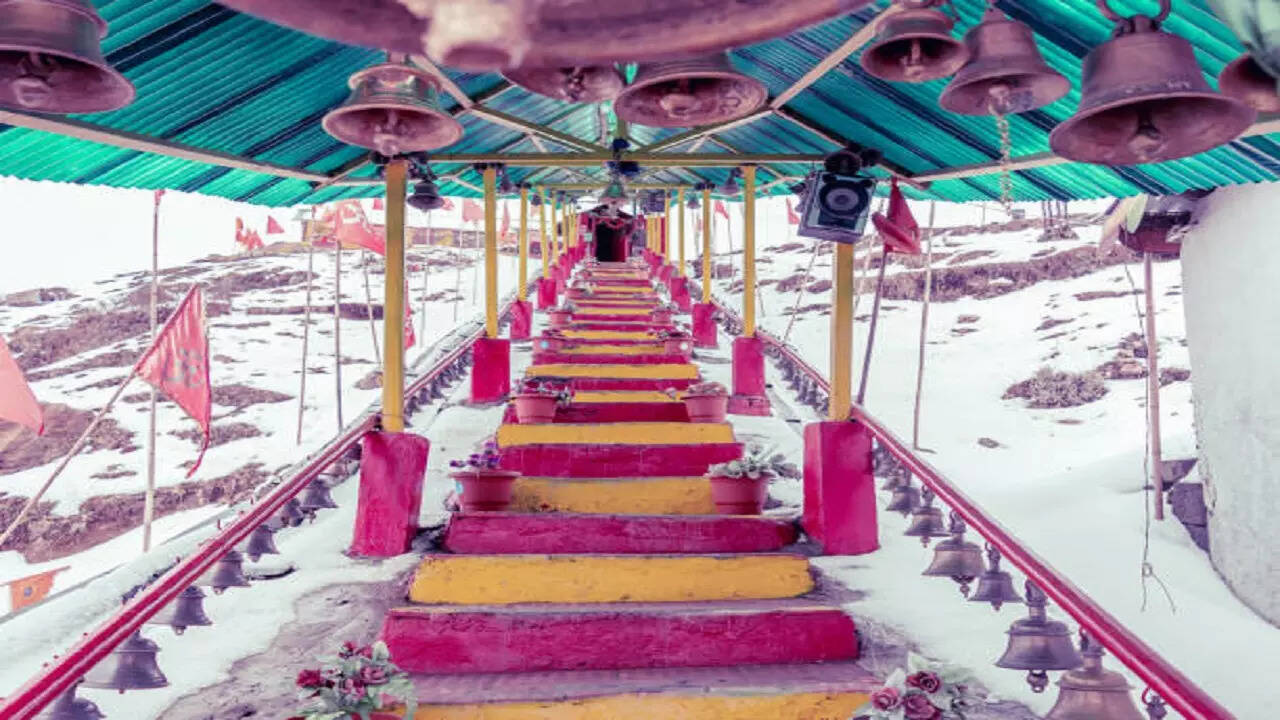
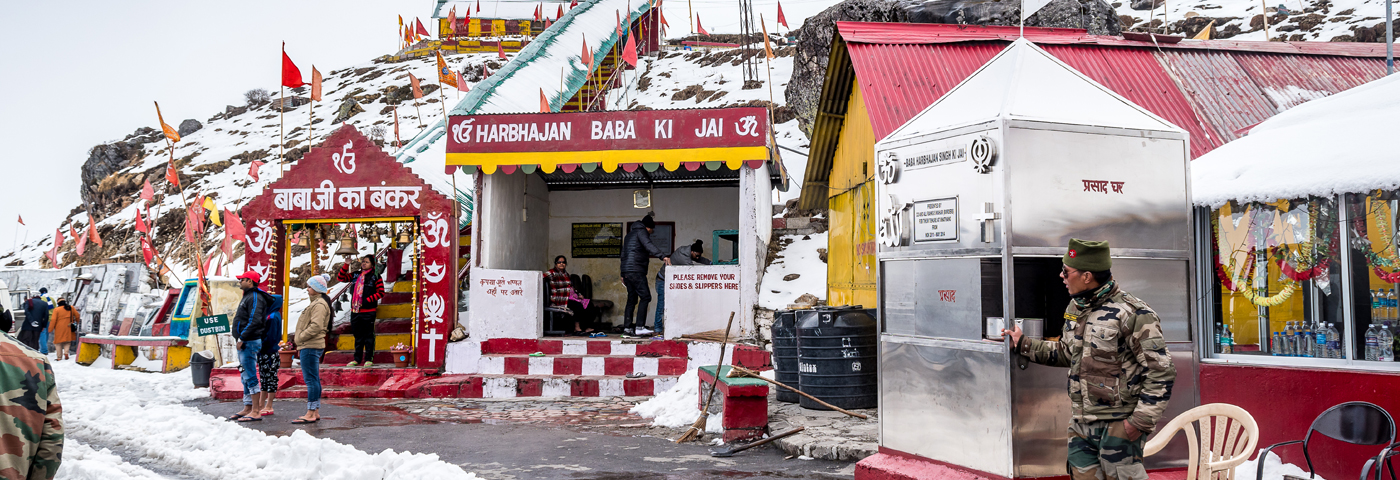
The shrine dedicated to Baba Harbhajan Singh, officially known as the Baba Harbhajan Singh Mandir, has grown from a simple memorial to an elaborate temple complex that receives thousands of visitors every year. According to the legend, three days after his death, Harbhajan Singh appeared in a dream to his colleague Pratap Singh and revealed the exact location where his body could be found. He also expressed his desire to have a shrine built at that spot. His body was subsequently recovered from the indicated location, approximately 3 kilometers from where he had fallen, and cremated with full military honors.
But the most extraordinary aspect of this legend is what followed. According to widespread belief in the army, Harbhajan Singh's spirit continued to guard the border and guide his fellow soldiers. Soldiers posted in the area reported experiencing supernatural phenomena - their equipment would mysteriously work when it shouldn't, they would receive warnings of impending danger, and they would feel a protective presence during difficult patrols. These stories spread through the army ranks, and gradually, Baba Harbhajan Singh became known as the 'Hero of Nathula.'
The most famous belief associated with Baba Harbhajan Singh is that he continues to be an active member of the army. His uniform is prepared for him every day, his bed is made, and his boots are polished - rituals maintained to this day. It is believed that he still draws his salary, which is sent to his family in Punjab. Army personnel even report that he appears in their dreams to warn them of upcoming attacks, dangers, or strategic movements. These warnings have reportedly helped avoid ambushes and casualties, reinforcing the faith in his protective presence.
The temple itself has become a place of pilgrimage not just for army personnel but for civilians as well. Devotees believe that praying here can fulfill wishes, especially those related to health, safety, and protection. Many parents of young children visit to seek Baba's blessings, believing that he protects children from illness and misfortune. The temple maintains a register where devotees can write their wishes, and there are numerous accounts of these wishes being fulfilled. The atmosphere at the shrine is one of deep devotion and reverence, with visitors leaving offerings of coins, liquor (which was reportedly Baba's favorite), and other items.
Army Beliefs and Traditions
The Indian Army's relationship with Baba Harbhajan Singh is unique and unparalleled in military history. The army officially recognizes his presence and maintains several traditions that honor his memory and service. Perhaps the most remarkable of these is the practice of keeping a seat reserved for Baba in the army mess. During official dinners and meetings, a chair is left empty for him, and a place is set with a full meal. This tradition reflects the army's belief that Baba continues to be an active member of the unit.
Every year on September 11, Baba Harbhajan Singh's official retirement date, a ceremony is held at the temple where he is formally relieved of his duties, only to be re-enlisted the next day. This unique ceremony is attended by high-ranking army officers and reflects the extraordinary status Baba holds within the army hierarchy. Soldiers posted at Nathula believe that Baba continues to patrol the border, and they report hearing footsteps, seeing footprints in the snow, and experiencing his protective presence during their duties.
The army maintains a detailed account of Baba's continued service. His personal belongings are carefully preserved, including his uniform, boots, and other items. Every year on his birthday (August 30) and death anniversary (October 4), special ceremonies are held at the shrine. The army sends Baba's official salary to his family in Punjab, a practice that has continued for over five decades. This extraordinary arrangement was reportedly approved at the highest levels of the army leadership, reflecting the genuine respect and belief in Baba's continued presence.
Newly posted soldiers are formally introduced to Baba as part of their orientation. They are told about his story, his protective nature, and the traditions associated with him. This practice helps maintain the legend and integrates new soldiers into the unique culture of the Nathula sector. Many soldiers credit Baba with saving their lives during dangerous situations, and there are numerous accounts of mysterious interventions that prevented accidents or attacks. The psychological comfort of believing in a protective presence in the hostile, high-altitude environment cannot be underestimated.
The temple is maintained by the Indian Army, with a dedicated caretaker responsible for its upkeep and the daily rituals performed there. The army has also built accommodation facilities for visitors who come to pay their respects. This official recognition and support from the army hierarchy have helped preserve the shrine and maintain the traditions associated with Baba Harbhajan Singh.
The Memorial Complex
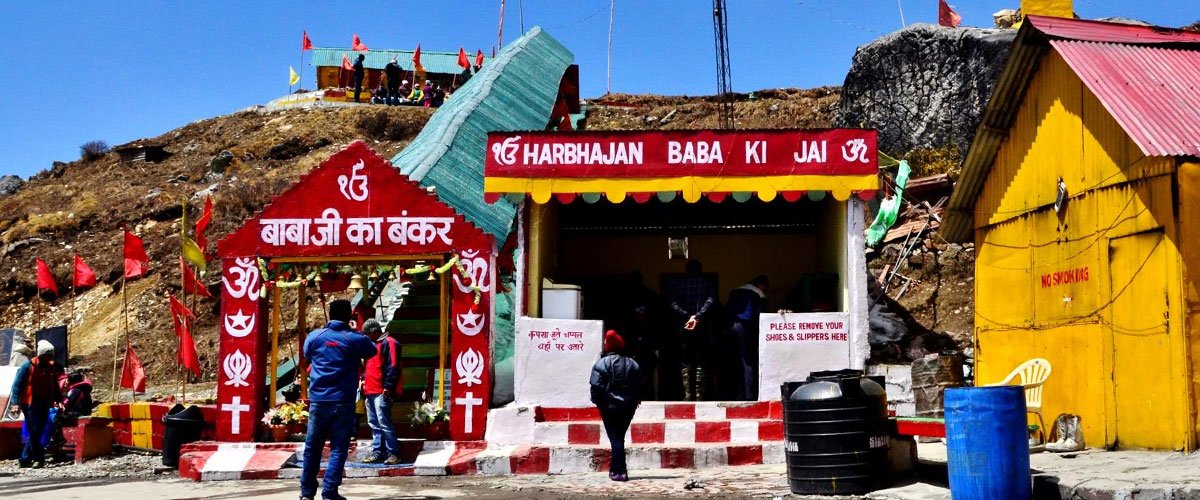
The Baba Harbhajan Singh Temple complex is a well-maintained shrine that reflects both spiritual devotion and military honor. The main temple building houses a portrait of Baba Harbhajan Singh in full uniform, along with his personal belongings. The interior is simple but reverent, with devotees offering prayers and leaving tokens of respect. The complex includes a three-tiered monument that symbolizes the different stages of Baba's journey - his life, his death, and his continued service as a guardian spirit.
Surrounding the main shrine are several smaller structures and facilities. There is a collection box for donations, which are used for the maintenance of the temple and for charitable causes. The army maintains a visitors' book where people can record their visits and share their experiences. Many devotees write about wishes they believe were fulfilled through Baba's blessings, creating a record of the shrine's perceived miraculous power.
One of the most poignant features of the memorial is the collection of photographs and letters displayed here. These include pictures of Baba from his army days, letters from his family, and messages from soldiers and civilians who have been touched by his story. The personal items on display - his uniform, his bed, his boots - serve as tangible connections to the man behind the legend and evoke a deep sense of respect and reverence.
The temple complex also includes accommodation facilities for visitors, maintained by the army. These basic but clean rooms provide shelter for pilgrims who wish to spend time at the shrine, especially during special occasions like Baba's birthday and death anniversary. There are also facilities for offering food and conducting small ceremonies. The entire complex is kept spotlessly clean, reflecting the army's discipline and respect for this sacred site.
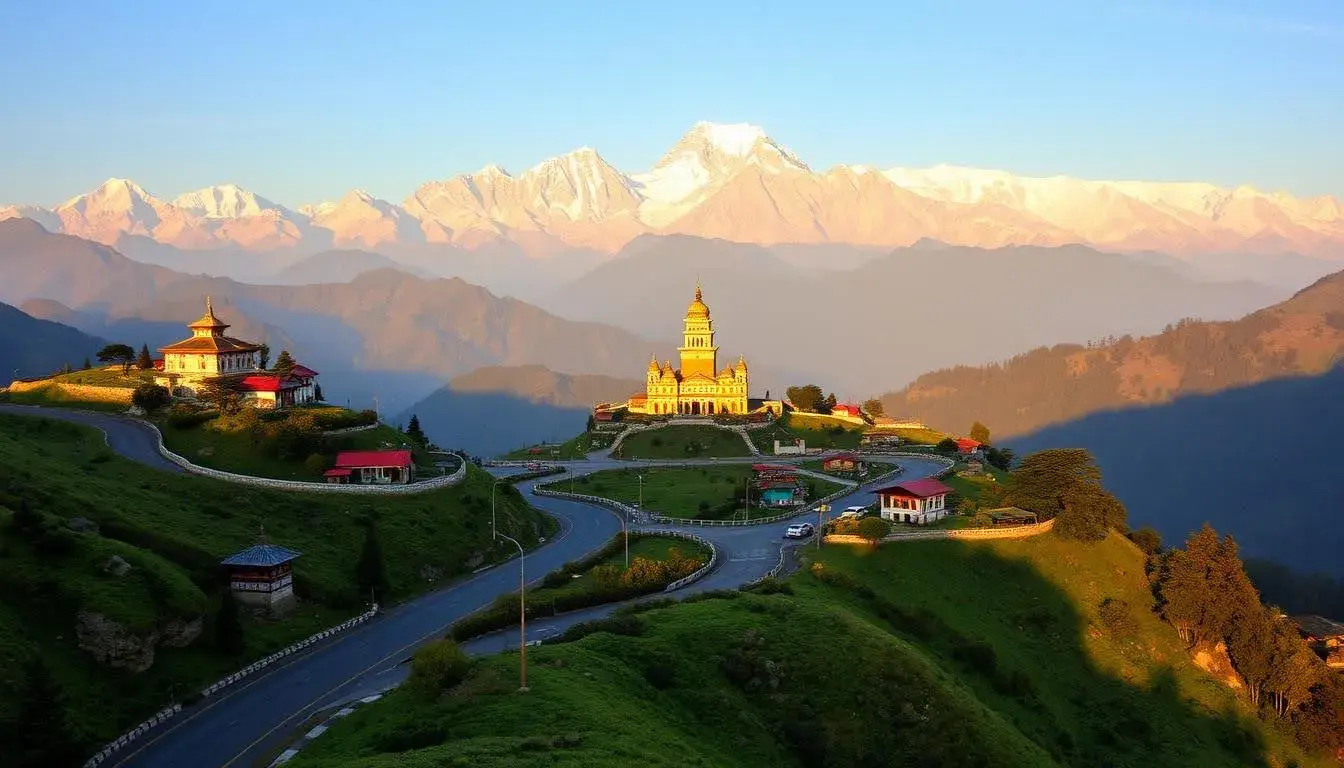
The location of the temple itself is significant. Perched on a ridge with panoramic views of the surrounding mountains, it offers a sense of peace and solitude despite its popularity as a tourist destination. The setting reinforces Baba's role as an eternal sentinel watching over the region. On clear days, visitors can see far into the distance, towards the border areas that Baba is believed to continue patrolling.
Visiting from Gangtok
Gangtok, the capital of Sikkim, serves as the primary base for visitors planning to pay their respects at the Baba Harbhajan Singh Temple. The shrine is located approximately 52 kilometers from Gangtok, and the journey is an integral part of the overall experience. The road from Gangtok to Nathula Pass is one of the most scenic drives in India, offering spectacular views of snow-capped peaks, deep valleys, and pristine mountain landscapes.
The journey typically takes 2-3 hours by car, depending on road conditions and stops along the way. The road climbs steadily from Gangtok, passing through several small villages and military checkpoints. As you ascend, the vegetation changes from subtropical forests to alpine meadows, and the air becomes crisper and cooler. The drive itself is an adventure, with winding roads, steep drops, and breathtaking views around every bend.
Most visitors start early from Gangtok, around 8-9 AM, to allow sufficient time for the journey and visits to other attractions in the area. The road passes through the Tsomgo Lake (Changu Lake), another popular tourist destination located at an altitude of 12,310 feet. Many travelers combine visits to both Tsomgo Lake and the Baba Harbhajan Singh Temple in a single day trip from Gangtok.
The road conditions vary seasonally. In summer (April to June), the roads are generally clear and in good condition. During the monsoon season (July to September), there can be landslides and rough patches, though the army works continuously to keep the road open. In winter (December to March), snowfall can make the journey challenging, and sometimes the road is temporarily closed. Visitors should check current conditions before starting their journey and be prepared for delays.
There are several stopovers along the route where you can rest, take photographs, and acclimatize to the increasing altitude. Small shops sell tea, snacks, and souvenirs. It's important to stay hydrated and take your time ascending to avoid altitude sickness. The journey, while beautiful, can be physically demanding due to the thinning air at high altitude.
For those who prefer not to drive themselves, there are numerous travel agencies in Gangtok that offer organized tours to Nathula Pass, including stops at Tsomgo Lake and the Baba Harbhajan Singh Temple. These tours typically include transportation, a guide, and sometimes meals. Shared taxis are also available for a more budget-friendly option. However you choose to travel, make sure you carry valid identification, as you'll be passing through military checkpoints and areas near the international border.
Road Conditions and Travel Tips
The road journey to Baba Harbhajan Singh Temple requires careful planning and preparation due to the challenging mountain terrain and high altitude. The Gangtok-Nathula road is a well-maintained highway by Himalayan standards, but it comes with its own set of challenges and considerations that travelers should be aware of.
Summer (April-June): This is the best time to visit, with pleasant weather and generally clear roads. Daytime temperatures range from 10°C to 15°C, making the journey comfortable. However, occasional rain showers can make the roads slippery. The landscape is lush green, and the views are spectacular. This is peak tourist season, so expect more traffic and possibly longer wait times at checkpoints.
Monsoon (July-September): Heavy rainfall can cause landslides, making the journey unpredictable. Roadblocks are common, though the army and Border Roads Organization work swiftly to clear them. If you travel during this season, build extra time into your schedule and be prepared for possible delays. The upside is fewer crowds and incredibly beautiful green landscapes. The mountains come alive with waterfalls and misty atmospheres.
Autumn (October-November): An excellent time to visit, with clear skies and stable weather. The crowds thin out, and the views are crystal clear. Temperatures start dropping, so carry warm clothing. This is arguably the best time for photography, with crisp air and excellent visibility. The roads are generally in good condition during this period.
Winter (December-March): Extreme cold with heavy snowfall. Temperatures can drop to -20°C or lower. The road is often closed due to snow, especially during heavy snowfall periods. If you're determined to visit in winter, check conditions in advance and be prepared for the possibility of last-minute closures. Proper winter gear is essential - thermal wear, heavy jackets, gloves, and sturdy boots. The winter landscape is stunningly beautiful, with everything covered in white.
Spring (March-April): As winter recedes, the snow begins to melt, and the landscape starts blooming. This is a beautiful time to visit, though road conditions can be tricky in early spring due to melting snow and occasional ice patches. By late spring, conditions improve significantly. This is a good time to visit if you want to avoid the summer crowds.
Travel Tips:
- Acclimatization: The rapid altitude gain can cause altitude sickness. Ascend gradually, stay hydrated, and avoid alcohol and sedatives. If you experience symptoms like headache, nausea, or shortness of breath, descend to a lower altitude immediately.
- Permits: Indian nationals need Inner Line Permits to visit Nathula Pass and the Baba Harbhajan Singh Temple. These can be obtained through registered travel agents in Gangtok or from the District Collector's office. Foreign nationals need a Protected Area Permit, which has different requirements.
- Documents: Carry valid identification (Voter ID, Aadhar card, or passport for Indian citizens; passport and visa for foreigners) and permit copies. You'll need to show these at multiple checkpoints along the way.
- Vehicle: If you're driving your own vehicle, ensure it's in good condition. Mountain roads can be tough on vehicles. Fill up on fuel in Gangtok as there are no fuel stations en route. Consider hiring a local driver who knows the road conditions.
- Health: If you have respiratory issues, heart conditions, or other health concerns, consult a doctor before attempting this journey. The thin air at high altitude can exacerbate certain conditions.
- Timing: Start early to allow plenty of time for the journey, visits, and return. The temple and border areas have specific visiting hours, and you need to plan accordingly. Check current timings as they can change seasonally.
- Packing: Layered clothing is essential as temperatures can vary significantly. Sunscreen, sunglasses, and a hat are necessary due to the strong UV radiation at high altitude. Carry basic medications, water, and snacks.
Army Protocols and Visitor Guidelines
Visiting the Baba Harbhajan Singh Temple requires adherence to specific protocols and guidelines, given its location in a sensitive border area and its status as an army-maintained shrine. Understanding and following these protocols ensures a respectful and trouble-free visit.
Permit Requirements: All visitors must obtain the Inner Line Permit (ILP) for Indian nationals or Protected Area Permit (PAP) for foreign nationals. The ILP can be obtained through registered tour operators in Gangtok or directly from the District Collector's office. The permit is typically valid for a specific duration and for specific areas. Make sure your permit includes Nathula Pass and the Baba Harbhajan Singh Temple. Carry multiple copies of your permit as they may be checked at various points.
Checkpoints: There are multiple army and police checkpoints along the route. At each checkpoint, you'll need to present your permit and identification. The security personnel are generally courteous but firm about protocol. Cooperate fully with all security procedures. The checks are for security purposes and are routine given the proximity to the international border.
Photography Restrictions: Photography is strictly prohibited in certain areas, especially near the border and around army installations. While photography is allowed at the temple itself, be cautious about what else you photograph. Do not take pictures of army bunkers, soldiers on duty, or strategic installations. Always ask for permission before photographing people, especially army personnel. When in doubt, it's better to refrain from photography.
Temple Etiquette: The shrine is a place of worship and should be treated with respect. Maintain silence and decorum within the temple complex. Remove your shoes before entering the main shrine area. Dress modestly, covering shoulders and knees. Avoid revealing or inappropriate clothing. Follow any specific instructions given by the temple caretaker or army personnel.
Offerings: Devotees commonly offer coins, liquor (Baba's favorite), and sometimes food items. There are specific places designated for offerings. If you wish to make a special offering, ask the caretaker for guidance. Don't leave non-biodegradable waste in the area. The temple maintains a tradition of cleanliness, and visitors should respect this.
Timing Restrictions: The temple and the Nathula Pass area have specific visiting hours that are strictly enforced. These hours can change based on security considerations and weather conditions. Typically, the area is open from morning to early afternoon, after which visitors must start their return journey. Plan your visit within these time constraints. Don't attempt to stay beyond the permitted hours.
Behavior: Remember that you are visiting a functional military area. Don't wander off marked paths or approach restricted areas. If army personnel give you instructions, follow them immediately and without argument. They are responsible for security and know the protocols best. Respect the solemnity of the memorial - this is not just a tourist attraction but a shrine honoring a soldier.
Special Events: If you're planning to visit during special occasions like Baba's birthday (August 30) or death anniversary (October 4), be aware that the area will be crowded and security may be tighter. These events are attended by army personnel and civilians alike, and the atmosphere is solemn and respectful. If you attend these events, follow the lead of others in terms of behavior and participation.
Best Time to Visit Baba Harbhajan Singh Temple
Choosing the right time to visit the Baba Harbhajan Singh Temple is crucial for a safe and enjoyable experience. The extreme altitude and challenging weather conditions of the Eastern Himalayas mean that different seasons offer vastly different experiences.
Summer (April to June): This is the most popular and recommended time to visit. The weather is relatively mild, with daytime temperatures ranging from 10°C to 15°C. The roads are generally clear and in good condition. The skies are usually clear, offering excellent views of the surrounding mountains. This is also the time when rhododendrons and other alpine flowers are in bloom, adding color to the landscape. However, this is also peak tourist season, so expect more visitors and potentially longer wait times at checkpoints and permits processing.
Monsoon (July to September): Sikkim receives heavy rainfall during these months, which can make the journey challenging. Landslides are common, and road conditions can deteriorate quickly. On the positive side, this is when the region is at its greenest, with waterfalls cascading down the mountainsides and lush vegetation everywhere. If you choose to visit during monsoon, build in extra time for possible delays, check road conditions regularly, and be prepared with rain gear. The crowds are thinner, and the misty, moody atmosphere creates a different kind of beauty.
Autumn (October to November): Many experienced travelers consider this the best time to visit. The monsoon rains have cleared, the skies are crystal clear, and the views are spectacular. Temperatures are cooler, starting to drop towards winter levels, but still manageable. The autumn light creates excellent photography conditions. Tourist numbers are lower than in summer, making for a more peaceful experience. This is an ideal time for those who want good weather without the peak season crowds.
Winter (December to March): Extreme winter conditions with heavy snowfall and temperatures that can drop to -40°C. The roads are frequently closed due to snow, and access is often impossible for days or weeks at a time. Only those with experience in high-altitude winter travel should attempt to visit during this period. If you do visit in winter, you'll be rewarded with stunning snow-covered landscapes and a serene, otherworldly atmosphere. But come fully prepared with extreme cold weather gear and be flexible with your plans as weather can change rapidly.
Special Occasions:
- Baba's Birthday (August 30): Special ceremonies are held at the shrine. Expect larger crowds and a festive but solemn atmosphere. The army organizes events to honor Baba on this day.
- Baba's Death Anniversary (October 4): Another significant day when special prayers and ceremonies are conducted. Devotees gather in large numbers to pay their respects.
- Retirement Day (September 11): The unique ceremony where Baba is officially retired and then re-enlisted takes place on this day.
For most visitors, the period from April to June or October to November offers the best combination of accessibility and weather. If you're combining this visit with other Sikkim attractions like North Sikkim or Tsomgo Lake, plan your itinerary for these optimal months.
Nearby Attractions and Combined Visits
A visit to the Baba Harbhajan Singh Temple can be combined with several other attractions in the region, making for a comprehensive Sikkim experience. Here are some nearby places you can include in your itinerary:
Tsomgo Lake (Changu Lake): Located approximately 35 kilometers from Gangtok and en route to the Baba Harbhajan Singh Temple, Tsomgo Lake is one of Sikkim's most famous attractions. This glacial lake, situated at an altitude of 12,310 feet, is considered sacred by the local people. The lake remains frozen during winter and is surrounded by mountains that reflect beautifully in its waters. You can enjoy a yak ride around the lake or simply soak in the serene atmosphere. Tsomgo Lake is usually included as a stop on most Nathula tours.
Nathula Pass: Just 5 kilometers from the Baba Harbhajan Singh Temple, Nathula Pass is one of the highest motorable roads in the world and an important border crossing between India and China. The pass offers spectacular views and the opportunity to see the border area up close. You can visit the Indo-China border trade market (open on specific days) and see the meeting point of Indian and Chinese soldiers. The pass is subject to weather conditions and can be closed during heavy snowfall or rains.
Jelep La Pass: While access is restricted, this historic pass on the old Silk Road is visible from certain points. It connects Sikkim to Tibet and has significant historical importance. The views from the approach roads are stunning, with deep valleys and snow-capped peaks.
Gangtok: The capital city deserves at least a day or two of exploration. Visit the Rumtek Monastery, the largest in Sikkim; the Enchey Monastery, with its beautiful architecture; and the Do Drul Chorten, an important stupa. The Gangtok Ropeway offers panoramic views of the city and surrounding hills. MG Marg, the main street, is a pedestrian-only zone with shops, cafes, and a relaxed atmosphere.
Ban Jhakri Falls: Located about 10 kilometers from Gangtok, this beautiful waterfall is surrounded by a landscaped garden that showcases traditional Sikkimese architecture. It's a peaceful spot for a picnic and a short break from sightseeing.
Rumtek Monastery: About 23 kilometers from Gangtok, this is the largest monastery in Sikkim and the seat of the Kagyu sect of Tibetan Buddhism. The monastery houses some rare Buddhist artifacts and offers stunning views of the surrounding hills.
Ranka Monastery: A relatively new but beautiful monastery located about 20 kilometers from Gangtok. It's less crowded than Rumtek and offers a peaceful atmosphere for meditation and reflection.
For those with more time, consider extending your trip to Lachen and Lachung in North Sikkim, where you can visit Gurudongmar Lake (one of the highest lakes in the world) and Yumthang Valley (known as the Valley of Flowers). These destinations require additional permits and more time but offer some of the most spectacular scenery in the Himalayas.
Accommodation Options
While there is no accommodation available at the Baba Harbhajan Singh Temple itself (it's a day-visit destination), Gangtok offers a wide range of options to suit every budget and preference.
Luxury Hotels (₹5,000 - ₹15,000 per night): Gangtok has several high-end hotels offering excellent amenities and services. The Mayfair Spa Resort & Casino, Bamboo Grove Retreat, and Summit Norling Resort & Spa are popular choices. These properties offer comfortable rooms, excellent restaurants, spas, and stunning views of the mountains. Many also organize tours to Nathula and other attractions.
Mid-Range Hotels (₹2,500 - ₹5,000 per night): There are numerous mid-range options that provide good value for money. Hotel Sonam Delek, The Elgin Mount Kanchenjunga, and Orange Village Resort are well-regarded options. These hotels typically offer comfortable rooms, in-house restaurants, and tour assistance. Some have great views of the Kanchenjunga range.
Budget Hotels and Guesthouses (₹800 - ₹2,500 per night): For budget travelers, there are plenty of clean and basic options. Many of these are located near MG Marg and offer convenient access to restaurants and shops. Hotel New Central, Shalom Guest House, and various family-run guesthouses provide affordable accommodation with basic amenities.
Homestays: For a more authentic experience, consider staying with a local family. Homestays offer comfortable rooms, home-cooked Sikkimese meals, and insights into local culture and lifestyle. They're often more affordable than hotels and provide a warm, personal experience. Many homestays are located in residential areas of Gangtok or in nearby villages.
Heritage Properties: Sikkim has some heritage properties like The Elgin Mount Kanchenjunga, a historic hotel that once hosted royalty and dignitaries. Staying at these properties adds a touch of history and old-world charm to your visit.
Things to Consider When Choosing Accommodation:
- Location: Staying near MG Marg puts you in the heart of the city with easy access to restaurants and shops. Hotels on the outskirts offer better views and quieter surroundings.
- Views: Many hotels advertise mountain views, especially of Kanchenjunga. Clear views are seasonal and weather-dependent, so don't count on them during monsoon or cloudy days.
- Facilities: Check if the hotel offers tour arrangements to Nathula, which can simplify your visit. Many hotels have tie-ups with local tour operators.
- Reviews: Read recent reviews, especially regarding heating (important in winter), hot water availability, and service quality.
- Booking: Peak season (April-June and October) sees high demand. Book well in advance, especially if you have specific preferences.
Food and Dining in Gangtok
Gangtok offers a diverse culinary scene that reflects Sikkim's multicultural heritage. From local Sikkimese cuisine to Tibetan, Nepali, and continental options, there's something for every palate.
Local Sikkimese Cuisine: Try momos (steamed dumplings filled with vegetables or meat), thukpa (noodle soup), gya thuk (a thicker noodle dish), and phagshapa (pork with radishes and chilies). These hearty dishes are perfect for the cold mountain weather. Popular local restaurants include The Taste of Tibet and Taste of Sikkim.
Tibetan Food: Given the strong Tibetan influence in Sikkim, Tibetan restaurants are abundant. Besides momos and thukpa, try tingmo (steamed bread), shabalay (fried bread stuffed with meat), and various types of tea including butter tea.
Nepali Cuisine: Nepali thalis (set meals) with dal, bhat (rice), tarkari (vegetables), and achar (pickle) are widely available. Sel roti (a sweet, ring-shaped bread) is a popular snack, especially during festivals.
Cafes: Gangtok has a thriving cafe culture. The Little Italy, Coffee Culture, and Bakery Cafe are popular spots for coffee, pastries, and light meals. These cafes often have great views and relaxed atmospheres.
Multi-Cuisine Restaurants: For those who prefer familiar tastes, there are numerous restaurants serving Indian, Chinese, and Continental cuisine. The Roll House, Parivar Restaurant, and Dragon Restaurant offer variety and consistent quality.
Bakeries: German Bakery and Bakeway are popular for freshly baked bread, cakes, and cookies. These are great for picking up snacks for your journey to Nathula.
Dining Tips:
- Altitude and Appetite: High altitude can affect appetite and digestion. Eat light meals, stay hydrated, and avoid heavy, oily foods before your journey to Nathula.
- Water Safety: Stick to bottled or boiled water. Avoid tap water and ice in drinks from unreliable sources.
- Vegetarian Options: Most restaurants have good vegetarian options, reflecting the Buddhist influence in the region.
- Timing: Many restaurants close by 9:30 PM. Plan your dinner accordingly. Late-night food options are limited.
Packing and Preparation Guide
Proper packing is essential for a comfortable and safe visit to the Baba Harbhajan Singh Temple. The extreme altitude and unpredictable weather require careful consideration of what to bring.
Clothing:
- Layering is Key: The temperature can vary significantly between Gangtok and the temple. Wear multiple layers that you can add or remove as needed.
- Base Layer: Thermal underwear (top and bottom) is essential, especially in colder months. Merino wool or synthetic materials are best as they wick moisture and provide warmth even when wet.
- Mid Layer: Fleece jackets, sweaters, or hoodies provide insulation. A fleece jacket is versatile and can be easily added or removed.
- Outer Layer: A windproof and waterproof jacket is crucial. Mountain weather is unpredictable, and a good jacket protects against wind, rain, and cold.
- Lower Body: Trekking pants or jeans with thermal underwear underneath. Avoid skirts or shorts. Waterproof pants can be useful during rain or snow.
- Headwear: A woolen cap or beanie that covers your ears is essential. A wide-brimmed hat or cap provides sun protection.
- Neck Protection: A scarf or buff can be pulled up over your face and neck for protection against cold wind.
- Extremities: Warm socks (wool or synthetic) and gloves are non-negotiable in winter. In summer, lighter gloves and socks should suffice.
Footwear:
- Sturdy Shoes: Comfortable, waterproof walking shoes or trekking boots with good grip. The terrain can be uneven, and you'll be walking at high altitude.
- Extra Socks: Carry at least one extra pair of socks. Dry, warm feet are crucial for comfort and preventing frostbite in winter.
Protection from Elements:
- Sunscreen: The UV radiation is intense at high altitude. Use broad-spectrum sunscreen with SPF 30 or higher, even on cloudy days.
- Sunglasses: Good quality UV-protected sunglasses are essential. The snow and altitude can cause snow blindness without proper eye protection.
- Lip Balm: Cold, dry air at altitude quickly chaps lips. A moisturizing lip balm with SPF is recommended.
- Rain Gear: A lightweight rain jacket or poncho, especially during monsoon season.
Health and Comfort:
- Water: Carry at least 2 liters of water per person. Dehydration is a major risk at high altitude.
- Snacks: High-energy snacks like nuts, chocolate, energy bars, or glucose biscuits.
- Medications: Personal medications, altitude sickness medication (consult your doctor), pain relievers, and basic first aid supplies.
- Wet Wipes and Tissue: Useful for hygiene when facilities are basic.
- Moisturizer: The air is extremely dry at altitude, and skin can become chapped quickly.
- Hand Sanitizer: Useful when water is not readily available.
Documents and Money:
- Permits: Multiple copies of your Inner Line Permit or Protected Area Permit.
- ID Proof: Original and copies of valid identification (Voter ID, Aadhar card, passport).
- Cash: While ATMs are available in Gangtok, carry sufficient cash for the journey. Many places en route may not accept cards.
- Emergency Contacts: A list of important phone numbers including your hotel, tour operator, and emergency services.
Optional but Useful Items:
- Camera: With extra batteries - cold drains batteries faster. Keep batteries warm in an inner pocket.
- Binoculars: Great for viewing distant peaks and the border area.
- Power Bank: For charging your phone. Mobile service can be spotty at high altitude, and your phone battery may drain faster in cold.
- Notebook and Pen: For jotting down thoughts or recording information.
Responsible Tourism and Conservation
As the Baba Harbhajan Singh Temple gains popularity as a tourist destination, it becomes increasingly important for visitors to practice responsible tourism. The fragile Himalayan ecosystem and the sensitive military location require special consideration.
Environmental Responsibility:
- Carry Out What You Carry In: Do not leave any trash at the temple or along the route. Plastic waste is particularly harmful in mountain ecosystems. Carry a small bag for your waste and dispose of it properly in Gangtok.
- Respect Flora and Fauna: Don't pick flowers or disturb plants and animals you encounter. The alpine ecosystem is fragile, and even small disturbances can have long-term impacts.
- Conserve Water: Water is a precious resource in the mountains. Use it sparingly, and don't waste it unnecessarily.
- Stay on Marked Paths: Venturing off marked paths can damage fragile vegetation and increase erosion. Follow designated routes and respect any barriers or signs.
- Support Local Economy: Purchase from local vendors and eat at local establishments. Your spending directly benefits the local community and encourages sustainable tourism.
Cultural Respect:
- Temple Etiquette: Remember that this is a sacred place, not just a tourist attraction. Maintain silence, dress appropriately, and behave respectfully.
- Photography: Always ask for permission before photographing people, especially during religious ceremonies. Respect any photography restrictions.
- Learn About Local Culture: Take time to learn about Sikkimese culture and traditions. Understanding local customs shows respect and enhances your experience.
Security Awareness:
- Follow Security Protocols: The temple is located in a sensitive border area. All security protocols are for safety and must be followed without question.
- No Photography of Military Areas: Strictly avoid photographing army installations, bunkers, or personnel on duty. This is a security violation and can have serious consequences.
- Permit Compliance: Ensure your permits are in order and carry them at all times. Don't attempt to visit areas not covered by your permit.
By practicing responsible tourism, you help preserve this unique destination for future visitors and show respect to Baba Harbhajan Singh's memory. The shrine is not just a tourist attraction but a sacred memorial, and treating it as such honors the spirit in which it was established.
Conclusion: A Journey of Faith and Patriotism
A visit to the Baba Harbhajan Singh Temple is more than just a tourist excursion - it's a journey into one of the most extraordinary stories in modern Indian military history. Whether you're a believer in the supernatural or a skeptic, the shrine's powerful atmosphere and the genuine devotion it inspires cannot be denied. The temple stands as a testament to the unbreakable bond between a soldier and his duty, transcending even death itself.
The legend of Baba Harbhajan Singh embodies values that resonate deeply in Indian culture - duty, sacrifice, devotion, and the enduring connection between those who serve and the land they protect. For the army personnel stationed in this harsh, high-altitude frontier, the belief that Baba continues to watch over them provides comfort and courage. For civilian visitors, the shrine offers a unique glimpse into military life and the extraordinary bonds forged in service.
The journey to Nathula Pass, with its stunning mountain landscapes and challenging roads, is part of the experience. As you ascend through the changing vegetation, past waterfalls and prayer flags, towards this remote shrine, you're following in the footsteps of countless soldiers and pilgrims. The spectacular views of snow-capped peaks and deep valleys remind you of the grandeur of the Himalayas and the strategic importance of this border region.
Whether you visit for spiritual reasons, out of curiosity about the legend, or simply as part of exploring Sikkim's many attractions, the Baba Harbhajan Singh Temple leaves a lasting impression. The story of the soldier who never left his post challenges our understanding of life, death, and duty. It speaks to the power of belief and the human capacity for devotion that transcends the boundaries between the mortal and the immortal.
As you stand at the shrine, looking out over the mountains that Baba is believed to continue patrolling, you can't help but feel moved by this unique convergence of faith, patriotism, and the supernatural. The temple stands as a reminder that some bonds are so strong they cannot be broken by death, and that true duty knows no end - not even at the frontier between life and what lies beyond.
Location
Frequently Asked Questions
Q1.Who was Baba Harbhajan Singh and what is his story?
Q2.Where is Baba Harbhajan Singh Temple located and how do I reach it?
Q3.What is the best time to visit Baba Harbhajan Singh Temple?
Q4.What permits are required to visit Baba Harbhajan Singh Temple?
Q5.Is Baba Harbhajan Singh Temple open throughout the year?
Q6.What are the army traditions associated with Baba Harbhajan Singh?
Q7.What should I wear when visiting Baba Harbhajan Singh Temple?
Q8.Can I combine visits to other attractions with Baba Harbhajan Singh Temple?
Recommended For You
Top 25 Things to Do in Sikkim: Monasteries, Lakes & Adventure Picks
Discover the best things to do in Sikkim from Tsomgo Lake to Nathula Pass. Complete travel guide with trekking, monasteries, and adventure activities.
Gangtok: Complete Travel Plan Places And Weather
Complete Gangtok travel guide with top attractions, best time to visit, 3-5 day itineraries, budget breakdown, transport options, and practical travel tips for exploring Sikkim's capital.
15 Best Places to Visit in Gangtok: Monasteries, Lakes & Ropeways
Explore the best places to visit in Gangtok including Tsomgo Lake, Nathula Pass, Rumtek Monastery, MG Marg, and practical permit-aware travel tips.
Never Miss an Adventure
Get the latest trekking guides, travel tips, and exclusive offers delivered straight to your inbox.
