
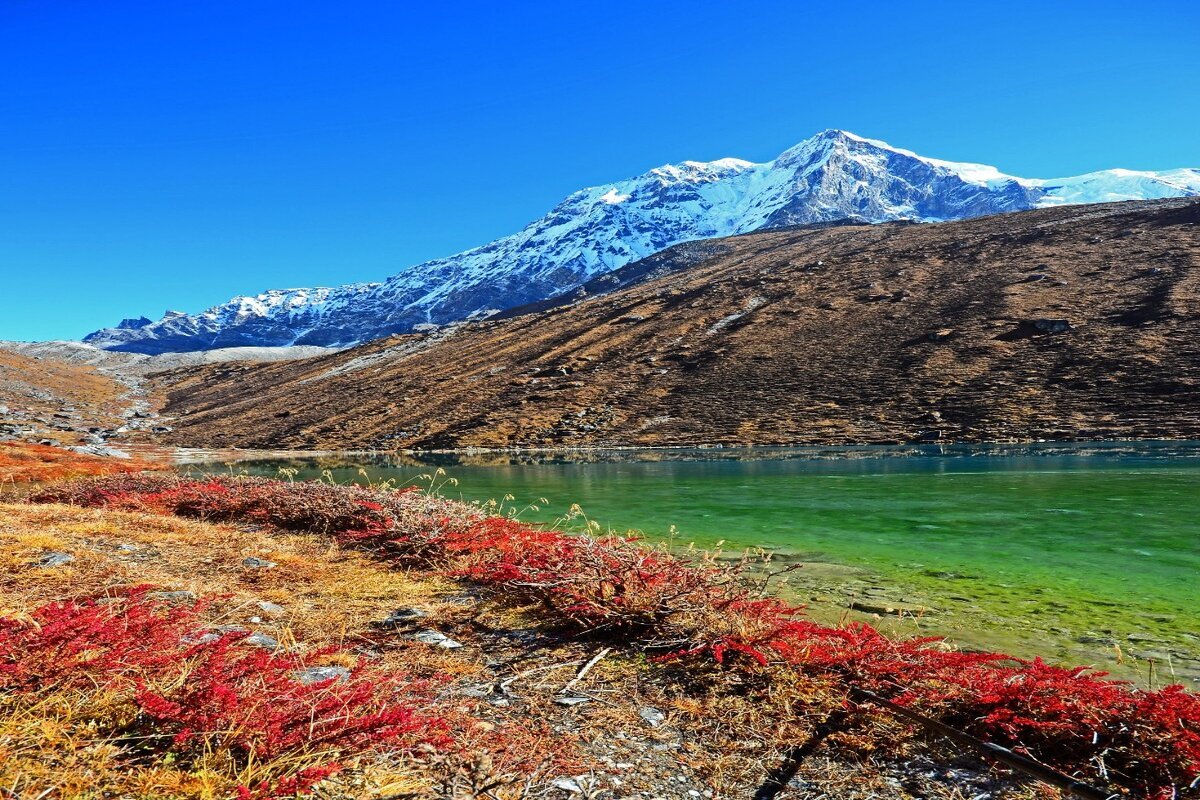
10 Beautiful Lakes in Sikkim: Tsomgo to Gurudongmar
Rohan Malhotra
December 9, 2025
Comprehensive guide to lakes in Sikkim covering Tsomgo, Gurudongmar, sacred lakes, permits, best season, and practical itinerary planning.
Introduction: Sikkim's High-Altitude Lake Circuit
Sikkim is one of India's most rewarding mountain states for lake lovers because the landscape offers both scenic and sacred water bodies spread across different elevations. Some lakes are easy day trips from Gangtok, while others need multi-day planning, permits, and acclimatization. This variety is exactly what makes a lakes-focused Sikkim itinerary so compelling.
When travelers search for lakes in Sikkim, they usually start with Tsomgo (Changu) and Gurudongmar. Those are iconic, but they are only part of a broader network that includes spiritually significant lakes, trek-linked glacial lakes, and less crowded mountain spots with raw Himalayan character. The best experience comes from understanding access, altitude, weather windows, and route logic instead of treating every lake as a quick checklist stop.
Use this guide with Sikkim Travel Guide, Things to Do in Sikkim, and places to visit in Gangtok for better trip planning.
Tsomgo Lake (Changu Lake): The Most Popular Sikkim Lake
Tsomgo Lake, also called Changu Lake, is the most visited high-altitude lake near Gangtok and often the first lake travelers experience in Sikkim. It is known for shifting seasonal colors, frozen winter edges, and dramatic mountain backdrops. The approach road is part of the experience, with changing landscapes as elevation rises.
Tsomgo is not just scenic; it has spiritual and cultural significance for local communities. During colder months, the lake's visual character changes dramatically, while spring and summer usually offer clearer blue reflections and easier movement conditions.
| Tsomgo Essentials | Details |
|---|---|
| Approx. Distance from Gangtok | About 38 km (route/time can vary) |
| Altitude | High-altitude zone; layering needed year-round |
| Permit Requirement | Restricted-area permit generally required |
| Best For | Day trip, views, mountain photography |
Most travelers combine Tsomgo with Nathula Pass corridor planning, depending on permits and weather.
Gurudongmar Lake: One of the Highest Accessible Lakes
Gurudongmar is among the most talked-about lakes in North Sikkim due to extreme elevation and striking open terrain. The journey is long, physically demanding for some travelers, and highly dependent on permits, weather, and health readiness. It is not a casual same-energy day trip like lower-altitude spots.
Travelers usually approach Gurudongmar through a North Sikkim circuit with overnight base planning (commonly Lachen-side logistics). The landscape feels stark, expansive, and deeply Himalayan, with rapidly changing weather and stronger wind chill.
- Prioritize acclimatization before attempting high-altitude routes.
- Start early and keep strict timing discipline.
- Carry hydration, light food, and thermal layering.
- Follow local and military/administrative advisories closely.
The destination is worth it for prepared travelers because very few places in India offer this combination of altitude, scale, and atmosphere in a road-linked format.
Khecheopalri Lake: Sacred and Serene
Khecheopalri in West Sikkim is known less for dramatic altitude and more for spiritual ambience. Often called a sacred wishing lake, it has deep local reverence and a calmer, contemplative travel mood compared with busy high-traffic routes. Visitors should approach with respect, low noise, and careful behavior around ritual spaces.
The surrounding setting is green and peaceful, and the experience here is less about speed and more about pause. It fits well for travelers who want cultural depth in addition to mountain scenery.
If your itinerary includes multiple lake styles, Khecheopalri balances the trip by adding a spiritual and slower component between more logistics-heavy high-altitude stops.
Other Sacred and Notable Lakes in Sikkim
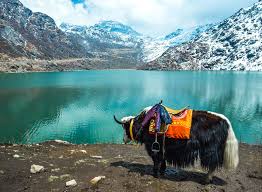
Sikkim's lake map is wider than the three headline names. Some are road-accessible in certain seasons; others are trek-linked or restricted by difficult terrain. Understanding this helps avoid unrealistic expectations.
| Lake | Why It Matters | Access Notes |
|---|---|---|
| Samiti Lake | Known from trekking circuits and alpine beauty | Usually trek-linked and season dependent |
| Lampokhari (Aritar) | Scenic East Sikkim lake with easier family appeal | Comparatively simpler access |
| Memencho | Less mainstream mountain-lake character | Route and conditions vary |
| Tso Lhamo/Cholamu belt references | Extreme-altitude lake discussions in North Sikkim context | Highly restricted and sensitive route environment |
Not every named lake is practical for every traveler. A good Sikkim plan matches difficulty with fitness, altitude tolerance, and available days.
Best Time to Visit Lakes in Sikkim
Season choice decides the quality of your lake tour more than almost any other factor. Different lakes behave very differently in the same month because elevation and route conditions vary.
Spring to Early Summer (March-June)
Commonly preferred for clearer access windows and better day-trip stability in many circuits.
Autumn (October-November)
Often excellent for visibility and crisp mountain light, especially for photography-focused travelers.
Winter
Frozen-lake visuals can be beautiful, but logistics become stricter and not all routes remain equally convenient.
Monsoon
Generally less ideal for mountain-lake circuits due to landslide risk and road variability.
| Season | Pros | Watch-Out |
|---|---|---|
| Mar-Jun | Balanced weather for many routes | Crowds on popular lake circuits |
| Oct-Nov | Strong visibility and cleaner light | Temperature drops at higher points |
| Winter | Frozen-lake atmosphere | Cold stress and tighter route windows |
| Monsoon | Lush scenery | Road disruptions and timing uncertainty |
Permits, Altitude, and Health Planning
Many Sikkim lake routes—especially near border and high-altitude sectors—require permits. This is a normal process, but it must be built into planning timelines. Do not finalize tight same-day plans without permit and weather confirmation.
Altitude readiness matters most for northern high-elevation lakes. Even fit travelers can feel altitude stress when ascent is rapid. Plan conservative pacing and avoid overstacking long transfer days.
- Keep one low-intensity acclimatization day before high routes.
- Stay hydrated and avoid heavy exertion early in the trip.
- Use warm layers, gloves, and sun protection together.
- Keep emergency medication only as doctor-advised support.
For broad region comparisons, some travelers also explore nearby Himalayan circuits like best tourist places in Bhutan on separate itineraries.
How to Plan a Practical Sikkim Lake Itinerary
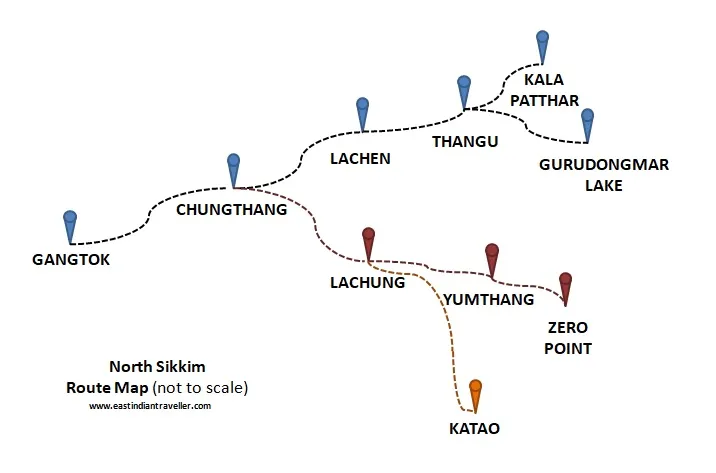
A successful lakes itinerary should separate routes by geography: East/Gangtok-side circuits, North Sikkim high-altitude circuits, and West Sikkim spiritual circuits. Trying to combine all without sufficient days often causes fatigue and missed experiences.
Sample 6-7 day structure
| Day Block | Focus | Outcome |
|---|---|---|
| Day 1 | Gangtok arrival + local orientation | Buffer and acclimatization start |
| Day 2 | Tsomgo sector (permit dependent) | First high-altitude lake experience |
| Day 3-4 | North Sikkim route planning | Higher lake zone access with pacing |
| Day 5 | Return and recovery day | Fatigue control |
| Day 6-7 | West Sikkim sacred lake segment | Balanced nature + spiritual closure |
Adjust this template based on weather, permit approvals, and traveler profile.
Packing Checklist for Sikkim Lake Tours
Lakes in Sikkim cross multiple climate zones, so packing should support both wet-road uncertainty and cold high-altitude exposure.
- Layered clothing: base thermal + insulation + windproof shell
- Gloves, cap, and UV sunglasses
- Waterproof footwear with grip
- Personal medication and hydration support
- Offline maps and power bank
- Dry snacks for long transfer sections
Underpacking for temperature shifts is a common mistake in Sikkim. Plan for colder conditions than city forecast suggests.
Budget and Transport Strategy for Lake Circuits
A Sikkim lake tour budget changes significantly depending on route cluster, permit type, and transport mode. Tsomgo-side day routes are usually easier to price than multi-day North Sikkim circuits where vehicle permits, overnight stays, and weather delays can alter the total. Build your budget in four parts: intercity transfer, local transport, accommodation, and contingency. The contingency part is essential in mountain states where landslides, route pauses, or permit delays can shift plans.
If you are traveling in a group, shared private cabs can improve both flexibility and per-person cost. Solo travelers can reduce costs with partial shared options, but should avoid overly tight schedules that depend on perfect connections.
| Budget Head | What to Include | Planning Tip |
|---|---|---|
| Transport | Airport/train transfer + local cab circuits | Keep one backup return option |
| Permits | Restricted route approvals and documentation | Apply early via valid channels |
| Stay | Gangtok plus high-route halt points | Book flexible cancellation where possible |
| Contingency | Extra day cost for delays | Reserve buffer before departure |
Common Mistakes to Avoid
- Treating all Sikkim lakes as equally easy day trips
- Ignoring permit timelines for high-altitude routes
- Skipping acclimatization before long northern circuits
- Overloading itinerary with too many distant stops
- Traveling without weather contingency planning
Most lake-tour disappointments come from planning compression rather than destination quality.
Why Sikkim's Lakes Are Culturally Significant
Many Sikkim lakes are not just scenic points; they are tied to local belief systems, monastery traditions, and community memory. This is why respectful behavior matters: avoid loud conduct, follow photography etiquette in sensitive zones, and treat ritual areas as living spaces rather than themed attractions.
Cultural respect improves your own travel experience as well. When you travel slower and more attentively, these destinations feel deeper than a standard sightseeing checklist.
Conclusion
The lakes in Sikkim offer one of the richest mountain-water experiences in the Eastern Himalayas, from popular Tsomgo to high-altitude Gurudongmar and spiritually important Khecheopalri. The key to enjoying them is realistic planning: permits, pacing, acclimatization, and season-aware route choices.
Build your itinerary by geography, keep flexibility for weather, and travel with respect for local culture and terrain. Done right, a Sikkim lake circuit becomes a memorable blend of landscape, altitude adventure, and spiritual calm for every traveler planning responsibly across seasons, permit windows, and mountain weather variations throughout the year with safer pacing and stronger route confidence.
Location
Frequently Asked Questions
Q1.Which is the most famous lake in Sikkim?
Q2.What is the best time to visit Sikkim lakes?
Q3.Which lake is highest in Sikkim travel circuits?
Q4.How far is Tsomgo Lake from Gangtok?
Q5.Is Tsomgo Lake frozen in winter?
Q6.Do we need permits for Sikkim lake routes?
Q7.Is Gurudongmar worth visiting?
Q8.Are all lakes in Sikkim easily accessible?
Recommended For You
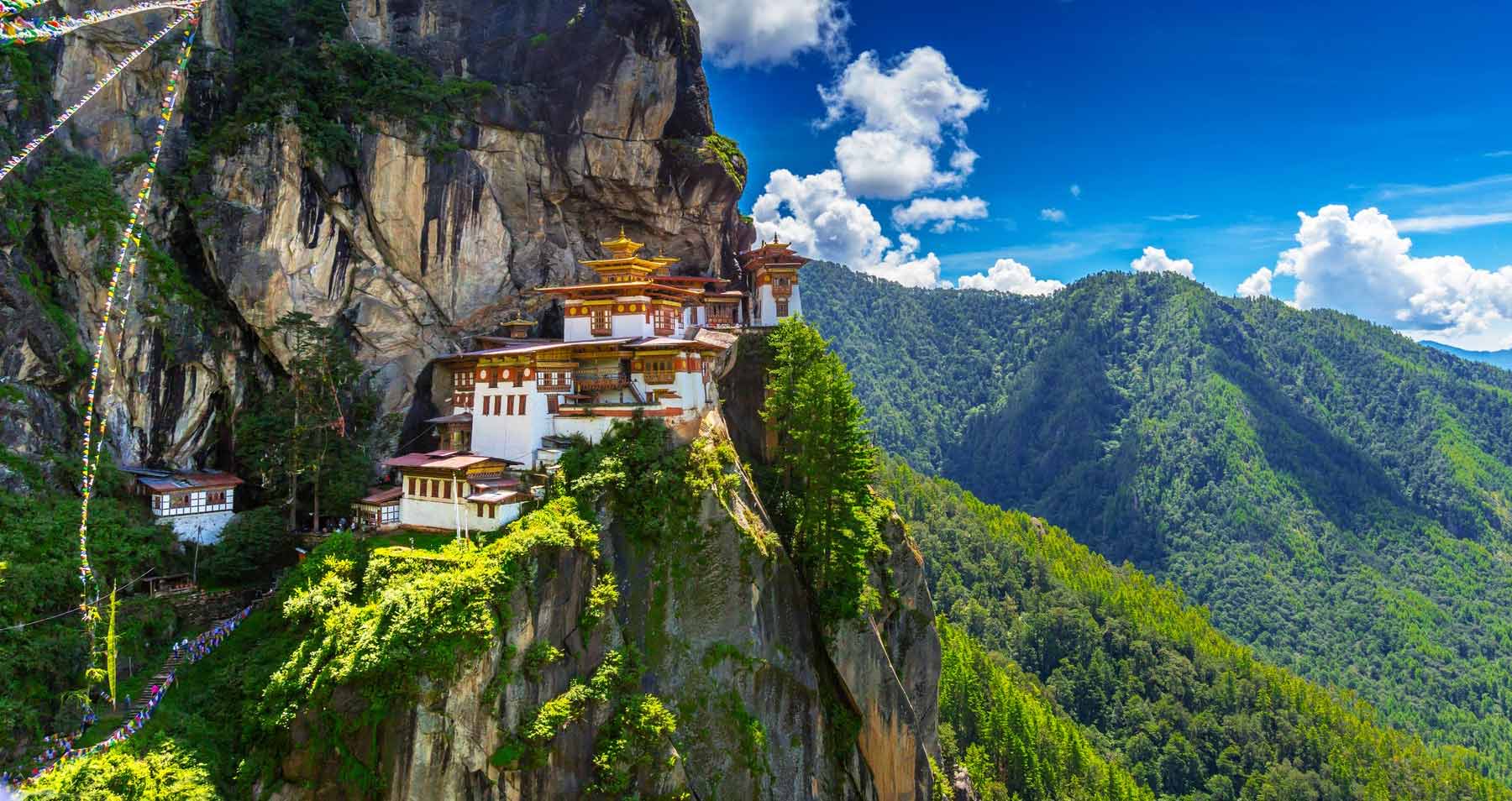
Best Tourist Places in Bhutan: Region-Wise Attractions & Itinerary Ideas
Explore the best tourist places in Bhutan with region-wise highlights from Paro, Thimphu, Punakha, Bumthang, and Phobjikha, plus practical travel planning tips.
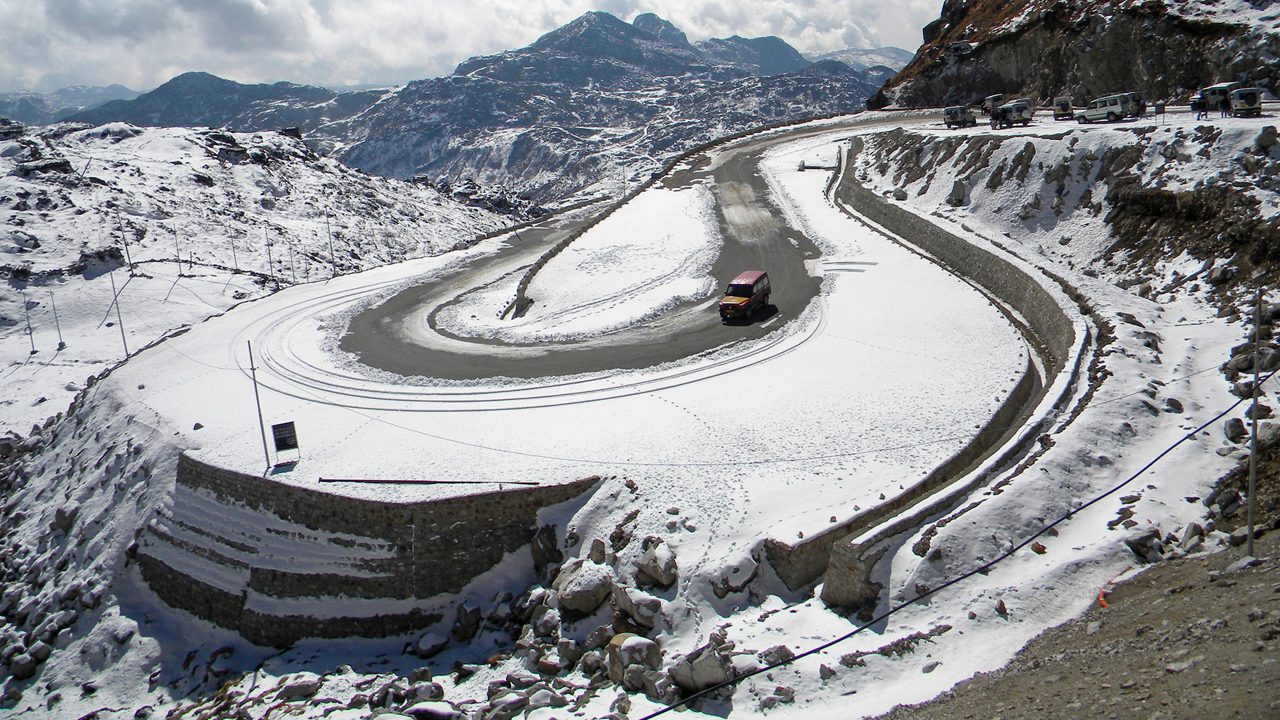
Nathula Pass Gangtok: Permit Process, Route & Altitude Tips
Plan your Nathula Pass Gangtok trip with permit steps, route timing, weather prep, and practical high-altitude safety guidance.
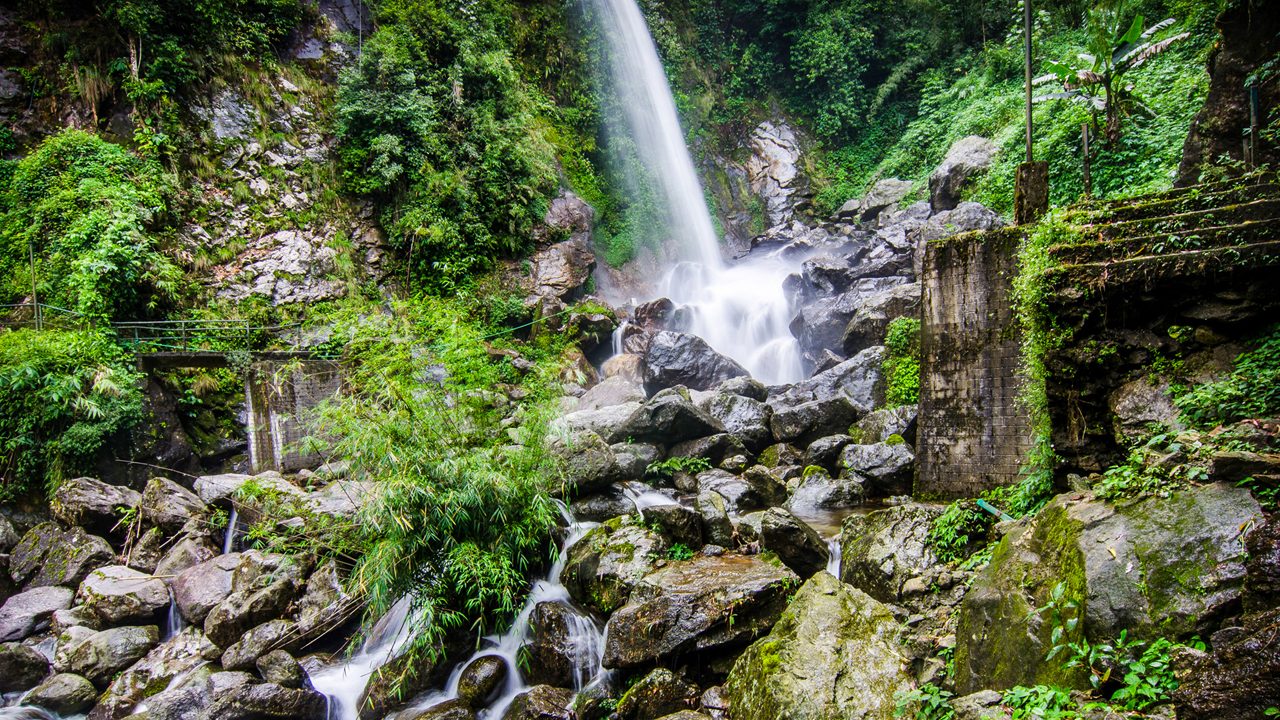
Waterfalls in Sikkim: Top 10 Falls, Routes & Best Time
Discover the best waterfalls in Sikkim with Bakthang, Ban Jhakri, Seven Sisters, season-wise travel tips, and practical Gangtok route planning.
Never Miss an Adventure
Get the latest trekking guides, travel tips, and exclusive offers delivered straight to your inbox.
