
Barakhamba Tomb Delhi: History, Access and Travel Tips

Ananya Sharma
February 18, 2026
Explore Barakhamba Tomb Delhi with history, architecture, access planning, and practical route tips for a meaningful heritage visit.
Barakhamba Tomb Delhi: A Quiet Monument with Big Historical Value
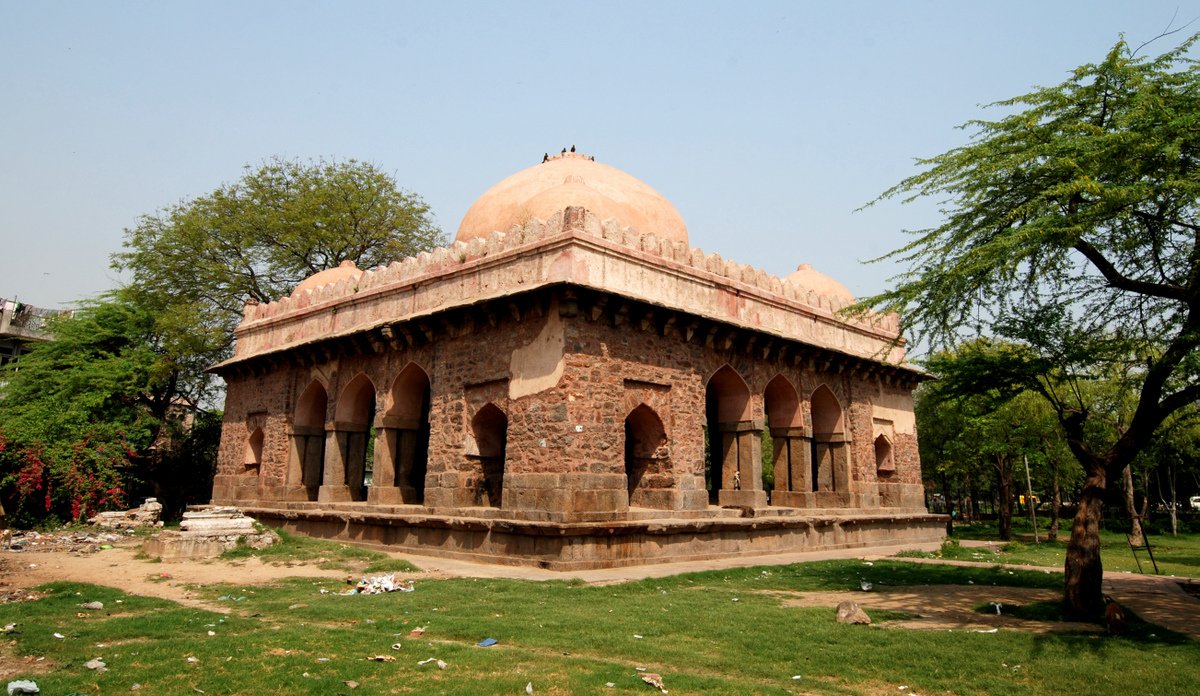
Barakhamba Tomb in Delhi is one of those places that serious heritage travelers appreciate immediately. It is not as crowded as headline monuments, but it captures a powerful story of Delhi's medieval design language, tomb architecture, and the shift from Sultanate to later styles. If you enjoy studying details instead of only collecting photos, this site is worth adding to your route.
The monument is usually approached through broader city heritage plans, and that is the right way to experience it. Keep this stop within a cluster that includes historical places in Delhi, route anchors like India Gate, and one major architecture stop such as Qutub Minar. That sequencing gives context and improves the quality of your day.
Why the Name Barakhamba Matters
The name Barakhamba is commonly associated with "twelve pillars," and that pillar-focused character is what makes the structure memorable. The geometry is clear, the layout feels deliberate, and the monument communicates strength through balance rather than excessive ornamentation. This style reflects a period where practical durability and symbolic form worked together.
When you arrive, spend the first ten minutes just observing proportion: base massing, wall rhythm, and visual balance from different angles. Most visitors rush directly to close-up shots and miss the full form. A slower first read gives better understanding of why this tomb remains relevant in Delhi's layered heritage map.
Historical Context: Reading the Monument in Delhi's Timeline
Barakhamba Tomb is best understood as part of the late medieval architectural evolution that eventually informed later Mughal expression. Even if records on patronage are debated, the monument still offers a clear lesson in transitional design culture: robust forms, measured ornament, and funerary planning tied to status and legacy.
The surrounding urban expansion changed the experience over time, but the core structure still carries the original narrative. Think of it as a surviving text in stone. If your itinerary includes broader Delhi context, add Gurudwara Bangla Sahib in the same trip for contrast in architectural identity and public use patterns.
Architectural Highlights to Observe On-Site
A good visit plan is to inspect the monument in layers instead of random movement. Start with the overall silhouette, then inspect support elements, then surface treatment and joinery. This progression helps first-time visitors understand structure before decoration.
| Observation Layer | What to Notice | Why It Matters |
|---|---|---|
| Form | Massing, dome relation, and axis alignment | Shows intended monumentality |
| Support System | Pillar rhythm and load logic | Explains structural identity |
| Surface Detail | Material wear and edge articulation | Reveals age and conservation history |
With this method, even a short visit becomes educational and not just visual.

Best Time to Visit Barakhamba Tomb
Delhi weather and traffic should drive your timing choices. The most comfortable months are generally in cooler seasons, when long walks and daylight photography are easier. In warmer months, early morning is strongly recommended. Afternoon heat can reduce both focus and comfort.
If your day includes multiple monuments, place Barakhamba Tomb in the first half of the itinerary. Morning light is cleaner for stone textures, and crowd pressure is lower than prime weekend afternoons. This also keeps your later route flexible if delays happen elsewhere.
How to Reach and Route It Efficiently
The location works best when approached through a nearby heritage circuit instead of a stand-alone long transfer. Use one transport anchor, then complete short intra-zone movement by cab or auto. Avoid constant cross-city hopping between north, central, and south Delhi in one day.
- Start from one major transit node and keep the first stop fixed.
- Combine two nearby monuments maximum before lunch.
- Add one buffer block for traffic unpredictability.
- Keep evening movement simpler than morning movement.
This routing logic protects both energy and timing discipline, especially for families and first-time visitors.
Photography Tips for Better Results
Barakhamba Tomb rewards angle selection and pacing more than equipment complexity. Shoot one full-frame elevation first, then diagonals for depth, then selective close-ups of support elements and weathered edges. Over-shooting the same front angle creates repetitive galleries.
Respect site etiquette while photographing. Avoid climbing on fragile surfaces and do not obstruct pathways. If other visitors are present, keep movement minimal and polite. Architecture photography quality often improves when you wait instead of forcing every frame quickly.

Nearby Places to Pair with This Visit
A compact heritage loop makes this monument much more meaningful. You can combine it with major Delhi landmarks or thematic stops depending on your interest. For history-focused travelers, pairing with established city references helps place the tomb in a broader narrative.
Suggested pairings include one institutional heritage site, one open public landmark, and one reflective spiritual or cultural stop. That mix gives architectural variety without causing route fatigue. Keep total stop count realistic and prioritize depth over checklist speed.
Common Mistakes and Better Alternatives
The most frequent mistake is treating Barakhamba Tomb as a quick five-minute stop between distant points. This removes context and wastes transfer effort. Another mistake is visiting in peak midday heat without hydration or shade planning. Both issues are easy to prevent with route structure.
Better alternative: allocate a fixed 35-50 minute block, arrive early, and pair only with nearby sites. Take notes on what you observe and compare styles across the day. This transforms a minor stop into a meaningful heritage learning experience.

Suggested One-Day Delhi Heritage Framework
If you are building a single-day architecture plan, use Barakhamba Tomb as a medium-intensity interpretive stop between one major monument and one public landmark. This sequencing works because Barakhamba needs focus, not crowd navigation. Keep commute buffers realistic and avoid rigid minute-by-minute planning in Delhi traffic conditions.
A practical structure is morning monument, late-morning Barakhamba, lunch, then one lighter cultural stop. This keeps cognitive load balanced and prevents heritage fatigue. Travelers who follow this pattern usually spend less time in transit and more time actually reading site details.
Conservation Awareness for Responsible Visitors
Historic tomb sites survive through careful maintenance and respectful visitor behavior. Avoid touching fragile surfaces, do not climb protected edges, and never leave litter in or around the compound. If you notice damaged or blocked access zones, report them to on-site authorities instead of bypassing barriers.
Responsible behavior is part of heritage travel quality. The value of Barakhamba Tomb lies in its continuity through centuries, and small visitor actions directly affect that continuity. A respectful visit protects both the monument and the experience for future travelers.
Conclusion
Barakhamba Tomb Delhi is a high-value stop for travelers who care about architectural reading, historical layering, and smart route planning. It is calm, compact, and deeply instructive when approached with patience. Keep your itinerary clustered, choose practical timings, and use this monument as part of a broader heritage narrative. With that approach, Barakhamba becomes more than a photo point; it becomes one of the most rewarding quiet lessons in Delhi's built history.
Location
Frequently Asked Questions
Q1.Where is Barakhamba Tomb located?
Q2.How much time is needed for the visit?
Q3.Is it crowded like major monuments?
Q4.Can I combine it with other attractions?
Q5.Is it suitable for photographers?
Q6.Is a guide necessary?
Q7.Is it family-friendly?
Q8.What should I carry?
Recommended For You
Khan Market Delhi: Best Restaurants, Cafes & Shopping Picks
Explore Khan Market Delhi with practical tips on restaurants, cafes, bookstores, shopping, timings, metro access, parking, and nearby attractions.
Gurudwara Bangla Sahib Delhi: Timings, Langar & Seva Information
Visit Gurudwara Bangla Sahib Delhi - sacred Sikh shrine dedicated to Guru Har Krishan. Discover lang timings, history, architecture, dress code & spiritual experience.
Lotus Temple Delhi: Timings, Entry Rules & Best Visiting Hours
Lotus Temple Delhi complete visitor guide: FREE entry, timings (9 AM-5:30 PM winter, 9 AM-7 PM summer), nearest metro (Kalkaji Mandir), photography rules, dress code, meditation tips & best time to visit. Plan your peaceful retreat.
Never Miss an Adventure
Get the latest trekking guides, travel tips, and exclusive offers delivered straight to your inbox.
