
Draupadi Kund Ladakh: Mythology, Route & Trek Facts

Neha Kapoor
November 25, 2025
Explore Draupadi Kund in Ladakh, a sacred high-altitude lake with mythological significance. Complete trek guide, best time to visit & travel tips.
Introduction: Sacred Waters of Ladakh
Draupadi Kund in Ladakh is a sacred water body associated with Mahabharata lore and local oral tradition, and is commonly visited as an offbeat spiritual stop in the Drass-Pandrass belt. Unlike crowded landmark lakes, this place is quieter, culturally rooted, and tied to regional storytelling around Draupadi and the Pandavas. The appeal of the site is not only visual; it is also devotional for many travelers who prefer meaningful stops over checklist tourism.
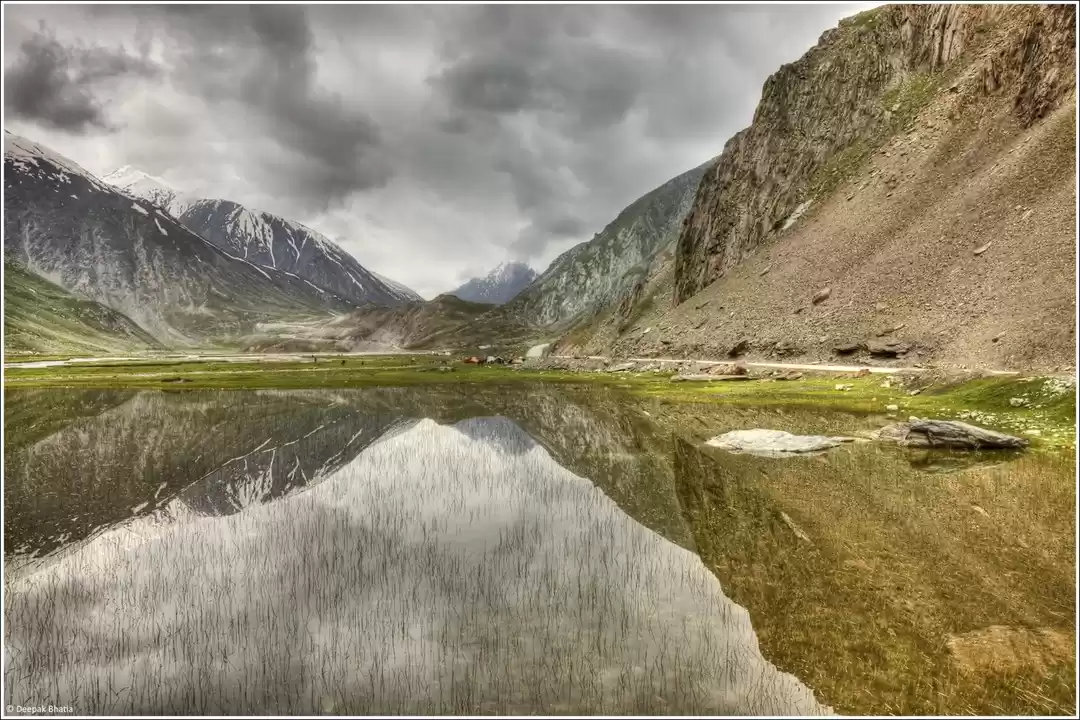
The setting is dramatic in a classic Ladakh way: stark mountains, changing light, and cold winds even in warmer months. Visitors often describe the experience as reflective and simple rather than commercial. Because conditions and routes can change seasonally, Draupadi Kund is best approached as a planned, road-linked excursion with a short hike component, not as a casual unplanned detour.
Draupadi Kund: Mythological Significance
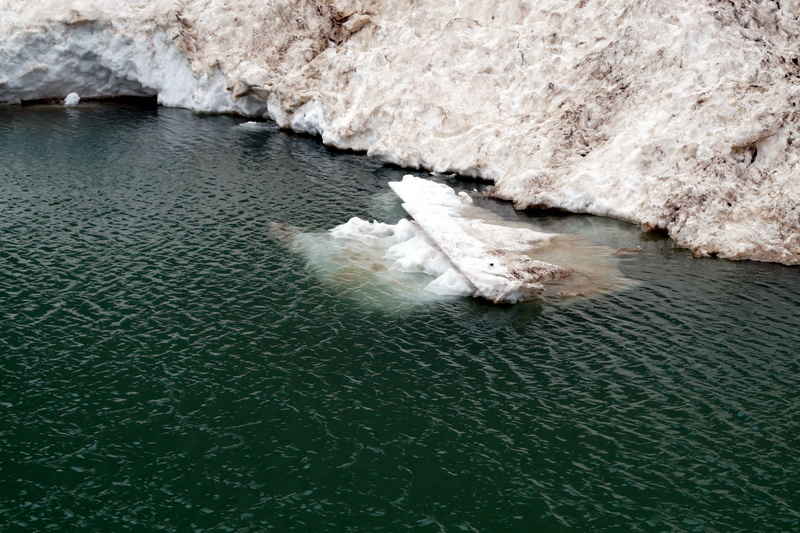
The connection between this site and Draupadi from the Mahabharata is preserved through local legend and generational storytelling. A widely shared narrative says the Pandavas crossed Himalayan routes during exile, and Draupadi's name remained attached to this kund through devotional memory rather than formal inscription.
For local communities and many visitors, the kund is spiritually significant. People often treat the water respectfully, offer brief prayers, and avoid loud or disruptive behavior near the site. This sacred framing is one reason why responsible travel practices matter more here than typical sightseeing behavior.
The mythology adds cultural depth to the journey: a remote Himalayan stop becomes part of India's larger epic tradition. Whether one visits for faith, heritage, or landscape, the place carries symbolic weight beyond its physical scale.
Location & Geography
Draupadi Kund is generally associated with the Drass region in Ladakh's Kargil side travel circuit, often discussed near Pandrass and the Srinagar-Leh highway corridor. This makes it more practical as a route-based stop than many deep interior Ladakh locations.
The surrounding geography features rugged mountain slopes, cold winds, and fast weather shifts. The terrain is rocky in sections, and short approach walks can include uneven surfaces. Light and water color can change quickly with cloud movement, which is why early morning and late afternoon are preferred by most photographers.
Because the region is ecologically sensitive and weather-exposed, travelers should avoid littering, off-trail trampling, and noisy group behavior. Respectful visitation helps preserve both the environment and the sacred atmosphere.
The Trek Experience
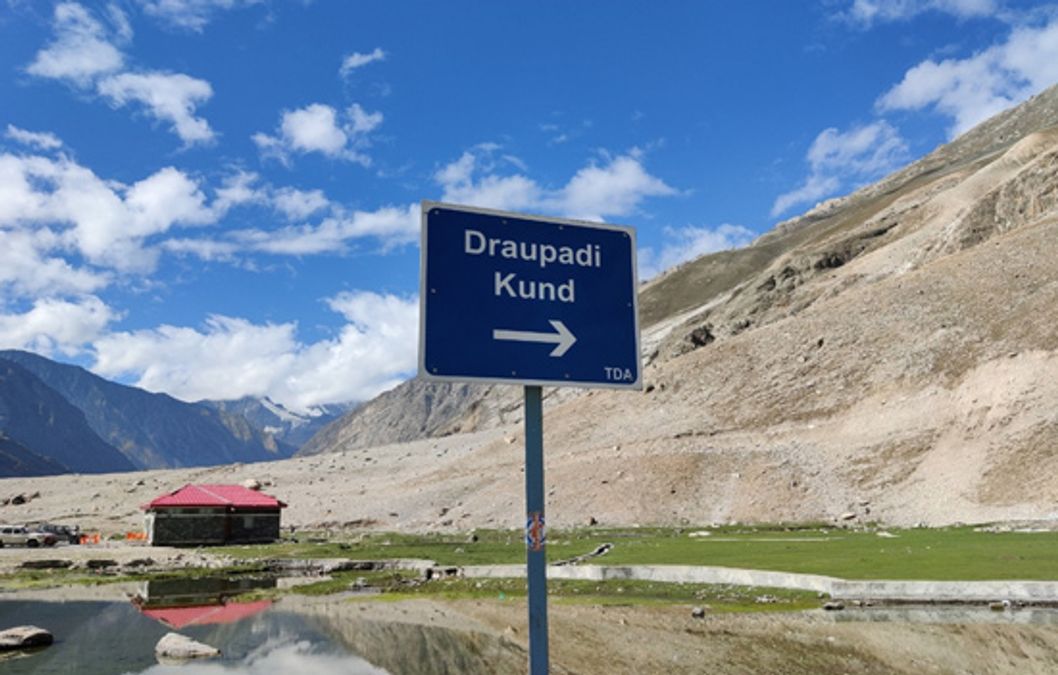
The Draupadi Kund visit is usually a short hike or uphill walk from the nearest motorable access point, depending on current road condition and local guidance. It is better described as a route excursion with light trekking elements than a multi-day expedition.
Starting Point: Most travelers approach from Leh via Kargil-Drass side circuits or include it while moving along the broader Ladakh highway route. Final approach details vary by season and road status.
Terrain and Trail: Expect mixed mountain ground, loose stones, and brief steep patches. A local driver or guide helps with accurate drop points and current approach conditions, especially if weather has recently changed.
Physical Requirements: Basic fitness is sufficient for most visitors when acclimatized, but altitude still affects pace and breathing. Walk slowly, hydrate, and avoid rushing for photos immediately after reaching the site.
Time Required: Many travelers complete the kund visit as a half-day segment within a larger Drass/Kargil route day, though timing always depends on road and weather.
Best Time to Visit
The most reliable window is late spring to early autumn, when roads remain more stable and daylight is longer.
June to September: Best period for smoother access, clearer roads, and comfortable day travel. Morning starts are useful for cleaner skies and lower wind intensity.
October shoulder period: Possible in some years, but cold rises quickly and route uncertainty increases.
Winter: Harsh conditions, possible closures, and unsafe surfaces can limit or prevent visits.
How to Reach Draupadi Kund
From Leh: Plan a road journey toward the Kargil-Drass side based on your itinerary. Exact duration depends on halts, route traffic, and weather. Start early and keep time buffer.
From Srinagar side: Travelers on Srinagar-Leh highway circuits may include Draupadi Kund as part of a Drass-focused day plan.
Permits: Permit rules change by zone and security advisories. Confirm current requirements in Leh/Kargil before departure rather than relying on old checklists.
Transport: Private taxi is the easiest option. Shared transport can be limited for flexible stops like this.
Nearby Attractions
- Places to Visit in Drass Valley: Route planning anchor for this side of Ladakh.
- Mushkoh Valley: Scenic valley known for dramatic mountain views.
- Kargil War Memorial: Important heritage and remembrance site.
- Zoji La Pass: One of the most iconic mountain passes on the corridor.
Travel Tips
- Acclimatize first: Spend time adjusting before long road days.
- Check local updates: Weather and access can change quickly.
- Carry warm layers: Wind chill can be strong even in summer.
- Pack essentials: Water, snacks, medicines, and power backup.
- Respect sacred spaces: Keep noise low and avoid polluting the water.
- Follow leave-no-trace: Carry waste back to proper disposal points.
Photography Tips
- Best lighting: Early morning and late afternoon usually give cleaner contrast.
- Use wide frames: Capture kund plus mountain context together.
- Carry spare batteries: Cold weather drains batteries faster.
- Stabilize shots: Mountain winds can affect handheld framing.
Suggested 3-Day Route from Leh
Day 1: Arrive and rest in Leh. Keep movement light and focus on acclimatization, hydration, and route coordination. Review basics of acute mountain sickness in Ladakh.
Day 2: Drive toward Kargil-Drass side with planned halts. Use this day for flexible route progress and avoid tight schedules.
Day 3: Visit Draupadi Kund with a guided approach, then continue to your next halt based on weather and road comfort. If your broader itinerary includes eastern circuits later, compare season choices with this best time to visit Ladakh guide.
Packing Checklist for Draupadi Kund Visit
- Layered clothing: base layer, fleece, shell, gloves, cap.
- Footwear: shoes with good grip for uneven approach paths.
- Hydration: water plus electrolytes for dry mountain air.
- Sun protection: UV sunglasses, sunscreen, lip balm.
- Essentials: headlamp, power bank, snacks, personal medicines.
- Documents: ID copies and local contact details.
Important Planning Notes
Draupadi Kund should be planned as a condition-dependent destination. Road status, security advisories, and weather can shift quickly in Ladakh. Confirm same-day inputs with local operators before departure and keep an extra buffer day in your itinerary.
Route Variants and Day Planning
Most travelers include Draupadi Kund within a broader road circuit rather than as a standalone destination. If you are entering Ladakh from the Srinagar side, you can integrate it with Drass and Kargil points in one flowing route. If you are starting from Leh, it fits better after your initial acclimatization days and works well as part of a west-side road plan before or after monastery and local heritage stops.
Because this is not a heavily commercialized attraction, do not plan with tight urban-style timing assumptions. Mountain traffic delays, BRO repair zones, convoy movement, and sudden weather shifts can change arrival times. A practical approach is to set one primary destination and one optional stop for the day instead of trying to cover too many points.
Seasonal Conditions You Should Expect
Summer access does not always mean fully predictable conditions. Even between June and September, you may face strong winds, brief showers, low visibility windows, or temperature drops after afternoon cloud build-up. Early starts generally improve comfort and travel reliability.
In shoulder periods, surface conditions near approach trails can become slippery. Foot placement matters on loose stones, especially while descending. If you are traveling with seniors or children, keep the visit short, avoid exposed edges, and return before light fades.
Approximate Budgeting for the Visit
- Transport: private taxi is the biggest cost component for flexible routing.
- Food: carry your own snacks and hydration for the stop window.
- Gear: windproof outerwear and sturdy shoes are more useful than heavy luggage.
- Buffer: keep budget margin for weather-led rerouting or overnight hold.
If you are planning a longer circuit, pair this stop with route-oriented guides like Ladakh by road and optional regional additions based on your trip direction.
Responsible Visit Checklist
- Keep the kund zone clean and avoid washing or polluting the water body.
- Do not play loud music near sacred or prayer-marked areas.
- Ask before photographing local people, rituals, or private spaces.
- Avoid stepping on fragile vegetation or creating new informal trails.
- Carry all wrappers and plastic back to proper disposal points.
Draupadi Kund offers a meaningful blend of mythology, landscape, and quiet mountain travel. With realistic planning, local respect, and flexible timing, it can become one of the most memorable offbeat stops in your Ladakh route.
Before you set out, confirm fuel availability, driver familiarity with the route, and realistic return timing for your day. In Ladakh, small planning errors become large delays. Keep your group briefed on altitude pace, cold exposure, and waste carry-back rules. This simple preparation significantly improves both safety and the overall quality of your Draupadi Kund experience.
Plan conservatively, travel early, and keep emergency contacts handy throughout the route.
Location
Frequently Asked Questions
Q1.Where is Draupadi Kund located in Ladakh?
Q2.What is the mythological significance of Draupadi Kund?
Q3.How high is Draupadi Kund?
Q4.How difficult is the trek to Draupadi Kund?
Q5.What is the best time to visit Draupadi Kund?
Q6.How long does it take to reach Draupadi Kund?
Q7.Is the trek suitable for beginners?
Q8.How to reach Draupadi Kund from Leh?
Recommended For You
Dhankar Monastery Spiti: Monastery Visit, Trek Route & Stay Options
Discover Dhankar Monastery in Spiti Valley, a 900-year-old cliff-top wonder at 3,894 meters. Complete guide with Dhankar Lake trek, history, how to reach, timings & travel tips.

Golden Temple Amritsar: Darshan Timings, Langar & Travel Tips
Experience divine serenity at Golden Temple Amritsar. Discover its rich history, sacred rituals, and the world's largest langar serving 100,000 daily. Complete guide with timings, dress code, and travel tips.
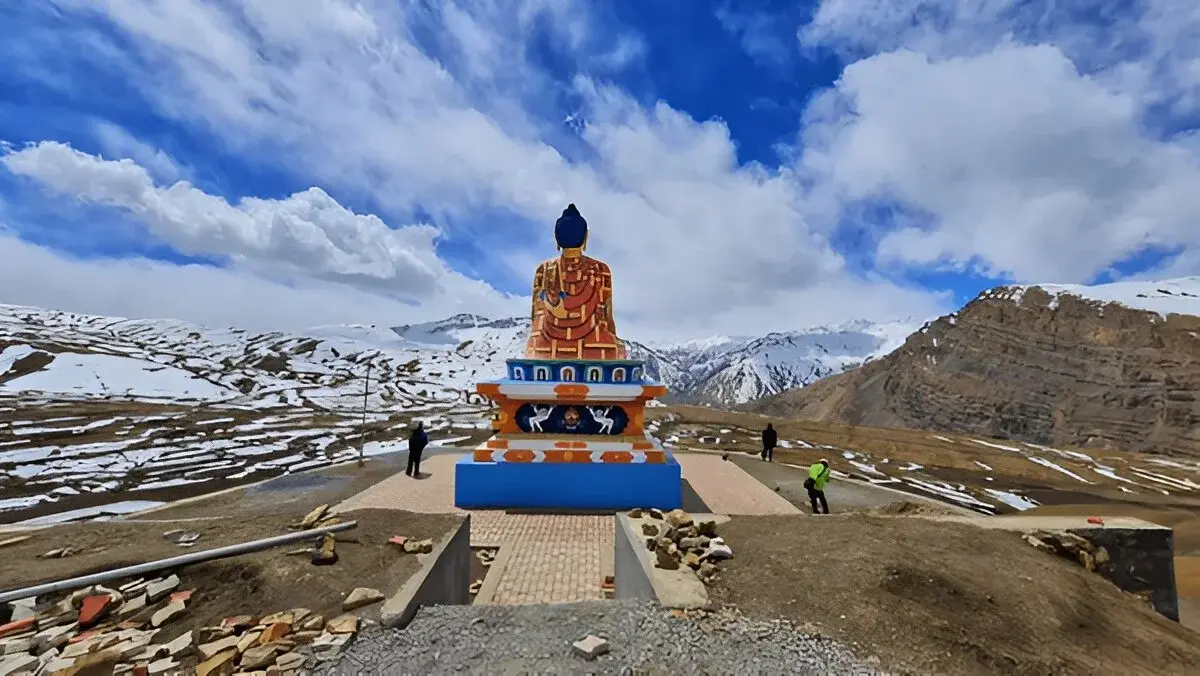
Langza Buddha Statue Spiti: Route, Altitude & Best Photo Time
Discover the Langza Buddha statue in Spiti Valley at 4,400m. Complete travel guide with fossils, how to reach from Kaza, photography tips & best time to visit this spiritual landmark.
Never Miss an Adventure
Get the latest trekking guides, travel tips, and exclusive offers delivered straight to your inbox.
