
Dochula Pass Bhutan: 108 Chortens & Mountain Views

Rohan Malhotra
February 20, 2026
Dochula Pass in Bhutan: Complete guide to 108 chortens, Himalayan views, best time to visit, how to reach from Thimphu, trekking trails, and practical travel tips for this sacred mountain pass.
Introduction: The Sacred Mountain Pass
Dochula Pass in Bhutan stands as one of the country's most iconic mountain destinations, perfectly blending spiritual significance with breathtaking natural beauty. Located on the road from Thimphu to Punakha, this high-altitude pass offers travelers an unforgettable experience of Bhutan's unique culture and Himalayan grandeur. At 3,150 meters above sea level, the pass provides panoramic views of snow-capped peaks and houses the magnificent Druk Wangyal Chortens, making it a must-visit destination in any Bhutan itinerary.
What makes Dochula Pass truly special is its harmonious combination of religious devotion and scenic splendor. The pass is not merely a mountain crossing but a sacred space where visitors can connect with Bhutan's Buddhist heritage while experiencing some of the most spectacular mountain vistas in the Eastern Himalayas. Whether you're a spiritual seeker, a nature enthusiast, or simply someone who appreciates beautiful destinations, Dochula Pass promises an experience that will touch your soul and leave lasting memories.
About Dochula Pass
Dochula Pass is strategically positioned on the main road connecting Thimphu, Bhutan's capital city, to the ancient Punakha valley. The pass sits at an elevation of 3,150 meters (10,400 feet) and serves as both an important transportation route and a significant pilgrimage site. The pass was named after the local deity Choekhor who is believed to protect travelers on this mountain road.
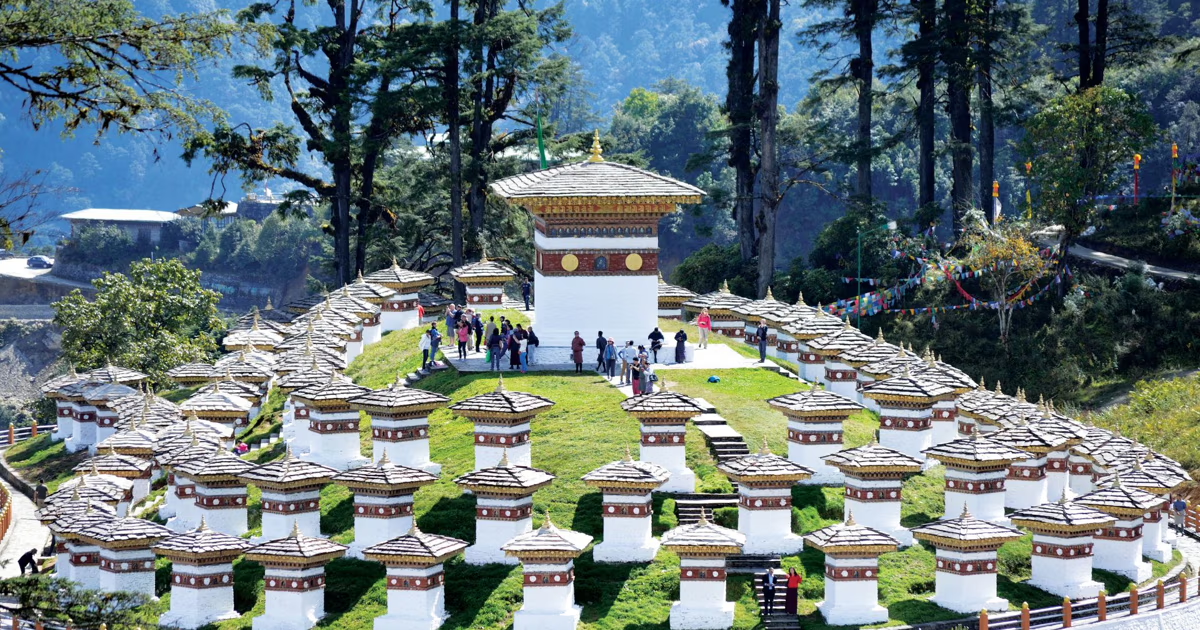
The most prominent feature of Dochula Pass is the Druk Wangyal Chortens complex, built by Queen Mother Ashi Dorji Wangmo Wangchuck in 2004. These 108 chortens (Buddhist stupas) were constructed to honor the Bhutanese soldiers who sacrificed their lives in the 2003 operation against insurgents in southern Bhutan. Each chorten represents the memory of these brave soldiers and stands as a symbol of peace and victory.
At the pass, you'll also find the Druk Wangyal Lhakhang, a beautiful temple that adds to the spiritual atmosphere of the location. The pass is also famous for the annual Dochula Festival, a celebration of Bhutanese culture and traditions. The surrounding area is home to the Royal Botanical Park, which protects the rich alpine flora and fauna of the region, making Dochula Pass not just a scenic viewpoint but also an important ecological conservation area.
Historical Significance
The history of Dochula Pass is deeply intertwined with Bhutan's military and spiritual heritage. The construction of the 108 chortens in 2004 marked a significant moment in Bhutan's modern history. These monuments serve dual purposes: honoring the fallen soldiers who fought in the 2003 military operation and creating a sacred space for Buddhist practice and meditation.
The number 108 holds special significance in Buddhism, representing the 108 defilements that must be overcome to achieve enlightenment. By building 108 chortens, the Queen Mother created not only a memorial but also a spiritual tool that helps visitors accumulate merit and purify negative karma as they circumambulate the monuments.
The 108 Chortens
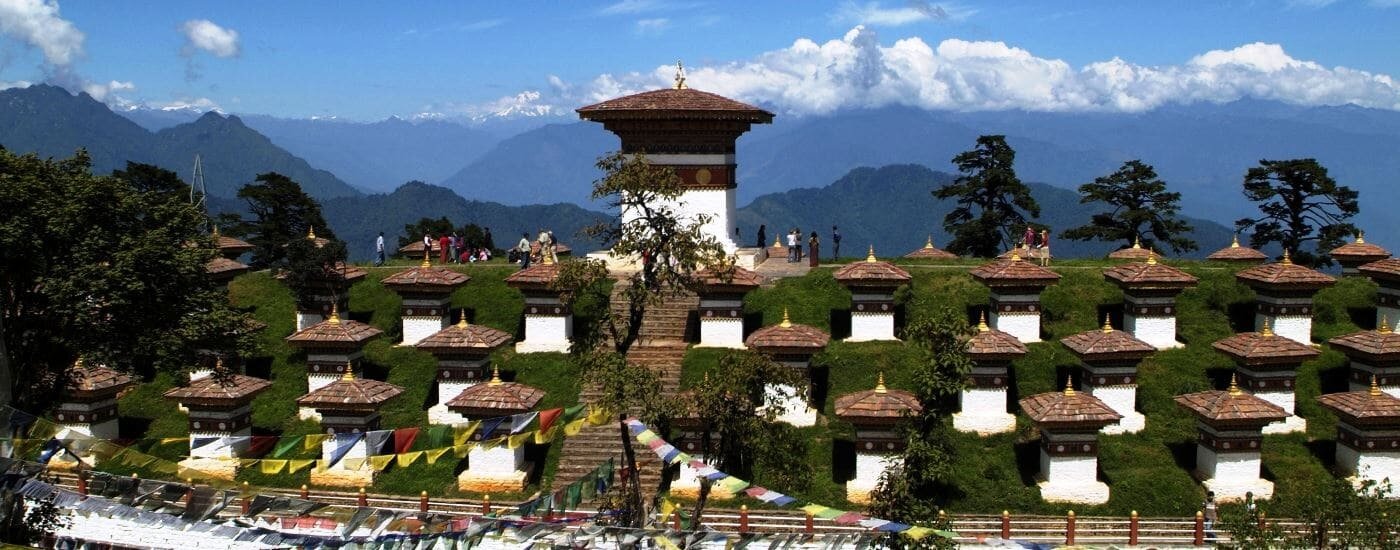
The Druk Wangyal Chortens are undoubtedly the most striking feature of Dochula Pass. These 108 beautifully crafted Buddhist stupas create an impressive sight against the backdrop of towering Himalayan peaks. Arranged in three layers, the chortens form a sacred geometric pattern that is both visually stunning and spiritually meaningful. Each chorten is built in traditional Bhutanese architectural style, with whitewashed walls, golden finials, and intricate decorative elements that reflect the rich artistic heritage of Bhutan.
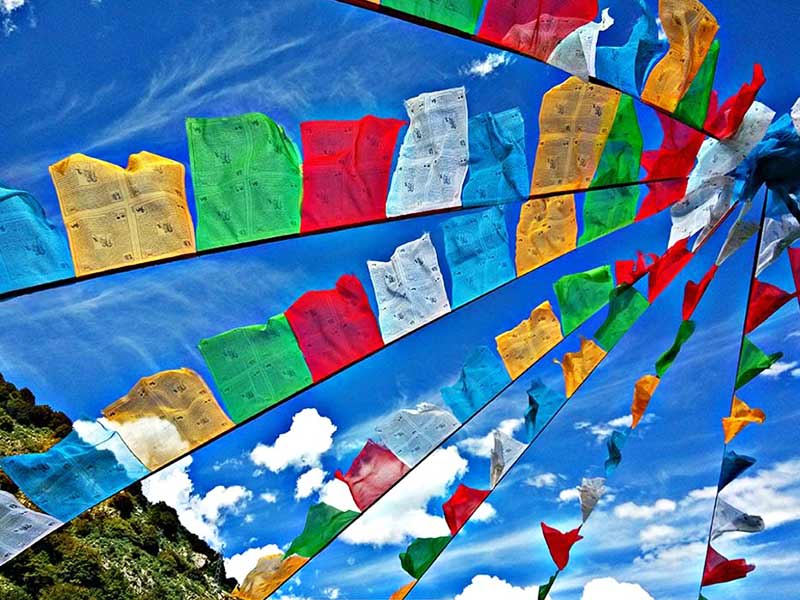
Walking among these chortens is a deeply spiritual experience. Visitors typically perform a kora (circumambulation) around the monuments, walking clockwise in accordance with Buddhist tradition. This act of circumambulation is believed to generate merit and bring blessings to those who perform it with sincere devotion. The surrounding area is adorned with colorful prayer flags that flutter in the mountain breeze, adding to the sacred atmosphere of the site.
Symbolism and Architecture
Each chorten at Dochula Pass represents a victory and serves as a memorial to the Bhutanese soldiers who gave their lives for their country. The architecture follows traditional Bhutanese design principles, with each stupa containing sacred relics and scriptures. The three layers of chortens symbolize the three jewels of Buddhism: the Buddha, the Dharma (teachings), and the Sangha (community).
The chortens are surrounded by prayer flags in five colors, each representing the five elements: blue for sky, white for clouds, red for fire, green for water, and yellow for earth. These flags carry prayers and mantras that are believed to spread compassion and peace as they flutter in the wind. The entire complex creates a powerful spiritual energy that visitors can feel as they walk among the monuments.
Himalayan Mountain Views
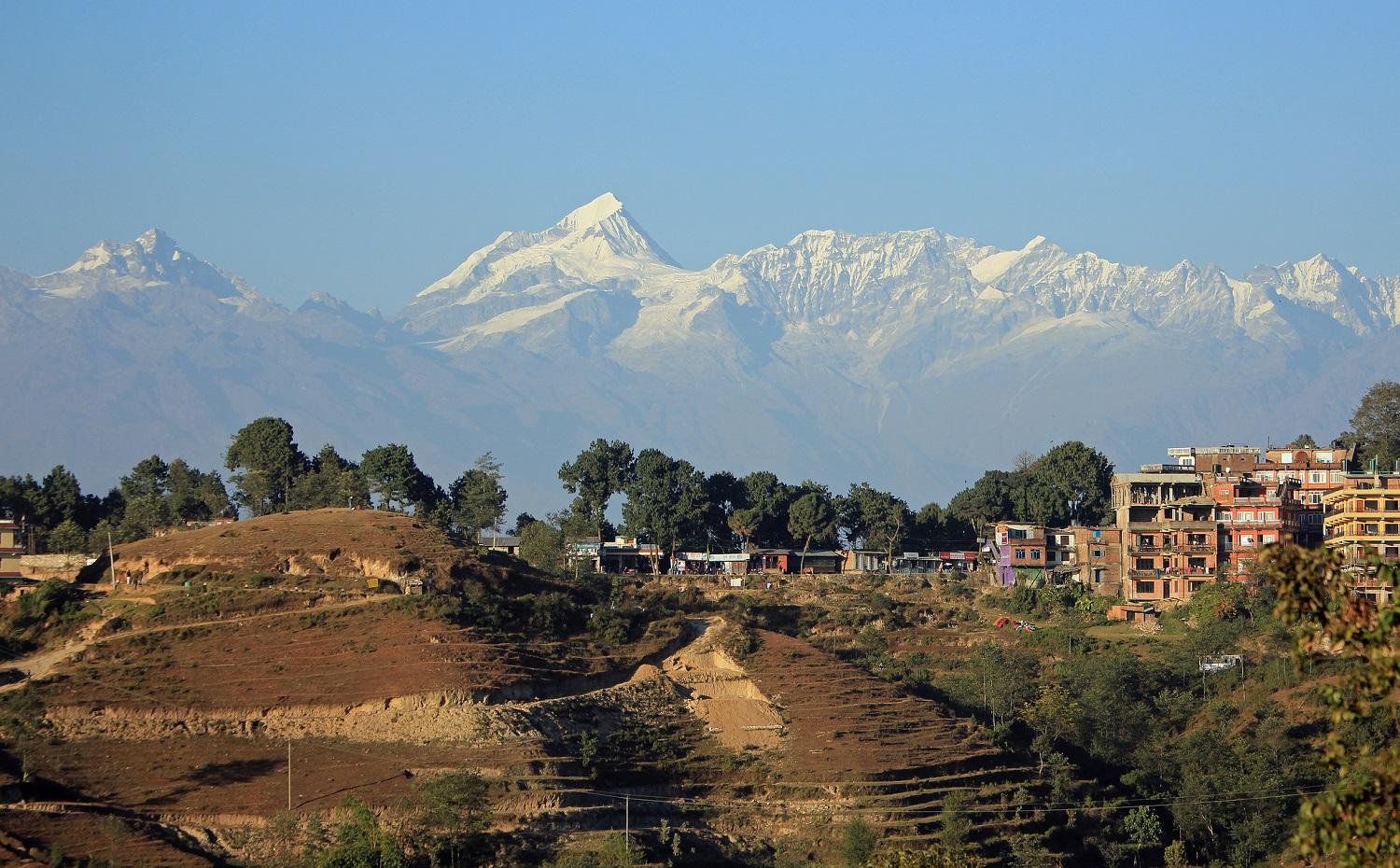
One of the main attractions of visiting Dochula Pass is the spectacular panoramic view of the Eastern Himalayan mountain range. On a clear day, visitors can see dozens of snow-capped peaks stretching across the horizon, creating one of the most breathtaking mountain vistas in all of Bhutan. The pass offers a 360-degree viewing platform that allows visitors to fully appreciate the grandeur of the Himalayas.
Among the visible peaks is Mount Gangkhar Puensum, which at 7,570 meters is the highest mountain in Bhutan and holds the distinction of being the highest unclimbed peak in the world. Other visible peaks include Masang Gang, Tsenda Gang, and Teri Gang. The view is particularly dramatic during the winter months when the mountains are covered in snow, creating a stunning contrast with the blue sky.
Best Times for Mountain Views
The clearest views of the Himalayas from Dochula Pass are typically available from October to February. During these months, the weather is dry and the skies are clear, providing optimal conditions for mountain viewing. Winter days offer the most spectacular views, with the snow-capped peaks glowing in the sunlight against deep blue skies.
However, weather conditions can change rapidly in the mountains, and cloud cover or mist can sometimes obscure the views. Early morning visits (around 6:00 AM to 8:00 AM) often provide the best visibility, as clouds tend to gather later in the day. The view is especially magical during sunrise, when the first rays of light paint the snow-capped peaks in golden hues.
Best Time to Visit
Choosing the right time to visit Dochula Pass depends largely on what you hope to experience during your visit. Each season offers unique advantages and challenges, so it's worth considering your priorities when planning your trip.
Spring (March-May)
Spring is one of the best times to visit Dochula Pass. The weather is generally pleasant with clear skies, making it ideal for mountain viewing. One of the highlights of spring is the blooming rhododendrons that paint the surrounding hills in vibrant colors of red, pink, and white. The Royal Botanical Park nearby is particularly beautiful during this time, with numerous species of alpine flowers in bloom. Temperatures range from 5°C to 15°C, making it comfortable for outdoor activities and hiking.
Autumn (October-November)
Autumn is widely considered the best season for visiting Dochula Pass. The skies are at their clearest, providing excellent visibility of the Himalayan peaks. The weather is comfortable and dry, perfect for photography and outdoor exploration. The landscape is adorned with autumn colors, creating a beautiful contrast with the white chortens and green forests. This is also the peak tourist season in Bhutan, so expect more visitors during these months.
Winter (December-February)
Winter offers the most spectacular mountain views from Dochula Pass. The air is crisp and clear, providing unparalleled visibility of the snow-capped peaks. However, temperatures can drop to -5°C at night, so warm clothing is essential. The road to the pass is generally accessible in winter, but occasional snowfall can cause temporary closures. The winter landscape has a serene beauty, with frost-covered chortens and pristine white peaks.
Monsoon (June-August)
The monsoon season brings heavy rainfall to Dochula Pass, significantly reducing mountain visibility. Clouds and mist often obscure the view, making it difficult to see the Himalayas. However, the rain transforms the landscape into a lush green paradise, and waterfalls cascade down the surrounding hills. If you visit during monsoon, be prepared for wet and foggy conditions, and focus more on the spiritual experience rather than the mountain views.
How to Reach from Thimphu
Dochula Pass is easily accessible from Thimphu, making it a popular day trip or a stopover on the way to Punakha. The pass is located approximately 30 kilometers from Thimphu, and the journey typically takes 45 minutes to 1 hour by road.
By Road
The road from Thimphu to Dochula Pass is well-paved and well-maintained, offering a scenic drive through beautiful mountain landscapes. You can hire a taxi or private vehicle for the journey. The drive winds through pine forests and small villages, providing a glimpse of rural Bhutanese life. As you ascend toward the pass, the vegetation changes, and you'll notice the air getting cooler and thinner.
From Paro
If you're coming from Paro, you'll need to travel to Thimphu first (about 1 hour drive) and then continue to Dochula Pass. The total journey time from Paro to Dochula Pass is approximately 2 hours. Many travelers include Dochula Pass as part of a Paro-Thimphu-Punakha circuit, which covers Bhutan's major western attractions.
Self-Drive Options
If you're comfortable driving in mountain conditions, you can rent a car in Thimphu and drive to Dochula Pass yourself. However, international tourists must be accompanied by a Bhutanese guide, and self-driving may require special permits. The road is generally safe and not technically difficult, but drivers should be cautious of occasional fog and the winding mountain curves.
Public Transport
Public bus services between Thimphu and Punakha stop at Dochula Pass, making it an affordable option for budget travelers. However, buses have limited schedules and may not provide the flexibility of private transport. Shared taxis are also available and offer a good balance between cost and convenience.
| Route | Distance | Travel Time |
|---|---|---|
| Thimphu to Dochula Pass | 30 km | 45-60 minutes |
| Paro to Dochula Pass | 80 km (via Thimphu) | 2 hours |
| Dochula Pass to Punakha | 25 km | 45 minutes |
| Paro to Thimphu | 50 km | 1 hour |
Dochula Pass Trek
For hiking enthusiasts, Dochula Pass offers several excellent trekking opportunities that allow visitors to explore the surrounding natural beauty and experience the region's rich biodiversity. The most popular hike is the Dochula Nature Trail, which is perfect for beginners and provides an easy introduction to Bhutan's mountain trails.
Dochula Nature Trail
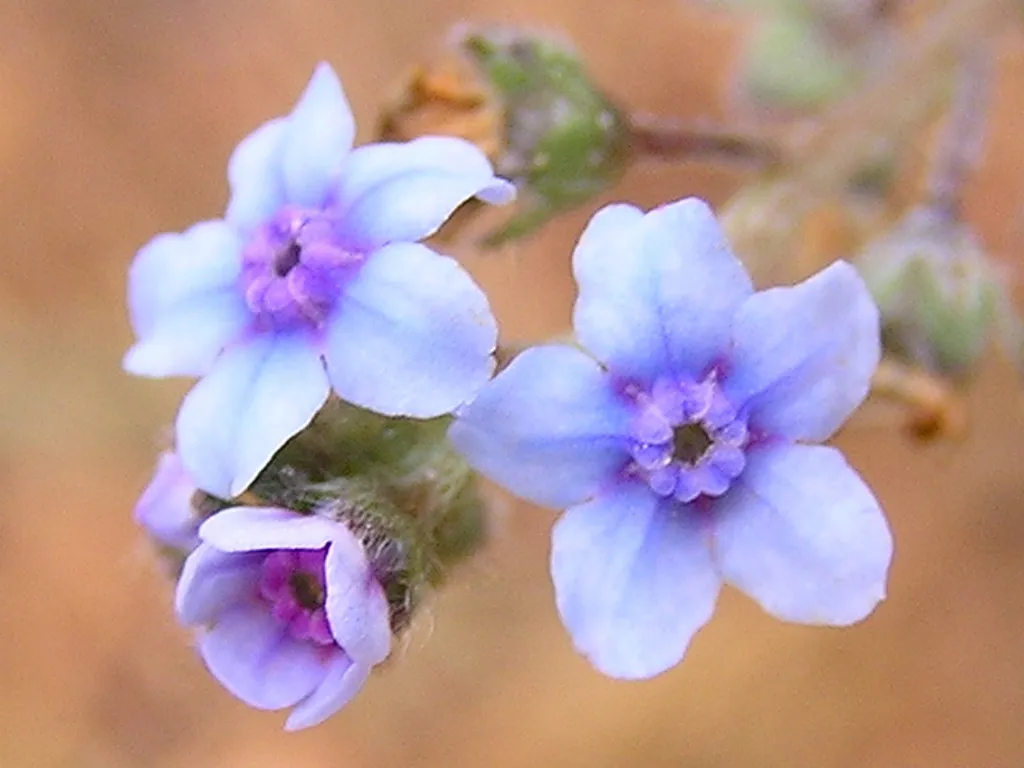
The Dochula Nature Trail is a 1-2 hour easy hike that starts from the Royal Botanical Park and winds through beautiful rhododendron forests. The trail is well-marked and relatively flat, making it suitable for all fitness levels. Along the way, you'll encounter diverse alpine flora, including rhododendrons, magnolias, and blue poppies (Bhutan's national flower). The trail also offers excellent birdwatching opportunities, with several endemic Himalayan bird species found in the area.
Rhododendron Sanctuary
The Royal Botanical Park at Dochula Pass is home to the Rhododendron Sanctuary, which protects 46 species of rhododendrons. The best time to visit the sanctuary is during spring (April-May) when the rhododendrons are in full bloom, creating a spectacular display of colors. The park has several well-maintained trails that allow visitors to explore different areas of the sanctuary and observe the diverse flora and fauna.
Lungchutse Hike
For more experienced hikers looking for a challenge, the Lungchutse hike is an excellent option. This moderate-to-challenging trek takes about 3-4 hours roundtrip and leads to the Lungchutse Lhakhang, an ancient temple perched on a ridge with panoramic views of the Himalayas. The trail passes through dense forests and offers solitude and spiritual peace away from the crowds at the main pass.
Trekking Tips
- Start early in the morning to avoid afternoon clouds and potential rain
- Wear proper hiking boots with good grip for uneven terrain
- Bring layers of clothing as temperatures can vary significantly
- Carry enough water and snacks for the hike
- Hire a local guide for the Lungchutse hike as the trail can be confusing
- Respect local customs and maintain silence around temples and monasteries
- Carry a rain jacket or poncho, especially during monsoon season
Nearby Attractions
Dochula Pass serves as an excellent base or stopover for exploring several other attractions in western Bhutan. Whether you're continuing your journey to Punakha or returning to Thimphu, there are numerous interesting places to visit in the surrounding area.
Punakha Dzong
Located about 45 minutes from Dochula Pass, Punakha Dzong is one of Bhutan's most magnificent fortresses and certainly worth a visit. Built in 1637, the dzong sits at the confluence of the Pho Chhu and Mo Chhu rivers and is surrounded by beautiful jacaranda trees. The dzong serves as both a religious and administrative center and houses many sacred Buddhist relics. It's particularly beautiful during spring when the jacaranda trees are in bloom.
Chimi Lhakhang
Also known as the Fertility Temple, Chimi Lhakhang is located on a small hill in the Punakha valley. Dedicated to the Divine Madman (Lama Drukpa Kunley), the temple is visited by couples seeking blessings for fertility and children. The temple is famous for its phallic symbols, which represent the Divine Madman's unconventional approach to spiritual teaching. The walk to the temple through rice fields and villages is a pleasant experience in itself.
Royal Botanical Park
Located right at Dochula Pass, the Royal Botanical Park (Lamperi Botanical Garden) covers an area of 47 square kilometers and is home to diverse flora and fauna. The park features several walking trails, a rhododendron sanctuary, and numerous alpine flowers. It's an excellent place to learn about Bhutan's plant life and enjoy peaceful nature walks. The park also offers camping facilities for those who want to spend more time exploring the area.
Simtokha Dzong
Located about 5 kilometers south of Thimphu on the way from Paro, Simtokha Dzong is the oldest dzong in Bhutan, built in 1629. The dzong houses the Institute for Language and Cultural Studies and is an important center for preserving Bhutan's cultural heritage. The dzong's beautiful architecture and intricate murals make it a worthwhile stop when traveling between Paro and Thimphu.
Motithang Takin Preserve
If you're returning to Thimphu after visiting Dochula Pass, consider stopping at the Motithang Takin Preserve to see Bhutan's national animal, the takin. This unique animal, which looks like a cross between a goat and a cow, is considered a divine creature in Bhutanese mythology. The preserve is located in Thimphu and provides an opportunity to learn about this rare and fascinating animal.
Thimphu City
Thimphu, Bhutan's capital city, offers numerous attractions worth exploring. From the Tashichho Dzong (the seat of the government) to the Memorial Chorten, Buddha Dordenma statue, and the National Folk Heritage Museum, there's much to see and do in this charming city. Thimphu also offers excellent shopping opportunities for traditional Bhutanese handicrafts, textiles, and souvenirs.
Practical Travel Tips
To make the most of your visit to Dochula Pass, keep these practical tips in mind for a smooth and enjoyable experience.
Entry and Permits
There is no entry fee for visiting Dochula Pass or the Druk Wangyal Chortens, making it an accessible attraction for all visitors. However, international tourists need to obtain a visa and a route permit to visit Bhutan and travel outside of Paro and Thimphu. These permits are usually arranged through your tour operator if you're booking a package tour. The Royal Botanical Park charges a nominal entry fee (usually Nu 300 per person) if you plan to explore the park.
Weather Conditions
The weather at Dochula Pass can change rapidly, so it's important to be prepared. Even in summer, temperatures can drop significantly, especially in the early morning and late afternoon. Winter visitors should be prepared for sub-zero temperatures and potential snowfall. The altitude (3,150 meters) can cause mild altitude sickness symptoms in some people, so drink plenty of water and take it easy while walking around the pass.
Facilities
Basic facilities are available at Dochula Pass, including small souvenir shops and tea stalls selling snacks and hot beverages. However, it's a good idea to carry your own water and snacks, especially if you plan to go hiking. Public restrooms are available but basic. There are no accommodation options right at the pass, so you'll need to stay in Thimphu or Punakha if you want to spend multiple days exploring the area.
Photography Tips
- Visit early morning (6-8 AM) for the best light and clearest views
- Use a wide-angle lens to capture the expansive mountain views
- During spring, capture the colorful rhododendrons in the foreground with snow-capped peaks in the background
- Winter offers dramatic shots of snow-covered chortens against blue skies
- Sunset can provide beautiful golden light on the mountains
- Bring extra batteries as cold weather drains them faster
- Be respectful when photographing religious sites and monks
Cultural Importance
Dochula Pass holds deep cultural and religious significance in Bhutan. The 108 chortens serve as a constant reminder of the sacrifices made by Bhutanese soldiers and stand as a symbol of peace and protection. For Bhutanese people, the pass is not just a scenic viewpoint but a sacred space where they can connect with their spiritual heritage.
The practice of circumambulating the chortens (kora) is believed to generate merit and bring blessings. Many Bhutanese visitors stop at the pass to perform this ritual and offer prayers before continuing their journey. The prayer flags that surround the area carry prayers that are believed to spread compassion and peace as they flutter in the mountain wind.
The annual Dochula Festival, held in December, celebrates Bhutanese culture and traditions with masked dances, music, and colorful costumes. This festival is a wonderful opportunity for visitors to experience authentic Bhutanese culture in a spectacular mountain setting.
Conclusion
Dochula Pass in Bhutan is a destination that offers much more than just beautiful mountain views. It is a place where spiritual devotion, cultural heritage, and natural beauty converge to create a truly unforgettable experience. Whether you're seeking spiritual solace among the 108 chortens, hoping to capture stunning photographs of the Himalayas, or simply wanting to experience the unique culture of Bhutan, Dochula Pass delivers on all fronts.
The pass serves as a reminder of Bhutan's commitment to preserving its spiritual traditions while embracing the modern world. As you stand at Dochula Pass, surrounded by sacred monuments and towering mountains, you'll understand why this place holds such a special place in the hearts of Bhutanese people and visitors alike. Make sure to include Dochula Pass in your Bhutan itinerary - it's an experience you'll cherish forever.
Location
Frequently Asked Questions
Q1.Where is Dochula Pass located in Bhutan?
Q2.How far is Dochula Pass from Thimphu?
Q3.What is the altitude of Dochula Pass?
Q4.What is special about the 108 chortens at Dochula Pass?
Q5.Can we see Mount Gangkhar Puensum from Dochula Pass?
Q6.Is the road to Dochula Pass safe?
Q7.What is the best time to visit Dochula Pass?
Q8.Is Dochula Pass open throughout the year?
Q9.How cold does it get at Dochula Pass?
Q10.Is there any entry fee for Dochula Pass?
Recommended For You
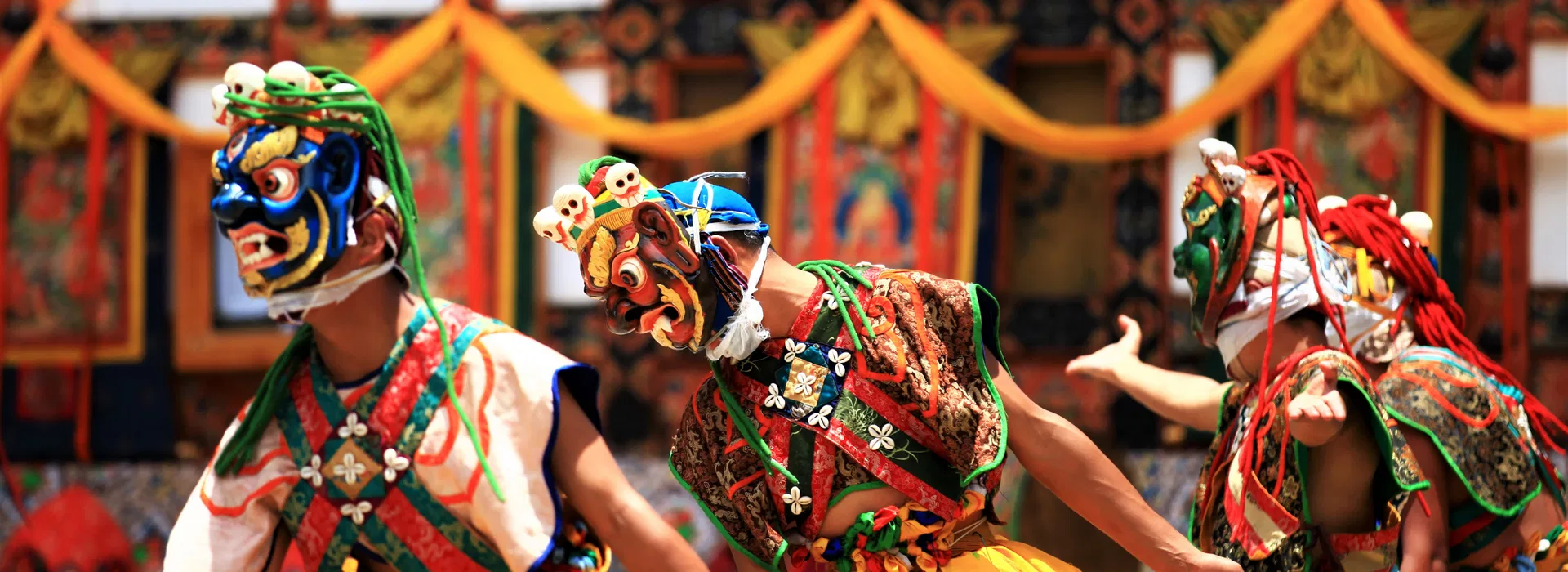
Bhutan Festivals: Tsechu Dates, Monasteries & Cultural Experiences
Experience Bhutan's vibrant festivals: Tsechu, Paro, Thimphu & Punakha celebrations. Complete guide to dates, masked dances, Cham performances & cultural experiences.
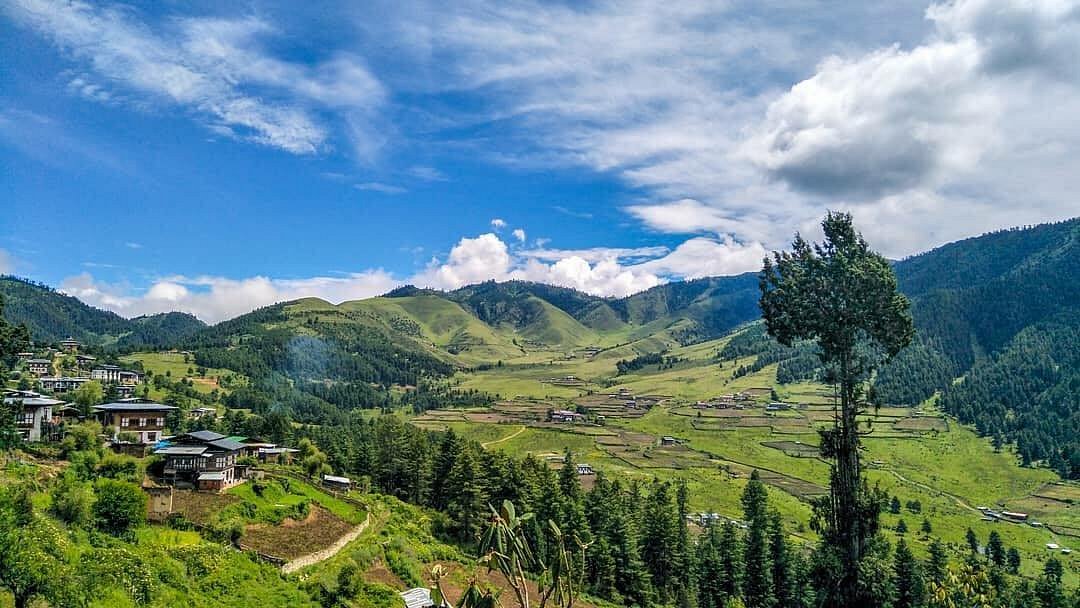
Phobjikha Valley Bhutan: Black-Necked Cranes, Stays & Travel Plan
Discover Phobjikha Valley Bhutan - winter home to sacred black-necked cranes. Complete guide to Gangtey Monastery, crane festival, best time to visit & travel tips.
Chele La Pass Bhutan: Route, Weather & Best Viewpoints
Plan Chele La Pass Bhutan with altitude facts, Paro route details, seasonal weather guidance, and practical safety tips for a smooth mountain experience.
Never Miss an Adventure
Get the latest trekking guides, travel tips, and exclusive offers delivered straight to your inbox.
