
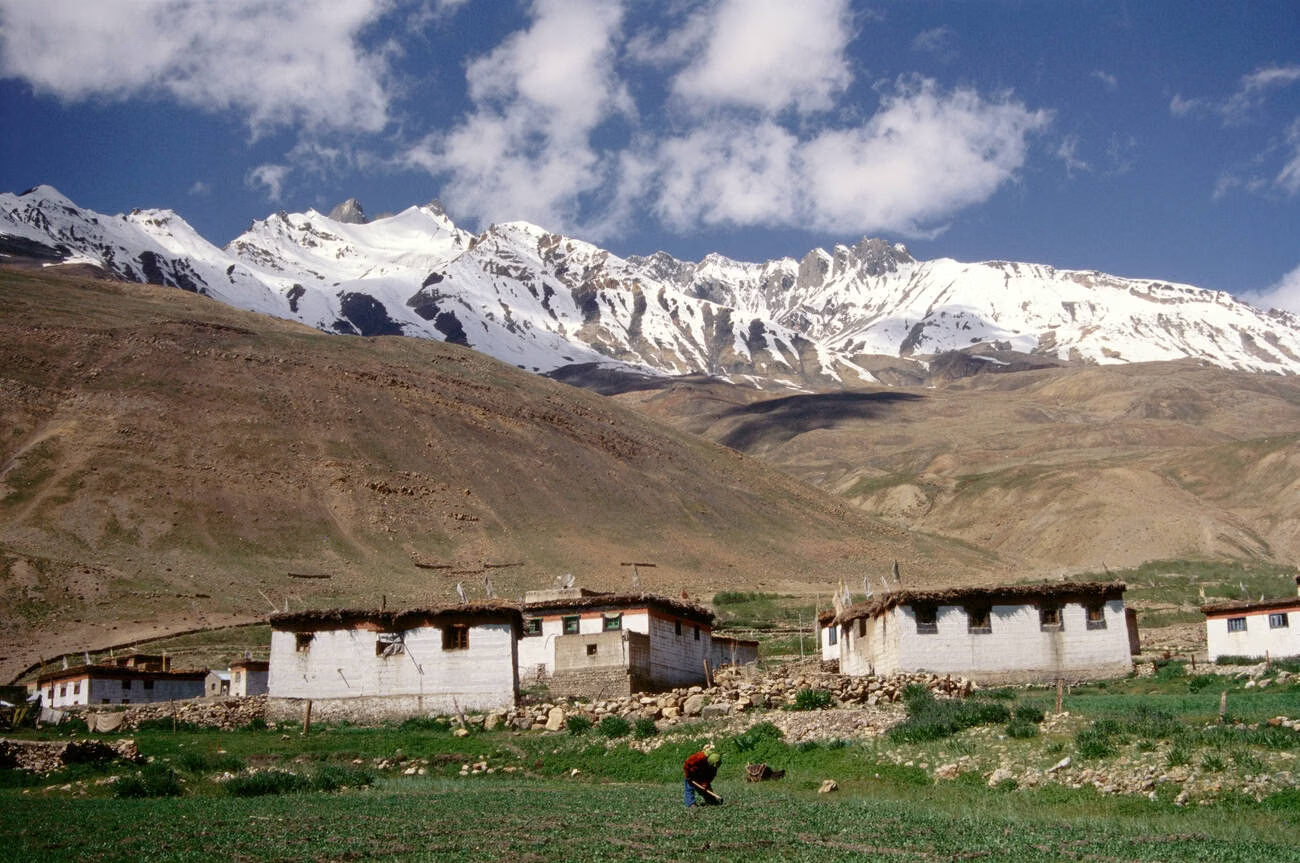
Best Time to Visit Losar Village Spiti: Weather, Access & Stay Season

Priya Mehta
February 19, 2026
Plan the best time to visit Losar Village with season-wise weather, Kunzum access windows, and practical tips for snow travel, culture, and Spiti road routes.
Introduction
Losar Village sits near the gateway zone of Spiti and is often one of the most atmospheric stops for travelers entering or exploring the high-altitude cold-desert landscape. At over 4,000 meters, Losar is not just another scenic village. Weather, road access, and acclimatization directly shape your experience here. The same village looks totally different between summer's open-road period and winter's deep snow silence.
Because of this altitude and terrain, the best time to visit Losar Village depends on your objective: easy road access, authentic village life, clear mountain photography, snow experience, or cultural observation. Most travelers prefer the broader June to October window for practical movement, while winter visits are for serious cold-weather travelers with strong preparation.
This guide gives season-by-season and month-by-month planning so you can avoid timing mistakes and choose dates that match your style. For connected route planning, also check Kaza in Spiti Valley, Kunzum Pass guide, and Spiti Valley road trip.
Best Time to Visit Losar Village: Quick Answer
For most travelers, the best time to visit Losar Village is June to October, with September and early October often offering the best balance of access, clear skies, and manageable crowds. If your priority is snow and extreme winter landscapes, December to February can be visually stunning but logistically demanding.
| Travel Goal | Best Months | Why It Works |
|---|---|---|
| First-time village visit | June to September | Best road access and service reliability |
| Photography and clear views | September to October | Crisp light and strong mountain visibility |
| Snow-focused experience | December to February | Deep winter landscapes and village snow mood |
| Cultural village stay | August to October | Active local life and post-peak weather balance |
| Shoulder-season quiet travel | Late May, October | Lower traffic with weather variability trade-offs |
Summer in Losar Village (June to September): Access and Activity Season
Summer is the primary travel season for Losar because road connectivity across Spiti improves significantly and most travelers can include the village as part of wider itineraries. Days are comparatively pleasant, nights remain cold, and village life is active. This is the easiest period for homestays, local interaction, and route continuity toward Kaza and nearby sectors.
June and July are high movement months, while August and September usually provide excellent travel depth with better rhythm for slower exploration. If this is your first high-altitude Spiti circuit, summer is the most practical and safest recommendation for balancing comfort and access.
Summer Snapshot
- Typical daytime range: around 8 degree C to 22 degree C
- Best for: first-time visits, homestays, village walks, road trips
- Main challenge: demand and booking pressure during peak weeks
- Planning tip: keep one acclimatization day before high-activity movement

Autumn in Losar Village (October to November): Clear and Photogenic
Autumn, especially October, is often considered one of the most rewarding periods for Losar. Skies are typically clearer, mountain contrast is stronger, and photography quality improves. The village feels calmer than peak summer yet remains deeply atmospheric for travelers looking for slower, intentional experiences.
As November progresses, temperatures fall rapidly and route conditions can become less predictable. If you plan late autumn travel, reduce schedule rigidity and avoid over-committing to long same-day transfers. For photographers and repeat visitors, early autumn can be the sweet spot.
Winter in Losar Village (December to March): Extreme Snow Season
Winter in Losar is harsh and beautiful. Heavy cold, snow accumulation, and limited movement windows define this season. This is not the default recommendation for casual tourists, but for serious adventure travelers and winter photographers, it offers a rare high-Himalayan village experience.
Expect severe cold, restricted logistics, and occasional service limitations depending on exact dates and weather patterns. Any winter plan should include strong thermal preparation, buffer days, and conservative mobility assumptions. If your purpose is deep-snow authenticity rather than easy sightseeing, winter can be unforgettable.
Winter Snapshot
- Potential temperatures: often far below freezing in nights
- Best for: snow experience, remote landscape photography, serious adventure
- Challenges: route uncertainty, extreme cold, slower logistics

Spring in Losar Village (April to May): Transition Window
Spring is a transition phase where winter begins to loosen but full travel reliability may still vary. Snowmelt patterns and road status determine how practical village access is in specific weeks. This period can work for flexible travelers who prefer quieter routes and can adapt plans around local updates.
May generally improves movement prospects, but conditions remain year-dependent. If you plan spring travel, prioritize current ground reports over old date assumptions and keep your itinerary modular.
Best Time for Real Village Experience
If your goal is not just a photo stop but actual village immersion, the best period is usually August to October. In this span, Losar often has active local routines, manageable weather for walking, and better comfort for homestay conversations and cultural observation. You can spend unhurried time understanding local architecture, farming rhythm, and Buddhist-influenced community life.
Winter offers deeper authenticity in a different way, but it is physically demanding and may not suit most travelers. Summer is easier and active, while autumn adds a quieter visual quality. For first-time cultural travelers, late summer and early autumn generally offer the most balanced village experience.
Festival and Cultural Timing Notes
| Cultural Window | Typical Timing | Travel Impact |
|---|---|---|
| Local harvest-linked activities | Late summer to autumn | Village rhythm is active and culturally rich |
| Losar/New Year traditions (regional context) | Winter period | Strong cultural value but severe weather constraints |
| Monastery-linked observances | Variable by lunar calendar | Can enhance homestay and village immersion |
Dates can vary, so festival-first travelers should confirm local calendars before fixing logistics.
Road Access and Kunzum Pass Planning
Losar access is closely tied to high-altitude road conditions and Kunzum Pass status in route combinations. In practical terms, June to October is the stronger access window in many years. Outside this window, movement can become uncertain and route closures can affect plan viability.
If your itinerary depends on cross-route circuits, avoid assuming fixed annual opening dates. Always validate status close to departure. For self-drive and bike travelers, altitude pacing matters as much as route opening. Keep conservative daily distances and avoid rushing acclimatization.
Losar Weather by Month: Quick Planning Snapshot
| Month | Travel Character | Planning Note |
|---|---|---|
| January | Deep winter | Extreme cold, expert-only planning |
| February | Snow season continues | Logistics-sensitive travel period |
| March | Late winter | Still severe conditions in many stretches |
| April | Early thaw transition | Variable access and changing ground reality |
| May | Shoulder opening phase | Improving but still year-dependent |
| June | Main season begins | Road-trip viability rises strongly |
| July | Active travel season | Good for village and route circuits |
| August | Balanced summer | Strong month for immersion-focused travel |
| September | Clear and photogenic | One of the best all-round windows |
| October | Late-season quality | Excellent views, rising cold late month |
| November | Transition to winter | Access can become less reliable |
| December | Winter setup complete | Snow-focused, high-prep travel only |

Crowd and Budget Trade-offs
Peak-access months provide smoother travel but can carry higher stay demand. Shoulder windows may offer better value, yet weather and access uncertainty increase. The right decision depends on whether your priority is reliability or cost. For most first-time travelers, reliability should come first in high-altitude regions like Losar.
If budget is a major factor, adjust accommodation style rather than forcing risky timing outside practical access windows.
Sample 2-Day Losar Segment Plan
Day 1 can focus on arrival, acclimatization, and short village walks. Keep activities light and hydration high. Day 2 can include surrounding viewpoints, cultural interaction, and onward route preparation. In colder months, reduce exposure hours and prioritize weather-safe movement windows.
This simple structure helps avoid the most common mistake in Losar travel: arriving late and rushing high-altitude activity immediately.
Acclimatization and Altitude Strategy
Losar sits at high altitude, so timing alone is not enough without acclimatization discipline. If you are arriving from lower elevations, avoid intense activity on arrival day and keep hydration steady. A gradual ascent plan through lower intermediate stops usually improves comfort and lowers risk compared with direct rapid movement. Travelers should watch for altitude symptoms and keep daily plans conservative until the body adjusts.
For groups, synchronize pace with the slowest traveler rather than the fastest one. In high-altitude villages, this single decision improves safety and overall trip quality more than adding extra sightseeing points.
Once you've settled on your travel window, browse our guide to places to visit in Losar Village to plan which viewpoints and short walks fit best into your chosen season.
Packing and Practical Safety Tips
- Carry layered thermals in every season, including summer nights.
- Keep sun protection for high-altitude UV exposure.
- Use reliable grip footwear for mixed trail and village terrain.
- Pack a basic medical and hydration kit with altitude awareness.
- Keep cash and power backups for remote-route reliability.
Common Timing Mistakes to Avoid
- Treating Losar like a low-altitude weekend stop.
- Ignoring acclimatization before long activity blocks.
- Relying on old pass-opening assumptions without fresh updates.
- Overloading the itinerary with same-day long transfers.
- Choosing deep winter without cold-weather readiness.
Conclusion
The best time to visit Losar Village for most travelers is June to October, with September often offering the strongest mix of access, views, and experience quality. Winter is stunning but demands advanced preparation and flexibility. Pick your season based on purpose, not just convenience, and Losar will reward you with one of Spiti's most authentic high-altitude village experiences.
Location
Frequently Asked Questions
Q1.What is the best month to visit Losar Village?
Q2.Can we visit Losar in winter?
Q3.When is Losar accessible by road?
Q4.Does it snow in Losar Village?
Q5.How cold is Losar in December?
Q6.When is Kunzum Pass usually open for travel?
Q7.When is the best time for a Losar village homestay?
Q8.Can we visit Losar in July?
Recommended For You
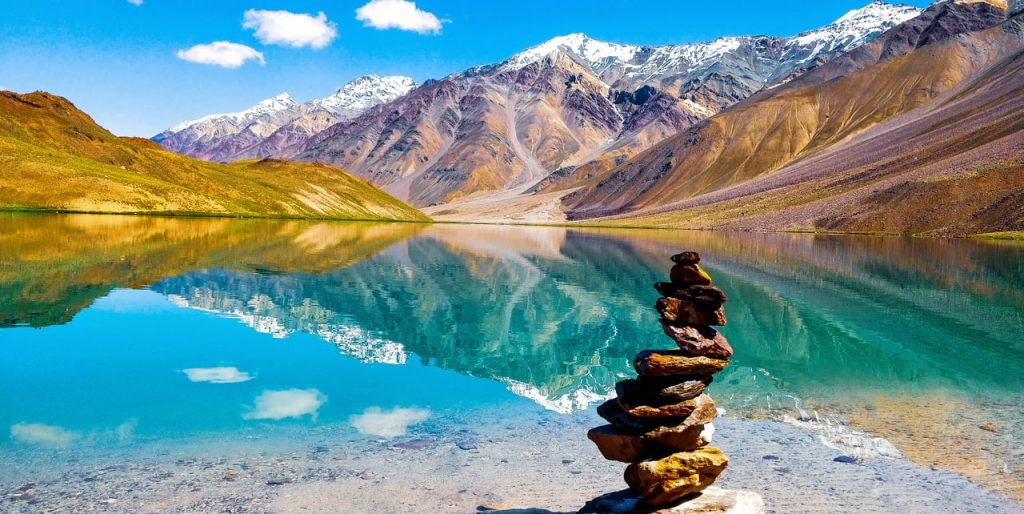
Best Time to Visit Spiti Valley: Road Status, Season & Itinerary Fit
Discover the best time to visit Spiti Valley with season-wise weather, road status windows, and month-by-month planning tips for road trips, treks, and Chandratal.
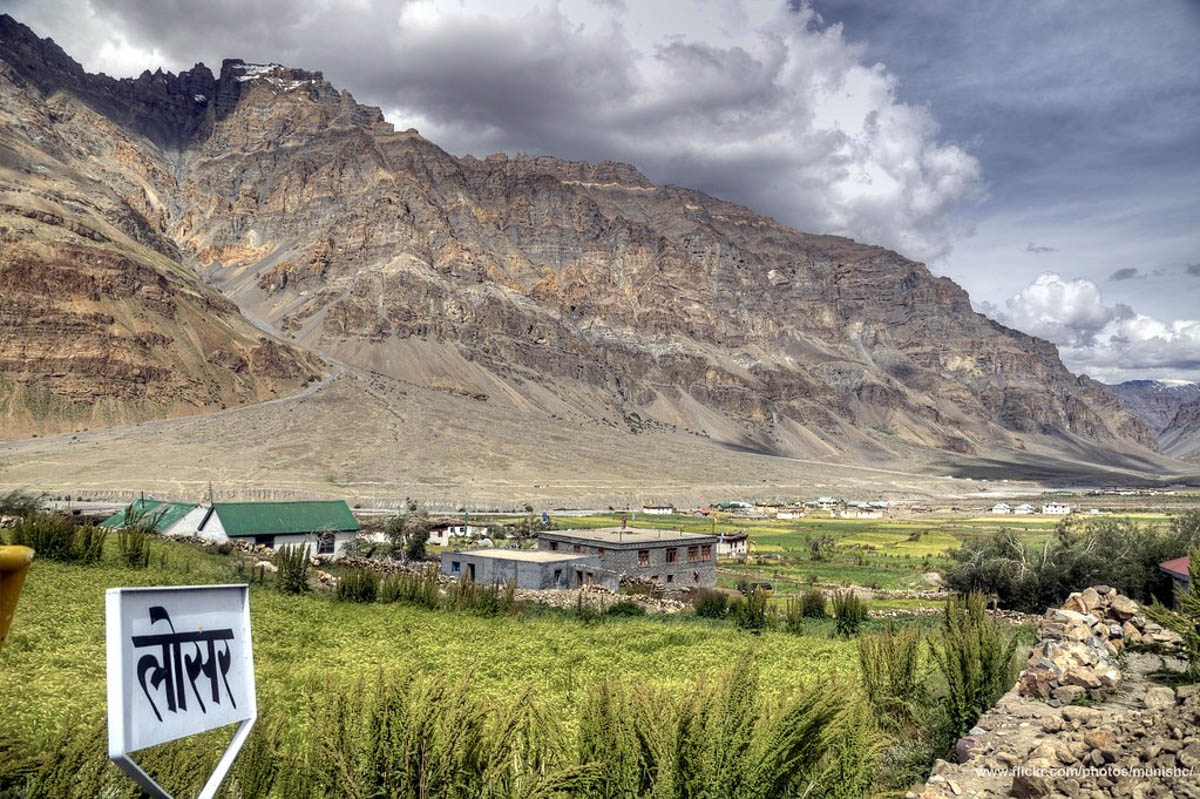
Losar Village Spiti Valley: Route, Weather & Homestay Planning
Discover Losar Village in Spiti Valley with route details, altitude facts, homestay insights, weather guidance, and practical tips for a safe high-altitude trip.
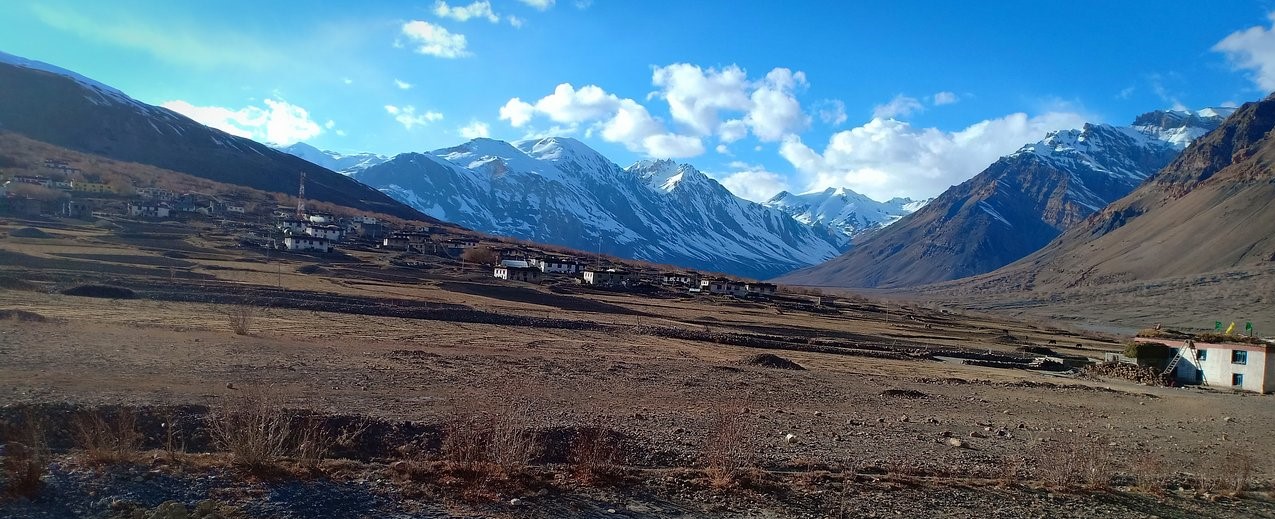
Losar Village Spiti: Complete Travel Guide and Route
Explore places to visit in Losar Village Spiti Valley with culture, route planning, seasonal advice, altitude safety, and nearby Kunzum-Chandratal connections.
Never Miss an Adventure
Get the latest trekking guides, travel tips, and exclusive offers delivered straight to your inbox.
