
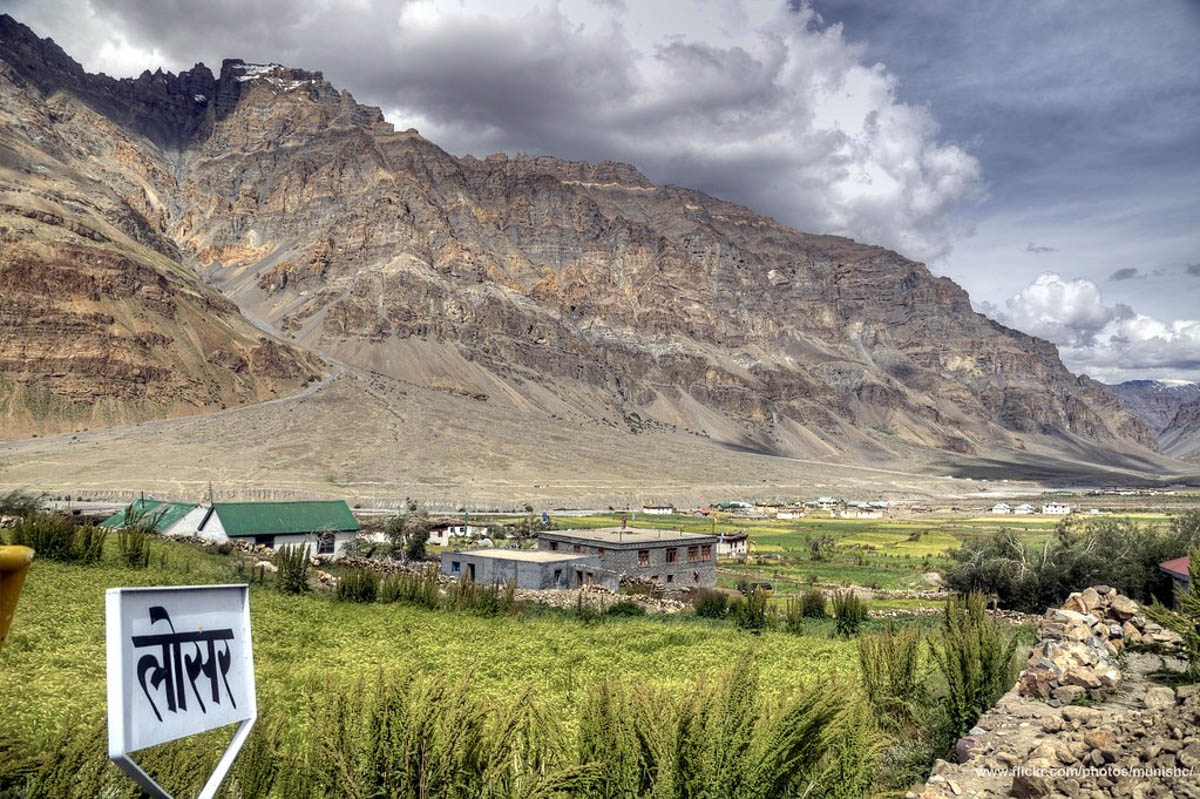
Losar Village Spiti Valley: Route, Weather & Homestay Planning

Neha Kapoor
January 14, 2026
Discover Losar Village in Spiti Valley with route details, altitude facts, homestay insights, weather guidance, and practical tips for a safe high-altitude trip.
Introduction: Spiti's Northern Gateway Village
Losar Village in Spiti Valley is one of the most important stopovers for travelers moving between Kaza and Kunzum Pass. It is often introduced as a small settlement, but for road-trippers and high-altitude travelers it plays a much bigger role: acclimatization point, cultural pause, and route-planning anchor. Surrounded by wide Himalayan ridges, glacial valleys, and dry mountain slopes, Losar gives you a quieter and more traditional Spiti experience compared with busier hubs.
Located at around 4,000+ meters elevation, Losar is among the highest inhabited villages on this route, which makes travel pace and preparation very important. The village has simple homestays, warm local hospitality, and access to iconic nearby attractions. If you are planning Spiti with practical timing, this guide helps you decide when to visit, how to reach, what to do, and where to stay.
For route continuity, combine this with Chandratal trek guide, Kunzum Pass detail guide, and best time to visit Spiti Valley.
About Losar Village
Losar sits in the upper Spiti region and is commonly identified as one of the first village settlements you encounter when entering deeper Spiti sectors from the Kunzum side. The village is known for traditional Spitian architecture, sparse population, cold-desert surroundings, and farming-led local life in a short seasonal window.
Public travel references generally place Losar around 4,080 to 4,100 meters altitude (about 13,400 feet). This altitude range explains why even simple walks can feel demanding for unacclimatized visitors. The settlement is compact, with homestays, village lanes, prayer elements, and surrounding fields that turn briefly green in summer months.
What makes Losar special is not nightlife or commercial density. Its value is in stillness, sky clarity, and the transition feel between major route sections. Many travelers pass through quickly, but those who stay overnight often report a stronger and more grounded Spiti experience.
Losar Village Altitude and Why It Matters
Altitude is the single most important planning factor for Losar. At over 4,000 meters, the body reacts differently than in lower Himalayan towns. Shortness of breath, mild headaches, and fatigue can appear even in healthy travelers if ascent is too fast.
- Approx altitude: around 4,087 m / 13,404 ft (commonly cited range).
- Planning impact: keep a gradual ascent schedule before sleeping in Losar.
- Hydration need: maintain regular water intake, avoid dehydration.
- Activity control: avoid intense exertion right after arrival.
If you are coming from lower altitudes in a short time, do not overload the day with difficult hikes. A slow village walk and early rest is usually the smarter first-night strategy.
Best Time to Visit Losar Village
Losar is highly seasonal. The best travel window aligns with Spiti's broader accessible months, when road conditions are more stable and homestays operate more consistently.
| Season | Travel Character | Who It Suits |
|---|---|---|
| June to September | Most practical road access, active travel season | First-time visitors and road-trippers |
| October | Crisp views, colder nights, thinner crowds | Experienced travelers |
| Winter months | Severe cold, variable accessibility | Only well-prepared high-altitude travelers |
Recommended period: July to September is usually the safest and most convenient for most visitors, with better route confidence and service availability.
How to Reach Losar Village
Losar is reached mainly through road travel, and your route depends on which side of Spiti you are entering from. Distances may look manageable on maps, but mountain terrain, weather, and road conditions significantly affect actual travel time.
From Kaza to Losar
Travel references commonly place Kaza to Losar at around 58 to 60 km. Depending on stops and road condition, this can take roughly 2 to 3 hours.
From Manali Side
The approach usually involves crossing high mountain sectors and Kunzum Pass in season. This route is scenic but weather-sensitive and should be planned conservatively.
Transport Options
- Private taxi: easiest for route flexibility and stopovers.
- Self-drive SUV: preferred for experienced mountain drivers.
- Bike route: common among Spiti riders; requires caution and weather planning.
- Public transport: limited and seasonal; not ideal for rigid schedules.
For full valley entry planning, use how to reach Spiti Valley guide and keep at least one weather buffer day.

Things to Do in Losar Village
Losar is not a checklist-heavy destination. It is best enjoyed through slow experiences and short explorations.
Village Walk and Local Culture
Walk through village lanes, observe architecture, prayer walls, and farming spaces. Conversations with local hosts often reveal more about Spiti than any signboard.
Landscape Photography
Losar offers long valley frames, mountain layers, and high-contrast skies. Morning and late afternoon are best for natural light. Night skies can be excellent when clouds are clear.
Quiet Acclimatization Stop
Many travelers use Losar as a controlled acclimatization halt before pushing to higher passes and longer drives.
Food and Village Evenings
Simple local meals and early nights are part of the experience. This rhythm helps both acclimatization and recovery after rough road sections.
Short Nature Exploration
Depending on weather and energy, you can do short exploratory walks in surrounding areas without aggressive climbs.
Losar Homestays and Accommodation
Accommodation in Losar is mainly homestay-based, with basic guesthouse-style options in season. Rooms are simple, warmth and food quality matter more than luxury finishes, and host interaction is often the highlight.
| Stay Type | What to Expect | Best For |
|---|---|---|
| Homestays | Local food, simple rooms, cultural immersion | Most travelers |
| Basic guest stays | Functional facilities, limited amenities | Short overnight halts |
| Camping (route-dependent) | Weather-sensitive and seasonal feasibility | Experienced adventure travelers |
Do not expect urban connectivity standards. Electricity and data speed can vary. Carry offline maps, power backup, and required medicines before arrival.
Losar Weather and Temperature
Losar weather can shift quickly. Even in summer, nights are cold and wind chill can increase discomfort. Layered clothing is essential in every season.
- Summer daytime: typically cool to mild.
- Summer night: cold, often requiring thermal layers.
- Shoulder season: sharper drops after sunset.
- Winter: extreme cold with severe travel limitations.
Strong sun at high altitude and cold air together can be misleading. Use sunscreen, lip care, and hydration consistently.
Nearby Attractions from Losar
Losar works well as a route junction for nearby high-altitude highlights.
- Kunzum Pass: major high-pass marker and scenic stop.
- Chandratal approach circuits: commonly linked in seasonal plans.
- Kaza: administrative and logistics base for Spiti travel.
- Key Monastery and high villages: can be done as part of extended route plans.
Useful internal route references include Spiti Valley road trip, Kaza in Spiti Valley, and Key Monastery guide.

Practical Travel Checklist for Losar
- Carry layered thermal clothing even in peak season.
- Keep personal medicines and altitude basics ready.
- Start early for road sections to avoid late arrivals.
- Keep one extra day as weather buffer in the itinerary.
- Prefer light meals on arrival at high altitude.
- Carry cash backup where digital options may fail.
A realistic pace and conservative planning make Losar travel smoother and safer.
Common Mistakes to Avoid
- Treating Losar as a quick low-altitude roadside halt.
- Skipping acclimatization before sleeping at higher elevations.
- Overpacking the day with long drives and walks together.
- Relying completely on last-minute transport without backups.
- Ignoring sunset temperature drops and wind chill impact.
Losar rewards thoughtful pacing more than aggressive itinerary speed.
Sample Losar Day Plan
| Time | Activity | Why It Works |
|---|---|---|
| Morning arrival | Check-in and rest | Supports acclimatization |
| Afternoon | Short village walk | Low-intensity local exploration |
| Evening | Sunset viewpoints and early dinner | Best light with energy conservation |
| Next morning | Route onward to next stop | Efficient mountain travel timing |
Local Food and Cultural Etiquette in Losar
Meals in Losar are usually simple, warm, and seasonal, with an emphasis on practicality at altitude. Many homestays serve home-style vegetarian combinations, basic breads, soups, and tea-based routines that match the weather and available ingredients. Instead of searching for large menu variety, treat Losar dining as part of local adaptation to high-altitude life.
- Eat light on arrival: this helps your body adjust more comfortably.
- Respect mealtime timings: smaller villages often follow early dinner routines.
- Avoid food waste: supplies are limited and transport-dependent.
- Ask before photographing private spaces: especially inside homes and kitchens.
These small etiquette choices improve your stay quality and support respectful tourism.
2-Day Losar Itinerary Option
| Day | Plan | Focus |
|---|---|---|
| Day 1 | Arrive from Kaza, rest, short village loop, sunset point | Acclimatization and orientation |
| Day 2 | Early morning views, local breakfast, onward route to nearby highlights | Scenic coverage with low fatigue |
This two-day pacing avoids rushed movement and gives enough time for both recovery and exploration before continuing your Spiti circuit.
Responsible Travel Note
Losar and surrounding high-altitude zones are ecologically sensitive. Carry reusable bottles, avoid plastic litter, and bring back non-biodegradable waste where possible. Support village-run stays and small local purchases instead of extractive souvenir behavior. Slow travel, low-noise conduct, and respect for local customs help keep Losar sustainable for both residents and future travelers.
Final Take
Losar Village Spiti Valley is one of those destinations where simplicity is the main strength. It offers altitude realism, route value, local culture, and mountain silence without over-commercialization. If you want a meaningful Spiti stop between major highlights, Losar is worth a proper overnight stay. Plan with weather awareness, travel light, acclimatize well, and this small village can become one of the most memorable parts of your entire Spiti journey.

Location
Frequently Asked Questions
Q1.Where is Losar Village located?
Q2.What is the altitude of Losar Village?
Q3.What is the best time to visit Losar?
Q4.How far is Losar from Kaza?
Q5.How can I reach Losar Village?
Q6.Are there accommodations in Losar?
Q7.What can we do in Losar Village?
Q8.Is Losar accessible in winter?
Recommended For You
Kaza Spiti Valley: Itinerary, Stays, Route & Permit Information
Complete travel guide to Kaza in Spiti Valley! Find best time to visit, how to reach from Manali/Shimla, weather, hotels, places to visit, and essential travel tips.
Kunzum Pass: Route Best Time And Travel Information
Complete Kunzum Pass guide with opening season, road conditions, route options from Manali and Kaza, nearby stops, and high-altitude safety tips.
How To Reach Spiti Valley: Routes And Travel Options
Planning a trip to Spiti Valley? Learn how to reach Spiti from Manali & Shimla by road, flight & train. Get routes, timings, permits & essential travel tips.
Never Miss an Adventure
Get the latest trekking guides, travel tips, and exclusive offers delivered straight to your inbox.
