
Bhangarh Fort: History, Timings and Visitor Guidance

Ananya Sharma
February 18, 2026
Explore Bhangarh Fort with history, folklore context, architecture highlights, and practical timing and safety tips for a better visit.
Bhangarh Fort: History, Legends, and Practical Visit Planning
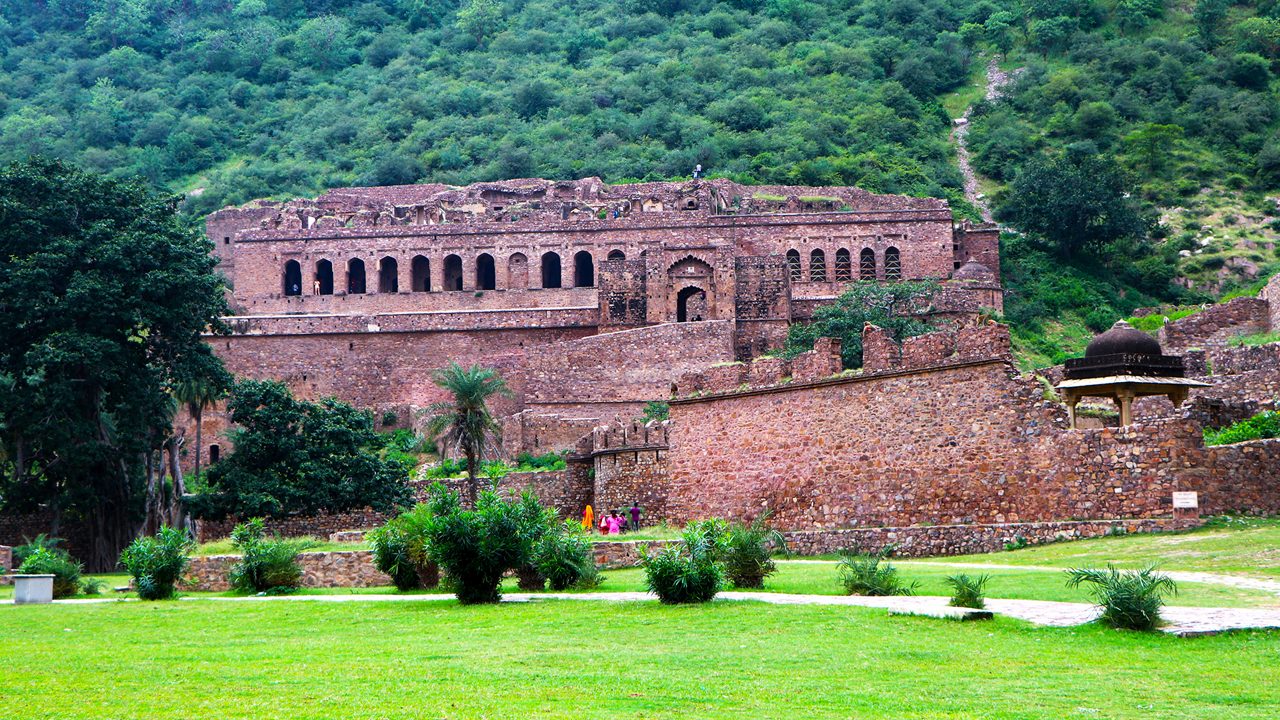
Bhangarh Fort in Rajasthan is one of India’s most discussed heritage sites because it combines real historical ruins with strong folklore narratives. Most visitors arrive expecting only a “haunted place,” but the site offers much more when explored with context. The remains of markets, temples, gateways, and palace zones reveal how this settlement once functioned, and that architectural reading is the most valuable part of the visit.
For a stronger Rajasthan heritage route, pair this stop with Amber Fort Jaipur, panoramic hill architecture from Nahargarh Fort, and broader circuit planning through historic forts in Rajasthan. Clustering related sites helps you compare styles and avoid inefficient transfers.
Historical Background of Bhangarh Fort
Bhangarh was developed in the 17th century period and later declined over time due to political and regional shifts. Today, the ruins preserve a visible settlement layout rather than a single isolated monument. This makes the location useful for travelers interested in urban-heritage patterns: defensive edges, temple distribution, market streets, and elevated palace remains.
The site should be read as a former town complex, not only as a legend-based destination. If you slow down and observe spatial relationships, the experience becomes historically meaningful and not just atmospheric.
Legends and the “Haunted” Reputation
Bhangarh’s popular identity comes from stories around curses, abandoned structures, and restrictions on nighttime presence. These narratives are deeply embedded in travel culture and local storytelling. Whether or not visitors believe paranormal claims, the folklore remains part of the destination’s appeal and should be discussed respectfully.
A practical mindset works best: acknowledge legends as cultural memory while focusing on verifiable heritage value. Travelers who balance both perspectives usually have a richer and calmer visit than those expecting only thrill-based outcomes.
Architecture and Site Layout
The remains include gateways, temple zones, market structures, stepwell-like utility areas, and palace ruins rising toward higher ground. This layered layout suggests planned civic movement and defensive positioning. Even in ruin form, the site communicates hierarchy through elevation and axis design.
| Site Zone | What to Observe | Visitor Tip |
|---|---|---|
| Entry and Market Stretch | Linear movement pattern and settlement logic | Walk slowly to read original town flow |
| Temple Areas | Stone detailing and ritual placement | Respect active or sensitive sections |
| Upper Palace Ruins | Defensive viewpoint and spatial control | Use stable footwear on uneven surfaces |
This structure helps first-time visitors understand how Bhangarh worked as a living settlement.

Government Rules and Why Daylight Timing Matters
Bhangarh is known for strict entry and exit timing compliance, and visitors should follow posted instructions without exception. The daylight-only framework is both a safety and management measure. Terrain, visibility, and sparse support infrastructure make night entry unsuitable and risky.
Always confirm current timings before travel day, especially during seasonal shifts or public holidays. Responsible adherence to local rules is essential for heritage protection and visitor safety.
Best Time to Visit Bhangarh Fort
Cooler months generally provide better walking comfort and clearer exploration windows. In warmer months, start early to avoid heat stress and reduce crowd overlap. Midday movement can be tiring due to open exposure and stone-surface heat.
- Morning slots: best for calmer movement and photography.
- Late afternoon: good light but watch exit-time limits closely.
- Peak holidays: expect heavier footfall and slower flow.
- Monsoon periods: terrain may be slippery in sections.
Timing discipline is the biggest factor in visit quality here.
How to Reach and Plan Your Route
Bhangarh is usually visited by road through a planned circuit from Jaipur or nearby Rajasthan hubs. The most common planning mistake is combining too many distant sites in one day, which reduces time on-site and increases travel fatigue. Keep one primary objective and one optional add-on maximum.
If you include folklore-themed stops in your itinerary, you can add reading context from haunted places to visit in Rajasthan, but maintain a heritage-first approach on ground.
Safety and Responsible Travel Guidance
Bhangarh has open ruins, uneven pathways, and exposed zones. Wear closed shoes with grip, carry water, and avoid risky climbing for photos. Respect all restricted signs and avoid entering unstable remains. Solo travelers should keep someone informed of route and expected return time.
Travel responsibly by avoiding litter, loud disruption, and rumor-driven risky behavior. Heritage sites with fragile remains require calm movement and basic discipline from every visitor.

Photography Strategy for Better Results
The strongest images come from composition variety, not excessive quantity. Capture one wide establishing frame at entry, one mid-range ruin context frame, one detail frame from temple or stone texture, and one elevated perspective if safely available. This produces a balanced visual record.
Use natural light windows and avoid crowd obstruction in narrow pathways. Patience generally gives better images than aggressive movement, especially in high-footfall hours.

Suggested Half-Day Itinerary from Jaipur Side
A practical half-day Bhangarh plan starts with early departure, direct site entry, and one controlled secondary stop on return. Keep breakfast and fuel breaks before reaching the fort zone so your on-site block remains uninterrupted. This approach is especially useful for family groups and first-time Rajasthan road travelers.
Do not attempt to stack multiple high-distance forts in one block. Heritage quality falls quickly when transfers dominate the day. One focused Bhangarh session with documentation and short rest breaks usually delivers better value than a rushed three-fort checklist.
What to Carry for a Better Visit
Carry water, a light snack, sun protection, and shoes with reliable grip. Mobile network quality can vary by route section, so keep offline maps downloaded in advance. If you are traveling in warmer months, add electrolyte support and plan short cooling pauses between walking stretches.
Small preparedness details improve both comfort and safety. Bhangarh is best experienced through steady pacing, not hurry, and your packing choices directly affect how calm and observant your walkthrough can be.
Conclusion
Bhangarh Fort is best experienced as a combined story of history, architecture, and folklore, not as a one-dimensional haunted destination. Plan a daylight visit, follow all local rules, and use a route that allows real on-site observation. With a structured approach, Bhangarh becomes one of Rajasthan’s most interesting heritage explorations.
Location
Frequently Asked Questions
Q1.Where is Bhangarh Fort located?
Q2.Is Bhangarh Fort a full-day destination?
Q3.What is the best time to visit?
Q4.Can I pair it with Jaipur attractions?
Q5.What should I carry?
Q6.Is the terrain easy?
Q7.Why do travelers visit Bhangarh?
Q8.How to make the visit better?
Recommended For You
Best Places to Visit Rajasthan: Top 20 Destinations
Explore the best places to visit Rajasthan, India's royal state. Discover Jaipur's pink forts, Udaipur's romantic lakes, Jodhpur's blue streets, and Jaisalmer's golden desert with this comprehensive guide.
Haunted Places in Rajasthan: Fort Legends, Timings & Visitor Tips
Explore haunted places in Rajasthan! Discover Bhangarh Fort, Kuldhara Village & other spooky locations with complete guide to ghost stories and paranormal destinations.

Shopping Rajasthan: Cities, Markets, and Buying Tips
Plan shopping in Rajasthan with city-wise market strategy, category focus, and practical buyer tips.
Never Miss an Adventure
Get the latest trekking guides, travel tips, and exclusive offers delivered straight to your inbox.
