
Bhau Daji Lad Museum Mumbai: History and Visit Tips

Priya Mehta
February 18, 2026
Visit Bhau Daji Lad Museum Mumbai with history context, gallery strategy, and practical timing and route-planning tips for deeper exploration.
Bhau Daji Lad Museum Mumbai: Collections, History, and Visit Strategy
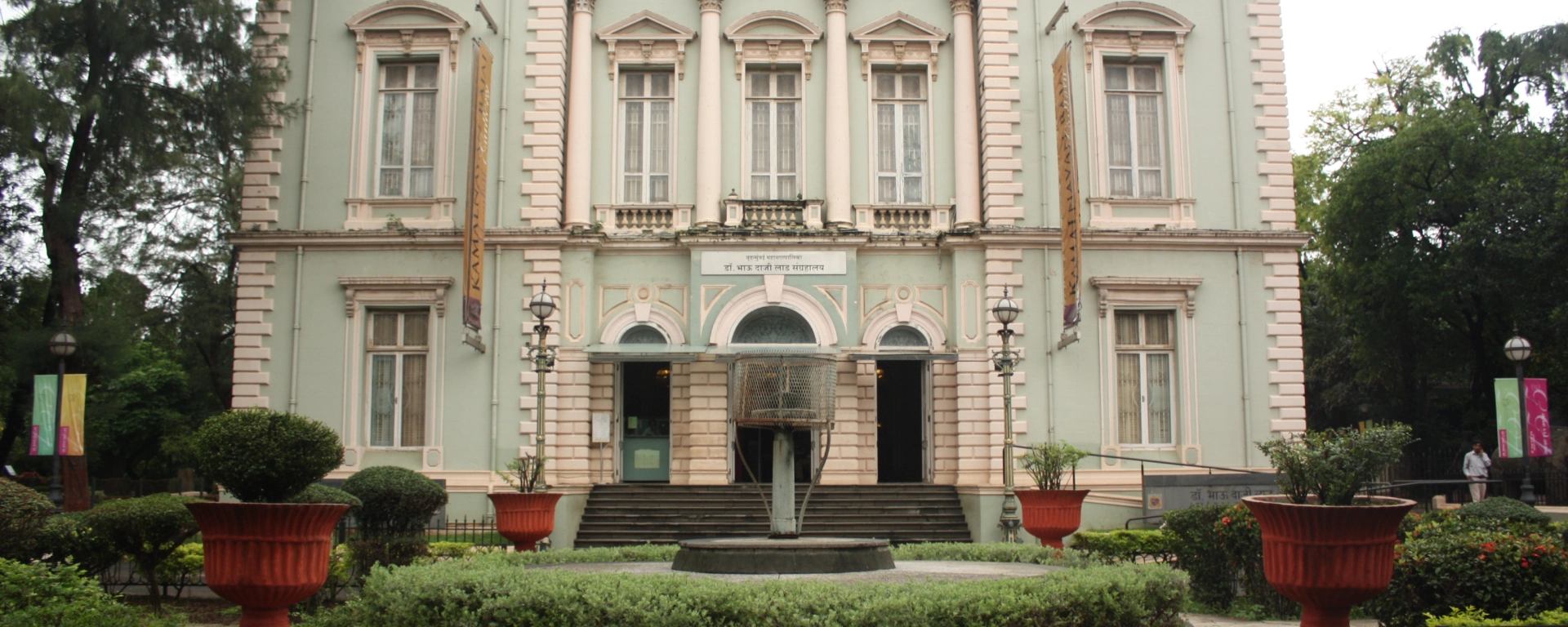
Bhau Daji Lad Museum is Mumbai’s oldest museum and one of the city’s most rewarding heritage interiors for travelers who want context beyond skyline views and market routes. Formerly known as the Victoria and Albert Museum in Bombay, it preserves civic, artistic, and social records that explain how Mumbai evolved across the colonial and early modern urban phases.
The museum works best in a compact heritage day. You can combine it with Chhatrapati Shivaji Terminus, public-history reflection at Mani Bhavan, and architectural contrast through Rajabai Clock Tower. Clustered planning keeps transfers realistic in Mumbai traffic.
Why This Museum Matters in Mumbai
Unlike broad overview attractions, Bhau Daji Lad Museum gives a concentrated reading of the city’s material culture, industrial memory, and social history. It is especially useful for first-time visitors trying to understand Mumbai’s transformation from port city structures to a dense metropolitan identity.
The experience is strongest when you slow down and read curation logic: what is displayed, what narrative sequence is used, and how object categories connect to civic history.
History and Architecture of the Building
The museum itself is a heritage object. Its restored interiors, ornamental detailing, and gallery layout represent an important conservation success in Mumbai. Visitors often focus only on exhibits and miss the architecture, but the building deserves equal attention.
Observe ceilings, columns, stair zones, and display-cabinet design language. These elements reflect period aesthetics and curatorial intentions, and they help explain why the museum is respected not just for content but also for restored form.
| Observation Layer | What to Notice | Execution Tip |
|---|---|---|
| Building Envelope | Restored historic interiors and decorative rhythm | Begin with one full floor circuit before deep dives |
| Permanent Displays | City models, artifacts, and historical objects | Read labels in sequence for continuity |
| Interpretive Flow | Narrative from civic memory to urban life | Take short notes for better retention |
A structured viewing order improves comprehension and prevents exhibit fatigue.

Collections and Gallery Experience
The museum’s displays typically include decorative arts, city-focused models, historical documentation, and objects linked to Mumbai’s social and economic life. The key is not rushing through quantity. Spend meaningful time on fewer sections and understand their relation to local history.
If you are visiting as a family or mixed-interest group, decide a shared route beforehand: one architecture block, one history block, and one highlights block. This keeps the visit inclusive and time-efficient.
Best Time to Visit Bhau Daji Lad Museum
Weekday mornings and early afternoons usually provide a calmer gallery environment than peak weekend windows. Lower crowd density helps with reading labels and viewing details without constant movement interruptions.
For travelers combining multiple Mumbai stops, place the museum in the first half of your day when attention levels are high. It is an interpretation-heavy destination and works better before long outdoor movement.
- Morning slots: best for slower gallery exploration.
- Weekdays: generally steadier flow than weekends.
- Seasonal comfort: combine with nearby indoor-heavy stops in hot weather.
- Peak days: keep extra buffer for entry and ticketing.
Tickets, Timings, and Visit Duration
Always verify official timings and ticket details before departure, as event schedules or exhibitions can influence access rhythm. Most visitors need 60-90 minutes for a quality walkthrough; serious museum travelers may need longer.
Do not over-compress this stop into 20-30 minutes. The value lies in reading context, and that requires deliberate pacing.
How to Reach and Pair Nearby Attractions
The museum location allows practical pairing with major heritage and city landmarks, but route design still matters. Limit same-day cross-city jumps. One south-central cluster or one harbor-side cluster performs better than trying to cover entire Mumbai in one itinerary.
If you want a cultural plus neighborhood contrast, add Banganga Tank later in the day and keep evening transfers simple.
Photography, Etiquette, and Museum Behavior
Museum settings require quiet, non-disruptive conduct. Follow photography rules exactly, especially in sensitive display zones. Avoid flash where prohibited and never block narrow gallery passages for prolonged photo sessions. Respect is part of the experience.
For better documentation, capture one overall gallery shot, one architecture detail, and one label-context frame for memory. Over-photographing can reduce your attention to exhibits.

Common Mistakes and Better Alternatives
Common mistakes include treating the museum as a quick backup stop, combining too many distant neighborhoods in one day, and skipping historical context. Better alternatives are fixed 75-minute museum blocks, cluster-based route planning, and one post-visit debrief over food or notes.
If your Mumbai plan is short, prioritize fewer but deeper stops. This museum rewards attention more than speed.

How to Read Exhibits Without Fatigue
Museum fatigue is common when visitors try to process every display equally. A better approach is thematic selection: choose one section on city history, one on craft or decorative objects, and one on social-life interpretation. This keeps attention high and helps you remember core insights after the visit.
If you are with children or mixed-interest companions, assign each person one gallery highlight to present at the end. This turns passive viewing into active engagement and makes the museum visit more collaborative.
Combining Museum Time with Mumbai Traffic Reality
Mumbai traffic can quickly disrupt over-planned schedules, so keep the museum day compact. Avoid committing to distant lunch or sunset reservations immediately after exit. Instead, keep one nearby food option and one flexible follow-up stop in the same zone.
This buffer-based planning protects the quality of your museum session. You can spend more time reading and less time rushing through galleries because of downstream travel pressure.
Quick Checklist Before Entry
Confirm same-day timings, carry valid payment options, and review photography permissions at the entrance. Keep phone on silent mode and maintain quiet movement in active gallery spaces. These basics improve your own experience and keep the museum environment respectful for others.
A few minutes of planning at entry usually saves much more time inside and helps you stay focused on content instead of logistics.
Conclusion
Bhau Daji Lad Museum is one of Mumbai’s best heritage experiences for travelers who value urban history, conservation, and curated storytelling. Plan it with a clear time block, respectful behavior, and nearby-route logic. With this approach, the museum becomes a core highlight, not just a filler between city attractions.
Location
Frequently Asked Questions
Q1.What is Bhau Daji Lad Museum known for?
Q2.How much time is enough for a visit?
Q3.Can I combine museum visit with city sightseeing?
Q4.Is it suitable for family travelers?
Q5.When should I visit?
Q6.Do I need advance planning?
Q7.Can this fit in half-day itinerary?
Q8.What should I prioritize inside?
Recommended For You
Best Places to Visit in Mumbai: Top Tourist Attractions
Discover the best places to visit in Mumbai from iconic Gateway of India and Marine Drive to Elephanta Caves and Juhu Beach. Explore Mumbai's top tourist attractions, heritage sites, beaches, and practical travel tips.

Best Street Food in Mumbai: Top 25 Must-Try Dishes & Locations
Discover the best street food in Mumbai - from iconic vada pav and buttery pav bhaji to spicy misal pav and delicious chaat. Explore 25+ must-try dishes, famous food locations, hygiene tips, and price guides in this comprehensive Mumbai street food guide.
Banganga Tank: Mumbai's Hidden Ancient Heritage
Discover Banganga Tank in Malabar Hill, Mumbai - an ancient water tank with mythological roots from the Ramayana. Guide to Walkeshwar Temple, history, rituals, and visiting this sacred heritage site.
Never Miss an Adventure
Get the latest trekking guides, travel tips, and exclusive offers delivered straight to your inbox.
