
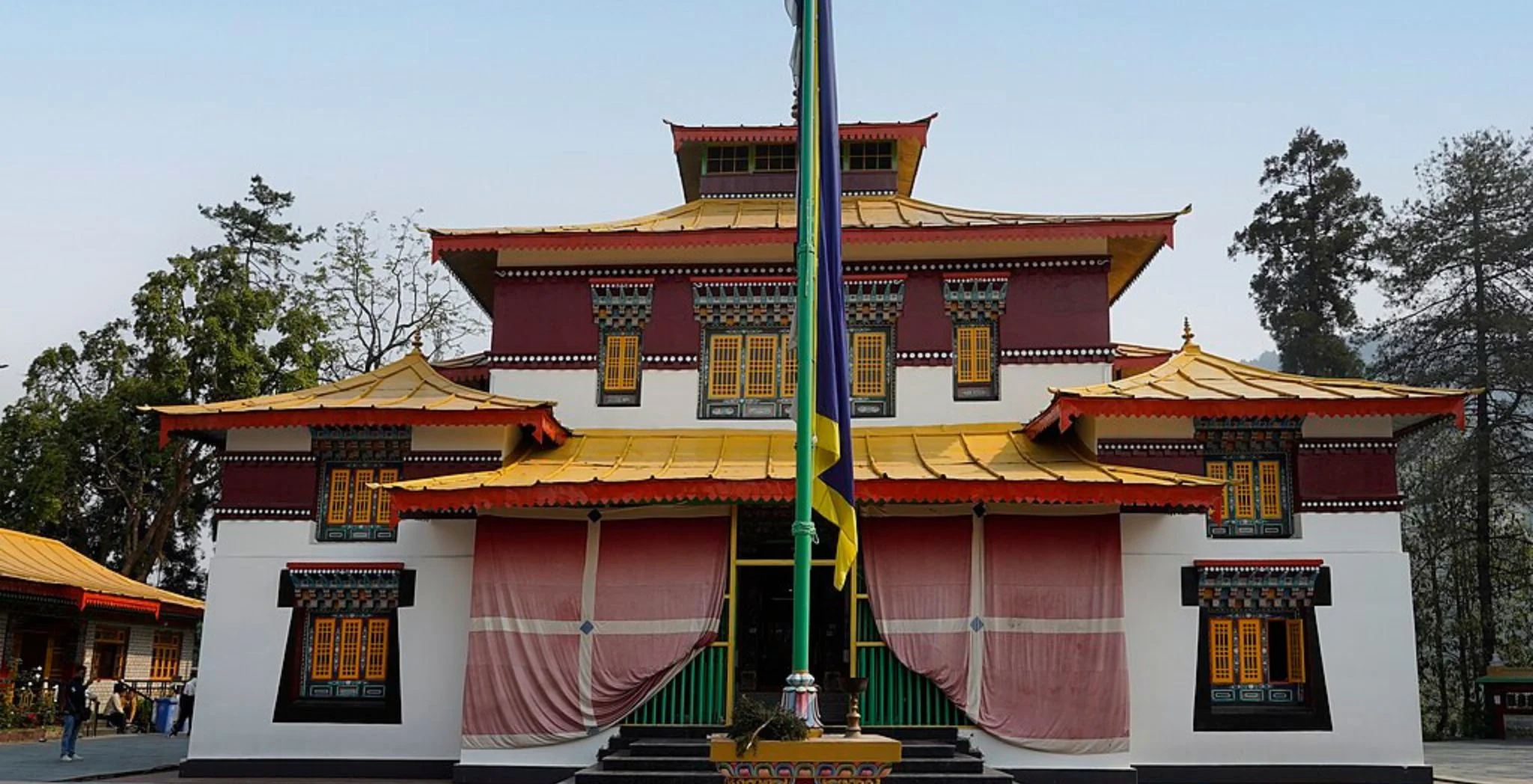
Enchey Monastery Gangtok: History, Timings & Visitor Information
Rohit Verma
February 20, 2026
Explore Enchey Monastery Gangtok: 1909 Nyingma monastery with sacred tantric heritage, Cham dances, Buddhist architecture, Kanchenjunga views & complete travel guide.
The Sacred Solitary Temple of Gangtok
Perched on a hilltop overlooking Gangtok, the capital city of Sikkim, Enchey Monastery stands as one of the most revered Buddhist monasteries in Northeast India. Built in 1909, this sacred site belonging to the Nyingma order of Tibetan Buddhism has been a center of spiritual practice, cultural preservation, and religious devotion for over a century. The name "Enchey" derives from the local language meaning "solitary temple," a fitting description for this peaceful sanctuary that has offered seekers a place of meditation and reflection for generations. Enchey Monastery holds profound religious significance for Buddhists across Sikkim, Bhutan, and Nepal. Its sacred reputation stems from the belief that the site is blessed by the powerful tantric master Lama Druptob Karpo, who was renowned for his ability to fly and his deep spiritual attainments. According to local legends, Lama Druptob Karpo built a small hermitage here after flying from the nearby Maenam Hill, choosing this location for its spiritual energy and serene atmosphere. For travelers exploring Sikkim, Enchey Monastery offers an authentic experience of Tibetan Buddhist culture and architecture. Unlike more commercialized tourist attractions, Enchey maintains its spiritual essence, with monks continuing ancient traditions of prayer, meditation, and study. The monastery's location provides panoramic views of Gangtok city and the surrounding mountains, particularly stunning during sunrise and sunset when the Kanchenjunga range glows with golden light. This comprehensive guide covers everything you need to know about visiting Enchey Monastery, including its fascinating history, architectural features, religious significance, practical travel information, and the best ways to incorporate this sacred site into your Sikkim itinerary.
Quick Facts About Enchey Monastery
| Item | Enchey Monastery Snapshot |
|---|---|
| Location | Gangtok, Sikkim, India |
| Altitude | 5,800 feet (1,768 meters) |
| Distance from Gangtok | 3 kilometers from city center |
| Founded | 1909 (rebuilt and expanded over the years) |
| Order | Nyingma school of Tibetan Buddhism |
| Timings | 6:00 AM to 6:00 PM daily |
| Entry Fee | Free (donations welcome) |
| Photography | Allowed in most areas (restrictions in prayer halls) |
| Best Time to Visit | March-June, September-November |
| Famous For | Sacred tantric site, Cham dances, Kanchenjunga views |
History and Religious Significance
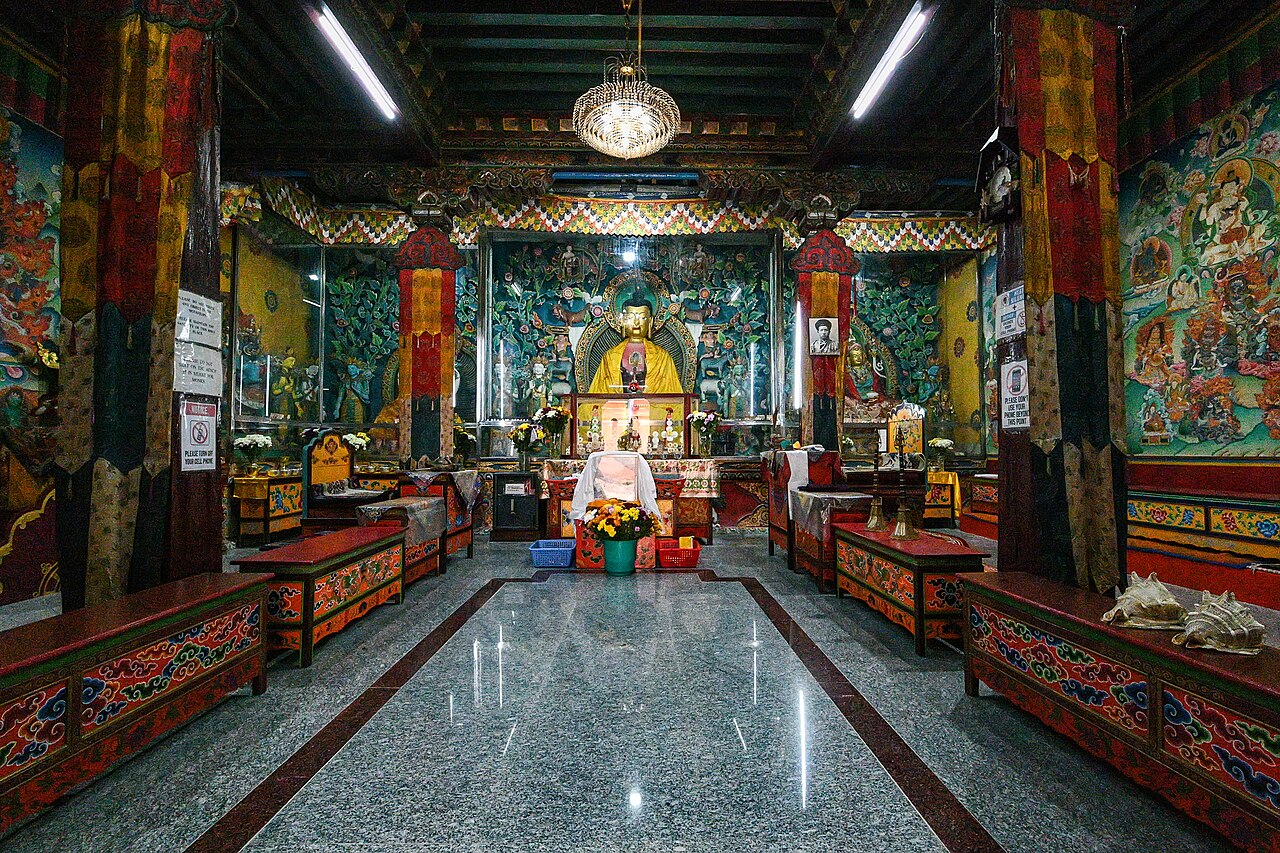 The history of Enchey Monastery is intertwined with the rich spiritual traditions of Sikkim and the legendary figures of Tibetan Buddhism. While the current structure dates to 1909, built during the reign of Sikkim's 10th Chogyal (King) Sidkeong Tulku, the site's sacred history stretches back much further.
The Legend of Lama Druptob Karpo
The monastery's origins are traced to the 8th century and the legendary tantric master Lama Druptob Karpo, who was renowned for his supernatural powers, including the ability to fly. According to Buddhist folklore, Lama Druptob Karpo flew from Maenam Hill in South Sikkim to the site where Enchey Monastery now stands. He built a small hermitage here, drawn by the location's spiritual energy and solitude. Lama Druptob Karpo was a practitioner of Vajrayana Buddhism and belonged to the Nyingma tradition, the oldest school of Tibetan Buddhism. His name translates to "Tantric Master Karpo," and he was known for his deep meditation practices and mastery of tantric rituals. The site became known as a place of spiritual power, where the master performed miraculous feats and attained high states of realization.The 1909 Reconstruction
The modern Enchey Monastery was built in 1909 under the patronage of Chogyal Sidkeong Tulku, the 10th ruler of the Sikkimese monarchy. The Chogyal was deeply religious and supported the construction and renovation of several monasteries throughout Sikkim. He chose to rebuild and expand the original hermitage, creating the magnificent structure that visitors see today. The monastery was designed following traditional Tibetan Buddhist architectural principles, with a two-tiered structure featuring intricate woodwork, colorful murals, and sacred images. The construction was supervised by accomplished Buddhist craftsmen who incorporated ancient design elements while adapting to local materials and conditions.Religious Importance
Enchey Monastery belongs to the Nyingma school of Tibetan Buddhism, the oldest of the four major schools. The Nyingma tradition traces its origins to the 8th century master Padmasambhava (Guru Rinpoche), who is credited with establishing Buddhism in Tibet. This tradition emphasizes tantric practices, meditation, and the preservation of ancient teachings. The monastery houses several sacred images and relics of great religious significance. The main prayer hall features statues of Buddha, Padmasambhava, and various other deities. The monastery also contains ancient scriptures, thangkas (Buddhist paintings), and ritual implements used in daily ceremonies and special festivals. For the local community, Enchey Monastery is not just a tourist attraction but an active spiritual center. Monks residing here perform daily rituals, maintain the prayer wheels, and conduct ceremonies for the community's well-being. During important Buddhist festivals, the monastery becomes a hub of religious activity, with devotees gathering to participate in prayers and receive blessings.The Chogyal Dynasty Connection
Enchey Monastery's construction was part of a broader effort by the Sikkimese monarchy to preserve and promote Buddhist culture. The Chogyals of Sikkim were devout Buddhists who saw themselves as protectors of the dharma. They supported monasteries, sponsored religious festivals, and maintained close relationships with Buddhist teachers across the Himalayan region. The monastery's location near Gangtok made it easily accessible to the royal family, who would visit for prayers and ceremonies. This royal patronage helped establish Enchey as one of the most important monasteries in Sikkim, a status it maintains to this day.Architecture and Design
Enchey Monastery exemplifies traditional Tibetan Buddhist architecture adapted to the Himalayan environment. The structure reflects centuries of architectural evolution and spiritual symbolism, with every element carrying religious meaning and practical purpose.Exterior Architecture
The monastery features a distinctive two-tiered design characteristic of Himalayan Buddhist monasteries. The walls are painted in traditional colors - ochre, red, and white - with intricate patterns and designs around windows and doors. These colors are not merely decorative but hold symbolic significance in Buddhism, with white representing purity, red symbolizing transformation, and ochre signifying the earth element. The roof follows the traditional Tibetan style with slightly upturned edges at the corners, a design feature that helps protect the walls from rain while adding aesthetic beauty. Golden finials or decorative elements crown the roof, catching the sunlight and drawing the eye upward toward the heavens. Prayer wheels, inscribed with sacred mantras, surround the monastery exterior. Devotees circumambulate the monastery spinning these wheels clockwise, believing that each rotation releases blessings into the world. The continuous turning of prayer wheels creates a meditative atmosphere even outside the main prayer hall.Interior Design and Sacred Art
The interior of Enchey Monastery is a treasure trove of Buddhist art and iconography. The main prayer hall (dukhang) features beautifully painted murals depicting various Buddhas, bodhisattvas, and scenes from Buddhist cosmology. These murals serve both decorative and educational purposes, illustrating Buddhist teachings for devotees and visitors alike. The walls are adorned with thangkas - traditional Tibetan Buddhist paintings on cotton or silk appliqué. These sacred artworks often depict mandalas, deities, and the life stories of Buddhist masters. Thangkas are not merely art but are considered religious objects used in meditation and rituals. The central altar houses sacred statues, typically including Buddha Shakyamuni, Padmasambhava (Guru Rinpoche), and Avalokiteshvara (the bodhisattva of compassion). These statues are made from various materials including bronze, clay, and precious metals. Offerings of water, flowers, incense, and light are placed before the statues as part of daily rituals.Architectural Symbolism
Every aspect of Enchey Monastery's architecture carries symbolic meaning in Tibetan Buddhism. The square base represents the earth element, while the ascending tiers symbolize progress toward enlightenment. The overall design reflects the Buddhist concept of the universe as a sacred mountain (Mount Meru) with the monastery as a microcosm of this cosmic structure. The orientation of the building, the placement of statues, and even the colors used all follow traditional guidelines outlined in Buddhist texts. This attention to religious symbolism makes the monastery not just a building but a three-dimensional manifestation of Buddhist philosophy.Spiritual Practices and Daily Life
Enchey Monastery is an active religious center where monks maintain daily practices that have been continued for centuries. Understanding these practices helps visitors appreciate the monastery as a living spiritual tradition rather than just a historical monument.Daily Prayer Schedule
The monks at Enchey Monastery follow a disciplined daily schedule that begins early in the morning and continues until evening. The day typically starts around 5:00 AM with personal meditation and preparation for the morning prayers, which usually begin at 6:00 AM. These morning ceremonies involve chanting prayers, making offerings, and performing rituals that benefit all sentient beings. The afternoon session around 3:00 PM includes additional prayers and study time. Monks spend hours memorizing texts, debating philosophical points, and receiving teachings from senior lamas. This combination of practice and study has been the cornerstone of monastic education in Tibetan Buddhism for over a thousand years.Rituals and Ceremonies
Beyond daily prayers, Enchey Monastery conducts special rituals for various occasions. These include ceremonies for the deceased (to help their transition), rituals for removing obstacles, and practices for generating positive energy for the community. Monks are often called upon to perform these ceremonies for laypeople who request blessings for specific purposes. The monastery also observes important dates in the Buddhist calendar with special ceremonies. These include the full moon days, which are considered especially auspicious for spiritual practice, and anniversaries of great Buddhist masters.Meditation and Retreat
While Enchey Monastery may not offer formal retreat programs for visitors, the monks themselves engage in periodic meditation retreats. These retreats can range from a few days to several years, during which monks intensify their practice in solitude. The location of Enchey, with its peaceful atmosphere and mountain views, makes it conducive to such contemplative practices. Visitors who meditate can find quiet spots around the monastery complex. The energy of hundreds of years of continuous practice creates a supportive environment for spiritual contemplation, even for those who are not Buddhist.The Cham Dance Festival
One of the most important and visually spectacular events at Enchey Monastery is the annual Cham dance festival. This sacred dance performance takes place in January, usually during the Tibetan month of the first full moon, and attracts devotees and visitors from across Sikkim and neighboring regions.Religious Significance of Cham
Cham is not merely a performance but a sacred ritual in Tibetan Buddhism. The masked dances represent the victory of good over evil and the enlightenment of all beings. Each movement, costume, and mask carries symbolic meaning related to Buddhist philosophy and the path to liberation. The dancers are monks who have spent years learning these precise movements and their underlying symbolism. The performance is considered a form of meditation in action and is believed to generate merit for both the dancers and those who witness it with proper intention.What to Expect
During the Cham festival, the monastery courtyard becomes an open-air theater. Monks wearing elaborate masks and colorful costumes perform choreographed dances accompanied by traditional musical instruments including drums, cymbals, and long horns (dungchen). The masks represent various deities, protectors, and sometimes animals. The most dramatic masks often have moving parts and are quite large, requiring considerable skill to manipulate while dancing. The costumes are equally elaborate, with layers of silk brocade and sacred ornaments.Visitor Etiquette
If you plan to attend the Cham dance festival, remember that this is primarily a religious ceremony, not entertainment. Dress modestly, maintain silence during the performance, and follow the guidance of local attendants. Photography may be restricted during certain parts of the ceremony - always ask for permission and respect any restrictions. Arrive early to secure a good viewing spot, as the monastery courtyard can get crowded. The festival often lasts several hours, so be prepared for a long period of standing. Consider bringing water and sun protection, especially if the weather is warm.How to Reach Enchey Monastery
Enchey Monastery's convenient location, just 3 kilometers from Gangtok city center, makes it easily accessible by various means of transportation. Here's how to reach this sacred site:From Gangtok City Center
The most common way to reach Enchey Monastery is from Gangtok. The distance is approximately 3 kilometers, and the journey takes 10-15 minutes by vehicle, depending on traffic. The route is scenic, passing through parts of the city and offering views of the surrounding hills.Transportation Options
- Private Taxi: The most convenient option, taxis can be hired for a half-day sightseeing tour that includes Enchey Monastery and other nearby attractions. Taxis are readily available in Gangtok and most drivers know the location well.
- Walking: For those who enjoy walking, it's possible to reach Enchey on foot from MG Marg or other central areas. The walk takes 30-45 minutes and involves some uphill sections but offers excellent views and a chance to see local life.
- Shared Jeep: Budget-friendly shared jeeps sometimes operate on routes that pass near Enchey Monastery. This is less convenient but more economical for solo travelers.
- Self-Driving: If you're driving yourself, GPS navigation will easily guide you to Enchey Monastery. The roads are generally in good condition, though parking near the monastery is limited.
From Nearby Attractions
Enchey Monastery can be easily combined with visits to other Gangtok attractions. It's located near Ganesh Tok viewpoint and not far from the famous MG Marg. If you're visiting Tsomgo Lake or Nathula Pass, Enchey can be visited either before or after your trip to these higher altitude destinations.Route Details
The road to Enchey Monastery is well-maintained and passes through residential areas of Gangtok. As you ascend toward the monastery, the views of the city and surrounding mountains improve dramatically. The final approach involves a somewhat steep section, but most vehicles handle it easily.Best Time to Visit Enchey Monastery
Choosing the right time to visit Enchey Monastery can enhance your experience significantly. Sikkim's varied seasons offer different advantages for visitors.Spring (March to June)
Spring is an excellent time to visit Enchey Monastery. The weather is pleasant with temperatures ranging from 10°C to 20°C, making outdoor exploration comfortable. March and April often bring clear skies, offering excellent views of Mount Kanchenjunga from the monastery grounds. The surrounding vegetation is lush and green, and spring flowers add color to the landscape. This season also corresponds with several Buddhist festivals. If you visit in spring, you might witness special ceremonies or preparations for upcoming celebrations. The monastery is generally busier during these months but maintains its peaceful atmosphere.Summer (July to August)
Summer brings the monsoon to Sikkim, with frequent rainfall transforming the landscape into vibrant green. While the wet weather can make walking around the monastery grounds somewhat challenging, the misty, atmospheric conditions can be quite beautiful. The monsoon season sees fewer tourists, so you may have a quieter, more contemplative experience. If visiting during monsoon, bring rain gear and waterproof footwear. The clouds that roll in can obscure mountain views, but they create a mystical atmosphere around the monastery. Rain typically falls in bursts, leaving plenty of dry periods for exploration.Autumn (September to November)
Autumn is perhaps the best time to visit Enchey Monastery. The monsoon has passed, leaving everything fresh and green. September and October offer some of the clearest views of the year, with excellent visibility of the Kanchenjunga range. The weather is comfortable during the day and cool at night. This period includes important Buddhist festivals, including the Cham dance in January (which sometimes falls in late December by the Gregorian calendar). The monastery is particularly vibrant during festival seasons, with special ceremonies and increased spiritual activity.Winter (December to February)
Winter in Gangtok is cold, with temperatures dropping to 4°C or lower. However, winter also offers the clearest mountain views and the fewest crowds. If you don't mind the cold, a winter visit to Enchey can be deeply rewarding. The crisp air and snow-capped peaks create a stunning backdrop for the monastery. January typically sees the Cham dance festival, the most important annual event at Enchey. If you want to witness this spectacular ceremony, plan your visit for January, though exact dates vary based on the Tibetan lunar calendar.Daily Timing Recommendations
Regardless of season, timing your daily visit can enhance your experience. Early morning (6-8 AM) coincides with the monks' morning prayers, allowing you to witness authentic Buddhist ceremonies. The light is also beautiful for photography in the early hours. Late afternoon (4-6 PM) offers golden hour lighting and often a quieter atmosphere as day-trippers have departed. Sunset from the monastery provides spectacular views of the city lights below and the mountains beyond.Visitor Information and Practical Tips
Entry Fee and Timings
There is no entry fee to visit Enchey Monastery. The monastery is open daily from 6:00 AM to 6:00 PM. These hours may vary slightly during festivals or special events, but generally remain consistent. Donations are welcome and help support the maintenance of this sacred site and the sustenance of the monks.Dress Code
While there is no strict dress code enforced at Enchey, modest clothing is recommended out of respect for the religious nature of the site. Shoulders and knees should be covered. Remove your shoes before entering the main prayer hall - there will usually be a designated area for footwear. During winter, dress warmly as the prayer hall may not be heated. In summer, lightweight clothing with a light jacket for cooler evening hours is advisable.Photography Guidelines
Photography is generally permitted in the exterior areas of Enchey Monastery and can yield stunning results, especially during golden hours. However, photography inside the main prayer hall may be restricted or prohibited. Always look for signage or ask for permission before taking photographs indoors. When photographing monks or religious ceremonies, exercise discretion and respect. Never photograph during rituals without explicit permission. Some monks may be uncomfortable with photography - always ask first and respect their wishes.Behavior and Etiquette
As Enchey is an active religious site, proper behavior is important. Speak quietly within the monastery premises. Walk clockwise around stupas and prayer wheels. Do not touch statues, thangkas, or ritual implements without permission. If you encounter monks or devotees engaged in practice, maintain a respectful distance and avoid interrupting. It's acceptable to observe quietly from the periphery.Facilities
Facilities at Enchey Monastery are basic. There may be a small shop selling religious items, incense, and souvenirs. Restroom facilities are available but may be quite basic. There are no restaurants or cafes at the monastery itself, so carry water and snacks if you plan to spend extended time there.Duration of Visit
Plan to spend 1-2 hours at Enchey Monastery. This allows time to explore the exterior, observe the prayer hall, spin the prayer wheels, and enjoy the views. If you're attending during a festival or want to spend time in meditation, you might stay 3-4 hours.What to See and Do at Enchey Monastery
Explore the Main Prayer Hall
The main prayer hall is the heart of Enchey Monastery. Step inside to experience the atmosphere created by centuries of devotion, the scent of incense, and the sound of chanting. The walls are adorned with colorful murals depicting Buddhist deities and scenes from religious texts. Take time to observe the sacred images on the altar and the butter lamp offerings that create a warm glow. If you visit during prayer times, sit quietly and listen to the monks' chanting. Even if you don't understand the words, the sound itself can be a meditative experience. Observe the ritual implements, the hand bells (drilbu), and the dorje (thunderbolt symbol) used in ceremonies.Spin the Prayer Wheels
The prayer wheels surrounding the monastery contain thousands of written mantras, typically "Om Mani Padme Hum," the mantra of compassion. Spinning these wheels clockwise is believed to release the blessings of the mantras into the world. Take your time circumambulating the monastery, spinning each wheel mindfully. Many devotees walk around the monastery reciting mantras or prayers. You're welcome to join this practice, even if you're not Buddhist. The meditative walk offers beautiful views and a chance to absorb the peaceful atmosphere.Enjoy Panoramic Views
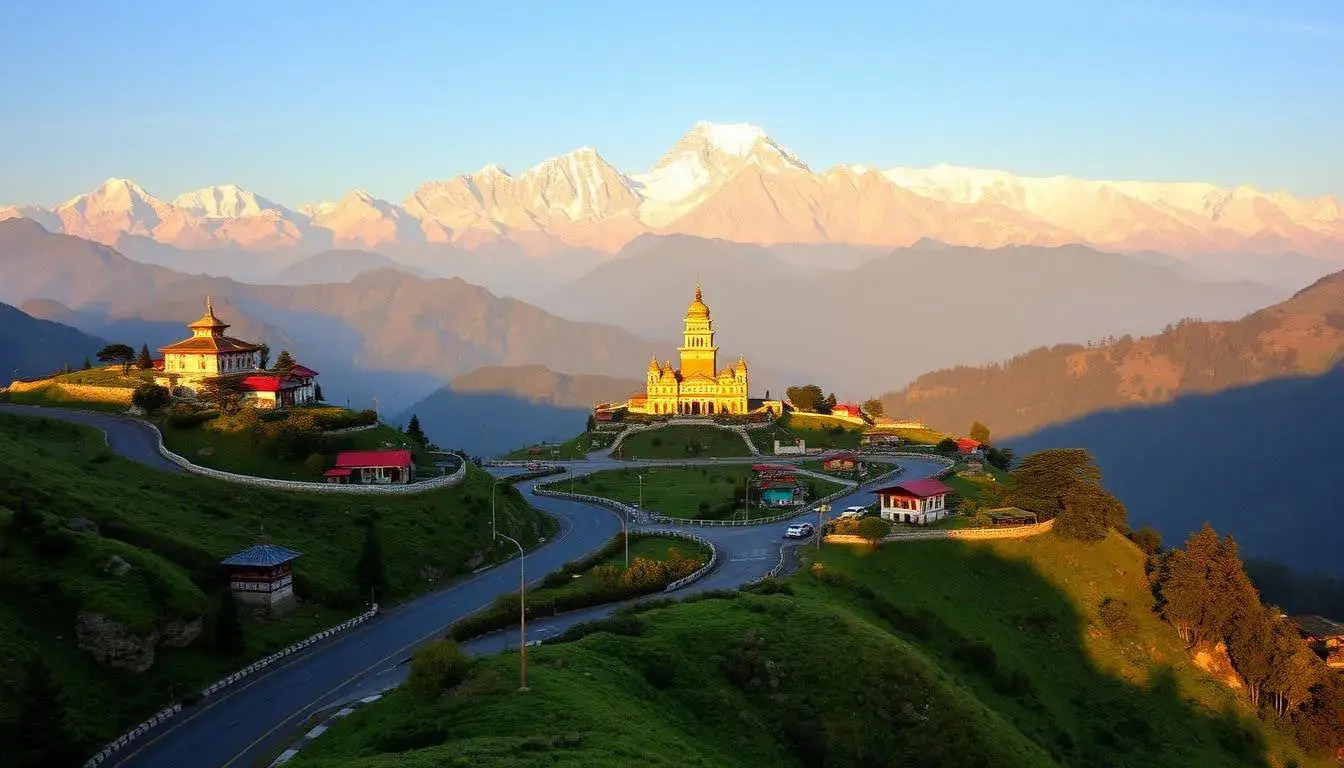
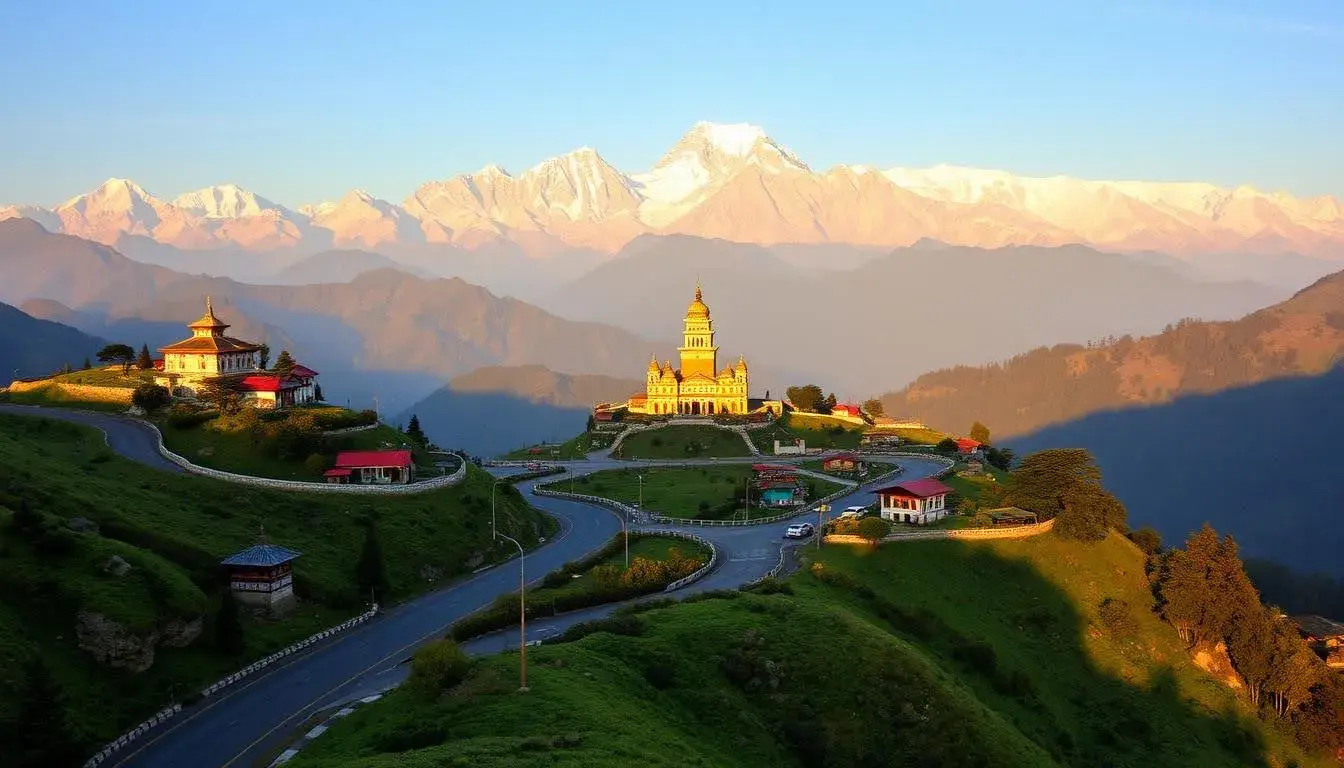
Enchey Monastery's hilltop location provides excellent views of Gangtok city and the surrounding mountains. On clear days, you can see all the way to the Kanchenjunga range, the third-highest mountain in the world. Sunrise and sunset are particularly magical, with the mountains glowing in golden light. There are several vantage points around the monastery grounds. Take time to find different perspectives and enjoy the ever-changing light on the landscape. These viewpoints are excellent for photography, especially during golden hour.Observe Monastic Life
Enchey is home to a community of monks who live, study, and practice there. If you're respectful and observant, you may witness aspects of their daily routine. This might include young monks studying texts, senior monks giving teachings, or preparation for ceremonies. Remember that this is their home and place of work, not a performance for tourists. Observe quietly and respectfully. Photography of monks should always be approached with permission.Interact with Monks (When Appropriate)
Some monks, particularly the younger ones who speak English, may be open to conversation during breaks in their schedule. If you wish to speak with a monk, wait for an appropriate moment and approach respectfully. Many are happy to answer questions about Buddhism and monastery life. However, avoid interrupting monks during their practice times, meals, or rest periods. Use discretion and sensitivity - not every monk will want to engage with visitors, and that choice should be respected.Nearby Attractions to Combine
To make the most of your visit to this area of Gangtok, consider combining Enchey Monastery with nearby attractions:- Ganesh Tok: Located just 2 kilometers from Enchey, this viewpoint offers panoramic views of Gangtok and is dedicated to Lord Ganesha. It's an easy addition to your itinerary and provides excellent photo opportunities.
- MG Marg: Gangtok's main street is just 3 kilometers away and offers shopping, dining, and a lively atmosphere perfect for after your monastery visit.
- Do-Drul Chorten: One of Sikkim's most important stupas, located about 1 kilometer from Enchey. This white stupa contains 108 prayer wheels and is an important pilgrimage site.
- Namgyal Institute of Tibetology: A museum and research center housing an impressive collection of Tibetan artifacts, thangkas, and manuscripts. Located about 2 kilometers from Enchey.
- Rumtek Monastery: While further away (about 8 kilometers), Rumtek is Sikkim's largest monastery and can be visited on the same day if you have a full itinerary.
- Tashi View Point: About 3 kilometers from Enchey, this viewpoint offers spectacular sunrise and sunset views over Gangtok and the mountains.
Photography Tips for Enchey Monastery
Enchey Monastery offers excellent photography opportunities for those who approach it with respect and creativity.Best Times for Photography
Early morning (6-8 AM) provides soft, warm light and fewer crowds. The monks' morning prayers can make for atmospheric images, though always ask permission before photographing ceremonies. Late afternoon (4-6 PM) offers golden hour lighting and long shadows that add depth to your images. Sunrise and sunset from the monastery provide spectacular shots of the mountains and city below. Bring a tripod for long exposures if you plan to shoot during these low-light periods.Compositional Techniques
Include prayer wheels in your foreground to add interest and scale to images. Use the monastery architecture to frame views of the mountains or city below. Photograph the colorful murals and sacred art inside (with permission), using available light to preserve the spiritual atmosphere. Don't just shoot wide views - capture the details too. The texture of prayer flags, the intricate paintings on doors and windows, the faces of devotees spinning prayer wheels - these details tell the story of Enchey beyond its exterior appearance.Equipment Recommendations
A wide-angle lens is useful for capturing the monastery architecture and panoramic views. A telephoto lens can help compress the landscape and capture details of the mountains or distant subjects. A fast prime lens is ideal for low-light situations inside the prayer hall. Consider bringing a polarizing filter to reduce glare and enhance the blue of the sky. Neutral density filters can help with long exposures of prayer flags in the wind or cloud movement over the mountains.Spiritual Significance for Visitors
Even for visitors who are not practicing Buddhists, Enchey Monastery offers opportunities for spiritual reflection and personal growth.Contemplative Environment
The centuries of continuous spiritual practice have created an atmosphere that many find conducive to introspection and peace. Simply sitting quietly in the monastery courtyard or prayer hall can be a meditative experience, allowing you to step away from the busy world and connect with something deeper.Learning About Buddhist Philosophy
The art, architecture, and practices you observe at Enchey offer insights into Buddhist philosophy. The emphasis on compassion, the symbolism of impermanence (represented by sand mandalas that are created and then destroyed), and the dedication to liberation from suffering - all these aspects can offer food for thought regardless of your personal beliefs.Interfaith Understanding
Visiting sacred sites like Enchey Monastery can foster greater understanding and respect for different religious traditions. Observing sincere devotion, learning about beliefs different from your own, and approaching the experience with openness can be enriching and broaden your perspective.Accommodation Options Near Enchey Monastery
While most visitors stay in Gangtok and visit Enchey as a day trip, there are accommodation options in the area.- Gangtok Hotels: The most convenient option with hotels ranging from budget to luxury. Most are within 3-5 kilometers of the monastery.
- Heritage Properties: Some heritage hotels and traditional lodges offer a more authentic experience of Sikkimese hospitality and architecture.
- Homestays: For a deeper cultural experience, consider staying with a local family. Several homestays operate in and around Gangtok.
Responsible Tourism at Enchey Monastery
As Enchey Monastery is both a tourist attraction and a living religious site, responsible tourism is crucial.- Respect Religious Practice: Remember that this is primarily a place of worship, not a museum. Maintain silence, dress modestly, and behave respectfully.
- Support the Monastery: Make donations, purchase religious items from the monastery shop if available, and support the monks' sustenance.
- Environmental Consciousness: Don't litter. Carry out any waste you bring in. Respect the natural environment around the monastery.
- Cultural Sensitivity: Learn a few words of greeting ("Tashi Delek" is the traditional Tibetan greeting). Ask permission before photographing people or ceremonies.
- Purchase Ethically: If buying souvenirs, ensure they're authentic and that your purchase benefits the local community.
Budget Considerations
Visiting Enchey Monastery is quite budget-friendly:- Entry: Free (donations appreciated)
- Transport: ₹100-300 by taxi from MG Marg one-way
- Guide: Optional, but if hiring, ₹500-1000 for a half-day tour including nearby attractions
- Shopping: Religious items and souvenirs range from ₹50-2000 depending on items
Sample Itineraries
Half-Day Morning Itinerary
6:00 AM: Depart Gangtok for early morning visit 6:30 AM: Arrive at Enchey Monastery for morning prayers 7:30 AM: Explore monastery grounds and enjoy morning views 8:30 AM: Walk to nearby Do-Drul Chorten (15 minutes) 9:30 AM: Visit Namgyal Institute of Tibetology 11:00 AM: Return to Gangtok for breakfast/brunchHalf-Day Afternoon Itinerary
2:00 PM: Depart Gangtok for Enchey Monastery 2:30 PM: Explore the monastery and prayer hall 3:30 PM: Proceed to Ganesh Tok viewpoint 4:30 PM: Visit Tashi View Point for sunset views 6:00 PM: Return to GangtokFull-Day Cultural Itinerary
9:00 AM: Visit Enchey Monastery 11:00 AM: Visit Do-Drul Chorten and Namgyal Institute of Tibetology 1:00 PM: Lunch break in Gangtok 2:30 PM: Proceed to Rumtek Monastery 5:00 PM: Return to Gangtok via MG Marg for shopping and dinnerConclusion
Enchey Monastery stands as a testament to Sikkim's rich Buddhist heritage and the enduring power of spiritual practice. For over a century, this hilltop sanctuary has been a place where the ancient traditions of Tibetan Buddhism are kept alive through the daily rituals, prayers, and ceremonies of the monastic community. Whether you're drawn by the dramatic legend of Lama Druptob Karpo, the architectural beauty of traditional Tibetan design, the mesmerizing Cham dances, or simply seeking a peaceful place for reflection, Enchey Monastery offers a profound experience that transcends ordinary tourism. The monastery reminds us that amidst Gangtok's modern development and the bustle of contemporary life, there remain places where time seems to slow down, where spiritual values take precedence, and where the pursuit of enlightenment continues as it has for generations. The panoramic views of the city below and the mountains beyond offer a visual reminder of the Buddhist perspective - seeing both the immediate world and the vast horizon of possibility. As you explore the prayer hall with its sacred images, spin the prayer wheels that have been turned by countless devotees, or simply sit in quiet contemplation watching the light change on the mountains, you become part of Enchey's continuing story. The monastery welcomes all who approach with respect and openness, regardless of their background or beliefs. For those planning a broader exploration of Sikkim, Enchey Monastery can be combined with visits to other sacred sites including Rumtek Monastery, Pemayangtse Monastery, and other important Buddhist sites throughout the region. Nature lovers might also want to explore Tsomgo Lake and Nathula Pass for a complete Sikkim experience. Visit Enchey Monastery not just as a tourist, but as a seeker. Absorb the centuries-old atmosphere, observe the dedication of the monks, and allow the peaceful energy of this sacred place to touch your heart. In doing so, you'll understand why this "solitary temple" has been a beacon of Buddhist practice for so long and continues to inspire all who make the journey up its hill.Location
Frequently Asked Questions
Q1.Where is Enchey Monastery located in Gangtok?
Q2.What is the history of Enchey Monastery?
Q3.What are the opening timings of Enchey Monastery?
Q4.What is the entry fee for Enchey Monastery?
Q5.How do I reach Enchey Monastery from Gangtok?
Q6.What is special about Enchey Monastery?
Q7.When is the Cham dance festival at Enchey Monastery?
Q8.What is the best time to visit Enchey Monastery?
Q9.Is photography allowed inside Enchey Monastery?
Q10.What should I wear when visiting Enchey Monastery?
Q11.How much time should I spend at Enchey Monastery?
Q12.Are there guides available at Enchey Monastery?
Q13.What is the significance of prayer wheels at Enchey Monastery?
Recommended For You
Top 25 Things to Do in Sikkim: Monasteries, Lakes & Adventure Picks
Discover the best things to do in Sikkim from Tsomgo Lake to Nathula Pass. Complete travel guide with trekking, monasteries, and adventure activities.
Gangtok: Complete Travel Plan Places And Weather
Complete Gangtok travel guide with top attractions, best time to visit, 3-5 day itineraries, budget breakdown, transport options, and practical travel tips for exploring Sikkim's capital.
15 Best Places to Visit in Gangtok: Monasteries, Lakes & Ropeways
Explore the best places to visit in Gangtok including Tsomgo Lake, Nathula Pass, Rumtek Monastery, MG Marg, and practical permit-aware travel tips.
Never Miss an Adventure
Get the latest trekking guides, travel tips, and exclusive offers delivered straight to your inbox.
