
Culture of Bhutan Guide: Traditions, Festivals, Etiquette, and Travel Context

Priya Mehta
February 26, 2026
Understand the culture of Bhutan through practical travel context, etiquette, festivals, and community-centered experiences.
Introduction
Bhutan is often described as scenic and peaceful, but its deepest travel value lies in its living culture. Visitors who focus only on viewpoints miss the social, spiritual, and everyday traditions that shape Bhutan’s identity. This guide helps you understand Bhutan’s culture through practical travel context: values, festivals, community behavior, food, dress norms, and respectful visitor conduct. It is designed for travelers who want depth, not just checklist tourism.
Core Cultural Identity
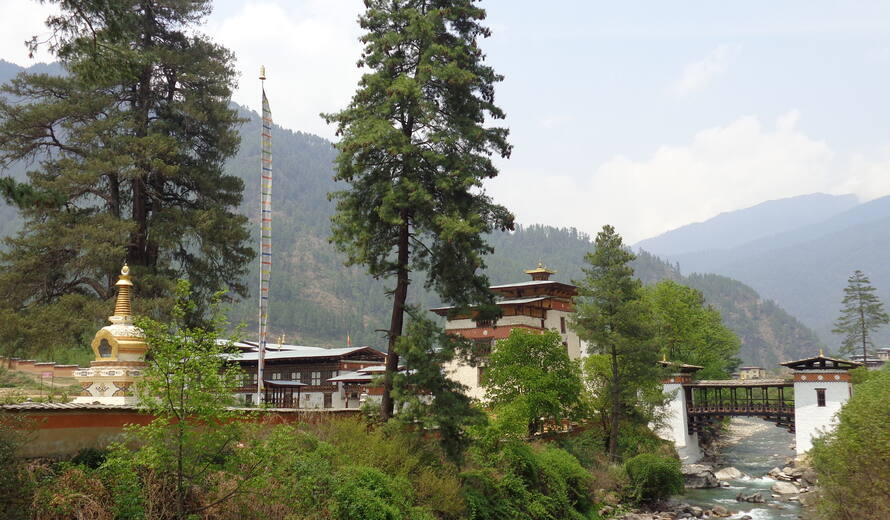
Bhutan’s cultural framework blends spirituality, community life, and governance priorities with strong emphasis on preservation. Cultural continuity is visible in architecture, rituals, public spaces, and local social behavior. Visitors should approach the destination with humility and observation. A slower cultural lens often creates better travel outcomes than rapid attraction coverage.
Monasteries, Dzongs, and Spiritual Life
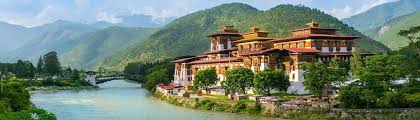
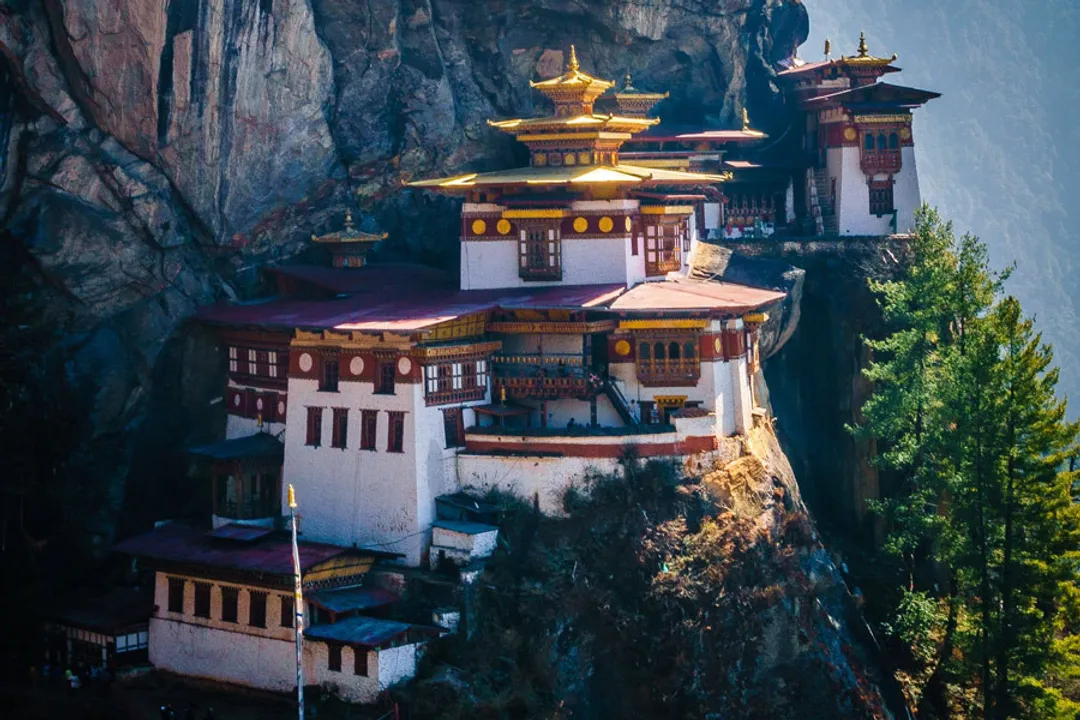
Monastic institutions and dzongs are central to Bhutanese identity. These are active spiritual and administrative spaces, not static monuments. Maintain quiet conduct, follow local guidance, and dress appropriately when visiting. If your itinerary includes spiritual structures in sequence, keep spacing between visits so each site can be experienced with attention rather than rush.
Festivals and Seasonal Cultural Windows
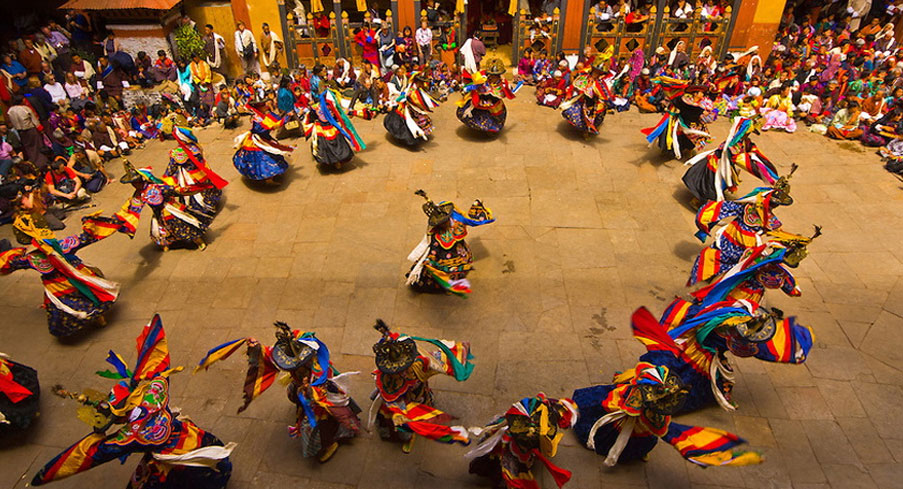
Bhutan’s festival calendar is one of the best ways to experience living tradition. Festival periods can offer rich performances, ritual activity, and local participation, but they also require better planning around crowd and accommodation demand. If festival travel is your priority, align early with festivals in Bhutan and keep realistic movement expectations during peak days.
Everyday Traditions and Social Etiquette
Respectful behavior in Bhutan includes modest dress in sacred areas, quiet tone in spiritual spaces, and sensitivity to local customs in villages and public institutions. Ask before photographing people closely. Avoid treating ritual spaces as social-media sets. Travelers who follow etiquette receive more open cultural interaction and richer local guidance.
Food Culture and Daily Rhythm
Bhutanese food reflects local climate, regional ingredients, and cultural preferences. A good cultural itinerary includes one structured food-learning block rather than random meals only. Keep your palate and comfort in mind while exploring local dishes. For broader trip design, pair food and local life sessions with route planning from backpacking Bhutan styles where slow movement is intentional.
Traditional Sports and Community Life
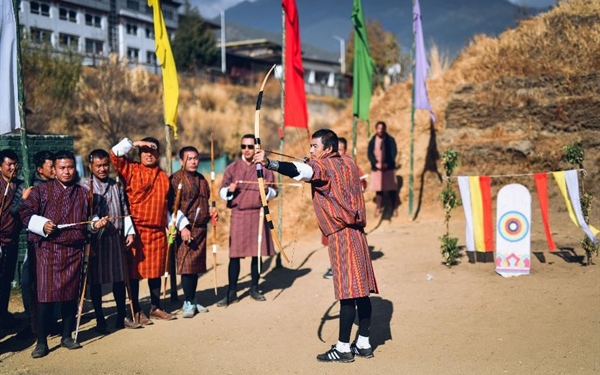
Sports and local gatherings also reveal cultural values. Activities such as archery in Bhutan are part of social identity beyond recreation. If available in your route, include one community-observation block to understand how tradition is embedded in daily life. These moments often provide the most memorable cultural insights.
Markets, Craft, and Cultural Economy
Local markets and craft spaces are useful for understanding how culture translates into daily commerce and artisan livelihoods. Shop responsibly and prioritize quality, authenticity, and fair interaction. If shopping is part of your cultural route, use structured windows and combine with shopping in Bhutan references to avoid random market fatigue.
Sample Cultural 4-Day Framework
Day 1: orientation and gentle cultural introduction. Day 2: spiritual architecture and local history focus. Day 3: festival/craft/community layer. Day 4: reflection and slow local movement. This model creates depth without overload. Add more days for specific regional interests.
Common Mistakes to Avoid
Common mistakes include treating Bhutan as only a scenic destination, overpacking daily movement, and neglecting etiquette in sacred spaces. Another issue is skipping local interaction opportunities due to rigid itinerary pressure. Keep your schedule flexible enough for meaningful pauses and respectful engagement.
Cultural Learning for First-Time Visitors
First-time travelers should keep one learning question per day: What did I understand today about Bhutanese life that I did not know before? This daily reflection improves attention and helps you engage with places beyond surface visuals. Small observations, like how rituals are integrated into daily schedules or how public spaces reflect community values, often become the most meaningful takeaways. Cultural travel is strongest when visitors actively interpret what they see.
Respectful Photography and Storytelling
Bhutan is visually rich, but ethical photography matters. Avoid photographing sensitive rituals without permission and do not interrupt local practice for ideal framing. If you share travel content later, include context and avoid reducing culture to costume-like aesthetics. Responsible storytelling honors the communities you visited and keeps cultural travel respectful. Travelers who follow this approach usually build better local rapport and deeper understanding.
Practical Multi-Day Cultural Route
A useful 6-day structure can include one day for orientation, two days for spiritual and architectural depth, one day for festival or craft focus, one day for community-lifestyle exposure, and one flexible closing day. This pattern gives balance between depth and rest. It also prevents cultural fatigue from over-scheduling too many formal sites in a single stretch.
Cultural Itinerary Deepening Method
To deepen cultural understanding, assign one theme per day: spiritual life, architecture and governance, food and markets, or community practice. This thematic method helps you ask better questions and notice patterns across places. Without themes, travelers often collect scattered impressions that feel disconnected. With themes, each day builds on the previous one and the overall trip feels coherent. This is especially useful for students, researchers, and repeat travelers seeking deeper interpretation.
Keep your schedule intentionally underfilled. Leave room for unplanned but meaningful moments such as conversations, local observations, and quiet pauses near monasteries. These low-speed intervals are where cultural learning often happens. A tightly packed itinerary may look efficient, but it can weaken understanding. Bhutan rewards attention, patience, and respectful curiosity more than destination count.
How to Keep Cultural Days Meaningful
Do not overfill cultural days with back-to-back checkpoints. Leave room for one unplanned conversation, one reflective pause, and one slow meal. These three elements often carry more cultural value than an extra attraction. A meaningful Bhutan day is usually measured by depth of engagement, not number of stops.
Common Visitor Adjustment Curve
Many travelers need one full day to adapt from fast-paced tourism to Bhutan’s slower rhythm. Accept that adjustment phase and avoid judging the trip too early. Once pace aligns with place, cultural understanding improves quickly and travel quality rises.
Reflection Through Respectful Travel
Culture-focused travel in Bhutan becomes most meaningful when travelers pause often and reflect on what they are seeing rather than constantly moving. Quiet observation and respectful curiosity transform the trip from sightseeing to learning.
Balanced Trip Design
A balanced Bhutan cultural itinerary includes spiritual spaces, local food, community rhythm, and unplanned quiet windows. This mix prevents burnout and keeps the journey intellectually and emotionally rewarding.
Conclusion
The culture of Bhutan is best experienced through attentive pacing, respectful conduct, and curiosity about everyday life beyond major landmarks. Plan your journey around traditions, community rhythms, and seasonal context. With this approach, Bhutan becomes not just a destination, but a deeply educational and transformative travel experience.
Location
Frequently Asked Questions
Q1.How can travelers experience Bhutan culture respectfully?
Q2.Are festivals important for understanding Bhutan?
Q3.What is a common cultural travel mistake in Bhutan?
Q4.What is the significance of Bhutanese festivals like Tshechu?
Q5.What should travelers wear or avoid when visiting religious sites in Bhutan?
Recommended For You
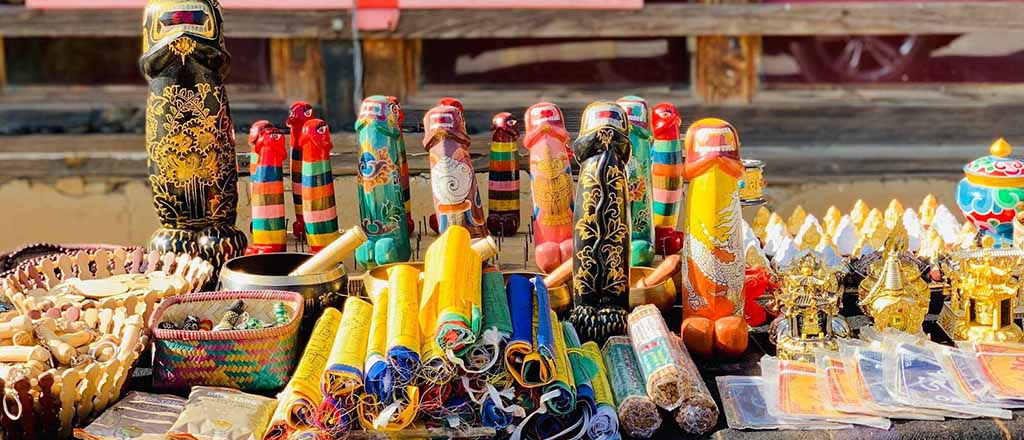
Shopping in Bhutan: Complete Guide to Handicrafts, Textiles & Souvenirs
Discover shopping in Bhutan with our complete guide. Traditional textiles, Thimphu weekend market, handicrafts, prayer flags, thangkas, and authentic Bhutanese souvenirs.
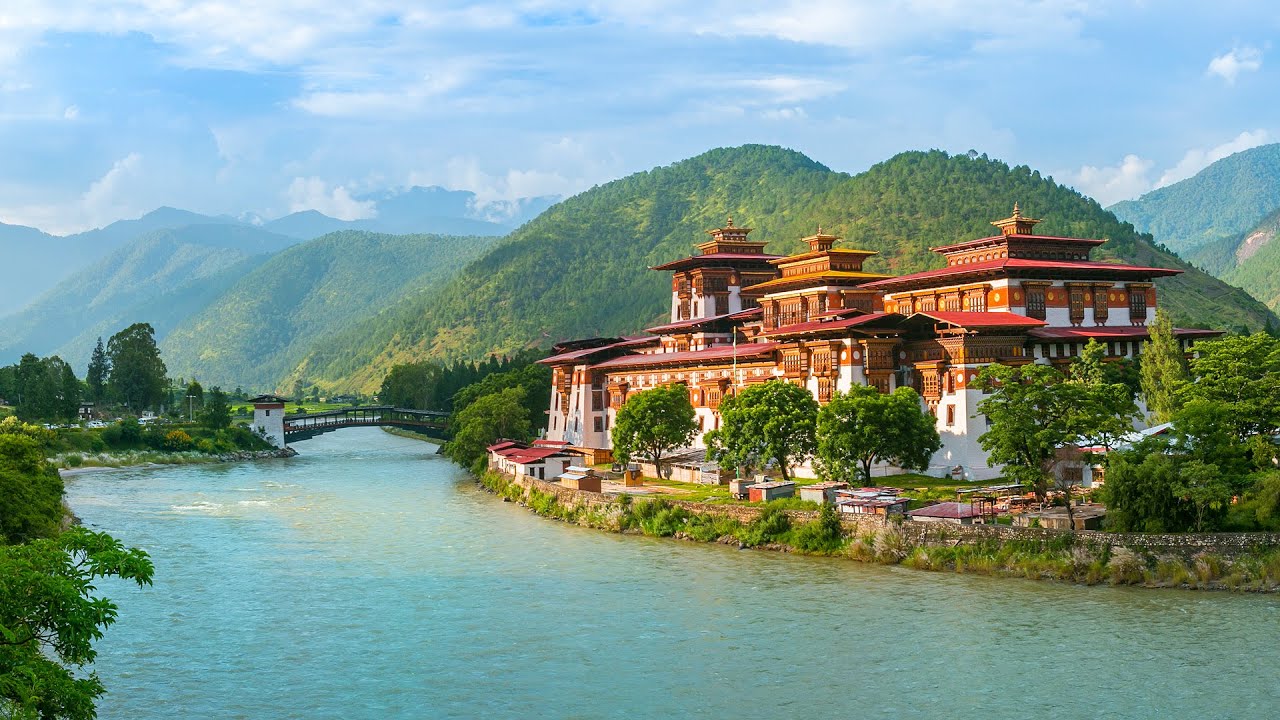
Best Time to Visit Bhutan: Season Guide and Travel Tips
Plan your Bhutan trip with season-wise timing, route strategy, and practical travel tips for smoother and more meaningful journeys.
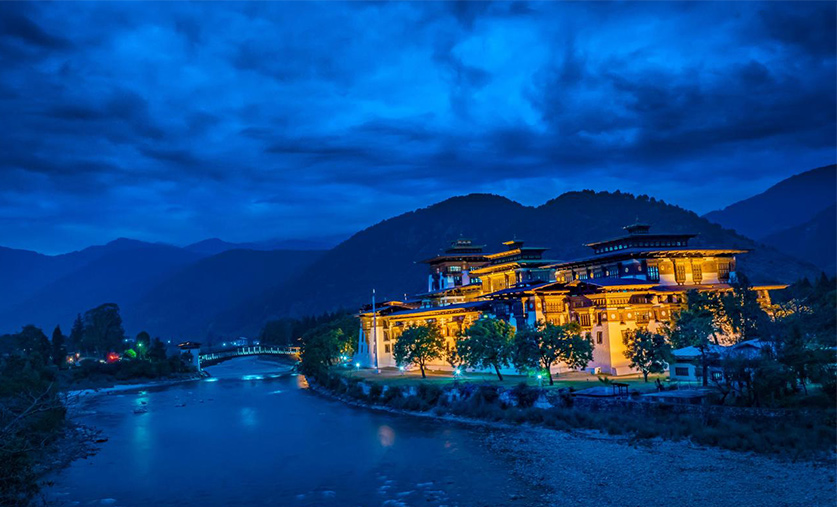
Things to Do in Paro Bhutan: Culture, Monasteries & Trekking Routes
Plan things to do in Paro Bhutan with Tiger’s Nest trek, Paro Dzong, Chele La Pass, temples, and practical 2-3 day itinerary guidance.
Never Miss an Adventure
Get the latest trekking guides, travel tips, and exclusive offers delivered straight to your inbox.
