
Tabo Monastery Spiti: Guide, History & Stay

Neha Kapoor
December 6, 2025
Tabo Monastery in Spiti Valley guide! 1000-year-old temple complex, ancient Buddhist art, accommodation & how to reach.
Tabo Monastery: Ajanta of the Himalayas
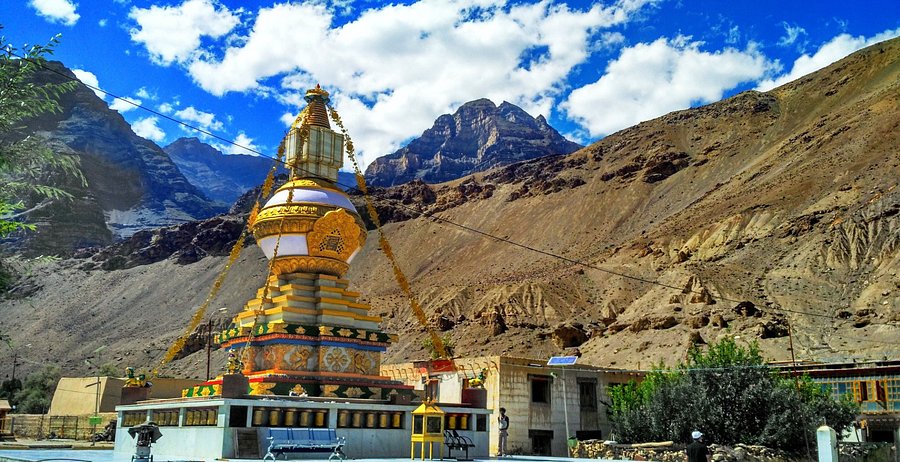
Deep in the Spiti Valley of Himachal Pradesh stands Tabo Monastery - a 1,000-year-old Buddhist temple complex that has earned the title "Ajanta of the Himalayas" for its exquisite wall paintings and ancient art. Founded in 996 AD, this sacred site is the oldest continuously operating Buddhist enclave in India, serving as a center for Tibetan Buddhist learning and practice for over a millennium.
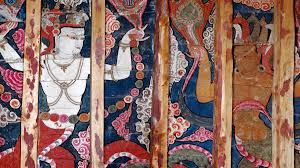
What makes Tabo Monastery extraordinary is its remarkable preservation of ancient Buddhist art. Unlike many heritage sites where time has eroded original artwork, Tabo's temples contain stunning wall paintings that have survived centuries in the high Himalayan desert climate. These paintings depict Buddhist deities, mandalas, and spiritual scenes created by master artisans over 1,000 years ago.
The monastery sits at 10,007 feet in the Spiti Valley, surrounded by stark desert mountains that create a dramatic backdrop for this spiritual sanctuary. For travelers seeking authentic Buddhist heritage, Himalayan culture, and artistic masterpieces, Tabo Monastery offers an unparalleled experience that connects visitors to over a millennium of continuous Buddhist tradition.
History and Spiritual Significance
Foundation and Legacy
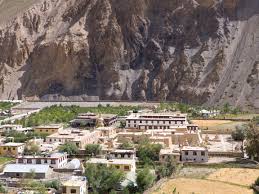
Tabo Monastery was founded in 996 AD by the great Tibetan Buddhist translator Richen Zangpo, under the patronage of the King of Guge in Western Tibet. This period marked the second diffusion of Buddhism in Tibet, and Tabo was established as a center for Buddhist learning, translation, and artistic creation. The monastery's location in Spiti Valley was strategically chosen along ancient trade routes between India, Tibet, and Central Asia.
For over 1,000 years, Tabo has maintained its spiritual and educational mission. Unlike many monasteries that were destroyed or rebuilt over centuries, Tabo's core structures have survived, making it one of the most important living heritage sites of Tibetan Buddhism. The Dalai Lama has expressed his desire to retire in Tabo, calling it one of the most sacred places in the Himalayas.
The Ajanta of the Himalayas
Tabo earned the title "Ajanta of the Himalayas" due to its wall paintings, which bear stylistic similarities to the famous Ajanta Caves in Maharashtra. However, Tabo's art represents the Tibetan Buddhist tradition rather than the earlier Buddhist art of Ajanta. The paintings cover thousands of square feet, depicting intricate mandalas, Buddhist deities, scenes from the life of Buddha, and esoteric Vajrayana Buddhist iconography.
Temple Complex and Architecture
The Nine Temples
Tabo Monastery complex includes 9 temples, along with numerous chortens (stupas) and monk residences. Each temple serves specific spiritual functions:
- Temple of the Enlightened Gods (Tug-Lha-Khang): The main temple housing the centerpiece four-sided Vairocana statue, surrounded by beautiful wall paintings depicting the life of Buddha.
- Golden Temple (Ser-Khang): Named for its golden walls, this temple features stunning murals and is considered particularly sacred.
- Initiation Temple (Djam-Yang-Khang): Used for initiation ceremonies and tantric practices.
- Bodhisattva Maitreya Temple (Byams-Pa-Chen-Po-Lha-Khang): Houses a large statue of Maitreya, the future Buddha.
The complex also includes the nunnery, meditation caves, and numerous chortens containing sacred relics and scriptures. The architecture is characteristic of the period, using mud brick and stone construction that has withstood harsh Himalayan weather for a millennium.
Art and Iconography
Tabo's wall paintings are its greatest treasure. Created using natural mineral pigments, these artworks have maintained their vibrancy for over 1,000 years. The paintings follow strict iconographic guidelines, with each deity, color, and symbol holding specific spiritual meaning. The temple also houses ancient thangkas, statues, and manuscripts.
Accommodation Options
Monastery Guest House
Tabo Monastery operates a basic guest house offering simple rooms with shared bathrooms. Staying here allows visitors to experience monastery life, attend morning prayers, and explore the complex during quiet hours. Rooms are clean but basic - don't expect luxury. This is the most budget-friendly option and provides authentic cultural immersion.
Local Homestays
Several families in Tabo village offer homestay accommodation. This option provides insight into local Spiti culture, home-cooked meals, and warm hospitality. Homestays are typically more comfortable than the monastery guest house and offer better value for money. Prices range from INR 800-1,500 per night including meals.
Hotels and Guesthouses
Tabo village has several small hotels and guesthouses offering private rooms with attached bathrooms. Options include:
- Banjara Retreats: Mid-range comfort with excellent views and professional service.
- Miiling Guest House: Popular with travelers, offering comfortable rooms and home-style food.
- Dekyid's Guest House: Basic but clean accommodation with warm hospitality.
How to Reach Tabo
From Kaza
Tabo is located approximately 48 kilometers from Kaza, the headquarters of Spiti Valley. The journey takes 2-3 hours by road through spectacular Spiti landscapes. Shared taxis and private vehicles are available. The road is well-maintained but narrow and winding - allow adequate travel time.
From Manali
The Manali to Tabo route via Kaza and Kunzum Pass is approximately 240 kilometers, taking 8-10 hours. This route is open only from June to October when Kunzum Pass is accessible. The journey is challenging but offers some of the most dramatic Himalayan scenery.
From Shimla
The Shimla to Tabo route via Kinnaur is longer (approximately 400 kilometers) but accessible year-round (weather permitting). This route takes 2-3 days with stops. It's more scenic and gradual than the Manali route, making it preferable for those uncomfortable with high mountain passes.
Public Transport
HRTC (Himachal Road Transport Corporation) buses connect Kaza to Tabo. Buses are infrequent but budget-friendly. Shared taxis from Kaza are more flexible and don't take much longer. For comfort and flexibility, hiring a private vehicle is recommended.
Best Time to Visit
Summer (May-June) - Best Season
Summer offers the most pleasant weather and access. Temperatures are comfortable (15-25°C during the day), roads are open, and the monastery is fully accessible. This is the peak tourist season - expect more visitors but also better facilities and organized tours.
Autumn (September-October) - Highly Recommended
Post-monsoon autumn is magical in Spiti. Skies are clearest, temperatures are pleasant, and crowds thin out. The light is perfect for photography, and temperatures remain comfortable. This is an excellent time for cultural experiences as the monastery prepares for winter.
Winter (November-April)
Winter is extremely challenging but rewarding for dedicated travelers. Temperatures drop to -20°C or below, and heavy snow can block access. However, those who reach Tabo in winter experience the monastery in its most authentic, peaceful state with few tourists and monks in deep retreat. Only attempt winter travel if you're experienced with harsh conditions.
| Season | Temperature | Accessibility | Experience |
|---|---|---|---|
| Summer (May-Jun) | 15-25°C | Fully accessible | Best overall season |
| Monsoon (Jul-Aug) | 15-20°C | Accessible, some road issues | Fewer crowds, green valleys |
| Autumn (Sep-Oct) | 10-20°C | Fully accessible | Clearest skies, great photos |
| Winter (Nov-Apr) | -20 to 5°C | Limited access | Extreme cold, very quiet |
Nearby Attractions
Dhankar Monastery
Perched dramatically on a cliff, Dhankar Monastery (approximately 35 kilometers from Tabo) offers stunning views and ancient art. The 1,000-year-old monastery is accessible by a short hike and is less visited than Tabo. Meditation-focused travelers often pair a Tabo stay with a visit to the nearby Tabo meditation caves, carved into the cliff face above the monastery.
Pin Valley National Park
Located approximately 60 kilometers from Tabo, this national park is home to snow leopards, ibex, and diverse Himalayan wildlife. The park offers trekking opportunities and pristine high-altitude desert landscapes.
Kaza
The main town of Spiti Valley, Kaza (48 kilometers from Tabo) offers additional monasteries, markets, and serves as the base for exploring the region. Key Monastery, Spiti's largest monastery, is near Kaza.
Kibber Village
One of the world's highest inhabited villages, Kibber sits at 14,200 feet and offers insights into high-altitude village life. The village is accessible from Kaza.
Conclusion
Tabo Monastery represents a living bridge to over 1,000 years of continuous Buddhist tradition. The ancient wall paintings, sacred temples, and spiritual atmosphere create an experience that transcends typical tourism. Whether you're a Buddhist practitioner seeking connection to an ancient lineage, an art enthusiast admiring millennium-old masterpieces, or a traveler exploring the Himalayas, Tabo delivers a profound experience that resonates long after you leave.
The monastery's survival for over a millennium in Spiti's harsh environment is a testament to the spiritual dedication of generations of monks and artisans. Visiting Tabo isn't just sightseeing - it's participating in a 1,000-year-old tradition of pilgrimage, art, and spiritual practice.
Combine your Tabo visit with Key Monastery, explore the Kaza region, or discover other Spiti Valley attractions.
Location
Frequently Asked Questions
Q1.Why is Tabo Monastery famous?
Q2.How old is Tabo Monastery?
Q3.Can you stay at Tabo Monastery?
Q4.What are the timings of Tabo Monastery?
Q5.Is photography allowed inside Tabo Monastery?
Q6.How long does it take to visit Tabo Monastery?
Q7.How do I reach Tabo Monastery from Kaza?
Q8.What is the best time to visit Tabo Monastery?
Recommended For You
Kibber Village Spiti: Altitude, Weather, Homestays & Route
Planning Kibber Village in Spiti? Get altitude details, best season, route from Kaza, weather tips, homestay guidance, and wildlife-focused travel advice.
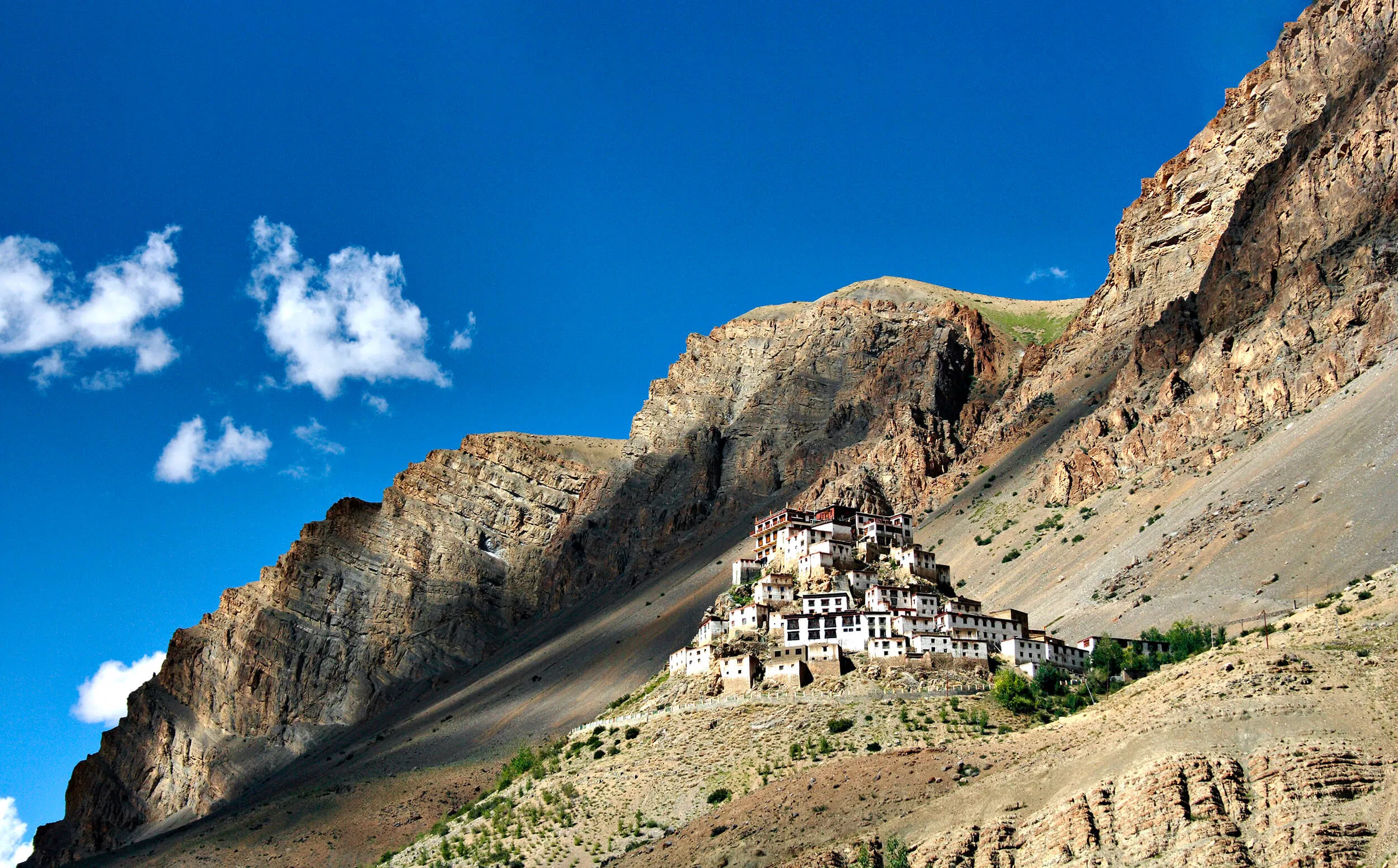
Spiti Valley in Summer: Complete Travel Guide, Itinerary & Tips 2026
Discover Spiti Valley in summer with complete travel guide featuring 7-10 day itineraries, trekking routes, monasteries, Chandratal Lake, and essential tips for 2026.
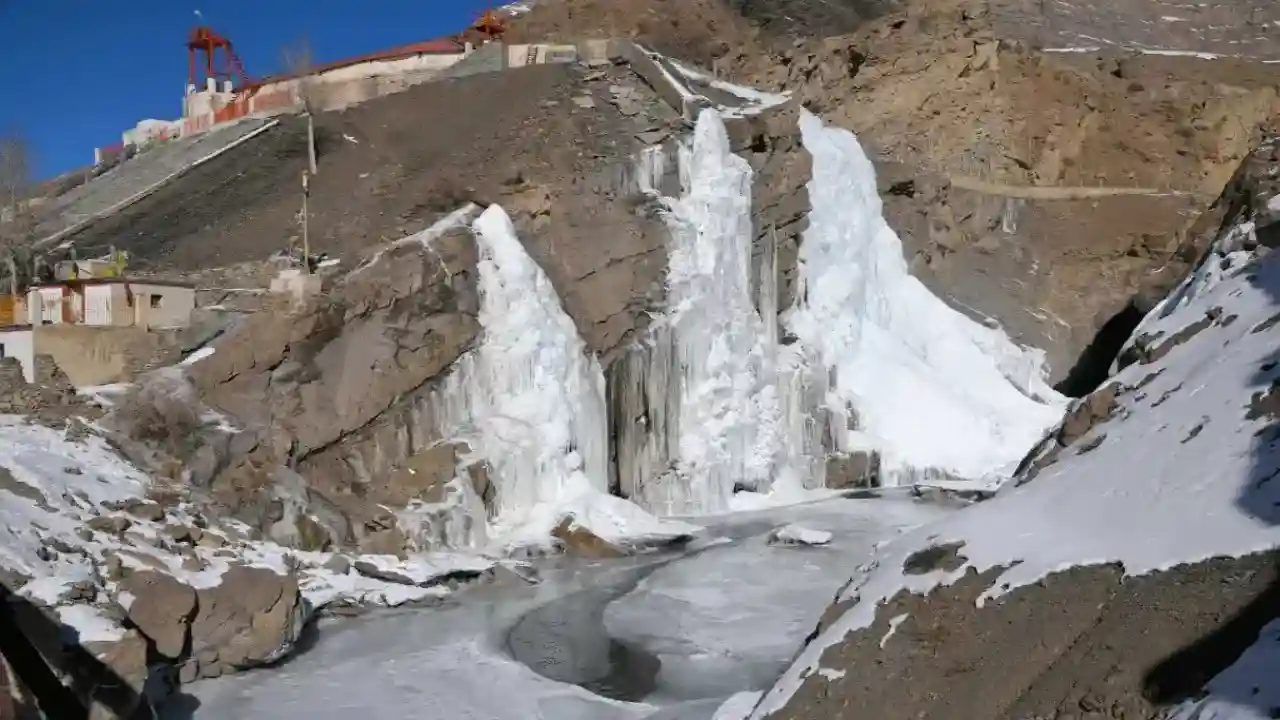
Lingti Waterfall Spiti Valley: Route, Trek Info & Seasonal Access
Discover Lingti Waterfall in Spiti Valley - a hidden cascade fed by the Lingti River. Complete travel guide with trekking information, best time to visit, photography tips, and nearby attractions in Himachal Pradesh.
Never Miss an Adventure
Get the latest trekking guides, travel tips, and exclusive offers delivered straight to your inbox.
