
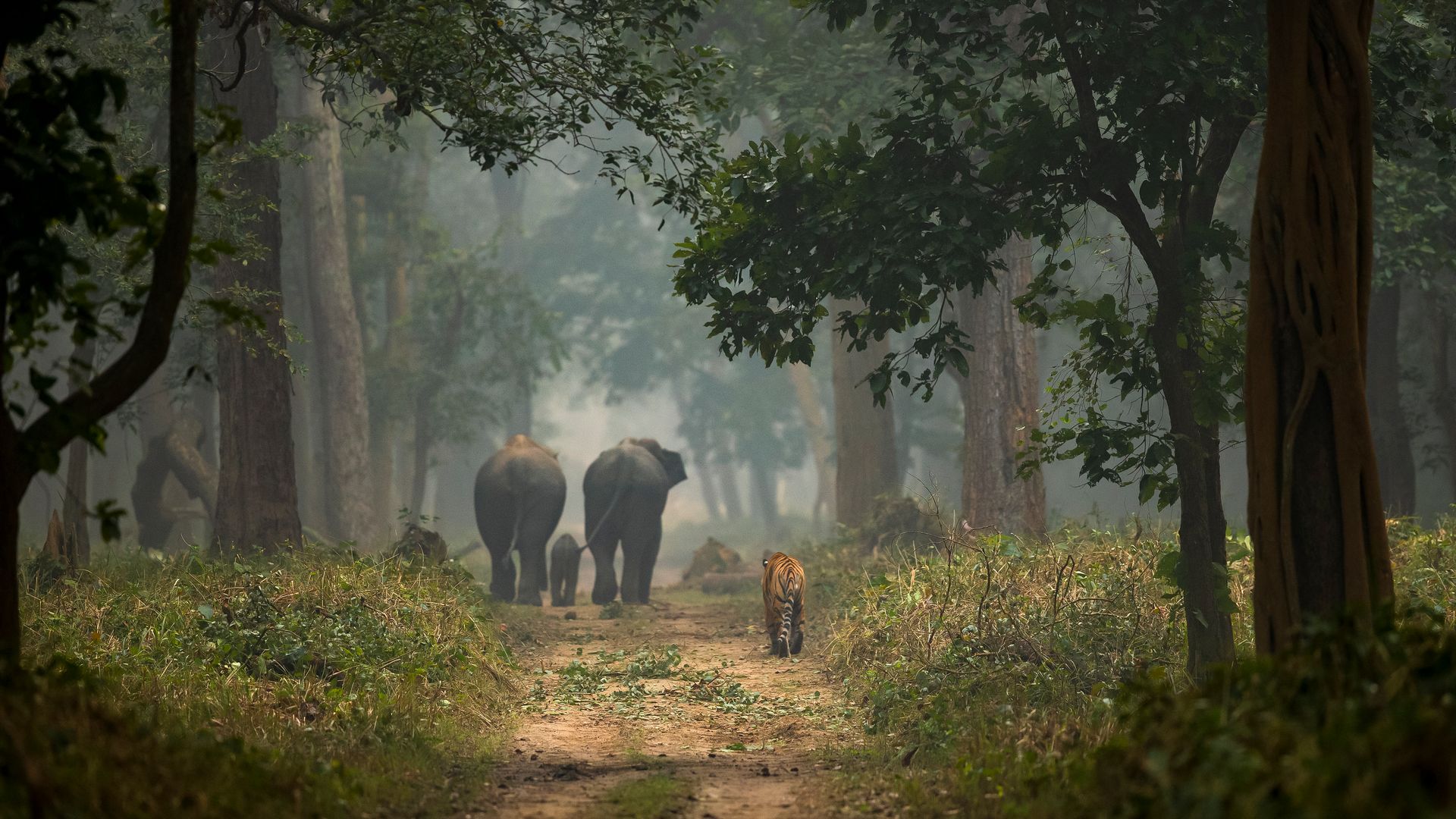
Dudhwa National Park: Safari Zones, Booking & Best Season
Rohit Verma
February 19, 2026
Explore Dudhwa National Park in Uttar Pradesh. Complete guide to rhino and tiger safaris, best time to visit, zones, wildlife, booking tips & accommodation.
Introduction to Dudhwa National Park
Located in the Terai region of Uttar Pradesh, Dudhwa National Park stands as one of India's most fascinating yet relatively unexplored wildlife reserves. Established in 1977 and spanning approximately 490 square kilometers, this pristine wilderness represents one of the few remaining terai ecosystems in India. What makes Dudhwa truly special is its unique location - it sits on the India-Nepal border, forming a crucial transboundary wildlife corridor that allows free movement of animals between the two countries. Combine your trip with Chitwan National Park in Nepal for a unique transboundary wildlife experience.
The park's name comes from the Dudhwa River that flows through its heart, creating diverse habitats ranging from dense sal forests to extensive grasslands and marshes. This varied landscape supports an incredible diversity of flora and fauna, including some species rarely found elsewhere in India. Unlike many commercialized tiger reserves, Dudhwa retains its wild character, offering visitors an authentic wilderness experience far from the crowds.
The One-Horned Rhinoceros of Dudhwa
Dudhwa National Park's most unique claim to fame is its population of the great one-horned rhinoceros, a species that was successfully reintroduced here after being locally extinct. In 1984, rhinos from Assam's Pobitora Wildlife Sanctuary and Nepal's Chitwan National Park were translocated to Dudhwa, creating a thriving population that now numbers over 30 individuals.
These prehistoric-looking creatures, armor-plated and weighing up to 2,000 kilograms, represent one of conservation's great success stories. Watching a rhino emerge from the tall grasslands or wallow in a marsh is a sight that transports visitors back to ancient times. Unlike many parks where rhino sightings are rare, Dudhwa's grasslands offer excellent opportunities to encounter these magnificent creatures, especially during the early morning safaris when they're most active.
Best Time to Visit Dudhwa National Park
Timing your visit to Dudhwa National Park significantly impacts your wildlife viewing experience. The park remains open from November to June, with each season offering distinct advantages and experiences.
November to February (Winter): The weather remains pleasant with temperatures ranging from 5-20°C. Morning safaris can be quite chilly with mist hanging over the grasslands, creating atmospheric conditions perfect for wildlife viewing and photography. This is the most comfortable time for safaris, and the park looks beautiful with winter colors. This is also the peak tourist season, so advance booking is recommended.
March to June (Summer): As temperatures rise to 35-40°C, animals frequent water sources more predictably. While the heat can be intense, especially during May and June, the dry vegetation improves visibility, and wildlife encounters around water holes become more frequent. Summer is particularly good for rhino and tiger sightings as they congregate near remaining water sources.
Monsoon (July to October): The park remains closed during these months for animal breeding season and maintenance.
Safari Zones and Booking
Dudhwa National Park is organized into several zones, each offering unique landscapes and wildlife experiences. Understanding these zones helps in planning your safari effectively.
Dudhwa Range: The core area of the park, Dudhwa range offers the most diverse wildlife viewing opportunities. The terrain varies from dense sal forests to extensive grasslands, creating habitats for various species. This zone has the highest probability of rhino sightings and excellent tiger encounters.
Kishanpur Range: Located approximately 30 kilometers from Dudhwa, this range is known for its beautiful forests and diverse wildlife. It's less visited than the main Dudhwa range, offering a quieter safari experience with excellent opportunities for wildlife photography.
Katerniaghat Range: A separate wildlife sanctuary that's often visited in combination with Dudhwa, Katerniaghat is famous for its gharial (fish-eating crocodile) population and diverse birdlife. The terrain here includes riverine forests and grasslands along the Girwa River.
Booking Tips: Safari bookings can be made online or at the park entrance. Morning safaris (6:30-10:00 AM) generally offer better wildlife activity, especially for rhinos and tigers. Afternoon safaris (2:30-6:00 PM) can be productive during summer months when animals seek water.
Beyond Rhinos: Diverse Wildlife
While rhinos are the star attraction, Dudhwa hosts an incredible diversity of wildlife that makes every safari exciting. The park's ecosystem supports over 50 species of mammals, 400+ bird varieties, and numerous reptile species.
Major Mammals: The park is home to a significant tiger population, estimated at approximately 80-100 individuals. Other notable species include leopard, jungle cat, fishing cat, sloth bear, hispid hare (an endangered species found only in the Terai), swamp deer (barasingha), sambar, chital (spotted deer), hog deer, and wild boars. The park also has a significant population of jackals and wild elephants that occasionally cross from Nepal. For more tiger reserves, explore Ranthambore National Park in Rajasthan.
Birdlife: Dudhwa is a birdwatcher's paradise, home to species like the Bengal florican (critically endangered), great slaty woodpecker, painted stork, sarus crane, and numerous migratory species that visit during winter. The grasslands support a variety of raptors including marsh harriers and greater spotted eagles. Discover more birdwatching destinations in our guide to the world's best bird sanctuaries.
Reptiles: The park supports mugger crocodiles and gharials in the river systems, along with various snake species including pythons, cobras, and kraits. The marshes and wetlands provide ideal habitat for freshwater turtles and monitor lizards.
Types of Safari Experiences
Dudhwa offers safari experiences that provide unique perspectives of the terai wilderness.
Jeep Safari (6 Seater): The most popular choice, offering flexibility, better photography opportunities, and a more intimate wildlife experience. Open-top jeeps allow for 360-degree viewing and excellent photographic angles. Jeeps can navigate narrow trails and follow fresh pugmarks through tall grasslands.
Elephant Safari: A unique experience that allows you to explore the dense forests and tall grasslands from atop an elephant, providing a different perspective and the chance to approach wildlife more quietly. This is particularly useful for rhino tracking in areas where vehicles cannot access.
Both safari types are accompanied by experienced naturalists and guides who enhance your experience with their knowledge of animal behavior, tracking skills, and fascinating stories about the park's residents.
How to Reach Dudhwa National Park
By Air: The nearest airport is Lucknow (250 km away), well-connected to major Indian cities. From Lucknow, you can hire a taxi or take a bus to Dudhwa. The journey takes approximately 5-6 hours.
By Train: The nearest railway station is Dudhwa (2 km from the park), though it's a small station with limited connections. Mailani (15 km) and Palia (10 km) are other options. For better connectivity, use Lucknow or Shahjahanpur railway stations.
By Road: Dudhwa is accessible by road from major cities. The drive from Lucknow takes approximately 5-6 hours (250 km) via Shahjahanpur and Palia. From Delhi, it's approximately 8-9 hours (430 km). Regular buses and private taxis operate on these routes.
Where to Stay Near Dudhwa
Accommodation options range from forest rest houses to budget-friendly lodges, catering to different preferences and budgets.
Forest Rest Houses: The park's forest rest houses offer authentic stay experiences within the park boundaries. Options include Dudhwa, Sathiana, Kishanpur, and Bankatti rest houses. Bookings are managed by the forest department and require advance reservation. These provide basic but comfortable facilities and incredible locations.
Private Lodges: Several private lodges and resorts near Palia Kalan offer comfortable accommodation with essential amenities. These properties provide good value with proximity to park gates and can arrange safari bookings.
Budget Options: Basic accommodation is available in Palia Kalan town for budget travelers, though you'll need to arrange transportation to the park entrance for safaris.
Essential Safari Tips
- Book Early: Reserve safaris at least 2-3 days in advance, especially during peak seasons and weekends. Forest rest house bookings should be made weeks in advance.
- Wear Earth Tones: Neutral colors like khaki, olive, and brown help you blend with the environment.
- Carry Binoculars: Essential for spotting wildlife in tall grasslands and appreciating birdlife.
- Stay Silent: Maintain quiet during safaris to avoid disturbing animals and maximize sightings.
- Be Patient: Wildlife viewing requires patience, especially in dense forests and tall grasslands.
- Respect Rules: Follow your guide's instructions and park regulations for your safety and animal welfare.
- Stay Hydrated: Carry water, especially during summer morning safaris.
- Camera Preparation: Bring telephoto lenses (200mm+) and extra batteries for wildlife photography.
Photography Tips for Dudhwa
Capturing the perfect wildlife shot in Dudhwa requires preparation and patience. The tall grasslands can be challenging for photography, so focus on open areas and forest edges. Use fast shutter speeds (1/1000 or higher) to freeze animal movement. Shoot during the golden hours (early morning and late afternoon) for the most dramatic lighting. The winter mist creates atmospheric conditions perfect for moody wildlife shots. Respect the animals' space and never use flash photography.
Conservation Success Story
Dudhwa National Park represents one of India's most remarkable conservation success stories. The reintroduction of the one-horned rhinoceros, after being locally extinct for decades, demonstrates what dedicated conservation efforts can achieve. Similarly, the park's tiger population has been stable and growing, though challenges persist due to the park's proximity to human settlements and the Nepal border. The park also plays a crucial role in protecting the hispid hare and Bengal florican, both critically endangered species. Your visit directly supports these conservation initiatives and local communities, making responsible tourism crucial for the park's future.
Conclusion
Dudhwa National Park offers a unique and authentic wilderness experience that's increasingly rare in India's commercialized tourism landscape. From the magnificent one-horned rhinoceros to the majestic Bengal tiger, from the endangered hispid hare to the beautiful Bengal florican, Dudhwa protects species found nowhere else in the country. Whether you're a seasoned wildlife enthusiast or a first-time visitor, the park's magic will leave an indelible mark on your soul. The thrill of watching a rhino emerge from the mist, the excitement of tracking tigers through tall grasslands, and the serenity of the terai forests create memories that last a lifetime. Plan your visit thoughtfully, respect the wilderness, and prepare for one of India's most unique wildlife adventures.
Location
Frequently Asked Questions
Q1.What is the best time to visit Dudhwa National Park?
Q2.Can we see one-horned rhinoceros in Dudhwa?
Q3.How many safaris should I book for good wildlife sightings?
Q4.How far in advance should I book Dudhwa safaris?
Q5.Is Dudhwa National Park safe for families with children?
Q6.What should I carry for a Dudhwa safari?
Q7.How to reach Dudhwa from Lucknow?
Q8.What wildlife can we see besides rhinos and tigers?
Q9.What is unique about Dudhwa National Park?
Q10.Can we visit Katerniaghat Wildlife Sanctuary with Dudhwa?
Recommended For You
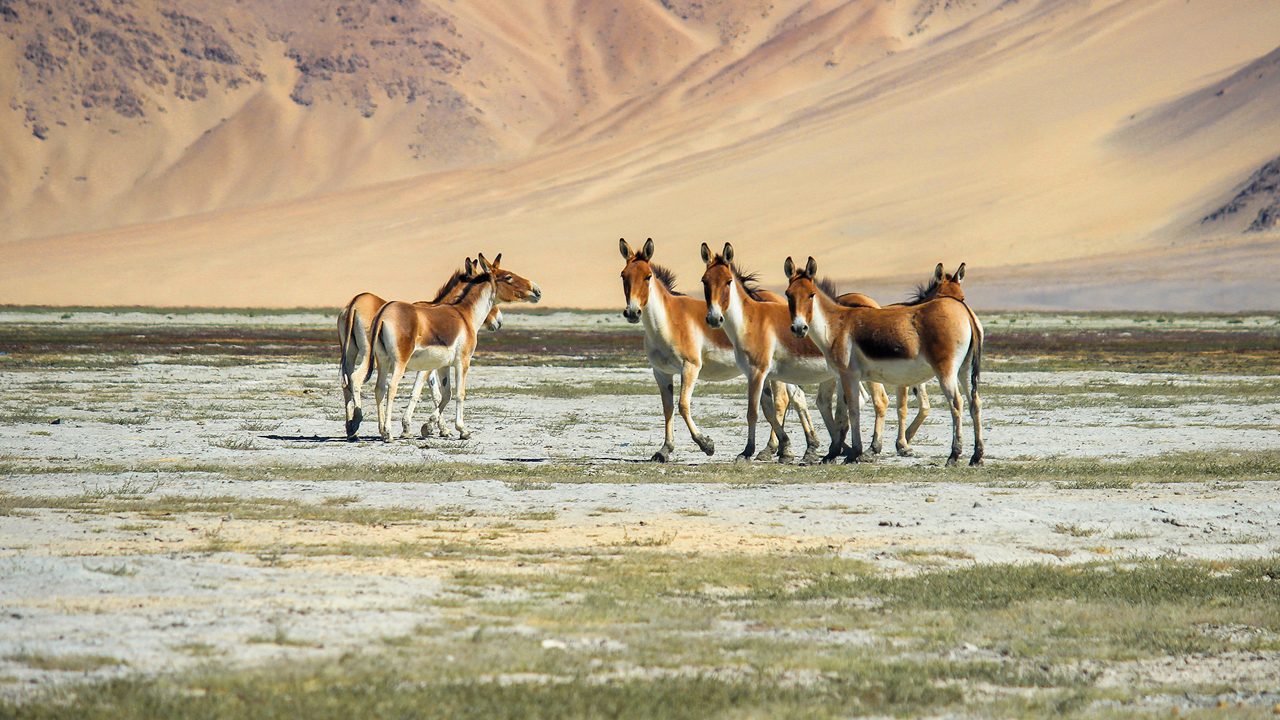
Hemis National Park Ladakh: Snow Leopard Tracking & Travel Info
Explore Hemis National Park Ladakh, home to the world's highest density of snow leopards. Discover wildlife, trekking & tracking in this Himalayan paradise.

Pilibhit Tiger Reserve: Safari Zones, Permit & Best Wildlife Sightings
Explore Pilibhit Tiger Reserve in Uttar Pradesh. Complete guide to tiger safaris, best time to visit, zones, wildlife, booking tips & accommodation.
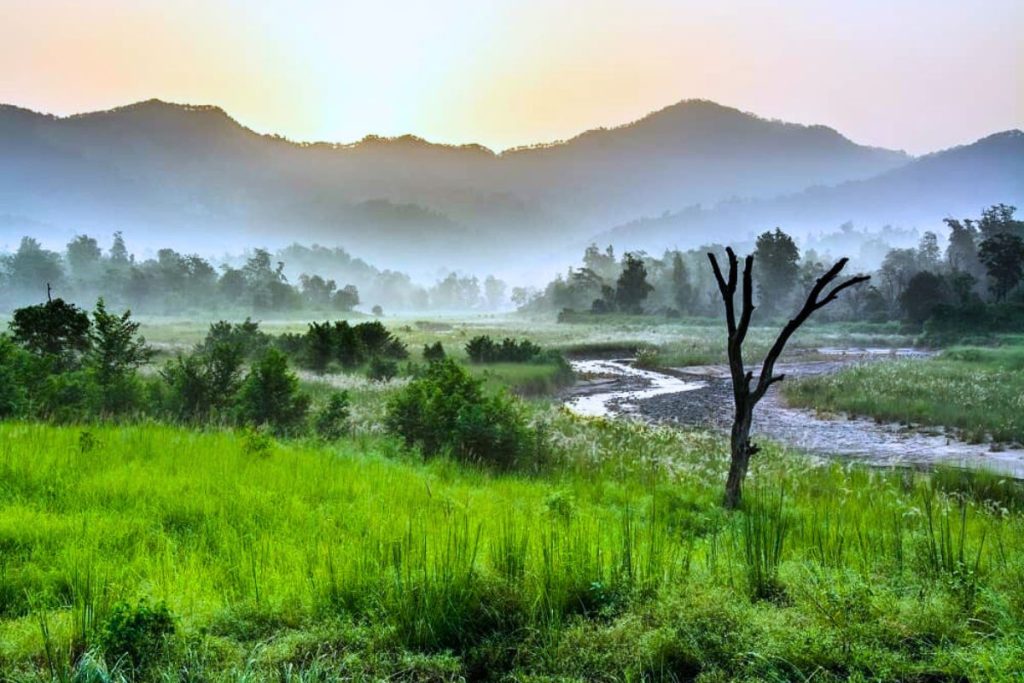
Rajaji National Park: Elephant Safari, Zones & Visitor Information
Explore Rajaji National Park in Uttarakhand. Complete guide to elephant safaris, best time to visit, zones, wildlife, booking tips & accommodation near Haridwar.
Never Miss an Adventure
Get the latest trekking guides, travel tips, and exclusive offers delivered straight to your inbox.
