
Famous Places to Visit in Bilaspur: Top 20 Attractions

Neha Kapoor
January 21, 2026
Explore Bilaspur, Chhattisgarh's cultural capital. Discover Achanakmar Wildlife Sanctuary, ancient Malhar ruins, Khutaghat Dam, Ratanpur temples, Kosa silk & more. Complete travel guide.
Introduction to Bilaspur - Cultural Capital of Chhattisgarh
Bilaspur, often called the cultural capital of Chhattisgarh, is a city that seamlessly blends ancient heritage with modern development. Located in the central part of the state, Bilaspur serves as a melting pot of tribal culture, historical significance, and natural beauty. The city's strategic location has made it an important commercial and educational hub, but it's the rich cultural tapestry and proximity to remarkable natural attractions that make it a compelling destination for travelers. What sets Bilaspur apart is its incredible diversity - from ancient archaeological sites that date back thousands of years to one of Central India's most important wildlife sanctuaries. The city is surrounded by dense forests, scenic water bodies, and tribal villages that offer authentic experiences of Chhattisgarh's indigenous cultures. Whether you're a history buff exploring ancient ruins, a wildlife enthusiast tracking tigers, or a cultural traveler experiencing tribal traditions, Bilaspur has something unique to offer. The region around Bilaspur has been inhabited since ancient times, with evidence of human settlement dating back to the Stone Age. The city itself has a rich historical legacy, having been ruled by various dynasties including the Haihayas, Kalchuris, and Marathas. This rich history is reflected in the numerous temples, archaeological sites, and historical monuments that dot the region.Achanakmar Wildlife Sanctuary
The Achanakmar Wildlife Sanctuary stands as one of Bilaspur's most prized natural assets and a haven for wildlife enthusiasts. Located approximately 55 kilometers from the city, this sanctuary covers an area of 557 square kilometers and was declared a tiger reserve in 2009 as part of the Project Tiger initiative. The sanctuary's name is derived from a legend that claims a king once lost his way here and found it impossible to cross the mountains - thus the name "Achanakmar" meaning "unintentionally killed."Wildlife Diversity
The sanctuary is home to an impressive diversity of flora and fauna. The Bengal tiger, for which the reserve was declared, is the star attraction, though sightings are rare due to the dense forest cover. Other predators include leopards, wild dogs, and sloth bears. The herbivore population includes chital (spotted deer), sambar, barking deer, nilgai, and wild boar. The sanctuary is particularly rich in birdlife, with over 200 species recorded including the endangered Oriental white-backed vulture.Safari Experience
Wildlife safaris in Achanakmar are conducted in jeeps accompanied by trained naturalists and forest department guides. The safaris typically last 3-4 hours and offer visitors the opportunity to experience the forest's incredible biodiversity. The best time for wildlife sightings is early morning when animals are most active. The sanctuary offers two safari zones, each with different landscape features and wildlife densities.Best Time to Visit
The sanctuary is open from October to June, with the period from November to April offering the best wildlife viewing opportunities. During these months, the deciduous forest sheds its leaves, improving visibility and making it easier to spot wildlife. The monsoon season (July-September) sees the sanctuary closed to visitors. For those passionate about wildlife, Barnawapara Wildlife Sanctuary is another excellent destination in Chhattisgarh that offers diverse flora and fauna experiences.Malhar: Ancient Archaeological Site
Located just 30 kilometers from Bilaspur, Malhar is an archaeological site of immense historical significance that dates back over 2,000 years. Once the capital of the Kalchuri dynasty, Malhar was a major center of power, culture, and trade from the 9th to 12th centuries CE. History enthusiasts interested in exploring more archaeological sites in India might also enjoy reading about the Ajanta Ellora caves, which showcase another magnificent chapter of India's ancient heritage.Historical Significance
Archaeological excavations at Malhar have revealed evidence of continuous habitation from the Stone Age through the medieval period. The site gained prominence under the Kalchuri dynasty, who ruled the region from here. The ruins include numerous temples, fortifications, water reservoirs, and other structures that speak to the city's former grandeur.Temple Ruins
The most significant remains at Malhar are the temple complexes, though most are in various states of ruin. The Pataleshwar Temple, dedicated to Lord Shiva, is the most impressive structure, featuring intricate carvings and architectural elements that showcase the skill of ancient craftsmen. Other temples include the Devri Temple and the Dindeshwari Temple, each with their unique architectural features.Museum Collection
The on-site museum houses an impressive collection of artifacts discovered during excavations. These include ancient sculptures, coins, pottery, inscriptions, and other objects that provide insights into the daily life, religious practices, and artistic achievements of the people who lived here. The museum is particularly noted for its collection of Yogini sculptures, which are rare and artistically significant.Khutaghat Dam
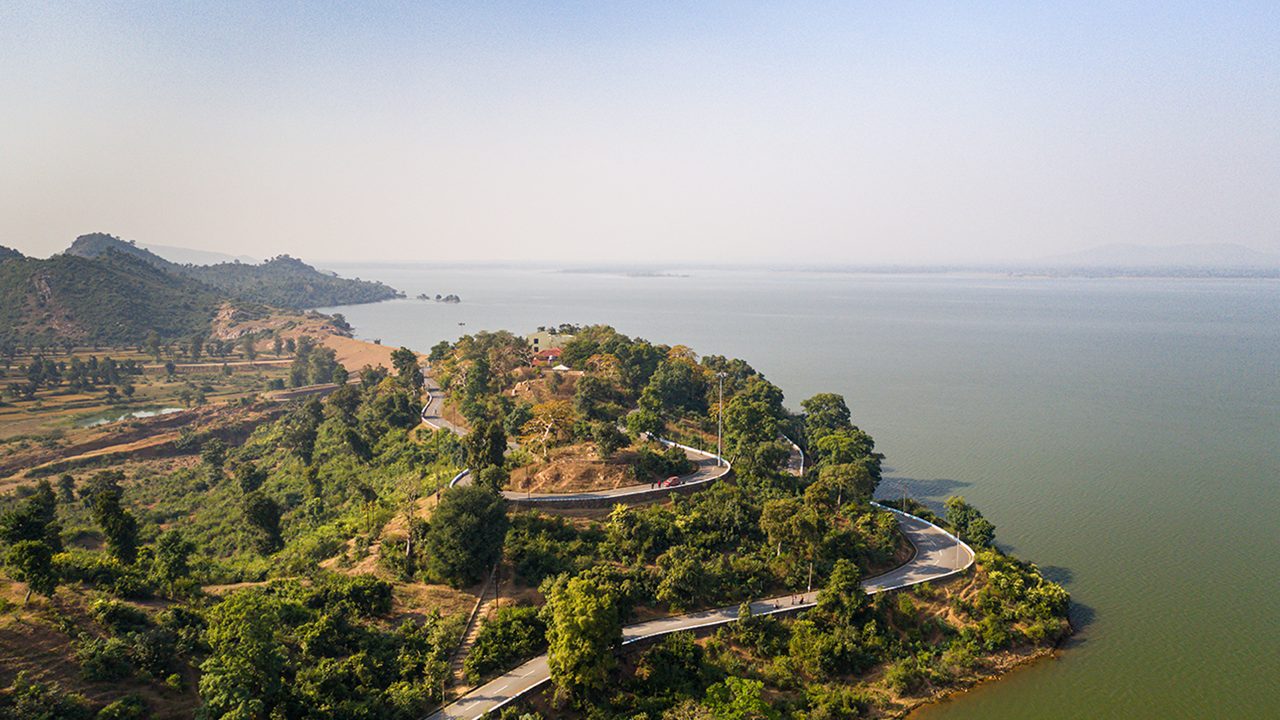
The Khutaghat Dam, built across the Arpa River, is one of Bilaspur's most popular picnic spots and recreational areas. Located approximately 30 kilometers from the city, the dam creates a large reservoir that's surrounded by scenic hills and forests, making it an ideal destination for nature lovers and those seeking a peaceful retreat from urban life.Scenic Beauty
The dam's location amidst rolling hills creates a picturesque setting that's particularly beautiful during the monsoon when the surrounding landscape is lush green. The reservoir's calm waters reflect the surrounding hills, creating stunning photo opportunities. Sunset views from the dam are especially spectacular, with the sky painted in hues of orange and pink.Picnic and Recreation
Khutaghat Dam is a popular picnic destination for locals and tourists alike. The area around the dam has been developed with gardens, seating areas, and walking paths where visitors can relax and enjoy the scenery. Boating facilities are available on the reservoir, offering a different perspective of the surrounding landscape.Best Time to Visit
The period immediately after the monsoon (October-November) offers the most spectacular views when the reservoir is full and the surroundings are green. Winter months (December-February) are ideal for picnics due to the pleasant weather.Ratanpur: Temple Town
Ratanpur, located approximately 25 kilometers from Bilaspur, is an ancient temple town that holds great religious and historical significance. Once the capital of the Kalchuri dynasty, Ratanpur is home to numerous temples, the most famous being the Mahamaya Temple, which attracts devotees from across the region. If you enjoy exploring temple towns, you might also be interested in visiting Banjari Mata Mandir in Raipur, another important religious site in Chhattisgarh.Mahamaya Temple
The Mahamaya Temple is the town's most important religious site, dedicated to the goddess Mahamaya, an incarnation of Durga. The temple's current structure dates back to the 12th century, though the site itself is much older. What makes the temple unique is its blend of architectural styles - the sanctum sanctorum features traditional North Indian nagara style elements while the mandapa (hall) shows influences from the Dravidian style.Other Temples
Beyond the Mahamaya Temple, Ratanpur is home to numerous other temples including the Ramchandra Temple, dedicated to Lord Rama, and the Khandobala Temple. Each temple has its own unique architectural features and religious significance. The temple complex is particularly lively during festivals, especially Navratri when thousands of devotees flock to seek the goddess's blessings.Belpan: Archaeological Site
Belpan is another important archaeological site located approximately 40 kilometers from Bilaspur. Like Malhar, Belpan was an important center during the Kalchuri dynasty and contains the ruins of numerous temples and other structures. The site is less visited than Malhar, offering a more secluded and intimate experience for history enthusiasts.Temple Remains
The ruins at Belpan include several temple complexes, though most are in advanced stages of deterioration. Despite this, the remaining architectural elements - intricately carved pillars, doorframes, and sanctuary walls - give a sense of the temples' former glory. The site is particularly interesting for those studying the evolution of temple architecture in the region.Archaeological Significance
Excavations at Belpan have revealed important artifacts that help historians understand the region's ancient history. The site provides valuable insights into the religious practices, artistic traditions, and daily life of the people who lived here over a millennium ago.Bilaspur City Attractions
Malhar's Museum and Cultural Center
For those interested in delving deeper into the region's history, the local museum in Bilaspur city houses an impressive collection of artifacts from various archaeological sites in the region. The museum's collection includes ancient sculptures, coins, pottery, and inscriptions that provide insights into Chhattisgarh's rich historical heritage.Local Markets and Bazaars
Bilaspur's markets offer a vibrant experience of local life. The city is famous for its Kosa silk sarees, which are renowned for their texture and durability. The main bazaars are filled with shops selling these sarees along with other local handicrafts including bell metal items and bamboo products.Talagaon
A visit to Talagaon, a small village near Bilaspur, offers insights into traditional Chhattisgarhi village life. The village is known for its traditional houses and the warm hospitality of its residents. It's an excellent place to experience rural Chhattisgarh away from tourist crowds.Natural Attractions Around Bilaspur
The region surrounding Bilaspur is blessed with numerous natural attractions that make it a paradise for nature lovers. The Semarsot Wildlife Sanctuary, though smaller than Achanakmar, offers excellent wildlife viewing opportunities and is particularly rich in birdlife. The sanctuary's diverse ecosystem includes sal forests, mixed deciduous forests, and grasslands that support a variety of wildlife species. For travelers interested in exploring more of Chhattisgarh's attractions, the state offers numerous wildlife sanctuaries and natural reserves that complement the Bilaspur experience. For those interested in trekking and hiking, the Deorijai Mountains offer challenging trails that lead to stunning viewpoints. The mountains are particularly beautiful during the monsoon when they're covered in lush green vegetation and numerous waterfalls cascade down their slopes.Religious Sites in Bilaspur
Beyond the temples of Ratanpur, the Bilaspur region is home to numerous other religious sites. The Budha Mahadev Temple in Bilaspur city is an important Shiva temple that attracts devotees throughout the year, especially during the month of Shravan. The Durga Temple in the heart of the city is another important religious site, particularly vibrant during Durga Puja celebrations. For those interested in spiritual experiences off the beaten path, numerous small shrines and temples dot the countryside around Bilaspur. Many of these are associated with local deities and tribal traditions, offering a glimpse into the syncretic religious practices of the region.Best Time to Visit Bilaspur
| Season | Months | Pros | Cons |
|---|---|---|---|
| Winter | October - March | Pleasant weather (15-25°C), ideal for sightseeing and wildlife safaris | Peak tourist season |
| Summer | April - June | Fewer tourists, lower prices | Hot (35-40°C), not ideal for daytime activities |
| Monsoon | July - September | Lush greenery, waterfalls at peak flow |
Recommended: October to February offers the best overall experience with pleasant weather and maximum accessibility to all attractions.
How to Reach Bilaspur
- By Air: The nearest airport is in Raipur (approximately 110 km away). From Raipur, you can take a taxi or train to Bilaspur. The journey takes about 2-3 hours.
- By Train: Bilaspur is a major railway junction on the Howrah-Mumbai main line and is well connected to major cities across India. Direct trains are available from Mumbai, Kolkata, Delhi, Chennai, and other major cities.
- By Road: Bilaspur is well connected by road to major cities in the region. National Highway 130 passes through the city, connecting it to Raipur, Nagpur, and other important centers.
Where to Stay in Bilaspur
Bilaspur offers a range of accommodation options:- Luxury Hotels: Several 3-star and 4-star hotels offer modern amenities including multi-cuisine restaurants, Wi-Fi, and conference facilities.
- Mid-Range Hotels: Numerous mid-range hotels provide comfortable rooms, air conditioning, and essential amenities at reasonable rates.
- Budget Accommodations: Budget hotels and guest houses offer clean, basic rooms at affordable rates, typically located near the railway station and city center.
- Forest Rest Houses: For those visiting Achanakmar Wildlife Sanctuary, forest rest houses offer basic but clean accommodation within the sanctuary area.
Local Cuisine and Food
Bilaspur offers a taste of authentic Chhattisgarhi cuisine. The city is famous for its Bafauri, a snack made from chana dal that's similar to dhokla but with a unique local twist. Chila, a type of rice crepe, and Faraa, steamed rice dumplings filled with spiced lentils, are local favorites that you must try. For those with adventurous palates, the region is known for its chicken curry, which has a distinct preparation style that sets it apart from other regional varieties. Vegetarians will enjoy the various leafy vegetable preparations that are specialties of the region, particularly dishes made from the leaves of the mahua tree.Shopping in Bilaspur
Bilaspur is famous for its Kosa silk sarees, which are renowned for their texture, durability, and natural sheen. These sarees are woven using silk extracted from cocoons of a particular type of silkworm that feeds on the leaves of the Arjun and Saja trees. The weaving is done using traditional techniques passed down through generations. Other local handicrafts include bamboo products such as baskets and furniture, bell metal items including utensils and decorative pieces, and tribal jewelry made from silver and other materials.Travel Tips for Bilaspur
- Book Safari in Advance: If planning to visit Achanakmar Wildlife Sanctuary, book your safari well in advance, especially during peak season (November-January).
- Hire a Local Guide: For archaeological sites like Malhar, hiring a local guide will greatly enhance your experience with their knowledge of history and folklore.
- Respect Wildlife: When visiting wildlife sanctuaries, maintain silence, don't litter, and follow the guide's instructions.
- Carry Cash: While ATMs are available in the city, they may not be reliable in rural areas. Carry sufficient cash when traveling to attractions.
- Stay Hydrated: Bilaspur can get quite hot, especially in summer. Carry water and stay hydrated, particularly during outdoor activities.
Conclusion: Discover Bilaspur's Cultural Treasures
Bilaspur represents the heart and soul of Chhattisgarh - a land where ancient history meets vibrant tribal culture, where dense forests shelter magnificent wildlife, and where traditional crafts continue to thrive in a modern world. Whether you're exploring the ancient ruins of Malhar, tracking tigers in Achanakmar, picnicking by Khutaghat Dam, or experiencing the spiritual energy of Ratanpur's temples, Bilaspur offers experiences that connect you with the essence of central India. What makes Bilaspur special is its authenticity. This is not a destination created for tourists but a living, breathing city where traditions continue uninterrupted, where history lives in the stones and stories of its people, and where nature remains wild and untamed. For travelers looking to explore India beyond the obvious, Bilaspur rewards curiosity with discoveries that will stay with you long after you've returned home.Location
Frequently Asked Questions
Q1.What is the best time to visit Bilaspur?
The best time to visit Bilaspur is from October to February (winter season).
Winter (October - February):
• Weather: Pleasant (15-25°C) - perfect for sightseeing
• Wildlife sanctuary open and ideal for safaris
• Pleasant for temple visits and archaeological site exploration
• Festivals: Diwali, Durga Puja celebrations
Other Seasons:
Monsoon (July - September):
• Lush green surroundings
• Waterfalls at their best
• Achanakmar Wildlife Sanctuary CLOSED
• Some areas may be inaccessible due to rain
Summer (March - June):
• Hot weather (35-40°C)
• Not ideal for daytime activities
• Wildlife viewing possible but challenging
• Fewer tourists, lower prices
Recommendation: Visit during winter (October-February) for the most pleasant weather and maximum accessibility to all attractions including wildlife safaris.
Q2.How many days are needed to explore Bilaspur?
For a comprehensive Bilaspur experience, plan 3-4 days minimum.
Minimum 2 Days (Very rushed):
• Day 1: Malhar archaeological site, Ratanpur temples
• Day 2: Khutaghat Dam, Bilaspur city exploration
Recommended 3-4 Days:
• Day 1: Achanakmar Wildlife Sanctuary safari
• Day 2: Malhar ruins, Ratanpur temple town
• Day 3: Khutaghat Dam, Belpan archaeological site
• Day 4: Bilaspur city - museums, markets, Kosa silk shopping
Ideal 5+ Days:
• Add Semarsot Wildlife Sanctuary
• Include tribal village visits
• Extended wildlife safaris
• Relaxed cultural experiences
Activity-Specific:
• Quick visit: 2 days covers main highlights
• Wildlife focus: 2-3 days with multiple safaris
• History focus: 3-4 days for archaeological sites
• Complete exploration: 5-7 days recommended
Q3.What are the top tourist attractions in Bilaspur?
Bilaspur offers diverse attractions across nature, history, and culture. Here are the top tourist attractions:
1. Achanakmar Wildlife Sanctuary:
• Tiger reserve with diverse wildlife
• Jeep safaris available
• 557 sq km of pristine forest
• Best time: November-April
2. Malhar Archaeological Site:
• Ancient Kalchuri dynasty capital
• Temple ruins dating back 2,000+ years
• Museum with rare artifacts
• 30 km from Bilaspur city
3. Khutaghat Dam:
• Scenic reservoir surrounded by hills
• Popular picnic spot
• Boating facilities
• Beautiful sunsets
4. Ratanpur Temple Town:
• Famous Mahamaya Temple
• Ancient capital of Kalchuri dynasty
• Multiple temples with unique architecture
• 25 km from Bilaspur
5. Bilaspur City:
• Local markets for Kosa silk sarees
• Museums with archaeological collections
• Traditional Chhattisgarhi cuisine
• Cultural centers
6. Belpan Archaeological Site:
• Ancient temple remains
• Off the beaten path
• Fewer crowds than Malhar
7. Semarsot Wildlife Sanctuary:
• Rich birdlife
• Diverse flora and fauna
• Good for nature walks
Must-Visit Priority: Achanakmar Wildlife Sanctuary, Malhar, Khutaghat Dam, and Ratanpur temples should be on every visitor's itinerary.
Q4.How do I reach Achanakmar Wildlife Sanctuary from Bilaspur?
Reaching Achanakmar Wildlife Sanctuary from Bilaspur is straightforward:
Distance & Location:
• Distance: Approximately 55 km from Bilaspur city
• Travel Time: 1.5-2 hours by road
Transportation Options:
1. Private Taxi/Cab:
• Most convenient option
• Cost: ₹2,000-2,500 round trip (approximately)
• Can be hired from Bilaspur city
• Driver can wait during safari
2. Shared Jeep:
• Available from Bilaspur
• Cheapest option (₹100-200 per person)
• May require waiting for vehicle to fill
Route:
• From Bilaspur, take the road towards Kota
• Follow signboards to Achanakmar
• Roads are generally in good condition
Safari Booking:
• Book in advance, especially for peak season (Nov-Jan)
• Contact: Forest Department, Bilaspur
• Online booking may be available
• Safari cost: Approximately ₹2,500-4,000 per jeep (Indians)
Safari Timings:
• Morning Safari: 6:00 AM - 9:00 AM
• Evening Safari: 3:00 PM - 6:00 PM
• Closed: July-September (monsoon)
Tips:
• Book safari at least 2-3 days in advance
• Reach park gate 30 minutes before safari time
• Carry binoculars and camera
• Wear neutral-colored clothing
Q5.Is Malhar worth visiting for history lovers?
Yes, absolutely! Malhar is a must-visit for history lovers and archaeology enthusiasts. Here's why:
Historical Significance:
• Ancient Capital: Once capital of the Kalchuri dynasty (9th-12th century CE)
• 2,000+ Years Old: Evidence of habitation since ancient times
• Major Archaeological Site: One of Central India's most important excavations
• Pataleshwar Temple (dedicated to Lord Shiva)
• Devri Temple
• Dindeshwari Temple
• Intricate carvings despite being in ruins
• Unique blend of architectural styles
2. On-Site Museum:
• Rare Yogini sculptures
• Ancient sculptures and artifacts
• Coins, pottery, inscriptions
• Insights into daily life of ancient civilizations
3. Archaeological Excavations:
• See where excavations happened
• Understand archaeological processes
• Evidence from Stone Age to medieval period
Why History Lovers Will Enjoy:
1. Authentic Experience:
• Not a recreated tourist site - these are genuine ancient ruins
• Few crowds, peaceful exploration
• Touch history that's 1,000+ years old
2. Learning Opportunities:
• Museum provides excellent context
• Local guides share fascinating stories
• Understand evolution of temple architecture
3. Photographic Opportunities:
• Ancient stone carvings
• Temple silhouettes against sky
• Archaeological excavation sites
Practical Information:
• Distance from Bilaspur: 30 km
• Travel Time: 45 minutes - 1 hour
• Time Needed: 2-3 hours for thorough exploration
• Best Time: October-March
• Entry Fee: Nominal (₹10-25 for Indians)
Verdict:
For history lovers, Malhar is absolutely worth visiting. It offers a rare opportunity to walk through ruins that once formed a major capital city, see artifacts that span millennia, and understand the region's rich historical legacy. The combination of temple ruins, museum, and archaeological significance makes it one of Chhattisgarh's most important heritage sites.
Q6.What is special about Ratanpur temples?
Ratanpur, located 25 km from Bilaspur, is famous for its ancient temples with unique architecture and deep religious significance. Here's what makes it special:
1. Mahamaya Temple - The Main Attraction:
• Dedicated to Goddess Mahamaya (incarnation of Durga)
• 12th Century construction - over 800 years old
• Blended Architecture: Unique mix of North Indian Nagara style and Dravidian elements
• Major Pilgrimage Site: Attracts devotees from across Chhattisgarh and neighboring states
• Particularly Special During Navratri: Thousands of devotees visit
• Ancient Capital: Ratanpur was once the capital of the Kalchuri dynasty
• Temple Town: Multiple temples from different periods
• Living Heritage: Temples still actively used for worship (not ruins)
3. Unique Architectural Features:
• Sanctum (garbhagriha) follows Nagara style (curved shikhara)
• Hall (mandapa) shows Dravidian influence
• Intricate stone carvings depicting deities and mythological scenes
• Unique architectural synthesis rarely seen elsewhere
4. Other Temples in Ratanpur:
• Ramchandra Temple: Dedicated to Lord Rama
• Khandobala Temple: Local deity temple
• Numerous smaller shrines: Each with religious significance
5. Religious Significance:
• Mahamaya is considered the kuldevi (family deity) of many Chhattisgarhi families
• Belief that prayers here are fulfilled
• Temple has powerful spiritual energy, especially during festivals
6. Cultural Experience:
• Witness local religious practices
• Observe devotees from rural Chhattisgarh
• Experience authentic temple culture (not tourist-oriented)
Visiting Information:
• Distance from Bilaspur: 25 km
• Travel Time: 45 minutes by road
• Time Needed: 2-3 hours for temple visits
• No entry fee (donations accepted)
• Best Time: October-March for pleasant weather, or during Navratri for festival experience
Why It's Special:
Ratanpur's temples are special because they represent the living religious heritage of Chhattisgarh. Unlike many ancient temple sites that are archaeological ruins, Ratanpur remains an active center of worship where ancient traditions continue uninterrupted. The unique architectural blend of Nagara and Dravidian styles makes it architecturally significant, while the deep devotion of pilgrims adds spiritual dimension that makes it more than just a historical monument.
Q7.Are there good hotels in Bilaspur?
Yes, Bilaspur offers a good range of accommodation options to suit different budgets and preferences. Here's what's available:
1. Luxury/Upper-Mid Range Hotels (3-4 Star):
• Modern amenities: AC, attached bathrooms, room service
• Multi-cuisine restaurants
• Wi-Fi and parking
• Conference facilities (business travelers)
• Price Range: ₹2,000-4,000 per night
• Best For: Families, business travelers, those seeking comfort
Examples: Hotel Grand Imperial, Hotel Cross Roads, Hotel Zenith
2. Mid-Range Hotels:
• Clean, comfortable rooms with AC
• Attached bathrooms
• In-house restaurant or nearby food options
• Basic amenities
• Price Range: ₹1,000-2,000 per night
• Best For: Budget-conscious travelers, families
3. Budget Hotels and Guest Houses:
• Clean, basic rooms
• Some rooms with AC, some without
• Shared or attached bathrooms
• Located near railway station and city center
• Price Range: ₹400-800 per night
• Best For: Solo travelers, backpackers, those on tight budget
4. Forest Rest Houses:
• Located within/near Achanakmar Wildlife Sanctuary
• Basic but clean accommodation
• Authentic jungle experience
• Price Range: ₹500-1,000 per night
• Best For: Wildlife enthusiasts, nature lovers
• Note: Must book through Forest Department
Location Tips:
• Near Railway Station: Convenient for train travelers, good budget options
• City Center: Close to markets, restaurants, mid-range hotels
• Quiet Areas: Slightly away from city center for peaceful stay
Booking Tips:
• Book in advance during peak season (October-March)
• Book early for wildlife sanctuary visits
• Check recent reviews online before booking
• Confirm amenities (especially AC, hot water) before booking
Overall Assessment:
While Bilaspur doesn't have 5-star luxury chains, the city offers good mid-range and budget options that provide comfortable stays at reasonable prices. The hotels may not be luxurious but are generally clean, safe, and offer basic comforts. For most travelers, the 3-star hotels offer the best balance of comfort and value.
Recommendation: For a comfortable stay, budget ₹1,500-2,500 per night for a good 3-star hotel with AC and restaurant.
Q8.What wildlife can be seen at Achanakmar?
Achanakmar Wildlife Sanctuary is home to an impressive diversity of wildlife. Here's what you can potentially see:
1. Bengal Tigers (Star Attraction):
• The sanctuary was declared a Tiger Reserve in 2009
• Sightings: RARE but possible (density is good but forest is dense)
• Best Time: March-April (when vegetation is sparse)
• Success Rate: 20-30% (lower than more famous reserves like Ranthambore)
• Note: Come for the experience, not guaranteed tiger sightings
2. Leopards:
• More commonly seen than tigers
• Often spotted on rocks or in trees
• Sighting Frequency: Moderate
3. Sloth Bears:
• Good population in sanctuary
• Often seen foraging
• Sighting Frequency: Moderate to Good
4. Wild Dogs (Dhole):
• Pack animals occasionally spotted
• Sighting Frequency: Low to Moderate
5. Herbivores (Commonly Seen):
• Chital (Spotted Deer): Abundant, seen on almost every safari
• Sambar: Large deer, commonly sighted
• Barking Deer (Muntjac): Frequently seen in forest clearings
• Nilgai (Blue Bull): Largest antelope, often seen
• Wild Boar: Common, often encountered
• Four-horned Antelope (Chowsingha): Sometimes seen
6. Primates:
• Rhesus Macaque: Common
• Langur: Frequently seen
7. Birdlife (200+ Species):
• Paradise Flycatcher
• Various hornbills
• Woodpeckers and barbets
• Migratory birds in winter
• Birdwatching: Excellent throughout the year
8. Reptiles:
• Various snake species (including pythons)
• Monitor lizards
Realistic Expectations:
What You WILL See:
• Deer (chital, sambar) - almost guaranteed
• Monkeys - guaranteed
• Birds - abundant
What You MIGHT See:
• Sloth bear, leopard, wild boar, nilgai
What You're UNLIKELY to See:
• Tiger (though possible, don't count on it)
Tips for Better Sightings:
• Go on multiple safaris (morning and evening)
• Visit in March-April (sparse vegetation)
• Be patient and quiet
• Listen to your naturalist guide
• Early morning safaris typically better
Bottom Line:
Come for the complete forest experience - diverse wildlife, birdlife, and pristine wilderness. Tiger sightings are a bonus, not guaranteed. The sanctuary's real value is its intact ecosystem and biodiversity.
Q9.How far is Khutaghat Dam from Bilaspur city?
Khutaghat Dam is located approximately 30 kilometers (19 miles) from Bilaspur city.
Travel Details:
• Distance: 30 km from Bilaspur city center
• Travel Time: 45 minutes - 1 hour by road
• Route: Bilaspur → Kota Road → Khutaghat Dam
• Road Condition: Generally good, last few km may be narrow
Transportation Options:
1. Private Taxi/Cab:
• Most convenient option
• Cost: Approximately ₹800-1,200 round trip
• Driver can wait while you explore
• Best For: Families, those wanting convenience
2. Auto-Rickshaw:
• Budget-friendly
• Cost: Approximately ₹400-600 round trip
• Negotiate price before starting
• Best For: Budget travelers
3. Self-Driving:
• Rent a car or use your own vehicle
• Freedom to explore at your own pace
• Road is well-marked
4. Public Bus:
• Available but less frequent
• Cost: ₹30-50 per person one way
• Check local bus stand for schedule
Best Time to Visit:
• October-November: Post-monsoon when reservoir is full, surroundings lush green
• December-February: Pleasant weather for picnics
• Sunrise/Sunset: Most beautiful times for photography
What to Do There:
• Picnicking
• Photography
• Boating (when available)
• Nature walks
• Relaxing by the reservoir
Time Needed:
• Minimum: 2-3 hours for quick visit
• Recommended: 4-5 hours including picnic
Entry Fee:
• Typically no entry fee
• Small parking fee may apply (₹20-50)
Facilities:
• Basic picnic areas
• Gardens
• Walking paths
• Small eateries (may be limited)
Tips:
• Carry your own food and water
• Visit on weekdays to avoid crowds
• Go early morning or late afternoon for best lighting
• Combine with nearby attractions like Ratanpur temples
Q10.Is Bilaspur good for family trips?
Yes, Bilaspur is an excellent destination for family trips! Here's why:
1. Variety of Attractions for All Ages:
For Children:
• Wildlife safaris (exciting for kids)
• Dam visits and boat rides
• Open spaces to run around
• Museum visits (educational)
For Adults:
• Historical sites
• Cultural experiences
• Temple visits
For Seniors:
• Pleasant sightseeing
• Not too physically demanding
• Religious sites
2. Safe and Family-Friendly:
• Low Crime Rate: Bilaspur is generally very safe
• Friendly Locals: People are hospitable and helpful
• Family Culture: Used to families traveling, infrastructure supports it
3. Educational Value:
• Children learn about wildlife, conservation
• Historical sites teach about ancient civilizations
• Museum visits are educational
• Exposure to rural Indian life
4. Budget-Friendly:
• Affordable accommodation
• Reasonable food prices
• Low entry fees for attractions
• Good value for money
5. Pleasant Weather (Winter):
• October-February weather is ideal for families
• Not too hot or cold
• Perfect for outdoor activities
6. Easy Accessibility:
• Well connected by rail and road
• Major railway junction
• Good road network
Family-Friendly Activities:
Wildlife Safari (Achanakmar):
• Exciting jeep ride through forest
• Spotting deer, monkeys, birds (guaranteed)
• Educational about nature and conservation
• Safe with trained guides
Khutaghat Dam:
• Perfect picnic spot
• Open spaces for children to play
• Boating (when available)
• Safe environment
Temple Visits (Ratanpur):
• Cultural experience
• Religious education
• Architectural appreciation
Museums:
• Educational exhibits
• Learn about history
Challenges for Families:
Summer Heat:
• Avoid April-June if traveling with young children or seniors
• Very hot (35-40°C)
Limited Entertainment:
• No malls, multiplexes, or amusement parks
• Focus on nature, culture, heritage
Food Options:
• Limited variety of cuisines
• Mostly local Indian food
• International cuisine limited
Recommended Itinerary for Families:
• Day 1: Arrive, relax at hotel, local market visit
• Day 2: Achanakmar Wildlife Sanctuary safari
• Day 3: Khutaghat Dam picnic, Ratanpur temples
• Day 4: Malhar archaeological site, museum visit, shopping
Accommodation:
• Family rooms available
• Hotels provide extra beds
• Restaurants have kids' menus (basic)
Verdict:
Bilaspur is excellent for families who enjoy nature, wildlife, history, and culture. It's NOT suitable for families seeking luxury resorts, nightlife, or entertainment parks. But for families wanting educational experiences, nature exposure, and authentic Indian cultural experiences, Bilaspur is a wonderful choice.
Best For: Families with school-age children (6+ years), nature-loving families, history enthusiasts, those seeking offbeat cultural experiences.
Recommended For You
Kolli Hills Tourism: Complete Travel Guide to Tamil Nadu's Hidden Paradise
Discover Kolli Hills in Tamil Nadu! Complete guide to Agaya Gangai waterfalls, 72 hairpin bends, trekking routes, tribal culture, best time to visit, and more.
Famous Places to Visit in Ambikapur: Top 15 Attractions
Discover Ambikapur, Chhattisgarh's hidden gem. Explore Tiger Point Waterfall, Ramgarh Hill temples, Dipadih ruins, Mainpat Tibetan settlement, caves & wildlife. Complete travel guide.
Places to Visit in Gujarat: Rann, Gir & Temples
Explore the best places to visit in Gujarat - from the Statue of Unity (world's tallest) to the white Rann of Kutch, Asiatic lions of Gir, sacred temples of Dwarka & Somnath. Complete travel guide.
Never Miss an Adventure
Get the latest trekking guides, travel tips, and exclusive offers delivered straight to your inbox.
