
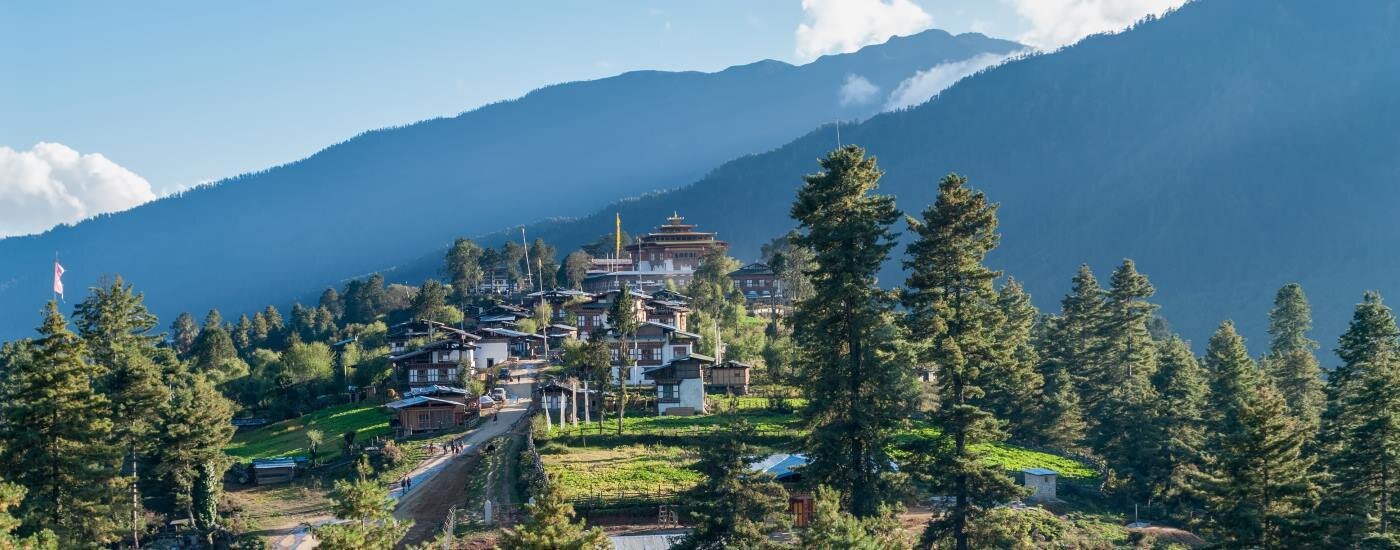
Gangtey Monastery Bhutan: Timings, Valley Trail & Travel Plan
Ananya Sharma
December 2, 2025
Explore Gangtey Monastery Bhutan with timings, route planning, nature trail options, black-necked crane season insights, and practical travel guidance.
Gangtey Monastery Bhutan overview
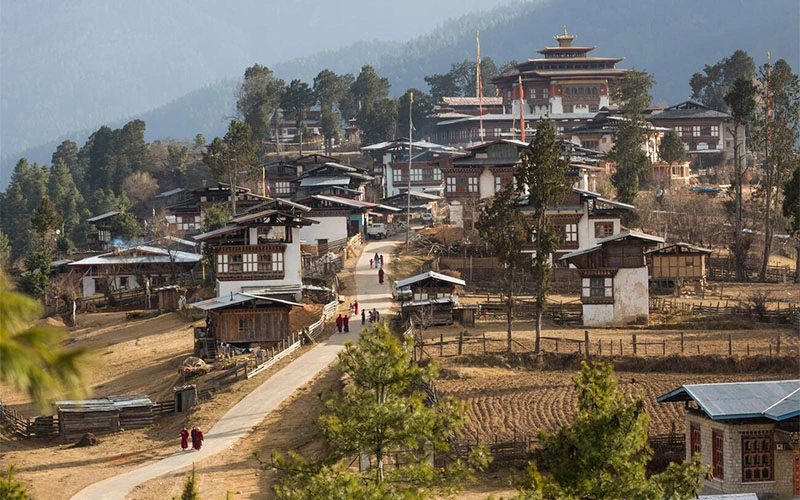
Gangtey Monastery Bhutan, also known as Gangtey Goemba or Gangteng Monastery, is one of the most important Nyingma Buddhist monasteries in the country. It overlooks Phobjikha Valley in Wangdue Phodrang district and serves as both a spiritual center and a cultural landmark for travelers exploring central Bhutan. What makes this monastery special is its setting. Instead of being in a dense town center, it sits above a broad glacial valley known for wetlands, village life, and winter migration of black-necked cranes. That combination of high Himalayan spirituality and living ecological landscape gives Gangtey a very different atmosphere from urban monastery visits. For most travelers, this is not a quick photo stop. The best experience comes from planning your timing around weather, prayer hours, and valley movement, then combining the visit with nearby nature and cultural routes.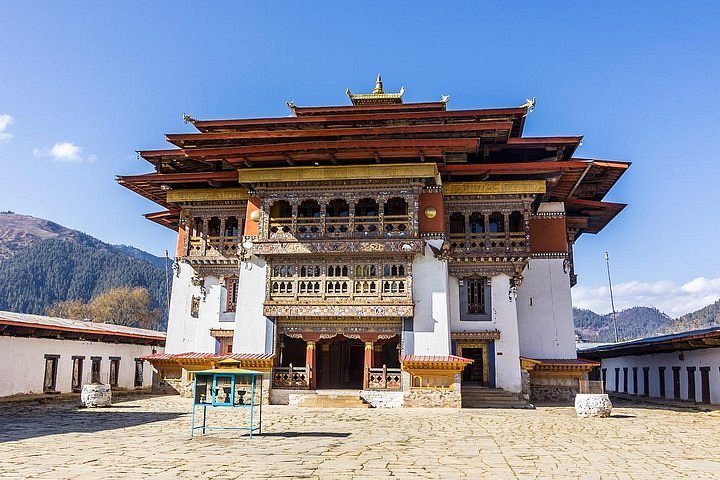
Gangtey Monastery timings and visitor windows
Monastery hours can change based on religious calendar, seasonal routines, and local conditions, so same-day confirmation through local guides or accommodation hosts is recommended. Public travel references often mention broad day-entry windows, but visitors should be flexible rather than rigid with exact minute-by-minute scheduling. A practical approach is to reach during calm daylight windows and leave room for prayer activity, short closures, or restricted temple sections.| Visit Window | Typical Conditions | Best For |
|---|---|---|
| Morning | Clearer light and quieter movement | Spiritual visits, photography, slower exploration |
| Midday | More visitor traffic in peak season | General sightseeing when itinerary is tight |
| Late afternoon | Soft light and valley ambiance | Scenic views and reflective temple stop |
History and religious significance of Gangtey Goemba
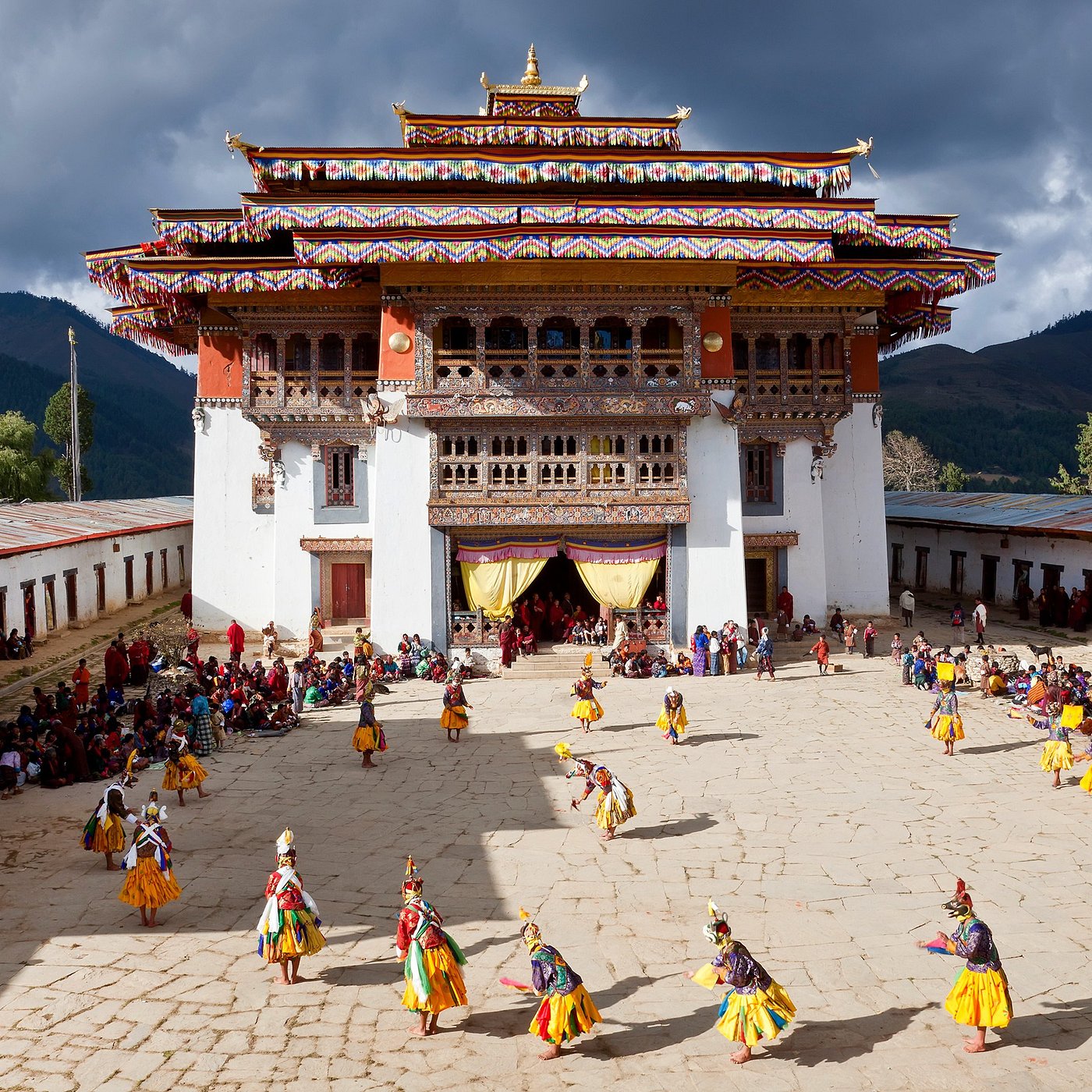
Gangtey Monastery dates back to the early 17th century and is linked to the Pema Lingpa tradition of Bhutanese Buddhism. It is widely recognized as a key center of the Nyingma school and continues to be an active monastic institution, not just a heritage monument. Historically, the monastery's position in Phobjikha also carried symbolic importance. It stood as a spiritual anchor for surrounding settlements and pastoral life, helping shape the region's religious practices and local festivals. Today, monks continue routine prayers, teachings, and ritual observances, keeping the place culturally alive. For travelers, this means etiquette matters. Gangtey should be approached as a functioning sacred space with active monastic life, not as an unrestricted sightseeing complex.Phobjikha Valley connection
Gangtey Monastery cannot be fully understood without Phobjikha Valley. The valley is a high-altitude glacial bowl with wetlands and meadow systems that support seasonal wildlife, especially black-necked cranes. This setting creates a rare combination of monastery, village, and ecology in one destination. Many visitors pair monastery exploration with the valley's walking routes and village viewpoints. If you want broader context first, read Phobjikha Valley Bhutan and then visit the monastery as the spiritual center of that landscape.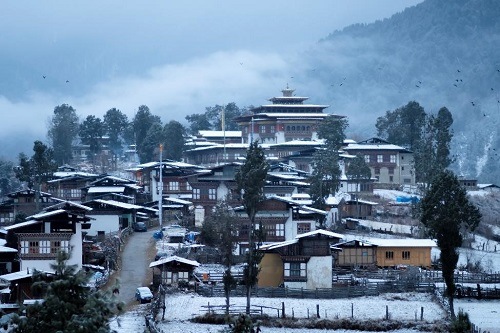
Black-necked cranes and the November festival
One of the strongest seasonal draws of the Gangtey-Phobjikha region is the arrival of black-necked cranes from the Tibetan plateau during winter months. The valley is globally known as a key wintering habitat for this vulnerable species. The Black-Necked Crane Festival, held annually in November, is an important conservation and cultural event in the Gangtey area. It combines community performances, environmental awareness, and local participation around crane protection themes. Because this period attracts more visitors, planning is crucial: 1. Book accommodation earlier than usual. 2. Expect slower local movement and transport delays. 3. Keep morning and evening wildlife windows free in your plan.How to reach Gangtey Monastery
Gangtey is usually reached by road from major Bhutan travel hubs such as Paro, Thimphu, Punakha, or Wangdue Phodrang. Distances may look moderate on maps, but mountain roads, weather, and viewpoint stops can significantly affect real travel time.| Starting Point | Typical Route Logic | Planning Note |
|---|---|---|
| Paro | Paro to Thimphu to Wangdue side to Gangtey | Usually a long day drive, keep rest stops planned |
| Thimphu | Thimphu to Wangdue corridor to Gangtey | Popular route, often combined with Punakha sector |
| Punakha/Wangdue | Shortest practical access to Gangtey region | Best for lower transfer fatigue |
Gangtey Nature Trail and short trek options
The Gangtey Nature Trail is one of Bhutan's most approachable scenic walks and is often combined with monastery visits. It usually passes through forest patches, village stretches, and open valley views, making it suitable for travelers who want a light activity without committing to a full high-difficulty trek. Short trek recommendations: 1. Monastery + nature trail half-day loop for relaxed travelers. 2. Extended valley walk with birding focus during crane season. 3. Village-linked route with local homestay stop for cultural immersion. Keep footwear grip, weather layers, and daylight timing in mind. Even easy trails can feel harder at altitude if pacing is rushed.Architecture, restoration, and monastery etiquette
Gangtey Monastery shows traditional Bhutanese monastic architecture: white walls, timber detailing, central assembly zones, and prayer spaces structured for ritual life. The complex has seen restoration phases over time, helping preserve both structural integrity and religious function. Visitor etiquette checklist: 1. Dress modestly with shoulders and knees covered. 2. Keep voice low around prayer zones. 3. Ask before photographing monks or interior ritual spaces. 4. Respect restricted areas without argument. 5. Follow clockwise movement norms where culturally appropriate. These basics are essential to maintain respect in an active monastery environment.Accommodation options in Gangtey-Phobjikha
Stay options in the valley range from simple local properties to higher-comfort lodges. Selection depends on your travel style, budget, and seasonal demand. During crane season and major festival windows, availability can tighten quickly, so advance booking helps.| Stay Type | Best For | Practical Consideration |
|---|---|---|
| Local guesthouses | Budget and culture-focused travelers | Check heating and meal arrangements in winter |
| Mid-range valley hotels | Balanced comfort and location | Book early in Nov-Feb months |
| Premium lodges | Scenic stay and service comfort | Higher cost, limited inventory in peak periods |
Best time to visit Gangtey Monastery
The right season depends on your priority: 1. Crane season and cultural energy: November to February. 2. Clear trek and valley movement: spring and autumn shoulder months. 3. Lower crowd but wetter landscape: monsoon windows with caution. For first-time Bhutan travelers, a common strategy is autumn or winter for clear views and strong cultural value. Use Best Time to Visit Bhutan to align Gangtey with your larger route and weather expectations.Sample one-day plan in Gangtey
 A practical day structure:
1. Morning: Gangtey Monastery visit and prayer-hour observation.
2. Midday: Local lunch and short rest.
3. Afternoon: Nature trail and valley viewpoints.
4. Evening: Birding window or cultural village walk.
This sequence works because it balances spiritual focus, walking effort, and light/weather quality.
A practical day structure:
1. Morning: Gangtey Monastery visit and prayer-hour observation.
2. Midday: Local lunch and short rest.
3. Afternoon: Nature trail and valley viewpoints.
4. Evening: Birding window or cultural village walk.
This sequence works because it balances spiritual focus, walking effort, and light/weather quality.
Common mistakes to avoid
1. Treating Gangtey as a 20-minute stop and rushing onward. 2. Ignoring altitude and weather layering requirements. 3. Planning late arrival and missing good light/ritual windows. 4. Not pre-booking stay during crane season. 5. Overlooking monastery etiquette in interior zones.Weather, temperature, and packing strategy
Gangtey and Phobjikha sit at high elevation, so even pleasant-looking days can shift quickly in temperature. Morning and evening can feel significantly colder than midday, and wind exposure in open valley sections may increase discomfort if you are underprepared. Travelers who pack only for daytime sun often struggle by late afternoon. Practical clothing model: 1. Base layer for comfort during walks. 2. Mid-layer for valley breeze and shaded segments. 3. Outer warm layer for mornings, evenings, and sudden weather drops. Footwear should prioritize grip and comfort for mixed trail and village surfaces. During wetter months, water-resistant shoes and spare socks are useful. In winter periods, carry gloves and head cover even if your first stop feels mild.| Season Window | Typical Conditions | Packing Priority |
|---|---|---|
| Nov-Feb | Cold mornings, clear sky phases | Layered winter wear and warm accessories |
| Mar-May | Pleasant days, cool evenings | Flexible layers and trail-ready shoes |
| Jun-Sep | Greener landscape with rain risk | Water-resistant gear and route flexibility |
| Sep-Nov | Clearer trekking windows | Balanced layers plus sun protection |
Permits, costs, and route-efficiency tips
Bhutan travel requires regulated planning, and Gangtey is best approached as part of a structured route rather than an isolated day detour. Before travel, confirm permit and itinerary compliance with your operator or official channels based on your nationality and entry mode. Last-minute assumptions can lead to avoidable delays. Cost control is mostly about transfer planning. The largest spend drivers are long mountain-road movement, high-season accommodation, and unplanned route changes. Grouping nearby stops into one corridor reduces repeat transfers and keeps travel energy stable. A simple budget strategy: 1. Fix your Gangtey day before departure from major hubs. 2. Book stay early in crane season and festival windows. 3. Keep one contingency buffer for weather-linked changes. 4. Avoid same-day overreach to distant locations after valley walks. For travelers extending beyond Gangtey, use a staged progression such as Paro or Thimphu to Wangdue corridor to Gangtey, then onward based on weather and road comfort. This approach usually creates a smoother Bhutan journey than jumping across disconnected points.Conclusion
Gangtey Monastery Bhutan is one of the most rewarding spiritual stops in the country when visited with context and careful timing. Its combination of Nyingma heritage, Phobjikha Valley ecology, crane-season culture, and slow-travel rhythm creates a uniquely deep travel experience. Plan around route reality, ritual respect, and seasonal priorities, and Gangtey will likely become one of the defining highlights of your Bhutan journey.Location
Frequently Asked Questions
Q1.Where is Gangtey Monastery located?
Q2.What is Gangtey Monastery famous for?
Q3.What are Gangtey Monastery timings?
Q4.How can I reach Gangtey Monastery from Thimphu?
Q5.When do black-necked cranes arrive in Phobjikha Valley?
Q6.Is there an entry fee for Gangtey Monastery?
Q7.What is the Gangtey Nature Trail difficulty level?
Q8.What is the best season to visit Gangtey Monastery?
Recommended For You
Backpacking Bhutan: Budget Planning, Route & Permit Details
Complete backpacking Bhutan guide: visa requirements, daily fee, budget tips, best season, trekking, cultural sites & 7-day itinerary for the Land of the Thunder Dragon.
Places to Visit in Thimphu: Top 15 Attractions in Bhutan's Capital
Discover the best places to visit in Thimphu - from ancient dzongs and giant Buddha statues to vibrant markets and traditional museums. Explore 15+ top attractions in Bhutan's unique capital.
Tigers Nest Bhutan: Trek Guide, Route and Entry Tips
Complete Tiger's Nest Bhutan guide with trek difficulty, route details, best season, permits, entry planning, and practical safety-focused climbing tips.
Never Miss an Adventure
Get the latest trekking guides, travel tips, and exclusive offers delivered straight to your inbox.
