
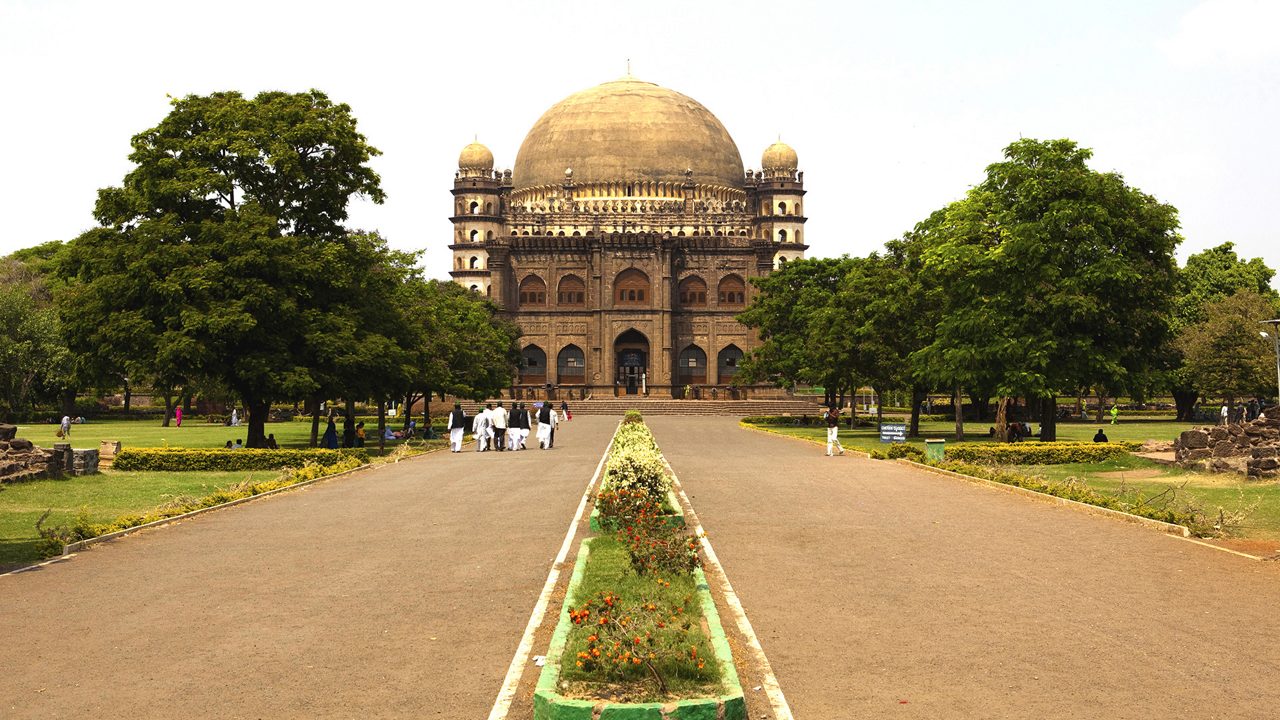
Gol Gumbaz Bijapur: Whispering Gallery & Adil Shahi Architecture

Priya Mehta
February 18, 2026
Discover Gol Gumbaz Bijapur: world's second-largest dome with famous Whispering Gallery. Complete guide to Adil Shahi architecture, timings & history.
Gol Gumbaz Bijapur: Complete Visitor Guide
Gol Gumbaz Bijapur is one of the most iconic monuments in Karnataka and a major draw for travelers interested in Indo-Islamic architecture. It is known for scale, acoustics, and strong visual identity. If you are building a north Karnataka heritage route, this monument is best visited with nearby fort and cave sites such as Belgaum Fort and Bidar Fort for stronger historical context.
The site works for both short visits and detailed architectural study. Casual travelers usually come for the dome and whispering gallery, while heritage-focused visitors spend more time reading structural logic and decorative restraint.
Historical Context in Brief
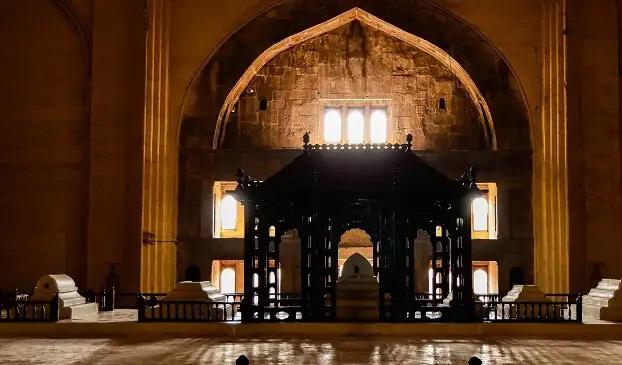
Gol Gumbaz was built as the mausoleum of Muhammad Adil Shah of the Adil Shahi dynasty. Its construction reflected political ambition and architectural assertion in the Deccan. The monument remains central to understanding Bijapur's historic role in regional power networks and court culture.
For visitors, this background matters because it explains why the structure was designed at monumental scale. The building is not only funerary architecture; it is also a statement of dynastic confidence.
Architecture: What Makes It Exceptional
The main dome is the defining feature, supported by a large cubic mass and massive corner towers. The structural composition is impressive even from a distance, but you appreciate it more when you move around the base and track proportion shifts from different angles.
Interior volume and echo behavior make the monument memorable for most travelers. However, do not reduce the site to acoustics alone. Cornice lines, tower articulation, and surface treatment add equally important architectural insight.
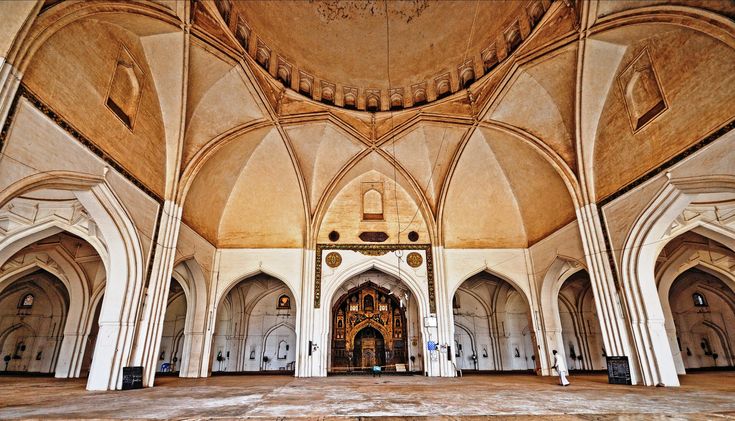
Whispering Gallery Experience
The whispering gallery is one of the biggest reasons people visit Gol Gumbaz. Sound behavior in this space creates the famous echo effect that surprises first-time visitors. Timing matters here: heavy crowd noise can reduce the quality of the acoustic experience.
If possible, visit in lower-crowd windows and keep a few minutes specifically for acoustic demonstration. Follow site safety instructions while climbing internal access routes.
Best Time to Visit Gol Gumbaz
October to February is usually best for walking and observation comfort. Early morning and late afternoon offer better temperatures and softer light for photography. Summer visits are possible but can be physically tiring in peak midday heat.
Weekdays are typically calmer than weekends. If your itinerary is flexible, choose weekdays for a smoother interior experience and easier framing for wide-angle photographs.
Timings, Entry, and Practical Planning
Entry windows and fees can change over time, so confirm current details locally at the ticket counter. Keep 1.5 to 2.5 hours for the monument, including gallery climb and outer-circuit walking. Add extra time if you are doing detailed photography.
Carry water and wear footwear suited for stair climbing. If you are with elders, pace the internal ascent and keep rest breaks.
How to Reach and Route Optimization
Bijapur is reachable by road and rail from major Karnataka nodes. Once in the city, local transport and cabs make site access straightforward. For first-time visitors, a pre-planned city route is better than ad-hoc hopping.
You can combine Gol Gumbaz with Badami Caves and Hampi region highlights on a wider Deccan architecture trip if your timeline allows.
Nearby Places to Combine
A practical one-day Bijapur plan includes Gol Gumbaz plus one to two nearby heritage stops rather than five rushed check-ins. This improves understanding and reduces transit fatigue. Use meal breaks strategically so monument time is uninterrupted.
If you are doing a multi-day route, add one fort-focused day and one cave/temple day for better variety and learning depth.
Photography Tips
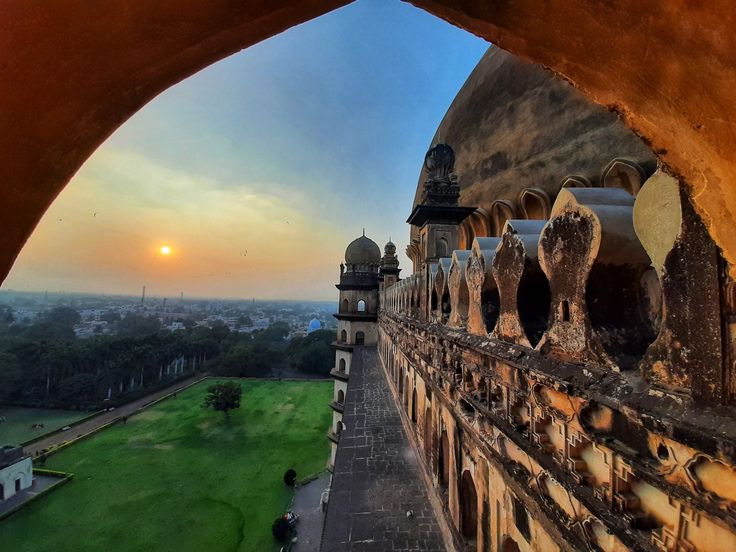
Start with long shots for massing, then move to medium frames for arches and towers, and finish with interior volume studies. Early and late light are best for exterior texture. Inside, stabilize your camera and avoid flash where restricted.
For crowd-free frames, wait near edge angles rather than center points. Patience usually gives cleaner compositions.
Common Mistakes to Avoid
The most common mistake is spending all time in the gallery and ignoring exterior architecture. Another is arriving late and rushing through the monument before closing windows.
Also avoid planning too many same-day long transfers after Gol Gumbaz. Keep itinerary realistic and prioritize quality over quantity.
Final Verdict
Gol Gumbaz Bijapur remains one of India's strongest dome-monument experiences for both casual and serious travelers. It is visually powerful, historically relevant, and easy to include in Karnataka heritage circuits.
Plan with time margin, observe beyond the headline acoustic feature, and combine nearby heritage intelligently. That is the best way to get full value from this landmark.
Architecture Observation Guide
When exploring Gol Gumbaz, track the monument in three layers: exterior massing, transitional circulation, and interior acoustic volume. This approach helps you understand the building as a complete system rather than a single dome attraction.
Use one pass for full-form observation and a second pass for details such as tower articulation, junction geometry, and opening proportions.
One-Day Bijapur Heritage Framework
A practical one-day framework is Gol Gumbaz in the morning, one secondary heritage stop after lunch, and a sunset exterior revisit for photography. This structure keeps the core monument fresh in your attention while still allowing itinerary variety.
If you are extending across Karnataka, connect with state heritage circuits and then add Badami or Hampi sector based on your route direction.
Family and Group Travel Tips
Groups should assign meeting points before entering large interior zones to avoid confusion in crowd windows. Elders and children may need slower ascent pacing where stair sections are involved, so keep extra time buffer.
Carry water and avoid peak midday entry where possible. Morning and late afternoon windows are usually easier physically and visually.
Responsible Visitor Behavior
Do not carve walls, lean on fragile sections, or create loud disturbance in enclosed areas. Heritage conservation at high-footfall monuments depends heavily on visitor discipline.
Respect local guidance and security instructions at all times. Small compliance practices preserve both monument quality and visitor safety.
Detailed Visit Flow for Better Learning
Start with long-range exterior viewing, then enter for interior volume assessment, and finish with acoustic observation. Ending with a final exterior loop after interior exposure often changes your understanding of scale and structural intent.
This sequence is especially useful for students and architecture enthusiasts because it links visual impact with spatial logic.
Practical End-of-Day Checklist
Before leaving, confirm that you have seen both primary and secondary zones, captured at least one contextual wide frame, and noted key architectural elements for later recall. A short checklist prevents fragmented visits at large monuments.
If time allows, return for soft light in late afternoon. Gol Gumbaz is one of those sites where a second viewing pass adds significant value.
Heritage Learning Angle for Students
Gol Gumbaz is useful for students studying structural massing, dome mechanics, and acoustic behavior in pre-modern architecture. A guided observation worksheet can turn the monument into a field-learning classroom.
Track circulation flow, wall thickness perception, and sound response at different positions. These direct observations are far more effective than passive photo capture.
Travel Pacing Recommendation
Do not schedule long onward travel immediately after an intensive monument block. Keep at least one decompression break to avoid decision fatigue and rushed transfers.
A slower closing segment improves safety, comfort, and overall heritage retention from the day.
Location
Frequently Asked Questions
Q1.What are Gol Gumbaz timings?
Q2.What is the entry fee for Gol Gumbaz?
Q3.What is the Whispering Gallery in Gol Gumbaz?
Q4.How do I reach Gol Gumbaz from Bangalore?
Q5.What's the best time to visit Gol Gumbaz?
Q6.How much time is needed to explore Gol Gumbaz?
Q7.Is Gol Gumbaz wheelchair accessible?
Q8.What's special about Gol Gumbaz's dome?
Q9.Who built Gol Gumbaz and when?
Q10.Is photography allowed inside Gol Gumbaz?
Recommended For You
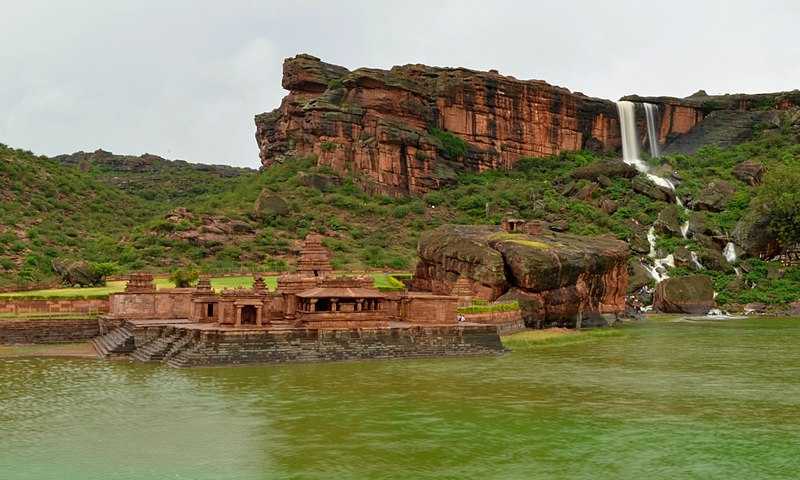
Places to Visit in Karnataka: Coast, Hills & Heritage Cities
Explore the best places to visit in Karnataka with a complete guide to Hampi, Coorg, Mysore, beaches, wildlife parks, trekking routes, and practical travel planning.
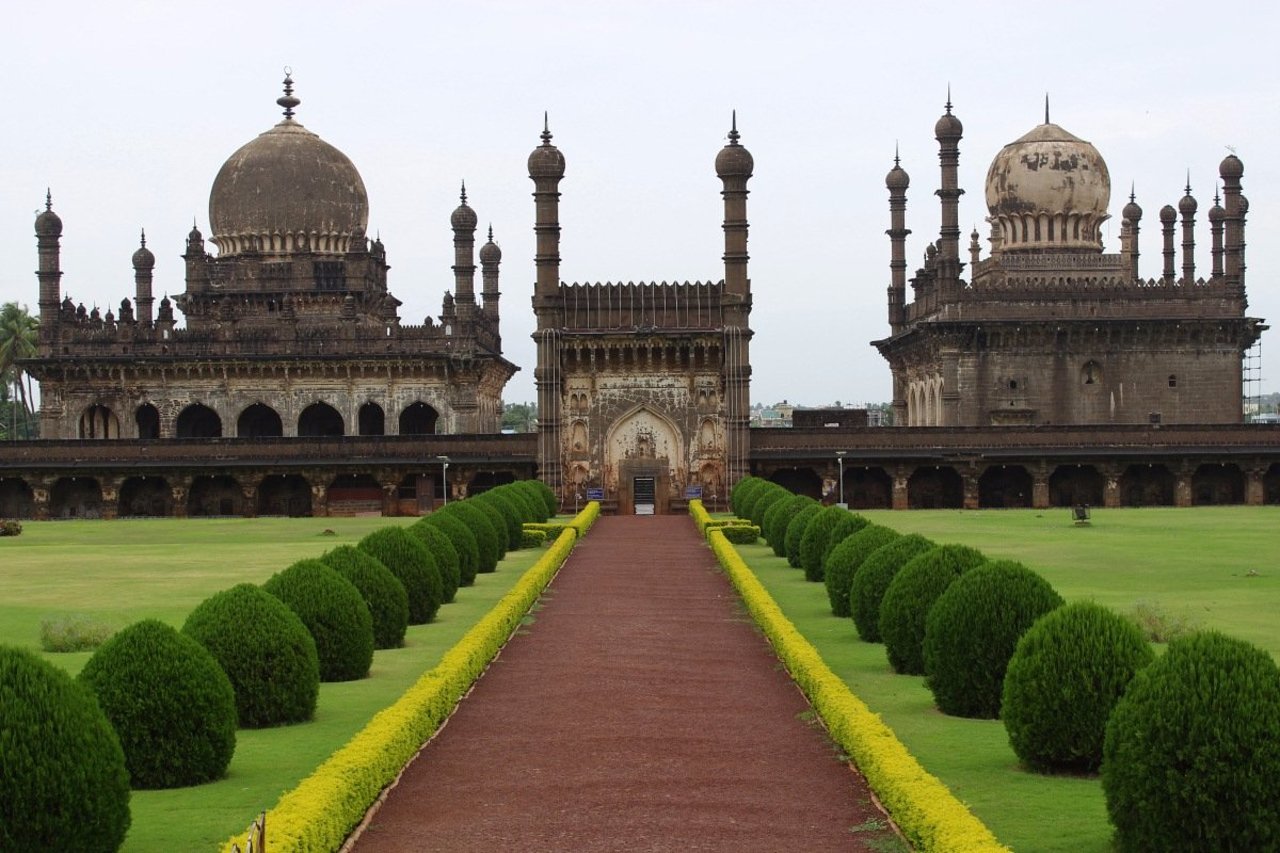
Famous Places to Visit in Bijapur: 15 Historic Attractions
Explore Bijapur (Vijayapura) - home to Gol Gumbaz's whispering gallery, Ibrahim Roza, and magnificent Adil Shahi architecture. Complete travel guide to Karnataka's historical treasure.
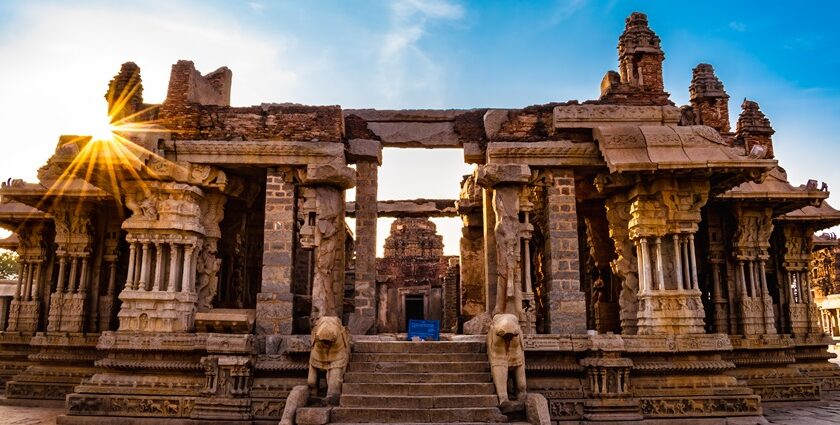
Hampi: 20 Best Places to Visit - Karnataka Heritage
Explore places to visit in Hampi with temples, royal enclosures, viewpoints, river activities, and practical zone-based itinerary planning.
Never Miss an Adventure
Get the latest trekking guides, travel tips, and exclusive offers delivered straight to your inbox.
