
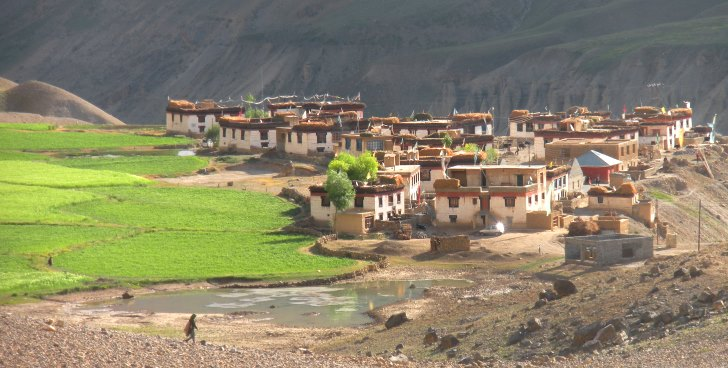
Gue Village Spiti: Mummy Village Story, Route & Stay Options

Rohan Malhotra
November 15, 2025
Discover Gue Village Spiti Valley, home to the 500-year-old mummy. Complete travel guide with monastery, how to reach & stay options.
Spiti's Most Mysterious Destination
High in the remote Spiti Valley of Himachal Pradesh lies a village that seems frozen in time - both literally and figuratively. Gue Village, perched at approximately 10,000 feet above sea level, holds one of India's most intriguing mysteries: a 500-year-old mummy that sits in meditation posture, remarkably preserved without any artificial preservation techniques. This tiny hamlet, accessible only through challenging mountain roads, offers visitors a unique blend of spiritual intrigue, Tibetan Buddhist culture, and raw Himalayan beauty that's increasingly difficult to find in our modern world. If you're planning a Spiti Valley trip, this remote village should definitely be on your itinerary.
What makes Gue truly special isn't just its famous mummy - though that's certainly the primary draw for most visitors. It's the sense of stepping into a world where time moves differently, where ancient traditions remain alive, and where the boundaries between the physical and spiritual seem to blur. Whether you're a history enthusiast, a spiritual seeker, or simply an adventurous traveler looking to explore Spiti's offbeat destinations, Gue Village promises an experience that will stay with you long after you've returned to the lowlands.
About Gue Village
Gue Village is located in the Lahaul and Spiti district of Himachal Pradesh, in a region that remains one of India's most remote and sparsely populated areas. The village sits at an altitude of around 10,000 feet, surrounded by towering mountains that seem to touch the sky, with the Spiti River flowing in the valley below.
The village itself is tiny - home to just a few dozen families who have lived here for generations. The traditional Spiti architecture is evident in every structure: mud-brick houses with flat roofs, built to withstand the harsh Himalayan winters, and whitewashed walls that gleam against the brown mountains. Prayer flags flutter in the wind, sending prayers out to the universe with every flutter, while chortens (stupas) dot the landscape, marking sacred spaces.
Life in Gue moves at a pace dictated by the seasons and the mountains. Winters are severe, with temperatures dropping to -30°C and heavy snow cutting off the village from the outside world for months. Summers are brief but intense, with villagers working feverishly to grow crops - mostly barley and peas - and prepare for the next long winter. It's a hard life, but one that its residents wouldn't trade for anything.
What strikes most visitors about Gue is its isolation. There's no mobile network here, no internet, and electricity is available only for a few hours each day via solar power. In many ways, visiting Gue is like traveling back in time - a reminder of how most of humanity lived until just a few generations ago. This isolation has preserved not just the village's traditional way of life but also its most famous resident: the 500-year-old mummy of Sangha Tenzin.
The 500-Year-Old Mummy
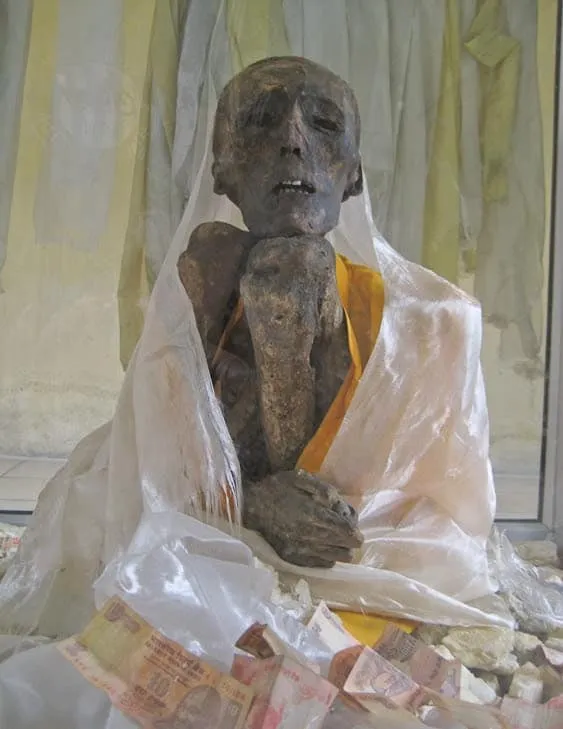
The star attraction of Gue Village is undoubtedly the remarkably preserved mummy of a Buddhist monk named Sangha Tenzin. What makes this mummy extraordinary is not just its age - approximately 500 years old - but the fact that it was naturally preserved without any artificial mummification process. Unlike Egyptian mummies, which were preserved through elaborate embalming techniques, Sangha Tenzin's body mummified naturally while he sat in meditation.
Who Was Sangha Tenzin?
Sangha Tenzin was a Buddhist monk who lived in the 16th century. According to local legends, he began the process of self-mummification while still alive - a practice known in Buddhism as "sokushinbutsu" or "becoming a Buddha in one's own body." This extremely rare and difficult process involved the monk gradually reducing his intake of food and water while meditating continuously, eventually leading to death while in a state of deep meditation.
The practice was based on the belief that if a monk maintained perfect meditation and spiritual discipline through the transition from life to death, his body would remain preserved as a sign of his enlightenment. Sangha Tenzin was one of the few monks who successfully achieved this, and his remarkably preserved body stands as a testament to his spiritual attainment.
Discovery of the Mummy
Interestingly, the mummy wasn't discovered until 1975, when an earthquake struck the region and caused the stupa (reliquary) where it was entombed to collapse. Local monks who went to repair the damage were astonished to find the perfectly preserved body of Sangha Tenzin inside. The mummy was sitting in the lotus position, eyes partially open, with skin still intact on the body.
Following its discovery, the mummy was moved to a specially constructed shrine within the Gue Monastery, where it remains today, visible to visitors who make the journey to this remote village.
Natural Preservation
Scientists who have studied the mummy believe that several factors contributed to its natural preservation. The cold, dry climate of the Spiti Valley certainly played a role - low temperatures and low humidity create ideal conditions for preventing decomposition. The monk's diet before death - which supposedly consisted only of nuts, seeds, and tree bark - may have helped dehydrate the body from within. The meditation posture and the sealed stupa would have created an oxygen-poor environment that further inhibited decay.
Whatever the scientific explanation, the result is truly remarkable. The mummy sits with its skin intact, teeth preserved, and even hair still visible on the head. Seeing this 500-year-old monk, appearing almost as if he's simply deep in meditation, is a surreal and moving experience that defies easy explanation.
Local Beliefs and Legends
For the people of Gue and the surrounding region, the mummy is not merely a historical curiosity but a sacred relic embodying the power of Buddhist practice. Local monks and villagers believe that Sangha Tenzin attained enlightenment and that his preserved body is proof of his spiritual achievement.
There are numerous legends about the mummy. Some say the monk is still in a state of deep meditation and will one day awaken. Others believe that the body has healing powers and that praying before it can cure illnesses. Whether or not one believes these legends, there's no denying the powerful spiritual atmosphere that surrounds the mummy and the reverence with which it is treated by the local community.
Gue Monastery
The Gue Monastery, also known as Gue Gompa, is the spiritual heart of the village and the permanent home of Sangha Tenzin's mummy. This small but significant monastery is an active place of worship, where Buddhist monks continue their spiritual practice just as their predecessors have done for centuries.
Architecture and Layout
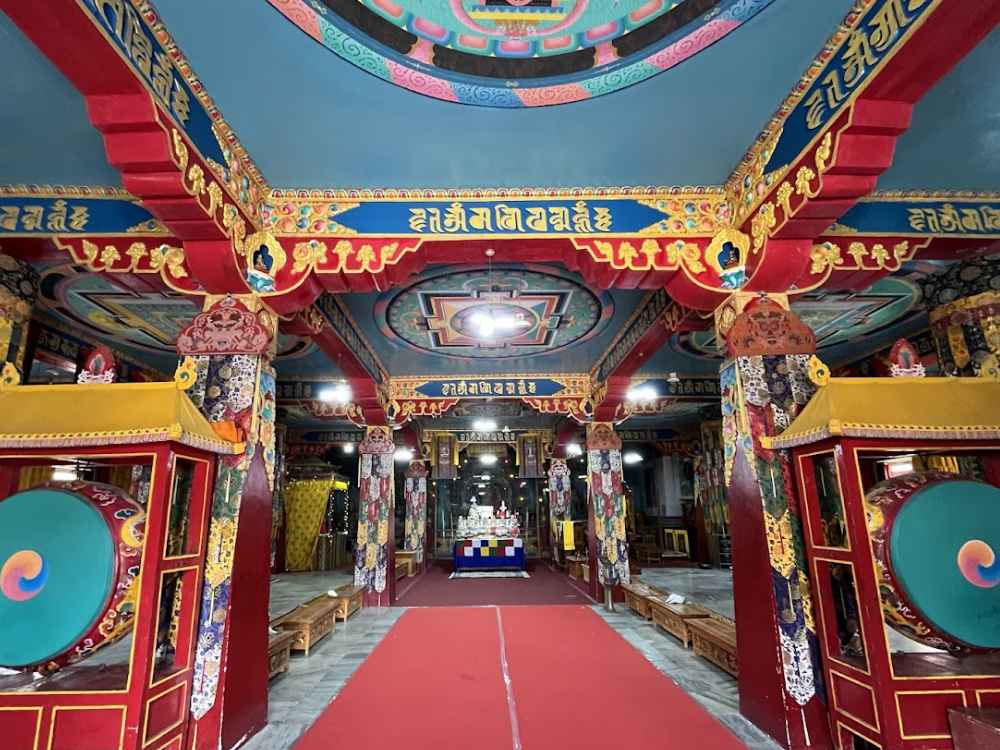
The monastery follows traditional Spiti Valley architectural style. Built from mud and stone, with white-washed walls and colorful prayer flags fluttering from its roof, it blends seamlessly into the mountain landscape. The main prayer hall houses the mummy in a glass case, allowing visitors to view it while protecting it from damage.
The interior of the monastery is decorated with thangkas (traditional Tibetan Buddhist paintings), statues of various Buddhist deities, and countless butter lamps that flicker in the dim light, creating an atmosphere of timeless spirituality. The walls are painted with Buddhist motifs and mandalas, each symbol carrying deep meaning in Buddhist philosophy.
Spiritual Significance
For the local Buddhist community, Gue Monastery is far more than a tourist attraction - it's a sacred space where the teachings of Buddha are kept alive and practiced. Monks here follow a rigorous daily routine of prayers, meditation, and study, maintaining traditions that have been passed down for generations.
Visitors who spend time at the monastery often report feeling a profound sense of peace. Whether it's the sound of monks chanting ancient prayers, the smell of incense that permeates every corner, or simply the weight of centuries of spiritual practice that seems to hang in the air, there's something about Gue Monastery that touches even the most skeptical visitor.
Visiting the Monastery
The monastery is open to visitors, and the monks are generally welcoming to respectful travelers. When you visit, remember that this is an active place of worship, not a museum. Maintain silence, dress modestly, and observe basic Buddhist etiquette - walk clockwise around sacred objects, don't point your feet toward the mummy or religious statues, and ask permission before taking photographs.
If you're lucky, you might witness a prayer ceremony or have the opportunity to speak with one of the monks, many of whom speak English and are happy to share information about Buddhism, the monastery, and the mummy.
Best Time to Visit
Choosing the right time to visit Gue Village is crucial, as the remote location and extreme altitude mean weather conditions dramatically affect accessibility and experience.
Summer (June-September): This is the only practical time to visit Gue Village. During these months, the roads from Kaza and Shimla are accessible, and the weather is relatively pleasant. Daytime temperatures range from 15-20°C, comfortable for exploration and the trek up to the village. This is also when the village is at its most vibrant, with residents busy with agricultural work and religious ceremonies.
Monsoon (July-August): While Spiti receives significantly less rainfall than other parts of India, the monsoon can still cause problems. Landslides and roadblocks are common, making the already challenging journey even more difficult. If you visit during monsoon, build in extra time for potential delays and check road conditions before setting out.
Autumn (October-November): As winter approaches, the days become shorter and colder. However, the clear skies and crisp air offer spectacular views of the surrounding mountains. This is also harvest season, so you'll see villagers bringing in crops and preparing for winter. Roads are still accessible, but services begin shutting down as the village prepares for winter closure.
Winter (December-May): Gue Village is virtually inaccessible during winter. Heavy snow closes all roads, and temperatures drop to dangerous levels. The village receives only a few hours of sunlight each day. Unless you're an experienced mountaineer with proper equipment and acclimatization, winter visits are not recommended.
Recommended Timing: The best time to visit is July to September, when weather is most predictable and all facilities are operational. Plan your visit for early in the day to allow plenty of time for exploration and return travel before dark.
How to Reach
Reaching Gue Village is an adventure in itself, involving long drives on some of India's most challenging roads through spectacular high-altitude landscapes.
From Kaza
Kaza, the main town of Spiti Valley, is approximately 45 kilometers from Gue Village. The drive takes about 2 hours, depending on road conditions. The road is unpaved for much of the way, narrow, and winding - definitely not for the faint of heart. You'll need a SUV or similar vehicle with good ground clearance. Most travelers hire a taxi in Kaza rather than attempting the drive themselves. There are several hotels in Kaza where you can stay before or after visiting Gue.
From Shimla (Via Kinnaur)
The route from Shimla is longer but considered more scenic and gradual in terms of altitude gain, making it better for acclimatization. The journey takes 2-3 days, with overnight stops recommended in Sarahan and Sangla or Kalpa. The road passes through the Kinnaur district before entering Spiti Valley. While beautiful, this route can be affected by landslides, especially during monsoon.
From Manali (Via Rohtang Pass and Kunzum Pass)
This route is shorter but more challenging in terms of altitude gain. The drive from Manali to Kaza takes about 8-10 hours, traversing Rohtang Pass and Kunzum Pass. If you're planning this route, check out our Manali to Kaza travel guide for detailed information. Both passes are high (Rohtang at 13,050 feet, Kunzum at 15,060 feet) and can be closed due to snow even in summer. This route is only open from June to October.
Public Transport
Public buses run from Kaza toward the Gue area, but they don't go directly to the village. You'll need to get off at the nearest road point and either hike or arrange for local transport. Most travelers find it more convenient to hire a private taxi from Kaza, which costs around ₹3,000-4,000 for a round trip.
Important Considerations
- Altitude: Gue is at 10,000+ feet. Proper acclimatization is essential to avoid altitude sickness.
- Road Conditions: Roads are rough and can be treacherous. Only experienced drivers should attempt this journey.
- Fuel: There are no fuel stations after Kaza. Ensure you have a full tank and carry extra fuel.
- Breakdowns: Vehicle breakdowns are common. Carry basic supplies and be prepared for long waits.
- Permits: Indian nationals don't need special permits for Spiti Valley. Foreigners need an Inner Line Permit, obtainable in Kaza or Reckong Peo.
Where to Stay
Accommodation options in and around Gue Village are extremely basic, reflecting the village's remote location and simple way of life.
Homestays in Gue
There are a few basic homestays in Gue Village, offering simple rooms and home-cooked meals. These homestays are traditional Spiti houses - mud-brick structures with basic amenities. Rooms are clean but simple, usually with traditional bedding (thick blankets rather than quilts, necessary for the cold nights). Toilets are typically dry or compost-style, and hot water may not be available. However, what these homestays lack in modern comforts, they make up for in warmth and authenticity - you'll be welcomed into a local family's home and get a genuine glimpse of village life.
Camping
Some travelers choose to camp near the village. This gives you flexibility and the opportunity to sleep under the spectacular Himalayan sky. However, camping at high altitude requires proper gear and experience. Temperatures drop dramatically at night, even in summer, so a good quality tent and sleeping bag rated for cold weather are essential. Always camp in designated areas and get permission from local authorities or villagers before setting up your tent.
Day Trip from Kaza
Given the limited accommodation in Gue, many travelers choose to stay in Kaza and visit Gue as a day trip. Kaza has numerous hotels and guesthouses with better facilities and more comfort options. From Kaza, it's an early morning drive to Gue, time to explore the village and monastery, and return to Kaza by evening. This allows you to experience Gue's highlights while sleeping in more comfortable surroundings.
What to Expect
Whether you stay in Gue or Kaza, adjust your expectations accordingly. This is one of the most remote places in India. Facilities are basic, electricity is limited, hot water is not guaranteed, and internet connectivity is non-existent. But if you're willing to forego modern comforts for a few days, you'll be rewarded with an authentic Himalayan experience that's increasingly rare in today's world.
If your itinerary allows, combine the visit with the nearby Tabo Monastery, one of the oldest continuously operating Buddhist monasteries in the Himalayas, for a fuller picture of Spiti's living monastic heritage before heading back to Kaza.
Gue Village and its 500-year-old mummy offer more than just a tourist attraction - they provide a window into a world where spirituality, tradition, and harsh natural reality coexist. The journey here is long and challenging, the facilities are basic, and the altitude demands respect. But for those who make the effort, Gue delivers an experience of profound otherness - a chance to witness a place that seems to exist outside of time, where the physical and spiritual intersect in ways that defy easy explanation. As you stand before the mummy of Sangha Tenzin, a monk who sat in meditation five centuries ago and remains preserved to this day, you can't help but contemplate the mysteries of human existence, the power of spiritual practice, and the incredible diversity of ways of life that still exist on our planet.
Location
Frequently Asked Questions
Q1.Where is Gue Village located in Spiti?
Q2.How far is Gue Village from Kaza?
Q3.What is Gue Village famous for?
Q4.Who is the mummy in Gue Village?
Q5.How old is the Gue mummy?
Q6.Can we see the mummy in Gue?
Q7.How do I reach Gue Village?
Q8.Where can I stay in Gue Village?
Recommended For You
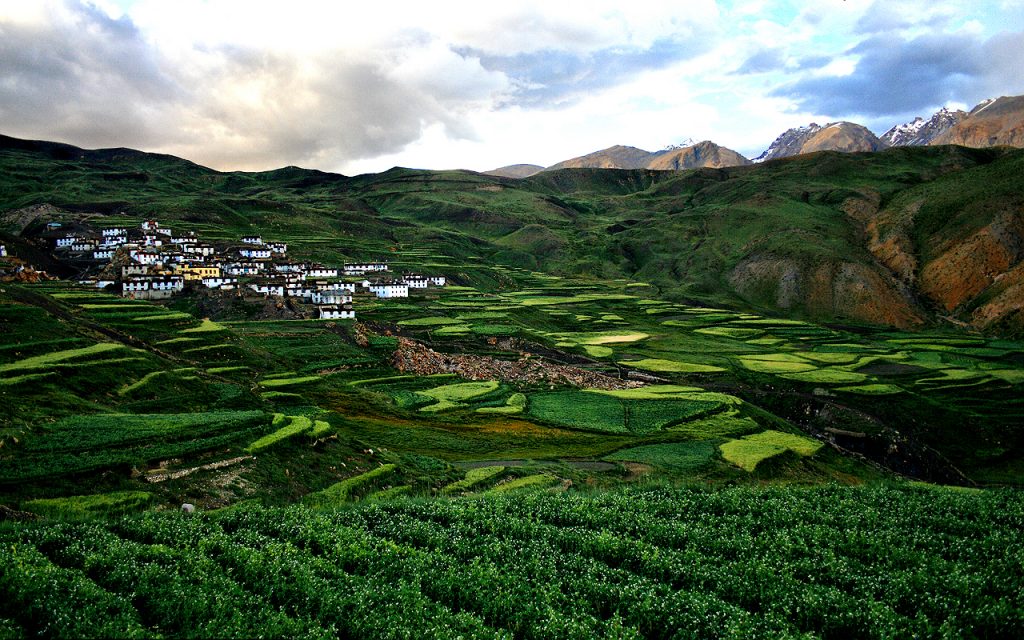
Demul Village Spiti: Homestays, Culture & Valley Views
Visit Demul Village in Spiti Valley. Know homestays, altitude, how to reach, trekking & traditional village life in Himalayas.
Dhankar Village Spiti: Monastery, Lake & Stay Options
Explore Dhankar Village in Spiti Valley. Visit ancient monastery, Dhankar Lake, homestays, trekking & travel guide.
Shashur Monastery Lahaul: Chaam Festival Dates & Travel Details
Visit Shashur Monastery in Kaza, Spiti Valley. Famous for the sacred Chaam dance festival. Complete guide with timings, trek info, how to reach, and travel tips.
Never Miss an Adventure
Get the latest trekking guides, travel tips, and exclusive offers delivered straight to your inbox.
