
Kibber Village Spiti: Altitude, Weather, Homestays & Route

Priya Mehta
January 24, 2026
Planning Kibber Village in Spiti? Get altitude details, best season, route from Kaza, weather tips, homestay guidance, and wildlife-focused travel advice.
Introduction to Kibber Village in Spiti Valley
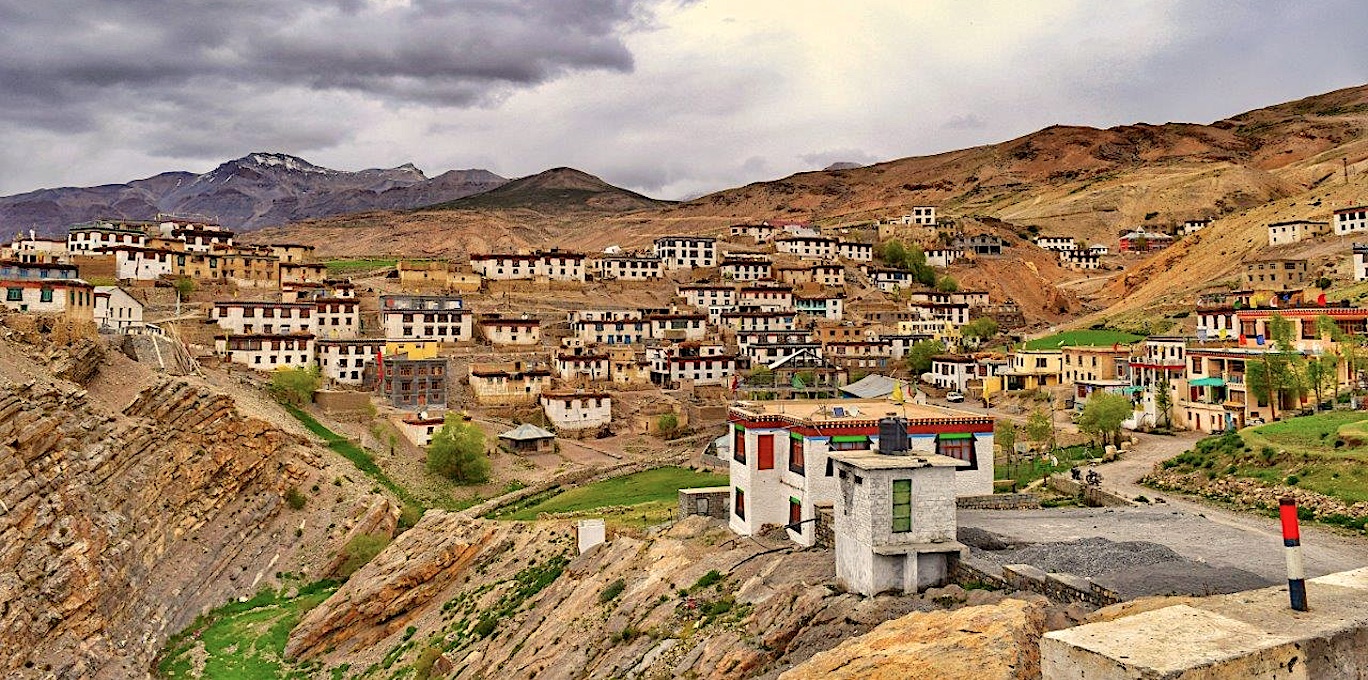
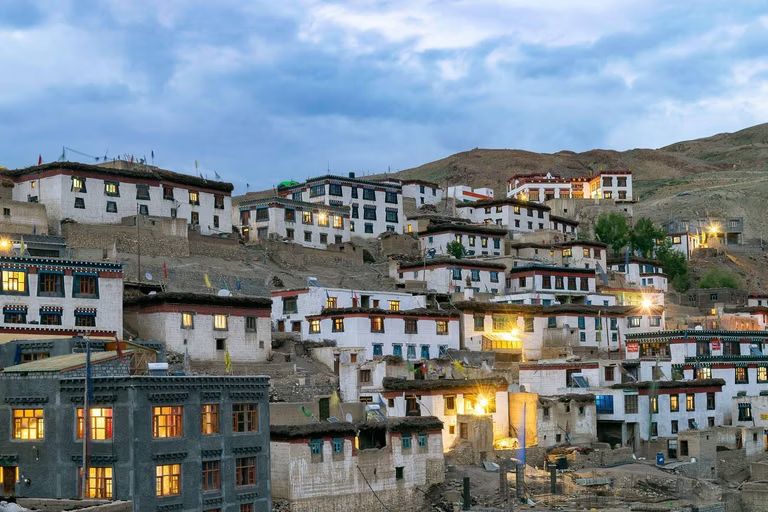
Kibber Village is one of the most iconic high-altitude settlements in Spiti Valley, Himachal Pradesh. Located at about 4,270 meters (14,200 ft), it is often described as one of the highest permanently inhabited villages with a motorable road. For travelers who want raw Himalayan landscapes, traditional Spitian culture, and wildlife experiences, Kibber is not just a stopover but a destination in itself. The village sits above deep valleys and barren mountain ridges, creating a dramatic setting that changes color through the day. Sunrise and sunset hours can feel surreal, with golden light touching mud-brick homes and distant snow peaks. Many travelers visiting Kaza in Spiti Valley add Kibber as a day trip, but staying overnight in a homestay offers a far richer experience. This guide covers best time to visit, how to reach from Kaza and beyond, month-wise weather, wildlife opportunities including snow leopard sightings, trekking options, and practical travel tips for safe high-altitude exploration.Kibber Village Altitude, Location, and Why It Is Special
Kibber lies roughly 18 km from Kaza and is connected by a scenic mountain road that also passes near Key Monastery and Chicham. Its altitude is high enough for travelers to feel the impact of thin air, which is why acclimatization in Kaza before moving to Kibber is strongly recommended. What makes Kibber special is the combination of culture and wilderness. Unlike purely tourist towns, the village still retains a lived-in rhythm shaped by farming, livestock, monastic traditions, and harsh winters. Stone-and-mud homes, compact lanes, prayer flags, and surrounding cold desert terrain create an authentic Spiti atmosphere. For photographers, this is one of the most rewarding villages in the region. For trekkers and wildlife enthusiasts, it serves as a gateway to the Kibber Wildlife Sanctuary zone and trails toward high meadows and remote hamlets.Best Time to Visit Kibber Village
 Choosing the season carefully can significantly improve your Kibber experience. Weather, road access, and activity options vary sharply across the year.
| Season | Temperature Range | Road Conditions | Best For | Travel Rating |
|---|---|---|---|---|
| May - June | 5°C to 15°C (nights colder) | Generally good | Wildlife drives, village walks, trekking start | 9/10 |
| July - August | 8°C to 18°C | Mostly accessible | Road trips, photography, slower travel | 8/10 |
| September - October | 0°C to 12°C | Excellent visibility, stable roads | Clear skies, long views, culture + landscape | 10/10 |
| November - April | -20°C to 0°C | Snow and intermittent blockages | Extreme winter travel, snow leopard expeditions | 6/10 |
How to Reach Kibber Village
From Kaza (Most Common Route)
Kibber to Kaza distance is around 18 km, and road travel generally takes 45 minutes to 1 hour depending on weather and traffic. Shared cabs and private taxis are available in peak season. This is the easiest and most practical approach for most visitors.From Manali Side
Typical route: Manali -> Rohtang/Atal Tunnel sector -> Batal -> Kunzum Pass -> Kaza -> Kibber. This route is seasonal and usually open in warmer months, depending on snowfall and BRO road updates. Travel days can be long and tiring, so an overnight halt in Kaza is advisable.From Shimla Side
Route via Kinnaur and upper Spiti: Shimla -> Reckong Peo -> Nako -> Tabo -> Kaza -> Kibber. This approach is longer but can offer relatively better continuity in shoulder seasons.Nearest Airport and Rail
The nearest airport is Bhuntar (Kullu), still far from Spiti and requiring a long onward road journey. There is no nearby major railhead for direct access to Kibber, so road travel remains essential. Before departure, check road advisories and align your route with a broader plan like this how to reach Spiti Valley guide.Kibber Village Weather: Month-by-Month Overview
At this altitude, weather can change quickly even within the same day. Layering is non-negotiable. - January-February: Severe cold, heavy snow patches, sub-zero day and night temperatures. - March-April: Transition period; still cold with occasional snow and icy mornings. - May-June: Pleasant daytime conditions, cold nights; one of the best windows for most travelers. - July-August: Mild summer in Spiti context; generally manageable weather. - September-October: Crisp air, clear skies, excellent visibility for photography. - November-December: Winter sets in rapidly; roads may become unpredictable. For weather-first planning across the region, compare with best time to visit Spiti Valley and route-specific updates before finalizing dates.Things to Do in Kibber Village
1) Explore the Village on Foot
Slow walking through Kibber lanes is one of the best ways to understand local architecture and mountain life. Morning walks reveal daily routines, while evenings offer dramatic sky colors and peaceful village silence.2) Visit Nearby Chicham Bridge
One of the highest suspension bridges in the region, Chicham Bridge Spiti adds a high-adrenaline visual stop to the itinerary. The road and valley views around this area are spectacular.3) Monastery and Culture Circuit
You can combine Kibber with Key Monastery Spiti Valley for spiritual and cultural immersion. Monastery visits offer insight into local Buddhist traditions, murals, rituals, and mountain monastic life.4) Stargazing and Night Photography
Low light pollution and dry air make Kibber excellent for night sky viewing. Clear nights can reveal detailed Milky Way patterns, especially in autumn and winter.Kibber Wildlife Sanctuary and Snow Leopard Opportunities
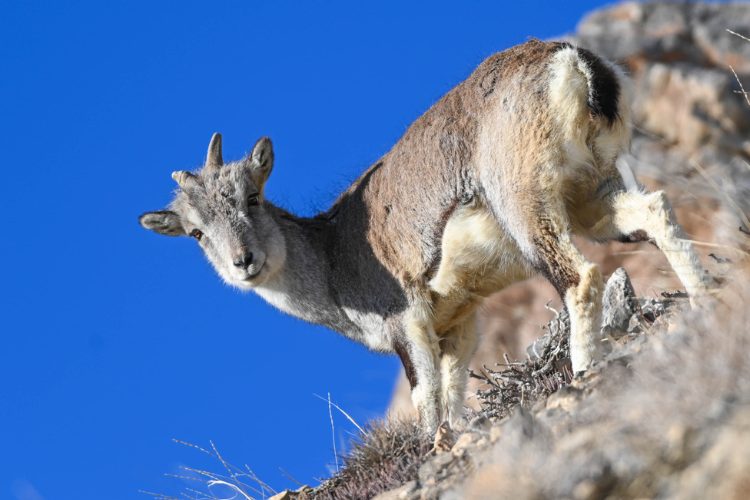 Kibber is closely associated with high-altitude wildlife habitats. The wider landscape supports species such as Himalayan ibex, blue sheep, foxes, and a range of mountain birds. The most talked-about experience is snow leopard tracking, especially in deep winter months when sightings become more likely under expert-guided expeditions.
Important points for wildlife-focused travel:
- Sightings are never guaranteed and require patience.
- Ethical tracking with certified local guides is strongly recommended.
- Winter tracking demands proper thermal gear and physical stamina.
- Respect wildlife distance and avoid loud group behavior.
If wildlife is your core purpose, plan at least 3-4 days in the area and keep an extra buffer day for weather or low-visibility conditions.
Kibber is closely associated with high-altitude wildlife habitats. The wider landscape supports species such as Himalayan ibex, blue sheep, foxes, and a range of mountain birds. The most talked-about experience is snow leopard tracking, especially in deep winter months when sightings become more likely under expert-guided expeditions.
Important points for wildlife-focused travel:
- Sightings are never guaranteed and require patience.
- Ethical tracking with certified local guides is strongly recommended.
- Winter tracking demands proper thermal gear and physical stamina.
- Respect wildlife distance and avoid loud group behavior.
If wildlife is your core purpose, plan at least 3-4 days in the area and keep an extra buffer day for weather or low-visibility conditions.
Trekking from Kibber Village
Kibber is a practical base for short and moderate treks in the Spiti region. Trail options vary by season and snow conditions. Popular trekking themes include: - Ridge and meadow walks around Kibber for panoramic photography. - Village-to-village exploratory routes depending on local conditions. - Cultural treks that combine monasteries, homestays, and local interactions. Trek safety basics: - Acclimatize first; do not attempt long treks immediately after arrival. - Carry layered clothing, sun protection, and sufficient water. - Hire local guides for route confidence and weather judgment. - Start early and return before dusk in remote stretches.Kibber Homestays, Food, and Facilities
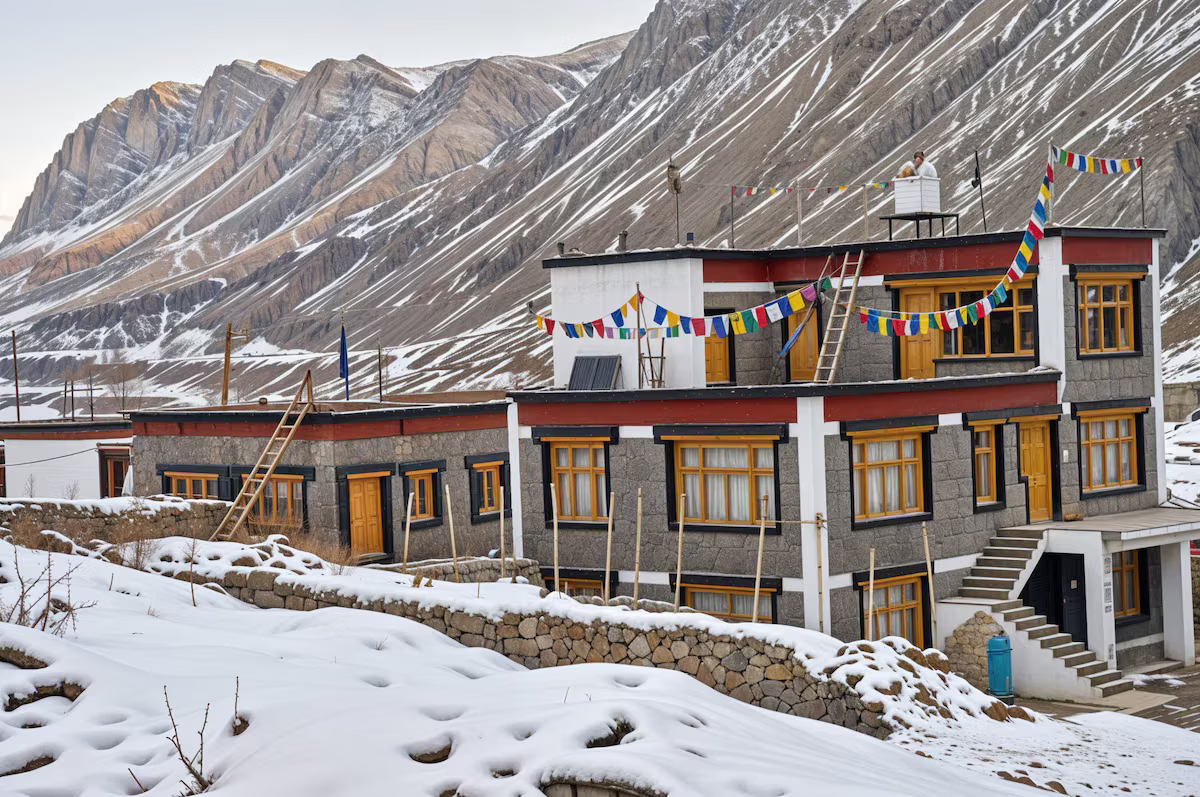 Homestay culture is one of Kibber's strongest travel experiences. Many stays are family-run and provide simple rooms, home-cooked meals, and warm hospitality. Facilities are basic compared to city hotels, but comfort and authenticity are high for mountain standards.
What to expect in stays:
- Limited heating infrastructure; extra blankets are common.
- Hot water availability may be time-specific.
- Network connectivity can be patchy.
- Power outages may occur in harsh weather.
Food is generally simple and nourishing: dal, rice, roti, vegetables, noodles, and tea. During peak season, some cafés and small guesthouse kitchens offer broader menus, but choices remain limited compared to major hill stations.
Homestay culture is one of Kibber's strongest travel experiences. Many stays are family-run and provide simple rooms, home-cooked meals, and warm hospitality. Facilities are basic compared to city hotels, but comfort and authenticity are high for mountain standards.
What to expect in stays:
- Limited heating infrastructure; extra blankets are common.
- Hot water availability may be time-specific.
- Network connectivity can be patchy.
- Power outages may occur in harsh weather.
Food is generally simple and nourishing: dal, rice, roti, vegetables, noodles, and tea. During peak season, some cafés and small guesthouse kitchens offer broader menus, but choices remain limited compared to major hill stations.
Photography Tips for Kibber
Kibber offers strong compositions for both landscape and documentary-style photography. - Shoot sunrise and sunset for texture on mountain slopes and village homes. - Use wide-angle frames for valley depth and architecture context. - Carry spare batteries; cold weather drains power quickly. - Respect privacy when photographing locals and monasteries. - Keep weatherproof protection for camera gear due to dust and snow. For a larger regional itinerary, you can pair Kibber with things to do in Spiti Valley and nearby natural attractions to diversify your photography portfolio.Essential Travel Tips for Kibber Village
- Spend at least one night in Kaza before moving higher to Kibber. - Stay hydrated and avoid overexertion on day one at altitude. - Carry personal medicines and basic first-aid essentials. - Keep cash, as digital payment reliability varies by network. - Pack thermal layers, windproof outerwear, sunglasses, and sunscreen. - Respect local customs and minimize waste in this fragile ecosystem. A careful pace, realistic expectations, and weather-aware planning make Kibber travel safe and highly rewarding.Conclusion
Kibber Village in Spiti is far more than a high-altitude checkmark. It combines wild Himalayan scenery, meaningful village life, and authentic adventure in one compact destination. Whether you come for snow leopard possibilities, monastery circuits, trekking routes, or mountain photography, Kibber leaves a lasting impact. Plan with altitude in mind, keep your itinerary flexible, and choose homestay-based travel for a deeper connection with Spiti. With the right preparation, Kibber can become one of the most memorable stops of your entire Himachal journey. If you are on a longer Spiti circuit, keep one buffer day in your plan so sudden weather changes do not force rushed drives at high altitude.Location
Frequently Asked Questions
Q1.What is the best time to visit Kibber Village?
Q2.When does it snow in Kibber?
Q3.Is Kibber open in December?
Q4.How to reach Kibber from Kaza?
Q5.What is Kibber to Kaza distance by road?
Q6.Can we see snow leopard in Kibber?
Q7.What is Kibber Village altitude?
Q8.Is there accommodation in Kibber Village?
Recommended For You
Things to Do in Spiti Valley: Monasteries, Villages & Routes
Discover the top 15 things to do in Spiti Valley including Key Monastery, Chandratal Lake, Pin Valley, ancient villages, and high-altitude adventures. Complete guide with itineraries, costs, and travel tips.
Best Time to Visit Spiti Valley: Road Status, Season & Itinerary Fit
Discover the best time to visit Spiti Valley with season-wise weather, road status windows, and month-by-month planning tips for road trips, treks, and Chandratal.
How To Reach Spiti Valley: Routes And Travel Options
Planning a trip to Spiti Valley? Learn how to reach Spiti from Manali & Shimla by road, flight & train. Get routes, timings, permits & essential travel tips.
Never Miss an Adventure
Get the latest trekking guides, travel tips, and exclusive offers delivered straight to your inbox.
