
Shashur Monastery Lahaul: Chaam Festival Dates & Travel Details

Ananya Sharma
December 1, 2025
Visit Shashur Monastery in Kaza, Spiti Valley. Famous for the sacred Chaam dance festival. Complete guide with timings, trek info, how to reach, and travel tips.
Introduction: The Cliffside Spiritual Haven
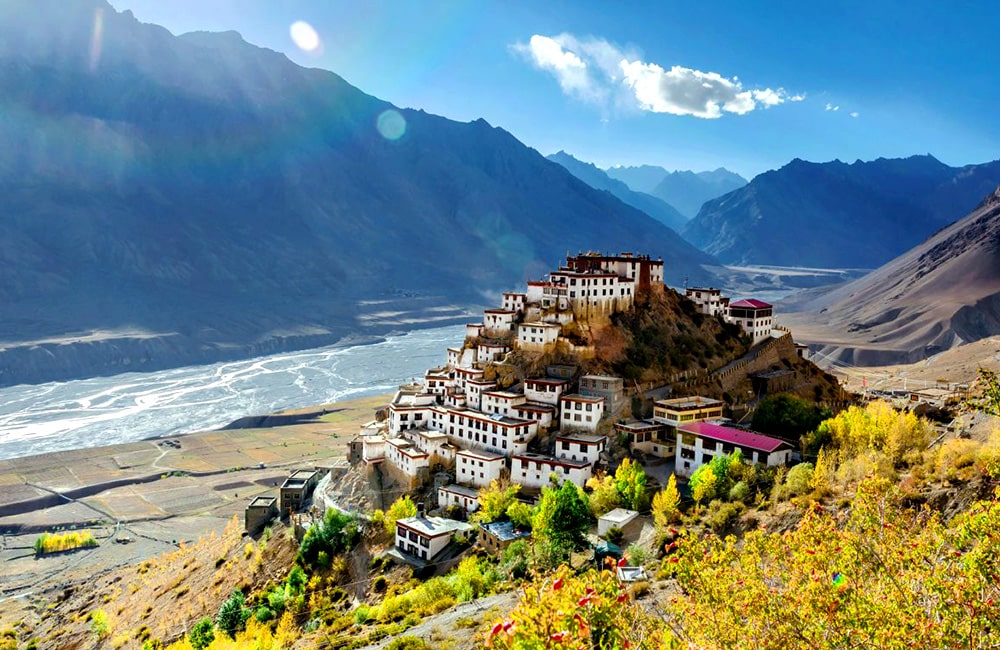
Perched dramatically on a cliff face overlooking Kaza, Shashur Monastery stands as one of Spiti Valley's most spiritually significant and visually striking Buddhist sites. The name 'Shashur' translates to 'blue pines' in the local dialect, referring to the dense forest of these trees that surrounds the monastery. Located just 4 kilometers from Kaza at an altitude of approximately 3,900 meters, this sacred site belongs to the Gelugpa sect of Tibetan Buddhism and serves as an important center for monastic life in the region.
What sets Shashur Monastery apart from other Buddhist gompas in Spiti is its spectacular setting and the famous Chaam dance festival that draws visitors from across the world. The monastery appears to emerge naturally from the rocky mountainside, its white-washed walls contrasting beautifully against the rugged brown cliffs and deep blue skies that characterize this high-altitude desert region. For travelers exploring Spiti Valley, Shashur offers not just spiritual insights but also breathtaking panoramic views of the Kaza valley and the surrounding snow-capped peaks.
The monastery's secluded location requires a short but rewarding trek from Kaza, making the journey part of the experience. As you ascend the mountain path, prayer flags flutter in the wind, and the rhythmic spinning of prayer wheels by pilgrims sets a contemplative tone. Whether you're a spiritual seeker, cultural enthusiast, or simply a traveler looking for unique experiences off the beaten path, Shashur Monastery provides an authentic glimpse into Tibetan Buddhist culture and the mystical traditions of the Spiti Valley.
History & Foundation
Shashur Monastery traces its origins to the 17th century when it was founded by Lama Deva Gyatso, a renowned Buddhist master of the Gelugpa tradition. The Gelugpa sect, often referred to as the 'Yellow Hat' school, is one of the newest but most influential schools of Tibetan Buddhism, founded by the great philosopher Je Tsongkhapa in the 14th century. Lama Deva Gyatso established Shashur as a center for learning and meditation, recognizing the spiritual energy of the cliffside location.
Over the centuries, the monastery has undergone several renovations and reconstructions due to earthquakes and the harsh mountain weather that characterizes this region. Despite these challenges, Shashur has maintained its spiritual significance and continues to serve as an important training ground for young monks. The monastery's resident lamas preserve ancient Buddhist texts, thangkas (paintings), and sacred artifacts that have been passed down through generations of practitioners.
Unlike some of Spiti's larger monasteries like the famous Key Monastery, Shashur maintains a more intimate atmosphere, housing around 30-40 monks at any given time. This smaller community allows for deeper interactions between visitors and resident monks, who are often willing to share insights about Buddhist philosophy and monastery life. The historical significance of Shashur lies not in its size but in its role as a living repository of Tibetan Buddhist culture in the remote Spiti Valley.
The monastery's architecture reflects traditional Tibetan design principles adapted to the mountainous terrain. Thick stone walls provide insulation against harsh winters, while narrow windows minimize heat loss. The main assembly hall (dukhang) features intricate woodwork and paintings that depict various Buddhist deities, mandalas, and scenes from the life of Buddha. Overlooking the valley from its cliffside perch, Shashur Monastery has witnessed centuries of Spiti's history while remaining a constant presence in the spiritual life of the local community.
The Famous Chaam Festival
The Chaam Festival at Shashur Monastery is undoubtedly its most famous attraction and one of Spiti Valley's most significant cultural events. Held annually in June or July, this three-day Buddhist festival features the sacred Cham dance, a ritual performance that combines art, spirituality, and community celebration. The exact dates vary each year according to the Tibetan lunar calendar, typically coinciding with the full moon period, so travelers should check with local sources for precise timing before planning their visit.
The Cham dance is not merely entertainment—it's a profound spiritual practice performed by monks who meditate for weeks before the festival. During the ceremony, monks wear elaborate masks representing various Buddhist deities, protective spirits, and demons. These masks, often handcrafted with incredible detail, transform the dancers into embodiments of the divine beings they portray. The dances symbolize the victory of good over evil, the enlightenment of Buddha, and the protection of the dharma (Buddhist teachings).
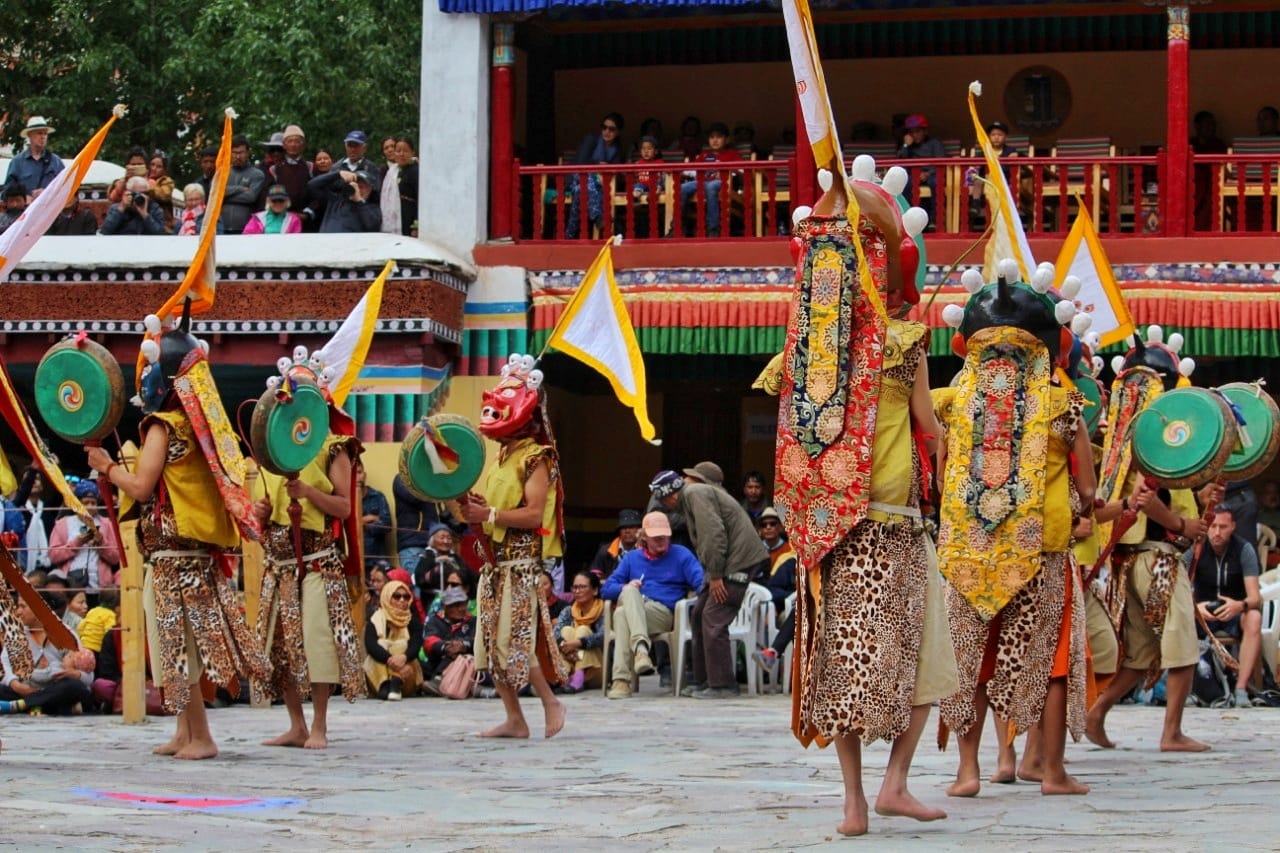
Each day of the festival features different dances and rituals. The performances begin early in the morning and continue throughout the day, accompanied by the deep, resonant sounds of long horns (dungchen), cymbals, drums, and the hypnotic chanting of monks. The atmosphere during the festival is electric—spiritual energy fills the air as locals gather in their finest traditional attire to receive blessings and participate in the celebrations.
The festival attracts not just locals but also travelers from around the world who come to witness this unique cultural spectacle. Visitors should note that photography may be restricted during certain sacred portions of the ceremony, so it's important to be respectful and follow the monks' guidance. The monastery grounds transform during the festival, with temporary tea stalls serving butter tea and traditional food, while prayer flags are replaced with fresh ones, adding to the festive atmosphere.
For travelers planning to attend the Chaam Festival, accommodations in Kaza book up well in advance, so reserve your stay early. Carry warm clothing as June/July nights in Spiti can still be quite cold at this altitude. The festival provides an unparalleled opportunity to experience Tibetan Buddhist culture at its most vibrant and authentic, making it worth the extra planning required to attend.
Architecture & Sacred Art
Shashur Monastery's architecture exemplifies traditional Tibetan Buddhist monastic design adapted to the challenging mountain environment. The main building consists of the dukhang (assembly hall), where monks gather for prayers and ceremonies, and several smaller chapels dedicated to specific deities and practices. The exterior whitewashed walls, maintained annually by the monks, create a striking contrast against the rocky cliff face and surrounding blue pine forest from which the monastery takes its name.
One of the monastery's most prized possessions is a collection of 15-foot thangkas—traditional Tibetan Buddhist paintings on cotton or silk appliqué. These sacred artworks depict various Buddhas, bodhisattvas, and mandalas, and are typically displayed only during special occasions and festivals. The thangkas at Shashur are renowned for their intricate detail and vibrant colors, preserved carefully despite the harsh climate that can damage such delicate artworks.
The interior walls of the assembly hall are adorned with frescoes depicting scenes from the life of Buddha, the wheel of life (bhavachakra), and various Buddhist deities. These paintings serve not just as decoration but as educational tools, illustrating Buddhist philosophy and cosmology for both monks and lay visitors. The main statue in the central shrine is that of Shakyamuni Buddha (the historical Buddha), surrounded by smaller statues of other important figures in Buddhist tradition.
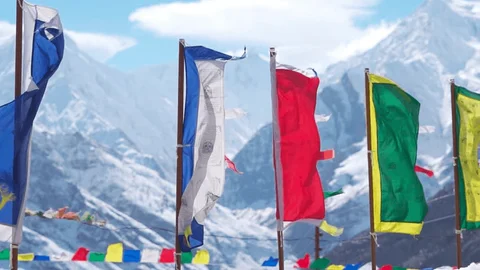
Colorful prayer flags flutter around the monastery, their five colors representing the five elements: blue for sky, white for air, red for fire, green for water, and yellow for earth. These flags carry prayers and mantras that are believed to spread blessings as they flutter in the wind. Prayer wheels of various sizes line the paths around the monastery, each containing thousands of written mantras. Spinning these wheels clockwise is believed to accumulate merit and wisdom.
The monastery's layout follows traditional Tibetan principles, with the most sacred spaces located in the upper levels. Visitors should always walk clockwise around stupas and sacred objects, following Buddhist tradition. The rooftop offers spectacular views of the surrounding valleys and peaks, providing a natural setting for meditation and contemplation. This connection between the built environment and the natural landscape is a hallmark of Tibetan Buddhist architecture, reflecting the belief that the entire world is sacred.
How to Reach from Kaza
Shashur Monastery's location just 4 kilometers from Kaza makes it easily accessible for travelers based in Spiti's main town. The journey involves a combination of road travel and a moderate trek, offering visitors a gradual transition from the bustle of Kaza to the serene atmosphere of the cliffside monastery.
By Taxi: The most convenient option is hiring a taxi from Kaza, which can take you most of the way to the monastery. Taxis are available in Kaza town, and most hotels can help arrange transportation. The drive takes approximately 15-20 minutes, covering a significant portion of the 4km distance. However, the final stretch requires a short walk as vehicles cannot reach all the way to the monastery entrance due to the steep terrain and narrow paths.
The Trek Option: For those who prefer a more immersive experience, trekking from Kaza to Shashur Monastery is entirely possible and highly recommended for able-bodied travelers. The trek takes approximately 1 to 1.5 hours at a moderate pace, depending on your fitness level and how often you stop for photography and rest. The path is well-defined and passes through scenic landscapes, including patches of blue pine forest and rocky outcrops that offer panoramic views of the Kaza valley.
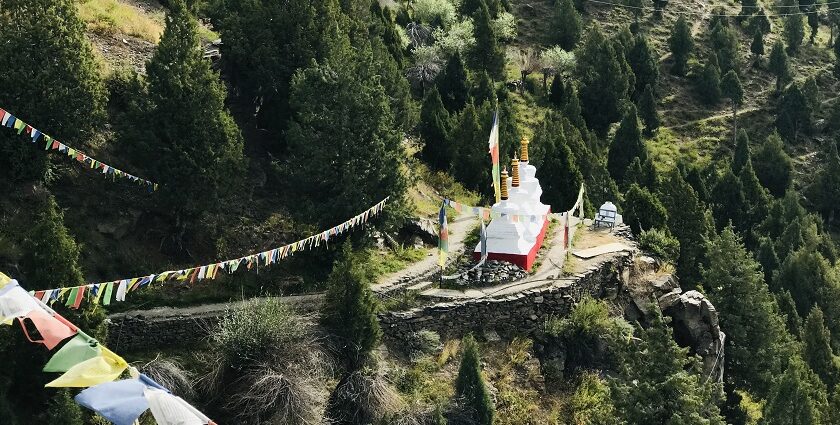
Starting Point: The trek begins from the outskirts of Kaza, near the old town area. Most locals can direct you to the trailhead, or you can follow GPS coordinates if available. The path initially follows a gentle gradient before ascending more steeply as you approach the monastery. Along the way, you'll pass chortens (stupas) and prayer flags that mark sacred spots, offering glimpses into the spiritual significance of the landscape.
Guides: While the trail is relatively straightforward, hiring a local guide can enhance the experience. Guides can share stories about the monastery's history, point out interesting geological features, and help you navigate if you're unsure of the path. Many guesthouses in Kaza can arrange guides for a reasonable fee. Alternatively, you can join other travelers making the trek—Shashur is popular enough that you're likely to encounter fellow hikers on the trail.
Best Time to Trek: The ideal time to trek to Shashur is in the morning when the air is clear and the sun isn't too strong. Starting early (around 8-9 AM) also allows you to spend more time at the monastery before heading back. Avoid trekking during midday in summer when the sun at this altitude can be intense. If visiting during the Chaam Festival, be prepared for crowds and consider starting earlier than usual to secure a good viewing spot.
The Trek Experience
The trek to Shashur Monastery offers much more than just a means to reach the destination—it's an experience in itself that connects you with the landscape and spiritual atmosphere of Spiti Valley. The 4-kilometer journey from Kaza takes you through varying terrain, each section revealing different aspects of this high-altitude desert ecosystem.
The first section of the trail winds through the outskirts of Kaza, passing traditional Spitian houses built of stone and mud. These structures, with their flat roofs and intricate woodwork, have been adapted over centuries to withstand the harsh climate. As you leave the town behind, the landscape opens up to reveal the dramatic geology of the region—layered rock formations in shades of brown, ochre, and gray that tell millions of years of geological history.
About a kilometer into the trek, you'll enter a small patch of blue pine forest (the shashur trees that give the monastery its name). These trees are hardy survivors, adapted to the thin air and extreme temperature variations of this altitude. The forest provides welcome shade and the scent of pine needles adds a fresh aroma to the thin mountain air. Keep an eye out for Himalayan birds and perhaps even the occasional Himalayan marmot sunning itself on rocks.
As the trail begins to ascend more steeply, you'll notice chortens (Buddhist stupas) and prayer flags marking particularly sacred spots. It's customary to walk clockwise around these stupas and to treat them with respect. Many travelers pause at these points to catch their breath and take in the increasingly spectacular views of Kaza and the valley below. The Spiti River glints in the sunlight far below, and snow-capped peaks frame the horizon.
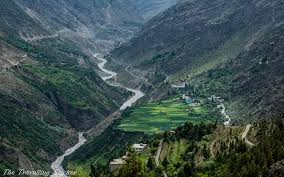
The final stretch involves the steepest climb as the trail approaches the monastery. The exertion is rewarded as Shashur Monastery comes into view, perched dramatically on the cliff edge. The white walls contrast sharply against the rocky mountainside, and prayer flags flutter in the wind, their colors bright against the brown landscape. Most trekkers feel a sense of achievement as they reach the monastery courtyard, where the sound of monks chanting and the sight of the majestic assembly hall create a deeply spiritual atmosphere.
The descent back to Kaza typically takes 30-45 minutes. While going down is easier on the cardiovascular system, watch your footing on loose gravel and steep sections. Many travelers find that the downhill journey offers different perspectives and photo opportunities, so don't rush back. If you have energy, consider exploring the area around the monastery before beginning your descent—there are several meditation caves and hermitages used by monks for retreat in the surrounding cliffs.
Best Time to Visit
Choosing the right time to visit Shashur Monastery depends on what experience you're seeking—festival culture, accessible travel, or peaceful solitude. Spiti Valley's harsh climate means that travel is only possible during a limited window each year, generally from May to October when the mountain passes are open.
June-July (Festival Season): This is the most popular time to visit Shashur Monastery, as it coincides with the famous Chaam Festival. The weather during these months is generally pleasant during the day (15-20°C) though nights remain cold (0-5°C). The valley is lush and green following the spring thaw, and wildflowers bloom across the meadows. However, this is also peak tourist season, so expect crowds during the festival and book accommodations well in advance. The festival dates vary according to the Tibetan lunar calendar, so confirm with local sources before planning your trip.
August-September (Post-Monsoon): After the festival crowds dissipate, late summer and early autumn offer excellent conditions for visiting Shashur. The weather is generally stable with clear skies, making it ideal for trekking and photography. Temperatures begin to drop as autumn approaches, especially in September, so carry warm layers. This period offers a more peaceful experience compared to festival season, allowing for deeper engagement with the monastery and its resident monks. The surrounding landscape takes on golden hues as autumn approaches, creating beautiful photographic opportunities.
October (Autumn Clarity): October is considered one of the best months for Spiti Valley travel overall. The monsoon has completely retreated, skies are crystal clear, and temperatures are still manageable (though getting colder). The air is crisp and visibility is exceptional, offering spectacular views of the surrounding peaks from the monastery. However, be aware that temperatures drop significantly in October, with nighttime temperatures often falling below freezing. By late October, some guesthouses in Kaza may begin closing for the winter season.
May (Spring Opening): As the mountain passes open after winter, May offers the chance to visit Shashur Monastery with minimal crowds. The landscape is just awakening from winter, with patches of snow still visible on north-facing slopes. Temperatures are climbing but still cool, so bring warm clothing. This is an excellent time for photographers who want to capture Spiti's dramatic landscapes with snow-dusted peaks. The monastery may be quieter, allowing for intimate conversations with monks and peaceful meditation.
Winter (November-April): Shashur Monastery remains technically accessible in winter, but travel to Spiti Valley becomes extremely challenging during these months. Kunzum Pass, the main route to Spiti, typically closes due to heavy snow, and temperatures can drop to -30°C. Only experienced winter travelers with proper equipment and contingency plans should attempt visiting during winter. Some monks remain at the monastery year-round, maintaining the sacred traditions even in the harshest conditions.
Regardless of when you visit, remember that weather in high-altitude regions can change rapidly. Always carry warm layers, rain protection, and sun protection. The UV index at 3,900 meters is significantly higher than at sea level, so sunscreen and sunglasses are essential even on cloudy days. Altitude sickness can affect anyone, so stay hydrated and give yourself time to acclimatize to the thin mountain air.
Practical Travel Information
Accommodations Near Shashur
There are no accommodations at Shashur Monastery itself—all visitors stay in Kaza and make the trip to the monastery as a day excursion or half-day activity. Kaza offers a range of options from basic guesthouses to mid-range hotels, with new properties opening each year as Spiti's popularity grows. Popular choices include Hotel Deyzor, Spiti Holiday Resort, and Sakya Abode, among others. During the Chaam Festival, accommodations in Kaza can fill up completely, so book well in advance if you're planning to visit during this period. For a more authentic experience, consider homestays in Kaza, where you can stay with local families and experience Spitian hospitality firsthand.
What to Carry
Visiting Shashur Monastery requires proper preparation, especially if you're trekking from Kaza. Wear comfortable trekking shoes with good grip—the path can be rocky and uneven. Even in summer, carry a warm jacket or fleece as temperatures at the monastery are significantly cooler than in Kaza due to the altitude and exposed location. Sun protection is crucial—bring sunscreen, sunglasses, and a hat. Carry water (at least 1-2 liters per person) and snacks, as there are no facilities at the monastery. A small flashlight can be useful if you're staying late, as the return path has no lighting. If you plan to spend time meditating or simply absorbing the peaceful atmosphere, consider bringing a sitting mat or light cushion.
Cultural Etiquette
When visiting Shashur Monastery, remember that this is an active religious site, not just a tourist attraction. Dress modestly, covering shoulders and knees. Remove shoes before entering the assembly hall—most monasteries have a designated area for footwear. Walk clockwise around stupas and prayer wheels. Speak softly and avoid disruptive behavior, especially during prayer times. Always ask permission before photographing monks or sacred objects. Some areas of the monastery may be restricted to practitioners only—respect these boundaries. If a monk is available and willing to answer questions, feel free to ask about the monastery and Buddhism, but be respectful of their time and duties. A small donation to the monastery is appreciated and helps support the monks and maintenance of the sacred site.
Combining with Other Attractions
Shashur Monastery can easily be combined with other Kaza-area attractions in a day or two of sightseeing. Visit the famous Key Monastery, Spiti's largest and most iconic gompa, which offers spectacular views and an extensive collection of Buddhist art. Explore the ancient Langza Buddha statue and search for fossils in the surrounding hills. Take a day trip to Kibber Village, one of the highest inhabited villages in the world, and visit Chicham Bridge, Asia's highest bridge. If you're interested in more monasteries, Dhankar Monastery perches dramatically above the confluence of the Spiti and Pin rivers and offers stunning views of the Dhankar Lake. A well-planned 3-4 day stay in Kaza allows you to explore Shashur along with these other highlights at a relaxed pace.
Spiritual Significance & Buddhist Philosophy
Beyond its architectural beauty and festival fame, Shashur Monastery represents an important spiritual center in the Tibetan Buddhist tradition. The monastery follows the Gelugpa sect, which emphasizes discipline, scholarship, and the gradual path to enlightenment. Monks at Shashur spend years studying Buddhist philosophy, mastering meditation techniques, and performing rituals that benefit both practitioners and the wider community.
The monastery's location on a cliff is not accidental—in Tibetan Buddhism, high places are believed to be closer to the divine and offer clearer energy for meditation practices. The thin air and isolation from distractions create ideal conditions for the deep contemplation that forms the core of Buddhist practice. When you visit Shashur, take time to simply sit quietly and absorb the atmosphere. The sound of wind through the prayer flags, the distant chanting of monks, and the vastness of the mountain landscape all contribute to an environment that naturally encourages introspection and peace.
For those interested in learning more about Buddhism, the resident monks at Shashur are sometimes available for discussions (though this depends on their schedules and your timing). Simple questions about the monastery, Buddhism, or monk life are usually welcomed. However, remember that these are practicing monks, not tour guides, so be respectful of their time and duties. Some monasteries offer short meditation sessions or introductory talks for visitors—inquire at the main office if such programs are available during your visit.
The principles of compassion, mindfulness, and wisdom that Buddhism teaches are reflected in the monastery's architecture and layout. Every element, from the orientation of the building to the placement of statues and paintings, follows symbolic principles designed to support spiritual practice. Understanding even a little about this symbolism can enrich your visit significantly. If you have the opportunity, reading a basic introduction to Tibetan Buddhism before your visit will help you appreciate the deeper meanings behind what you're seeing.
Whether you're a dedicated spiritual practitioner or simply a curious traveler, Shashur Monastery offers something profound—an opportunity to step outside the busy modern world and experience a place where spiritual life has continued uninterrupted for centuries. In our fast-paced, connected world, such places are increasingly rare and precious. Visit with an open heart and mind, and you may find that Shashur offers not just beautiful photos and cultural experiences, but also moments of genuine peace and insight that stay with you long after you've returned to the world below.
Conclusion
Shashur Monastery stands as one of Spiti Valley's most rewarding destinations—a place where dramatic natural beauty, rich cultural traditions, and profound spiritual practice come together to create an unforgettable travel experience. From its cliffside perch overlooking Kaza to the vibrant celebrations of the Chaam Festival, Shashur offers insights into a way of life that has evolved over centuries in one of the world's most challenging environments.
For travelers exploring Spiti Valley, Shashur Monastery provides a perfect complement to the region's other attractions. Whether you're trekking from Kaza, attending the famous festival, or simply spending a peaceful afternoon absorbing the atmosphere, this sacred gompa offers something meaningful for every visitor. The monastery's relatively smaller size and more intimate atmosphere allow for deeper engagement than some of Spiti's more crowded tourist spots, while still offering all the elements that make Himalayan Buddhist monasteries so compelling—dramatic architecture, sacred art, chanting monks, and stunning mountain views.
As tourism in Spiti Valley continues to grow, places like Shashur Monastery serve as reminders that travel can be more than just sightseeing—it can be an opportunity for cultural exchange, spiritual reflection, and meaningful connections across different ways of life. By visiting respectfully, learning about the traditions, and supporting the local community, travelers can help ensure that sacred sites like Shashur continue to thrive for generations to come.
Whether you're drawn by the famous Chaam dances, the stunning cliffside location, or simply the opportunity to experience Tibetan Buddhist culture in an authentic setting, Shashur Monastery rewards those who make the journey with experiences that transcend typical tourist attractions. In the silence of the high Himalayas, with prayer flags fluttering in the wind and ancient chants echoing from the assembly hall, Shashur offers a glimpse into a world where the sacred remains very much alive.
Location
Frequently Asked Questions
Q1.Where is Shashur Monastery located?
Q2.How far is Shashur Monastery from Kaza?
Q3.What is the best time to visit Shashur Monastery?
Q4.When is the Chaam Festival at Shashur Monastery?
Q5.Is the trek to Shashur Monastery difficult?
Q6.Can we stay at Shashur Monastery?
Q7.What should I carry for the monastery visit?
Q8.What makes Shashur Monastery special?
Recommended For You
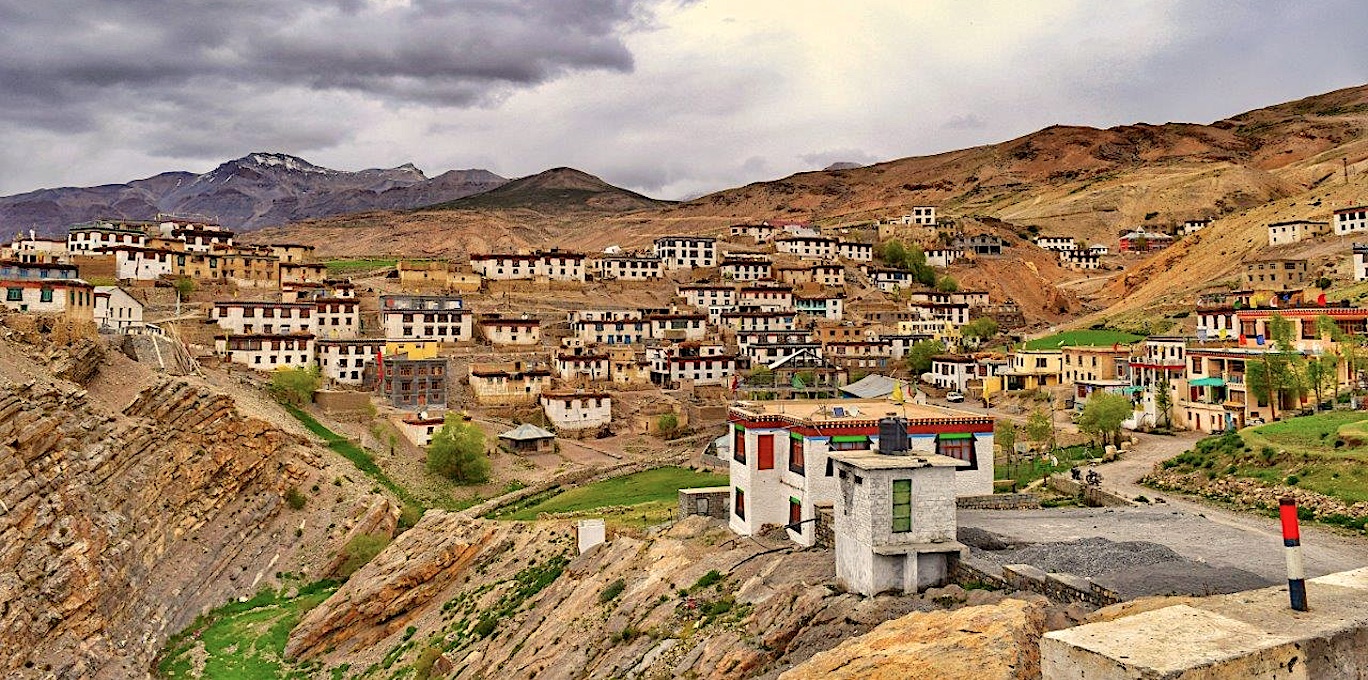
Kibber Village Spiti: Altitude, Weather, Homestays & Route
Planning Kibber Village in Spiti? Get altitude details, best season, route from Kaza, weather tips, homestay guidance, and wildlife-focused travel advice.
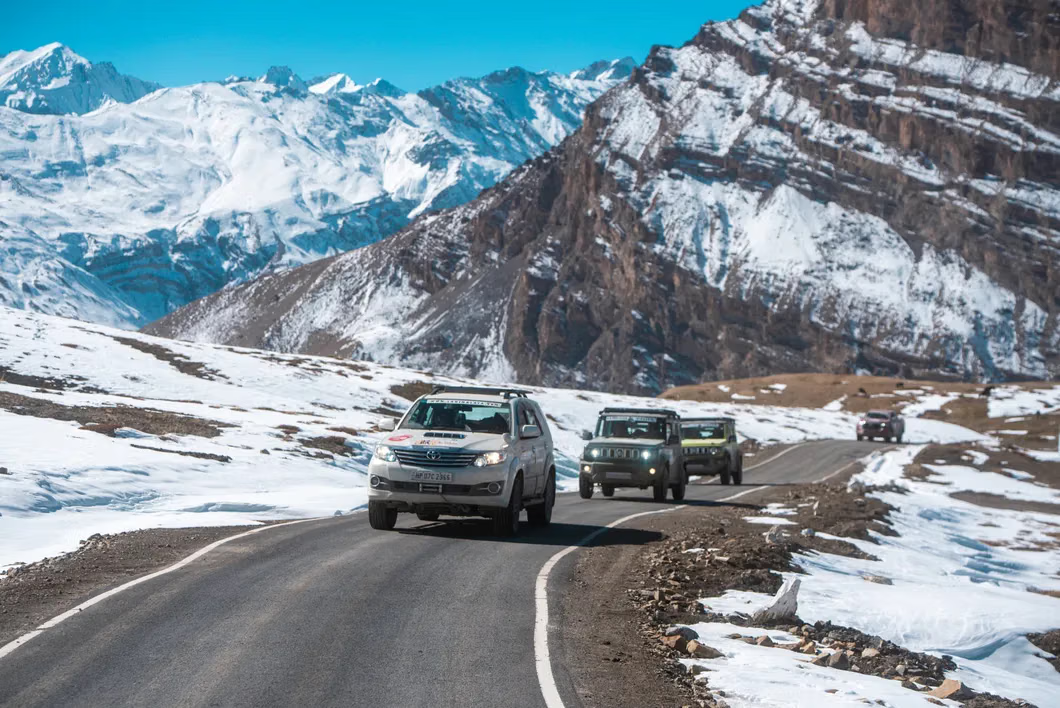
Spiti Valley Road Trip: The Ultimate Guide to Himalayan Adventure
Spiti Valley road trip guide: routes from Shimla/Manali, best time, permits, vehicles, itinerary, accommodation & tips for the ultimate Himalayan adventure.
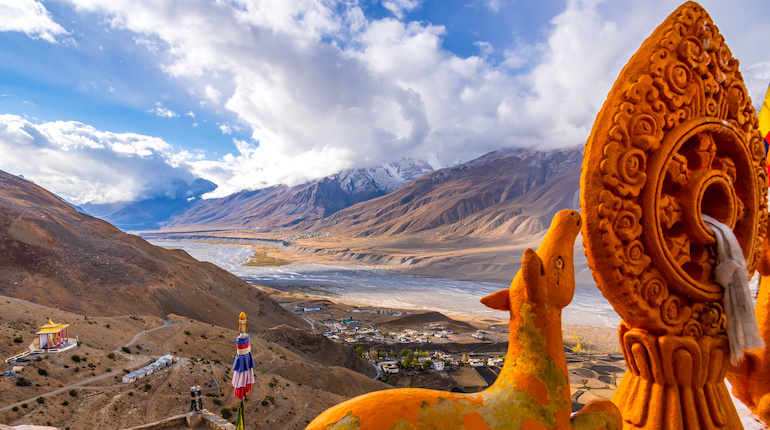
Things to Do in Kaza Spiti: Monasteries, Villages & Day Excursions
Discover things to do in Kaza, Spiti Valley. Visit Key Monastery, Chandratal, Kibber Village & more. Complete Kaza travel guide with itinerary.
Never Miss an Adventure
Get the latest trekking guides, travel tips, and exclusive offers delivered straight to your inbox.
