
Indore Zoo (Kamla Nehru Prani Sangrahalaya): Timings, Tickets & Attractions

Priya Mehta
January 26, 2026
Visit Indore Zoo (Kamla Nehru Prani Sangrahalaya). Largest zoo in MP with white tigers, lions, birds, snakes. Check timings, entry fee, attractions & plan your family trip.
Welcome to Indore's Wildlife Haven
Nestled in the heart of India's cleanest city, Indore Zoo (officially known as Kamla Nehru Prani Sangrahalaya) offers a wild escape for families, wildlife enthusiasts, and nature lovers. As the largest zoo in Madhya Pradesh, this 51-acre facility in Navlakha has been captivating visitors since 1974 with its diverse collection of animals, birds, and reptiles. Whether you're a local looking for weekend entertainment or a tourist exploring places to visit in Indore, the zoo promises an engaging experience blending education with adventure.
What makes Indore Zoo special is its successful breeding programs, particularly for white tigers, which have earned it recognition from the Central Zoo Authority. The zoo's commitment to wildlife conservation, combined with its family-friendly atmosphere and affordable entry, makes it one of Madhya Pradesh's most visited attractions. From majestic big cats to slithering reptiles and colorful birds, the zoo brings the animal kingdom to life for visitors of all ages.
About Kamla Nehru Prani Sangrahalaya
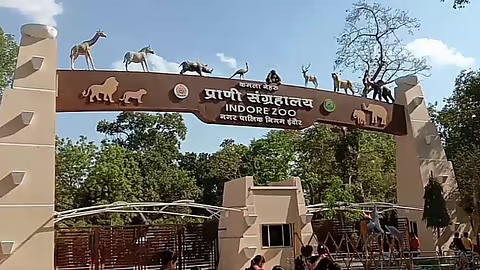
Kamla Nehru Prani Sangrahalaya, as Indore Zoo is officially known, has a rich history spanning nearly five decades. Established in 1974 and managed by the Indore Municipal Corporation, the zoo has grown from a modest collection to housing over 200 animal species today. The name honors Kamla Nehru, a freedom fighter and social worker, reflecting the zoo's commitment to public service and education.
The sprawling 51-acre campus provides spacious enclosures that mimic natural habitats, ensuring animal welfare while allowing visitors excellent viewing opportunities. Recognition from the Central Zoo Authority of India validates the zoo's standards in animal care, conservation efforts, and visitor facilities. The zoo actively participates in breeding programs for endangered species including white tigers, gharials, and wolves, contributing significantly to wildlife conservation in India.
Beyond recreation, the zoo serves as an educational institution where students and families learn about wildlife, biodiversity, and conservation. Interactive displays, information boards, and guided tours help visitors understand animal behavior, habitat requirements, and the importance of protecting endangered species. This educational dimension makes each visit both entertaining and enlightening.
Animals: The Main Attractions
Big Cats Collection
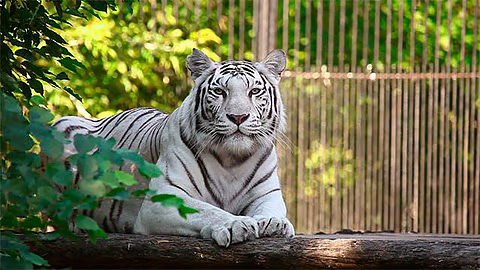
The undisputed stars of Indore Zoo are its white tigers, rare genetic variants that have been successfully bred here. These magnificent creatures with their snowy coats and piercing blue eyes draw visitors from across India. Alongside white tigers, the zoo houses Royal Bengal Tigers, the classic striped subspecies representing India's national pride. Watching these powerful predators from a safe distance provides thrills and fosters appreciation for tiger conservation efforts.
Asiatic lions, another endangered species, find sanctuary here in spacious enclosures that allow them to exercise and socialize naturally. Unlike their African counterparts, Asiatic lions are smaller and possess distinctive fold flaps along their bellies. The zoo's leopard collection includes both spotted and melanistic variants, displaying the adaptability of these elusive cats that survive from jungles to human-dominated landscapes.
The big cat feeding time, usually early morning or late afternoon, offers the most exciting viewing as these predators become active. Zookeepers follow scheduled feeding routines, and timing your visit to coincide with these meals increases your chances of seeing the animals in motion rather than sleeping.
Herbivores and Mammals
The herbivore section features Indian elephants, sometimes offering joyrides for children under strict supervision and safety protocols. These gentle giants represent cultural significance in Indian traditions while educating visitors about habitat loss and human-elephant conflict. The hippopotamus enclosure houses these massive semi-aquatic mammals, often submerged in water with only eyes and nostrils visible—a fascinating sight for children experiencing hippos beyond picture books.
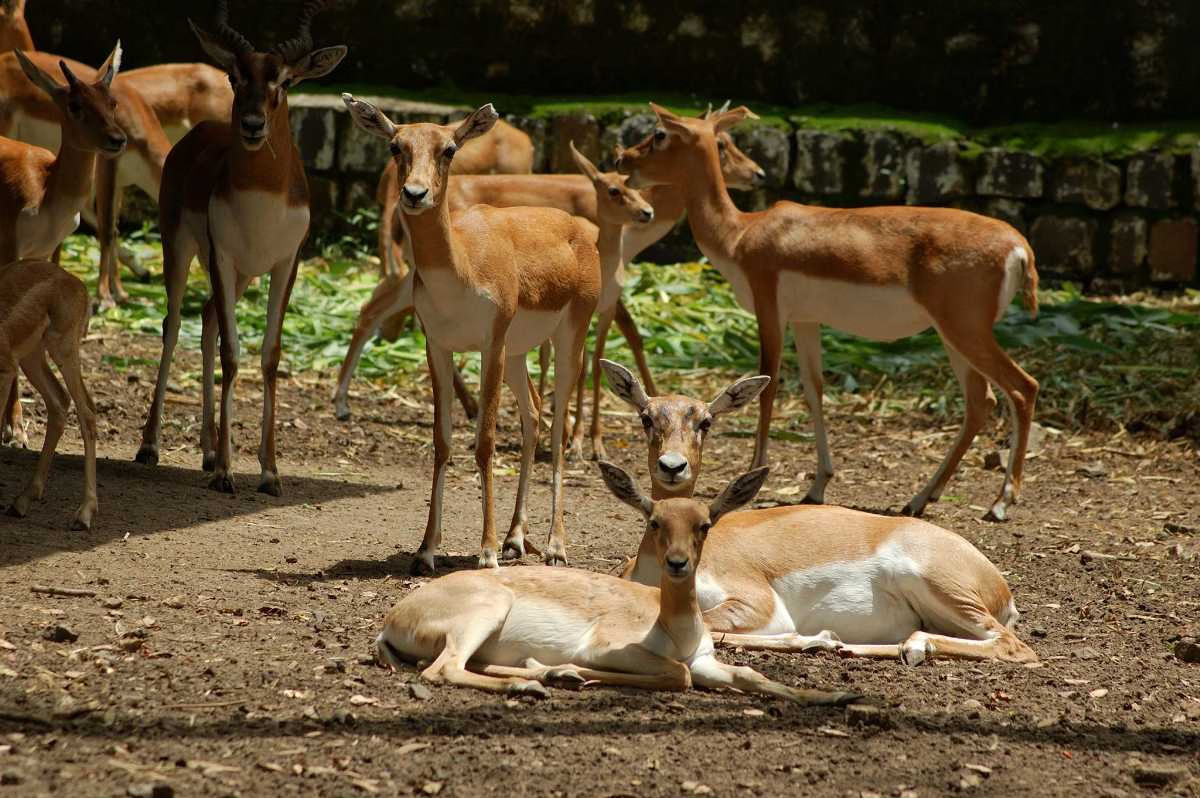
Various deer species including blackbucks, sambars, and spotted deer graze in grassy enclosures, displaying graceful movements and impressive antlers (in males). The blackbuck, endemic to India, represents successful conservation stories as these endangered antelopes breed well in captivity. Watching herds of deer move together provides insights into herd dynamics and predator-prey relationships in the wild.
Primate exhibits include various monkey species and langurs, showcasing the intelligence and social complexity of our closest relatives in the animal kingdom. Their playful antics, grooming behaviors, and territorial displays entertain visitors while demonstrating evolutionary connections between humans and primates. The zoo also houses sloth bears and Himalayan bears, educating visitors about India's bear species and the challenges they face from habitat destruction and poaching.
Snake House & Bird Aviary
Reptile House
The Snake House ranks among Indore Zoo's most popular attractions, fascinating and terrifying visitors in equal measure. Glass-fronted enclosures display venomous snakes including Indian cobras, Russell's vipers, and kraits—species responsible for most snakebite incidents in India. Educational boards explain snake identification, first aid for snakebites, and the ecological importance of these misunderstood reptiles in controlling rodent populations.
Non-venomous snakes including rat snakes, pythons, and tree snakes demonstrate the diversity within Indian reptiles. The massive Indian pythons, sometimes reaching lengths over 15 feet, awe visitors with their size and constricting abilities during feeding demonstrations. The Snake House plays crucial educational roles in dispelling myths about snakes and promoting coexistence rather than confrontation.
Reptile keepers sometimes handle non-venomous species for educational demonstrations, allowing visitors to see snakes up close while learning about their behavior, habitat requirements, and conservation needs. These supervised interactions help overcome fear and foster respect for these ecologically vital creatures.
Bird Aviary
The bird section showcases India's incredible avian diversity, from peacocks with their iridescent plumage to colorful parrots and macaws that amaze visitors with their intelligence and ability to mimic human speech. The walk-through aviary, where applicable, allows visitors to enter enclosed spaces where birds fly freely, creating an immersive experience of being within a natural habitat rather than observing from outside.
Large flightless birds including emus and ostriches demonstrate evolutionary adaptations across continents, while migratory birds including painted storks and pelicans visit seasonally, adding variety throughout the year. Waterbird enclosures feature ducks, geese, and wetland species, educating visitors about the importance of wetland conservation for bird survival.
Bird watching enthusiasts appreciate the variety of raptors, waterbirds, and songbirds, each displaying unique adaptations to their ecological niches. Information boards detail bird calls, nesting behaviors, and migration patterns, enhancing the viewing experience beyond simple observation. Early morning visits often reward visitors with active bird calls and feeding behaviors.
Timings & Entry Fees
Zoo Operating Hours
Indore Zoo welcomes visitors from 9:00 AM to 7:00 PM, Tuesday through Sunday. Monday remains the weekly closure day for maintenance and animal care activities. The extended operating hours until 7:00 PM allow afternoon visits after school or work, making it convenient for families to visit during weekdays after completing daily commitments.
| Category | Ticket Price |
|---|---|
| Indian Adults | ₹20 - ₹30 |
| Foreign Nationals | ₹100 |
| Children (below 5 years) | Free |
| Still Camera | ₹50 |
| Video Camera | ₹150 |
The zoo maintains these timings year-round, though extreme weather conditions (heatwaves, heavy rain) might occasionally force early closures for animal safety. During peak summer months, visiting early (9-11 AM) ensures animals are active before they retreat to shaded areas during midday heat. Winter visits throughout the day are pleasant as animals remain active in comfortable temperatures.
Entry Fee Structure
Indore Zoo maintains very affordable entry fees, making wildlife accessible to all economic sections. Indian adults pay between ₹20-30, while foreign visitors pay ₹100—still reasonable by international standards. Children below five years enjoy free entry, making it economical for families with young children.
Camera fees apply separately—₹50 for still cameras and ₹150 for video cameras. These fees help maintain the facility and support animal care. Mobile photography, however, remains free, allowing visitors to capture memories without additional charges. Professional photography and commercial filming require special permissions and separate fees.
Ticket Booking Options
Tickets can be purchased directly at the zoo entrance gate, where multiple counters handle peak crowds efficiently. The zoo occasionally offers online booking through municipal apps or third-party platforms, though the current primary method remains physical ticket purchase. Carry exact change when possible to speed up transactions at the counter.
Facilities & Visitor Rules
Visitor Amenities
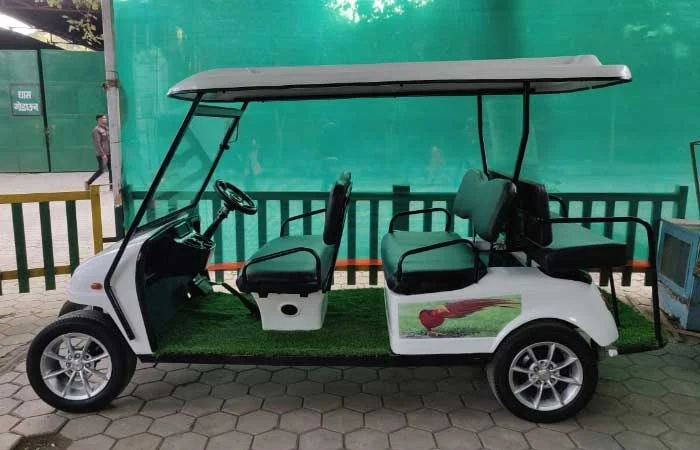
Indore Zoo provides various facilities ensuring comfortable visits for all age groups. Battery-operated vehicles transport seniors and young children across the expansive grounds, preventing fatigue while covering all major exhibits. These eco-friendly carts operate on fixed routes with designated stops, allowing visitors to board and disembark as needed.
Drinking water stations are strategically placed throughout the campus, ensuring visitors stay hydrated during walks. Clean restrooms are available near the entrance and at multiple points inside, important for families with young children. The on-site canteen serves snacks, beverages, and light meals, though outside food is strictly prohibited to maintain cleanliness and prevent animals from consuming inappropriate items.
The souvenir shop near the exit sells wildlife-themed memorabilia including t-shirts, toys, books, and decorative items. Purchases here support zoo operations while providing lasting memories of your visit. First aid facilities handle minor emergencies, while trained staff manage medical situations requiring professional intervention.
Zoo Rules and Regulations
Indore Zoo maintains strict rules ensuring animal welfare and visitor safety. Teasing, provoking, or feeding animals is absolutely prohibited—these behaviors stress animals and can be dangerous. Visitors must maintain silence near enclosures, avoiding loud noises that might disturb animal rest or trigger aggressive responses.
The zoo operates as a plastic-free zone, banning plastic bottles, bags, and packaging to prevent environmental pollution and accidental animal ingestion. Visitors carrying plastic items must deposit them at designated counters before entering. Outside food isn't permitted inside, with checks at the gate enforcing this rule to prevent littering and inappropriate feeding of animals.
Parents must supervise children at all times, preventing them from crossing safety barriers or attempting to touch animals through enclosures. Climbing fences, throwing objects at animals, or entering restricted areas results in immediate eviction. Photography must respect other visitors—avoid blocking pathways or using flash that might disturb animals.
How to Reach Indore Zoo
Location Overview
Kamla Nehru Prani Sangrahalaya is located on Agra-Bombay Road in Navlakha, one of Indore's well-connected areas. The zoo's central location makes it accessible from anywhere in the city within 30-45 minutes depending on traffic. Clear signboards direct visitors from major landmarks, and most auto-rickshaw and taxi drivers are familiar with the location.
Public Transport Options
Indore's BRTS (Bus Rapid Transit System) has a dedicated stop at Navlakha, right in front of the zoo entrance. These air-conditioned buses connect the zoo to major city areas including Vijay Nagar, Rajwada, and railway stations at affordable fares. Local city buses also serve Navlakha, though BRTS offers more reliable and comfortable service.
Auto-rickshaws provide point-to-point convenience and are readily available throughout the city. Negotiate rates before starting the journey or insist on meter payment to avoid overcharging. App-based cabs including Ola and Uber operate in Indore, offering air-conditioned comfort and transparent pricing through their apps.
By Train and Air
Indore Junction railway station lies approximately 3 kilometers from the zoo, a short 10-15 minute auto-rickshaw ride costing ₹50-80. The railway station connects Indore to major Indian cities including Mumbai, Delhi, Hyderabad, and Jaipur, making the zoo accessible for outstation visitors.
Devi Ahilya Bai Holkar Airport is roughly 10 kilometers from the zoo, taking 25-35 minutes by taxi depending on traffic. Pre-paid taxis at the airport offer reliable transportation to the zoo and other city locations. The airport's expanding network connects Indore to multiple Indian cities, facilitating tourism to attractions including the zoo.
Best Time to Visit Indore Zoo
Seasonal Considerations
Winter (October-March) represents the ideal season for visiting Indore Zoo. Pleasant temperatures ranging from 15-25°C encourage animals to remain active throughout the day, allowing visitors to observe natural behaviors rather than sleeping animals hiding from heat. The comfortable weather also makes walking the expansive grounds enjoyable without fatigue from extreme temperatures.
Summer months (April-June) bring temperatures exceeding 35-40°C, causing animals to retreat to shaded areas and sleep during midday. If visiting in summer, plan early morning visits (9-11 AM) when animals feed and remain active before the heat intensifies. Carry sun protection including hats, sunglasses, and sunscreen to prevent heat exhaustion during summer visits.
Monsoon season (July-September) brings relief from heat but unpredictable rainfall might interrupt outdoor viewing. However, rain-washed surroundings create lush green scenery and cooler temperatures that encourage animal activity. Carry umbrellas or raincoats if visiting during monsoon, and be prepared for some exhibits to close temporarily during heavy rain.
Time of Day Strategy
Morning hours (9-11 AM) typically offer the best animal viewing across all seasons. Animals feed in the morning and remain active before settling down for midday rest. Early visits also avoid crowds, providing more intimate viewing experiences and better photography opportunities without people obstructing views.
Afternoon visits (2-4 PM) often find animals sleeping, particularly during summer months. However, this timing works for bird watching, as many bird species remain active throughout the day. Late afternoon (5-7 PM) sees renewed activity as animals become more active before evening feeding times, though this might coincide with peak weekend crowds.
Weekday visits (Tuesday-Friday) offer quieter experiences with fewer visitors compared to weekends. Families and school groups frequent the zoo on Saturdays and Sundays, creating crowded conditions. For peaceful viewing and better animal observations, weekday mornings provide optimal conditions.
Nearby Attractions & Trip Planning
Combining with Other Indore Attractions
Indore Zoo combines well with other Indore attractions for a full day itinerary. Rajwada Palace, the historic Holkar palace, is approximately 4 kilometers away and showcases royal heritage with impressive architecture. Khajrana Ganesh Temple, one of Indore's most revered religious sites, lies within 5 kilometers, attracting devotees throughout the day.
Sarafa Bazaar, famous for its night street food scene, offers perfect evening dining after zoo visits. This unique market transforms from jewelry shopping during the day to food stalls at night, serving Indore's famous poha, jalebi, and various chaats. Combining these attractions creates balanced itineraries mixing wildlife, culture, and cuisine.
For nature lovers, Patalpani Waterfall (35 kilometers) and Choral Dam (25 kilometers) offer scenic getaways suitable for day trips from Indore. These locations work particularly well during and just after monsoon when waterfalls flow strongly and landscapes remain lush green.
Trip Duration Recommendations
Most visitors spend 2-3 hours exploring the zoo comprehensively, though wildlife enthusiasts and photographers might stay 4-5 hours to observe animal behaviors carefully and capture good photographs. Families with children should plan 3 hours to avoid fatigue while covering all major exhibits. Morning visits allow completion before noon, leaving afternoon free for other attractions or rest.
Photography enthusiasts should allocate extra time for patient waiting and multiple angles of animal enclosures. Early morning visits provide best lighting for photography and more active animal subjects. Carry telephoto lenses for close-ups without disturbing animals and wide-angle lenses for enclosure shots showing natural habitats.
Indore Zoo offers excellent value combining education, recreation, and conservation awareness. Its affordable pricing, diverse animal collection, and convenient location make it a must-visit for families, students, and anyone interested in experiencing India's wildlife without traveling to distant national parks. Whether you're a local resident or tourist exploring Madhya Pradesh, Kamla Nehru Prani Sangrahalaya provides engaging wildlife experiences that entertain while educating visitors about the importance of protecting our natural heritage.
Location
Frequently Asked Questions
Q1.What are the timings of Indore Zoo?
Q2.Is Indore Zoo open on Monday?
Q3.What is the ticket price for adults?
Q4.Is Indore Zoo the largest in Madhya Pradesh?
Q5.Are there white tigers in Indore Zoo?
Q6.How much time is needed to see the full zoo?
Q7.Is camera allowed inside the zoo?
Q8.Is outside food allowed in Indore Zoo?
Recommended For You
Sarafa Bazaar Indore: Night Street Food, Timings & Must-Try Stalls
Explore Sarafa Bazaar Indore with best timings, must-try street food, market navigation tips, and a practical plan for your night food crawl.
Central Museum Indore: Heritage Collections, Timings & Entry Info
Explore Central Museum Indore with key galleries, sculpture highlights, timings guidance, ticket planning, and a practical heritage route for city travelers.
Janapav Hills Indore: Trek Route, Sunset View & Weekend Plan
Discover Janapav Hills, the highest point in Malwa Plateau at 881m. This complete guide covers trekking, best time to visit, sunset views, and how to reach from Indore.
Never Miss an Adventure
Get the latest trekking guides, travel tips, and exclusive offers delivered straight to your inbox.
