
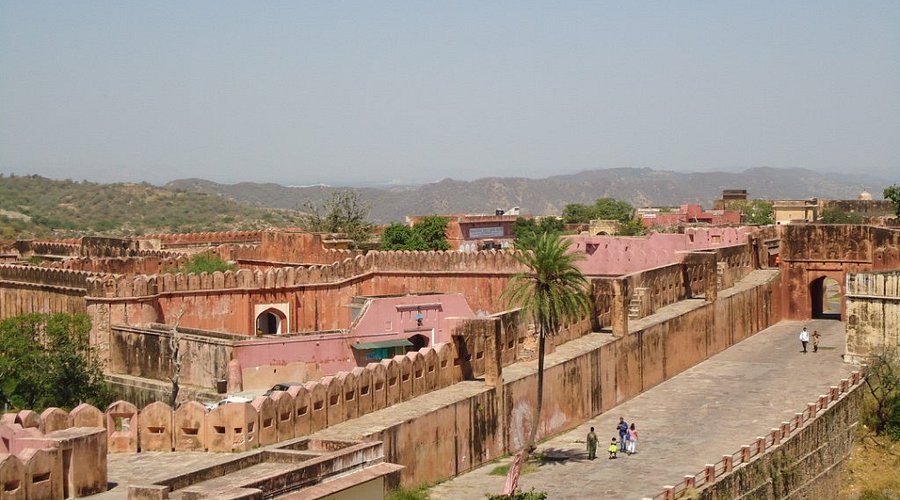
Jaivana Cannon Jaipur: History, Location & Interesting Facts

Rahul Garg
January 18, 2026
See Jaivana Cannon at Jaigarh Fort. Discover history, size, timings, entry fee, and how to reach the world's largest wheeled cannon in Jaipur.
Jaivana Cannon Jaipur: Complete Guide to the World's Largest Wheeled Cannon
Jaivana Cannon is one of the most talked-about military artifacts in Rajasthan and a highlight of Jaigarh Fort. Travelers often visit it after Amer Fort, but many only spend a few minutes near the platform and leave without understanding its engineering context. That is a missed opportunity. Jaivana is not just oversized artillery. It represents foundry capability, strategic signaling, and political confidence during the reign of Kachhwaha rulers in Jaipur.
If your Jaipur plan already includes amber fort jaipur, add Jaigarh as a dedicated historical block rather than a quick photo stop. The fort landscape, cannon foundry, and ridge-line views together explain why this site mattered in pre-modern defense networks. Plan at least two to three hours so you can study the cannon and the surrounding military infrastructure with proper context.

Historical Background: Why Jaivana Was Built
Jaivana was cast in the early 18th century, during the period associated with Maharaja Sawai Jai Singh II. Jaipur's rulers invested in military preparedness while also developing science, astronomy, and urban planning. In this environment, the production of a giant wheeled cannon served two purposes: practical readiness and symbolic deterrence. Even if rarely used in war, such artillery could send a clear message to rival powers.
The cannon was made at the Jaigarh foundry, which demonstrates the technical confidence of local metallurgical teams. Production at that scale required material supply, furnace control, casting precision, transport planning, and crew coordination. Viewed this way, Jaivana is evidence of industrial organization, not only royal spectacle.
Technical Specifications and Engineering Insights
Jaivana is commonly described as the largest wheeled cannon in the world. Measurements vary across travel sources, but all agree on its extraordinary scale. The barrel length, wheel dimensions, and bore size show that this weapon was designed to project force over long range. The carriage design and wheel build also indicate concern for controlled repositioning on fort terrain.
Visitors should examine three details closely: the muzzle profile, reinforcement bands around the barrel, and carriage geometry. These features help you understand how cannon makers handled stress distribution and balance. Even without firing in battle, the weapon's design remains an exceptional case study in pre-industrial military engineering.
For a broader Jaipur defense route, connect this stop with nahargarh fort jaipur to compare ridge-based fortification logic across different points in the city’s historic protective arc.
The Firing Legend and Local Memory
A widely repeated story says Jaivana was test-fired only once, and the cannonball landed far away near Chaksu, creating a water depression remembered in local lore. Whether every detail of this narrative is historically verifiable or partially mythologized, the legend itself is important. It reflects how military technology entered regional memory and became part of place identity.
When guides discuss this story, treat it as a blend of documented history and oral tradition. Good heritage travel is not about dismissing legend or accepting everything uncritically. It is about reading different forms of memory together and asking better questions about power, fear, and symbolism in the period.

Visiting Jaivana Inside Jaigarh Fort
Jaivana sits within Jaigarh Fort, so your trip should cover more than the cannon platform. The fort itself is architecturally strong, with thick walls, elevated watch points, and long corridors planned for defense logistics. Add time for the foundry-related sections, armory displays, and viewpoints toward Amer valley. These elements transform the visit from sightseeing into historical interpretation.
Most travelers arrive by cab or auto from Jaipur city, often via Amer. Roads are manageable, but festival days and weekends can increase traffic. Start in the morning for softer light, lower heat, and easier movement between fort sections. Carry water and walk-ready footwear because the fort terrain includes uneven paths and steps.
Entry Timings, Ticketing, and Visit Duration
| Visitor Info | Practical Guidance |
|---|---|
| Site Location | Inside Jaigarh Fort, Jaipur ridge zone |
| Typical Opening Window | Daytime visiting hours (verify at current ticket counter) |
| Ticket Type | Included in Jaigarh Fort entry system |
| Ideal Time Needed | 2-3 hours for cannon + fort interpretation |
| Best Visit Slot | Morning or late afternoon for comfort and photos |
Ticket rates and camera rules may change, so always confirm on-site before final budgeting. Keeping one flexible hour in your Jaipur plan prevents rushed exits and improves the quality of the visit.
How to Build a Strong Jaipur Heritage Circuit
Jaivana works best when treated as part of a sequence. A practical order is Amer Fort first, Jaigarh second, and Jal Mahal viewpoint in the evening. This flow reduces unnecessary backtracking and gives a clear narrative arc: palace defense, artillery engineering, and water-centered urban aesthetics.
You can continue this route with jal mahal jaipur if you want a calmer stop after military-heavy sites. That contrast between aggressive fortification and reflective waterfront architecture makes the day far more engaging.
Photography Tips for Jaivana
- Start with a wide-angle frame showing the full cannon and wheel assembly.
- Take side-light shots to reveal metal texture and banding details.
- Capture one perspective frame with visitors for scale reference.
- Shoot a context frame including surrounding fort walls for story depth.
- Avoid blocking movement areas during peak footfall.
Because the cannon is large, step back and shoot from multiple heights. A single close frame often fails to communicate true scale.

Common Mistakes Travelers Make
- Treating Jaivana as a five-minute stop without exploring the fort ecosystem.
- Ignoring the foundry and armory sections that explain how such artillery was possible.
- Visiting at peak noon heat and then skipping major sections due fatigue.
- Relying on unverified social posts for timings and ticket assumptions.
- Missing nearby science-heritage connections like jantar mantar jaipur in the same city itinerary.
Why Jaivana Cannon Still Matters
Jaivana remains relevant because it captures a moment when craftsmanship, military ambition, and state identity converged. It also challenges modern visitors to think beyond postcard tourism. What resources were needed to cast such a weapon? What message did it send to enemies and allies? How do legends preserve technological memory when written records are limited?
Seen in that light, Jaivana is not a relic frozen in time. It is a historical lens through which Jaipur’s political, technical, and cultural confidence becomes visible. Visit slowly, ask specific questions, and connect the cannon to the wider fort network. That is how this site becomes memorable instead of merely impressive.
If your schedule allows, end the day at a market walk in the old city and compare martial Jaipur with mercantile Jaipur through craft, food, and street rhythm. The city reveals more when its contrasts are read together.
Students of design and history should also observe the relationship between object and setting. A giant cannon alone can look theatrical, but when placed inside Jaigarh’s defensive matrix it becomes intelligible. Walls, vantage lines, water storage systems, and transport paths explain the logic of the entire military landscape.
Families visiting with children can turn this stop into a learning walk. Ask kids to identify how wheels, slope, and direction may have affected movement and aiming. This simple exercise makes heritage interactive and keeps everyone engaged far better than passive photo-only tourism.
Try to stand at multiple points around the platform before leaving. The change in perspective quickly shows how oversized artillery was meant to dominate both terrain and imagination. That emotional scale is part of Jaivana’s enduring impact.
Location
Frequently Asked Questions
Q1.Was the Jaivana Cannon ever used in a war?
Q2.What is the range of the Jaivana Cannon?
Q3.Where is the Jaivana Cannon located?
Q4.How much does the Jaivana Cannon weigh?
Q5.Is there an entry fee to see the Jaivana Cannon?
Q6.What makes the Jaivana Cannon special?
Q7.Can we touch the Jaivana Cannon?
Q8.What are the timings to visit Jaivana Cannon?
Recommended For You
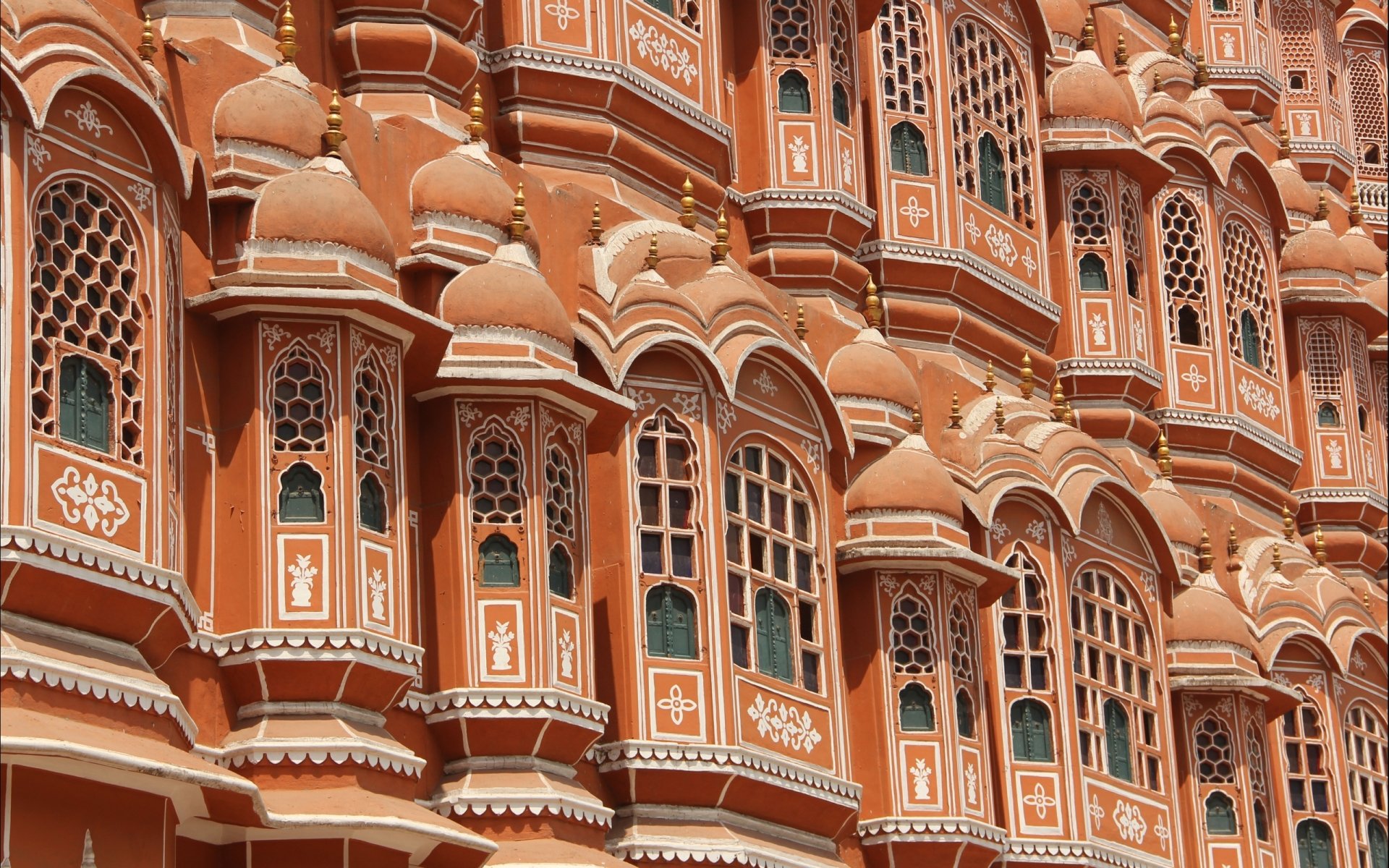
Hawa Mahal Jaipur: Complete Guide to Palace of Winds
Discover Hawa Mahal, Jaipur's iconic Palace of Winds with 953 windows. Explore its history, unique architecture inspired by Lord Krishna's crown, and practical visitor information.
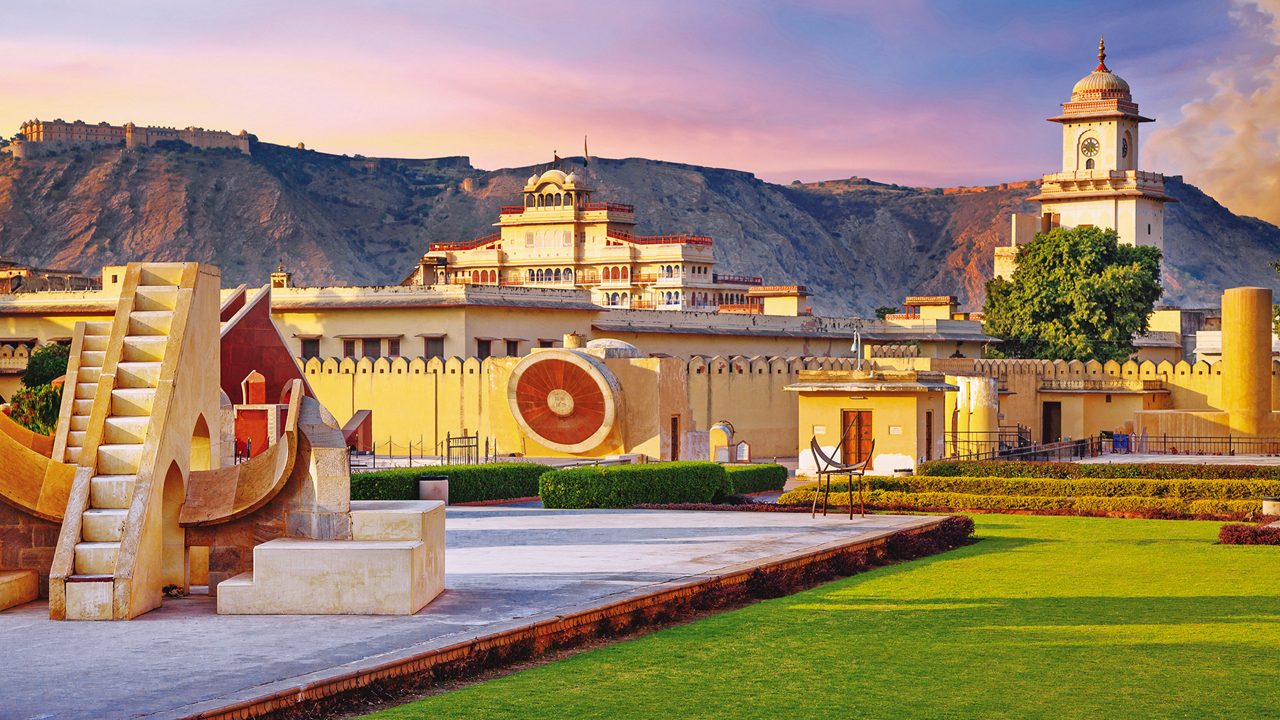
Jantar Mantar Jaipur: Timings, Tickets & Observatory Highlights
Explore Jantar Mantar Jaipur - the world's largest stone astronomical observatory. Get timings, entry fee, instruments guide & UNESCO heritage details.
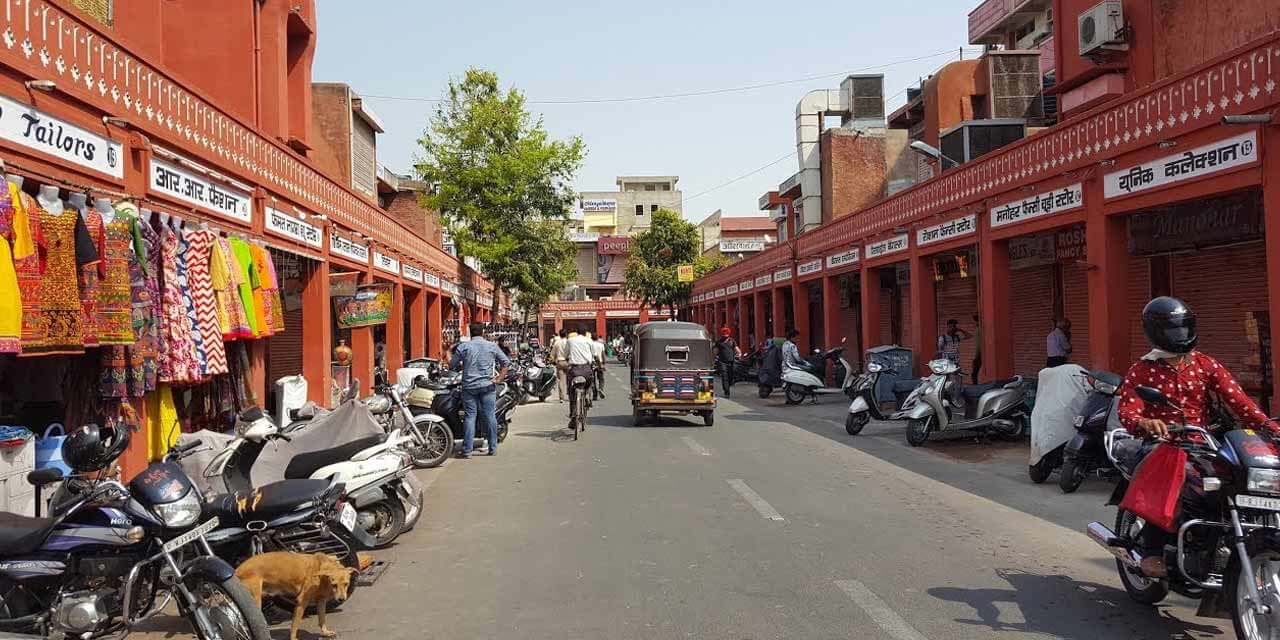
Bapu Bazar Jaipur: Shopping Guide, Timings and Tips
Plan your Bapu Bazar Jaipur visit with what-to-buy priorities, timings, bargaining strategy, and practical route tips for smarter Pink City shopping.
Never Miss an Adventure
Get the latest trekking guides, travel tips, and exclusive offers delivered straight to your inbox.
